
Refining Pineapple Swordtail Hues: A Line Breeder's Perspective

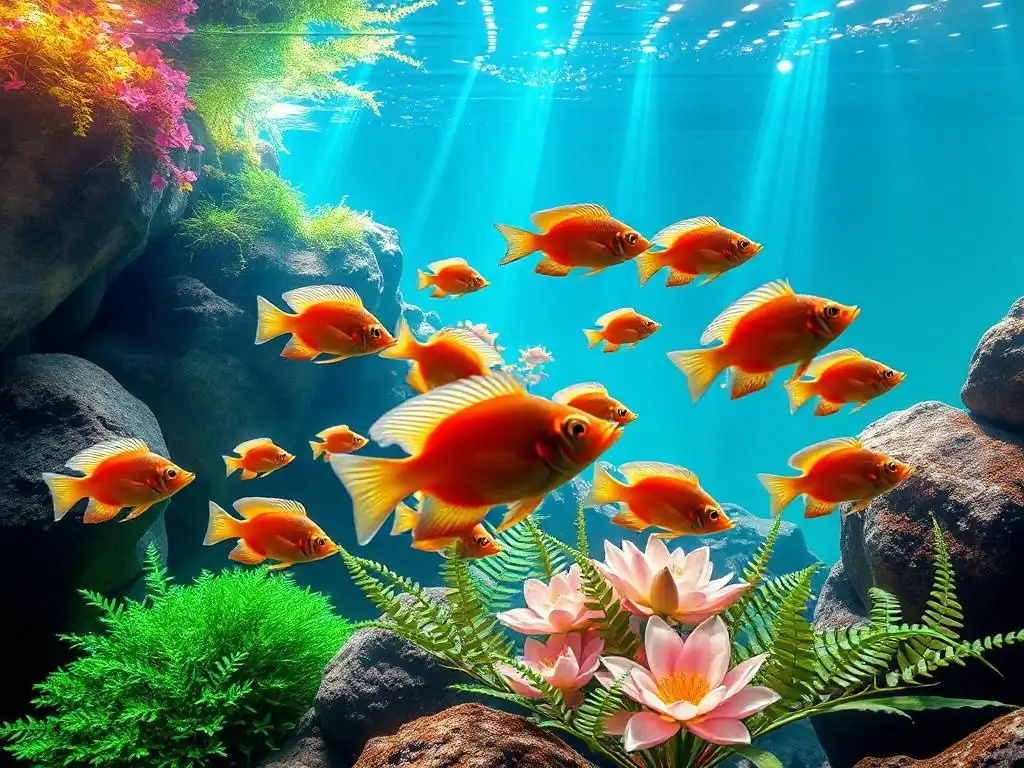
Welcome to Aquarium Mastery!
Ever wondered how breeders achieve those stunning, vibrant colors in Pineapple Swordtails? Dive into the fascinating world of Pineapple Swordtail color genetics and unlock the secrets behind refining those beautiful hues. Get ready to learn a line breeder's perspective and discover how you can enhance the beauty of your own freshwater aquarium!
- Understanding Pineapple Swordtail Color Genetics
- Line Breeding for Enhanced Pineapple Swordtail Colors
- Step-by-Step Guide to Line Breeding Pineapple Swordtails
- Refining the Red Factor in Pineapple Swordtails
- Maximizing the Yellow/Orange Intensity in Pineapple Swordtails
- Addressing Common Coloration Issues in Pineapple Swordtails
- Documenting and Tracking Your Pineapple Swordtail Line
- Advanced Techniques in Pineapple Swordtail Color Breeding
- Maintaining the Health and Vigor of Your Pineapple Swordtail Line
- The Future of Pineapple Swordtail Color Development
-
Frequently Asked Questions
- How does line breeding help refine the color of Pineapple Swordtails?
- What are the key color genes involved in Pineapple Swordtail color genetics?
- What are some common color variations seen in Pineapple Swordtails, and how are they inherited?
- What water parameters are crucial for maintaining vibrant color in Pineapple Swordtails?
- What types of food enhance the Pineapple Swordtail's coloration?
- Final Reflection: The Enduring Art of Living Color
- Ignite Your Breeding Passion: Sculpt Your Perfect Pineapple Swordtail!
Understanding Pineapple Swordtail Color Genetics
Basics of Swordtail Genetics and Color Inheritance
The vibrant hues of the Pineapple Swordtail are a testament to complex genetic interactions, rooted in the foundational principles of Mendelian inheritance. Like many livebearers, Xiphophorus hellerii (the common Swordtail) exhibits a wide array of color morphs, making it a popular subject for genetic studies among aquarists. Color inheritance in fish often involves multiple gene loci, where various alleles combine to produce the observed phenotype. For instance, a single dominant gene might dictate the presence of red pigment, while other modifier genes influence its intensity and distribution.
In the case of Pineapple Swordtails, their distinctive coloration—a blend of red, orange, and yellow with minimal black—is not controlled by a single gene but rather by a polygenic system. This means several genes contribute to the final appearance, each playing a subtle yet significant role. Understanding these basic principles of Pineapple Swordtail color genetics is the first step for any aspiring line breeder, as it allows for more informed selection decisions and predicts potential outcomes in offspring.
Specific Genes Influencing Pineapple Swordtail Coloration
Several specific genes influence the coloration of Xiphophorus hellerii, directly contributing to the Pineapple Swordtail's unique palette. The red pigment, primarily astaxanthin, is often controlled by genes like the Dr (Dorsal Red) locus or other unmapped red factors that determine the extent and intensity of erythrophores (red pigment cells). For the yellow and orange hues, xanthophores are responsible, and their expression is influenced by genes that regulate the uptake and deposition of carotenoids from the diet.
The "Pineapple" pattern itself is believed to be a combination of these warm color genes coupled with modifier genes that suppress or dilute the presence of melanophores (black pigment cells) in most areas of the body, allowing the red and yellow to dominate. For example, a gene might reduce the dark spotting common in wild swordtails, leading to the cleaner, brighter body of a Pineapple. Successfully manipulating these specific Pineapple Swordtail color genetics through selective breeding is key to enhancing and stabilizing the desired vibrant hues.
Phenotype vs. Genotype in Pineapple Swordtails
In the realm of Pineapple Swordtail color genetics, distinguishing between phenotype and genotype is crucial for effective line breeding. A fish's phenotype refers to its observable characteristics—its vibrant red and yellow coloration, its fin shape, and overall body form. Conversely, its genotype is its underlying genetic makeup, the complete set of genes it carries, including those that are not outwardly expressed. For instance, two Pineapple Swordtails might display an identical, striking red hue (phenotype), but one might carry a recessive gene for a duller color that could appear in its offspring if paired with another carrier.
This distinction is particularly important when selecting breeding stock. A breeder focused solely on phenotype might inadvertently select a fish that carries undesirable recessive genes, leading to unexpected variations or a decline in quality in future generations. By contrast, a breeder who understands the potential genotypes of their fish, perhaps through observing multiple generations or pedigree charts, can make more informed decisions to ensure the stability and enhancement of desirable Pineapple Swordtail color genetics within their line. This deep understanding minimizes surprises and maximizes the chances of producing consistently high-quality offspring.
Line Breeding for Enhanced Pineapple Swordtail Colors
What is Line Breeding and Why Use it for Color Enhancement?
Line breeding is a strategic form of inbreeding that involves mating related individuals to concentrate desirable traits within a specific lineage. Unlike indiscriminate inbreeding, which can lead to rapid genetic degradation, line breeding is a controlled process where individuals are carefully selected based on their adherence to a breeding goal. For Pineapple Swordtail color enhancement, line breeding is an invaluable tool because it allows breeders to "fix" specific color genes and patterns, ensuring offspring consistently display the desired vibrant reds and yellows.
The primary reason to employ line breeding for color enhancement is to increase the homozygosity of genes responsible for intense and uniform Pineapple Swordtail coloration. By repeatedly breeding individuals that exhibit the most desirable traits—such as a deep, even red or a brilliant yellow—the breeder effectively filters out undesirable alleles over successive generations. This systematic approach leads to a more predictable outcome in terms of color expression, allowing for the consistent production of show-quality Pineapple Swordtails that truly embody their namesake.
Selecting Breeding Stock: Identifying Desirable Traits in Pineapple Swordtails
The success of any line breeding program hinges on the meticulous selection of breeding stock. For Pineapple Swordtails, identifying desirable traits goes beyond just assessing vibrant color; it encompasses overall health, vigor, and adherence to the ideal body and finnage. Breeders should look for individuals that exhibit the most intense and evenly distributed red and yellow/orange hues, with minimal black spotting, which can detract from the "clean" Pineapple look. Fins should be well-formed and proportionate, and the body should be robust and free from deformities.
Furthermore, observing the behavior and vitality of potential breeders is crucial. Healthy, active fish are more likely to produce vigorous offspring, ensuring the long-term health of the line. It's often beneficial to select breeding pairs from different, yet high-quality, siblings or cousins to maintain some genetic diversity while still concentrating the desired Pineapple Swordtail color genetics. For example, a male with exceptionally deep red might be paired with a female showing outstanding yellow intensity, aiming to combine these strengths in their progeny.
Avoiding Inbreeding Depression: Maintaining Genetic Diversity within the Line
While line breeding is essential for concentrating desirable Pineapple Swordtail color genetics, it carries the inherent risk of inbreeding depression if not managed carefully. Inbreeding depression manifests as a reduction in fitness, vitality, and fertility due to the increased expression of deleterious recessive genes. Symptoms can include smaller size, reduced growth rates, increased susceptibility to disease, and even deformities or sterility. To mitigate these risks, maintaining a degree of genetic diversity within the line is paramount.
One effective strategy is to maintain multiple breeding lines concurrently, periodically outcrossing individuals between these lines that originated from a common, high-quality ancestor but have been bred separately for several generations. This introduces fresh genetic material without completely diluting the concentrated desirable traits.
Another method involves judiciously introducing a single, unrelated high-quality individual with similar desired traits into the line every few generations (e.g., every 4-5 generations) and then backcrossing its offspring to the main line. Careful record-keeping and observation of fry health and vigor are critical indicators of genetic health, guiding decisions to ensure the long-term viability and robustness of the Pineapple Swordtail line.
Step-by-Step Guide to Line Breeding Pineapple Swordtails
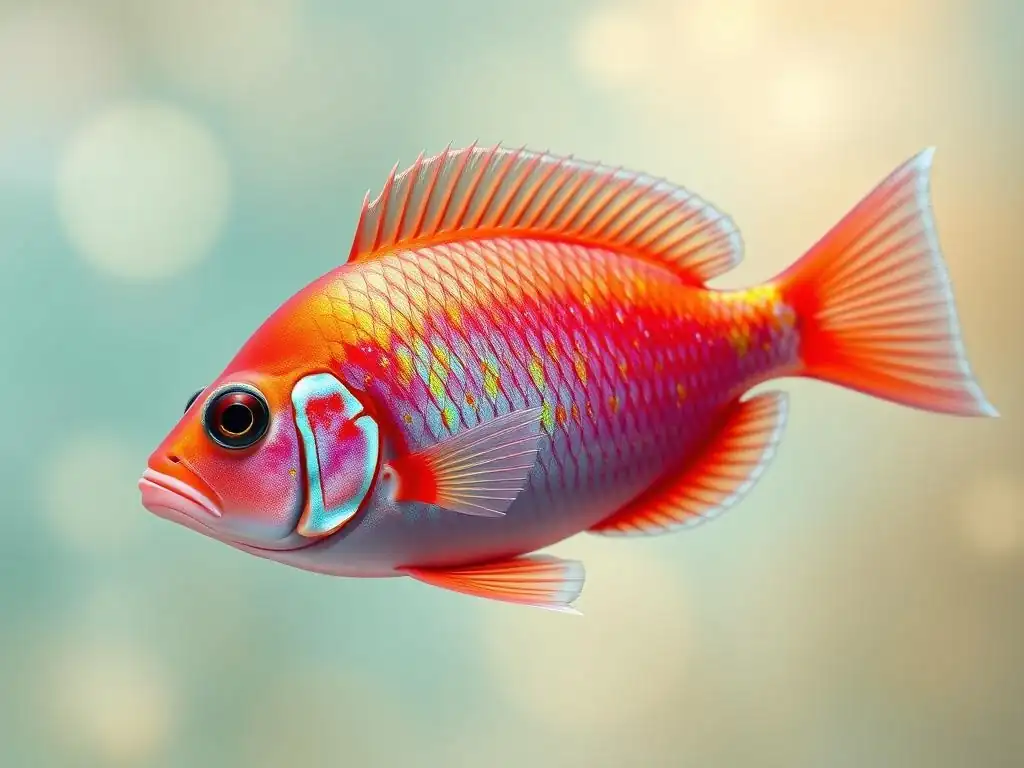
Setting Up Breeding Tanks for Pineapple Swordtails
Successful line breeding of Pineapple Swordtails begins with the proper setup of dedicated breeding tanks. For a single breeding pair or a trio (one male and two females), a 10- to 20-gallon aquarium is typically sufficient, providing ample space for the adults and initial fry.
The water parameters should be stable and within the ideal range for swordtails: a temperature of 75-78°F (24-26°C), a pH between 7.0 and 7.8, and moderate hardness (GH 10-20 dGH). Consistent water quality is paramount, as fluctuations can stress fish and negatively impact their reproductive success and the vibrancy of their Pineapple Swordtail color genetics.
The tank should be furnished with dense planting, such as Java Moss, Hornwort, or floating plants like Water Sprite, which provide essential hiding spots for newly born fry. A sponge filter is an excellent choice as it provides gentle filtration without posing a risk to the tiny fry. Providing a safe, stable environment minimizes stress on the breeding adults and increases the chances of successful spawning, setting the stage for the next generation of vibrant Pineapple Swordtails.
Introducing and Monitoring Breeding Pairs
Once the breeding tank is established, introduce your carefully selected Pineapple Swordtail breeding pair or trio. It's advisable to introduce the females first, allowing them to acclimate before adding the male, which can sometimes be aggressive. Observe the fish closely for signs of compatibility; a healthy pair will show courtship behaviors, with the male pursuing the female. The gestation period for swordtails is typically between 28 and 35 days, though this can vary slightly based on temperature and individual fish.
During this period, monitor the female for signs of impending birth, such as a darkening gravid spot near the anal fin and a noticeably "boxy" appearance of her belly. Consistent feeding with high-quality, varied foods will support the female's health and the development of robust fry. Daily checks for the presence of fry are essential, as swordtail parents, like many livebearers, will readily consume their offspring if given the opportunity. Prompt action to protect the fry is crucial for maximizing the yield of your breeding efforts and observing the emerging Pineapple Swordtail color genetics.
Identifying and Separating Fry for Selective Breeding
Upon the birth of Pineapple Swordtail fry, the immediate priority is to protect them from predation by the adults. This can be achieved either by moving the adult fish to a separate tank or, more commonly, by transferring the fry to a dedicated grow-out tank. The grow-out tank should have similar water parameters to the breeding tank and be equipped with gentle filtration. Initially, fry should be fed finely powdered flake food, newly hatched brine shrimp nauplii, or microworms multiple times a day to support rapid growth.
As the fry develop, typically around 3 to 6 weeks of age, their coloration and patterns will begin to emerge, allowing for the first round of selective breeding. This is where the understanding of Pineapple Swordtail color genetics becomes critical. Identify and separate fry that exhibit the most desirable traits—vibrant, uniform red and yellow hues, good body shape, and healthy finnage.
Fry showing deformities, pale colors, or undesirable patterns should be culled or moved to a separate tank, ensuring that only the most promising individuals continue the breeding line. This rigorous selection process is fundamental to refining the Pineapple Swordtail's distinctive coloration over generations.
Refining the Red Factor in Pineapple Swordtails
Enhancing Red Pigmentation: Dietary Considerations
The intensity of red pigmentation in Pineapple Swordtails is significantly influenced by their diet, particularly the intake of specific carotenoids. Astaxanthin and canthaxanthin are powerful pigments that fish cannot synthesize themselves; they must obtain them from their food. To enhance the red factor, breeders should incorporate high-quality color-enhancing foods into their fish's daily regimen. These foods often include ingredients such as spirulina, shrimp meal, krill, and specialized carotenoid additives.
For instance, feeding a diet rich in spirulina flakes (which can contain up to 1500 ppm of carotenoids) or specialized pellets formulated with astaxanthin (often listed at 50-100 ppm) can visibly deepen the red hues over several weeks. A consistent feeding schedule, typically 2-3 times per day with amounts consumed within a few minutes, ensures optimal nutrient absorption. This dietary approach, combined with selective breeding for strong Pineapple Swordtail color genetics, is a cornerstone for achieving the most striking red coloration.
Selecting for Deep Red Hues: Identifying Promising Fry
Identifying fry with promising deep red hues is a critical step in refining the red factor within your Pineapple Swordtail line. While very young fry may not show their full adult coloration, subtle indicators can often be observed as early as 3-4 weeks of age. Look for fry that display a more intense, uniform reddish blush across their bodies compared to their siblings, especially along the dorsal area and fins. These early signs suggest a stronger genetic predisposition for red pigment expression.
As fry grow, typically by 6-8 weeks, the red coloration will become more pronounced. At this stage, compare individuals side-by-side under consistent lighting. Select those with the deepest, most saturated red, avoiding any with patchy or faded areas. These individuals possess the superior Pineapple Swordtail color genetics for red pigmentation and should be earmarked as potential future breeders. Consistent selection over multiple generations is necessary to truly "fix" this desirable trait within your line.
Avoiding Fading Red Coloration: Environmental Factors
Even with optimal Pineapple Swordtail color genetics, environmental factors can cause red coloration to fade or appear washed out. Stress is a primary culprit; poor water quality, overcrowding, or aggressive tank mates can lead to a general decline in fish health and vibrancy. Maintaining pristine water conditions—with regular water changes (e.g., 25-30% weekly) to keep nitrates below 20 ppm and stable parameters—is essential to prevent stress-induced fading.
Lighting also plays a role. While not directly influencing pigment production, appropriate aquarium lighting can enhance the visual pop of red colors. Full-spectrum LED lights designed for planted tanks or color enhancement, often with a balanced spectrum that includes wavelengths favoring red (e.g., around 6500K), can make reds appear more vivid. Furthermore, ensuring a stable, comfortable environment with plenty of hiding spots reduces overall stress, allowing the fish to express their full genetic potential for brilliant red hues, thereby maintaining the integrity of their Pineapple Swordtail coloration.
Maximizing the Yellow/Orange Intensity in Pineapple Swordtails
Dietary Strategies for Vibrant Yellow/Orange Pigmentation
Just as with red, the vibrant yellow and orange pigmentation in Pineapple Swordtails is heavily influenced by specific carotenoids in their diet. Xanthophylls are the primary pigments responsible for these warm tones, and like astaxanthin, they must be acquired through food. To maximize yellow/orange intensity, breeders should prioritize feeds rich in yellow-enhancing ingredients. Examples include high-quality flake or pellet foods that list ingredients such as marigold extract, corn, or certain types of algae known for their high xanthophyll content.
A consistent feeding regimen of these specialized foods is crucial. For instance, some commercial color-enhancing foods specifically target yellow and orange hues by incorporating ingredients like lutein or zeaxanthin, often at concentrations designed to optimize pigment uptake. Feeding small amounts multiple times a day ensures that the fish are consistently supplied with the necessary precursors for vibrant yellow and orange coloration. This dietary focus complements the genetic selection for strong Pineapple Swordtail color genetics, leading to truly striking yellow and orange intensity.
Genetic Markers for Intense Yellow/Orange Color Expression
While dietary intake of carotenoids is vital, the genetic predisposition of a Pineapple Swordtail determines how efficiently these pigments are absorbed, metabolized, and deposited into the xanthophores. Breeders aiming for maximum yellow/orange intensity look for genetic markers within their lines, even if these markers are not yet fully understood at a molecular level. The most effective way to identify these markers is through consistent, multi-generational selective breeding.
Individuals that consistently produce offspring with exceptionally intense and widespread yellow/orange hues are considered to carry strong genetic markers for this trait. Conversely, fish that, despite an optimal diet, produce pale or dull yellow/orange offspring may lack these markers. By breeding only the most intensely colored individuals, breeders concentrate the favorable Pineapple Swordtail color genetics responsible for robust xanthophore development and pigment expression, leading to a stable line with dazzling yellow and orange intensity.
The Role of Lighting in Enhancing Yellow/Orange Colors
While diet and genetics are the primary drivers of yellow/orange pigmentation, the type and intensity of aquarium lighting play a significant role in how these colors are perceived and, to a lesser extent, how pigments might develop. Lights with a balanced spectrum, including components in the yellow and orange wavelengths (typically seen in full-spectrum lights around 6500K), will best showcase these warm hues. Some LED lights are specifically designed with "color-enhancing" diodes that emit light in spectrums that make reds, oranges, and yellows appear more vivid to the human eye.
Adequate light intensity also contributes to the overall health and activity of the fish, which indirectly supports optimal coloration. Fish in overly dim environments may appear duller and less active. However, care must be taken to avoid excessive light intensity, which can stress fish or promote unwanted algae growth. A well-chosen lighting system not only makes your Pineapple Swordtails appear more vibrant but also supports a healthy environment that allows their inherent Pineapple Swordtail color genetics to shine through.
Addressing Common Coloration Issues in Pineapple Swordtails
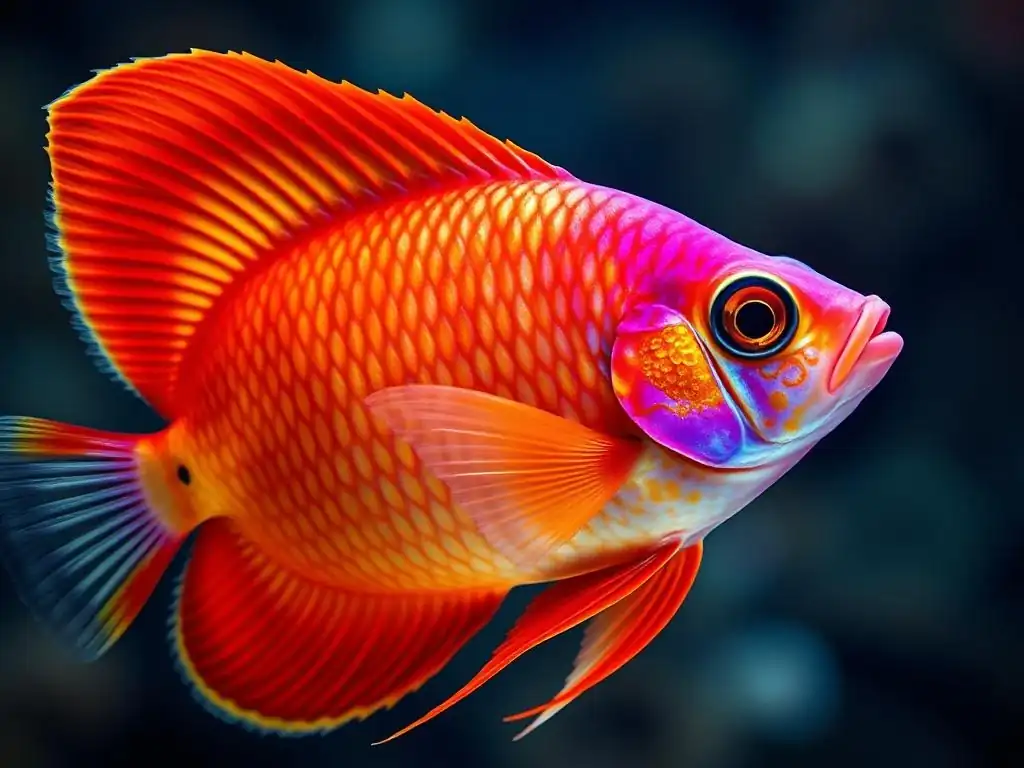
Dealing with Pale or Washed-Out Colors
Pale or washed-out colors in Pineapple Swordtails are a common concern for breeders and can stem from several factors, including stress, inadequate diet, or poor genetics. When fish appear dull, the first step is to assess their environment: is the water quality optimal (low nitrates, stable pH, correct temperature)? Are they overcrowded or being bullied? Stress due to these factors can cause fish to "fade" their colors as a defense mechanism. Improving water parameters through regular water changes (e.g., 25% twice a week) and ensuring adequate space often quickly restores vibrancy.
If environmental factors are ruled out, diet should be considered. A lack of carotenoid-rich foods will directly impact pigment production. Switching to a high-quality, color-enhancing diet for several weeks can often resolve dietary deficiencies. Finally, if fish consistently display pale colors despite excellent care, it may indicate weaker Pineapple Swordtail color genetics. In a breeding program, such individuals should be culled from the breeding stock to prevent the perpetuation of undesirable traits.
Correcting Uneven Color Distribution
Uneven color distribution, where a Pineapple Swordtail exhibits patchy or inconsistent red and yellow/orange hues, is typically a genetic issue. While environmental factors like stress can temporarily cause unevenness, persistent asymmetry in coloration points to less desirable Pineapple Swordtail color genetics. For instance, some fish might have strong color on their body but faded fins, or vice versa. This indicates that the genes controlling pigment distribution are not uniformly expressed.
Correcting this issue within a breeding line requires stringent selection pressure. Breeders must meticulously examine each generation of fry as they mature, identifying and culling any individuals that display uneven coloration. Only those fish with perfectly uniform and well-distributed red and yellow/orange across their bodies and fins should be selected for the next breeding cycle. This process demands patience and consistent culling over multiple generations (e.g., 4-6 generations) to establish a stable line with consistently even Pineapple Swordtail coloration.
Preventing Common Diseases and Their Impact on Color
The health of Pineapple Swordtails directly correlates with the vibrancy of their colors. Common diseases can severely impact coloration, causing fish to become pale, dull, and stressed. For example, parasitic infections like Ich (white spot disease) or bacterial infections like fin rot often lead to a loss of appetite and a general decline in color intensity as the fish's energy is diverted to fighting the illness.
Prevention is key: maintaining excellent water quality, avoiding overcrowding, and providing a balanced, nutritious diet are the best defenses against disease outbreaks. A strict quarantine protocol for all new fish (at least 3-4 weeks) before introducing them to the main breeding tanks is also crucial to prevent the introduction of pathogens. Prompt identification and treatment of any signs of illness are vital to minimize stress and prevent long-term damage to the fish's health and, consequently, their Pineapple Swordtail color genetics expression. Healthy fish are vibrant fish, making disease prevention an integral part of any color breeding program.
Documenting and Tracking Your Pineapple Swordtail Line
Importance of Record Keeping in Line Breeding
Meticulous record keeping is the backbone of a successful line breeding program for Pineapple Swordtails. Without detailed records, a breeder operates blindly, unable to track progress, identify successful pairings, or avoid the pitfalls of excessive inbreeding. Comprehensive records provide a clear historical account of each generation, allowing breeders to analyze trends in Pineapple Swordtail color genetics, growth rates, fertility, and the prevalence of desirable versus undesirable traits.
Key information to record includes the identification of parent fish (e.g., Male ID, Female ID), the date of each spawn, the number of fry produced, and most importantly, detailed notes on the observed traits of the offspring. This includes color intensity, pattern uniformity, finnage, body shape, and any deformities. Records also track culling decisions, indicating which fish were removed and why. This systematic approach transforms breeding from a hit-or-miss endeavor into a precise, scientific process, accelerating the refinement of Pineapple Swordtail hues.
Using Spreadsheets to Track Genetic Traits
Spreadsheets are an invaluable tool for organizing and analyzing the vast amount of data generated in a line breeding program. A well-structured spreadsheet can track multiple genetic traits simultaneously, providing a clear overview of the progress of your Pineapple Swordtail color genetics. Columns can be set up for various data points: for example, "Male ID," "Female ID," "Spawn Date," "Number of Fry," "Number of Selected Fry," "Average Red Score (1-5)," "Average Yellow Score (1-5)," "Notes on Pattern Uniformity," and "Health Issues."
Beyond simple data entry, spreadsheets allow for powerful analysis. Breeders can use formulas to calculate percentages of fry exhibiting desired traits, track survival rates, or identify correlations between parentage and offspring characteristics. For instance, you might track that Pair A consistently produces 80% fry with excellent red intensity, while Pair B only produces 40%. This quantitative data informs future breeding decisions, helping to select the most genetically potent parents and accelerate the refinement of Pineapple Swordtail coloration.
Photographing and Documenting Color Progression
In addition to numerical and written records, photographing and documenting the color progression of your Pineapple Swordtail line is an indispensable practice. Visual records provide tangible proof of your breeding success and allow for direct, side-by-side comparisons across generations. Regularly photograph your selected breeding stock and a representative sample of their offspring at various stages of development, from juvenile to adult.
Ensure consistent lighting and background conditions for these photographs to allow for accurate comparison. Over time, these photographic archives will clearly illustrate the enhancement of red and yellow/orange hues, the improvement in pattern uniformity, and the overall stability of your Pineapple Swordtail color genetics. This visual documentation not only serves as a valuable analytical tool but also provides a rewarding testament to the dedication and precision invested in refining these beautiful fish.
Advanced Techniques in Pineapple Swordtail Color Breeding
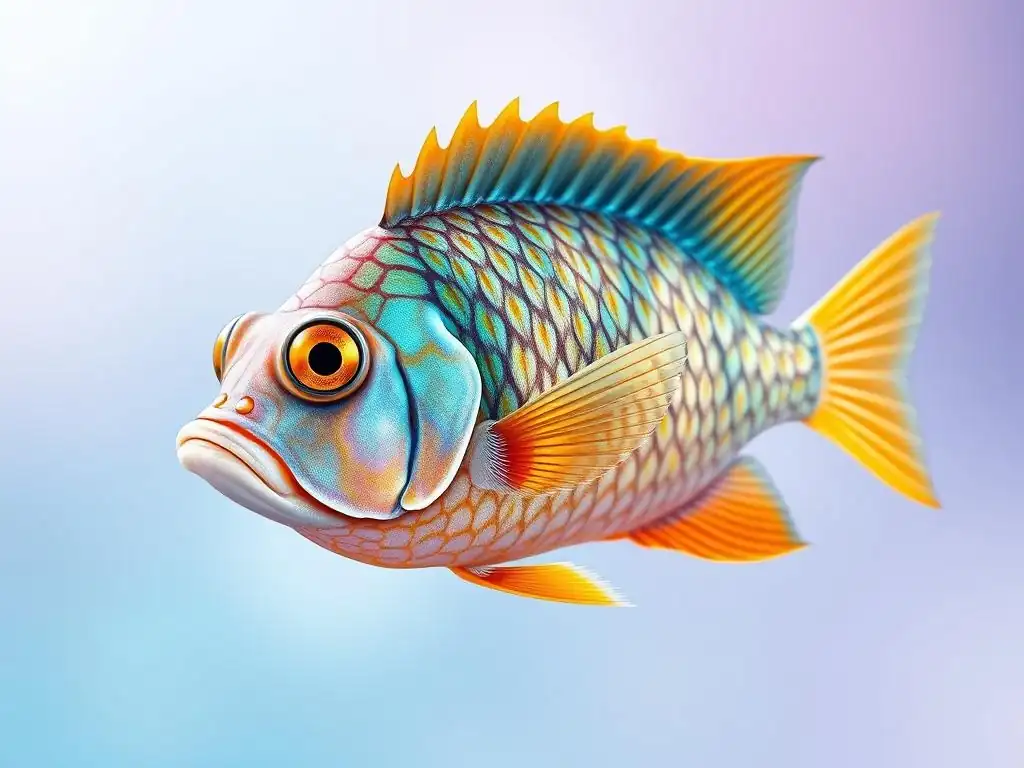
Crossbreeding with Red Eye Lyretail Swordtail for Enhanced Red
For breeders aiming to significantly intensify the red factor in Pineapple Swordtails, crossbreeding with a Red Eye Lyretail Swordtail can be an advanced, yet effective, strategy. Red Eye Lyretails are often genetically predisposed to exceptionally deep and vibrant red pigmentation, and their unique finnage is a dominant trait. The goal of this cross is to introduce these potent red genes into the Pineapple line.
The process typically involves breeding a Pineapple Swordtail with a Red Eye Lyretail. The first generation (F1) offspring will likely exhibit the Lyretail finnage and potentially a boosted red color. The key then is to meticulously select the F1 individuals with the most intense red coloration and backcross them to a pure Pineapple Swordtail.
This repeated backcrossing over several generations, combined with rigorous culling of undesirable finnage or body forms, aims to retain the Pineapple's characteristic traits while integrating the enhanced red pigmentation. This complex process requires a deep understanding of Pineapple Swordtail color genetics to selectively re-establish the desired traits.
Understanding the Risks and Rewards of Hybridization
Hybridization, while offering the potential for novel color enhancements, comes with inherent risks that must be carefully considered. The primary risk is the dilution or loss of desired Pineapple Swordtail characteristics, such as specific body shape, finnage, or the clean, minimal-black pattern. Introducing genes from another swordtail variety can also bring in undesirable traits like susceptibility to certain diseases or reduced fertility. In some extreme crosses between different Xiphophorus species, offspring can even be sterile.
However, the rewards can be substantial. Hybridization can introduce entirely new color genes or significantly amplify existing ones, leading to breathtakingly vibrant or unique Pineapple-like color morphs. It also increases genetic diversity, which can invigorate a line that has become too inbred. Responsible hybridization demands a clear breeding goal, meticulous selection, and a commitment to extensive backcrossing to stabilize the desired new trait while retaining the core Pineapple identity. It is a long-term project that requires patience and a deep knowledge of Xiphophorus genetics.
Maintaining the Desired Pineapple Trait in Crossbred Lines
After a crossbreeding event, maintaining the desired Pineapple trait while incorporating new color genetics is the most challenging aspect. The dominant nature of many swordtail traits means that the initial F1 generation from a cross might look very different from a pure Pineapple. The primary technique used to re-establish the Pineapple phenotype is repeated backcrossing. This involves breeding the hybrid offspring back to pure Pineapple Swordtail individuals for several generations.
With each backcross, the proportion of Pineapple Swordtail genes increases, gradually diluting the introduced genes while ideally retaining the specific color enhancement. For example, after an F1 cross, an F2 generation is produced by backcrossing the F1 with a pure Pineapple. An F3 is produced by backcrossing the F2 with a pure Pineapple, and so on.
Simultaneously, relentless selection pressure must be applied: only those offspring that clearly exhibit the desired Pineapple body shape, finnage, and pattern, combined with the new enhanced coloration, are kept for future breeding. This process can take upwards of 5-7 generations or more to truly stabilize a new color within the Pineapple framework.
Maintaining the Health and Vigor of Your Pineapple Swordtail Line
Water Quality Parameters for Optimal Color Development
Optimal water quality is not just about survival; it's fundamental to the health and vibrant color development of your Pineapple Swordtail line. Stable water parameters prevent stress, which is a common cause of faded colors and susceptibility to disease. For swordtails, maintaining a consistent temperature between 75-78°F (24-26°C) is crucial. pH levels should be kept in the slightly alkaline range of 7.0-7.8, and water hardness (GH) around 10-20 dGH is ideal.
Most critically, nitrate levels should be kept low, ideally below 20 ppm. High nitrates are a significant stressor and can directly inhibit a fish's ability to express its full genetic coloration. Regular partial water changes (e.g., 25-30% weekly) are the most effective method for managing nitrates and replenishing essential minerals. Pristine water conditions support robust health, allowing the Pineapple Swordtail's inherent color genetics to fully manifest, resulting in dazzling and stable hues.
Preventing Disease Outbreaks in Breeding Tanks
Preventing disease outbreaks is paramount in any line breeding program, as illness can quickly decimate a carefully cultivated line and severely impact color development. A cornerstone of disease prevention is a strict quarantine protocol for all new fish entering your facility, typically lasting 3-4 weeks. During this period, new fish are observed for any signs of illness and treated if necessary, preventing the introduction of pathogens to your main breeding tanks.
Beyond quarantine, maintaining impeccable tank hygiene is crucial. This includes regular siphoning of uneaten food and waste, routine cleaning of filters, and avoiding overfeeding. Overcrowding should also be avoided, as it leads to increased stress and higher pathogen loads. Consistent daily observation of your Pineapple Swordtails allows for early detection of any health issues, enabling prompt intervention before a localized problem escalates into a widespread outbreak that could compromise the health and the valuable Pineapple Swordtail color genetics of your entire line.
Culling Strategies: Removing Undesirable Traits and Maintaining Health
Culling, though a difficult aspect for some aquarists, is an indispensable practice in line breeding for refining Pineapple Swordtail color genetics and maintaining the overall health and vigor of the line. It involves the humane removal of individuals that do not meet the breeding goals or exhibit undesirable traits. This includes fish with deformities (e.g., bent spines, malformed fins), poor growth rates, or those that consistently display faded, patchy, or uneven coloration despite optimal care.
Culling also extends to removing fish that are perpetually sick or weak, as these individuals can carry genetic predispositions to illness or act as reservoirs for pathogens, endangering the entire line. By removing these fish, the breeder ensures that only the healthiest, most vibrant, and genetically superior Pineapple Swordtails are passed on to the next generation. This rigorous selection sharpens the genetic focus, accelerates the refinement of desirable traits, and safeguards the long-term vitality of the breeding program.
The Future of Pineapple Swordtail Color Development
Emerging Trends in Swordtail Breeding
The landscape of swordtail breeding is continuously evolving, driven by both scientific advancements and the passion of dedicated aquarists. Emerging trends include a greater emphasis on genetic mapping and sequencing technologies, which could potentially identify specific color genes at a molecular level, allowing for even more precise selective breeding. This could revolutionize how breeders approach Pineapple Swordtail color genetics, moving beyond purely phenotypic selection.
There's also a growing interest in "designer morphs" – unique combinations of color and finnage that push the boundaries of traditional swordtail varieties. Furthermore, the hobby is seeing a renewed focus on breeding robust, healthy fish that retain their natural vigor, rather than solely prioritizing extreme aesthetic traits at the expense of health. This holistic approach ensures that future generations of Pineapple Swordtails are not only beautiful but also resilient and long-lived.
Potential for New Color Morphs in Pineapple Swordtails
The potential for new color morphs within the Pineapple Swordtail lineage remains exciting. Continuous line breeding, even without deliberate hybridization, can sometimes uncover latent recessive genes or novel combinations of existing genes that lead to subtle yet distinct variations in color or pattern. For instance, a breeder might discover a "super" intense orange Pineapple, or a variant with a unique distribution of red that creates a new, stable pattern.
Furthermore, controlled, strategic hybridization with other Xiphophorus species or highly differentiated swordtail strains could introduce entirely new pigment genes. This might lead to the development of Pineapple Swordtails with unique iridescence, or even novel base colors that blend with the existing red and yellow. While challenging and requiring extensive backcrossing to maintain the core Pineapple traits, these long-term projects hold the promise of truly groundbreaking developments in Pineapple Swordtail color genetics.
The Role of Responsible Breeding in the Hobby
As the hobby of line breeding Pineapple Swordtails advances, the role of responsible breeding becomes increasingly critical. This encompasses several ethical considerations: first and foremost, prioritizing the health and well-being of the fish over purely aesthetic goals. Responsible breeders ensure that their pursuit of vibrant colors does not lead to fish with compromised health, reduced fertility, or increased susceptibility to disease due to excessive inbreeding.
Secondly, responsible breeding involves maintaining adequate genetic diversity within lines to prevent inbreeding depression and ensure the long-term viability of the strain. This means being mindful of the balance between concentrating desirable Pineapple Swordtail color genetics and preserving overall genetic robustness. Finally, responsible breeders contribute to the hobby by sharing their knowledge, best practices, and even surplus fish to help other aquarists succeed, fostering a community dedicated to the ethical and sustainable development of these magnificent fish.
Frequently Asked Questions
How does line breeding help refine the color of Pineapple Swordtails?
Line breeding involves mating closely related individuals to concentrate desired genes, such as those responsible for the specific shade of yellow or orange in Pineapple Swordtails. This process can lead to more consistent and vibrant coloration over generations. It's a way to lock in desirable traits.
What are the key color genes involved in Pineapple Swordtail color genetics?
While the exact genetics are complex and not fully mapped, key genes likely influence the intensity and distribution of yellow/orange pigments (carotenoids). Other genes control the iridescent sheen and potentially the presence/absence of black markings. Understanding these interactions is crucial for breeding.
What are some common color variations seen in Pineapple Swordtails, and how are they inherited?
Common variations include differences in the intensity of the yellow/orange, the extent of black edging on scales, and the presence of metallic sheen. Inheritance patterns can be complex, but breeders often observe dominant and recessive traits for certain color characteristics. This leads to predictable outcomes in breeding programs.
What water parameters are crucial for maintaining vibrant color in Pineapple Swordtails?
Maintaining optimal water parameters is essential for overall fish health and color expression. Key factors include stable pH, appropriate temperature, and low levels of ammonia and nitrites. These parameters ensure the fish are in prime condition to display their best colors.
What types of food enhance the Pineapple Swordtail's coloration?
Foods rich in carotenoids, such as spirulina, carrots, and red bell peppers, can significantly enhance the yellow/orange coloration of Pineapple Swordtails. A varied diet including high-quality flake food, live, and frozen options is also important for overall health and coloration. Healthy fish are colorful fish.
Final Reflection: The Enduring Art of Living Color
The journey into Pineapple Swordtail color genetics reveals more than just the science of fish breeding; it illuminates the dedication and artistry required to coax beauty from the natural world. Understanding the intricate dance of genes and environment allows us to appreciate the vibrant hues we see, transforming a simple hobby into a profound exploration of life itself.
This pursuit of perfect color has not only shaped the hobbyist fishkeeping community, but also subtly influences our broader appreciation for biodiversity and the power of selective breeding. The dedication required to refine a specific trait, like the Pineapple Swordtail's color, highlights the patience and passion that drive innovation in various fields. The beauty of the natural world lies in its details, and the pursuit of those details is a journey of endless discovery.
This quote encapsulates the spirit of line breeding, reminding us that even in the smallest creature, there is a universe of complexity waiting to be unveiled.
Now, consider the implications of this knowledge. How can you apply the principles of observation, patience, and dedication, learned from the world of Pineapple Swordtail color genetics, to your own passions? Let the vibrant colors of these fish inspire you to pursue your own "perfect hue," whatever that may be, with the same unwavering commitment and artistic vision.
Ignite Your Breeding Passion: Sculpt Your Perfect Pineapple Swordtail!
Thank you for diving deep into the art of refining Pineapple Swordtail hues. We hope this exploration has sparked new ideas and techniques to elevate your breeding endeavors. Now, let's turn that inspiration into action!
Here's how you can take your Pineapple Swordtail breeding to the next level:
- Prioritize line selection by focusing on the most vibrant and consistent yellow/orange coloration in your existing stock. Document your progress with photos to track improvements over generations.
- Explore experimenting with subtle dietary adjustments— such as enriching feeds with natural carotenoids (e.g., spirulina, paprika)—to potentially enhance the vibrancy of the pineapple coloration. Be mindful of overdoing it to avoid adverse effects.
- Share your own experiences, successes, and challenges in refining Pineapple Swordtail coloration on aquarium forums or social media groups. Inspiring fellow breeders only strengthens the community!
What's one specific trait you'll focus on improving in your Pineapple Swordtail line this week?