
The Role of Dither Fish with Livebearers: Enhancing Security & Behavior


Welcome to Aquarium Mastery!
Ever wondered how to create the most thriving and natural environment for your livebearer aquarium? Dive in and discover the secret weapon many experienced aquarists swear by: dither fish. This article explores the fascinating world of livebearer dither fish benefits, revealing how these often-overlooked companions can significantly enhance the security, behavior, and overall well-being of your cherished livebearing fish. Intrigued? Let's unlock the secrets to a happier, healthier aquarium... read on to learn more!
- Understanding Livebearer Behavior and Tank Dynamics
- What are Dither Fish and Their Purpose?
- Livebearer Dither Fish Benefits: Creating a Secure Environment
- Top Dither Fish Choices for Livebearer Aquariums
- Selecting the Right Dither Fish: Considerations for Livebearer Tanks
- Introducing Dither Fish to Your Livebearer Tank: A Step-by-Step Guide
- Maintaining a Healthy and Balanced Livebearer and Dither Fish Community
- Troubleshooting Common Issues with Livebearers and Dither Fish
- Enhancing Livebearer Breeding with Dither Fish
- Advanced Tips for Livebearer and Dither Fish Keeping
- Conclusion: Maximizing Livebearer Well-being with Dither Fish
-
Frequently Asked Questions
- What are dither fish and why are they beneficial for livebearer aquariums?
- How do dither fish improve the security of livebearers, especially fry?
- What are some good examples of dither fish species suitable for a livebearer tank?
- What size tank is recommended for keeping livebearers with dither fish?
- What are some potential downsides to adding dither fish to a livebearer aquarium?
- Final Reflection: Cultivating Harmony in the Aquarium
- Empower Your Livebearers: Create a Thriving Aquarium!
Understanding Livebearer Behavior and Tank Dynamics
Natural Behaviors of Livebearers in Aquarium Settings
Livebearers, such as guppies, mollies, and platies, are renowned for their lively disposition and prolific breeding habits. In their natural habitats, these fish often inhabit slow-moving waters like streams, rivers, and even brackish estuaries, forming loose aggregations rather than tight, coordinated schools. This social structure provides a degree of safety in numbers, allowing individuals to forage and interact more freely. Their constant activity and exploratory nature are key indicators of their well-being.
However, in an enclosed aquarium environment, these natural behaviors can be suppressed if the fish feel insecure or threatened. A lack of perceived safety can lead to lethargy, hiding, and a general decline in activity. For instance, guppies, while not strictly schooling fish, thrive in groups of at least six individuals, where the presence of conspecifics provides a sense of comfort and reduces stress, allowing them to display their vibrant colors and active swimming patterns more consistently.
The Importance of a Balanced Aquarium Ecosystem for Livebearers
A truly balanced aquarium ecosystem is paramount for the health and longevity of livebearers. This balance encompasses stable water parameters, adequate filtration, appropriate tank size, and suitable tank mates. For livebearers, ideal water conditions typically include a pH range of 7.0 to 8.0, a temperature between 72°F and 82°F (22°C-28°C), and moderate to hard water (GH 10-25 dGH). Maintaining these parameters consistently minimizes physiological stress and supports their robust immune systems.
Beyond water chemistry, the physical environment plays a critical role. A well-planted tank with various hiding spots, such as dense live plants like Java Fern or Anubias, and decor like driftwood or smooth rocks, provides security and visual breaks. Without these elements and proper tank mates, livebearers can become easily stressed, leading to fin nipping, aggression, or increased susceptibility to common ailments like fin rot or Ich, which thrive in stressed fish populations.
Identifying Stress in Livebearers: Signs and Symptoms
Recognizing the signs of stress in livebearers is crucial for timely intervention and maintaining a healthy aquarium. Stressed livebearers often exhibit a range of symptoms, including clamped fins (where fins are held close to the body), lethargy, and a noticeable loss of vibrant coloration. They may spend excessive time hiding behind decorations or at the bottom of the tank, avoiding open water areas, which is a significant deviation from their naturally active behavior.
Other common indicators of stress include rapid gill movement, indicating respiratory distress, or erratic swimming patterns, such as darting suddenly or rubbing against tank surfaces. A stressed livebearer may also refuse food or show a marked decrease in appetite. For example, a normally outgoing platy that suddenly hides constantly and ignores feeding time is likely experiencing significant stress, which can quickly compromise its immune system and make it vulnerable to diseases.
What are Dither Fish and Their Purpose?
Defining Dither Fish: Characteristics and Behaviors
Dither fish are typically small, active, non-aggressive fish species that are kept in an aquarium specifically to provide a sense of security and confidence to more timid or shy tank inhabitants. These fish are characterized by their tendency to swim openly and confidently in the mid-water column, often in loose schools. Their constant, visible activity signals to other, more reclusive fish that the environment is safe and free from predators.
A good dither fish species will be robust, adaptable to similar water parameters as the target fish (in this case, livebearers), and possess a calm temperament that won't harass or outcompete the livebearers for food. For instance, a school of Ember Tetras, known for their continuous movement and bright coloration, can act as excellent dither fish, constantly exploring the tank and reassuring other species by their fearless behavior.
How Dither Fish Reduce Stress in Livebearers
The primary mechanism by which dither fish reduce stress in livebearers is through the concept of "safety in numbers" and the "all clear" signal. When livebearers observe dither fish swimming freely and confidently in the open water, they interpret this behavior as a sign that no immediate threat is present. This psychological reassurance prompts the livebearers to emerge from hiding, explore their environment more, and engage in more natural behaviors like foraging and social interaction.
This reduction in perceived threat directly translates to lower stress levels, which has profound Livebearer dither fish benefits. For example, mollies, which can sometimes be timid in new or sparsely populated tanks, often become more outgoing and active when a school of Harlequin Rasboras is present, confidently swimming in the open. This newfound confidence aids in better feeding, improved color vibrancy, and a stronger immune response, making them less susceptible to common aquarium diseases.
The Psychological Impact of Dither Fish on Livebearer Shoaling
While many livebearers, particularly guppies and mollies, do not form tight, highly coordinated schools in the same way as some tetra or rasbora species, they do benefit significantly from the presence of a group. Dither fish can enhance this natural tendency towards group association by making the environment feel safer for all inhabitants. When livebearers feel secure, they are more inclined to move around the tank rather than huddle in corners or dense plant cover.
This increased confidence encourages livebearers to spread out and utilize the entire tank volume, which can lead to more natural social dynamics and reduced localized aggression. For instance, in a tank where platies might otherwise exhibit territorial behavior over specific hiding spots, the presence of active dither fish can distract from these territorial disputes and encourage the platies to spend more time exploring the broader environment, fostering a more harmonious community.
Livebearer Dither Fish Benefits: Creating a Secure Environment
Overview of Benefits: Reduced Stress, Enhanced Activity
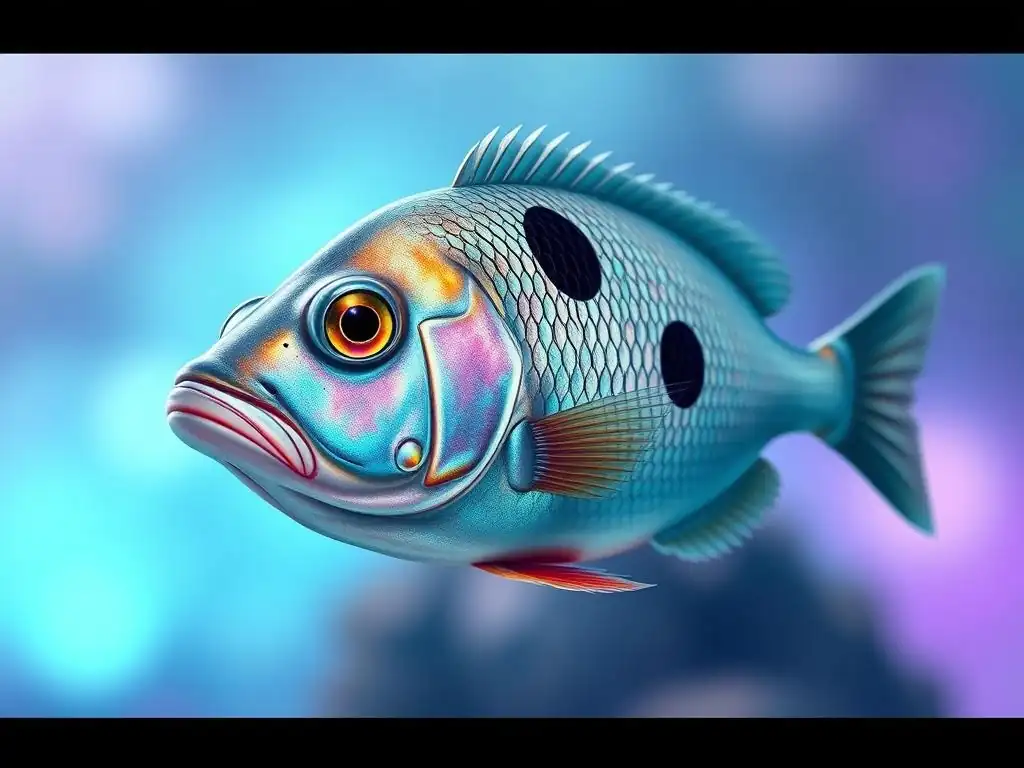
The integration of dither fish into a livebearer aquarium yields a spectrum of significant advantages, primarily centered around stress reduction and behavioral enhancement. By providing a constant visual cue of safety, dither fish enable livebearers to shed their inherent timidity, leading to more natural and robust behaviors. This includes more frequent and confident swimming in open water, increased interaction with tank mates, and a noticeable improvement in overall activity levels.
These Livebearer dither fish benefits extend beyond mere observation; they directly contribute to the physiological well-being of the fish. Reduced stress means a stronger immune system, leading to fewer instances of disease outbreaks and a greater capacity for fish to thrive and display their full genetic potential, including vibrant coloration and healthy growth rates. A tank with dither fish often appears more dynamic and lively, reflecting the improved health and comfort of its inhabitants.
Reducing Aggression Among Livebearers with Dither Fish
Aggression can sometimes be an issue in livebearer tanks, particularly among males of species like guppies or mollies, or when tank space is limited. Male guppies, for instance, are known for constantly chasing females, and male mollies can establish territories, leading to fin nipping or bullying. Dither fish can subtly but effectively mitigate this aggression by providing a distraction and by diluting the focus of the aggressive individuals.
When dither fish are present and actively swimming, the attention of potentially aggressive livebearers is diffused across a larger number of moving targets, rather than being concentrated on specific tank mates. This can reduce the intensity and frequency of aggressive interactions. Furthermore, the overall sense of security provided by dither fish can lead to a more relaxed environment where territorial disputes are less likely to escalate, as the perceived need for dominance decreases.
Providing a Sense of Security for Fry with Dither Fish Companions
Livebearer fry are inherently vulnerable, often seeking immediate refuge among dense plants or decor to avoid predation from adult fish, including their own parents. While dither fish are not typically large enough to prey on livebearer fry, their presence can indirectly contribute to the fry's sense of security and survival rates. The general calm and confidence that dither fish instill in the overall tank environment can positively impact even the smallest inhabitants.
When the adult livebearers are less stressed and more active in open water due to the dither fish, they may be less inclined to actively hunt for fry. Moreover, the dither fish's constant movement can also serve as a "moving screen" that helps obscure the fry from the direct line of sight of potential predators. This subtle contribution to a peaceful ecosystem means fry might feel more confident to emerge from hiding to feed, leading to better growth and development.
Top Dither Fish Choices for Livebearer Aquariums
Best Dither Fish for Guppy Tanks: Ember Tetras
Ember Tetras (Hyphessobrycon amandae) are an excellent choice as dither fish for guppy tanks. They are small, reaching only about 0.8 inches (2 cm) in length, making them perfectly suited for tanks as small as 10 gallons, which can comfortably house a small group of guppies and a school of 6-8 Ember Tetras. Their vibrant orange coloration and active, shoaling behavior provide a constant visual reassurance without overwhelming the guppies.
These tetras thrive in similar water parameters to guppies, preferring slightly acidic to neutral water (pH 6.0-7.5) and temperatures between 72-82°F (22-28°C), making them highly compatible. Their peaceful temperament ensures they will not harass guppies or their delicate fins. Observing a school of Ember Tetras confidently navigating the mid-water column encourages guppies to be more outgoing and utilize the entire tank space, showcasing the significant Livebearer dither fish benefits for guppy well-being.
Ideal Dither Fish for Molly Aquariums: Harlequin Rasboras
For molly aquariums, Harlequin Rasboras (Trigonostigma heteromorpha) are an outstanding dither fish option. These attractive fish grow to about 1.5-2 inches (3.8-5 cm) and are known for their distinctive triangular black patch and peaceful nature. They are active mid-water swimmers and form tight schools, which provides a strong "safety in numbers" signal to the often-larger but sometimes timid mollies.
Harlequin Rasboras prefer a pH range of 6.0-7.5 and temperatures of 73-82°F (23-28°C), which align well with the needs of mollies, especially those adapted to freshwater conditions. A school of 8-10 Harlequin Rasboras in a 20-gallon or larger tank can significantly boost the confidence of mollies, encouraging them to be more active and less prone to hiding. Their presence helps reduce potential stress, contributing to the overall health and vibrancy of the mollies.
Suitable Dither Fish for Platy Tanks: White Cloud Mountain Minnows
White Cloud Mountain Minnows (Tanichthys albonubes) are a resilient and adaptable species that make excellent dither fish for platy aquariums, especially for tanks that might experience slightly cooler temperatures. These small, active fish typically grow to 1.5 inches (3.8 cm) and are known for their schooling behavior and hardiness. They are constantly on the move, providing continuous reassurance to platies.
While platies prefer warmer water, White Clouds can tolerate a wider temperature range (64-72°F / 18-22°C), but they adapt well to the typical platy range of 72-82°F (22-28°C) if acclimated properly. They prefer a pH of 6.0-8.0, which is broad enough for most platy setups. A school of 10-12 White Cloud Mountain Minnows in a 10-gallon or larger platy tank can transform the timid behavior of new platies into confident exploration, showcasing clear Livebearer dither fish benefits in fostering a secure environment.
Selecting the Right Dither Fish: Considerations for Livebearer Tanks
Tank Size and Dither Fish Compatibility
The size of your aquarium is a critical factor when selecting dither fish for livebearer tanks. Overcrowding can lead to increased stress, poor water quality, and heightened aggression, negating any potential Livebearer dither fish benefits. As a general guideline, a 20-gallon tank can comfortably house a small group of livebearers (e.g., 6-8 guppies) and a compatible school of 6-10 small dither fish like Ember Tetras. For larger livebearers such as mollies or swordtails, a 30-gallon or larger tank is often necessary to accommodate a suitable school of dither fish like Harlequin Rasboras (8-12 individuals).
It's essential to research the adult size and schooling requirements of both your livebearers and prospective dither fish. For instance, a 10-gallon tank, while suitable for a few platies, might become overcrowded quickly with the addition of a dither fish school, potentially leading to stress rather than reducing it. Always prioritize providing adequate swimming space and ensure the bioload (waste produced by fish) can be managed by your filtration system.
Water Parameters: Matching Dither Fish to Livebearer Needs
Maintaining consistent and compatible water parameters is fundamental for a thriving community tank. Livebearers generally prefer neutral to alkaline water (pH 7.0-8.0) with moderate to hard water hardness (GH 10-25 dGH). When selecting dither fish, it is paramount that their preferred water parameters closely align with those of your livebearers. Introducing fish with significantly different needs will inevitably lead to chronic stress or health issues for one or both species.
For example, while many tetras prefer slightly acidic water, species like Ember Tetras or Neon Tetras are quite adaptable and can thrive in the upper pH range suitable for livebearers, typically up to pH 7.5. Similarly, temperature compatibility is crucial; most livebearers prefer 72-82°F (22-28°C), so dither fish like White Cloud Mountain Minnows, which are often kept in cooler water, must be a species or strain adapted to warmer temperatures to ensure their long-term health in a livebearer setup.
Temperament and Activity Levels: Finding the Right Balance
The temperament and activity level of potential dither fish are just as important as their physical compatibility. The ideal dither fish should be peaceful and non-aggressive, posing no threat to the livebearers or their delicate fins. They should also be active swimmers, constantly moving in the mid to upper water column, as this consistent movement is what provides the reassuring "all clear" signal to more timid fish.
Avoid dither fish species that are known to be fin-nippers, overly boisterous, or territorial, as these behaviors would counteract the very purpose of their inclusion. For instance, some larger barb species, while active, can be too nippy for guppies. Conversely, dither fish that are too shy or inactive themselves will not fulfill their role effectively. The goal is to find a species that exhibits confident, continuous movement without causing any stress or harm to your livebearers, ensuring the full realization of Livebearer dither fish benefits.
Introducing Dither Fish to Your Livebearer Tank: A Step-by-Step Guide
Quarantine Procedures for New Dither Fish
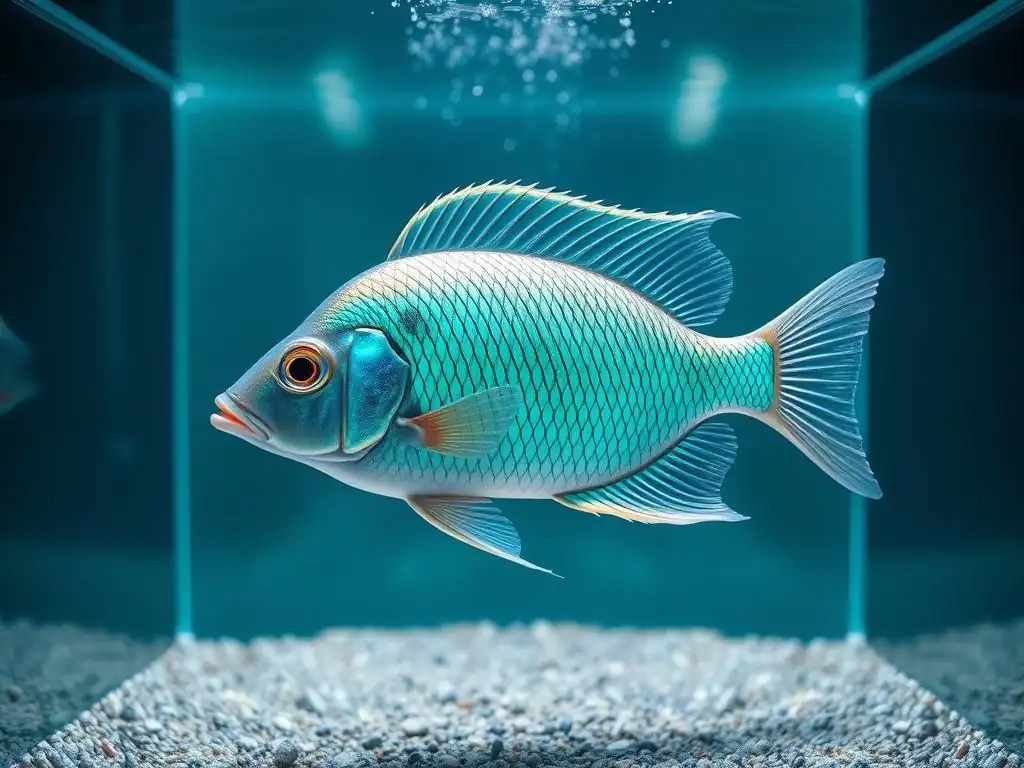
Before introducing any new fish, including dither fish, to your established livebearer tank, a strict quarantine procedure is essential. This critical step prevents the introduction of diseases, parasites, or other pathogens that could devastate your existing fish community. Set up a separate, smaller quarantine tank (e.g., 5-10 gallons) equipped with a heater, filter, and air stone. This tank should ideally be bare-bottomed or have minimal substrate for easy cleaning.
Place the new dither fish in the quarantine tank for a minimum of two to four weeks. During this period, observe them daily for any signs of illness, such as clamped fins, white spots (Ich), lethargy, abnormal growths, or unusual swimming patterns. Perform regular small water changes and feed a varied diet. If any signs of disease appear, treat them in the quarantine tank before considering introduction to the main aquarium. This vigilance protects your livebearers and maximizes the Livebearer dither fish benefits by ensuring healthy tank mates.
Gradual Acclimation to the Livebearer Aquarium
Once the quarantine period is successfully completed and the dither fish appear healthy, the next step is to gradually acclimate them to the main livebearer aquarium. This process minimizes shock from changes in water parameters (temperature, pH, hardness) and helps the fish adjust to their new environment. The drip acclimation method is highly recommended for its gentle approach.
- Dim Lights: Turn off the aquarium lights to reduce stress on both new and existing fish.
- Float Bag: Float the bag containing the dither fish in the main tank for 15-20 minutes to equalize temperature.
- Transfer to Container: Carefully open the bag and transfer the fish and their water into a clean bucket or container.
- Drip Acclimation: Use an air line tubing to siphon water from the main tank into the container, tying a knot in the line to create a slow drip (e.g., 2-3 drips per second).
- Monitor: Allow the water volume in the container to slowly double over 30-60 minutes.
- Release: Gently net the dither fish and release them into the main tank, discarding the water from the container. Avoid pouring the bag water into your main tank as it may contain ammonia or pathogens.
Monitoring Interactions and Addressing Potential Issues
After introducing the dither fish, close observation for the first few days and weeks is vital. Watch for any signs of aggression from either the livebearers towards the new dither fish, or vice versa. While dither fish are chosen for their peaceful nature, individual fish can sometimes behave unexpectedly. Observe feeding behavior to ensure the dither fish are competing successfully for food and are not being outcompeted or bullied by the livebearers.
Also, monitor the livebearers' response to the dither fish. Ideally, you should see increased activity, less hiding, and more natural behavior from your livebearers within a few days. If livebearers remain stressed or hide excessively, or if dither fish appear stressed (e.g., clamped fins, hiding), it may indicate an issue with compatibility, tank size, or population numbers. Be prepared to adjust the dither fish population (e.g., add more to form a stronger school) or, in rare cases, re-home them if persistent issues arise, to ensure the continued Livebearer dither fish benefits.
Maintaining a Healthy and Balanced Livebearer and Dither Fish Community
Feeding Strategies for Mixed Communities
Feeding a mixed community of livebearers and dither fish requires a strategy that caters to the dietary needs of both species while ensuring all fish receive adequate nutrition. Livebearers are generally omnivorous, benefiting from a diet of high-quality flakes or pellets supplemented with live or frozen foods like brine shrimp, bloodworms, and spirulina flakes. Dither fish, depending on the species, may have slightly different preferences, but many common choices (e.g., tetras, rasboras) are also omnivores that thrive on similar varied diets.
To ensure all fish get enough food, especially if there's a size difference, consider feeding smaller, more frequent meals (e.g., 2-3 times a day). Disperse food widely across the tank surface to allow both surface-feeding livebearers and mid-water dither fish to access it without excessive competition. Observing feeding behavior is key: if some fish appear thin or are not reaching the food, adjust your feeding method or food type. This careful approach maximizes the Livebearer dither fish benefits by ensuring the entire community is well-nourished.
Water Quality Management for Optimal Health
Consistent and excellent water quality is the bedrock of a healthy aquarium, particularly for a mixed community. Regular water changes are paramount; a weekly water change of 20-30% is a common recommendation, but the frequency and volume may need to be adjusted based on tank size, bioload, and filtration efficiency. Water changes remove nitrates, replenish essential minerals, and help stabilize pH.
Alongside water changes, routine testing of key parameters such as ammonia, nitrite, nitrate, and pH is crucial. Ammonia and nitrite should always be at 0 ppm. Nitrates should be kept below 20 ppm, ideally closer to 10 ppm for sensitive species. A well-maintained filter system (mechanical, biological, and chemical filtration) is indispensable for processing waste and maintaining clarity. A clean, stable environment directly translates to reduced stress and enhanced immunity for both livebearers and their dither fish companions.
Recognizing and Addressing Potential Health Problems in Both Species
Even in a well-maintained tank, health issues can arise. Early detection and prompt treatment are vital. Be vigilant for common signs of illness:
- Ich (White Spot Disease): Small white spots resembling salt grains on fins and body.
- Fin Rot: Frayed or deteriorating fins, often with a white or black edge.
- Fungal Infections: Cotton-like growths on the body or fins.
- Bacterial Infections: Red streaks, ulcers, or bloating.
- Parasites: Visible worms, rapid breathing, or scratching against decor.
If any of these symptoms are observed, especially if they affect multiple fish, isolate the affected fish in a hospital tank if possible to prevent spread and administer appropriate medication. Consult reliable sources or an aquatic veterinarian for diagnosis and treatment protocols. Maintaining optimal water quality and a low-stress environment is the best preventative measure, supporting the long-term Livebearer dither fish benefits for the entire community.
Troubleshooting Common Issues with Livebearers and Dither Fish
Dither Fish Not Shoaling: Potential Causes and Solutions
If your dither fish are not shoaling as expected, or if they are hiding excessively, it can undermine their purpose in the livebearer tank. Several factors can contribute to this behavior. One common cause is an insufficient number of individuals; most dither fish species require a minimum school size, typically 6-10 fish, to feel secure enough to shoal confidently. If the school is too small, they may feel vulnerable and hide.
Another reason could be an overly aggressive tank mate, even if not a livebearer, or a perceived threat from outside the tank (e.g., a pet constantly peering into the aquarium). Poor water quality or incorrect parameters can also stress dither fish, causing them to hide. Solutions include increasing the school size to the recommended minimum, ensuring all tank mates are truly peaceful, addressing any external stressors, and meticulously checking and correcting water parameters. A healthy, confident school of dither fish is key to realizing the full Livebearer dither fish benefits.
Livebearers Still Stressed: Adjusting the Dither Fish Population
Despite the introduction of dither fish, if your livebearers continue to exhibit signs of stress—such as persistent hiding, clamped fins, or lack of activity—it may indicate that the dither fish population or species choice needs adjustment. One possibility is that there aren't enough dither fish to provide a convincing "all clear" signal. A small, sparse school might not effectively reassure a larger group of livebearers.
Consider increasing the number of dither fish to form a larger, more confident school (e.g., from 6 to 10-12 individuals, provided tank size allows). Alternatively, the chosen dither fish species might not be active or bold enough for your specific livebearer setup; switching to a more prominent or continuously active species could be beneficial. Ensure the dither fish are themselves healthy and comfortable, as their stress can inadvertently transfer to the livebearers. Re-evaluating and fine-tuning the dither fish component is crucial for maximizing Livebearer dither fish benefits.
Identifying and Treating Diseases in a Community Tank
When diseases emerge in a community tank containing both livebearers and dither fish, rapid and accurate identification is crucial for effective treatment. Common diseases like Ich, fin rot, or fungal infections can affect both species, often exacerbated by stress or poor water quality. Symptoms to watch for include white spots, frayed fins, cotton-like growths, loss of appetite, abnormal swimming, or changes in coloration.
Upon detection, the first step is always to re-evaluate and optimize water quality (ammonia, nitrite, nitrate, pH, temperature). For widespread issues, in-tank treatment with a broad-spectrum medication might be necessary, ensuring it is safe for all inhabitants and the biological filter. For localized or individual cases, transferring the affected fish to a hospital tank for treatment is preferable to avoid medicating the entire display tank and to allow for more targeted care. Always follow medication instructions precisely and remove carbon filtration during treatment.
Enhancing Livebearer Breeding with Dither Fish
Creating a More Natural Breeding Environment
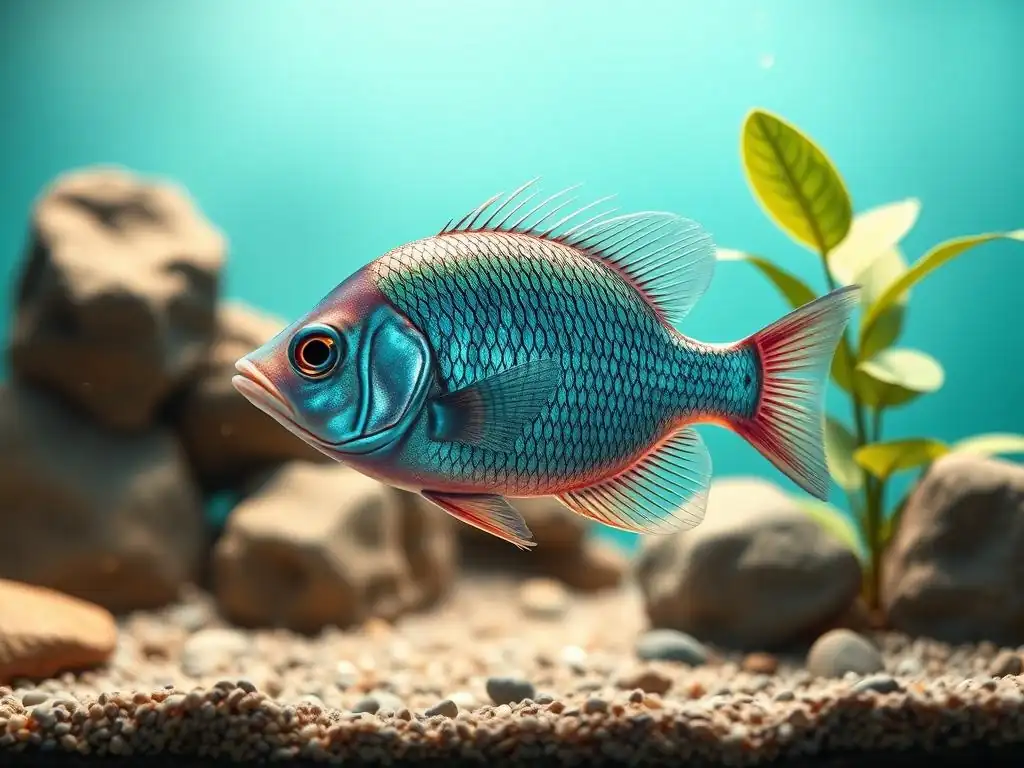
The presence of dither fish can significantly contribute to creating a more natural and less stressful breeding environment for livebearers. In the wild, livebearers are accustomed to a dynamic ecosystem with various species interacting. Dither fish, by providing a sense of security and encouraging more open swimming, help mimic this natural setting, which can positively influence breeding behaviors. When livebearers feel safe and unthreatened, they are more likely to engage in courtship and mating.
This reduction in ambient stress means that female livebearers, who are constantly under pressure from male attention and the physiological demands of gestation, can allocate more energy towards healthy reproduction. Furthermore, a confident environment allows breeding pairs to interact more naturally, without the added stress of constantly seeking refuge from perceived threats. This subtle yet impactful influence on the overall tank atmosphere can lead to more frequent and successful breeding cycles, showcasing tangible Livebearer dither fish benefits.
Reducing Predation on Fry with Dither Fish Presence
While dither fish do not actively protect livebearer fry, their indirect influence can contribute to higher fry survival rates by reducing the predatory instincts of adult livebearers. Adult livebearers, including parents, will readily consume their own fry if given the opportunity. In a stressful environment, adults might be more aggressive in their search for food, including newly born fry.
The presence of active dither fish can distract adult livebearers and provide a constant source of "safe" activity, diverting their attention from the bottom or dense plant areas where fry typically hide. Moreover, the overall lower stress levels in the tank, fostered by dither fish, can lead to a less predatory environment where adults are less inclined to hunt their offspring out of anxiety or hunger. This subtle environmental shift, combined with ample hiding spots, can give fry a better chance of survival.
Supporting Healthy Fry Development with a Balanced Ecosystem
A balanced ecosystem, enhanced by the presence of dither fish, directly supports the healthy development of livebearer fry. A tank where dither fish are confidently swimming indicates stable water parameters and a generally healthy environment—conditions that are paramount for the delicate fry. Fry require pristine water quality, consistent temperatures, and readily available micro-foods to thrive.
When adult livebearers are less stressed and more active due to the dither fish, they are less likely to consume all available microscopic food sources, leaving more for the fry. The overall calm in the tank also encourages fry to emerge from hiding to feed more frequently, leading to better growth rates. This holistic approach, where dither fish contribute to a peaceful and well-functioning community, ensures that the fry develop in an optimal environment, further solidifying the Livebearer dither fish benefits for successful breeding.
Advanced Tips for Livebearer and Dither Fish Keeping
Plant Selection for Enhanced Security and Hiding Places
Strategic plant selection is crucial for maximizing security and providing essential hiding places for both livebearers and dither fish, especially for vulnerable fry. Dense, fine-leaved plants like Java Moss (Taxiphyllum barbieri) or Hornwort (Ceratophyllum demersum) offer excellent cover for livebearer fry and shy individuals. These plants create intricate networks where small fish can escape larger tank mates and find micro-organisms to graze on.
Mid-ground and background plants such as Amazon Swords (Echinodorus amazonicus), Vallisneria (Vallisneria spiralis), or Water Wisteria (Hygrophila difformis) provide visual breaks and vertical hiding spots, reducing line-of-sight aggression and allowing fish to establish personal territories without direct confrontation. The presence of lush vegetation also contributes to water quality by absorbing nitrates and providing natural filtration, further enhancing the Livebearer dither fish benefits by creating a truly naturalistic and secure habitat.
Substrate and Decoration Choices for a Thriving Community
The choice of substrate and decorations significantly impacts the overall well-being and natural behavior of a livebearer and dither fish community. A fine, smooth gravel or sand substrate is generally preferred as it is easy to clean and gentle on the fish's barbels (if applicable). Light-colored substrates can sometimes reflect too much light, potentially stressing fish, while darker substrates often enhance fish coloration and provide a more natural feel.
Incorporating natural decorations like driftwood and smooth river rocks offers additional hiding spots, visual barriers, and can release beneficial tannins that subtly lower pH and provide anti-bacterial properties. However, ensure all decorations are aquarium-safe and have no sharp edges that could injure fish. Creating varied topography with different heights and textures encourages exploration and provides diverse microhabitats, contributing to a rich and stimulating environment that supports the overall Livebearer dither fish benefits.
Optimizing Lighting and Filtration for a Balanced Aquarium
Optimizing lighting and filtration is fundamental to maintaining a balanced and healthy aquarium for livebearers and dither fish. Lighting should typically be on for 8-10 hours a day to mimic a natural day-night cycle, which is crucial for fish health and plant growth. Excessive lighting can promote algae growth and stress fish, while insufficient light can hinder plant growth and make the tank appear dull. LED lights with adjustable intensity or color spectrum are ideal for fine-tuning.
Filtration is paramount for water quality. A good filter system should provide mechanical filtration (removing particulate matter), biological filtration (converting toxic ammonia and nitrite to less harmful nitrate), and chemical filtration (removing odors, discoloration, and some toxins, often using activated carbon). For livebearer tanks, an appropriately sized hang-on-back filter or canister filter is usually recommended, ensuring adequate flow without creating excessive currents that could stress the fish. A well-filtered tank directly translates to reduced stress and enhanced immunity for all inhabitants.
Conclusion: Maximizing Livebearer Well-being with Dither Fish
Recap of Livebearer Dither Fish Benefits
The strategic inclusion of dither fish in a livebearer aquarium offers a multitude of profound advantages, fundamentally enhancing the well-being and natural behaviors of species like guppies, mollies, and platies. Foremost among these Livebearer dither fish benefits is the significant reduction in stress. By providing a constant visual cue of safety through their confident, open-water swimming, dither fish allow livebearers to emerge from hiding, exhibit more vibrant colors, and engage in more active and natural exploratory behaviors.
Beyond stress alleviation, dither fish contribute to a more harmonious community by potentially reducing intraspecific aggression among livebearers and by subtly influencing the environment to be less predatory towards vulnerable fry. They encourage livebearers to utilize the entire tank volume, fostering a sense of security and promoting overall vitality. This comprehensive positive impact on livebearer health, activity, and even breeding success underscores the value of carefully selected dither fish.
Creating a Harmonious and Thriving Aquarium Environment
Achieving a truly harmonious and thriving aquarium environment for livebearers and their dither fish companions requires a holistic approach that extends beyond merely adding fish. It involves meticulous attention to stable water parameters, robust filtration, and a thoughtfully aquascaped tank rich with plants and appropriate decorations. A balanced diet, regular maintenance, and vigilant observation for signs of stress or illness are also indispensable elements.
The synergy between livebearers and dither fish, when properly managed, transforms an ordinary tank into a dynamic ecosystem where fish display their full potential. The active, confident presence of dither fish creates a ripple effect of security that permeates the entire community, allowing livebearers to flourish in an environment that closely mimics the safety and stimulation of their natural habitats. This integrated approach ensures long-term health, vibrancy, and enjoyment for the aquarist.
Further Resources for Livebearer and Dither Fish Care
To continue maximizing the well-being of your livebearers and dither fish, ongoing education and access to reliable information are invaluable. Resources covering detailed species profiles for various livebearers (guppies, mollies, platies, swordtails) and potential dither fish (tetras, rasboras, small barbs) can provide specific care requirements, temperament insights, and breeding considerations. Information on advanced water chemistry management, including specific parameters for optimal health, can further refine your husbandry practices.
Exploring guides on aquarium plant care, including substrate choices, lighting requirements, and fertilization, will help you cultivate lush environments that naturally enhance fish security and water quality. Additionally, troubleshooting guides for common aquarium ailments, along with best practices for quarantine and treatment, are essential for maintaining a resilient and healthy community. Continuously learning and applying best practices ensures your livebearers and their dither fish companions thrive for years to come.
Frequently Asked Questions
What are dither fish and why are they beneficial for livebearer aquariums?
Dither fish are peaceful, active species that swim openly in the tank. Their presence reduces anxiety in livebearers, promoting more natural behaviors like feeding and breeding.
How do dither fish improve the security of livebearers, especially fry?
Dither fish divert the attention of potential predators away from vulnerable fry. They act as a "moving target", making it harder for predators to single out the smaller, slower livebearer offspring.
What are some good examples of dither fish species suitable for a livebearer tank?
Suitable dither fish include small schooling fish like Tetras (Ember, Neon, or Cardinal), Rasboras (Harlequin or Espei), and Danios (Zebra or Pearl). These species are generally peaceful and compatible with livebearers.
What size tank is recommended for keeping livebearers with dither fish?
A larger tank is always better, but a minimum of 20 gallons is generally recommended to provide sufficient space for both livebearers and a school of dither fish. This ensures adequate swimming space and reduces aggression.
What are some potential downsides to adding dither fish to a livebearer aquarium?
Overcrowding is a risk if the tank is too small, leading to poor water quality and increased stress. Also, ensure the dither fish chosen are compatible in terms of temperature and water parameters with the livebearers.
Okay, here's a final reflection tailored for your article "The Role of Dither Fish with Livebearers: Enhancing Security & Behavior," designed to resonate with readers interested in the benefits of livebearer dither fish.
Final Reflection: Cultivating Harmony in the Aquarium
The exploration of dither fish and their profound impact on livebearer behavior underscores a fundamental principle: a balanced ecosystem fosters thriving individuals. What began as a practical guide to aquarium management reveals a deeper truth about the interconnectedness of life, even within the confines of a glass tank. The benefits of dither fish extend far beyond mere aesthetics; they actively contribute to the well-being and natural behaviors of livebearers, creating a more enriching and stimulating environment.
The subtle yet powerful influence of dither fish highlights the importance of considering the psychological needs of our aquatic companions. This understanding resonates deeply, reminding us that even seemingly simple choices in aquarium setup can have significant and lasting effects on the lives of the creatures we care for. The greatness of a nation and its moral progress can be judged by the way its animals are treated.
- Mahatma Gandhi. This quote, while often applied to larger animals, holds equal weight when considering the miniature ecosystems we create in our homes.
As you consider the information presented, I encourage you to reflect on your own aquariums and the choices you make. Are you providing an environment that simply sustains life, or one that actively promotes well-being and natural behavior? Embrace the principles of balance and interconnectedness, and strive to create a harmonious aquatic world where all inhabitants can thrive. By thoughtfully incorporating dither fish and other enriching elements, you can unlock the full potential of your livebearer aquarium and witness the beauty of a truly balanced ecosystem.
Empower Your Livebearers: Create a Thriving Aquarium!
Thank you for diving into the world of livebearers and dither fish! We hope you've gained valuable insights into creating a more secure and stimulating environment for your aquatic friends. Now, let's put that knowledge into action!
Here are a few ways to enhance your livebearer aquarium:
- Strategically introduce dither fish to your aquarium – observe how this impacts your livebearers' behavior and overall tank dynamics. This is the most impactful first step!
- Explore and experiment with different types of dither fish. Share your findings with other aquarists.
- Discuss your dither fish selections and their impact on your livebearers with a local aquarium club or online forum!
What surprising changes have you observed in your livebearers' behavior after introducing dither fish?