
Severum Fry Care Masterclass: From Eggs to Thriving Juvenile Cichlids

Welcome to Aquarium Mastery!
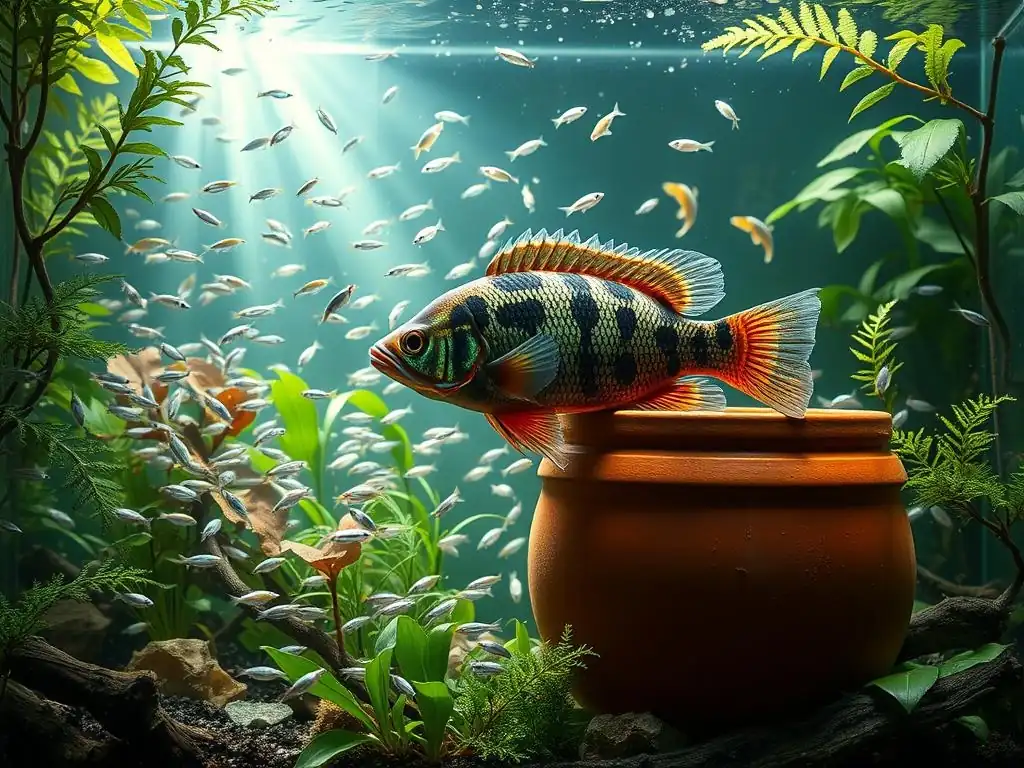
Ever wondered how to successfully raise Severum fry from tiny eggs to vibrant juvenile cichlids? The journey can be incredibly rewarding, and in this article, we'll unlock the secrets to providing the specific care these little ones need to thrive. Get ready to dive deep and learn everything you need to know to raise your own Severum fry successfully! Let's begin...
- Severum Fry Care: From Eggs to Juvenile Cichlids
- Understanding Severum Fry
- Setting Up the Fry Tank
- Severum Fry Feeding
- Maintaining Water Quality
- Severum Fry Health Management
- Promoting Healthy Growth
- Growing to Juvenile Cichlids
- Severum Fry Care Troubleshooting
- Frequently Asked Questions
- Final Reflection: Nurturing New Beginnings
- Nurture Your Severum Fry: Watch Them Flourish!
Severum Fry Care: From Eggs to Juvenile Cichlids
Understanding Severum Fry
Identifying Severum Eggs and Fry
Severum breeding often occurs on flat surfaces like slate, rocks, or even directly on the aquarium glass. The eggs are typically small, adhesive, and ovular, ranging in color from clear to a light amber or brownish hue, depending on the parents' diet and water conditions. A healthy clutch can contain anywhere from 200 to 1,000 eggs, though smaller, first-time spawns might yield fewer.
Parents, particularly the female, will diligently fan the eggs to ensure proper oxygenation and prevent fungal growth, which appears as white, fuzzy patches. This parental care is crucial for the initial survival rates of the delicate Severum fry.
Within approximately 3 to 5 days at a water temperature of 78-82°F (25.5-27.8°C), the eggs will hatch into tiny, almost translucent fry. At this initial stage, known as the "wriggler" stage, the fry are not free-swimming but remain attached to the spawning site or nearby surfaces, absorbing nutrients from their prominent yolk sacs. They appear as tiny, twitching commas.
After another 4 to 7 days, once their yolk sacs are largely absorbed, the fry will become free-swimming, a critical milestone indicating they are ready to begin feeding independently. Observing this transition is vital for initiating appropriate Severum fry specific care.
Challenges of Severum Fry Care
Raising Severum fry presents several distinct challenges that require diligent Severum fry specific care to overcome. One of the primary hurdles is maintaining pristine water quality in a confined space where a large number of tiny fish are rapidly growing and producing waste. Fluctuations in ammonia, nitrite, and nitrate levels can quickly become toxic to the delicate fry, leading to high mortality rates if not managed effectively. Unlike adult Severums, fry are highly susceptible to even minor changes in water parameters, necessitating frequent and careful water changes.
Another significant challenge involves providing an adequate and varied diet for their rapid growth without overfeeding, which can also degrade water quality. Severum fry have tiny mouths and require specialized foods initially, transitioning to larger items as they grow. Competition for food among hundreds of fry can also lead to stunted growth in some individuals. Furthermore, disease prevention is paramount, as fry have underdeveloped immune systems. Common ailments like Ich or fungal infections can decimate a batch of fry rapidly, making proactive hygiene and careful observation indispensable aspects of successful Severum fry specific care.
Setting Up the Fry Tank
Tank Size Requirements
For initial Severum fry specific care, a dedicated fry tank is essential to isolate them from adult fish and provide optimal conditions. A 10-gallon (approximately 38-liter) aquarium can suffice for the first few weeks for a modest clutch of Severum fry, allowing for concentrated feeding and easy observation. However, as the fry grow rapidly, they will quickly outgrow this space. Within 3-4 weeks, or once they reach about 0.5 inches (1.25 cm), a larger tank of at least 20-29 gallons (75-110 liters) should be prepared to prevent overcrowding and maintain better water quality for their continued development.
For larger batches of Severum fry, or if you plan to raise them to a more substantial size before rehoming, a 40-gallon breeder tank (approximately 150 liters) offers significantly more space and stability. This larger volume dilutes waste more effectively, provides more swimming room, and reduces stress among the growing juveniles. Overcrowding is a major stressor that can lead to stunted growth, increased aggression, and higher susceptibility to disease, making appropriate tank sizing a critical component of effective Severum fry specific care.
Essential Equipment
Setting up a Severum fry tank requires specific equipment tailored to their delicate nature. A reliable heater is crucial to maintain a stable water temperature between 78-82°F (25.5-27.8°C), which promotes optimal growth and metabolism. An accurate thermometer is equally important for constant monitoring. Filtration must be gentle yet effective; sponge filters are highly recommended as they provide biological filtration without creating strong currents that can overwhelm or injure the tiny fry. Air pumps are necessary to power sponge filters and provide crucial oxygenation.
Lighting for a fry tank should be subdued to avoid stressing the young fish, with a simple LED or fluorescent fixture sufficient for observation and promoting a natural day-night cycle. A fine-mesh net is indispensable for careful water changes and handling the delicate fry, minimizing stress and potential injury.
Additionally, a gravel vacuum with a small diameter hose is essential for siphoning uneaten food and waste from the bare bottom of the tank, which is often preferred for fry tanks to simplify cleaning and prevent food from getting lost in the substrate. These tools are fundamental for providing thorough Severum fry specific care.
Water Parameters
Maintaining precise and stable water parameters is perhaps the most critical aspect of Severum fry specific care. The ideal temperature range, as mentioned, is 78-82°F (25.5-27.8°C). Deviations outside this range can stress the fry, slow their growth, or even lead to mortalities. pH should be kept slightly acidic to neutral, typically between 6.5 and 7.5, mirroring the conditions preferred by adult Severums. Sudden shifts in pH are particularly detrimental to fry.
Water hardness (GH and KH) should also be monitored. Severums generally prefer soft to moderately hard water, with GH levels around 5-12 dGH (89-214 ppm) and KH levels of 3-8 dKH (53-143 ppm) to buffer the pH. Most importantly, ammonia and nitrite levels must remain at zero, and nitrates should be kept as low as possible, ideally below 10-20 ppm. Regular testing with a reliable liquid test kit is non-negotiable. Any detectable levels of ammonia or nitrite indicate a serious problem requiring immediate attention, such as an emergency water change, emphasizing the precision required for Severum fry specific care.
Severum Fry Feeding
First Foods
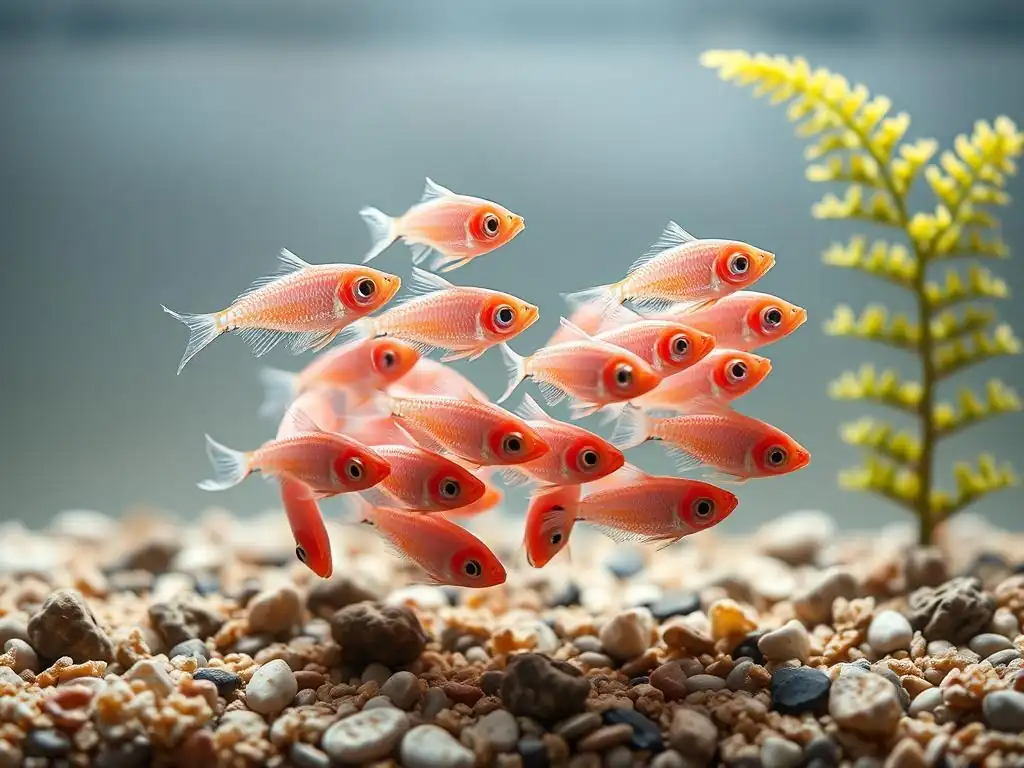
Once Severum fry become free-swimming, typically around 7-10 days post-hatching, their yolk sacs are largely depleted, and they are ready for their first external food source. Infusoria, microscopic organisms, are an excellent initial food due to their tiny size, making them perfectly digestible for the minute mouths of Severum fry. Infusoria can be cultured easily using decaying vegetable matter in a separate jar. Alternatively, commercially available liquid fry food, often containing finely ground particles or live rotifers, can serve as a convenient first food source.
Another highly effective and nutritious first food is freshly hatched brine shrimp nauplii. These are tiny, live crustaceans that are rich in protein and highly stimulating for the fry, encouraging a strong feeding response. Brine shrimp eggs can be hatched at home in a simple setup, providing a continuous supply of live food. Feeding should occur frequently, perhaps 4-6 times a day, in very small quantities to ensure a constant supply of food without fouling the water. This meticulous approach to initial nutrition is a cornerstone of successful Severum fry specific care.
Transitioning to Larger Foods
As Severum fry grow, typically reaching about 0.2-0.3 inches (0.5-0.75 cm) in length after 1-2 weeks of free-swimming, they will quickly outgrow their initial food sources and require larger, more substantial meals. The transition should be gradual. Finely crushed flake food, specifically high-quality cichlid flakes, can be introduced by grinding them into a powder between your fingers. This can be alternated with or supplemented by decapsulated brine shrimp eggs, which are sterile, non-hatching brine shrimp eggs that are highly nutritious and digestible.
Within another week or two, as the fry continue to grow to about 0.5 inches (1.25 cm), they can begin to accept more varied and larger foods. Microworms, grindal worms, and even finely chopped frozen bloodworms or brine shrimp become suitable. Live foods are often preferred as they stimulate natural hunting behaviors and provide excellent nutrition. The key is to observe the fry's size and feeding response, ensuring they can easily consume the food offered. This progressive feeding strategy is vital for promoting robust growth and is a core element of Severum fry specific care.
Preventing Overfeeding
Overfeeding is a common pitfall in Severum fry specific care that can quickly lead to disastrous water quality issues. While fry need frequent meals for rapid growth, providing too much food at one time results in uneaten particles decaying in the tank, leading to dangerous spikes in ammonia and nitrite. To prevent this, offer very small amounts of food at each feeding session, enough to be consumed entirely within 2-3 minutes. It's better to feed 5-6 small meals throughout the day than 2-3 large ones.
Regularly observe the fry during feeding to gauge their appetite and ensure all food is consumed. If food remains after a few minutes, you are likely overfeeding. Implement a strict cleaning regimen immediately after feeding, using a small siphon or turkey baster to remove any uneaten food from the bare bottom of the fry tank. This proactive approach to waste management, combined with careful portion control, is paramount to maintaining stable water parameters and preventing the water quality issues that can quickly decimate a batch of Severum fry.
Maintaining Water Quality
Frequent Water Changes
Frequent water changes are the single most important aspect of maintaining optimal water quality for Severum fry, especially given their rapid growth and the high bioload they produce in a relatively small volume of water. For newly hatched fry, daily water changes of 10-20% are often necessary. As they grow and their waste production increases, these daily changes may need to increase to 25-30%, or even 50% every other day, depending on the stocking density and filtration efficiency. The goal is to consistently keep ammonia and nitrite at zero and nitrates below 10-20 ppm.
When performing water changes, it is crucial to match the temperature of the new water precisely to the tank water to avoid shocking the delicate fry. Dechlorinate all new water thoroughly. Use a small, soft siphon or a turkey baster to gently remove water from the bottom of the tank, simultaneously siphoning out uneaten food and waste.
Pour the new water back into the tank slowly and gently, perhaps by pouring it onto a clean plate or a piece of plastic to disperse the flow and avoid disturbing the fry. This consistent, careful approach to water changes is non-negotiable for successful Severum fry specific care.
Monitoring Water Parameters
Consistent monitoring of water parameters is absolutely essential for proactive Severum fry specific care. A high-quality liquid test kit that measures ammonia, nitrite, nitrate, and pH is a vital tool. Daily testing of ammonia and nitrite is recommended, especially during the first few weeks when the biological filter is still maturing and the fry's bioload is rapidly increasing. Nitrate levels should be checked every few days, and pH should be monitored to ensure stability.
Any detectable levels of ammonia or nitrite (i.e., anything above 0 ppm) indicate a serious problem that requires immediate attention, typically an emergency water change of 50% or more. High nitrate levels, though less acutely toxic than ammonia or nitrite, can still contribute to stress and slow growth. Keeping a log of your water parameters and the actions taken (e.g., water change volume) can help identify trends and prevent future issues, providing valuable insight into the effectiveness of your Severum fry specific care regimen.
Avoiding Water Quality Issues
To proactively avoid water quality issues, several measures beyond frequent water changes are critical in Severum fry specific care. Firstly, never overfeed. As discussed, uneaten food rapidly decomposes and pollutes the water. Secondly, ensure your filtration is adequate and functioning optimally. While sponge filters are gentle, they still require regular cleaning (gently squeezing them in old tank water) to prevent them from becoming clogged and inefficient.
Thirdly, maintain a bare-bottom tank for the fry. Substrate can trap uneaten food and waste, making it harder to clean thoroughly and leading to anaerobic pockets. A bare bottom allows for easy visual inspection and siphoning of all debris. Fourthly, avoid introducing anything new to the tank that hasn't been thoroughly cleaned or disinfected, as this can introduce pathogens or unwanted chemicals. Lastly, ensure proper aeration; adequate oxygen levels are crucial for both the fry and the beneficial bacteria in your filter, directly contributing to stable water quality and the overall success of Severum fry specific care.
Severum Fry Health Management
Recognizing Signs of Illness
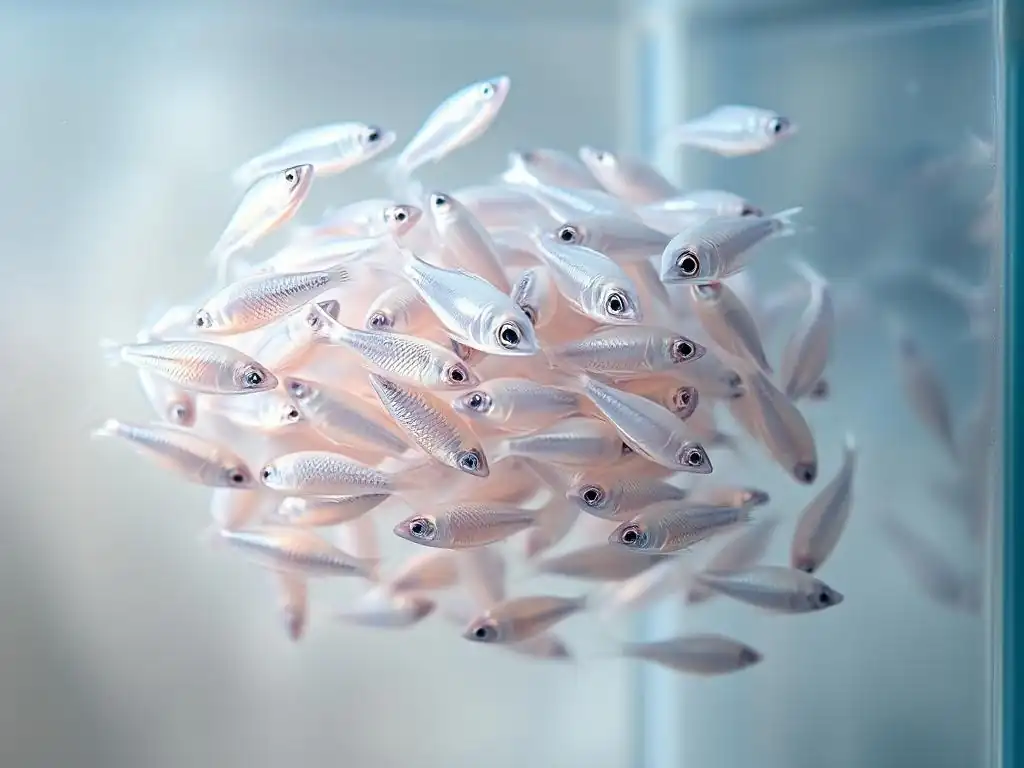
Early detection of illness is paramount in Severum fry specific care, as diseases can spread rapidly and decimate a batch of young fish. Healthy Severum fry are active, alert, and exhibit a strong feeding response. Their bodies should be clear and free of any spots, lesions, or fungal growths. Their fins should be held erect and not clamped against their bodies. Any deviation from this can be a sign of distress or illness.
Specific signs to look for include:
- Clamped fins: Often an early indicator of stress or poor water quality.
- White spots (Ich): Small, salt-like spots on the body and fins, indicating Ichthyophthirius multifiliis.
- Fuzzy growths: Cotton-like patches on the body or fins, suggesting a fungal infection.
- Labored breathing/gasping at surface: Indicates low oxygen or gill irritation from ammonia/nitrite.
- Loss of appetite/refusal to eat: A general sign of illness or severe stress.
- Abnormal swimming patterns: Erratic swimming, darting, or lethargy.
- Bloating or emaciation: Can indicate internal parasites or bacterial infections.
Prompt recognition allows for immediate intervention, significantly improving the chances of survival for your Severum fry.
Treating Common Diseases
Treating diseases in Severum fry requires extreme caution due to their small size and sensitivity to medications. The most common ailments are Ich (white spot disease) and fungal infections. For Ich, increasing the water temperature gradually to 86°F (30°C) for several days can accelerate the parasite's life cycle, making it more susceptible to treatment, alongside daily water changes. Some aquarists use aquarium salt at a concentration of 1 teaspoon per gallon, dissolved slowly, as a mild treatment for Ich and general stress, but ensure it's removed with subsequent water changes.
For fungal infections, which often appear as white, cottony growths, improving water quality and adding a small amount of aquarium salt can sometimes resolve mild cases. If medication is necessary, use half the recommended dosage for adult fish and ensure the medication is safe for scaleless fish (though Severums are scaled, many fry are sensitive). Always remove activated carbon from the filter before medicating, and perform a significant water change after the treatment period. Consult product instructions carefully and, when in doubt, prioritize water quality improvements as the first line of defense in Severum fry specific care.
Preventing Disease Outbreaks
Prevention is always superior to treatment when it comes to Severum fry specific care. The cornerstone of disease prevention is maintaining impeccable water quality. Consistent zero ammonia and nitrite, low nitrates, and stable temperature and pH reduce stress on the fry, bolstering their natural immune systems. Overcrowding is a major stressor and disease trigger; ensure the tank size is adequate for the number and size of your growing fry.
Quarantine new fish or plants before introducing them to the fry tank, even if it's just a separate tank for the parents if you're pulling the fry. Practice strict hygiene, using dedicated equipment (nets, siphons) for the fry tank only to avoid cross-contamination from other aquariums. Feed a varied and nutritious diet to ensure the fry receive all necessary vitamins and minerals for strong immune function. Regular observation for the earliest signs of distress or illness allows for immediate intervention, preventing a small problem from escalating into a full-blown outbreak among your Severum fry.
Promoting Healthy Growth
Providing Hiding Places
Even in a dedicated fry tank, providing suitable hiding places is beneficial for Severum fry specific care. While they are not as territorial as adult cichlids, having places to retreat can reduce stress, especially as they grow and begin to establish a pecking order. Small, smooth rocks, driftwood pieces (ensure they are thoroughly cleaned and leached), or even PVC pipes cut into small sections can serve as effective shelters. Ensure all hiding places are smooth and free of sharp edges that could injure the delicate fry.
Live plants, such as Java moss or Anacharis, are excellent choices for fry tanks. They provide natural hiding spots, can help absorb nitrates, and may even host some microfauna that the fry can graze on. These plants also break up lines of sight, which can reduce minor aggression as the fry grow. The presence of safe havens allows weaker or shyer fry to escape more dominant individuals, ensuring that all fry have an opportunity to feed and grow without excessive stress, which is crucial for promoting uniform development in Severum fry.
Gradual Introduction to Tank Mates
The initial Severum fry specific care phase should ideally involve a dedicated tank with no other fish to minimize stress and ensure optimal feeding. However, as the Severum fry grow into juveniles, they will eventually need to be introduced to a larger community tank or a grow-out tank with carefully selected tank mates. This transition should be gradual and thoughtful. Do not introduce small fry to a community tank directly, as they will likely be seen as food by larger fish. Wait until they are at least 1.5-2 inches (3.8-5 cm) in length, or even larger, before considering integration.
When introducing them to a new environment, ensure the tank mates are peaceful and not prone to aggression or predation. Ideal tank mates for juvenile Severums might include larger, peaceful tetras (like Colombian or Silver Tip Tetras), larger rasboras, or other similarly sized, non-aggressive cichlids that are not territorial. Monitor interactions closely for the first few days and weeks. Providing plenty of hiding spots in the new tank is also crucial to help the juveniles acclimate and reduce stress from the presence of new fish, ensuring their continued healthy development.
Maintaining a Stable Environment
Maintaining a stable environment is paramount for promoting healthy growth and reducing stress in Severum fry. This encompasses all aspects of Severum fry specific care, from consistent water parameters to regular feeding schedules. Sudden fluctuations in temperature, pH, or water chemistry are highly detrimental to fry and can lead to stunted growth, increased susceptibility to disease, and even death. Use a reliable heater with a thermostat to keep temperatures constant, and avoid large water changes that drastically alter chemistry.
Consistency in feeding times and types of food also contributes to a stable environment, allowing the fry to anticipate meals and reduce competition-related stress. Avoid sudden changes in lighting or loud noises near the tank. A consistent light cycle (e.g., 10-12 hours of light) is beneficial. Furthermore, minimize unnecessary disturbances to the tank. While observation is important, avoid constantly moving decorations or disturbing the fry unless absolutely necessary for maintenance. A predictable and unchanging environment allows the Severum fry to dedicate their energy to growth and development, rather than coping with stress.
Growing to Juvenile Cichlids
Recognizing Juvenile Characteristics
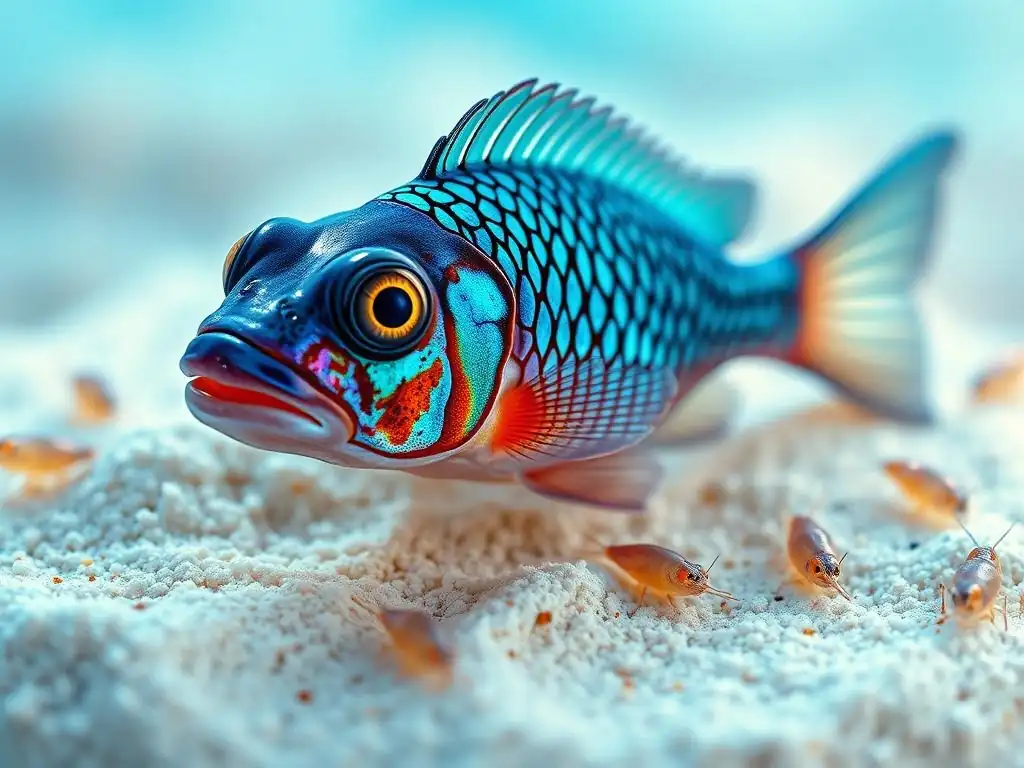
As Severum fry grow, they gradually shed their larval appearance and begin to develop the distinct characteristics of juvenile cichlids. Typically, by 1.5 to 2 inches (3.8-5 cm) in length, they will start to resemble miniature versions of their adult counterparts. Their body shape will become more disc-like and robust, losing the elongated, almost worm-like appearance of very young fry. The distinct dark vertical bars or blotches characteristic of Severums will become more pronounced, and their coloration will deepen from translucent to a more defined brownish-green or reddish hue, depending on the specific Severum variety.
Their fins will also become more developed and proportional to their body size, and they will exhibit stronger, more confident swimming patterns. You might also start to observe early signs of typical cichlid behavior, such as exploring territories, occasional fin-nipping among siblings, or even rudimentary digging in the substrate if present. Recognizing these physical and behavioral changes is a key indicator that your Severum fry are successfully transitioning into the juvenile stage, signaling a shift in their Severum fry specific care needs, particularly regarding diet and potential tank mates.
Adjusting Feeding Strategies
As Severum fry mature into juveniles, their nutritional requirements change, and their feeding strategies must be adjusted accordingly. At 1.5-2 inches (3.8-5 cm), they can consume larger food items more readily, and the frequency of feeding can be gradually reduced. Instead of 4-6 small meals, you can typically transition to 3-4 meals per day. Their diet should become more varied, incorporating a wider range of high-quality foods to ensure comprehensive nutrition for their rapid growth.
Suitable foods for juvenile Severums include high-quality cichlid pellets or flakes that are appropriately sized for their mouths. Supplement this with frozen foods such as bloodworms, brine shrimp, Mysis shrimp, and finely chopped earthworms or blackworms. Live foods, if sourced safely, can also be offered periodically. Ensure the protein content of their diet remains high, around 40-50%, to support muscle and fin development. Continue to feed only what they can consume within a few minutes to prevent overfeeding and maintain water quality, which remains a critical aspect of Severum fry specific care, even for larger juveniles.
Preparing for a Community Tank
Preparing juvenile Severums for a community tank involves a careful acclimation process to minimize stress and ensure their successful integration. Once they reach a size of at least 2-3 inches (5-7.5 cm), they are generally robust enough to handle the dynamics of a well-chosen community setup. Before moving them, ensure the target community tank is mature, fully cycled, and has stable water parameters that match, as closely as possible, those of the fry grow-out tank. Gradual acclimatization to the new tank's water parameters over several hours (e.g., drip acclimation) is highly recommended.
The community tank itself should be adequately sized, ideally 55 gallons (approximately 208 liters) or larger for a group of growing Severums, with plenty of hiding places and visual barriers to reduce aggression. Introduce the juveniles when the tank lights are off or dim to minimize initial stress and allow them to explore their new surroundings without immediate confrontation.
Observe their behavior closely over the next few days and weeks for any signs of bullying or undue stress. Selecting peaceful, appropriately sized tank mates is crucial for a harmonious environment, completing the comprehensive Severum fry specific care journey to thriving juvenile cichlids.
Severum Fry Care Troubleshooting
Dealing with Slow Growth
Slow growth in Severum fry is a common issue that often points to underlying problems in their Severum fry specific care. The primary culprits are usually inadequate feeding, poor water quality, or overcrowding. If your fry are not growing at a consistent rate (e.g., reaching 1 inch in 3-4 weeks), first assess your feeding regimen. Are you offering enough food, frequently enough, and is it sufficiently nutritious? Ensure a high-protein diet with varied live or frozen foods.
Secondly, rigorously check your water parameters. Even low levels of ammonia or nitrite, or persistently high nitrates, can significantly stunt growth by stressing the fry and diverting energy from development to coping with toxins. Increase the frequency or volume of your water changes if necessary. Lastly, consider overcrowding. Too many fry in a small tank leads to competition for food and space, increased waste, and elevated stress levels. If necessary, thin out your batch by rehoming some fry or moving them to a larger grow-out tank to provide more individual space, which is vital for optimal growth.
Addressing Aggression
While adult Severums are generally peaceful cichlids, aggression can manifest even among fry and juveniles, especially as they grow and begin to establish hierarchies. This often appears as fin-nipping, chasing, or territorial disputes over food or space. If you observe significant aggression, it's a strong indicator of overcrowding or insufficient hiding places. As the fry mature, their need for personal space increases.
To mitigate aggression, ensure your tank size is adequate for the number of juveniles you are raising. For example, a 40-gallon breeder tank might be suitable for 20-30 growing juveniles, but a 75-gallon or larger will be needed as they approach 3-4 inches. Provide numerous visual barriers and hiding spots using rocks, driftwood, or dense plant cover.
This breaks up lines of sight and allows submissive fish to escape. Increasing feeding frequency slightly can also sometimes reduce aggression by minimizing competition over food. In extreme cases, separating the most aggressive individuals or the weakest ones into a separate tank may be necessary to ensure the survival and well-being of all Severum fry.
Troubleshooting Water Quality
Water quality issues, particularly spikes in ammonia or nitrite, are the most frequent and critical problems in Severum fry specific care. If your test kit shows any detectable levels of these toxins, immediate action is required. The first step is always a large water change, typically 50-70%, ensuring the new water is temperature-matched and thoroughly dechlorinated. After the water change, retest the parameters to confirm the levels have dropped.
Investigate the cause of the spike:
- Overfeeding: Are you feeding too much at once, leaving uneaten food to rot? Reduce portion sizes and siphon out any uneaten food immediately.
- Overcrowding: Is the tank too small for the bioload? Consider moving some fry to another grow-out tank or performing more frequent, larger water changes.
- Filter malfunction/insufficient filtration: Is your sponge filter clogged? Gently clean it in old tank water. Is the filter simply not powerful enough for the current bioload? Add another sponge filter.
- New tank syndrome: If the tank is newly set up, the biological filter may not be mature enough. Perform daily small water changes and consider adding a bacterial supplement.
Consistent vigilance and prompt action are key to resolving water quality issues and ensuring the long-term health of your Severum fry.
Frequently Asked Questions
How do I increase the survival rate of Severum fry?
The key is pristine water quality and a consistent diet of appropriate-sized food. Also, avoid overcrowding to minimize stress and competition.
What type of food is best for newly hatched Severum fry?
Initially, offer infusoria or liquid fry food. As they grow, transition to baby brine shrimp and microworms, ensuring the food is small enough for them to consume easily.
What water parameters are crucial for Severum fry development?
Maintain a stable temperature between 82-86°F (28-30°C). Ensure low ammonia and nitrite levels with frequent partial water changes.
How often should I perform water changes in a Severum fry tank?
Perform small, frequent water changes (10-20%) every other day or daily. This helps maintain optimal water quality and prevent the buildup of harmful substances.
When can I move Severum fry to a larger tank with other fish?
Wait until the fry are at least 1-2 inches in size and can compete for food. Ensure the other fish are peaceful and cannot fit the fry in their mouths.
Final Reflection: Nurturing New Beginnings
The journey from fragile egg to thriving juvenile Severum, as we've explored, is a testament to the dedication and understanding required in responsible fishkeeping. This intricate process, demanding meticulous attention to detail, mirrors the broader challenges of nurturing growth and potential in any context. The principles of providing the right environment, consistent care, and appropriate nourishment are universally applicable, extending far beyond the confines of the aquarium.
This journey with Severum fry has profoundly influenced my perspective on patience and the delicate balance of ecosystems, both within and beyond the glass. Witnessing the transformation from near-invisible eggs to vibrant, independent fish underscores the power of consistent effort and the importance of understanding the specific needs of each individual. The greatest gift you can give another is the purity of your attention.
This quote resonates deeply, reminding us that true care stems from genuine observation and a willingness to adapt to the evolving needs of those we nurture.
Now, I invite you to reflect on the lessons learned from this Severum fry care masterclass. Consider how the principles of creating a supportive environment, providing consistent nourishment, and observing subtle changes can be applied to other areas of your life. Embrace the challenge of nurturing growth, whether it be in your own personal development, your relationships, or even in your community. The potential for transformation lies within each of us, waiting to be unlocked with the same dedication and care we've explored in raising these remarkable fish.
Nurture Your Severum Fry: Watch Them Flourish!
Thank you for diving into the world of Severum fry care! We hope you've gained valuable insights into nurturing these delicate fish from eggs to juveniles. Now, let’s put that knowledge into action and watch your Severums thrive.
Here are some steps you can take to ensure your Severum fry flourish:
- Prioritize daily water changes: Implement a rigorous schedule to maintain optimal water quality, reducing the risk of disease and promoting healthy growth.
- Explore live food options: Experiment with different types of live food, such as baby brine shrimp or microworms, to provide a nutritious and stimulating diet.
- Share your experiences: Join our Aquarium Mastery community forum and share your own Severum fry care journey, helping other enthusiasts along the way.
What unique feeding strategies have you found most effective for your Severum fry?