
Do Severums Really Eat Plants? A Guide for Planted Tank Enthusiasts

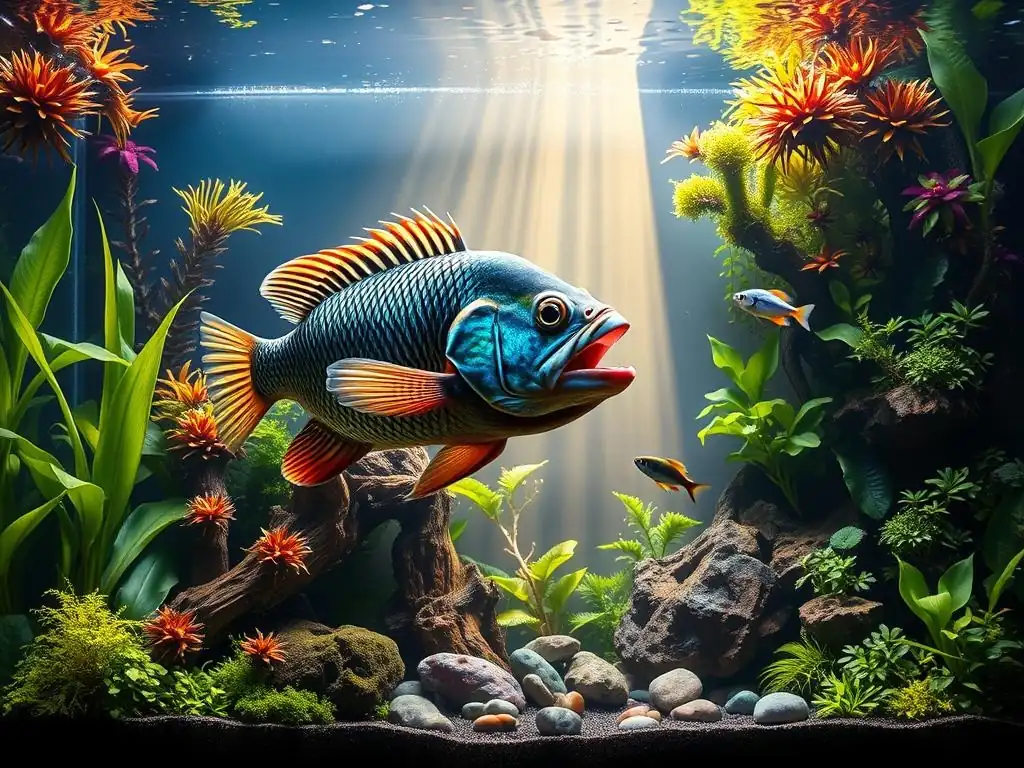
Welcome to Aquarium Mastery, fellow aquarist! Ever wondered if that beautiful Severum eyeing your prized Amazon Sword is actually planning its demise? Dive in as we tackle the burning question: Do Severums really eat plants? Get ready to explore the truth behind Severums and planted tanks, and discover how to create a thriving, leafy paradise even with these captivating fish around! This guide will help you navigate the challenges and unlock the secrets to a harmonious underwater world. Keep reading to find out how!
- Introduction: Severums and Planted Aquariums - A Compatibility Question
- Understanding Severums: Natural Diet and Behavior in the Aquarium
- The Truth About Severums and Aquarium Plants: Do They Eat Them?
- Minimizing Plant Damage in a Severum Tank: Practical Strategies
- Best Plant Choices for a Severum Aquarium: A Planted Tank Guide
- Creating a Balanced Ecosystem: Tank Mates and Water Parameters
- Signs of Plant Damage: Identifying and Addressing Problems
- Alternatives to Live Plants: Considering Artificial Plants and Decor
- Conclusion: Enjoying a Beautiful Planted Aquarium with Severums
- Frequently Asked Questions
- Final Reflection: Navigating the Green and Gold
- Unlock the Secret to a Thriving Planted Tank!
Introduction: Severums and Planted Aquariums - A Compatibility Question
Severums, scientifically known as Heros efasciatus and other Heros species, are beloved New World cichlids admired for their striking colors, intelligent personalities, and relatively peaceful demeanor compared to some of their more aggressive cichlid cousins. As popular inhabitants of many large freshwater aquariums, they often spark a common question among aquarists: "Do Severums really eat plants?" This concern is particularly relevant for enthusiasts aiming to create a lush, natural planted tank environment.
The compatibility of these beautiful fish with live aquatic plants is a significant consideration, as the potential for Severum eating planted aquarium plants can lead to frustration and financial loss for hobbyists. This guide aims to thoroughly explore the dietary habits and behaviors of Severums to provide a comprehensive answer and practical solutions for maintaining a thriving planted aquarium alongside these captivating cichlids.
Understanding Severums: Natural Diet and Behavior in the Aquarium
Severum Diet in the Wild: An Omnivorous Foundation
In their native habitats of the Amazon and Orinoco River basins in South America, Severums are primarily omnivores with a significant inclination towards herbivory. Their natural diet consists of a diverse range of food sources, reflecting the abundance of their tropical environments. Observations of wild populations indicate that they consume various small invertebrates, such as aquatic insects, larvae, and crustaceans, alongside a substantial amount of plant matter.
This plant material includes algae, detritus from decaying leaves, and softer aquatic vegetation found along riverbanks and in submerged roots. For instance, studies have noted them grazing on filamentous algae covering rocks and driftwood, as well as nibbling on tender shoots of riparian plants. This foundational omnivorous diet, with a strong emphasis on plant-based foods, is crucial for understanding their behavior in a captive environment and the likelihood of Severum eating planted aquarium plants.
The foraging behavior of wild Severums involves sifting through substrate, picking at surfaces, and occasionally nipping at plant structures. This natural inclination to graze on plant material is an inherent part of their biology, providing essential fiber and nutrients often scarce in other food sources.
While they are not strict herbivores like some Mbuna cichlids, their digestive system is well-adapted to processing plant matter, which contributes significantly to their overall health and well-being. Replicating this dietary diversity in the aquarium is key to satisfying their nutritional needs and potentially mitigating undesirable behaviors, such as excessive Severum eating planted aquarium plants, by ensuring they receive adequate roughage and vegetable content from their primary food sources.
Severum Behavior in Captivity: Plant Consumption Habits
When Severums are introduced into an aquarium environment, their natural foraging instincts persist, often leading them to explore and interact with their surroundings, including live plants. While a well-fed Severum receiving a balanced diet rich in vegetable matter might be less inclined to devastate a planted tank, the potential for plant consumption remains.
Their behavior can vary significantly from one individual to another; some Severums might completely ignore plants, while others might view them as a supplemental food source or even a form of enrichment to be explored and nibbled upon. This often manifests as casual grazing rather than aggressive destruction, though persistent nibbling can still cause substantial damage over time, particularly to softer-leaved species.
Factors influencing Severum behavior towards plants in captivity include the availability of other food sources, the overall tank environment, and even the fish's individual personality. For example, a Severum kept in an underfed state or one lacking sufficient dietary fiber is more likely to resort to Severum eating planted aquarium plants to compensate for nutritional deficiencies.
Similarly, a bored or stressed Severum in a tank that is too small or lacks adequate stimulation might turn to nibbling plants as a form of displacement activity. Observing your specific Severum's habits and understanding these underlying factors is crucial for managing their interaction with aquatic plants effectively.
The Truth About Severums and Aquarium Plants: Do They Eat Them?
Plant Preferences of Severums: Which Plants are Most at Risk?
The unequivocal answer is yes, Severums can and often do eat plants. However, their preferences are not indiscriminate; they tend to favor certain types of aquatic vegetation over others. Generally, Severums are more attracted to plants with softer, more tender leaves and stems, which are easier for them to consume and digest.
Examples of highly vulnerable plants include delicate stem plants like Cabomba caroliniana, Ludwigia repens, and Rotala rotundifolia, as well as leafy plants such as Water Wisteria ( Hygrophila difformis) and certain types of sword plants ( Echinodorus species) with newer, softer growth. These plants offer less resistance to a Severum's rasping mouthparts and are often perceived as more palatable.
Conversely, plants with tougher, more fibrous leaves or those possessing a bitter taste are typically less appealing to Severums. While no plant is entirely "Severum-proof," species like Anubias barteri, Java Fern ( Microsorum pteropus), and Bucephalandra are often spared due to their robust structure and sometimes unpalatable flavor.
The extent of Severum eating planted aquarium plants is also influenced by the plant's overall health; unhealthy or decaying plant matter is often targeted first, as it is easier to break down and may signal a source of nutrients. Therefore, maintaining vigorous plant growth through proper lighting, fertilization, and CO2 injection can sometimes deter significant damage.
Factors Influencing Plant Consumption: Age, Environment, and Personality
Several key factors beyond plant type influence the degree to which a Severum engages in plant consumption. One significant factor is the age and size of the Severum. Juvenile Severums, typically under 4 inches, are less likely to cause substantial damage simply because their mouths are smaller and their overall impact on the tank is less. As they mature and grow to their adult size of 8-10 inches or more, their capacity for plant destruction increases significantly. A larger fish requires more food and has a stronger bite, making Severum eating planted aquarium plants a more pronounced issue.
Dietary adequacy is paramount. If a Severum's primary diet lacks sufficient vegetable matter or overall nutrition, it will naturally seek out alternative food sources, and live plants become a readily available option. Providing a high-quality diet rich in spirulina, blanched vegetables (like zucchini or spinach), and specialized cichlid pellets with a high plant content can significantly reduce their inclination to graze on aquarium plants. Furthermore, the aquarium environment plays a role.
A tank that is too small (e.g., less than 75 gallons for a single adult Severum) or lacks sufficient enrichment can lead to boredom and stress, prompting the fish to engage in destructive behaviors, including Severum eating planted aquarium plants. Individual personality is also a surprisingly strong determinant; just like humans, some Severums are simply more prone to nibbling than others, regardless of ideal conditions. Observing your specific fish's habits is crucial for tailoring your approach.
Minimizing Plant Damage in a Severum Tank: Practical Strategies
Choosing Severum-Proof Plants: Hardy Species That Can Withstand Attention
One of the most effective strategies to prevent significant Severum eating planted aquarium plants is to select species known for their resilience and less appealing characteristics to cichlids. These "Severum-proof" plants typically possess thick, tough leaves, a bitter taste, or robust root systems that make them difficult to uproot or consume. Examples include the various Anubias species, Java Fern ( Microsorum pteropus), and certain types of Cryptocoryne. These plants are often epiphytic, meaning they can be attached to driftwood or rocks, making them less susceptible to being dug up by active Severums that enjoy sifting through substrate.
For instance, Anubias nana has leathery leaves that are generally too tough for a Severum to easily tear or chew, and its rhizome structure means it doesn't need to be planted in the substrate. Similarly, Java Fern has a distinct, somewhat bitter flavor that most Severums find unappetizing. While occasional nibbles might occur, extensive damage is rare. Incorporating a high percentage of these hardy plants into your aquascape can create a beautiful, lush environment that is more likely to survive the attention of a Severum, significantly reducing the instance of Severum eating planted aquarium plants.
Providing Adequate Nutrition: Supplementing Diet to Reduce Plant Grazing
A well-nourished Severum is less likely to resort to extensive Severum eating planted aquarium plants. It is crucial to provide a balanced and varied diet that meets all their nutritional requirements, especially their need for vegetable matter. A high-quality cichlid pellet or flake food should form the staple of their diet, but this needs to be generously supplemented with plant-based foods. Approximately 40-50% of their diet should consist of vegetable matter to mimic their natural omnivorous-herbivorous tendencies.
Excellent supplementary foods include blanched vegetables such as zucchini slices, cucumber, spinach, or shelled peas. Spirulina flakes or pellets are also highly beneficial due to their high algal content. Some aquarists even offer specialized herbivore cichlid sticks or wafers. Feeding small amounts 2-3 times a day for juveniles and 1-2 times a day for adults helps ensure they are consistently satiated and less inclined to graze on aquarium plants out of hunger or nutritional deficiency. This proactive dietary management is one of the most impactful ways to deter Severum eating planted aquarium plants.
Aquascaping for Success: Creating Barriers and Protecting Vulnerable Plants
Strategic aquascaping can play a significant role in protecting your plants from Severum damage. By carefully arranging hardscape elements like driftwood and rocks, you can create natural barriers or less accessible zones for delicate plants. For instance, planting softer, more vulnerable species behind large pieces of driftwood or within dense rock formations can make them harder for Severums to reach and nibble on. This technique doesn't completely eliminate the risk of Severum eating planted aquarium plants but significantly reduces the opportunity.
Furthermore, consider planting more delicate species in pots or containers embedded within the substrate. This not only protects their root systems from being dug up by active Severums, who enjoy sifting through the substrate, but also allows for easy removal if a particular plant is being consistently targeted. Creating a visually appealing aquascape that also serves a functional purpose in plant protection is a smart approach for any Severum enthusiast hoping to maintain a lush, planted tank.
Best Plant Choices for a Severum Aquarium: A Planted Tank Guide
Java Fern (Microsorum pteropus): A Hardy and Bitter Option
Java Fern is arguably one of the best choices for a Severum tank due to its exceptional hardiness and natural deterrent properties. Its leaves are tough, leathery, and possess a slightly bitter taste that most Severums find unappetizing. This significantly reduces the likelihood of extensive Severum eating planted aquarium plants. What's more, Java Fern is an epiphyte, meaning it attaches its rhizome (root-like structure) to driftwood or rocks rather than being planted in the substrate. This characteristic makes it immune to being uprooted by Severums, which often enjoy digging and rearranging the substrate.
Java Fern thrives in moderate lighting and does not require CO2 injection, making it relatively low-maintenance. It grows slowly, reaching heights of 6-12 inches, and propagates easily by splitting its rhizome or through plantlets that form on mature leaves. Its ability to withstand fluctuating water parameters and its general resilience make it a cornerstone for any planted tank housing active cichlids like Severums, providing lush green foliage without becoming a constant snack.
Anubias Species: Slow-Growing and Resilient
Various Anubias species, such as Anubias barteri, Anubias nana, and Anubias coffeefolia, are excellent choices for Severum aquariums. Their primary advantage lies in their extremely tough, leathery leaves, which are very difficult for fish to chew through. This makes them highly resistant to Severum eating planted aquarium plants. Like Java Fern, Anubias are epiphytes and should not have their rhizome buried in the substrate, as this can cause it to rot. Instead, they should be attached to driftwood, rocks, or other decor.
Anubias are slow-growing plants, typically reaching heights of 4-10 inches depending on the species, and are remarkably tolerant of a wide range of water conditions and lighting levels, from low to moderate. Their robust nature and minimal care requirements make them ideal for beginners and experienced aquarists alike who want to combine cichlids with live plants. While a Severum might occasionally take a curious nip, the damage is usually negligible due to the plant's inherent resilience.
Vallisneria (Eelgrass): Fast-Growing and Provides Cover
Vallisneria, commonly known as Eelgrass, is a fantastic option for Severum tanks due to its rapid growth rate and ability to form dense backgrounds, providing excellent cover and a natural feel. While its leaves are not as tough as Anubias or Java Fern, its fast propagation through runners means it can often outgrow any damage caused by Severum eating planted aquarium plants. Severums may occasionally graze on the tips or softer parts of Vallisneria leaves, but the plant's overall vigor usually ensures its survival.
Vallisneria thrives in moderate to high lighting and can tolerate a wide range of water parameters, including harder water, making it suitable for many cichlid setups. It typically grows quite tall, often reaching 12-24 inches or more, creating a beautiful swaying curtain effect in the current. Its ability to quickly colonize an area and provide ample hiding spots for fish, while still being resilient enough to withstand some attention, makes it a valuable addition to a Severum planted tank.
Cryptocoryne: Tolerant of Lower Light and Root Disturbance
Cryptocoryne species, often simply called "Crypts," are another group of robust plants that can thrive in a Severum aquarium. These plants are known for their strong root systems, which firmly anchor them in the substrate, making them less prone to being uprooted by digging Severums. While their leaf texture varies by species, many Crypts have relatively tough leaves that are less appealing to fish compared to softer stem plants, reducing the incidence of Severum eating planted aquarium plants.
Cryptocoryne plants prefer stable water conditions and moderate to low lighting. They are unique in that they often undergo a phenomenon known as "Crypt melt" when introduced to a new environment or subjected to sudden parameter changes, where their leaves may melt away. However, their strong root systems typically allow them to recover and regrow new leaves that are adapted to the tank's specific conditions.
Once established, Crypts can form dense bushes, providing excellent cover and contributing significantly to the aesthetic appeal of a Severum tank. Popular species include Cryptocoryne wendtii and Cryptocoryne undulata, which are generally hardy and less susceptible to severe damage.
Creating a Balanced Ecosystem: Tank Mates and Water Parameters
Selecting Compatible Tank Mates: Reducing Stress and Competition
Choosing appropriate tank mates is crucial for a harmonious Severum aquarium, especially when plants are involved. Stress or aggression from incompatible tank mates can sometimes lead to increased plant nibbling, as a stressed fish may exhibit unusual behaviors. Severums are generally peaceful cichlids but can become territorial, especially during breeding.
Ideal tank mates are similarly sized, peaceful, and do not compete excessively for food or space. Good choices include larger, robust tetras like Congo Tetras or Lemon Tetras, various species of peaceful plecos (e.g., Bristlenose Plecos), and other non-aggressive, medium-to-large South American cichlids like Uaru or even some Geophagus species, provided the tank is sufficiently large (e.g., 100 gallons or more for a community setup).
Avoid very small fish that could be seen as food, overly aggressive cichlids that might harass the Severums, or fin-nipping species that could stress them. A well-chosen community reduces overall stress levels in the tank, allowing Severums to feel secure and less inclined to engage in destructive behaviors towards plants. Ensuring ample swimming space and individual territories, even in a large tank, contributes to a peaceful environment where Severum eating planted aquarium plants is less likely to be a consequence of stress or competition.
Maintaining Optimal Water Parameters: Promoting Plant and Fish Health
Maintaining stable and optimal water parameters is essential for both the health of your Severums and the vitality of your aquatic plants. Healthy plants are more resilient to minor grazing, and healthy fish are less likely to exhibit destructive behaviors due to stress. Severums thrive in soft to medium-hard, slightly acidic to neutral water. Ideal parameters include a pH range of 6.0-7.5, a temperature of 75-82°F (24-28°C), and a general hardness (GH) of 5-15 dGH. Ammonia and nitrite levels must always be zero, and nitrates should be kept below 20 ppm through regular water changes.
For plants, consistent water parameters prevent "melt" or stress, which could make them more susceptible to damage. Many hardy plants suitable for Severum tanks, like Anubias and Java Fern, are quite adaptable to these conditions. Regular weekly water changes of 25-30% are vital to remove nitrates and replenish essential trace elements that both fish and plants utilize. A stable, clean environment promotes robust plant growth, making them more resilient, and keeps Severums healthy and content, thereby minimizing the impulse for Severum eating planted aquarium plants.
Signs of Plant Damage: Identifying and Addressing Problems
Recognizing Plant Damage: Identifying Bite Marks and Defoliation
Observing your plants regularly is key to identifying Severum-related damage early. Unlike damage from nutrient deficiencies, which often manifests as yellowing, holes from decay, or stunted growth, damage caused by Severums typically appears as distinct bite marks, ragged edges, or missing sections of leaves. You might notice crescent-shaped nips or larger chunks taken out of softer foliage. For instance, a Vallisneria leaf might have its tip entirely missing, or an Anubias leaf, despite its toughness, could show signs of persistent scraping or small tears where the fish has tried to graze.
Another common sign is uprooted plants. Severums are known to sift through substrate, especially when searching for food or during spawning rituals. This activity can dislodge or completely uproot plants, even those with established root systems. If you consistently find plants floating at the surface or partially pulled out of the substrate, it's a strong indicator that your Severum is responsible. Differentiating between fish damage and other issues (like snail grazing, which leaves small, irregular holes, or algae, which covers the plant surface) is crucial for accurate troubleshooting of Severum eating planted aquarium plants.
Adjusting Your Approach: Fine-Tuning Your Planted Tank Strategy
Once you've identified that your Severum is indeed causing significant plant damage, it's time to fine-tune your strategy. The first step should always be to re-evaluate their diet. Are they receiving enough vegetable matter? Try increasing the frequency of blanched vegetable feedings (e.g., daily instead of every few days) or incorporate more spirulina-rich foods. Consider a dietary change for a week or two to see if the behavior subsides.
If diet isn't the primary issue, reassess your plant selection. Are the damaged plants predominantly soft-leaved species? Gradually replace them with tougher, less palatable options like Anubias, Java Fern, or hardier Cryptocorynes. You might also need to modify your aquascape, adding more large driftwood or rocks to create physical barriers around particularly vulnerable plants. Finally, observe your Severum's behavior closely.
Is the damage occurring during specific times, perhaps when they seem bored or stressed? Ensuring adequate tank size, providing plenty of hiding spots, and stable water parameters can reduce stress. Sometimes, adding a new piece of decor or rearranging the existing layout can provide enough novelty to divert their attention from Severum eating planted aquarium plants. Patience and consistent observation are key to finding the right balance for your specific tank.
Alternatives to Live Plants: Considering Artificial Plants and Decor
The Benefits of Artificial Plants: Low Maintenance and Durable
For aquarists who find the challenge of combining Severums with live plants too daunting, or for those who simply prefer a more low-maintenance approach, artificial plants offer a highly practical and durable alternative. The primary benefit of artificial plants is their indestructibility by fish. They cannot be eaten, uprooted, or damaged by even the most persistent Severum. This eliminates the frustration and cost associated with constantly replacing or repairing live plants.
Furthermore, artificial plants require zero maintenance. They don't need specific lighting, CO2 injection, fertilizers, or pruning. They are also unaffected by water parameters, making them suitable for any setup. Modern artificial plants are often crafted with realistic textures and colors, providing aesthetic appeal without the biological demands. They come in a vast array of shapes and sizes, from silk plants that mimic delicate foliage to plastic plants that replicate hardy species, offering flexibility in aquascaping and ensuring a consistently lush appearance without the concern of Severum eating planted aquarium plants.
Combining Live and Artificial Plants: Creating a Natural Look with Reduced Risk
A popular and effective compromise for Severum owners is to strategically combine live and artificial plants. This approach allows you to leverage the benefits of both while mitigating the risks of Severum eating planted aquarium plants. You can use robust, fish-proof live plants like Anubias and Java Fern in areas where you desire the natural biological benefits (e.g., aiding in water quality, providing natural food sources for micro-organisms) and a truly organic feel. These plants are less likely to be damaged and can thrive alongside Severums.
For areas where you want dense foliage, tall backgrounds, or simply want to fill space without the risk of plant destruction, high-quality artificial plants can be seamlessly integrated. For instance, you might use artificial tall stem plants in the background to create a lush wall, while Anubias are attached to driftwood in the foreground.
This hybrid approach provides visual depth and a natural aesthetic, offers ample hiding spots for fish, and significantly reduces the overall workload and potential for plant loss. It's an excellent way to create a beautiful, functional aquascape that both you and your Severums can enjoy without constant worry about Severum eating planted aquarium plants.
Conclusion: Enjoying a Beautiful Planted Aquarium with Severums
Severum Planted Tank Success: Patience, Observation, and Adaptation are Key
Creating and maintaining a beautiful, thriving planted aquarium with Severums is not only possible but can be an incredibly rewarding endeavor. While the question "Do Severums really eat plants?" often brings initial concern, the truth is that with careful planning, informed plant selection, and attentive husbandry, the potential for Severum eating planted aquarium plants can be significantly minimized. It requires understanding their natural omnivorous inclinations, providing a well-balanced diet rich in vegetable matter, and choosing resilient plant species that can withstand their curiosity and occasional grazing.
Success in a Severum planted tank hinges on three core principles: patience, observation, and adaptation. Patience is required as you establish the tank and allow both fish and plants to acclimate. Consistent observation of your Severum's behavior and the health of your plants will allow you to identify any issues early.
Finally, be prepared to adapt your strategies—whether it's adjusting their diet, replacing certain plants, or re-scaping—based on the specific needs and personalities within your aquarium. By embracing these principles, aquarists can confidently enjoy the vibrant beauty of a lush, planted environment coexisting harmoniously with their magnificent Severums, creating a truly spectacular display that highlights the best of freshwater aquascaping.
Frequently Asked Questions
Will a Severum definitely eat my aquarium plants?
It's not a guarantee, but highly likely. Severums are known to nibble on plants, especially softer-leaved varieties. Their behavior can vary, but it's best to plan accordingly.
What type of plants are least likely to be eaten by Severums?
Plants with tougher leaves and bitter tastes often fare better. Consider Anubias, Java Fern, and Bolbitis heudelotii. These are generally more resistant to being devoured.
If I want a planted tank with a Severum, what's the best approach?
Focus on hardy plant species, provide ample food for the Severum to reduce plant grazing, and consider protective measures like plant guards or positioning plants in less accessible areas.
Are there any specific plants that Severums seem to target more often?
Yes, plants with soft, delicate leaves are usually the first to go. Cabomba, Elodea, and Ludwigia are common targets for Severums looking for a snack.
Can I train a Severum not to eat plants?
While you can't completely train them, consistent feeding with high-quality foods can help. This can redirect their foraging behavior away from your prized plants.
The question of whether Severums and planted aquariums can coexist is more than just a practical concern for hobbyists; it speaks to a broader desire for harmony between nature and our constructed environments. As we've explored the nuances of Severum behavior and plant selection, it becomes clear that successful planted tanks with these magnificent fish require careful planning and a deep understanding of their needs. The information presented here, hopefully, empowers aquarists to create thriving ecosystems that benefit both flora and fauna.
This delicate balance between the vibrant greens of aquatic plants and the golden hues of Severums has profoundly influenced the aquascaping world. It's a constant reminder that responsible fishkeeping extends beyond simply providing food and water; it's about creating an environment that allows all inhabitants to flourish. The best aquarium is not just a display of fish, but a miniature ecosystem where every element plays a vital role.
This sentiment underscores the importance of thoughtful design and informed choices when integrating potentially plant-eating fish into a planted aquarium.
Now, armed with this knowledge, I invite you to reflect on your own aquascaping journey. Consider how you can apply these principles to create a more enriching and sustainable environment for your aquatic companions. Whether you're a seasoned aquarist or just starting out, remember that patience, observation, and a willingness to adapt are key to unlocking the beauty and harmony of a planted tank shared with Severums. Embrace the challenge, experiment with different approaches, and witness the magic that unfolds when nature and careful planning intertwine.
Unlock the Secret to a Thriving Planted Tank!
Thank you for diving into the world of Severums and planted aquariums! We hope you've gained valuable insights into keeping these beautiful fish without sacrificing your aquatic plants. Now, let's put that knowledge into action.
Here's how you can create a harmonious and stunning aquarium:
- Test out hardy plant varieties like Java Fern and Anubias in your Severum tank to see what thrives!
- Explore creating a rock scape that the Severums will enjoy but that keeps plants safe.
- Share your experiences and successes (or challenges!) with other planted tank enthusiasts in online aquarium forums.
What plant combinations have you found most successful in your cichlid tank, or what are you most excited to try?