
Exploring Guppy Tail Types: From Fantail to Lyretail & Beyond

Welcome to Aquarium Mastery!
Ever wondered about the dazzling diversity hiding in a single guppy's tail? Dive into our Guppy Tail Type Guide and unlock the secrets behind these mesmerizing fins. Prepare to be amazed by the spectrum of shapes and colors – and discover what makes each tail type truly unique. Ready to explore the fascinating world of guppy tails? Let's get started!
- Exploring Guppy Tail Types: From Fantail to Lyretail & Beyond - Aquarium Mastery
- Understanding Guppy Tail Variations: An Aquarium Mastery Guide
- The Most Common Guppy Tail Types: A Visual Compendium
- Exotic and Rare Guppy Tail Types: Expanding Your Collection
- Guppy Tail Genetics: Breeding for Specific Tail Types
- Maintaining Healthy Guppy Tails: Care Tips and Prevention
- Choosing the Right Guppy Tail Type for Your Aquarium
- Conclusion: Appreciating the Diversity of Guppy Tail Shapes
-
Frequently Asked Questions
- How many different guppy tail types are there?
- What factors influence the development of a guppy's tail type?
- Which guppy tail type is considered the most common or "standard"?
- Are some guppy tail types more challenging to care for than others?
- Where can I find detailed information and visuals about each guppy tail type?
- Final Reflection: The Enduring Allure of Guppy Tails
- Dive Deeper: Unleash Your Guppy Paradise!
Exploring Guppy Tail Types: From Fantail to Lyretail & Beyond - Aquarium Mastery
Understanding Guppy Tail Variations: An Aquarium Mastery Guide
The Allure of Guppy Tail Morphology
The captivating diversity of guppy tail morphology is a cornerstone of their immense popularity among aquarists worldwide. From broad, flowing shapes to sharp, pointed extensions, each tail type presents a unique aesthetic that transforms a simple fish into a living work of art within the aquarium.
This incredible variety is not merely a product of nature but also the result of centuries of dedicated selective breeding, with enthusiasts meticulously developing and refining countless strains to highlight specific fin characteristics. The sheer spectrum of shapes, combined with an equally impressive array of colors and patterns, ensures that there is a guppy tail type to suit virtually any aesthetic preference.
Beyond their visual appeal, the intricate structures of guppy tails also offer insights into the genetic potential and breeding achievements within the hobby. For instance, the development of a perfect Delta tail, spreading to a precise 75-degree angle, or a distinct Lyretail, requires precise genetic understanding and patient breeding over many generations.
This allure extends to the challenge and reward of breeding these fish, where a "Guppy tail type guide" becomes an invaluable tool for understanding and propagating specific desired traits. The constant evolution of new tail forms ensures that the world of guppy keeping remains dynamic and endlessly fascinating.
Why Guppy Tail Types Matter: Aesthetics & Genetics
Guppy tail types hold significant importance for both the casual hobbyist and the dedicated breeder, primarily due to their aesthetic contribution and underlying genetic implications. Aesthetically, the tail shape profoundly influences the overall appearance of the fish and, by extension, the visual harmony of an aquarium.
For example, a tank filled with long-finned Veil tails creates a graceful, flowing display, while a collection of sharp-angled Delta tails offers a more structured and striking visual. Understanding the nuances of each tail type, as detailed in any comprehensive "Guppy tail type guide," allows aquarists to curate their tanks with a specific artistic vision in mind, enhancing the beauty and dynamic movement within their aquatic environment.
From a genetic standpoint, guppy tail types are crucial indicators of lineage and breeding potential. The inheritance of tail shapes is often polygenic, meaning multiple genes contribute to the final form, making precise breeding a challenging yet rewarding endeavor. Breeders meticulously select individuals with desirable tail characteristics to propagate specific strains, aiming for consistency in shape, size, and form across generations.
This genetic foundation is vital for maintaining the integrity of established strains, preventing undesirable traits, and even developing entirely new tail variations. For instance, the "sword" extensions seen in Swordtail guppies are controlled by specific genetic markers, and understanding these allows breeders to ensure their offspring reliably exhibit these unique features.
The Most Common Guppy Tail Types: A Visual Compendium
Fantail Guppies: The Classic Choice
The Fantail guppy is arguably one of the most recognizable and enduring tail types, often serving as the entry point for many new aquarists. Characterized by a large, flowing caudal fin that spreads out like a fan, this tail typically forms an angle approaching 180 degrees, though often settling around 150-160 degrees in well-bred specimens. The edges of the fin are generally rounded, contributing to its soft, expansive appearance. Its robust nature and compatibility with various color patterns, such as the popular Cobra or Mosaic strains, make it a versatile and visually appealing choice for community tanks.
This classic "Guppy tail type guide" staple is admired for its impressive display, particularly when the fish is actively swimming or flaring. The Fantail's broad surface area provides ample canvas for vibrant coloration and intricate patterns, making each individual a miniature masterpiece. While visually striking, the Fantail's generous size generally requires clean, stable water conditions to prevent fin damage or bacterial infections like fin rot, ensuring its beautiful form remains pristine.
Delta Tail Guppies: A Fan-Shaped Wonder
The Delta Tail guppy is distinguished by its prominent, triangular caudal fin that resembles the Greek letter delta (Δ). This tail type typically forms a sharp, defined triangle with straight edges, spreading to an angle of 60 to 90 degrees. Unlike the more rounded Fantail, the Delta tail emphasizes crisp lines and a precise shape, making it a favorite among show guppy breeders who prioritize form and symmetry. The clarity of its outline allows for an impressive display of color and pattern, often appearing more intense due to the defined boundaries of the fin.
Often seen in highly selective breeding programs, the Delta tail is a testament to careful genetic selection. Its defined structure makes it less prone to tearing compared to some of the longer, more flowing types, provided the tank environment is free of sharp decor. This "Guppy tail type guide" essential requires stable water parameters and a high-quality diet to ensure optimal fin development and vibrant coloration, contributing to its status as a cornerstone in the world of ornamental guppies.
Veil Tail Guppies: Flowing Elegance
The Veil Tail guppy is renowned for its long, flowing caudal fin that gracefully trails behind the fish, reminiscent of a bridal veil. This tail type is characterized by its extended length and often slightly drooping or undulating appearance, rather than a wide spread. While it can vary in shape, often possessing a rounded or slightly pointed end, its defining feature is its sheer length and delicate drape. This flowing elegance makes the Veil Tail a highly sought-after variant for those who appreciate graceful movement in their aquarium.
Due to their elongated fins, Veil Tail guppies require particular attention to their environment to prevent damage. They are more susceptible to fin nipping from certain tank mates and can snag their delicate fins on rough decorations. Maintaining pristine water quality is also crucial, as their extensive finnage provides more surface area for potential bacterial infections like fin rot. Despite these considerations, the captivating beauty of a healthy Veil Tail guppy, with its luxurious and flowing form, makes it a prized addition to any "Guppy tail type guide" collection.
Flag Tail Guppies: A Rectangular Display
The Flag Tail guppy presents a unique and distinctive profile with its caudal fin forming a clear, rectangular shape, much like a flag unfurling. This tail type is characterized by its straight top and bottom edges, culminating in a blunt, squared-off end. Unlike the broad fan or flowing veil, the Flag Tail emphasizes a more structured and compact display, offering a striking contrast to other common guppy varieties. Its well-defined form makes it a standout in a collection, showcasing a different aspect of guppy morphology.
While not as widely prevalent as the Fantail or Delta Tail, the Flag Tail is appreciated for its clean lines and unique silhouette. Its development requires specific genetic traits to maintain the precise rectangular shape without any rounding or tapering. As with all guppy tail types, maintaining excellent water quality and providing a balanced diet are essential for the health and integrity of the fin, ensuring this "Guppy tail type guide" entry maintains its distinctive and attractive shape.
Swordtail Guppies: Upper and Lower Variations
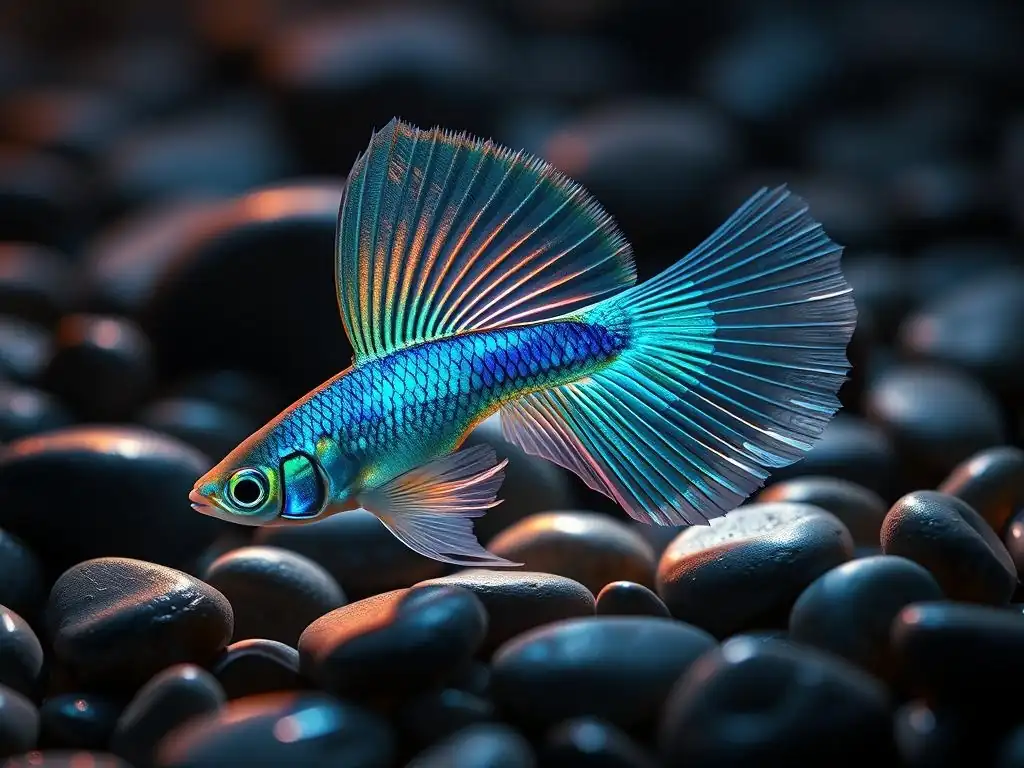
Swordtail guppies are distinct for their unique caudal fin extensions that resemble a sword. These extensions can protrude from the upper, lower, or both sections of the tail, giving rise to specific variations within this type. The rest of the caudal fin typically remains relatively short or rounded, putting the emphasis squarely on the elongated "sword" projections.
Upper Swordtail Guppies: Identifying Features
Upper Swordtail guppies are characterized by a prominent, sword-like extension emanating from the upper ray of the caudal fin. This extension typically runs parallel to the body or curves slightly upwards, creating a striking linear element. The rest of the caudal fin is generally rounded or short, ensuring the "sword" is the focal point. This variant is often seen in more natural or less heavily bred lines, showcasing a subtle yet elegant deviation from the standard tail shape. Its unique profile is a key identifying feature in any detailed "Guppy tail type guide."
Lower Swordtail Guppies: Characteristics
Conversely, Lower Swordtail guppies exhibit a similar sword-like extension, but this projection originates from the lower ray of the caudal fin. This "sword" typically runs straight or curves slightly downwards. When both upper and lower extensions are present on the same fish, it is known as a Double Swordtail, creating a symmetrical and highly prized appearance. The Lower Swordtail, like its upper counterpart, brings a distinctive linear elegance to the guppy's silhouette, making it a fascinating subject for selective breeding aimed at enhancing these unique fin structures.
Roundtail Guppies: A Circular Silhouette
The Roundtail guppy features a caudal fin that is distinctly circular or slightly ovate in shape, with no pointed extensions or dramatic flares. This tail type is often considered one of the more natural or ancestral forms, frequently observed in wild guppy populations or less selectively bred strains. Its simplicity provides a clean and classic aesthetic, highlighting the guppy's body coloration and pattern without the distraction of elaborate finnage.
While perhaps less flashy than Delta or Fantail types, the Roundtail is remarkably robust and less prone to fin damage due to its compact shape. This makes it an excellent choice for beginner aquarists or those seeking a low-maintenance fish that still embodies the charm of the guppy. Despite its commonality, well-bred Roundtails can exhibit vibrant colors and patterns, demonstrating that even a basic "Guppy tail type guide" can reveal beauty in simplicity.
Pintail Guppies: A Needle-Like Extension
The Pintail guppy is characterized by a central, needle-like extension protruding from the middle of its caudal fin. The surrounding caudal fin can vary in shape, often being rounded or slightly pointed, but the defining feature is the slender, elongated central ray. This unique projection gives the Pintail a distinctive and delicate appearance, setting it apart from other common tail types.
The elegant and precise nature of the Pintail makes it a sought-after variety for aquarists looking for something unusual and refined. While the central "pin" is relatively sturdy, like all guppy fins, it benefits from clean water and a peaceful environment to prevent damage. Its unique morphology ensures it stands out in any "Guppy tail type guide" and provides a subtle yet striking visual appeal in the aquarium.
Exotic and Rare Guppy Tail Types: Expanding Your Collection
Lyretail Guppies: The Forked Beauty
The Lyretail guppy is a truly exotic and striking tail type, immediately recognizable by its deeply forked caudal fin where the upper and lower lobes extend outwards and often curve slightly, resembling a classical lyre or a tuning fork. This unique shape creates a graceful, flowing appearance with a distinct central indentation. Unlike the sharp angles of a Delta or the broad sweep of a Fantail, the Lyretail offers a dynamic, bifurcated elegance.
Achieving the perfect Lyretail form requires precise genetic selection, making it a less common and often more prized variation among enthusiasts. The extended lobes of the Lyretail are delicate and require a pristine environment to prevent tears or fin rot, similar to other long-finned varieties. Its intricate shape and captivating movement make it a highlight in any comprehensive "Guppy tail type guide" focused on rare and unique forms.
Scissortail Guppies: A Unique Split
The Scissortail guppy is a highly distinctive and relatively rare tail type, characterized by a caudal fin that is deeply divided, with the two lobes often overlapping or crossing over each other, creating an appearance reminiscent of open scissors. This dramatic split sets it apart from all other guppy tail forms, offering a truly unique silhouette. The depth of the fork and the precise alignment of the lobes are key indicators of a well-bred Scissortail.
Due to its intricate structure, the Scissortail requires careful handling and a well-maintained aquarium to prevent damage to its delicate lobes. It is particularly susceptible to fin nipping from aggressive tank mates. Its rarity and unusual morphology make it a highly desirable addition for collectors seeking truly unique guppy varieties, placing it firmly in the "Guppy tail type guide" for advanced aquarists.
Cofertail Guppies: A Spade-Shaped Delight
The Cofertail guppy, also known as the Spade Tail, features a caudal fin that is distinctly shaped like the spade symbol on a playing card. This means the tail is broad at its base and then tapers gracefully to a pointed tip. Unlike the triangular Delta tail, the Cofertail's edges are typically curved, giving it a softer, yet still defined, outline. This elegant and compact shape offers a refined alternative to the more expansive or elongated tail types.
The Cofertail's neat and precise form makes it an attractive choice for aquarists who appreciate clean lines and subtle elegance. While not as common as the Fantail or Delta, its unique silhouette is gaining popularity. Maintaining this "Guppy tail type guide" entry requires standard excellent water conditions and a balanced diet to ensure the fin develops its characteristic spade shape and vibrant coloration.
Ribbontail Guppies: Elongated Fins
Ribbontail guppies are characterized by extreme elongation not only of their caudal fin but also of their dorsal and anal fins, which extend into long, flowing, ribbon-like streamers. While the caudal fin itself might be a variation of a Delta or Fantail, the overall effect is one of dramatic length and unparalleled grace. These guppies appear to glide through the water, their extended fins undulating behind them like delicate ribbons.
Due to their extraordinarily long finnage, Ribbontail guppies require specialized care. They are highly prone to fin damage, fin rot, and can be easily stressed by strong currents or aggressive tank mates. They often benefit from species-specific tanks or very peaceful community setups with smooth decor. Their delicate nature and demanding care requirements make them a challenge for even experienced aquarists, but their breathtaking beauty makes them a highly prized, albeit rare, entry in any comprehensive "Guppy tail type guide."
Guppy Tail Genetics: Breeding for Specific Tail Types
Understanding Guppy Tail Inheritance
The intricate array of guppy tail types seen today is a testament to complex genetic inheritance patterns. Guppy tail shape is primarily controlled by multiple genes (polygenic inheritance), meaning that several genes interact to determine the final phenotype.
While specific genes for certain traits like sword extensions (e.g., Sw1 and Sw2 genes for upper and lower swords respectively) have been identified, the overall shape and size of the caudal fin are influenced by a combination of dominant and recessive alleles interacting across different loci. For instance, the genes controlling the broadness of a Fantail differ from those dictating the length of a Veil tail, though they may still be linked.
Breeders often work with the understanding that specific crosses can amplify or reduce certain tail characteristics. For example, breeding two Delta tails together increases the probability of offspring exhibiting strong Delta characteristics, but the presence of recessive genes from previous generations can still produce variations. Mastering this aspect requires meticulous record-keeping and a deep understanding of Mendelian genetics applied to guppies, making any "Guppy tail type guide" on breeding a complex but rewarding study.
Selective Breeding for Desired Tail Traits
Selective breeding is the cornerstone of developing and maintaining specific guppy tail types. This process involves carefully choosing parent fish that exhibit the desired tail characteristics in their most ideal form, isolating them, and breeding them together. The resulting offspring are then evaluated, and only those individuals that best exemplify the target trait are selected for the next generation. This iterative process, often spanning 5 to 10 generations or more, is necessary to stabilize a new strain and ensure that the desired tail type consistently appears in the offspring.
For example, to develop a new strain of Pintail guppies, a breeder might start by identifying individuals with even the slightest central fin extension. These would be bred together, and from their progeny, only those with more pronounced "pins" would be selected. This careful culling and selection process, combined with understanding the genetic principles outlined in a comprehensive "Guppy tail type guide," is essential for refining tail shapes and creating truly spectacular and consistent strains that meet specific aesthetic and show standards.
Avoiding Genetic Issues in Guppy Tail Breeding
While selective breeding allows for the creation of stunning guppy tail types, it also carries the risk of introducing or exacerbating genetic issues, particularly through excessive inbreeding. Continuously breeding closely related fish to fix a specific tail trait can lead to reduced genetic diversity, which in turn can manifest as decreased vigor, smaller adult size, weakened immune systems, and increased susceptibility to diseases like fin rot. Furthermore, inbreeding can sometimes lead to undesirable physical deformities such as twisted spines, stunted growth, or even sterility in extreme cases.
To mitigate these risks, responsible breeders often employ strategies like outcrossing, where new, unrelated bloodlines with similar desirable traits are periodically introduced into the breeding program. This infusion of fresh genetics helps to maintain genetic diversity, improve overall health, and prevent the accumulation of detrimental recessive genes, ensuring the long-term health and vitality of the guppy strain, regardless of its elaborate tail type. Adhering to ethical breeding practices is as crucial as understanding the "Guppy tail type guide" itself.
Maintaining Healthy Guppy Tails: Care Tips and Prevention
Water Quality and its Impact on Guppy Tails
Pristine water quality is paramount for maintaining the health and vibrant appearance of guppy tails, especially for those with elaborate or extended finnage. Poor water conditions, characterized by elevated levels of ammonia, nitrite, and high nitrates (ideally ammonia and nitrite at 0 ppm, nitrates below 20 ppm), can severely stress guppies, making their delicate fins susceptible to bacterial infections and erosion. For instance, chronic exposure to nitrates exceeding 40 ppm can lead to frayed fins and dull coloration over time, regardless of the "Guppy tail type guide" followed.
Regular water changes are fundamental: a 25-30% weekly water change is generally recommended for most guppy tanks to dilute accumulated waste products and replenish essential minerals. Adequate filtration (mechanical, biological, and chemical) is also crucial for maintaining stable parameters. Consistent water temperature (ideally 74-82°F or 23-28°C) and a stable pH (6.5-8.0) further contribute to a healthy environment where guppies can thrive, ensuring their beautiful tails remain intact and free from damage or disease.
Preventing Fin Rot and Other Tail Ailments
Fin rot is a common bacterial infection that can devastate guppy tails, characterized by frayed, ragged, or disintegrating fins, often with a white or reddish edge. While bacterial in nature, it is typically a secondary infection, often triggered by underlying stressors such as poor water quality, overcrowding, improper diet, or physical injury. For example, a minor tear on a long Veil tail due to rough decor can quickly become infected if water parameters are not optimal.
Prevention is key: maintaining impeccable water quality, as detailed above, is the most effective defense. Avoiding overcrowding (a general rule of thumb is at least 1 gallon of water per adult guppy, but more for elaborate tail types) reduces stress and waste buildup. Ensuring a balanced, nutritious diet boosts the guppy's immune system. If fin rot does occur, prompt treatment with appropriate aquarium medications, often combined with daily small water changes and increased aeration, is necessary to prevent further damage and aid recovery. Regularly consulting a "Guppy tail type guide" on care can help identify early signs of distress.
Dietary Considerations for Optimal Tail Development
A varied and nutritious diet is essential not only for the overall health of guppies but also specifically for the robust development and vibrant coloration of their tails. High-quality flake or pellet food designed for tropical fish should form the staple of their diet, providing necessary proteins, fats, and carbohydrates. However, supplementing this with live or frozen foods significantly enhances their nutrient intake. For example, feeding brine shrimp, daphnia, or bloodworms 2-3 times per week provides vital amino acids and fatty acids crucial for fin tissue growth and repair.
Furthermore, foods rich in spirulina or other plant matter contribute essential vitamins and minerals that promote vibrant colors and strong fin structure. Vitamins, particularly Vitamin A (for tissue regeneration) and Vitamin D (for bone and fin structure), are vital. A deficiency in these nutrients can lead to stunted fin growth, dull coloration, and increased susceptibility to fin-related issues. A well-rounded diet directly supports the development of the elaborate and beautiful tail types described in any comprehensive "Guppy tail type guide."
Choosing the Right Guppy Tail Type for Your Aquarium
Considering Tank Size and Compatibility
When selecting a guppy tail type for your aquarium, tank size and compatibility with other inhabitants are crucial considerations. While guppies are relatively small fish, the minimum recommended tank size for a small group (e.g., 3-5 guppies) is typically 10 gallons.
However, for guppies with extremely long or flowing tails like Veil tails, Lyretails, or Ribbontails, larger tanks (e.g., 20 gallons or more) are highly advisable. This extra space helps prevent their delicate fins from snagging on decor, allows for ample swimming room without constant brushing against tank walls, and reduces the likelihood of fin nipping from other fish due to cramped conditions.
Compatibility with tank mates is equally important. Guppies, especially those with elaborate tails, thrive in peaceful community aquariums. Aggressive or fin-nipping species (e.g., certain types of barbs, larger tetras, or even some cichlids) should be avoided entirely, as they can quickly damage or destroy the intricate tail structures. Ideal tank mates include other peaceful livebearers, small rasboras, corydoras catfish, or oto catfish. Understanding these dynamics is a key component of any practical "Guppy tail type guide."
Matching Guppy Tail Types to Your Aesthetic Preferences
The vast array of guppy tail types offers an incredible opportunity to tailor the visual appeal of your aquarium to your personal aesthetic preferences. Do you prefer the classic, sweeping elegance of a Fantail, or perhaps the sharp, defined lines of a Delta tail? If you enjoy graceful, flowing movement, a Veil tail or Ribbontail might be your ideal choice, transforming your tank into a living ballet. For those seeking unique and striking forms, a Swordtail or a rare Scissortail could provide the distinct focal point you desire.
Consider how different tail shapes interact with the colors and patterns of the fish, as well as the overall aquascape. A "Guppy tail type guide" can help you visualize how a group of brightly colored Fantails might animate a heavily planted tank, or how the precise geometry of Delta tails could complement a minimalist setup. Visiting local fish stores, attending aquarium shows, or browsing online galleries can provide inspiration and help you narrow down the perfect tail type that resonates with your vision for your aquatic masterpiece.
Finding Healthy Guppies: Reputable Breeders and Shops
The health and longevity of your guppies, and by extension the beauty of their tails, largely depend on their source. It is paramount to acquire guppies from reputable breeders or well-maintained fish stores. When inspecting fish, look for active, alert individuals with clear eyes, vibrant coloration, and intact fins free from tears, fraying, or white spots. Avoid fish in overcrowded tanks, those with clamped fins, or those exhibiting erratic swimming patterns, as these are signs of stress or disease.
Reputable breeders often specialize in specific "Guppy tail type guide" strains, meaning their fish are typically healthier, genetically more stable, and more consistently exhibit the desired tail characteristics compared to mass-bred varieties found in larger chain stores. Breeders can also provide valuable information on the lineage and specific care requirements for their strains. While the initial cost might be slightly higher, investing in healthy, well-bred guppies from a trustworthy source will save you time, money, and heartache in the long run, ensuring your beautiful tail types thrive.
Conclusion: Appreciating the Diversity of Guppy Tail Shapes
The Ever-Evolving World of Guppy Tail Morphology
The journey through the diverse world of guppy tail types reveals a fascinating spectrum of shapes, from the familiar Fantail to the exotic Lyretail and beyond. Each tail type, whether a broad Delta, a flowing Veil, or a distinctive Swordtail, contributes a unique aesthetic to the aquarium, showcasing the incredible genetic plasticity of Poecilia reticulata.
This rich variety is not static; it is constantly evolving, thanks to the dedicated efforts of breeders worldwide who continue to refine existing strains and develop entirely new morphological wonders. The passion for creating and appreciating these intricate forms ensures that the guppy remains a dynamic and endlessly captivating subject for aquarists of all levels.
Understanding the nuances of each "Guppy tail type guide" not only enriches the hobbyist's experience but also underscores the importance of responsible care and breeding practices. By appreciating the genetic foundations and providing optimal conditions, aquarists can ensure the health and vibrancy of these living jewels. The exploration of guppy tail morphology is more than just identifying shapes; it's an appreciation of biological artistry and the ongoing collaborative effort between nature and human endeavor to cultivate beauty in the aquatic realm.
Frequently Asked Questions
How many different guppy tail types are there?
There are numerous guppy tail types, though the exact number can vary depending on classification. Common types include Fantail, Delta, Veiltail, and Lyretail, with new variations constantly emerging through selective breeding. The Guppy tail type guide on AquariumMastery.com offers a comprehensive overview.
What factors influence the development of a guppy's tail type?
Genetics play a significant role in determining tail type. However, environmental factors like water quality and diet can also influence tail development, particularly during the guppy's formative stages. The health and genetics are the most important factors.
Which guppy tail type is considered the most common or "standard"?
The Fantail is often considered a more common and "standard" tail type. However, the Delta tail is also very popular. The popularity of each tail type is constantly changing.
Are some guppy tail types more challenging to care for than others?
Yes, some tail types, particularly those with very long or elaborate fins, can be more susceptible to fin rot or injury. These fish may require more pristine water conditions and careful monitoring. The more elaborate the tail, the more difficult the care.
Where can I find detailed information and visuals about each guppy tail type?
AquariumMastery.com provides a detailed Guppy tail type guide with descriptions and images of various tail types. This resource is an excellent starting point for identifying and learning about the different varieties. Visual aids are crucial for identification.
Final Reflection: The Enduring Allure of Guppy Tails
The vibrant tapestry of guppy tail types, as we've explored, isn't just a matter of aesthetics; it's a testament to the power of selective breeding and the boundless creativity of nature. This exploration of guppy tail diversity underscores the enduring human fascination with beauty and the intricate dance between genetics and environment. The sheer variety, from the flowing fantail to the elegant lyretail, reflects a continuous pursuit of perfection and a deep appreciation for the subtle nuances of form and color.
The influence of guppy tail types extends beyond the aquarium, shaping trends in ornamental fish breeding and even inspiring artistic expression. My own journey into the world of guppies began with a simple curiosity, but quickly blossomed into a profound respect for the dedication and artistry of breeders. The beauty of the guppy lies not just in its vibrant colors, but in the story each tail tells – a story of evolution, adaptation, and the unwavering pursuit of beauty.
This quote encapsulates the spirit of this exploration, highlighting the deeper meaning behind these captivating creatures.
Now, as you gaze upon your own guppies, or perhaps consider embarking on this fascinating journey, I invite you to reflect on the lessons learned. Let the diversity of guppy tails inspire you to appreciate the beauty in variation, to embrace the unexpected, and to cultivate your own unique perspective on the world around you. The world of guppies is a microcosm of the larger world, and by understanding it, we can better understand ourselves.
Dive Deeper: Unleash Your Guppy Paradise!
Thank you for exploring the mesmerizing world of guppy tails with us! We hope you've gained a newfound appreciation for the diversity and beauty these little fish offer. Now, let's turn that knowledge into action!
- Transform your aquarium by introducing a new guppy variety to create a stunning visual spectacle. Consider a contrasting tail type to your existing population for maximum impact.
- Share your newfound guppy expertise! Spark discussions and exchange tips with fellow enthusiasts by posting a picture of your favorite guppy tail type on social media using #AquariumMastery.
- Uncover hidden talents and begin photographing and documenting your guppies' journey of growth and color development.
Ready to share the vibrant details of your guppy adventure with the Aquarium Mastery community?