
Tiger Barb vs. Cherry Barb: Which Colorful Cyprinid Suits Your Aquarium Best?

Welcome to Aquarium Mastery!
Curious about adding a splash of vibrant color to your freshwater aquarium? Tiger barbs and cherry barbs are popular choices, but which one is the right fit for your tank? Dive in and discover the key differences in temperament, care requirements, and compatibility to determine whether the boisterous energy of the tiger barb or the peaceful charm of the cherry barb will bring your aquatic vision to life. Let's unlock the secrets of these colorful cyprinids together!
- Introduction: Choosing Between Tiger Barbs and Cherry Barbs for Your Freshwater Tank
- Tiger Barb Profile: A Striking Schooling Fish
- Cherry Barb Profile: A Peaceful and Vibrant Option
- Tiger Barb vs. Cherry Barb: A Detailed Comparison
- Setting Up the Ideal Aquarium for Tiger Barbs
- Creating the Perfect Environment for Cherry Barbs
- Feeding Your Tiger Barbs and Cherry Barbs: A Nutritional Guide
- Potential Health Issues and Diseases in Tiger Barbs and Cherry Barbs
- Breeding Tiger Barbs and Cherry Barbs: A Comparative Look
- Pros and Cons: Tiger Barbs vs. Cherry Barbs
- Which Barb is Right for Your Aquarium? Key Considerations
- Conclusion: Making an Informed Decision on Choosing Between Tiger Barbs and Cherry Barbs
-
Frequently Asked Questions
- How do Tiger Barbs and Cherry Barbs differ in their social behavior?
- What are the ideal tank conditions for keeping Tiger Barbs versus Cherry Barbs?
- How do the physical appearances of Tiger Barbs and Cherry Barbs compare?
- What type of diet do Tiger Barbs and Cherry Barbs require?
- Are Tiger Barbs or Cherry Barbs more suitable for a beginner aquarist?
- Final Reflection: Embracing the Vibrant Choices of Aquarium Life
- Unleash Your Aquarium's Potential!
Introduction: Choosing Between Tiger Barbs and Cherry Barbs for Your Freshwater Tank
When setting up a vibrant freshwater aquarium, selecting the right fish species is paramount to creating a harmonious and thriving ecosystem. Among the most popular and visually striking choices in the cyprinid family are the Tiger Barb and the Cherry Barb. Both species bring distinct personalities and aesthetic appeal to a tank, but their differing temperaments and requirements mean that a careful comparison is essential before making a decision.
This article will delve into the specific characteristics, care needs, and compatibility considerations for both the Tiger Barb and the Cherry Barb, providing you with the comprehensive information needed to determine which of these colorful schooling fish is the ideal fit for your unique aquatic environment. Understanding the nuances of each species, from their size and lifespan to their behavior and preferred water parameters, is key to ensuring the well-being of your fish and the overall success of your aquarium.
Tiger Barb Profile: A Striking Schooling Fish
Appearance and Distinctive Markings of Tiger Barbs
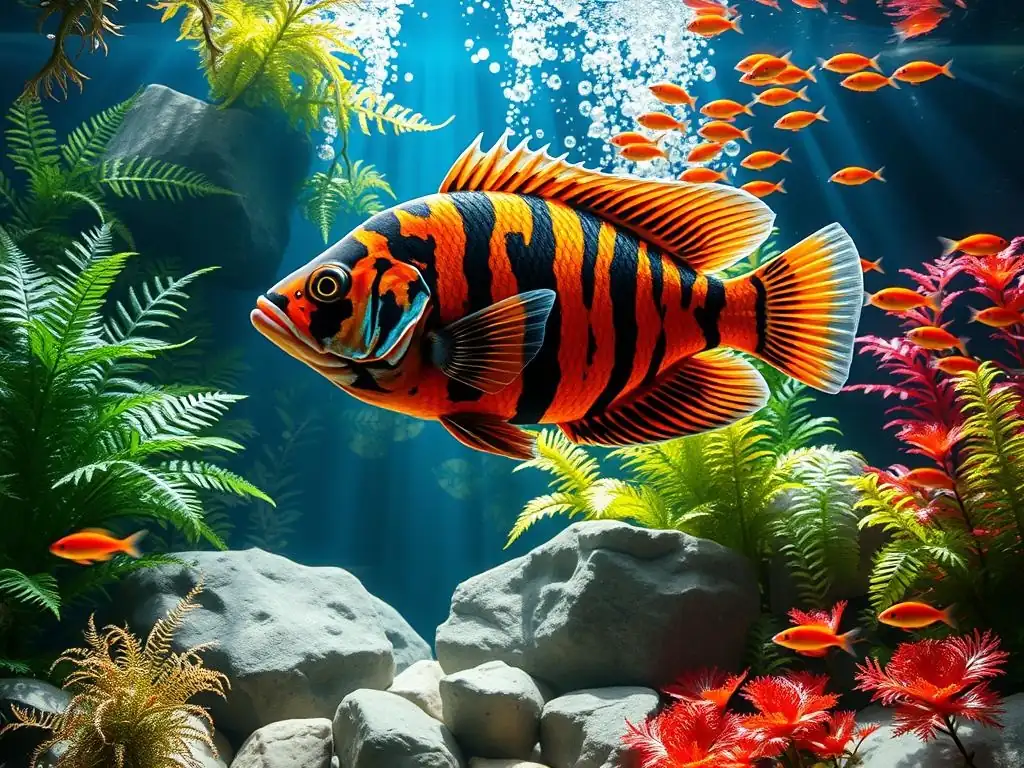
Tiger Barbs are renowned for their bold and unmistakable appearance, which gives them their common name. The most common variety, Puntigrus tetrazona, typically displays a vibrant golden to reddish-orange body adorned with four prominent, vertical black stripes. These stripes are highly defined, creating a striking contrast that stands out in any freshwater aquarium.
Beyond the classic variety, captive breeding has produced several color morphs, including the Green Tiger Barb (a darker, iridescent green), Albino Tiger Barb (pale yellow/orange with light stripes and red eyes), and Platinum Tiger Barb. All varieties retain the characteristic torpedo-shaped body and active fin movements. Their fins, especially the dorsal and caudal fins, often exhibit reddish-orange tips, further enhancing their visual appeal.
Tiger Barb Size and Lifespan: What to Expect
In a well-maintained aquarium, Tiger Barbs typically reach an adult size of approximately 2.5 to 3 inches (6 to 7.5 centimeters) in length. While they are not among the largest aquarium fish, their robust build and constant activity make them a noticeable presence in a medium to large tank.
With optimal care, including stable water parameters, a balanced diet, and appropriate tank mates, Tiger Barbs can live for a significant period. Their average lifespan ranges from 5 to 7 years, with some individuals known to live even longer, reaching up to 8 years in exceptional conditions. Ensuring their longevity involves providing a spacious environment and maintaining excellent water quality, which directly impacts their growth and vitality.
Tiger Barb Behavior and Temperament: Understanding Their Activity Levels
Tiger Barbs are famously energetic and boisterous fish, constantly darting around the mid-levels of the aquarium. They are classic schooling fish and absolutely thrive when kept in groups of at least 6 to 8 individuals; a larger school of 10-12 is even better. Keeping them in sufficient numbers is crucial because it helps to diffuse their natural aggression and fin-nipping tendencies among themselves rather than directing it at other tank inhabitants.
Without a proper school, individual Tiger Barbs can become highly stressed and may bully or relentlessly nip the fins of other fish, particularly slower-moving species or those with long, flowing fins. When kept in a large, cohesive school, their aggression is typically mitigated, and they exhibit fascinating schooling behaviors, chasing and interacting primarily with each other. This active nature makes them a highly engaging species to observe, but also one that requires careful consideration of their tank mates.
Tiger Barb Tank Mates: Compatibility Considerations
Selecting appropriate tank mates for Tiger Barbs is arguably the most critical aspect of their care due to their semi-aggressive and fin-nipping reputation. Ideal companions are other fast-moving, robust, and similarly sized fish that can hold their own and are not easily intimidated. Good choices include various loach species (such as Clown Loaches or Yo-Yo Loaches), larger, active tetras (like Congo Tetras or Buenos Aires Tetras), other active barbs (such as Denison Barbs or Rosy Barbs), and some robust, peaceful cichlids like Kribensis or Bolivian Rams, provided the tank is large enough.
Fish to absolutely avoid include slow-moving species, those with long, delicate fins (e.g., Angelfish, Betta fish, Guppies, Gouramis), and very small or timid fish that could become stressed or injured. Even with compatible species, maintaining a large school of Tiger Barbs (preferably 10 or more) is essential to minimize their aggressive interactions with other species, as their focus remains primarily on their own kind.
Cherry Barb Profile: A Peaceful and Vibrant Option
Cherry Barb Appearance: Color Variations and Sexual Dimorphism
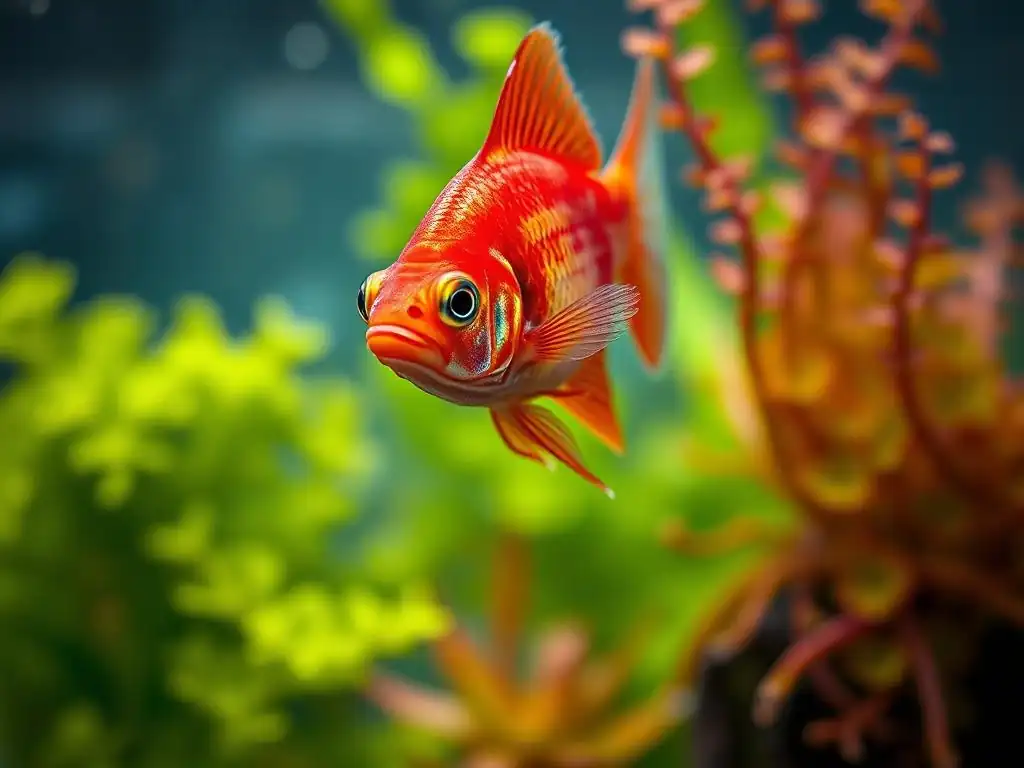
The Cherry Barb ( Puntius titteya) is named for the stunning, vibrant cherry-red coloration displayed by the adult males, especially during breeding periods or when they are in peak health and comfort. This deep red hue makes them incredibly attractive. Females, in contrast, are typically a duller, more subdued orangey-brown or pinkish-brown, though still appealing. They possess a distinctive horizontal dark stripe that runs along their lateral line from the snout to the caudal fin, which is also present in males but often obscured by their intense red color.
Cherry Barbs have a slender, elongated body shape, more streamlined than the robust Tiger Barb. Their fins are generally translucent or subtly tinted with red, adding to their delicate appearance. The clear sexual dimorphism makes it easy to distinguish between males and females, which is a significant advantage for those interested in breeding or simply observing natural behaviors.
Cherry Barb Size and Lifespan: Compact and Relatively Long-Lived
Cherry Barbs are a smaller species compared to their Tiger Barb cousins, typically reaching a maximum adult size of about 1.5 to 2 inches (4 to 5 centimeters) in length. Their compact size makes them an excellent choice for smaller community aquariums where larger fish might be too imposing.
Despite their modest size, Cherry Barbs are relatively long-lived fish when provided with proper care. With stable water parameters, a balanced diet, and a stress-free environment, they can comfortably live for 5 to 7 years, mirroring the lifespan of many larger aquarium species. Their longevity is a testament to their hardiness when kept in optimal conditions, making them a rewarding long-term addition to a freshwater tank.
Cherry Barb Behavior and Temperament: A Calm Schooling Fish
In stark contrast to the boisterous Tiger Barb, the Cherry Barb is known for its peaceful and shy temperament, making it an ideal candidate for most community aquariums. They are a schooling species and thrive when kept in groups of at least 6 to 8 individuals, which helps to boost their confidence and encourages them to display their most vibrant colors. A larger school of 10-12 cherry barbs will often exhibit more natural schooling behaviors and feel even more secure.
Cherry Barbs are active swimmers, but their movements are generally graceful and unhurried. They prefer tanks with plenty of live plants and hiding spots where they can retreat if they feel threatened, which helps alleviate any shyness. Unlike many other barb species, they are not known for fin-nipping and generally coexist well with a wide variety of other peaceful fish, making them a cornerstone of many serene community setups.
Cherry Barb Tank Mates: Ideal Companions for a Community Aquarium
The peaceful nature of the Cherry Barb makes it an excellent choice for a diverse community tank. They are compatible with most other small to medium-sized, peaceful freshwater fish. Ideal tank mates include various species of tetras (such as Neon Tetras, Cardinal Tetras, or Rummy Nose Tetras), rasboras (like Harlequin Rasboras or Chili Rasboras), corydoras catfish, otocinclus catfish, dwarf gouramis, and other small, non-aggressive livebearers like platies or mollies.
It is important to avoid housing Cherry Barbs with large, aggressive, or overly boisterous fish that might intimidate them or outcompete them for food. Their shyness means they can easily become stressed if constantly harassed or overshadowed. Providing ample hiding spots and maintaining them in a sufficiently large school will ensure they feel secure and display their best colors and natural behaviors.
Tiger Barb vs. Cherry Barb: A Detailed Comparison
Size and Appearance Differences: Visual Distinctions
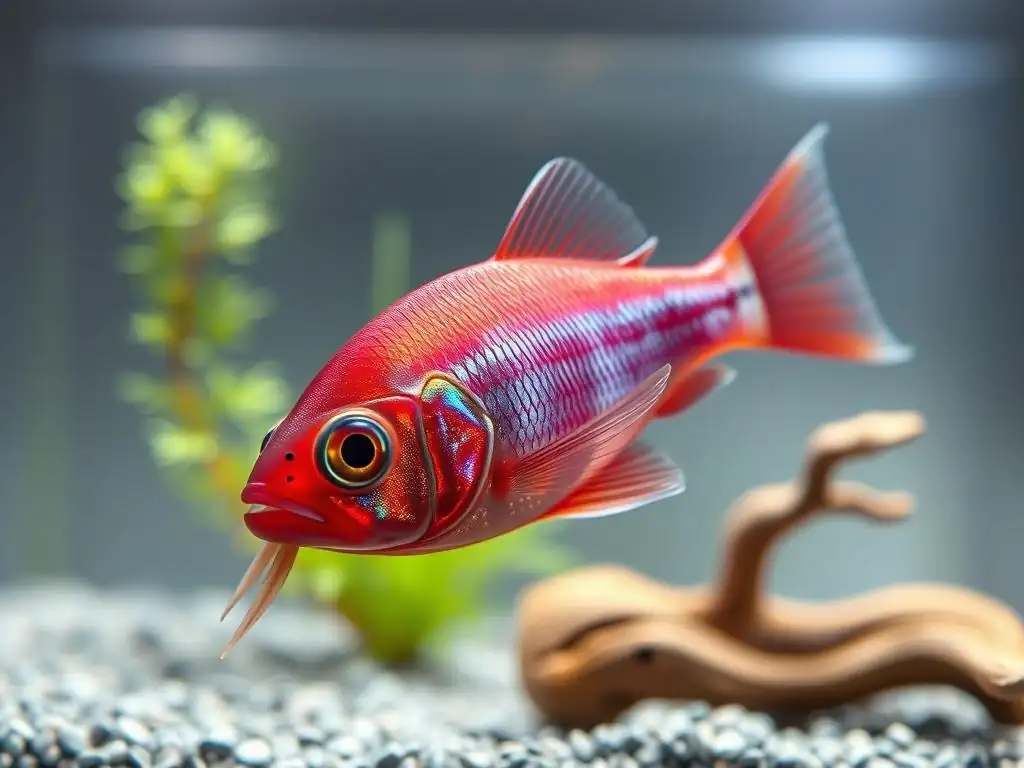
The most immediate visual distinction between a Tiger Barb and a Cherry Barb lies in their size and coloration. Tiger Barbs are larger and more robust, typically reaching 2.5 to 3 inches (6-7.5 cm) in length, and are characterized by their bold, vertical black stripes on a golden to orange body. Their fins often have red accents. They possess a stockier build that reflects their energetic nature.
Cherry Barbs, on the other hand, are smaller and more slender, growing to about 1.5 to 2 inches (4-5 cm). Male Cherry Barbs are famous for their brilliant cherry-red coloration, especially when healthy and displaying, while females are a more muted orangey-brown with a distinct horizontal dark stripe. This striking difference in primary coloration and body shape makes them easily distinguishable, even at a glance, allowing aquarists to quickly identify their species.
Temperament and Activity Level: Choosing the Right Energy for Your Tank
The temperament and activity level are perhaps the most significant differentiating factors when choosing between a Tiger Barb and a Cherry Barb. Tiger Barbs are notoriously active, boisterous, and can be semi-aggressive, known for their fin-nipping tendencies, particularly if not kept in large schools of 8 or more. They are constantly on the move, dominating the mid-water column with their energetic swimming.
Cherry Barbs, in stark contrast, are renowned for their peaceful and shy demeanor. While they are active schooling fish, their movements are graceful and less erratic. They prefer to inhabit planted areas and enjoy the security of a large school (6-8+ individuals) to feel comfortable. Their calm disposition makes them ideal for peaceful community tanks, whereas the robust nature of the tiger barb requires careful consideration for cohabitation.
Tank Requirements: Comparing Ideal Tank Size and Setup
The differing temperaments and sizes of these two barb species directly influence their ideal tank requirements. For a healthy school of 6-8 Tiger Barbs, a minimum tank size of 30 gallons (113 liters) is recommended, with larger tanks (40-55 gallons or more) being preferable for larger schools or to mitigate aggression. They require ample open swimming space, along with some sturdy decor like driftwood or rocks.
Cherry Barbs, being smaller and more peaceful, can be housed in smaller aquariums. A school of 6-8 Cherry Barbs can comfortably thrive in a 10-gallon (38-liter) tank, though a 20-gallon (75-liter) tank is often recommended for better stability and a larger school. They greatly benefit from densely planted environments that offer plenty of hiding spots and visual barriers, which helps to reduce their natural shyness and encourage vibrant coloration.
Water Parameters: Temperature, pH, and Hardness Preferences
While both species are freshwater fish and fall within similar general ranges, there are subtle differences in their preferred water parameters that can impact their long-term health and vitality. Tiger Barbs prefer temperatures between 74-79°F (23-26°C), a pH range of 6.0-7.5, and water hardness from 5-12 dGH. They are relatively adaptable to a range of conditions within these parameters, provided they are stable.
Cherry Barbs also thrive in temperatures from 72-79°F (22-26°C), but generally prefer slightly softer and more acidic water, with a pH range of 6.0-7.0 and hardness between 5-15 dGH. While there is an overlap, maintaining conditions closer to their specific preferences will enhance their color and reduce stress. Regular water changes and consistent monitoring of these parameters are crucial for both the tiger barb and cherry barb.
Diet and Feeding Habits: Nutritional Needs of Each Species
Both Tiger Barbs and Cherry Barbs are omnivorous, meaning their diet should consist of both meaty and plant-based foods. However, their size and feeding behavior can influence specific recommendations. Tiger Barbs are active and somewhat aggressive feeders, readily accepting high-quality flake foods or small pellets as a staple. They greatly benefit from supplemental protein sources such as frozen or live bloodworms, brine shrimp, and daphnia, offered several times a week.
Cherry Barbs, being smaller and more delicate, require micro-pellets or finely crushed flakes as their primary staple. They also enjoy small frozen or live foods like baby brine shrimp, daphnia, and cyclops. Incorporating spirulina-based foods or blanched vegetables into their diet can also be beneficial, providing essential plant matter. Both species thrive on a varied diet, but ensuring the food size is appropriate for the cherry barb's smaller mouth is important.
Setting Up the Ideal Aquarium for Tiger Barbs
Tank Size and Dimensions for a Tiger Barb School
For a thriving school of Tiger Barbs, a minimum tank size of 30 gallons (approximately 113 liters) is strongly recommended for a group of 6 to 8 individuals. This size provides sufficient swimming space and helps to dilute their natural aggression, ensuring they primarily interact within their school rather than bothering other tank mates. For larger schools of 10 or more Tiger Barbs, a 40-gallon breeder tank or a standard 55-gallon tank (150-208 liters) is even more ideal, offering ample room for their energetic movements.
When choosing a tank, prioritize length over height. A longer tank (e.g., 36 inches or 90 cm for a 30-gallon) provides more horizontal swimming space, which is crucial for these active, mid-water dwelling fish. This extended swimming area allows them to establish territories within their school and perform their characteristic darting movements without feeling cramped, contributing to a healthier and less stressed tiger barb population.
Essential Aquarium Equipment: Filtration, Heating, and Lighting
Effective filtration is paramount for a Tiger Barb aquarium due to their active metabolism and moderate bioload. A robust hang-on-back (HOB) filter or, ideally, a canister filter with a flow rate of at least 5-10 times the tank volume per hour is recommended. This ensures excellent mechanical, chemical, and biological filtration, maintaining pristine water quality crucial for the health of your tiger barb school.
A reliable aquarium heater is essential to maintain a stable water temperature between 74-79°F (23-26°C). Temperature fluctuations can stress Tiger Barbs and make them susceptible to disease. Standard aquarium lighting is generally sufficient, as they do not have specific lighting requirements beyond what is needed for general viewing and potential plant growth. Ensure the lighting is consistent to support their daily rhythms.
Decor and Substrate: Creating a Suitable Habitat
When designing the layout for a Tiger Barb aquarium, the primary focus should be on providing ample open swimming space. A substrate of fine gravel or sand is suitable and will not impact their behavior. Decorations should be chosen to provide visual breaks and potential territories without impeding their energetic movements.
Sturdy driftwood, smooth rocks, and robust live plants (such as Anubias, Java Fern, or Amazon Swords) can be incorporated. While Tiger Barbs are not known to be plant destroyers, extremely delicate plants might occasionally be nipped. Arrange decor around the perimeter or in specific zones to leave the central area clear for their schooling and chasing behaviors. Avoid sharp edges that could injure these fast-moving fish.
Water Chemistry for Tiger Barbs: Maintaining Optimal Conditions
Maintaining stable and appropriate water chemistry is vital for the long-term health and vibrant coloration of Tiger Barbs. The ideal temperature range is 74-79°F (23-26°C). Fluctuations outside this range can lead to stress and increased susceptibility to diseases like Ich. The pH level should be kept between 6.0 and 7.5, leaning towards slightly acidic to neutral.
Water hardness (GH) should ideally be in the soft to medium-hard range, from 5-12 dGH. Regular water testing (at least weekly) for ammonia, nitrite, and nitrate is crucial. Aim for zero ammonia and nitrite, and keep nitrates below 20 ppm. Performing weekly water changes of 25-30% is essential to dilute nitrates and replenish essential minerals, ensuring the tiger barb thrives in a clean and stable environment.
Creating the Perfect Environment for Cherry Barbs
Tank Size and Dimensions for a Cherry Barb School
For a healthy and vibrant school of Cherry Barbs, a minimum tank size of 10 gallons (approximately 38 liters) is suitable for a small group of 6 individuals. However, for optimal long-term health, more natural schooling behavior, and to accommodate a larger group of 8-10 fish, a 20-gallon long tank (75 liters) or a 29-gallon tank is highly recommended. These larger tanks provide more horizontal swimming space and greater water volume for stability.
Similar to Tiger Barbs, Cherry Barbs also benefit from a longer tank dimension rather than a tall one, as they are active mid-to-lower level swimmers. This allows them ample room to explore and interact within their school without feeling confined. The increased space also contributes to reduced stress levels, which is crucial for these somewhat shy fish, allowing the cherry barb to display its best colors and behaviors.
Essential Aquarium Equipment: Filtration, Heating, and Lighting
For Cherry Barbs, gentle but effective filtration is key. A small hang-on-back (HOB) filter with adjustable flow or a sponge filter is often ideal, as they do not appreciate strong currents. The filtration system should maintain excellent water quality without creating excessive turbulence, which can stress these peaceful fish. Biological filtration is particularly important to process waste effectively.
A reliable aquarium heater is necessary to maintain a consistent water temperature between 72-79°F (22-26°C). Stability in temperature is more important than hitting an exact number within this range. Moderate lighting is suitable for a Cherry Barb tank, especially if it includes live plants. Avoid overly bright or harsh lighting, as it can make these somewhat shy fish feel exposed and stressed, potentially dimming the vibrant cherry barb coloration.
Decor and Substrate: Promoting a Peaceful Environment
To promote a peaceful and secure environment for Cherry Barbs, the aquarium decor should focus on providing plenty of cover and hiding spots. A dark substrate, such as black gravel or sand, can help to enhance their coloration and make them feel more secure, as it mimics their natural habitat.
Densely planted areas are highly recommended, utilizing live plants like Java Moss, Hornwort, Cryptocoryne species, and various stem plants. These plants offer security and visual barriers, allowing the Cherry Barbs to retreat when they feel shy or to explore safely. Driftwood and smooth rocks can also be incorporated to create additional hiding spots and structure. The goal is to create a lush, naturalistic environment where the cherry barb can thrive without feeling exposed.
Water Chemistry for Cherry Barbs: Maintaining Optimal Conditions
Maintaining precise and stable water chemistry is fundamental for the health and vibrant appearance of Cherry Barbs. The ideal temperature range is 72-79°F (22-26°C). They prefer slightly acidic to neutral water, with a pH level between 6.0 and 7.0. While they can tolerate a slightly wider range, consistency within this preference is best.
Water hardness (GH) should be kept in the soft to medium-hard range, typically 5-15 dGH. Regular water testing for ammonia, nitrite, and nitrate is crucial to ensure optimal water quality. Aim for zero ammonia and nitrite, and keep nitrates below 20 ppm. Performing weekly water changes of 20-25% is essential to replenish minerals and dilute accumulated waste products, ensuring a pristine environment for your cherry barb and preventing stress-related issues.
Feeding Your Tiger Barbs and Cherry Barbs: A Nutritional Guide
Recommended Foods for Tiger Barbs: Variety is Key
Tiger Barbs are omnivorous and have a hearty appetite, requiring a varied diet to maintain their health and vibrant colors. A high-quality flake food or small pellet designed for omnivorous fish should serve as their daily staple. These should contain a good balance of protein and plant matter.
To supplement their diet and provide essential nutrients, offer protein-rich foods 2-3 times a week. Excellent choices include frozen or live bloodworms, brine shrimp, and daphnia. These foods mimic their natural diet and provide vital protein for growth and energy. Occasionally, blanched vegetables like zucchini or spirulina flakes can also be offered, though they show a strong preference for meaty foods. A diverse diet ensures the tiger barb receives all necessary vitamins and minerals.
Recommended Foods for Cherry Barbs: A Balanced Diet
Cherry Barbs are also omnivorous but have smaller mouths and a more delicate feeding style than Tiger Barbs. Their staple diet should consist of high-quality micro-pellets or finely crushed flakes that are easy for them to consume. Look for formulations that offer a balanced nutritional profile suitable for small community fish.
Supplement their diet with small frozen or live foods a few times a week. Ideal options include daphnia, baby brine shrimp, and cyclops, which provide essential protein and enrich their diet. Unlike tiger barbs, Cherry Barbs often show a greater appreciation for vegetable matter; therefore, spirulina flakes or finely chopped blanched greens can be a beneficial addition to their diet. A varied diet contributes significantly to their vibrant coloration and overall well-being.
Feeding Frequency and Portion Control: Avoiding Overfeeding
For both Tiger Barbs and Cherry Barbs, the feeding frequency should typically be 2 to 3 times per day. The most crucial aspect of feeding is portion control: offer only what your fish can consume entirely within 2 to 3 minutes. Any uneaten food should be promptly removed from the tank to prevent it from decaying and polluting the water.
Overfeeding is a common mistake that can lead to numerous problems, including poor water quality (spiking ammonia and nitrate levels), increased algae growth, and health issues for the fish such as bloat or fatty liver disease. It is always better to slightly underfeed than to overfeed. Consistent feeding schedules and proper portion sizes are essential for maintaining a healthy aquatic environment for both the tiger barb and cherry barb.
Potential Health Issues and Diseases in Tiger Barbs and Cherry Barbs
Common Diseases Affecting Tiger Barbs: Identification and Treatment
Tiger Barbs are generally hardy fish, but like all aquarium inhabitants, they can be susceptible to common freshwater diseases, especially if water quality is poor or they are stressed. Ich, or White Spot Disease, is a frequent culprit, manifesting as small white spots resembling salt grains on the body and fins. It's often triggered by sudden temperature changes or stress. Treatment typically involves raising the water temperature gradually and using specific Ich medications.
Fin Rot is another common issue, often caused by poor water conditions or injuries from aggression. Symptoms include frayed, discolored, or disintegrating fins. Addressing the underlying water quality issues through large water changes and treating with antibiotics or antifungal medications is crucial. Bloat, characterized by a swollen abdomen, can occur from overfeeding or an improper diet. Fasting, Epsom salt baths, and specific anti-bacterial treatments might be necessary. Maintaining pristine water conditions is the best preventative for tiger barb ailments.
Common Diseases Affecting Cherry Barbs: Prevention and Care
Cherry Barbs are also susceptible to many of the same diseases as other freshwater fish, including Ich and Fin Rot, especially if their environment becomes unstable or water quality declines. Their generally shyer nature can also make them more prone to stress-related illnesses if kept with aggressive tank mates or without adequate hiding spots.
Velvet Disease, a parasitic infection that gives fish a yellowish, dusty coating, can also affect cherry barbs and requires copper-based medications for treatment. Dropsy, characterized by a swollen body and scales protruding like a pinecone, is often a symptom of severe internal organ failure and is usually difficult to treat, often being fatal. Prevention through consistent water parameters, a varied diet, and minimizing stress is the most effective approach to keeping cherry barb fish healthy.
Quarantine Procedures and Preventative Measures
To safeguard the health of your entire aquarium, it is highly recommended to implement a strict quarantine procedure for all new fish, including both Tiger Barbs and Cherry Barbs. New arrivals should be housed in a separate quarantine tank for 2 to 4 weeks before being introduced to the main display tank. This allows you to observe them for signs of disease, treat any potential issues, and prevent the introduction of pathogens to your established community.
Beyond quarantine, proactive preventative measures are crucial. Regular and diligent water testing (for ammonia, nitrite, nitrate, pH, and temperature) is paramount to catch issues before they escalate. Consistent weekly water changes of 20-30% are essential for maintaining optimal water quality. Provide a varied, high-quality diet and avoid overfeeding. Lastly, prevent overcrowding in your aquarium, as it leads to increased stress and a higher risk of disease for all fish, including your tiger barb and cherry barb populations.
Breeding Tiger Barbs and Cherry Barbs: A Comparative Look
Breeding Tiger Barbs: Challenges and Requirements
Breeding Tiger Barbs can be a rewarding but somewhat challenging endeavor, typically requiring a dedicated breeding tank. They are egg scatterers and do not exhibit parental care. A 10-20 gallon (38-75 liter) breeding tank with soft, slightly acidic water (pH 6.0-6.5, dGH 5-8) is ideal. The tank should be dimly lit and contain plenty of fine-leaved plants like Java Moss or artificial spawning mops for the eggs to adhere to.
Conditioning the breeding pair with high-protein live or frozen foods (e.g., bloodworms, brine shrimp) for several days can stimulate spawning. Spawning usually occurs in the morning, with the female scattering hundreds of tiny, clear eggs. Once spawning is complete, the adult Tiger Barbs must be immediately removed, as they will readily consume their own eggs. The eggs typically hatch within 24-48 hours, and the fry become free-swimming within 5 days, requiring infusoria or liquid fry food initially.
Breeding Cherry Barbs: A Beginner-Friendly Option
Breeding Cherry Barbs is generally considered much easier than breeding Tiger Barbs, making them a good choice for beginner aquarists interested in breeding. Like their cousins, they are egg scatterers and require a separate breeding tank, though a smaller 5-10 gallon (19-38 liter) tank can suffice. The water parameters should be soft and slightly acidic (pH 6.0-6.5, dGH 4-8), with a temperature around 75-79°F (24-26°C).
Provide plenty of fine-leaved plants or spawning mops for the female to deposit her eggs. Conditioning the male and female with high-quality live or frozen foods will encourage spawning. The male cherry barb will typically display more intense coloration during this period. After spawning, which usually happens in the morning, the parents should be removed to prevent egg predation. Cherry Barb eggs hatch quickly, typically within 24-36 hours, and the fry are free-swimming in 3-5 days.
Raising Fry: Caring for Young Barbs
Caring for the fry of both Tiger Barbs and Cherry Barbs requires similar attention to detail due to their tiny size and delicate nature. Upon hatching, the fry will consume their yolk sacs for the first few days and then become free-swimming. At this stage, they are too small to eat standard fish food and require microscopic foods like infusoria or specialized liquid fry food.
As they grow, after about a week, they can be gradually transitioned to newly hatched brine shrimp or micro-worms. Frequent, small water changes (10-20% daily or every other day) are absolutely crucial for fry tanks to maintain pristine water quality, as young fish are highly sensitive to even low levels of nitrates. Ensure gentle filtration, such as a sponge filter, to prevent the tiny fry from being sucked in or buffeted by strong currents. Consistent temperature is also vital for the healthy development of both tiger barb and cherry barb fry.
Pros and Cons: Tiger Barbs vs. Cherry Barbs
Tiger Barb Advantages and Disadvantages: Is it Right for You?
Advantages:
- Striking Appearance: Their bold stripes and vibrant colors make them a highly attractive and eye-catching addition to an aquarium.
- Active and Engaging: Tiger Barbs are constantly on the move, providing dynamic and interesting activity in the tank.
- Hardy Once Established: With stable water conditions and proper care, they are robust and resilient fish.
- Can Encourage Activity: Their boisterous nature can sometimes encourage shy, robust fish to be more active.
Disadvantages:
- Aggressive and Fin-Nippers: Their most significant drawback is their tendency to nip fins, making them unsuitable for many community tanks.
- Requires Large Schools: To mitigate aggression, they must be kept in large schools (8+), which demands a larger tank.
- Not for All Community Tanks: Incompatible with slow-moving fish, long-finned species, and very timid tank mates.
- Can Stress Other Fish: Their constant activity and nipping can cause chronic stress to less robust tank mates.
Cherry Barb Advantages and Disadvantages: A Peaceful Alternative?
Advantages:
- Peaceful and Gentle: They are excellent community fish, coexisting well with a wide variety of other non-aggressive species.
- Vibrant Coloration: Males display a beautiful cherry-red color, adding a lovely splash of color to the tank.
- Suitable for Smaller Tanks: Their smaller size makes them appropriate for 10-gallon and 20-gallon community aquariums.
- Easier to Breed: Generally considered a good species for beginner breeders.
- Less Demanding on Tank Size: Requires less space than tiger barbs, making them more versatile.
Disadvantages:
- Can Be Shy: If not kept in a sufficiently large school or without adequate cover, they may become timid and hide.
- Colors May Fade: Stress or poor water quality can cause their vibrant red coloration to dull.
- Less Boisterous Activity: While active, they lack the constant, energetic darting of tiger barbs, which some aquarists might prefer.
- Sensitive to Aggression: Can become stressed or bullied if housed with aggressive or overly boisterous tank mates.
Which Barb is Right for Your Aquarium? Key Considerations
Assess Your Aquarium Size and Setup
The size of your aquarium is a primary factor in deciding between a Tiger Barb and a Cherry Barb. For tanks under 20 gallons (75 liters), the Cherry Barb is the clear and only suitable choice due to their smaller size and more peaceful nature, allowing a healthy school to thrive without overcrowding. A 10-gallon tank is acceptable for a small school of 6 Cherry Barbs, with 20 gallons being ideal.
If you possess a 30-gallon (113 liters) tank or larger, both species become potential candidates. However, it's crucial to remember that Tiger Barbs demand the larger end of this spectrum for a proper school (8-10+ individuals) and require significant open swimming space. Cherry Barbs, while fine in larger tanks, will benefit from more densely planted layouts. Your existing tank setup – whether it's primarily open or heavily planted – should align with the preferences of your chosen barb.
Consider Your Existing Fish Community
The temperament and species of your current fish community are paramount when choosing between these two barbs. If your aquarium houses peaceful, slow-moving fish, or species with long, delicate fins such as Angelfish, Betta fish, or many Gouramis, the Cherry Barb is the only appropriate option. Introducing Tiger Barbs into such an environment would almost certainly lead to stress, fin damage, and potential injury to your existing inhabitants.
Conversely, if your tank already contains robust, fast-moving, and somewhat semi-aggressive species that can hold their own, Tiger Barbs might be a possibility, provided they are introduced in a large school to diffuse their aggression. However, extreme caution is still advised. Never mix Tiger Barbs with very timid or delicate species. The "Tiger barb cherry barb" choice is heavily influenced by the existing social dynamics of your tank.
Evaluate Your Experience Level as an Aquarist
Your experience level as an aquarist also plays a significant role in determining which barb is a better fit. Cherry Barbs are generally more forgiving and are highly recommended for beginner to intermediate aquarists. Their peaceful nature, relatively simple care requirements, and adaptability make them a less challenging species to keep, allowing new aquarists to build confidence in fishkeeping.
Tiger Barbs, on the other hand, require a more experienced hand. Their semi-aggressive temperament necessitates careful planning of tank mates, a thorough understanding of their schooling dynamics to prevent aggression, and a larger tank commitment. Managing a group of Tiger Barbs successfully requires a proactive approach to tank setup and community management to ensure a harmonious environment. Therefore, for those just starting out, the peaceful cherry barb is often the safer and more rewarding choice.
Conclusion: Making an Informed Decision on Choosing Between Tiger Barbs and Cherry Barbs
Choosing between a Tiger Barb and a Cherry Barb for your freshwater aquarium hinges on a clear understanding of their distinct characteristics and how they align with your specific tank setup and personal preferences. While both are captivating cyprinids that bring vibrant energy to an aquarium, their fundamental differences in size, temperament, and tank requirements necessitate a thoughtful decision.
The Tiger Barb, with its bold stripes and boisterous nature, is an excellent choice for larger aquariums (30+ gallons) housing robust, fast-moving tank mates that can withstand its energetic antics and fin-nipping tendencies. It demands a large school to thrive and is best suited for intermediate to experienced aquarists who can manage its unique social dynamics. In contrast, the Cherry Barb, with its striking cherry-red males and peaceful demeanor, is ideal for smaller to medium-sized community tanks (10-20+ gallons) alongside other gentle, non-aggressive species.
It's a more forgiving fish, making it a perfect option for beginners or those seeking a serene and harmonious aquatic display. Ultimately, whether you opt for the spirited tiger barb or the tranquil cherry barb, careful research, meticulous planning, and a commitment to providing optimal care will ensure a thriving and visually appealing addition to your aquatic world.
Frequently Asked Questions
Tiger Barbs are known for their boisterous schooling behavior and can sometimes be nippy, while Cherry Barbs are generally more peaceful and less prone to fin-nipping. This is a key difference to consider for community tanks.
What are the ideal tank conditions for keeping Tiger Barbs versus Cherry Barbs?
Both prefer well-filtered water and a temperature range of 72-78°F, but Tiger Barbs need a larger tank (minimum 30 gallons) due to their activity level. Cherry Barbs can thrive in a smaller setup (20 gallons) with plenty of plants.
How do the physical appearances of Tiger Barbs and Cherry Barbs compare?
Tiger Barbs are characterized by their distinct vertical black stripes on a golden body, while Cherry Barbs have a bright red coloration (more intense in males) and a slender body shape.
What type of diet do Tiger Barbs and Cherry Barbs require?
Both are omnivores and readily accept a varied diet of flake food, small live or frozen foods (like bloodworms and daphnia), and vegetable matter. This ensures optimal health and coloration.
Are Tiger Barbs or Cherry Barbs more suitable for a beginner aquarist?
Cherry Barbs are generally considered easier for beginners due to their peaceful nature and adaptability. Tiger Barbs require more experience in managing tank dynamics and preventing fin-nipping.
Okay, here's a final reflection designed to close your article on Tiger Barbs vs. Cherry Barbs, optimized for emotional connection and future reflection, while also subtly incorporating your target keyword:
Final Reflection: Embracing the Vibrant Choices of Aquarium Life
The debate between Tiger Barb and Cherry Barb enthusiasts highlights more than just preference in fish; it reflects the diverse tapestry of choices available to aquarists today. Understanding the nuances of each species, as we've explored, empowers us to create thriving ecosystems that mirror our individual aesthetic and ethical values. This careful consideration is crucial, ensuring the well-being of our aquatic companions and the overall health of our miniature underwater worlds.
The decision to choose a Tiger Barb or a Cherry Barb isn't merely about color or aggression; it's about understanding the responsibility we undertake when bringing life into our homes. It's a reflection of our commitment to providing the best possible environment for these creatures to flourish. As the renowned aquarist Diana Walstad once said: The key to a healthy aquarium is a balanced ecosystem.
This balance, achieved through informed choices and dedicated care, is what truly elevates aquarium keeping from a hobby to a rewarding and enriching experience.
Now, as you consider adding these vibrant cyprinids to your aquarium, take a moment to reflect on the lessons learned. Which species truly resonates with your vision? Which can you realistically provide the best environment for? Let the knowledge you've gained guide you in creating a thriving aquatic haven, a testament to your dedication and a beautiful reflection of the wonders of the natural world. Your informed choice will not only bring color to your tank, but also contribute to the responsible and ethical practice of aquarium keeping.
Unleash Your Aquarium's Potential!
Thanks for diving into the world of barbs with us! We hope you’re now armed with the knowledge to choose the perfect colorful addition to your aquarium. Now, let's put that knowledge into action!
Here are some ways you can further explore the vibrant world of barbs:
- Choose your barb and set up your aquarium: Plan the perfect tank environment to bring out the best in your Tiger or Cherry Barbs. Consider tank size, decorations, and water parameters.
- Share your experiences! What unique behaviors have you observed in your barbs?
- Research uncommon barb varieties: Challenge yourself to find a barb species you've never heard of and learn about its care requirements.
Ready to design the ultimate barb paradise? What's the first thing you'll change in your current aquarium setup to better suit these lively fish?