
Breeding the XRay Tetra (Pristella maxillaris): An Aquarium Mastery Advanced Tutorial

Welcome to Aquarium Mastery!
Curious about unlocking the secrets to successfully breeding the elusive and captivating XRay Tetra? You've come to the right place! This comprehensive guide dives deep into the fascinating world of Pristella maxillaris breeding, offering advanced techniques and practical tips that even experienced aquarists will find invaluable. Prepare to witness the magic of life unfold in your freshwater tank – let's get started!
- Introduction to XRay Tetra Breeding: A Comprehensive Guide
-
Setting Up the Ideal XRay Tetra Breeding Tank
- Tank Size and Dimensions for XRay Tetra Spawning
- Water Parameters: Achieving Optimal Breeding Conditions for Pristella maxillaris
- Filtration and Aeration: Maintaining Water Quality During XRay Tetra Breeding
- Substrate and Decorations: Creating a Safe and Stimulating Breeding Environment
- Lighting for XRay Tetra Spawning: Mimicking Natural Conditions
- Selecting and Preparing XRay Tetra Breeding Stock
- The XRay Tetra Spawning Process: A Step-by-Step Guide
- Caring for XRay Tetra Eggs and Fry
- Growing Out Your XRay Tetra Fry: From Fry to Juvenile
- Advanced Techniques for XRay Tetra Breeding
- Troubleshooting XRay Tetra Breeding Problems
- Conclusion: Mastering XRay Tetra Breeding at Aquarium Mastery
- Frequently Asked Questions
- Final Reflection: Illuminating the Future of Aquarium Keeping
- Ignite Your Breeding Passion: Unleash the X-Ray Tetra Pro!
Introduction to XRay Tetra Breeding: A Comprehensive Guide
Why Breed XRay Tetras? Understanding the Appeal
Breeding X-Ray Tetras (Pristella maxillaris) offers a uniquely rewarding experience for aquarists, distinguishing itself from simply maintaining a community tank. These captivating, translucent fish, native to the lower Amazon and Orinoco basins, are known for their hardiness and peaceful demeanor, making them an excellent candidate for a dedicated X-Ray Tetra breeding guide.
Successfully breeding them provides an intimate understanding of their life cycle and contributes to a sustainable hobby, reducing reliance on wild-caught specimens. The transparent body of the X-Ray Tetra, which reveals its skeletal structure and internal organs, is not only fascinating but also makes observing the development of eggs and fry particularly engaging.
Beyond the personal satisfaction, breeding X-Ray Tetras can also be a cost-effective way to populate new tanks or share healthy, home-bred fish with fellow enthusiasts. Unlike some more delicate tetra species, Pristella maxillaris are relatively forgiving in their breeding requirements, making them an accessible challenge for intermediate aquarists looking to advance their skills. The process of conditioning the fish, setting up the perfect spawning environment, and then raising the delicate fry is an educational journey that deepens one's appreciation for aquatic life and the intricate balance of an aquarium ecosystem.
Prerequisites for Successful XRay Tetra Breeding
Achieving success in X-Ray Tetra breeding hinges on several critical prerequisites, beginning with selecting healthy, mature, and well-conditioned breeding stock. Fish should be at least 6-8 months old, exhibiting vibrant coloration and active swimming behavior. A dedicated breeding tank is essential, as X-Ray Tetras are egg scatterers and will readily consume their own eggs if left in a community setup. This specialized environment allows for precise control over water parameters, which are paramount for stimulating spawning and ensuring egg viability.
Furthermore, a high-quality diet rich in protein and essential nutrients is non-negotiable for conditioning the parent fish. Live and frozen foods such as bloodworms, daphnia, and brine shrimp play a crucial role in preparing the males and females for spawning, boosting their reproductive health. Without these foundational elements – healthy fish, a suitable breeding environment, and optimal nutrition – the chances of a successful X-Ray Tetra breeding guide leading to viable offspring are significantly diminished. Patience and meticulous observation are also key, as spawning may not occur immediately and often requires subtle adjustments to the environment.
Setting Up the Ideal XRay Tetra Breeding Tank
Tank Size and Dimensions for XRay Tetra Spawning
For successful X-Ray Tetra breeding, a dedicated spawning tank, typically ranging from 5 to 10 gallons (approximately 19 to 38 liters), is ideal. While these fish are relatively small, a tank of this size provides ample space for the breeding pair to engage in their spawning ritual without undue stress.
The dimensions are more critical than just the volume; a tank with a larger footprint (e.g., a 10-gallon breeder tank measuring 20" L x 10" W x 12" H) offers more swimming room horizontally, which is beneficial for the male to chase and encourage the female during courtship. This extended length allows for the natural behaviors of the Pristella maxillaris to unfold, leading to more successful egg scattering.
A smaller tank, such as a 5-gallon (16" L x 8" W x 10" H), can also be used, particularly if space is limited or if focusing on a single pair. However, it requires more diligent monitoring of water parameters due to the lower water volume. The primary goal is to provide a calm, secure environment where the fish feel safe enough to spawn.
Overly large tanks can dilute the pheromones released during spawning, potentially making it harder for the pair to synchronize. Ultimately, the chosen tank size should facilitate easy observation of the X-Ray Tetra breeding guide process and allow for quick removal of parent fish post-spawning to protect the eggs.
Water Parameters: Achieving Optimal Breeding Conditions for Pristella maxillaris
Achieving precise water parameters is perhaps the most critical factor in stimulating X-Ray Tetra spawning and ensuring the viability of their eggs. Pristella maxillaris, originating from soft, acidic blackwater environments, require specific conditions to breed successfully. The ideal water temperature for breeding ranges from 78-82°F (25.5-27.8°C), which encourages metabolic activity and reproductive readiness. Hardness should be very soft, ideally between 1-5 dGH (degrees of General Hardness), and the pH level should be acidic, ranging from 5.5 to 6.5. These parameters closely mimic their natural habitat and are crucial for egg fertilization and preventing fungal growth on the delicate eggs.
To achieve these specific conditions for your X-Ray Tetra breeding guide, many aquarists utilize reverse osmosis (RO) water, which is then re-mineralized to the desired hardness levels with specific buffering agents or RO-DI water mixed with a small amount of tap water if the tap water is already soft. Regular testing with reliable liquid test kits is essential to monitor these parameters daily. Sudden fluctuations can stress the fish and prevent spawning, or even lead to infertile eggs. Maintaining stability is key; even slight deviations from the optimal range can significantly impact breeding success for Pristella maxillaris.
Filtration and Aeration: Maintaining Water Quality During XRay Tetra Breeding
Maintaining pristine water quality with minimal disturbance is vital for X-Ray Tetra breeding success, especially when eggs and fragile fry are present. For the spawning tank, a gentle air-driven sponge filter is highly recommended. This type of filtration provides effective mechanical and biological filtration without creating strong currents that could stress the breeding pair or harm the delicate eggs and newly hatched fry.
The sponge filter also offers a large surface area for beneficial bacteria to colonize, contributing to stable water parameters by breaking down ammonia and nitrites. Its slow flow rate ensures that eggs are not swept away and fry are not sucked into the filter.
In addition to filtration, adequate aeration is crucial. A small air stone connected to an air pump can provide gentle bubbling, ensuring sufficient oxygen levels in the water, which is particularly important for the developing eggs and fry. Over-aeration, however, should be avoided as it can create too much turbulence.
The goal for this X-Ray Tetra breeding guide is to maintain a stable, oxygen-rich environment that supports the entire breeding cycle without causing any physical stress or disturbance to the sensitive stages of development. Regular, small water changes (10-20% every few days) using aged, conditioned water matching the tank's parameters are also important to keep nitrates low without shocking the fish or fry.
Substrate and Decorations: Creating a Safe and Stimulating Breeding Environment
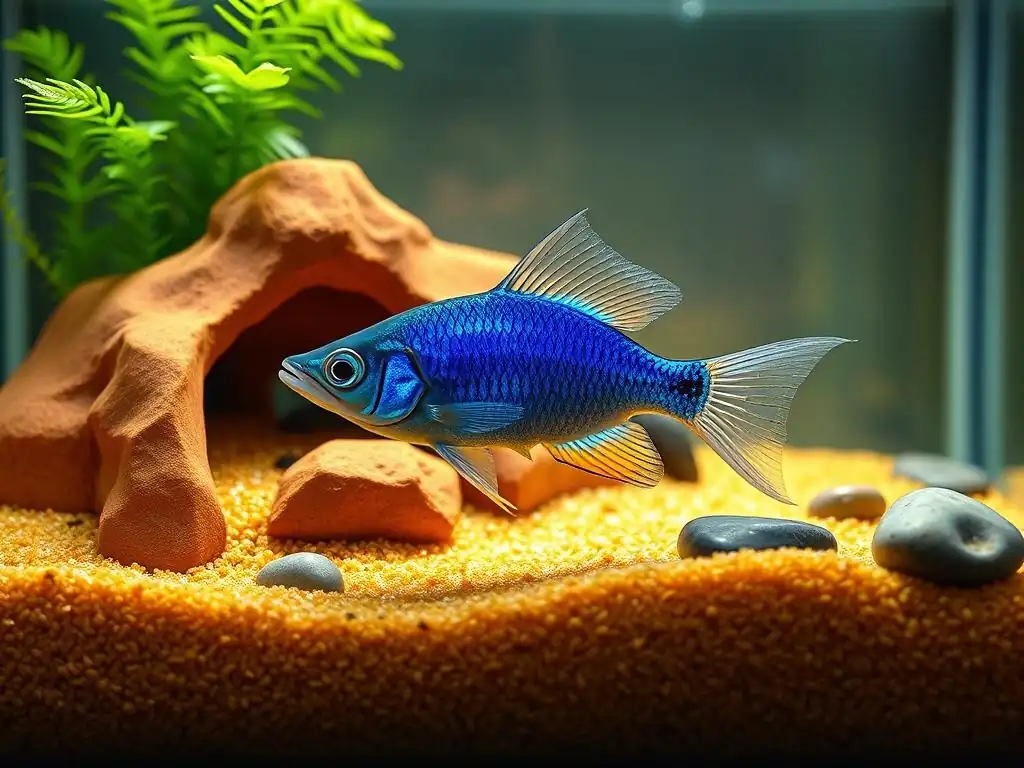
The choice of substrate and decorations in an X-Ray Tetra breeding tank plays a critical role in providing a safe haven for eggs and stimulating spawning behavior. For the primary purpose of egg collection and ease of maintenance, a bare-bottom tank is often preferred. This allows for easy visibility and removal of any unfertilized eggs or debris, minimizing the risk of fungal growth.
However, if a substrate is desired to mimic a more natural environment or to protect eggs from being eaten by parents, a layer of glass marbles or a mesh spawning grid can be used. These elements allow eggs to fall through to a safe, inaccessible layer, protecting them from the egg-eating parents.
In terms of decorations, fine-leaved plants or artificial spawning mops are indispensable for Pristella maxillaris breeding. Plants like Java Moss, Hornwort, or artificial spawning mops provide the ideal medium for X-Ray Tetras to scatter their adhesive eggs. These dense structures offer numerous surfaces for eggs to attach, increasing the chances of successful fertilization and preventing them from being consumed immediately.
Dim lighting and the inclusion of a few broad-leaved plants or floating plants can also provide a sense of security and mimic the dappled light of their natural habitat, encouraging the fish to feel comfortable enough to spawn. The overall setup should prioritize egg protection and a stress-free environment for the breeding pair.
Lighting for XRay Tetra Spawning: Mimicking Natural Conditions
Lighting conditions are a subtle yet impactful factor in influencing X-Ray Tetra spawning behavior. In their natural Amazonian and Orinoco habitats, Pristella maxillaris experience periods of dim, indirect light, particularly during dawn when spawning often occurs. To mimic these natural conditions in the breeding tank, it is advisable to use very dim lighting or even keep the tank in near darkness for a period, perhaps overnight, before gradually introducing a very low-intensity light source at dawn. This simulates the transition from night to day, which often triggers spawning in many tetra species.
Excessively bright or prolonged lighting can stress the breeding pair and deter them from spawning. A simple LED light with adjustable intensity or a small, low-wattage incandescent bulb placed away from the tank can provide the necessary ambient light without being overwhelming. Once spawning has occurred and the parent fish have been removed, the eggs should ideally be kept in darkness or very dim light for the first 24-48 hours.
This helps to prevent fungal growth on the eggs, which are highly susceptible during their initial development. By carefully managing the lighting, aquarists can create an optimal environment for a successful X-Ray Tetra breeding guide, promoting natural behaviors and increasing the chances of a viable hatch.
Selecting and Preparing XRay Tetra Breeding Stock
Identifying Male and Female XRay Tetras for Breeding
Accurately identifying male and female X-Ray Tetras (Pristella maxillaris) is a crucial step in preparing for a successful breeding project. While not always immediately obvious, distinct differences become more pronounced as the fish mature and are conditioned for spawning. Typically, adult female X-Ray Tetras are noticeably plumper and have a more rounded body shape, especially when they are gravid (carrying eggs). Their abdomen will appear distended and fuller compared to males. This increased girth is a reliable indicator that the female is ready to spawn.
In contrast, male X-Ray Tetras tend to be slimmer and more streamlined in body shape. While both sexes exhibit the characteristic transparent body and iridescent patch, the male's coloration might appear slightly more intense or vibrant during courtship. Observing the fish from above can help highlight the difference in body shape.
For the best chances of success with your X-Ray Tetra breeding guide, select a group of 6-8 healthy, mature fish and condition them together. This increases the likelihood of having at least one compatible pair ready to spawn, as direct sexual dimorphism can be subtle until the female is ripe with eggs.
Conditioning Your XRay Tetras for Spawning: Diet and Environment
Conditioning X-Ray Tetras for spawning is a vital preparatory phase that significantly impacts breeding success. This process involves providing a high-quality, varied diet and optimizing their environment over a period of one to two weeks prior to introducing them to the breeding tank. The diet should be rich in protein, simulating the abundance of food sources available during their natural breeding season.
Live foods such as bloodworms, daphnia, and newly hatched brine shrimp are excellent choices, as are high-quality frozen alternatives. These foods not only provide essential nutrients but also stimulate the fish's natural feeding instincts and promote gonad development.
Alongside dietary enrichment, environmental conditioning plays a key role in X-Ray Tetra breeding. Gradually raising the water temperature in their conditioning tank to the upper end of their preferred range (around 78-82°F or 25.5-27.8°C) can signal that breeding conditions are optimal. Performing small, frequent water changes with slightly cooler, soft, and acidic water can also mimic the influx of fresh rainwater in their natural habitat, often triggering spawning behavior. This combination of superior nutrition and environmental cues prepares the Pristella maxillaris for a successful and prolific spawning event, maximizing the yield from your X-Ray Tetra breeding guide efforts.
Quarantine Procedures Before Introducing Breeders
Implementing strict quarantine procedures before introducing X-Ray Tetra breeders to the spawning tank is a non-negotiable step for any serious aquarist aiming for a successful X-Ray Tetra breeding guide. This critical measure prevents the introduction of diseases, parasites, or other pathogens into the sensitive breeding environment, which could devastate a batch of eggs or fry. All potential breeding fish, whether newly acquired or from an existing community tank, should be placed in a separate quarantine tank for at least two to four weeks. This period allows for careful observation of their health and behavior.
During quarantine, the fish should be fed a high-quality diet and monitored closely for any signs of illness, such as lethargy, clamped fins, unusual spots, or changes in appetite. If any symptoms appear, the fish should be treated accordingly before being considered for breeding. The quarantine tank itself should be bare-bottom with minimal decorations for easy cleaning and observation. By isolating and observing the breeders, you ensure that only the healthiest and most robust Pristella maxillaris are selected for the X-Ray Tetra breeding process, significantly increasing the chances of a successful and healthy spawn.
The XRay Tetra Spawning Process: A Step-by-Step Guide
Introducing the Breeding Pair to the Spawning Tank
Once the X-Ray Tetras have been thoroughly conditioned and the breeding tank is perfectly set up with optimal water parameters, the next step in the X-Ray Tetra breeding guide is to introduce the selected breeding pair. It's often recommended to introduce the fish in the late evening or early morning, as spawning typically occurs at dawn.
Carefully net one male and one female, or a group of a few males and one or two females, and gently acclimate them to the breeding tank's water parameters using a drip acclimation method over 30-60 minutes. This minimizes stress from sudden changes in temperature or water chemistry.
After acclimation, release the fish into the spawning tank. It's crucial to ensure the tank is dimly lit or even dark at this point to simulate natural conditions and reduce stress. The fish will likely spend some time exploring their new environment.
Over the next few hours, particularly as dawn approaches, you should begin to observe courtship behaviors. The male will often chase the female, displaying his best coloration, and they may begin to swim in tight circles or dart through the spawning medium. Patience is key, as spawning may not happen on the first night but could occur over the next few days if conditions remain ideal for Pristella maxillaris breeding.
Observing Spawning Behavior in Pristella maxillaris
Observing the distinct spawning behavior of Pristella maxillaris is a fascinating aspect of the X-Ray Tetra breeding guide. Typically, spawning occurs in the early morning hours, often just as light begins to penetrate the tank. The male will initiate courtship by actively chasing the female, often nudging her side. This chasing behavior is not aggressive but rather an attempt to encourage her to release eggs. The pair will then engage in a "fluttering" or "shaking" dance, often moving into the fine-leaved plants or spawning mops you've provided.
During this dance, the female will release small, clear, adhesive eggs, which the male simultaneously fertilizes. The eggs, typically numbering between 50 and 200, will scatter and adhere to the plants, substrate, or spawning mops. It's important to note that X-Ray Tetras are egg eaters, so once you observe a significant number of eggs, or after a few hours of spawning activity, the parent fish should be carefully removed from the breeding tank. This critical step ensures the survival of the precious eggs and is a cornerstone of successful Pristella maxillaris breeding.
Removing the Parent Fish After Spawning
The immediate removal of parent fish after spawning is a non-negotiable step in successful X-Ray Tetra breeding. Pristella maxillaris, like many other tetra species, exhibit oophagous behavior, meaning they will readily consume their own eggs once spawning is complete. This instinctual behavior is a survival mechanism in the wild but detrimental to breeding efforts in captivity. Therefore, as soon as you observe that spawning has concluded—typically indicated by the cessation of chasing and egg-laying, or after a few hours of observed activity—the adult X-Ray Tetras must be carefully netted and returned to their conditioning or community tank.
Prompt removal ensures the maximum survival rate for the delicate eggs. If the eggs are left exposed to the parents for too long, the entire spawn can be decimated within a short period. This critical step distinguishes a successful X-Ray Tetra breeding guide from a failed attempt. Once the parents are removed, the spawning tank should be kept dark or very dimly lit to further protect the eggs from fungal growth, as light can encourage fungal development on unfertilized or damaged eggs.
Caring for XRay Tetra Eggs and Fry
Protecting the Eggs from Fungus and Predators
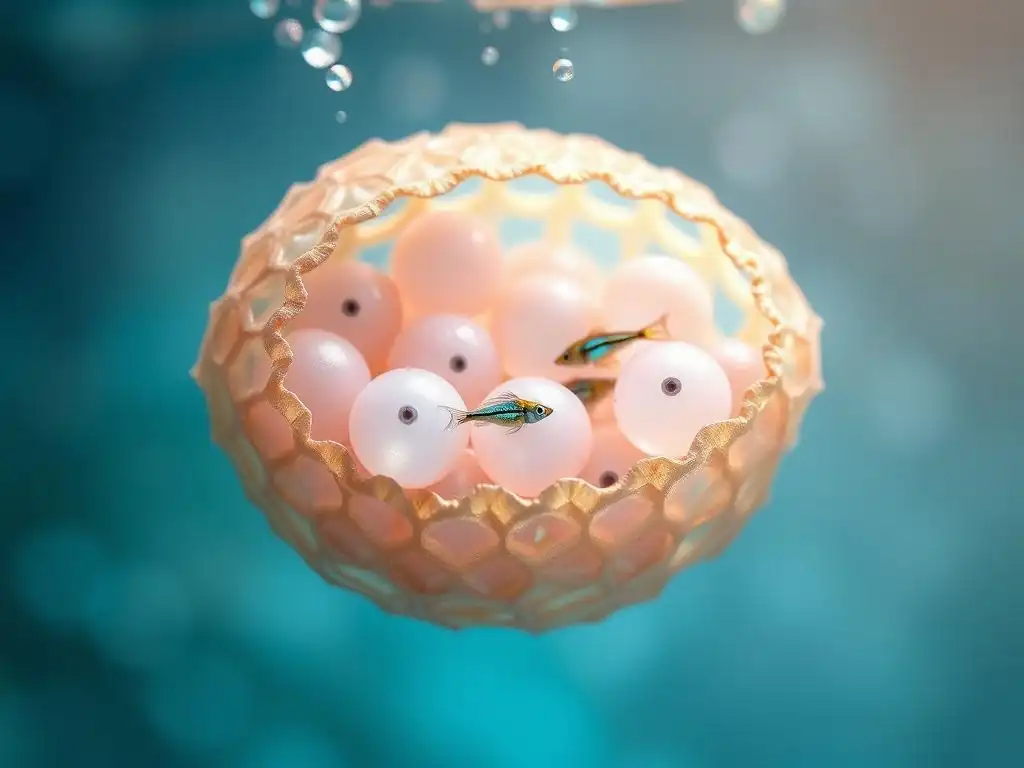
Protecting X-Ray Tetra eggs from fungal infections and potential predation is a critical phase in the X-Ray Tetra breeding guide, directly impacting the number of viable fry. Once the parent fish are removed, the eggs become highly susceptible to fungus, especially unfertilized ones. To combat this, some aquarists add a very dilute solution of methylene blue to the water immediately after spawning. Methylene blue acts as an antifungal agent and can significantly reduce egg loss, though it will temporarily stain the water blue. However, it's crucial to use it sparingly as excessive amounts can harm the developing embryos.
Beyond chemical prevention, maintaining pristine water quality is paramount. The spawning tank should be kept in darkness or very dim light for the first 24-48 hours, as light can accelerate fungal growth. Ensuring the water parameters (soft, acidic, stable temperature) remain optimal also supports egg health.
Any visible unfertilized (opaque white) eggs should be carefully siphoned out to prevent them from spreading fungus to healthy, clear eggs. While predation by parents is the primary concern, ensuring no other inhabitants are accidentally introduced to the breeding tank prevents any unexpected egg consumption. These combined measures maximize the yield of healthy Pristella maxillaris fry.
Hatching XRay Tetra Eggs: Incubation Period and Requirements
The incubation period for X-Ray Tetra eggs (Pristella maxillaris) is remarkably short, typically ranging from 24 to 36 hours at an optimal temperature of 78-82°F (25.5-27.8°C). During this brief but crucial phase, the eggs require stable conditions and minimal disturbance to ensure successful hatching. Maintaining the precise water parameters (soft, acidic) established for spawning is essential, as fluctuations can stress the developing embryos. The tank should remain dimly lit or dark throughout the incubation period to deter fungal growth and mimic the natural environment of eggs laid in shaded areas.
As the eggs approach hatching, you may observe tiny movements within the clear egg casings. Once hatched, the fry are incredibly small and almost transparent, often resembling tiny slivers of glass. They will initially remain attached to surfaces or hover near the bottom, absorbing the last remnants of their yolk sac.
This period, usually lasting another 2-3 days, is when they are most vulnerable. Providing gentle aeration with a sponge filter or small air stone is critical to ensure adequate oxygen levels without creating strong currents that could harm the delicate hatchlings. This careful attention during incubation sets the stage for a successful X-Ray Tetra breeding guide into the fry stage.
First Foods for XRay Tetra Fry: Infusoria and Beyond
The first few days of feeding X-Ray Tetra fry are exceptionally critical, as their mouths are incredibly tiny, requiring microscopic food sources. For the initial 3 to 5 days after their yolk sacs are absorbed and they become free-swimming, the primary food source should be infusoria. Infusoria are microscopic organisms that can be cultured at home using vegetable matter (like lettuce leaves or banana peels) in aged aquarium water, or purchased as a starter culture. These tiny organisms are perfectly sized for the newly hatched Pristella maxillaris fry, providing the essential nutrients they need for their rapid early growth.
As the fry grow, typically after the first week, they can be gradually transitioned to slightly larger foods. Newly hatched brine shrimp (Artemia nauplii) are an excellent next step. Their nutritional value and small size make them ideal for the developing X-Ray Tetra fry.
Micro-worms are another suitable alternative. It's crucial to feed the fry multiple times a day (3-5 times) in very small amounts to ensure a constant supply of food without overfeeding and fouling the water. Consistent access to appropriate food is a cornerstone of any successful X-Ray Tetra breeding guide, ensuring healthy development from the very beginning.
Maintaining Water Quality for XRay Tetra Fry Development
Maintaining impeccable water quality is arguably the most challenging and critical aspect of raising X-Ray Tetra fry. Due to their minuscule size and undeveloped immune systems, fry are extremely sensitive to fluctuations in water parameters and the accumulation of waste products. Small, frequent water changes are essential – typically 10-20% daily or every other day – using aged, temperature-matched, and parameter-matched water. Using a small airline tubing to siphon out waste from the bottom of the tank (a process often called "turkey basting") helps remove uneaten food and detritus without causing undue stress to the fragile fry.
A gentle air-driven sponge filter is the only recommended filtration for fry tanks, as it provides biological filtration without creating strong currents that could sweep away or injure the tiny Pristella maxillaris. Ammonia and nitrite levels must remain at absolute zero, and nitrates should be kept as low as possible (below 5 ppm). Regular testing with liquid test kits is non-negotiable.
Any increase in these compounds can be fatal to the fry. This meticulous attention to water quality is a cornerstone of a successful X-Ray Tetra breeding guide, ensuring the delicate fry have the cleanest possible environment for optimal development and survival.
Growing Out Your XRay Tetra Fry: From Fry to Juvenile
Gradual Acclimation to Larger Tanks
As X-Ray Tetra fry grow and develop, they will eventually outgrow their initial fry tank, necessitating a gradual acclimation to larger "grow-out" tanks. This transition is crucial for their continued healthy development and prevents stunting due to overcrowding. Typically, when the Pristella maxillaris fry reach about 0.5 to 0.75 inches (1.2-1.9 cm) in length, which usually occurs around 3-4 weeks post-hatch, they are ready for a larger environment. A 10-20 gallon (38-76 liter) tank is often suitable for the first grow-out stage, providing more swimming space and diluting waste more effectively.
The acclimation process should be slow and careful to minimize stress. Drip acclimation is highly recommended, allowing the fry to gradually adjust to any subtle differences in water parameters between the fry tank and the grow-out tank. Ensure the grow-out tank is fully cycled and has stable, mature water parameters matching those the fry are accustomed to. Strong filtration should still be avoided; continue using gentle sponge filters. This phased approach to increasing tank size is a vital component of a comprehensive X-Ray Tetra breeding guide, ensuring the juveniles thrive as they transition to maturity.
Feeding Strategies for Optimal Growth
Optimal growth in X-Ray Tetra fry depends heavily on a consistent and diverse feeding strategy. Once the fry have transitioned from infusoria to newly hatched brine shrimp and micro-worms, it's important to continue offering these highly nutritious foods multiple times a day. As the Pristella maxillaris grow, usually around 2-3 weeks post-hatch, their mouths will be large enough to accept slightly larger food items. This is when you can begin to introduce finely crushed high-quality flake food, powdered spirulina, and finely chopped frozen foods like cyclops or daphnia.
The key to rapid and healthy growth in X-Ray Tetra breeding is frequent, small feedings. Aim for 4-6 feedings per day, providing only what the fry can consume within a few minutes to prevent fouling the water. Varying the diet ensures the fry receive a full spectrum of nutrients, promoting strong coloration, robust fins, and overall vitality. Observe the fry's bellies; they should appear slightly rounded after feeding. Underfeeding leads to stunted growth, while overfeeding contributes to poor water quality, which is detrimental to the X-Ray Tetra fry's health.
Preventing Common Diseases in XRay Tetra Fry
Preventing common diseases in X-Ray Tetra fry is paramount, as their delicate immune systems make them highly susceptible to pathogens. The cornerstone of disease prevention is maintaining pristine water quality. Any fluctuations in temperature, pH, or ammonia/nitrite spikes can severely stress the fry, making them vulnerable. Regular, small water changes with aged, temperature-matched water, coupled with vigilant monitoring of water parameters, significantly reduces the risk of outbreaks. A healthy environment is the first line of defense in any successful X-Ray Tetra breeding guide.
Beyond water quality, proper nutrition plays a vital role. A varied diet of high-quality, live or frozen foods (like newly hatched brine shrimp and micro-worms) ensures the fry receive all necessary vitamins and minerals, bolstering their immune systems. Overcrowding should be strictly avoided in grow-out tanks, as it leads to increased stress, higher waste production, and facilitates the rapid spread of disease.
Common ailments like Ich (white spot disease) or velvet can devastate a batch of fry quickly; early detection and immediate, gentle treatment (often by raising temperature or using specific, fry-safe medications) are crucial. Strict quarantine of any new fish or plants introduced to the fry environment also prevents the inadvertent introduction of pathogens to your valuable Pristella maxillaris.
Advanced Techniques for XRay Tetra Breeding
Implementing Blackwater Extracts for Spawning Stimulation
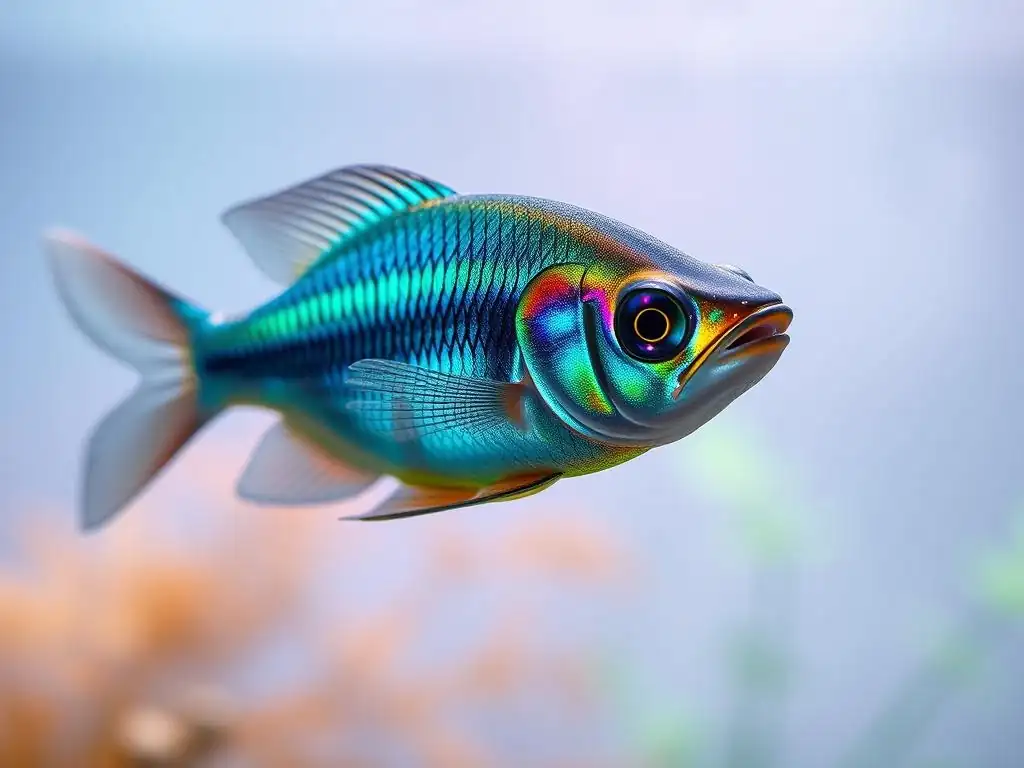
For aquarists seeking to maximize their X-Ray Tetra breeding success, implementing blackwater extracts can be a highly effective advanced technique. X-Ray Tetras (Pristella maxillaris) originate from soft, acidic blackwater environments in South America, rich in humic substances. Replicating these conditions in the breeding tank can act as a powerful spawning stimulant. Blackwater extracts, derived from peat, catappa leaves (Indian almond leaves), or specialized commercial products, release tannins and humic acids into the water, lowering the pH and softening the water naturally.
These compounds create an environment that closely mimics the X-Ray Tetra's natural breeding grounds, signaling to the fish that conditions are optimal for reproduction. The tannins also have mild antiseptic properties, which can help inhibit fungal growth on the delicate eggs, further contributing to a higher hatch rate. When using blackwater extracts for your X-Ray Tetra breeding guide, start with small doses and monitor the pH and hardness closely to ensure you reach the desired parameters (pH 5.5-6.5, dGH 1-5) without drastic fluctuations. This nuanced approach can significantly enhance the frequency and success of spawning events for Pristella maxillaris.
Using Fine-Leaved Plants as Spawning Medium
The strategic use of fine-leaved plants as a spawning medium is an advanced yet fundamental technique for successful X-Ray Tetra breeding. Pristella maxillaris are egg scatterers, and in their natural habitat, they would deposit their adhesive eggs among dense vegetation. Replicating this in the breeding tank provides a secure and optimal surface for egg deposition. Plants like Java Moss (Taxiphyllum barbieri), Hornwort (Ceratophyllum demersum), or even artificial spawning mops made from synthetic yarn are excellent choices.
These plants offer numerous fine strands and crevices where the small, clear, adhesive X-Ray Tetra eggs can attach safely. Their dense structure also provides a degree of protection from the egg-eating parent fish, allowing more eggs to survive until the parents can be removed.
Before introducing them to the breeding tank, ensure any live plants are thoroughly cleaned and quarantined to prevent the introduction of pests or diseases. For this X-Ray Tetra breeding guide, layering a thick mat of Java Moss on the bottom or loosely floating it in the tank significantly increases the available surface area for spawning, leading to a higher yield of viable eggs.
Addressing Common Breeding Challenges: Infertile Eggs
One of the most common and disheartening challenges in X-Ray Tetra breeding is encountering a batch of infertile eggs. These eggs typically turn opaque white within 24-48 hours after spawning, indicating they have not been fertilized or have succumbed to fungus. Addressing this requires a systematic approach to identify the root cause. Firstly, re-evaluate the conditioning process for your Pristella maxillaris. Were the fish fed a high-protein diet for a sufficient period? Poor conditioning can lead to a lack of viable gametes.
Secondly, scrutinize your water parameters. While X-Ray Tetras are relatively forgiving, extreme deviations from the ideal soft, acidic water (pH 5.5-6.5, dGH 1-5) can hinder fertilization. Insufficient water softness, in particular, can make the egg casing too hard for sperm penetration. Thirdly, consider the age and health of your breeding stock.
Very young or very old fish, or those with underlying health issues, may produce infertile eggs. If a specific pair consistently produces infertile eggs, try swapping out one or both fish with new, well-conditioned individuals. Sometimes, simply allowing the pair to rest and re-condition for a few weeks can also improve fertility for your X-Ray Tetra breeding guide efforts.
Troubleshooting XRay Tetra Breeding Problems
Identifying Reasons for Breeding Failure
When X-Ray Tetra breeding attempts consistently fail, a systematic approach to troubleshooting is essential. The most common reasons for a lack of spawning or a low yield of viable eggs often revolve around three key areas: environmental conditions, fish health/conditioning, and incompatibility. Firstly, thoroughly re-evaluate your water parameters. Are the pH (5.5-6.5), hardness (1-5 dGH), and temperature (78-82°F) consistently within the optimal range? Even slight deviations can deter spawning in Pristella maxillaris. Insufficiently soft water is a frequent culprit for poor fertilization.
Secondly, assess the health and conditioning of your breeding stock. Are the fish truly mature (at least 6-8 months old)? Have they been fed a high-protein diet (live/frozen foods) for at least 1-2 weeks? Underfed or stressed fish will not spawn effectively. Look for signs of disease or stress.
Lastly, consider pair incompatibility. While X-Ray Tetras are generally willing breeders, sometimes a specific male and female just don't "click." If all other factors are optimal, try rotating in different conditioned males or females from your group. By methodically checking each of these points, you can often pinpoint the issue hindering your X-Ray Tetra breeding guide success.
Addressing Aggression Between Breeding Pairs
While X-Ray Tetras (Pristella maxillaris) are generally peaceful fish, mild aggression can sometimes be observed between breeding pairs, particularly the male chasing the female vigorously. This is often a normal part of their courtship behavior, designed to encourage the female to release eggs, and should not be a cause for immediate concern in your X-Ray Tetra breeding guide. The male's pursuit is usually brief and non-damaging, especially if the breeding tank provides ample space and spawning medium for the female to seek refuge.
However, if the aggression becomes excessive, leading to visible fin nipping, scales being lost, or the female appearing highly stressed and hiding constantly, intervention may be necessary. This could indicate an incompatible pair or a male that is overly zealous. In such cases, carefully separate the pair for a day or two, allowing them to rest and calm down.
Ensure the tank has plenty of spawning mops or fine-leaved plants, which can provide visual barriers and hiding spots. If severe aggression persists after reintroduction, consider swapping out one of the fish for a different, well-conditioned individual from your stock. Sometimes, using a group of two males and one female can diffuse aggression, as the male's attention is divided.
Managing Water Quality Issues During Spawning
Managing water quality issues during the X-Ray Tetra spawning process is paramount, as the delicate eggs and newly hatched fry are extremely sensitive to environmental fluctuations. The primary concern is the rapid accumulation of ammonia and nitrites from fish waste and uneaten food, especially in a small breeding tank. Regular testing with reliable liquid test kits is crucial to detect any spikes in these toxic compounds. If ammonia or nitrite levels are detectable, immediate action is required.
Small, frequent water changes (10-20% daily) using aged, temperature-matched, and parameter-matched water are the most effective way to maintain pristine conditions for your X-Ray Tetra breeding guide. When performing water changes, use a small airline tube or turkey baster to gently siphon out any visible detritus or uneaten food from the bare bottom of the tank, minimizing disturbance to the eggs. Ensure your gentle sponge filter is running efficiently, providing biological filtration.
Avoid overfeeding the parent fish during conditioning, as this can contribute to excess waste. Consistent vigilance over water parameters is the cornerstone of preventing issues and ensuring a successful hatch for Pristella maxillaris.
Conclusion: Mastering XRay Tetra Breeding at Aquarium Mastery
The Rewards of Successfully Breeding Pristella maxillaris
Successfully breeding Pristella maxillaris, the X-Ray Tetra, is a deeply rewarding endeavor that extends far beyond simply increasing the number of fish in your tank. It represents a significant milestone in an aquarist's journey, demonstrating a profound understanding of fish husbandry, water chemistry, and the delicate balance of aquatic ecosystems. The sheer satisfaction of witnessing the entire life cycle, from tiny, translucent eggs to free-swimming fry and eventually robust juveniles, is unparalleled. This achievement validates the meticulous effort invested in conditioning the parents, preparing the perfect breeding environment, and nurturing the fragile fry.
Beyond personal gratification, the successful breeding of X-Ray Tetras contributes positively to the aquarium hobby. Home-bred fish are often hardier, more accustomed to captive conditions, and less susceptible to diseases than their wild-caught counterparts. By mastering this X-Ray Tetra breeding guide, aquarists help reduce demand on wild populations, promoting sustainable practices within the industry. Sharing your healthy, home-bred X-Ray Tetras with other enthusiasts not only strengthens the community but also spreads the joy and knowledge of this fascinating process, cementing your expertise in advanced tetra care.
Further Resources for Advanced Tetra Care and Breeding
For those who have successfully navigated the X-Ray Tetra breeding guide and are eager to expand their knowledge and skills, Aquarium Mastery offers a wealth of further resources on advanced tetra care and breeding techniques. Our comprehensive database includes detailed profiles on various tetra species, delving into their specific care requirements, optimal tank setups, and unique breeding behaviors. Whether you're interested in the intricate spawning rituals of Neon Tetras, the challenging breeding of Cardinal Tetras, or the unique needs of Lemon Tetras, our articles provide in-depth, expert-level guidance.
Explore our dedicated sections on water chemistry optimization, advanced filtration techniques, and specialized feeding regimens tailored for different life stages of tetras. You'll find troubleshooting guides for common breeding issues across various species, alongside insights into creating complex biotope setups that mimic natural habitats, further encouraging spawning. Continue your journey with Aquarium Mastery to become a true master of freshwater fish keeping, pushing the boundaries of your aquarist capabilities and contributing to the thriving community of dedicated hobbyists.
Frequently Asked Questions
How difficult is it to breed XRay Tetras in a home aquarium?
Breeding XRay Tetras can be moderately challenging. They require specific water parameters and a dedicated breeding tank to ensure successful spawning and fry survival.
What are the ideal water conditions for XRay Tetra breeding?
Ideal conditions include soft, acidic water with a pH around 6.0-6.5 and a temperature of 78-82°F (25-28°C). Maintaining pristine water quality is also crucial.
What kind of setup is recommended for a breeding tank?
A small, dimly lit tank with a spawning mop or fine-leaved plants is recommended. This provides hiding places for the eggs and protects them from being eaten by the parents.
What do XRay Tetra fry eat, and how often should they be fed?
XRay Tetra fry require very small food, such as infusoria, liquid fry food, or newly hatched brine shrimp. Feed them multiple times a day in small quantities.
How can I tell if my XRay Tetras are ready to breed?
Females will appear plumper with eggs, and males will exhibit more intense colors and actively pursue the females. Look for increased courtship behavior within the tank.
Final Reflection: Illuminating the Future of Aquarium Keeping
The journey of breeding XRay Tetras, as detailed in this guide, is more than just a technical exercise; it's a testament to the dedication and passion that fuels the aquarium hobby. This pursuit of understanding and replicating natural processes in a controlled environment highlights the growing sophistication of modern aquarium keeping and its potential to contribute to conservation efforts. The ability to successfully breed these delicate creatures underscores the power of knowledge and careful observation in unlocking the secrets of the aquatic world.
This exploration into the intricacies of Pristella maxillaris breeding has not only deepened our understanding of this specific species but also illuminated broader principles applicable to responsible aquarium management. The commitment to providing optimal conditions, understanding their lifecycle, and nurturing their offspring reflects a growing awareness of the ethical responsibilities inherent in keeping aquatic life. In the end, we will conserve only what we love; we will love only what we understand; and we will understand only what we are taught.
- Baba Dioum. This quote perfectly encapsulates the importance of guides like this in fostering a deeper appreciation and respect for the natural world.
Now, armed with this knowledge, I invite you to reflect on your own role in the aquarium community. Consider how you can apply these principles of careful observation, dedicated care, and continuous learning to not only breed XRay Tetras successfully but also to contribute to the overall health and sustainability of the aquarium hobby. Let this guide be a stepping stone towards a future where responsible aquarium keeping plays a vital role in preserving the beauty and biodiversity of our planet's aquatic ecosystems.
Ignite Your Breeding Passion: Unleash the X-Ray Tetra Pro!
Thank you for diving into the world of X-Ray Tetra breeding! Now that you're equipped with the knowledge, it's time to put your skills to the test and bring new life into your aquarium.
Here are some actionable steps to propel you forward:
- Boldly initiate your X-Ray Tetra breeding project this week. Prepare your breeding tank, condition your adults, and witness the miracle unfold!
- Share your initial breeding setup and progress photos on our Aquarium Mastery community forum. Let's learn and grow together!
- Experiment with slightly varying the water parameters (temperature, pH) within safe ranges and meticulously record the results. Become an X-Ray Tetra breeding innovator!
What fascinating observation have you made about your X-Ray Tetras that you're eager to share with fellow enthusiasts?