
Aquarium Mastery: Advanced Strategies for Inducing Spawning in Stubborn Tetra Pairs

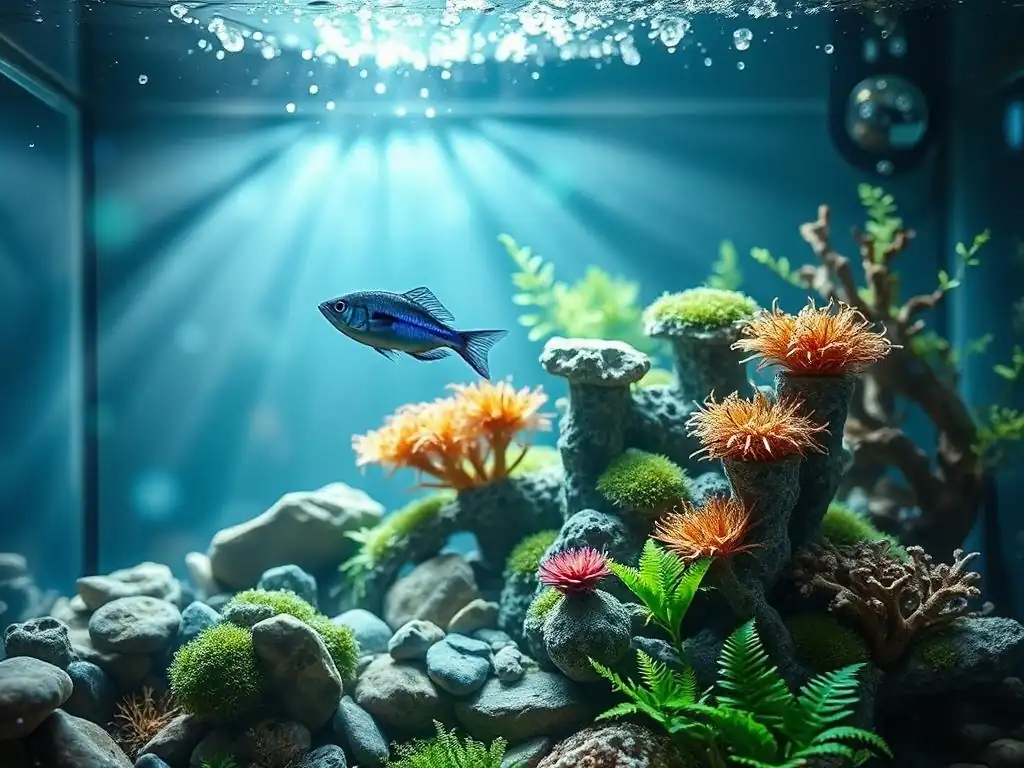
Welcome to Aquarium Mastery, where we unlock the secrets to a thriving underwater world!
Ever wondered why your Tetras aren't producing those shimmering schools of fry you've dreamed of? Dive in! This article tackles the frustrating challenge of Tetra spawning troubleshooting techniques, offering advanced strategies to coax even the most stubborn pairs into breeding. Get ready to transform your aquarium into a vibrant nursery – the answers you've been searching for are just a scroll away!
- Understanding Tetra Spawning Challenges: A Deep Dive
- Advanced Tetra Spawning Troubleshooting Techniques: A Step-by-Step Guide
- Advanced Tetra Breeding Techniques: Beyond the Basics
- Preventing Common Tetra Spawning Problems: Proactive Measures
- Case Studies: Successful Tetra Spawning Troubleshooting Examples
- Conclusion: Achieving Tetra Spawning Success Through Advanced Techniques
-
Frequently Asked Questions
- How can I tell if my Tetras are ready to spawn?
- What water parameters are ideal for encouraging Tetra spawning?
- What kind of spawning substrate should I provide for my Tetras?
- My Tetras are showing spawning behavior, but no eggs are being laid. What could be the problem?
- How soon after spawning should I remove the adult Tetras from the breeding tank?
- Final Reflection: Unlocking the Secrets of Life
- Ignite the Spark: Help Your Tetras Thrive!
Understanding Tetra Spawning Challenges: A Deep Dive
Common Reasons for Tetra Spawning Failure
Tetras, a diverse and vibrant group of freshwater fish, are often a coveted breeding project for aquarists. However, inducing them to spawn can be a significant challenge, even for experienced hobbyists. One of the primary reasons for spawning failure is often suboptimal water parameters that do not precisely mimic their native Amazonian or South American habitats.
For instance, many popular tetra species, such as Neon Tetras ( Paracheirodon innesi) and Cardinal Tetras ( Paracheirodon axelrodi), originate from soft, acidic blackwater environments with a pH often ranging from 5.0 to 6.5 and very low general hardness (GH) of 1-4 dGH. Deviations from these specific conditions can inhibit gonadal development or prevent the release of eggs.
Beyond water chemistry, other critical factors contribute to a lack of successful breeding. These include an inadequate diet that lacks the specific nutrients required for egg and milt production, often seen when fish are fed only flakes. Stress, stemming from overcrowding, aggressive tank mates, or unstable environments, can also severely impact a pair's willingness to breed.
Furthermore, the absence of suitable spawning sites, such as fine-leaved plants or spawning mops, can lead to egg retention. Even the age and genetic health of the breeding pair play a role; very young or old fish, or those from inbred lines, may exhibit reduced fertility. These common issues highlight the need for comprehensive Tetra spawning troubleshooting techniques.
Identifying Stubborn Tetra Pairs: Recognizing the Signs
Recognizing a stubborn tetra pair is the first step in applying effective Tetra spawning troubleshooting techniques. Typically, a healthy, ready-to-breed female tetra will exhibit a noticeably swollen abdomen, indicating the presence of ripe eggs. Males, conversely, often display intensified coloration and engage in courtship behaviors, such as fin flaring, chasing, and nudging the female. In a stubborn pair, these behaviors are conspicuously absent. The female may not develop a pronounced belly, or if she does, the eggs may be reabsorbed if spawning doesn't occur.
Moreover, a lack of interest in potential spawning sites, such as dense clumps of Java moss or fine-leaved artificial mops, is another clear indicator. While healthy pairs will often explore and rub against these substrates, a stubborn pair will ignore them. Observing a general lack of interaction between the male and female, or even signs of aggression where the male harasses the female without courtship, suggests a problem. Persistent disinterest despite optimal conditioning and environmental cues signals that advanced intervention and specific Tetra spawning troubleshooting techniques are likely necessary.
The Importance of Water Parameters for Tetra Spawning Success
Water parameters are arguably the most critical factor influencing tetra spawning success, often being the primary target for Tetra spawning troubleshooting techniques. The precise balance of pH, general hardness (GH), carbonate hardness (KH), and temperature directly impacts the viability of eggs and the overall health of the breeding adults. For many tetra species, soft, acidic water is essential. A pH too high (e.g., above 7.0) can prevent fertilization or cause eggs to become infertile, while hard water (GH above 5-6 dGH) can cause the egg membrane to harden excessively, preventing the sperm from penetrating.
Temperature, while often overlooked beyond its general range, acts as a significant spawning trigger. A slight increase, typically by 2-4°F within their preferred range (e.g., from 75°F to 78-80°F for Neons), can mimic seasonal changes in their natural habitat, signaling ideal breeding conditions. Stable water chemistry is paramount; sudden fluctuations in any of these parameters can induce stress, leading to egg retention or even death of the eggs and fry. Therefore, meticulous control and consistency in water parameters are foundational for any successful tetra breeding program and central to effective Tetra spawning troubleshooting techniques.
Advanced Tetra Spawning Troubleshooting Techniques: A Step-by-Step Guide
Step 1: Optimizing Water Chemistry for Tetra Breeding
Optimizing water chemistry is foundational for inducing spawning in stubborn tetra pairs and forms a core part of Tetra spawning troubleshooting techniques. This involves precise adjustments to pH, hardness, and temperature to mirror the specific conditions of their native environments. For many popular tetra species, this means replicating soft, acidic water conditions that are often difficult to achieve with standard tap water.
Achieving Ideal pH Levels for Tetra Spawning
The pH level is crucial for successful tetra spawning, as it directly impacts egg viability and sperm motility. Most common tetras, such as Neon, Cardinal, Rummy-nose, and Black Phantom Tetras, thrive and breed best in acidic conditions, typically with a pH range of 5.5 to 6.8. If your tap water is alkaline (pH 7.5 or higher), direct use will likely inhibit spawning.
To lower pH, consider using reverse osmosis (RO) water mixed with a small percentage of dechlorinated tap water to achieve the desired mineral content and pH. Peat moss, either granulated in a filter bag or as a liquid extract, can also effectively reduce pH and introduce beneficial humic substances.
Another effective method involves adding driftwood and Indian almond leaves (catappa leaves) to the breeding tank. These natural materials slowly release tannins and humic acids, which naturally buffer the water to a lower pH and soften it, while also providing a natural blackwater effect that can reduce stress and encourage breeding. Regular monitoring with a reliable pH test kit is essential to maintain stability, as drastic pH swings are detrimental. Remember to make gradual changes, no more than 0.2 pH units per day, to prevent shock to the fish.
Maintaining Water Hardness for Optimal Egg Development
Water hardness, particularly General Hardness (GH), is as critical as pH for tetra spawning success. Most tetra species, especially those from the Amazon basin, require very soft water for their eggs to develop properly and for successful fertilization. An ideal GH for many tetra species is typically between 1 and 5 dGH (degrees of general hardness), which translates to 17.9 to 89.5 ppm. If the water is too hard, the egg membrane can become excessively tough, preventing sperm penetration and leading to unfertilized eggs that often fungus rapidly.
To reduce water hardness, the most reliable method is the exclusive or partial use of RO (Reverse Osmosis) or deionized (DI) water. These water sources are virtually free of minerals, allowing you to build the water parameters from scratch using specialized remineralizing salts designed for soft water fish, or by mixing with a small amount of carefully tested tap water. Using natural materials like peat, driftwood, and Indian almond leaves also contributes to softening the water over time by chelating minerals.
Regular testing of both GH and Carbonate Hardness (KH) is vital; while GH affects egg development, KH provides buffering capacity, and a very low KH (e.g., 0-1 dKH) can lead to unstable pH. For successful Tetra spawning troubleshooting techniques, precise control of hardness is non-negotiable.
The Role of Temperature in Triggering Spawning Behavior
Temperature plays a crucial role as a spawning trigger for many tetra species, mimicking the seasonal shifts in their natural habitats. While most tetras thrive in general aquarium temperatures of 72-78°F (22-26°C), a slight increase in temperature can often be the final cue needed to induce breeding. For many species like Neon and Cardinal Tetras, raising the temperature gradually to 78-82°F (26-28°C) over 24-48 hours can stimulate spawning activity. This temperature increase often signals the onset of the rainy season in their native environments, which brings softer water and abundant food – ideal conditions for reproduction.
Conversely, a stable, slightly lower temperature during the conditioning phase (e.g., 75°F) followed by a gradual rise can be more effective than maintaining a consistently high temperature. This temperature fluctuation is a key component of Tetra spawning troubleshooting techniques. Ensure your heater is reliable and accurate, and use a thermometer to monitor the temperature precisely. Avoid sudden, drastic temperature changes, as these can stress the fish and lead to illness rather than spawning. Maintaining consistent temperature once the target is reached is also important for egg development and fry health.
Step 2: Simulating the Natural Habitat to Encourage Spawning
Beyond water chemistry, creating an environment that closely mimics the tetra's natural habitat is a powerful Tetra spawning troubleshooting technique. This involves careful consideration of tank decor, natural extracts, and live plants to provide security, comfort, and appropriate spawning substrates.
Creating a Suitable Environment for Specific Tetra Species
For many tetra species, their natural habitats are often densely vegetated, dimly lit, and filled with leaf litter and submerged roots. Replicating this environment in a breeding tank provides the security and familiar cues necessary for spawning. For species like Neon and Cardinal Tetras, a dedicated breeding tank should be at least 5-10 gallons, depending on the species size, and placed in a quiet, low-traffic area to minimize disturbances. The tank bottom can be bare to facilitate egg collection or covered with a very thin layer of dark substrate to help eggs blend in and reduce stress.
Adding elements like smooth, rounded river rocks or small pieces of driftwood can also contribute to a natural feel. Crucially, the tank should offer plenty of hiding spots and visual barriers to reduce stress and allow the female to escape the male's advances if needed. Overcrowding in the main tank is a common stressor; isolating the breeding pair in a well-prepared environment is a key Tetra spawning troubleshooting technique.
Using Natural Extracts to Mimic Natural Conditions
Natural extracts play a vital role in simulating the blackwater conditions many tetras inhabit in the wild, acting as powerful Tetra spawning troubleshooting techniques. Indian almond leaves (Catappa leaves), alder cones, and specialized blackwater extracts release tannins and humic acids into the water. These compounds not only help lower pH and soften water but also provide a natural antibacterial and antifungal effect, which is beneficial for delicate tetra eggs. The subtle tint they impart to the water also mimics the dim, filtered light of their native streams, further reducing stress on the breeding pair.
The presence of these extracts can trigger an innate breeding response in tetras, as they associate these chemical cues with their natural spawning grounds. Start with a small amount, such as 1-2 medium Indian almond leaves per 10 gallons, and observe the water coloration and fish behavior. Replace leaves every 2-3 weeks as they decompose. Using these extracts consistently can significantly improve the chances of successful spawning, especially for species that are particularly sensitive to environmental authenticity.
Introducing Live Plants for Spawning Substrates and Cover
Live plants are indispensable for successful tetra breeding, serving multiple purposes as spawning substrates, fry protection, and stress reduction. Many tetra species are egg scatterers, and they prefer to deposit their adhesive or semi-adhesive eggs on fine-leaved plants. Java moss ( Taxiphyllum barbieri), Hornwort ( Ceratophyllum demersum), and fine-leaved Najas grass ( Najas guadalupensis) are excellent choices. These plants provide a soft, intricate surface for eggs to adhere to, preventing them from falling to the bottom where they might be eaten by parents or other tank inhabitants.
Beyond spawning sites, dense planting offers crucial cover and security for the breeding pair. This reduces stress, allowing the fish to feel safe enough to engage in courtship and spawning behaviors. After spawning, these plants also provide immediate refuge for newly hatched fry, offering protection from predatory adults. For Tetra spawning troubleshooting techniques, ensuring an abundance of appropriate plant material is often a simple yet highly effective adjustment.
Step 3: Optimizing Lighting Conditions for Tetra Reproduction
Optimizing lighting conditions is another subtle yet impactful Tetra spawning troubleshooting technique. The intensity and duration of light can significantly influence a tetra's breeding cycle and overall well-being.
Simulating Dawn and Dusk Cycles for Spawning Triggers
In their natural habitats, tetras experience gradual changes in light intensity throughout the day. Replicating these dawn and dusk cycles in the breeding tank can act as a natural spawning trigger. Instead of abruptly turning lights on and off, consider using a timer with a dimmer feature or a smart plug that allows for gradual illumination and dimming. A typical photoperiod of 10-12 hours of light is generally suitable, but the transition periods are key.
A gradual increase in light intensity over 30-60 minutes in the morning, followed by a similar gradual dimming in the evening, mimics the natural rhythm and can signal to the fish that conditions are stable and conducive to breeding. This subtle environmental cue can reduce stress and encourage the natural behaviors associated with reproduction, making it a valuable part of Tetra spawning troubleshooting techniques.
Using Dim Lighting to Reduce Stress and Encourage Breeding
Tetras, particularly those from blackwater environments, are accustomed to subdued lighting conditions. Bright, intense aquarium lights can be a significant source of stress, causing them to become skittish, hide frequently, and inhibit breeding behaviors. For a breeding tank, opt for dim lighting, perhaps even using a lower wattage bulb or placing the tank in a naturally darker area of the room.
The use of floating plants, such as Dwarf Water Lettuce ( Pistia stratiotes) or Salvinia ( Salvinia natans), can also help diffuse light and create shaded areas, further mimicking their natural, dimly lit habitats. This reduction in light intensity contributes to a sense of security and encourages the fish to display more natural behaviors, including courtship and spawning. When applying Tetra spawning troubleshooting techniques, assessing and adjusting lighting is a simple yet often overlooked step.
Step 4: Refining Tetra Diet for Enhanced Breeding Potential
A high-quality, varied diet is paramount for conditioning tetras for breeding and is a critical component of Tetra spawning troubleshooting techniques. Proper nutrition ensures the fish have the energy and specific nutrients needed for gonad development and the production of healthy eggs and milt.
Live Food Enrichment for Optimal Egg Production
Live foods are highly effective for conditioning tetras for breeding due to their superior nutritional profile and palatability. Brine shrimp (both adult and nauplii), daphnia, micro worms, and small bloodworms are excellent choices. These foods are rich in essential proteins, lipids, and vitamins that are vital for the development of healthy, viable eggs. For example, feeding adult brine shrimp, which contain approximately 60% protein on a dry weight basis, several times a day for 1-2 weeks prior to attempting spawning can significantly boost egg production in females and milt quality in males.
Daphnia, in particular, are known for their high protein content and are often seen as a natural trigger for spawning due to their presence in natural breeding grounds. The act of hunting live food also stimulates natural behaviors and can increase the fish's vitality. Incorporating a rotation of these live foods ensures a balanced nutritional intake and can often be the missing link in successful Tetra spawning troubleshooting techniques.
The Importance of Protein in Tetra Breeding Diets
Protein is the cornerstone of a breeding diet for tetras, as it is essential for the rapid development of gonads and the production of high-quality eggs and milt. A diet lacking sufficient protein will result in fewer eggs, lower fertility rates, and potentially smaller, weaker fry. Aim for foods with a crude protein content of at least 45-50% during the conditioning phase. While live foods are ideal, high-quality frozen foods like bloodworms, spirulina-enriched brine shrimp, and daphnia can also provide excellent protein sources.
Supplementing with specialized breeding flakes or pellets that are fortified with protein can also be beneficial. Ensure that the protein sources are digestible and varied to provide a full spectrum of amino acids. Consistent feeding of protein-rich foods for at least 1-2 weeks before attempting to breed is a crucial Tetra spawning troubleshooting technique to ensure the fish are in peak condition.
Supplementing with Vitamins and Minerals for Breeding Success
While protein is vital, a complete breeding diet must also include a robust supply of vitamins and minerals. Vitamins, particularly Vitamin E (tocopherol), are known to play a critical role in reproductive health and fertility in fish. Vitamin A (retinol) is essential for overall health and vision, which aids in courtship and feeding. Minerals like calcium and phosphorus are crucial for bone development in fry and overall metabolic functions.
Many high-quality flake and pellet foods are fortified with these essential nutrients. However, supplementation can be achieved by gut-loading live foods (feeding them nutrient-rich diets before feeding to the tetras) or by adding liquid vitamin supplements to the fish food just before feeding. For instance, some breeders add a few drops of a liquid multivitamin designed for fish to their frozen or live foods before offering them. Ensuring a comprehensive nutrient profile is a key Tetra spawning troubleshooting technique that contributes to robust egg production and healthy fry development.
Step 5: Isolating the Breeding Pair for Focused Spawning
Isolating the breeding pair in a dedicated setup is an essential Tetra spawning troubleshooting technique that significantly increases the chances of successful spawning and egg survival. This minimizes stress and allows for precise environmental control.
Setting Up a Separate Breeding Tank for Tetras
A dedicated breeding tank, typically 5-10 gallons, is ideal for most tetra species. This tank should be set up with the specific water parameters (pH, GH, temperature) required for spawning, which may differ from the main display tank. A bare bottom is often preferred as it makes it easier to spot and collect eggs. If a substrate is desired, a thin layer of dark gravel or marbles can be used, with marbles providing spaces for eggs to fall into, protecting them from parental predation.
Crucially, the tank should include plenty of fine-leaved plants like Java moss, spawning mops (made from nylon yarn), or a spawning grid. These provide the necessary substrate for egg deposition and offer immediate cover for newly hatched fry. The tank should be cycled and stable before introducing the fish. This controlled environment is paramount for effective Tetra spawning troubleshooting techniques, allowing breeders to fine-tune conditions without affecting other tank inhabitants.
Minimizing Stress Factors in the Breeding Environment
Stress is a major deterrent to spawning in tetras. The breeding tank should be placed in a quiet, low-traffic area of the house, away from sudden movements, loud noises, or bright lights. Covering three sides of the tank with dark paper or cloth can also help the fish feel more secure. Avoid frequent disturbances or peering into the tank too often. Once the breeding pair is introduced, limit interaction to essential feeding and observation.
Ensure water quality remains pristine with minimal ammonia and nitrite, and low nitrates. Overfeeding should be avoided to prevent water fouling. A gentle air stone or sponge filter will provide adequate aeration and filtration without creating strong currents that could stress the fish or damage delicate eggs. Reducing external stimuli and maintaining a calm, stable environment are fundamental Tetra spawning troubleshooting techniques for encouraging natural breeding behaviors.
Monitoring the Breeding Pair for Spawning Readiness
Once the breeding pair is introduced to the optimized breeding tank, close observation for signs of spawning readiness is crucial. Females should appear plump with eggs, and males should display vibrant colors and engage in courtship rituals. This often includes the male chasing the female, nudging her, and flaring his fins. Spawning typically occurs in the early morning hours, often just as the lights come on or as natural light begins to filter in.
Look for eggs scattered among the plants or on the bottom of the tank. Tetra eggs are typically small, clear, and adhesive. Once eggs are observed, it is generally recommended to remove the adult fish promptly, as many tetra species are egg-eaters (oviparous). If no spawning occurs after 2-3 days, consider slight adjustments to temperature or pH, or recondition the fish in the main tank for another week before trying again. Patient and diligent monitoring is a key aspect of successful Tetra spawning troubleshooting techniques.
Advanced Tetra Breeding Techniques: Beyond the Basics
For extremely stubborn pairs or specific research purposes, some highly advanced techniques exist, though they are generally not recommended for the average home aquarist due to their complexity, ethical considerations, and specialized requirements. These truly push the boundaries of Tetra spawning troubleshooting techniques.
Hormonal Induction: Considerations and Ethical Implications
Hormonal induction involves injecting fish with synthetic or natural hormones to stimulate ovulation in females and sperm production in males. The most commonly used hormones are LHRH (Luteinizing Hormone-Releasing Hormone) analogues or carp pituitary extract. This technique is typically employed in aquaculture for commercial breeding of food fish or in scientific research to breed rare or endangered species that are otherwise impossible to spawn in captivity.
However, for hobbyists, hormonal induction carries significant risks and ethical implications. It requires precise dosage calculations, sterile injection techniques, and often specialized veterinary knowledge. Incorrect application can harm or even kill the fish. Furthermore, it bypasses the natural breeding process, and repeated use can potentially weaken fish genetics or make them reliant on artificial stimulation. Therefore, while a powerful Tetra spawning troubleshooting technique in specific contexts, it is generally reserved for professional or academic settings.
Artificial Insemination: A Complex Procedure
Artificial insemination (AI) in fish involves manually extracting eggs from a female and milt (sperm) from a male, and then mixing them externally to achieve fertilization. The fertilized eggs are then incubated separately. This technique is even more complex and labor-intensive than hormonal induction, requiring extreme precision, specialized tools, and a sterile environment. It is primarily used in scientific research or for conservation breeding programs of very valuable or endangered fish where natural spawning is impossible or inefficient.
For example, AI might be used if a male is infertile but produces viable milt, or if a female cannot release her eggs naturally. The procedure often involves anesthetizing the fish, gently stripping eggs and milt, and carefully combining them. Due to its highly invasive nature, technical difficulty, and the stress it places on the fish, artificial insemination is not a practical or recommended Tetra spawning troubleshooting technique for the home aquarist.
Addressing Genetic Factors Influencing Tetra Spawning
Beyond environmental conditions and diet, genetic factors can significantly influence a tetra pair's willingness or ability to spawn. Inbreeding, which is common in commercially bred aquarium fish, can lead to reduced fertility, smaller clutch sizes, higher rates of deformities, and overall weaker offspring. If a pair consistently fails to spawn despite optimal conditions and the application of various Tetra spawning troubleshooting techniques, genetic issues might be at play.
To address this, breeders often seek to introduce new bloodlines by acquiring wild-caught specimens or fish from different breeders. This increases genetic diversity, which can improve vitality, fertility, and the overall health of subsequent generations. Keeping accurate breeding records and avoiding breeding closely related individuals are proactive measures. While not a direct "troubleshooting technique" for an existing pair, understanding genetic influences is crucial for long-term breeding success and preventing future spawning problems.
Preventing Common Tetra Spawning Problems: Proactive Measures
Proactive measures are often the best Tetra spawning troubleshooting techniques, preventing issues before they arise. Consistency and vigilance are key to successful and stress-free breeding.
Maintaining Stable Water Parameters to Avoid Spawning Disruptions
The most effective proactive measure is to maintain consistently stable water parameters, especially in the breeding tank. Sudden fluctuations in pH, GH, KH, or temperature can severely stress fish, leading to egg retention, poor egg quality, or even reabsorption of eggs. For example, a sudden drop in pH by more than 0.5 units or a temperature swing of more than 2-3°F can halt spawning activity.
Regular, small water changes with pre-conditioned water (matched for temperature and chemistry) are far better than large, infrequent changes. Using reliable test kits to monitor parameters daily in the breeding tank ensures that conditions remain within the optimal range for the specific tetra species. This diligent approach significantly reduces the need for reactive Tetra spawning troubleshooting techniques.
Preventing Fungal Infections on Tetra Eggs
Tetra eggs, especially unfertilized ones, are highly susceptible to fungal infections, which can rapidly spread and destroy an entire clutch. Proactive measures are crucial to prevent this common problem. One effective method is to remove unfertilized or opaque eggs promptly using a pipette or turkey baster, as they are the primary source of fungal growth.
Another common Tetra spawning troubleshooting technique is to add a very small amount of antifungal agents like methylene blue to the breeding tank water. A light blue tint is usually sufficient. This prophylactic treatment inhibits fungal growth without harming the delicate eggs or fry. Ensuring good water circulation around the eggs, either through a gentle air stone or a very mild filter flow, also helps prevent fungal spores from settling and proliferating.
Protecting Tetra Fry from Predation by Parents or Tank Mates
Most tetra species are notorious egg and fry eaters, making immediate protection after spawning essential for successful breeding. The most common proactive measure is to remove the adult fish from the breeding tank as soon as spawning is complete and eggs are observed. If a bare-bottom tank with marbles or a spawning grid was used, the eggs will fall through, out of reach of the parents.
For tanks with plants where eggs are scattered, it's often more practical to remove the plants with the eggs attached to a separate rearing tank. This dedicated fry tank should have very gentle aeration (e.g., a sponge filter) and the same water parameters as the breeding tank.
Providing plenty of fine-leaved plants like Java moss in the fry tank also offers immediate hiding spots for the newly hatched fry, further protecting them from any potential remaining predators or strong currents. This critical step ensures that the effort put into Tetra spawning troubleshooting techniques for spawning is not wasted due to predation.
Case Studies: Successful Tetra Spawning Troubleshooting Examples
These case studies illustrate how targeted Tetra spawning troubleshooting techniques can overcome common breeding challenges in various tetra species.
Case Study 1: Inducing Spawning with Species-Specific Environmental Adjustments
Species: Neon Tetra ( Paracheirodon innesi) Initial Problem: A pair of healthy, well-conditioned Neon Tetras in a 5-gallon breeding tank consistently failed to spawn over three attempts, despite being fed live foods and having a stable temperature of 76°F. The tank had fine-leaved plants, but no eggs were ever observed. Troubleshooting Applied: Water parameters were re-tested. While pH was acceptable at 6.8, the GH was found to be 8 dGH, which is on the higher side for Neons.
The breeder decided to significantly soften the water. Solution: The breeding tank water was gradually replaced over 48 hours with 75% RO water mixed with 25% dechlorinated tap water, bringing the GH down to 3 dGH and the pH to 6.2. Additionally, a small piece of cholla wood and three Indian almond leaves were added to the tank to further mimic blackwater conditions and provide tannins.
The temperature was incrementally raised to 79°F. Outcome: Within 24 hours of the final water adjustment and temperature increase, the Neon Tetras spawned successfully, scattering approximately 150-200 clear eggs among the Java moss. This demonstrated that precise environmental matching, especially water hardness, was the critical missing Tetra spawning troubleshooting technique.
Case Study 2: Overcoming Water Chemistry Issues in Tetra Breeding
Species: Cardinal Tetra ( Paracheirodon axelrodi) Initial Problem: A group of six Cardinal Tetras, kept in a 20-gallon long community tank with soft, acidic water (pH 6.0, GH 2 dGH, Temp 78°F), showed no signs of breeding activity. Individual pairs were isolated into a 5-gallon breeding tank with similar parameters, but still no spawning after two weeks. Troubleshooting Applied: The breeder suspected a subtle water chemistry issue or lack of a strong enough trigger. While the parameters were good, they weren't ideal for inducing breeding in the specific pair.
The breeder decided to push the acidity and add a stronger natural stimulant. Solution: The pH in the breeding tank was carefully lowered further to 5.5 using a combination of peat filtration and daily micro-adjustments with RO water. Instead of just leaves, a concentrated blackwater extract was added to create a very dark, tannin-rich environment.
The tank was also moved to a quieter room with minimal foot traffic. Outcome: Three days after the more aggressive water chemistry adjustments and relocation, the Cardinal Tetra pair spawned. The dark, highly acidic water provided the strong environmental cue needed, proving that even subtle refinements in water chemistry can be potent Tetra spawning troubleshooting techniques.
Case Study 3: Using Diet to Stimulate Spawning in Tetras
Species: Rummy-nose Tetra ( Hemigrammus bleheri) Initial Problem: A pair of Rummy-nose Tetras, known for their sensitivity, were moved to a breeding tank with seemingly perfect water conditions (pH 6.5, GH 4 dGH, Temp 77°F) and ample plants. They appeared healthy but showed no interest in spawning over a month. Their diet in the main tank had primarily consisted of high-quality flakes and frozen bloodworms.
Troubleshooting Applied: Given the optimal water parameters and environment, the breeder shifted focus to diet, suspecting a nutritional deficiency or lack of a specific "trigger food." Solution: The pair was conditioned intensively for two weeks exclusively on live foods: freshly hatched brine shrimp nauplii twice a day, supplemented with live daphnia every other day. The temperature was then gradually increased to 80°F.
Outcome: Within five days of the intensified live food conditioning and temperature increase, the Rummy-nose Tetras spawned. The high-protein, highly palatable live food regimen provided the necessary energy reserves and nutritional boost for gonad development, which was the missing Tetra spawning troubleshooting technique in this case. This highlighted the importance of specific live foods as a direct stimulant for breeding.
Conclusion: Achieving Tetra Spawning Success Through Advanced Techniques
Successfully inducing spawning in stubborn tetra pairs is a rewarding endeavor that requires patience, meticulous attention to detail, and the application of advanced Tetra spawning troubleshooting techniques. It's rarely a one-size-fits-all solution; rather, it involves a systematic approach to optimizing every aspect of the fish's environment and diet. From precisely tuning water chemistry to simulating natural habitats with plants and extracts, and crucially, providing a nutrient-rich diet, each step contributes to creating the ideal conditions for reproduction. The ability to identify subtle cues from the fish and make informed adjustments is what separates basic care from advanced breeding mastery.
Continuous Learning and Observation in Tetra Breeding
The journey of breeding tetras is one of continuous learning and keen observation. Each species, and even individual pairs, may respond differently to various Tetra spawning troubleshooting techniques. Maintaining detailed logs of water parameters, feeding regimens, and fish behavior before, during, and after spawning attempts can provide invaluable insights for future efforts.
Understanding the nuances of their natural habitats and applying that knowledge to the aquarium setting is an ongoing process. Aquarists who embrace this iterative approach, constantly refining their methods based on observed outcomes, are the ones who ultimately achieve consistent breeding success. This dedication to learning transforms challenges into opportunities for deeper understanding of these fascinating fish.
The Rewarding Experience of Successfully Breeding Tetras
Witnessing the miracle of life as tiny tetra fry emerge from eggs is an incredibly rewarding experience that justifies all the effort invested in Tetra spawning troubleshooting techniques. It provides a deeper connection to the aquatic world and a profound sense of accomplishment.
Beyond the personal satisfaction, successfully breeding tetras contributes to the hobby by providing healthy, tank-bred specimens, reducing reliance on wild-caught fish, and preserving genetic diversity within captive populations. The knowledge gained through these advanced techniques not only benefits the breeder but also enriches the entire aquarium community, fostering a greater appreciation for the delicate balance required to sustain aquatic life.
Frequently Asked Questions
How can I tell if my Tetras are ready to spawn?
Look for obvious signs of readiness, such as a noticeably swollen abdomen in the female and the male actively pursuing the female. Also, observe for increased activity and coloration in both fish.
What water parameters are ideal for encouraging Tetra spawning?
Soft, slightly acidic water is often key. Aim for a pH around 6.0-6.5 and a GH (general hardness) below 5 dGH. Remember to gradually adjust parameters to avoid shocking the fish.
What kind of spawning substrate should I provide for my Tetras?
Fine-leaved plants like Java moss or spawning mops work well. These provide a safe haven for the eggs and simulate the natural spawning environment.
My Tetras are showing spawning behavior, but no eggs are being laid. What could be the problem?
Stress, improper water conditions, or a lack of privacy can inhibit spawning. Ensure a calm environment and double-check your water parameters.
How soon after spawning should I remove the adult Tetras from the breeding tank?
Remove the adult Tetras immediately after spawning. They will often eat the eggs. Transfer them back to the main tank to prevent this.
Final Reflection: Unlocking the Secrets of Life
The journey into tetra spawning troubleshooting techniques reveals more than just the mechanics of fish reproduction; it unveils the delicate balance of nature and the profound responsibility we undertake as aquarists. Understanding and applying these advanced strategies allows us to not only witness the miracle of life in our tanks but also contribute to the conservation and appreciation of these fascinating creatures.
This exploration of tetra spawning has profoundly impacted my understanding of the aquarist's role, moving beyond mere hobbyist to active participant in a miniature ecosystem. It's a reminder that our tanks are not just decorations, but living, breathing worlds that demand respect and understanding. In the end, we will conserve only what we love; we will love only what we understand; and we will understand only what we are taught.
- Baba Dioum's words resonate deeply, urging us to continue learning and sharing our knowledge to inspire others.
Now, I invite you to reflect on your own aquarist journey. Armed with these insights into tetra spawning, consider how you can further refine your techniques, share your experiences with fellow enthusiasts, and contribute to a deeper understanding of these captivating fish. Let us all strive to become not just keepers of aquariums, but stewards of life, fostering a world where the beauty and wonder of nature can thrive, even within the confines of our glass walls.
Ignite the Spark: Help Your Tetras Thrive!
Thanks for diving deep into the secrets of tetra breeding! We hope you found valuable insights to elevate your aquarium hobby. Now it's time to put that knowledge into action and create the perfect environment for your tetras to thrive.
Here are some actionable steps you can take today:
- Commit to a Specialized Spawning Tank: Design and dedicate a separate breeding setup focused on replicating a tetra's natural habitat.
- Share your Tetra success story with fellow aquarists in an online forum, spreading inspiration and tips from your experience.
- Experiment with unique water parameters like simulating a sudden rainfall.
What novel approach will you try to unlock the secrets of tetra spawning in your tank?