
Why Corydoras are the Unsung Heroes of Your Freshwater Aquarium

Welcome to Aquarium Mastery!
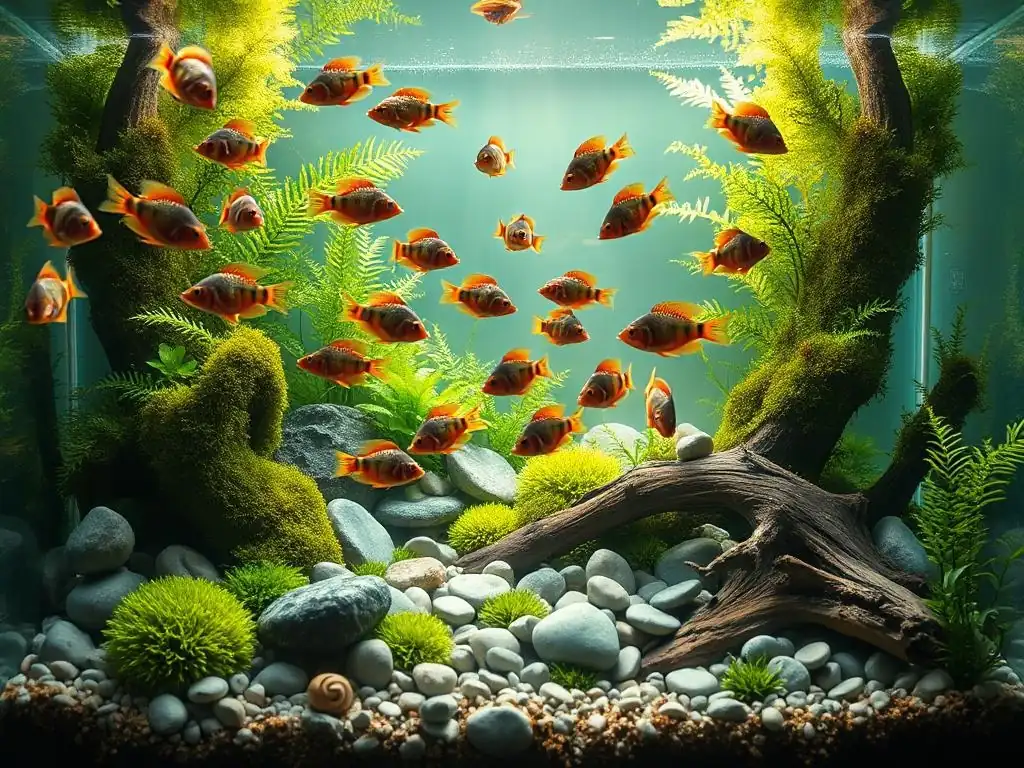
Ever wondered about the tiny, tireless scavengers that keep your freshwater aquarium sparkling clean? Get ready to dive deep into the fascinating world of Corydoras catfish! We're about to reveal why these little guys are the unsung heroes of your tank, and arm you with essential Corydoras catfish care tips to ensure they thrive. Curious to learn how to keep these bottom-dwelling buddies happy and healthy? Read on to unlock the secrets!
- Why Corydoras are Essential for a Thriving Freshwater Aquarium
- Understanding Corydoras Catfish: More Than Just Clean-Up Crew
- Corydoras Catfish Care: A Detailed Guide
- The Benefits of Keeping Corydoras in Your Aquarium
- Feeding Your Corydoras: Diet and Nutrition
- Maintaining a Healthy Environment for Corydoras
- Breeding Corydoras: Encouraging Spawning in Captivity
- Selecting the Right Corydoras for Your Aquarium
- Troubleshooting Common Corydoras Issues
- Enhancing Your Aquarium with Corydoras
-
Frequently Asked Questions
- What makes Corydoras catfish such valuable additions to a freshwater aquarium?
- What are some essential water parameters to consider when caring for Corydoras?
- What type of substrate is best for Corydoras, and why?
- How often should I feed my Corydoras, and what kind of food should I offer?
- What are some common health issues that can affect Corydoras, and how can I prevent them?
- Final Reflection: Appreciating the Humble Corydoras
- Unleash the Cory Power in Your Tank!
Why Corydoras are Essential for a Thriving Freshwater Aquarium
Understanding Corydoras Catfish: More Than Just Clean-Up Crew
Exploring Popular Corydoras Species: Bronze, Panda, and Pygmy
The Bronze Corydoras (Corydoras aeneus) stands out as one of the most widely available and robust species, making it an excellent choice for beginners. These peaceful bottom dwellers typically reach an adult size of about 2.5 to 3 inches (6-7.5 cm) and can live for 5 to 7 years, or even longer, in a well-maintained aquarium. Their hardiness and active schooling behavior make them a popular addition to community tanks, where they constantly sift through the substrate.
Panda Corydoras (Corydoras panda) are recognized for their distinctive black eye patches and dorsal fin spot, resembling a panda bear. Slightly smaller than Bronze Corydoras, they usually grow to about 1.5 to 2 inches (4-5 cm). These charming fish prefer slightly cooler water temperatures, ideally between 72-76°F (22-24°C), and are known for their playful and inquisitive nature, often seen resting on broad plant leaves or darting across the tank bottom.
Pygmy Corydoras (Corydoras pygmaeus) are the smallest of the commonly kept Corydoras, rarely exceeding 1 inch (2.5 cm) in length. Their diminutive size makes them perfect for nano aquariums (10 gallons or more) and highly planted tanks. Unlike their larger cousins, Pygmy Corydoras often swim in the mid-water column in addition to foraging on the substrate, adding a unique dynamic. They thrive best in larger schools of 10 or more individuals, which enhances their natural schooling behavior and reduces stress.
The Role of Corydoras in Nutrient Cycling and Waste Reduction
Corydoras catfish play a vital role in maintaining the health of a freshwater aquarium by actively participating in nutrient cycling. Their constant foraging behavior, where they sift through the top layers of the substrate with their sensitive barbels, prevents detritus from settling and becoming compacted. This agitation helps release trapped organic matter and nutrients into the water column, making them accessible to beneficial bacteria that break them down, thus improving the efficiency of the nitrogen cycle and preventing the formation of harmful anaerobic pockets.
Furthermore, by consuming uneaten food particles and decaying plant matter that might otherwise decompose and foul the water, Corydoras directly contribute to waste reduction. This continuous cleanup effort significantly lessens the organic load on the aquarium's filtration system. For instance, a small school of six Corydoras can effectively manage residual food in a 20-gallon tank, helping to keep nitrate levels lower and reduce the frequency of intense substrate vacuuming, which is a key aspect of effective Corydoras catfish care.
Corydoras Catfish Care: A Detailed Guide
Essential Water Parameters: Temperature, pH, and Hardness
Maintaining stable water parameters is crucial for the health and longevity of your Corydoras. Most common Corydoras species, such as the Bronze or Peppered Corydoras, thrive in a temperature range of 72-78°F (22-26°C). However, it's important to note species-specific preferences; for example, Panda Corydoras prefer the lower end of this spectrum, ideally 72-76°F (22-24°C). Sudden temperature fluctuations can cause significant stress, making a reliable aquarium heater and thermometer essential tools for optimal Corydoras catfish care.
Regarding pH and hardness, Corydoras are generally adaptable but prefer slightly acidic to neutral water, with a pH range of 6.0 to 7.5. Their ideal General Hardness (GH) typically falls between 2-15 dGH, and Carbonate Hardness (KH) between 1-8 dKH. While they tolerate a range, consistency is far more important than hitting precise numbers. Large, rapid shifts in pH or hardness can be detrimental, leading to health issues. Regular water testing (e.g., weekly) helps ensure these parameters remain stable within an acceptable range.
Choosing the Right Substrate: Sand vs. Gravel for Corydoras
The choice of substrate is a critical consideration for proper Corydoras catfish care, directly impacting their health and ability to express natural behaviors. Corydoras use their delicate barbels to sift through the substrate in search of food. Fine-grained sand, such as pool filter sand or specialized aquarium sand (e.g., CaribSea Super Naturals), is the ideal choice. It allows them to forage safely without damaging their barbels, which are essential sensory organs. Damaged barbels can lead to bacterial infections and an inability to find food efficiently.
Conversely, coarse or sharp gravel can abrade and injure their sensitive barbels, causing chronic irritation, stress, and susceptibility to infections like "barbel rot." While some smooth, small pea-sized gravel might be tolerated, it still limits their natural sifting behavior. For optimal well-being, a sand substrate of at least 1-2 inches (2.5-5 cm) deep should be provided, allowing them ample space to dig and explore safely, which is a fundamental aspect of excellent Corydoras catfish care.
Optimal Tank Size and Setup: Considering Group Size and Activity
When planning a home for Corydoras, tank size must account for their social nature and activity levels. Corydoras are highly social schooling fish and should never be kept alone; a minimum group of six individuals of the same species is recommended, with larger schools (10+) promoting more natural behavior and reducing stress.
For smaller species like Pygmy or Panda Corydoras, a 10-20 gallon long aquarium can accommodate a small school, offering sufficient bottom surface area. Larger species, such as Bronze or Emerald Corydoras (up to 3 inches), require at least a 20-gallon long or a 30-gallon tank to provide adequate space for their active foraging and schooling.
Beyond tank volume, the setup itself is crucial. The aquarium should feature ample open substrate space for foraging, combined with plenty of hiding spots. Driftwood, smooth rocks, and dense plantings (e.g., Java Moss, Cryptocorynes, Anubias) provide security and visual breaks. Ensure good water flow and oxygenation, as Corydoras appreciate well-aerated water. A well-designed tank with appropriate substrate and ample hiding places significantly contributes to the overall success of Corydoras catfish care.
The Benefits of Keeping Corydoras in Your Aquarium
Corydoras as Detritus Removers: Preventing Anaerobic Pockets
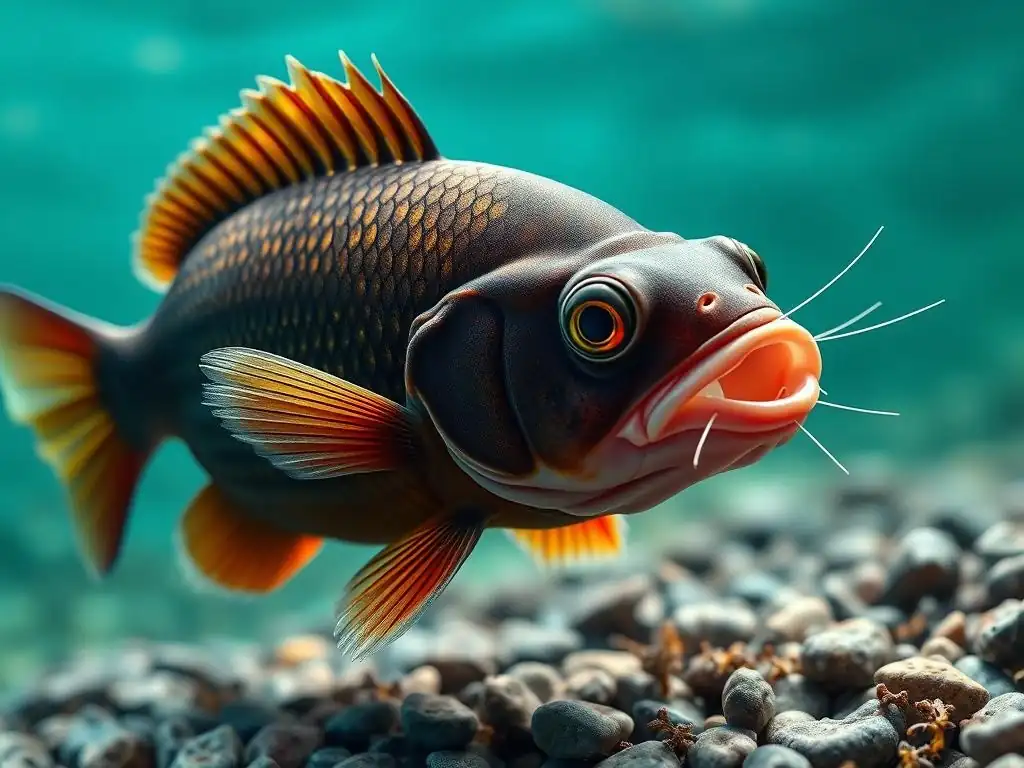
One of the most significant benefits of keeping Corydoras is their natural role as detritus removers. Their constant sifting and poking through the substrate prevent the compaction of organic waste, such as uneaten food and decaying plant matter. This continuous agitation aerates the top layers of the substrate, preventing the accumulation of detritus that can lead to the formation of dangerous anaerobic pockets. These pockets can produce toxic gases like hydrogen sulfide, which are harmful to fish and can stunt plant growth.
By actively disturbing the substrate, Corydoras ensure that detritus is exposed to oxygen and beneficial bacteria, facilitating its breakdown and removal from the system. This reduces the burden on the aquarium filter and helps maintain overall water quality. While they are not a substitute for regular substrate vacuuming, their diligent foraging significantly extends the time between deep cleans and contributes to a healthier, more stable environment, making them invaluable members of any aquarium clean-up crew and enhancing overall Corydoras catfish care.
Corydoras and Algae Control: Contributing to a Cleaner Tank
While Corydoras are not primarily algae eaters like Otocinclus or bristlenose plecos, they do contribute to algae control in a freshwater aquarium. As they forage for food, they will incidentally graze on soft algae, diatoms, and biofilm that develop on the substrate, decor, and plant leaves. This constant, gentle scraping helps keep surfaces cleaner, preventing the widespread proliferation of certain types of nuisance algae. Their dietary preferences lean towards protein-rich foods, but they will consume some plant matter, including soft algal growth.
More importantly, Corydoras indirectly help control algae by reducing the primary nutrient sources that fuel algae blooms. By consuming uneaten fish food and decaying organic matter, they prevent these materials from breaking down and releasing excess nitrates and phosphates into the water. High levels of these nutrients are major contributors to aggressive algae growth. Therefore, their role in maintaining lower nutrient levels in the water column is a crucial, often overlooked, aspect of their contribution to a cleaner, more balanced tank, complementing effective Corydoras catfish care.
Peaceful Tank Mates: Choosing Compatible Fish for a Community Tank
Corydoras are renowned for their exceptionally peaceful and docile temperament, making them ideal inhabitants for a wide array of community aquariums. They pose no threat to other fish and are rarely bothered themselves, provided their tank mates are not aggressive or large enough to view them as prey. Their calm demeanor and bottom-dwelling habits allow them to coexist harmoniously with fish occupying other levels of the water column.
Excellent tank mates for Corydoras include small to medium-sized peaceful species such as various Tetras (e.g., Neon Tetras, Cardinal Tetras, Ember Tetras), Rasboras (e.g., Harlequin Rasboras, Chili Rasboras), small Barbs (e.g., Cherry Barbs, Gold Barbs), Guppies, Mollies, Platies, and smaller dwarf cichlids like Ram Cichlids or Apistogramma species. It is crucial to avoid keeping Corydoras with known fin-nippers, overly boisterous fish, or large predatory species that could stress or injure them. Ensuring compatible tank mates is a fundamental aspect of comprehensive Corydoras catfish care for a thriving community tank.
Feeding Your Corydoras: Diet and Nutrition
What Do Corydoras Eat? Sinking Pellets, Wafers, and Live Foods
Corydoras catfish are omnivores with a strong preference for meaty foods, though they also consume some plant matter. Their primary diet should consist of high-quality sinking pellets or wafers specifically formulated for bottom-dwelling fish. These ensure the food reaches the substrate where Corydoras forage, preventing faster-swimming surface feeders from consuming it all. Brands like Hikari Sinking Wafers or Omega One Sinking Pellets are excellent choices, providing a balanced nutritional profile essential for their health.
Supplementing their staple diet with live or frozen foods is highly beneficial for optimal Corydoras catfish care. Popular choices include bloodworms, brine shrimp, daphnia, and tubifex worms. These protein-rich foods mimic their natural diet and significantly enhance their color, vitality, and breeding condition. Offering these supplements 2-3 times per week, perhaps in the evening after the main lights are off, ensures they receive a varied and nutritious diet, promoting robust health.
Avoiding Overfeeding: Preventing Water Quality Issues
While Corydoras are enthusiastic eaters, overfeeding is a common mistake that can rapidly degrade water quality. Uneaten food quickly decomposes, releasing harmful ammonia and nitrites, and contributing to elevated nitrate levels. These toxins stress fish, weaken their immune systems, and can lead to disease outbreaks. It is crucial to feed only what your Corydoras can consume within 5-10 minutes, typically once or twice a day, depending on the tank's stocking density.
To prevent overfeeding, observe your Corydoras closely during feeding times. If uneaten food remains on the substrate after 10 minutes, reduce the quantity at the next feeding. In community tanks where faster fish might compete for food, consider using a feeding dish or target feeding with a long pipette to ensure the food reaches the bottom where the Corydoras can access it. Proper feeding practices are a cornerstone of effective Corydoras catfish care, directly impacting water purity and fish health.
Supplementing Their Diet: Bloodworms, Brine Shrimp, and Vegetables
Beyond their staple sinking foods, a varied diet is key to long-term Corydoras health. Protein-rich supplements like frozen or live bloodworms are particularly beneficial. Bloodworms are high in iron and can significantly boost their coloration and overall vigor, especially for breeding conditioning. Frozen brine shrimp are another excellent option, being smaller and easily digestible, suitable for Corydoras of all sizes. These should be offered in moderation, perhaps 2-3 times per week, as a supplement rather than a primary food source.
While primarily carnivorous, Corydoras also benefit from occasional vegetable matter. Blanched slices of zucchini or cucumber, or spirulina wafers, can provide essential fiber and vitamins. If offering fresh vegetables, ensure they are blanched to soften them and weighted down to sink. Always remove any uneaten vegetable matter after a few hours to prevent it from fouling the water. This diverse dietary approach ensures comprehensive Corydoras catfish care, supporting their immune system and promoting natural behaviors.
Maintaining a Healthy Environment for Corydoras
Regular Water Changes: Maintaining Nitrate Levels
Regular partial water changes are the single most critical aspect of maintaining stable and healthy water parameters for Corydoras. A weekly water change of 25-30% is generally recommended for a well-stocked aquarium. This consistent practice effectively removes accumulated nitrates, phosphates, and other dissolved organic compounds that can stress fish and lead to disease. For instance, keeping nitrate levels below 20 ppm (parts per million) is ideal for most Corydoras species, as higher concentrations can suppress their immune system.
When performing water changes, use a gravel vacuum to gently siphon detritus from the substrate, being cautious not to disturb the Corydoras excessively or accidentally suck them up. Ensure that the replacement water is dechlorinated using a reputable water conditioner (e.g., Seachem Prime) and temperature-matched to the aquarium water to prevent shocking the fish. Consistency in this routine is paramount for long-term health and is a fundamental component of effective Corydoras catfish care tips.
Effective Filtration: Choosing the Right Filter for Corydoras
A robust and appropriately sized filtration system is essential for maintaining the pristine water quality that Corydoras require. Hang-on-back (HOB) filters and canister filters are excellent choices, providing comprehensive mechanical, biological, and often chemical filtration. For example, an AquaClear 50 HOB filter or a Fluval 207 canister filter would be suitable for a 20-30 gallon tank housing a school of Corydoras, ensuring efficient removal of particulate matter and conversion of harmful ammonia and nitrites.
While strong filtration is beneficial, extremely high water flow can be stressful for Corydoras, as they prefer calmer waters at the bottom. Choose a filter with adjustable flow settings or use a spray bar to diffuse the output, creating a gentler current. Regular filter maintenance, such as rinsing mechanical media in old tank water and replacing chemical media as needed, prevents filter clogs and ensures continuous, efficient nutrient removal. This contributes significantly to the overall well-being and successful Corydoras catfish care.
Recognizing and Treating Common Diseases: Ich, Fin Rot, and Fungal Infections
Corydoras, like all fish, can be susceptible to common aquarium diseases, often triggered by stress from poor water quality or sudden environmental changes. Ich (Ichthyophthirius multifiliis), also known as White Spot Disease, appears as small, salt-like white spots on the body and fins. Treatment typically involves gradually raising the tank temperature to 82-84°F (28-29°C) (if compatible with tank mates), adding aquarium salt (e.g., 1 tablespoon per 5 gallons, with caution as Corydoras are sensitive to high salt levels), and using an Ich medication like Seachem Paraguard or API Super Ick Cure as directed.
Fin rot, characterized by frayed, ragged, or deteriorating fins, is usually a bacterial infection often caused by poor water conditions or injury. Fungal infections appear as cotton-like growths on the body or fins. Both require immediate attention. The first step is to improve water quality through daily small water changes (10-20%) and thorough substrate cleaning. For bacterial infections like fin rot, a broad-spectrum antibiotic (e.g., API Melafix or Seachem KanaPlex) can be used. For fungal infections, specialized antifungal treatments are available. Early detection and prompt, appropriate treatment are crucial for successful Corydoras catfish care and recovery.
Breeding Corydoras: Encouraging Spawning in Captivity
Creating the Ideal Breeding Conditions: Temperature and Water Changes
To encourage Corydoras to spawn in captivity, aquarists often simulate their natural breeding triggers, which typically involve a "rainy season" effect. This is achieved by performing large, cool water changes, usually 50% or more, 2-3 times a week, using water that is 5-10°F (3-6°C) cooler than the aquarium water. This sudden drop in temperature combined with the influx of fresh, soft water mimics heavy rainfall in their natural habitat and can stimulate spawning activity within a few days.
Alongside temperature shifts, ensuring optimal water parameters is vital. While Corydoras are adaptable, slightly soft and acidic water (pH 6.0-7.0, GH 2-8 dGH) often encourages breeding. Conditioning the adult breeding group with a rich, high-protein diet for several weeks prior to attempting spawning is also crucial. Live or frozen foods such as bloodworms, brine shrimp, and daphnia provide the necessary nutrients to bring the fish into prime breeding condition. A well-fed, healthy group is significantly more likely to breed successfully, an advanced aspect of Corydoras catfish care tips.
Identifying Male and Female Corydoras: Physical Differences
Distinguishing between male and female Corydoras can be subtle but becomes more apparent when the fish are mature and well-conditioned for breeding. Female Corydoras are generally larger and noticeably rounder and wider in the body, especially when they are gravid (full of eggs). For instance, a mature female Bronze Corydoras can reach up to 3 inches (7.5 cm) and appear significantly plumper when viewed from above compared to a male of the same species. Their pectoral fins may also appear slightly longer and more pointed, though this is less definitive.
Males, conversely, are typically smaller, slimmer, and more streamlined than females. During breeding periods, their coloration might also appear slightly more vibrant as they attempt to attract females. Observing a group from above is often the easiest and most reliable method to identify the plumper, broader-bodied females from the more slender males, particularly when they have been conditioned with high-protein foods, a valuable insight for successful Corydoras catfish care and breeding.
Caring for Eggs and Fry: Feeding and Water Quality
Once Corydoras have spawned, they typically lay adhesive eggs on tank glass, broad plant leaves, or decor. To maximize survival rates, it's often advisable to move the eggs to a separate breeding tank or remove the adult fish, as adults may consume the eggs. The eggs usually hatch in about 3-5 days, depending on the water temperature. A mild antifungal agent, such as methylene blue, can be used sparingly in the breeding tank to prevent fungal growth on the eggs, which is a common issue.
Upon hatching, Corydoras fry are tiny and require microscopic food. Initially, infusoria, liquid fry food, or very finely crushed spirulina powder are suitable. After a few days, as they grow slightly, they can transition to newly hatched brine shrimp or micro-worms, which provide essential protein for rapid growth.
Maintaining pristine water quality in the fry tank is paramount; perform small, frequent water changes (10-20% daily) and use gentle filtration, such as a sponge filter, as fry are highly sensitive to even trace amounts of ammonia and nitrites. This dedicated fry care is crucial for successful Corydoras catfish care and raising healthy offspring.
Selecting the Right Corydoras for Your Aquarium
Considering Tank Size and Compatibility: Choosing the Right Species
When selecting Corydoras for your aquarium, the primary consideration should be your tank's size and the adult size of the Corydoras species you intend to keep. For example, a 10-gallon tank is suitable only for a small group (6-8 individuals) of Pygmy Corydoras (maximum 1 inch).
A 20-gallon long aquarium can comfortably house a group of Panda or Julii Corydoras (1.5-2 inches), while larger species like Emerald Corydoras (up to 3 inches) require 30 gallons or more to thrive in a group. Remember, Corydoras are schooling fish and require a minimum group of six to feel secure and display natural behaviors.
Beyond tank volume, consider the temperament and size of your existing tank inhabitants. While Corydoras are peaceful, highly aggressive or very large fish can intimidate or even prey upon them. Ensure the chosen Corydoras species is compatible with your current water parameters (temperature, pH, and hardness) to minimize stress. A careful match between your aquarium's capacity and the needs of your chosen Corydoras species is a foundational Corydoras catfish care tip.
Identifying Healthy Corydoras: Signs to Look For
When purchasing Corydoras, observing their health and behavior in the fish store is crucial for successful integration into your aquarium. Look for active, alert fish that are constantly foraging and exhibiting their characteristic bottom-dwelling behavior. Their bodies should appear full and well-rounded, not sunken or emaciated, which can indicate insufficient feeding or internal parasites. Fins should be intact, without any signs of fraying, tears, or white spots (Ich). Their barbels, essential for foraging, should be present and undamaged, indicating they have been kept on a suitable substrate.
Avoid fish that are listless, gasping at the surface, showing clamped fins, or exhibiting any visible lesions, fungal growths, or unusual discoloration. Healthy Corydoras will typically be schooling together, moving fluidly, and showing curiosity towards their surroundings. A healthy appearance and active, natural behavior are strong indicators of good care at the point of sale and suggest a higher likelihood of successful acclimation to your home aquarium, reflecting proper Corydoras catfish care.
Popular Corydoras Species: Suitability for Different Aquarium Setups
Several Corydoras species are widely available and well-suited for various aquarium setups. The Bronze Corydoras (Corydoras aeneus) and Peppered Corydoras (Corydoras paleatus) are excellent choices for beginners due to their hardiness, adaptability to a range of water conditions, and moderate size (around 2.5-3 inches). They are suitable for 20-gallon tanks and larger, and their albino variants share similar care requirements.
For those with smaller tanks or a preference for unique behaviors, Pygmy Corydoras (Corydoras pygmaeus) are perfect for nano tanks (10 gallons and up) due to their tiny size (under 1 inch) and tendency to swim in the mid-water column. Panda Corydoras (Corydoras panda) are prized for their distinctive markings and slightly cooler water preference, making them suitable for 15-20 gallon tanks. Each species offers unique aesthetics and behaviors, allowing aquarists to choose the best fit for their specific setup and level of Corydoras catfish care expertise.
Troubleshooting Common Corydoras Issues
Addressing Fin Rot: Causes, Symptoms, and Treatment
Fin rot in Corydoras is a common bacterial infection primarily caused by poor water quality, especially consistently high nitrate levels, or physical injury. Symptoms include frayed, ragged, or deteriorating fins, which may appear cloudy or have red, inflamed edges. The caudal (tail) fin is often the first to show signs. For instance, nitrate readings consistently above 40 ppm often correlate with an increased incidence of fin rot and other bacterial issues in sensitive fish like Corydoras.
The most crucial step in treating fin rot is to immediately improve water quality through daily 25-30% partial water changes. Thoroughly clean the substrate to remove any decaying organic matter, and ensure no uneaten food is left. In mild cases, improved water conditions alone may resolve the issue. For more advanced infections, a broad-spectrum antibiotic such as API Fin & Body Cure or a specialized fin rot medication (e.g., Maracyn 2) should be used, strictly following dosage instructions. Maintaining pristine water is key to preventing recurrence and is a vital Corydoras catfish care tip.
Dealing with Parasites: Identification and Treatment Options
Beyond Ich, Corydoras can occasionally suffer from other internal or external parasitic infections. Internal parasites might manifest as emaciation despite consistent eating, white stringy feces, or general lethargy. External parasites (other than Ich) are less common but can appear as small, visible worms or unusual lesions on the body. For example, camallanus worms can sometimes be seen protruding from the anus of infected fish, indicating a severe internal parasitic burden.
Treatment strategies vary depending on the type of parasite. For suspected internal parasites, medicated foods containing active ingredients like metronidazole or praziquantel (e.g., Seachem MetroPlex soaked into food) are often effective, as they target the parasite directly within the digestive system. For external parasites, specific anti-parasitic medications are available, but accurate identification is crucial for effective treatment. Always ensure that any medication chosen is safe for scaleless fish like Corydoras, as some treatments can be toxic to them. Quarantining new fish is the best preventative Corydoras catfish care tip against introducing parasites.
Understanding Corydoras Behavior: Recognizing Signs of Stress
Healthy Corydoras are typically active, constantly foraging at the bottom of the tank, and often schooling together, exhibiting their characteristic social behaviors. They may occasionally dart to the surface for a quick gulp of air (intestine breathing), which is a normal behavior. However, prolonged periods of hiding, listlessness, rapid gilling, staying at the surface for extended periods, or rubbing against objects are clear indicators of stress or illness.
Common stressors for Corydoras include poor water quality (high ammonia, nitrite, or nitrate levels), improper tank mates (aggressive or overly boisterous fish), insufficient group size (they need a school to feel secure), incorrect substrate (which can damage their barbels), or sudden environmental changes. Addressing the underlying stressor is the first and most crucial step in resolving behavioral issues. For instance, if a single Corydoras is observed hiding constantly, adding 5-7 more individuals of the same species can often alleviate its stress and encourage natural schooling behavior, demonstrating effective Corydoras catfish care.
Enhancing Your Aquarium with Corydoras
Corydoras: A Valuable Addition to a Balanced Ecosystem
Corydoras catfish are more than just aesthetically pleasing bottom dwellers; they contribute significantly to the ecological balance of a freshwater aquarium, making them a valuable addition to any thriving ecosystem. Their constant sifting of the substrate helps aerate it, preventing anaerobic conditions that can lead to harmful gas buildup and promoting healthy root growth for live plants. By diligently consuming uneaten food and detritus, they act as natural custodians, reducing the organic load on the system and supporting the efficiency of the biological filter in processing waste. This creates a more stable, cleaner, and resilient aquatic environment.
Beyond their practical cleaning duties, Corydoras add dynamic activity and visual interest to the lower levels of the tank. Their captivating schooling behavior, where they move in synchronized patterns across the substrate, is a joy to observe. Their peaceful nature allows them to coexist harmoniously with a wide range of other fish, making them ideal inhabitants for diverse community tanks. They exemplify how a well-chosen species can enhance both the aesthetics and the ecological health of an aquatic ecosystem, making dedicated Corydoras catfish care a truly rewarding endeavor.
Advanced Corydoras Care: Specialized Diets and Breeding Techniques
For advanced aquarists, optimizing Corydoras health and encouraging breeding often involves going beyond basic Corydoras catfish care tips. This includes refining their nutrition with specialized diets. Culturing live foods such as grindal worms, white worms, or even mosquito larvae can provide peak nutritional value, which is particularly beneficial for conditioning breeding pairs or accelerating the growth of fry. Some enthusiasts also experiment with homemade gel foods, precisely formulated to meet the specific micronutrient needs of different Corydoras species.
Advanced Corydoras keeping frequently extends to dedicated breeding projects, where specific water parameters and precise feeding regimens are employed to maximize spawning success. This might involve mimicking very soft, acidic water conditions for certain rarer species, or implementing specific temperature drops and feeding schedules. Understanding the subtle differences in behavior and care requirements among the hundreds of known Corydoras species (e.g., the cooler water needs of C. panda versus the warmer tolerance of C. aeneus) allows for truly specialized and successful keeping, pushing the boundaries of the hobby.
The Future of Corydoras Keeping: Conservation Efforts and New Species
As wild habitats face increasing pressures from deforestation, pollution, and climate change, responsible Corydoras keeping increasingly involves supporting sustainable practices. This includes prioritizing tank-bred fish over wild-caught specimens whenever possible, which reduces the impact on wild populations and ensures healthier, more adaptable fish for hobbyists. Awareness of the conservation status of certain species is also growing, with some rarer Corydoras species becoming increasingly reliant on captive breeding programs to prevent over-collection from their native Amazonian basins.
The world of Corydoras is dynamic and constantly expanding, with new species still being discovered and classified by ichthyologists. New "C-numbers" and "CW-numbers" are regularly assigned to unidentified species from various South American river systems, exciting enthusiasts and contributing to a deeper understanding of fish diversity. Engaging with this aspect of the hobby means staying informed about new species introductions, participating in discussions about their unique Corydoras catfish care requirements, and contributing to the vibrancy and future of this beloved genus in the aquarium hobby.
Frequently Asked Questions
What makes Corydoras catfish such valuable additions to a freshwater aquarium?
Corydoras are bottom-dwelling scavengers that help keep your tank clean by consuming uneaten food and algae. They are also peaceful and social, making them excellent tank mates for many community fish.
What are some essential water parameters to consider when caring for Corydoras?
Corydoras prefer slightly acidic to neutral water with a pH of 6.0-7.0. Maintaining a stable temperature between 72-78°F (22-26°C) is also crucial for their health and well-being.
What type of substrate is best for Corydoras, and why?
A smooth, fine substrate, such as sand, is ideal for Corydoras. This prevents damage to their sensitive barbels, which they use to forage for food.
How often should I feed my Corydoras, and what kind of food should I offer?
Feed Corydoras once or twice daily with sinking pellets or wafers specifically designed for bottom feeders. Supplement their diet with occasional live or frozen foods like bloodworms.
What are some common health issues that can affect Corydoras, and how can I prevent them?
Corydoras can be susceptible to bacterial infections and barbel damage. Maintaining excellent water quality through regular water changes and avoiding rough substrates is key to prevention.
Okay, here's a final reflection tailored for your article "Why Corydoras are the Unsung Heroes of Your Freshwater Aquarium," aiming to rank for the keyword "Corydoras catfish care tips," and following the structure you provided:
Final Reflection: Appreciating the Humble Corydoras
The information shared throughout this article underscores the crucial role Corydoras catfish play in maintaining a healthy and vibrant freshwater aquarium. Their diligent scavenging and peaceful nature make them invaluable members of any community tank, and understanding their specific needs is paramount to ensuring their well-being and, consequently, the overall health of the aquatic ecosystem they inhabit. Neglecting these often-overlooked creatures can have significant repercussions, highlighting the importance of responsible and informed fishkeeping.
The impact of responsible Corydoras care extends beyond the confines of a single aquarium. It reflects a broader commitment to ethical fishkeeping and a deeper appreciation for the interconnectedness of life within our aquatic environments. By providing optimal conditions and understanding their natural behaviors, we contribute to the preservation of these fascinating creatures and promote a more sustainable approach to the aquarium hobby. In the end, we will conserve only what we love; we will love only what we understand; and we will understand only what we are taught.
- Baba Dioum. This quote perfectly encapsulates the importance of education and understanding in fostering a genuine appreciation for Corydoras and their vital role.
Now, armed with these Corydoras catfish care tips, I encourage you to reflect on your own aquarium practices. Are you providing the optimal environment for these unsung heroes to thrive? Take the time to observe their behavior, understand their needs, and appreciate the subtle yet significant contributions they make to your aquatic world. By embracing responsible fishkeeping and sharing your knowledge with others, you can become an advocate for these wonderful creatures and help ensure their continued presence in our aquariums for years to come.
Unleash the Cory Power in Your Tank!
Thanks for diving into the wonderful world of Corydoras! We hope you now appreciate how these little scavengers contribute to a thriving aquarium ecosystem. Ready to put your newfound knowledge to work?
Here are a few things you can do right now:
- Carefully assess your current tank setup to see if it's Cory-friendly. Consider substrate, tank mates, and hiding places.
- Explore rare or unique Corydoras varieties to add a splash of personality to your aquarium. Who knows what hidden gems you might discover?
- Share this article with fellow aquarium enthusiasts and start a conversation about the best Corydoras care tips on your favorite aquarium forum.
What surprising Corydoras behavior have you witnessed in your own aquarium? Share your stories in the comments below!