
Bandit Corydoras (C. metae): Secrets to Keeping This Shy Charmer

Welcome to Aquarium Mastery!
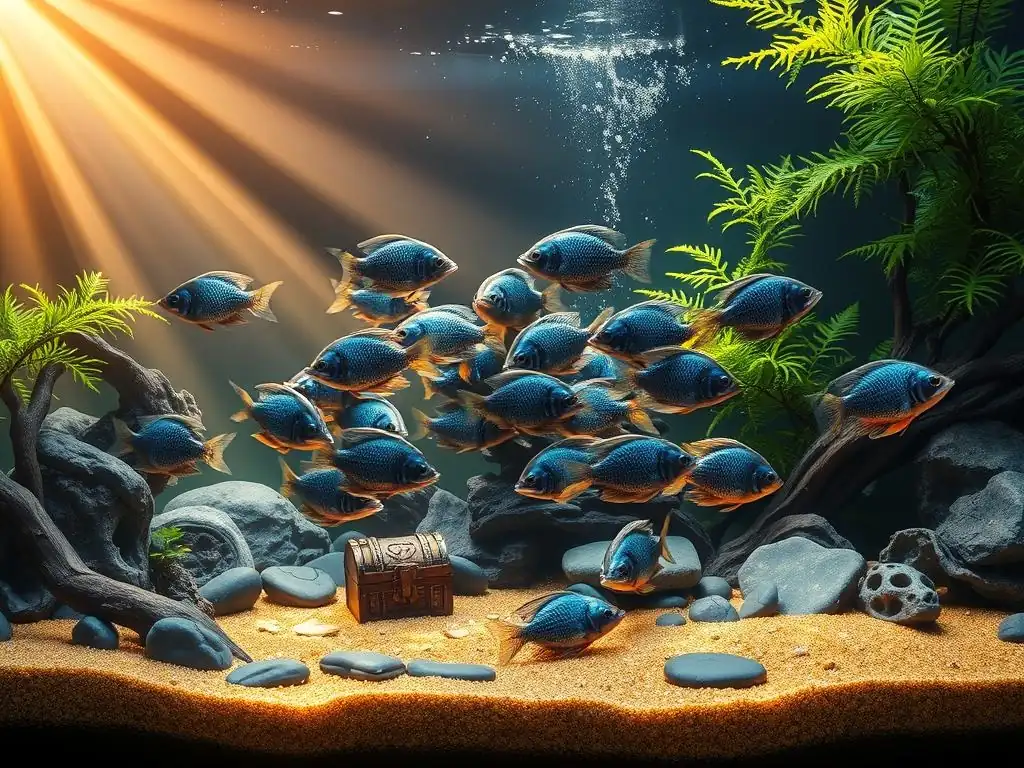
Intrigued by the Bandit Corydoras (C. metae)? These shy but charming bottom-dwellers can add a touch of elegance to your freshwater aquarium. Uncover the secrets to their successful care and unlock a thriving habitat for these fascinating fish. Dive in and discover essential Bandit Corydoras care tips to create the perfect environment for your finned friends! What are the key factors that influence their well-being? Read on to find out!
- Bandit Corydoras (Corydoras metae): A Comprehensive Care Guide
- Introduction to Bandit Corydoras
- Setting Up the Ideal Aquarium
- Feeding and Nutrition
- Behavior and Social Dynamics
- Breeding Bandit Corydoras
- Common Health Issues and Prevention
- Distinguishing Bandit Corydoras from Similar Species
- Purchasing and Acclimation
- Quick Care Reference Guide
- Frequently Asked Questions
- Final Reflection: Embracing the Subtle Beauty of the Understated
- Unleash the Hidden Beauty: Your Next Step with Bandit Corydoras!
Bandit Corydoras (Corydoras metae): A Comprehensive Care Guide
Introduction to Bandit Corydoras
Natural Habitat and Distribution
The Bandit Corydoras, scientifically known as Corydoras metae, originates from the Meta River basin in Colombia, South America. These charming bottom dwellers are typically found in slow-moving tributaries, floodplains, and shallow areas of rivers, where the water is calm and often shaded by dense vegetation. Their natural substrate consists primarily of fine sand or soft mud, which they meticulously sift through with their sensitive barbels in search of food. The water in these habitats is generally soft, slightly acidic to neutral, and warm, mimicking the conditions crucial for successful Bandit Corydoras care in an aquarium.
The Meta River region is characterized by lush tropical rainforests, contributing to the rich biodiversity of its aquatic ecosystems. The water parameters in their native environment typically range from temperatures of 72-79°F (22-26°C), a pH of 6.0-7.5, and a low to moderate hardness between 2-15 dGH. Replicating these specific conditions is a fundamental Bandit Corydoras care tip, as it significantly reduces stress and promotes the long-term health and well-being of these delicate fish in captivity.
Physical Characteristics and Identification
Bandit Corydoras are relatively small, typically reaching an adult size of about 2 inches (5 cm). Their most distinctive feature is the prominent black band, resembling a "mask," that runs horizontally across their eyes, giving them their common name. The rest of their body is usually a silvery-tan to light brown, often with a subtle iridescence, and a small, dark spot or band at the base of their caudal fin. Unlike many fish, Corydoras species possess bony plates, or scutes, along their flanks instead of scales, providing them with a degree of protection.
A key identification mark for Corydoras metae is also the striking orange or reddish-orange coloration on their dorsal fin, which can become particularly vibrant when the fish are healthy and comfortable. They possess a pair of sensitive barbels around their mouth, which are crucial for foraging in the substrate. Careful observation of these specific markings and their overall body shape is essential for proper identification, especially when distinguishing them from other similar-looking Corydoras species, which will be discussed later as part of comprehensive Bandit Corydoras care tips.
Benefits of Keeping Bandit Corydoras
Keeping Bandit Corydoras offers numerous advantages for both novice and experienced aquarists. Their peaceful and non-aggressive nature makes them ideal inhabitants for a wide range of community aquariums, contributing to a harmonious tank environment. Unlike some bottom dwellers that can be territorial, Bandit Corydoras are known for their gentle demeanor, rarely bothering other fish.
Beyond their peaceful disposition, these fish are also highly engaging to observe. They are constantly sifting through the substrate, a natural foraging behavior that not only is fascinating to watch but also helps aerate the substrate and consume uneaten food particles, contributing to tank cleanliness. Their schooling behavior, when kept in appropriate numbers, adds a dynamic and lively element to the aquarium, making them a delightful addition and a true highlight for any freshwater setup. Their relatively small size also means they don't require excessively large tanks, making optimal Bandit Corydoras care accessible to many hobbyists.
Setting Up the Ideal Aquarium
Tank Size and Substrate Recommendations
For a healthy and thriving group of Bandit Corydoras, a minimum tank size of 10 gallons is recommended for a small school of 6-8 individuals, though a 20-gallon long aquarium or larger is highly preferred. A longer tank footprint is more beneficial than a taller one, as these fish primarily inhabit the bottom of the aquarium and require ample floor space for foraging and schooling. Providing sufficient swimming area across the substrate is a critical Bandit Corydoras care tip, allowing them to exhibit their natural behaviors.
The choice of substrate is paramount for the well-being of Bandit Corydoras. They possess delicate barbels that can become damaged or infected if constantly abraded by sharp or coarse gravel. Therefore, a soft, fine substrate such as aquarium-specific sand or very fine, smooth gravel (with a grain size under 2mm) is absolutely essential. Examples include pool filter sand, play sand (ensure it's inert and thoroughly rinsed), or specialized Corydoras-safe sands like CaribSea Super Naturals. This soft substrate protects their barbels, allowing them to sift for food naturally without injury, a cornerstone of proper Bandit Corydoras care.
Optimal Water Parameters: Temperature, pH, and Hardness
Maintaining stable and appropriate water parameters is crucial for the health of Bandit Corydoras. The ideal temperature range for Corydoras metae is between 72-79°F (22-26°C). Fluctuations outside this range can cause stress and weaken their immune system, making them susceptible to disease. A reliable aquarium heater with a thermostat is indispensable to ensure consistent temperatures, which is a fundamental Bandit Corydoras care tip for their long-term well-being.
Regarding water chemistry, Bandit Corydoras thrive in soft to moderately hard water with a pH range of 6.0-7.5. While they are somewhat adaptable, sudden changes in pH or hardness can be detrimental. Aim for a general hardness (GH) between 2-15 dGH. Regular testing of your water parameters using a reliable test kit is vital to monitor and adjust conditions as needed. Consistent monitoring and small, gradual adjustments are far better than large, abrupt changes, as stability is often more critical than hitting exact numbers for successful Bandit Corydoras care.
Filtration, Water Changes, and Maintenance
Effective filtration is essential for maintaining pristine water quality, which is a cornerstone of Bandit Corydoras care. A good filter system, such as a sponge filter, a hang-on-back (HOB) filter with a pre-filter sponge, or a canister filter, is recommended. These filters provide biological and mechanical filtration, removing waste products and maintaining beneficial bacteria colonies. It's important to ensure that the filter outflow does not create excessive current, as Corydoras metae prefer calmer waters; baffles or spray bars can be used to diffuse strong flow.
Regular water changes are non-negotiable for keeping Bandit Corydoras healthy. A weekly water change of 20-30% of the tank volume is generally recommended to dilute nitrates and replenish essential minerals. When performing water changes, ensure the new water is dechlorinated and temperature-matched to the aquarium water to prevent shock. Additionally, gently vacuuming the substrate during water changes helps remove trapped detritus and uneaten food, preventing the buildup of harmful substances and contributing significantly to the overall success of Bandit Corydoras care.
Suitable Tank Mates for Bandit Corydoras
Choosing appropriate tank mates is a vital aspect of Bandit Corydoras care, as their shy and peaceful nature requires companions that will not intimidate or harm them. Ideal tank mates are small, non-aggressive, and prefer the middle or upper levels of the water column, leaving the bottom free for the Corydoras. Excellent choices include various species of Tetras (such as Neon Tetras, Cardinal Tetras, Ember Tetras, or Rummy-nose Tetras), small Rasboras (like Harlequin Rasboras or Chili Rasboras), peaceful small Barbs (such as Cherry Barbs), and Otocinclus catfish.
Avoid housing Bandit Corydoras with large, aggressive, or fin-nipping fish species. Cichlids known for aggression (e.g., many African Cichlids, larger South American Cichlids), large predatory fish, or overly boisterous species like Tiger Barbs (unless carefully monitored) are unsuitable. Even seemingly peaceful large fish could accidentally injure smaller Corydoras. Ensuring all inhabitants share similar water parameter requirements is also crucial for a harmonious community tank, making this a comprehensive Bandit Corydoras care tip for successful cohabitation.
Feeding and Nutrition
Recommended Diet for Bandit Corydoras
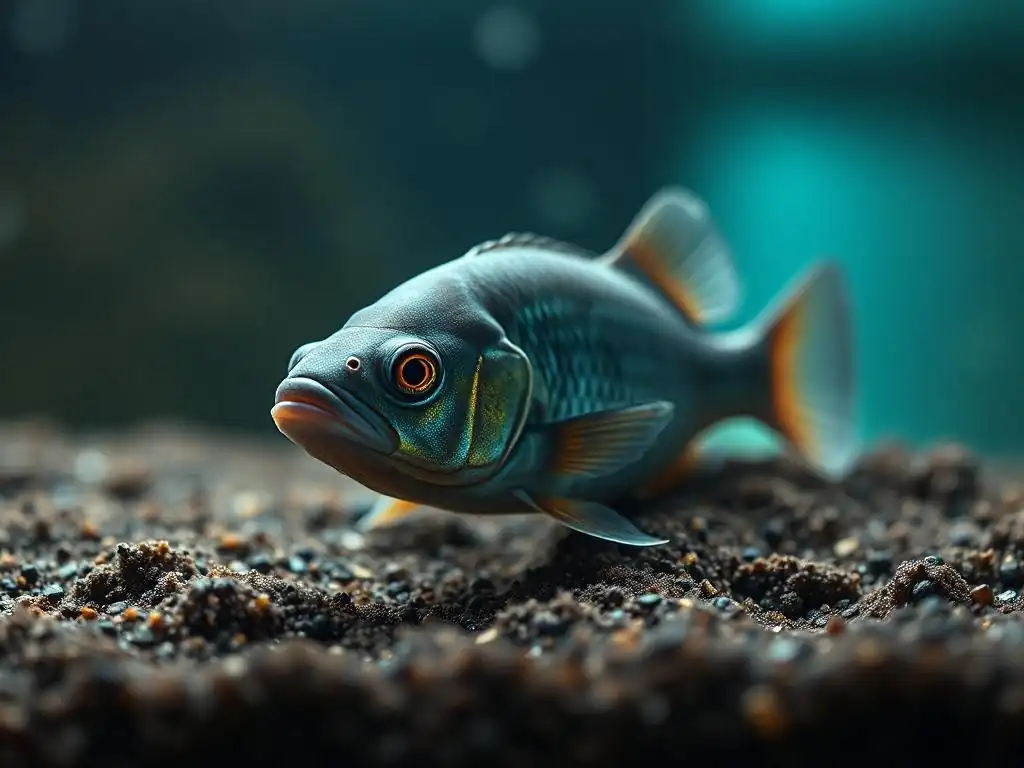
Bandit Corydoras are omnivorous bottom feeders, meaning their diet in the aquarium should be varied and nutritious, consisting of both plant and animal matter. High-quality sinking pellets or wafers specifically designed for bottom feeders should form the staple of their diet. These foods are formulated to provide balanced nutrition and sink quickly, ensuring they reach the Corydoras before being consumed by mid-water or surface dwellers. Look for products that list fish meal, spirulina, and various vitamins as primary ingredients.
Supplementing their dry food with live or frozen foods is crucial for optimal Bandit Corydoras care and promotes vibrant health. Excellent choices include bloodworms, brine shrimp, daphnia, and microworms. These protein-rich foods mimic their natural diet and provide essential nutrients for growth, coloration, and breeding readiness. Offering a variety of foods ensures they receive a complete nutritional profile, preventing deficiencies and keeping them active and robust.
Feeding Frequency and Portion Sizes
For adult Bandit Corydoras, feeding once or twice a day is generally sufficient. The key is to provide small portions that can be consumed within 2-3 minutes. Overfeeding is a common mistake that can lead to poor water quality and health issues for your fish. Since they are bottom dwellers, it's important to ensure that food actually reaches the substrate where they can access it, especially in a community tank where faster-moving fish might consume food before it sinks.
A good Bandit Corydoras care tip for ensuring all individuals get enough food is to feed after the main tank lights have been turned off for the night, or just before, as many other fish become less active, allowing the Corydoras to forage undisturbed. Observe your fish during feeding; if there's significant leftover food after a few minutes, reduce the portion size for the next feeding. Consistency in feeding times can also help establish a routine that reduces stress for your fish.
Avoiding Overfeeding and Food Competition
Overfeeding is a significant contributor to poor water quality, leading to elevated ammonia, nitrite, and nitrate levels, which are highly toxic to fish. Excess food decomposes, fueling bacterial growth and potentially leading to oxygen depletion. This can manifest as health issues like fin rot, bacterial infections, and overall stress in Bandit Corydoras. Therefore, careful portion control is a paramount Bandit Corydoras care tip.
In a community tank, food competition can be a challenge. Faster, more aggressive fish may consume most of the food before it reaches the bottom for the Bandit Corydoras. To mitigate this, consider spreading food across a wider area of the substrate or feeding at multiple points in the tank. As mentioned, feeding after lights out can also give the nocturnal or crepuscular Corydoras an advantage. Regularly observing your fish during feeding will help you determine if all individuals are receiving adequate nutrition.
Creating a Secure Environment for These Shy Fish
Bandit Corydoras are inherently shy and can be easily stressed by bright lights, sudden movements, or a lack of secure hiding spots. To ensure their comfort and encourage natural behavior, incorporate plenty of cover and visual breaks within the aquarium. This includes dense plantings of live plants such as Java Fern, Anubias, Cryptocorynes, or Amazon Swords, which provide both shade and hiding places. Driftwood, smooth rocks, and small caves (e.g., ceramic caves, coconut shells) also offer excellent retreats.
Dimming the aquarium lights or using floating plants to diffuse light can significantly reduce stress, as Corydoras metae prefer subdued lighting conditions. A well-structured environment with ample nooks and crannies allows them to feel safe and secure, encouraging them to be more active and exhibit their charming foraging behaviors. Providing these elements is a key Bandit Corydoras care tip for fostering a thriving and confident school.
The Importance of Schooling Behavior
Bandit Corydoras are highly social fish and absolutely thrive when kept in groups. A minimum group size of six individuals is strongly recommended to observe their natural schooling behavior and reduce stress. Keeping fewer than six can lead to shy, withdrawn, and stressed fish that may refuse to eat or even succumb to illness more easily. In larger groups (eight or more), they exhibit more confident and active behaviors, foraging together and displaying their characteristic synchronized movements.
The benefits of schooling extend beyond mere aesthetics; it provides a sense of security for the individual fish. In a group, they feel safer from perceived threats, which reduces their overall stress levels and strengthens their immune systems. Observing a tight-knit school of Bandit Corydoras is one of the most rewarding aspects of their care, showcasing their natural social dynamics and contributing to their long-term health and vitality. This collective well-being is a critical Bandit Corydoras care tip often overlooked by beginners.
Recognizing Signs of Health and Stress
Regularly observing your Bandit Corydoras is crucial for early detection of health issues or stress, allowing for prompt intervention. Healthy Bandit Corydoras are active bottom dwellers, constantly sifting through the substrate with their barbels, and displaying vibrant, consistent coloration. Their fins should be erect and undamaged, and their barbels should be intact and free from erosion. They should exhibit regular breathing patterns and clear eyes.
Signs of stress or illness in Bandit Corydoras include lethargy, spending unusual amounts of time motionless at the surface or hidden, clamped fins, rapid or labored breathing, fading or patchy coloration, visible spots, lesions, or growths on their body. Frayed or damaged barbels often indicate an unsuitable substrate or poor water quality. Any deviation from their normal behavior or appearance warrants immediate investigation into water parameters, tank conditions, and potential disease, making vigilant observation an essential Bandit Corydoras care tip.
Breeding Bandit Corydoras
Setting Up a Dedicated Breeding Tank
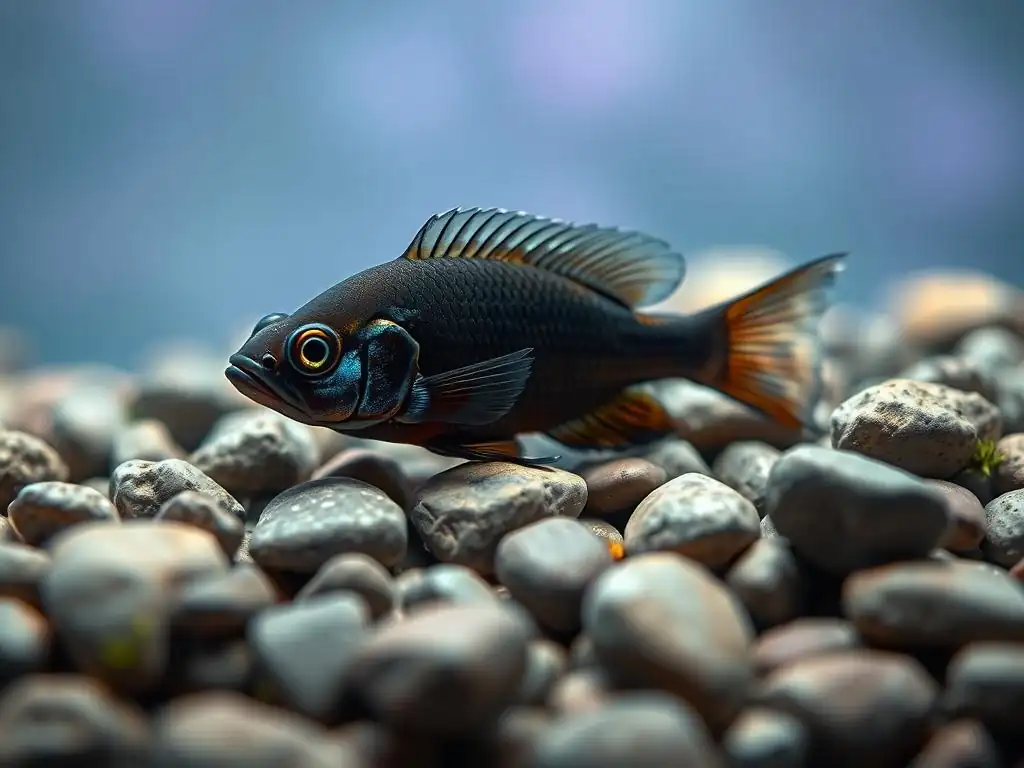
For those interested in breeding Bandit Corydoras, setting up a dedicated breeding tank significantly increases success rates. A 10-gallon tank is often sufficient for a breeding trio (two males and one female) or a small group. The breeding tank should be simple, with a bare bottom or a very thin layer of sand for easy cleaning. Essential equipment includes a gentle sponge filter for biological filtration and aeration, and a heater to maintain stable temperatures.
Spawning mops, fine-leaved plants like Java Moss, or even a piece of PVC pipe can provide surfaces for the fish to deposit their eggs. Some breeders also use Indian almond leaves to condition the water, creating a more natural, slightly acidic environment. Ensuring the breeding tank is clean and well-maintained is paramount, as pristine water conditions are a key factor in encouraging spawning and ensuring the health of both the parents and future fry, making it a vital Bandit Corydoras care tip for reproduction.
Inducing Spawning: Water Chemistry and Environmental Factors
Inducing Bandit Corydoras to spawn often involves simulating the conditions of their natural rainy season. One of the most effective methods is performing large, cool water changes. For instance, a 50% water change with water that is 2-5°F (1-3°C) cooler than the tank water, performed daily or every other day, can trigger spawning. This simulates the influx of cooler rainwater into their natural habitat.
Alongside cool water changes, increasing the frequency of high-protein live or frozen food feedings, such as bloodworms or brine shrimp, helps condition the fish for breeding. Ensuring excellent aeration with an air stone is also beneficial, as increased oxygen levels are often associated with breeding activity. A slightly lower pH (around 6.5-7.0) and softer water (2-8 dGH) can also be conducive to spawning. Consistency in these environmental cues is a crucial Bandit Corydoras care tip for successful breeding.
Raising Eggs and Fry Successfully
Once Bandit Corydoras have spawned, they will typically deposit adhesive eggs on tank glass, plants, or spawning mops. The eggs are usually translucent to milky white. It's often recommended to remove the adult fish after spawning, as they may consume the eggs. Alternatively, the eggs can be carefully rolled off surfaces with a finger and moved to a separate container with tank water. Adding a few drops of methylene blue or a piece of Indian almond leaf to the egg container can help prevent fungal growth.
The eggs typically hatch within 3-5 days, depending on temperature. Upon hatching, the fry are tiny and have a visible yolk sac, which they will absorb over the next 2-3 days. Once the yolk sac is absorbed, the fry need microscopic food. Initial foods include infusoria, liquid fry food, or microworms. After about a week, they can graduate to newly hatched baby brine shrimp. Maintaining impeccable water quality with small, frequent water changes (e.g., 10% daily) is critical for fry survival, making diligent water management an indispensable Bandit Corydoras care tip during this delicate stage.
Common Health Issues and Prevention
Identifying and Treating Common Diseases
Like all freshwater fish, Bandit Corydoras can be susceptible to various health issues, often stemming from poor water quality, improper diet, or stress. Common diseases include fin rot, characterized by frayed or deteriorating fins, often caused by bacterial infections. Ich (white spot disease), identifiable by small white spots resembling salt grains on the body and fins, is a common parasitic infection. Other bacterial infections can manifest as lethargy, clamped fins, or red streaks.
Barbel erosion is a specific concern for Corydoras and is almost always caused by an unsuitable, rough substrate or consistently poor water quality leading to bacterial infections. If identified early, many conditions can be treated with over-the-counter aquarium medications, but improving water quality and tank conditions is always the first and most critical step. Understanding these common ailments and their symptoms is a vital Bandit Corydoras care tip for prompt and effective intervention.
Preventative Measures: Quarantine and Water Quality
Prevention is always better than cure when it comes to fish health. A cornerstone of effective Bandit Corydoras care is maintaining excellent and stable water quality. This means performing regular water changes (20-30% weekly), properly cleaning the substrate, and ensuring your filtration system is adequate and well-maintained. Consistent monitoring of water parameters (ammonia, nitrite, nitrate, pH, temperature) with a reliable test kit allows you to address issues before they become critical.
Another crucial preventative measure is quarantining all new fish before introducing them to your main aquarium. A separate 10-gallon quarantine tank, kept bare with just a heater and sponge filter, is ideal for a 2-4 week observation period. During this time, you can monitor new arrivals for signs of disease, treat any issues that arise, and ensure they are eating well before they can potentially expose your established fish to pathogens. This simple step can save your entire tank from devastating outbreaks, making it a top Bandit Corydoras care tip.
Addressing Parasitic and Bacterial Infections
Upon identifying a parasitic or bacterial infection, prompt and appropriate action is necessary. For parasitic infections like Ich, increasing the water temperature slightly (to 82-84°F or 28-29°C, if tank mates can tolerate it) can accelerate the parasite's life cycle, making it more vulnerable to treatment. Medications containing malachite green or formalin are often effective. For bacterial infections, broad-spectrum antibiotics designed for aquarium use, such as those containing erythromycin or nitrofurazone, may be required.
Always follow the manufacturer's instructions carefully when using medications, and consider removing carbon filtration during treatment, as it can absorb the medication. After treatment, perform several large water changes and add fresh activated carbon to remove medication residues. Addressing the underlying cause of the infection—be it poor water quality, stress, or an unsuitable environment—is as important as the medication itself. A holistic approach to Bandit Corydoras care ensures long-term health and resilience against disease.
Distinguishing Bandit Corydoras from Similar Species
Comparison with Other Corydoras Species
The Corydoras genus is vast, with many species sharing similar body shapes and color patterns, making identification challenging for beginners. The Bandit Corydoras ( C. metae) is often confused with species like Corydoras melini (False Bandit Corydoras), Corydoras arcuatus (Skunk Corydoras), and Corydoras davidsandsi. While all these species feature a dark stripe along their body, the specific characteristics of C. metae allow for clear distinction.
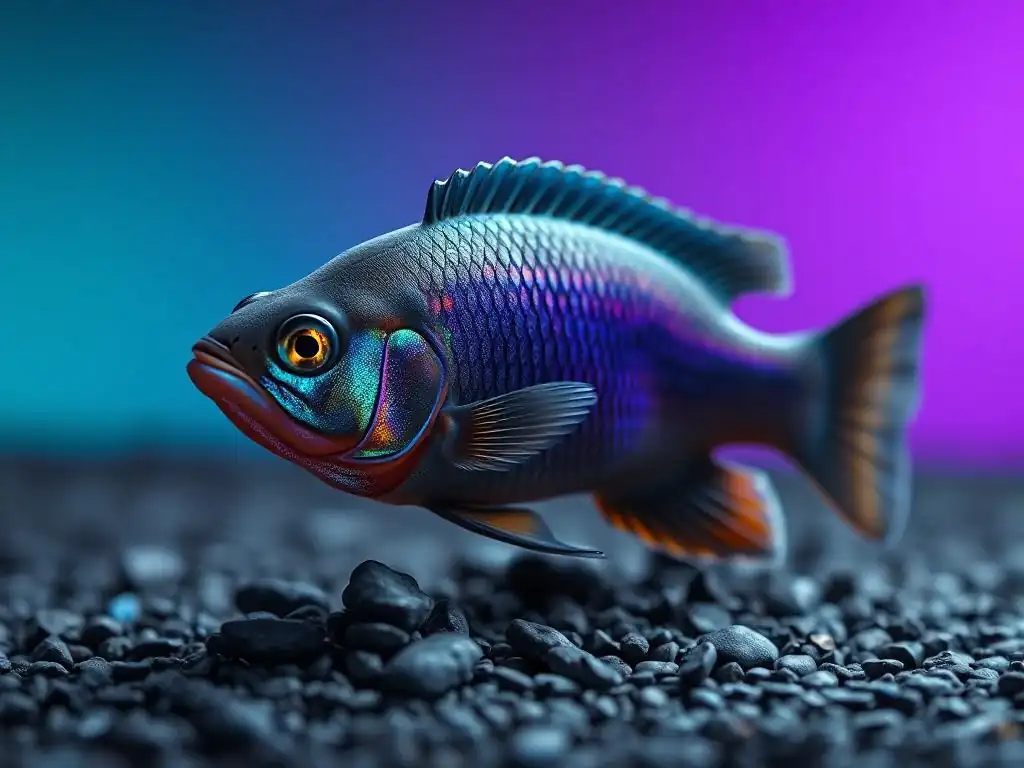
C. metae is uniquely identified by its prominent black "mask" that covers the eyes, combined with an orange or reddish-orange dorsal fin. C. melini also has a black band over its eyes but typically lacks the distinct orange dorsal fin, and its body stripe is often less defined. C. arcuatus has a distinct, thin arched stripe running from its snout along its back to the caudal fin, and generally lacks the pronounced eye mask of C. metae.
C. davidsandsi has a thicker, more irregular dark band and often a yellowish hue, without the striking orange dorsal. Paying close attention to these subtle but consistent differences is a valuable Bandit Corydoras care tip for accurate species identification.
Selecting the Right Corydoras for Your Aquarium
When choosing Corydoras for your aquarium, it's important not only to identify the species correctly but also to consider its specific needs in relation to your tank setup and other inhabitants. While many Corydoras species share similar basic care requirements, there can be subtle differences in preferred temperature, pH, or maximum size. For example, some species like C. panda prefer slightly cooler temperatures than C. metae.
Researching the specific needs of any Corydoras species before purchase is crucial. Ensure that the water parameters in your tank align with the species' preferences, and that potential tank mates are compatible in terms of size, temperament, and environmental needs. If you plan to keep a mixed group of Corydoras, choose species that thrive under very similar conditions to avoid stressing any individual. This thoughtful approach to selection is a key component of successful Bandit Corydoras care and overall aquarium health.
Purchasing and Acclimation
Selecting Healthy Bandit Corydoras
When purchasing Bandit Corydoras, careful selection is paramount to ensure you bring home healthy specimens. Observe the fish in the store tank for several minutes before making a decision. Look for active fish that are foraging or schooling confidently. Their bodies should appear full and well-rounded, not pinched or emaciated. Their fins should be intact and free from tears or clamping, and their barbels should be long and undamaged.
Avoid fish that are lethargic, hiding excessively, or exhibiting unusual swimming patterns. Also, check for any visible signs of disease, such as white spots (Ich), fuzzy patches (fungus), red sores, or frayed fins. Ensure the water in the display tank is clean and clear. Purchasing from a reputable local fish store or a trusted online vendor with good reviews is a crucial Bandit Corydoras care tip that can significantly reduce the risk of bringing sick fish into your home aquarium.
Acclimation Procedures for New Arrivals
Proper acclimation is critical for minimizing stress and preventing shock when introducing new Bandit Corydoras to your aquarium. The goal is to gradually equalize the temperature and water chemistry between the transport bag and your tank. The drip acclimation method is highly recommended for Corydoras due to their sensitivity to water parameter changes.
To perform drip acclimation:
- Float the sealed bag in your aquarium for 15-20 minutes to equalize temperature.
- Open the bag and roll down the edges to create an air pocket, or transfer the fish and bag water into a clean bucket or container.
- Using airline tubing, start a slow siphon from your aquarium into the container with the new fish, tying a knot in the tubing to control the drip rate (e.g., 2-3 drops per second).
- Allow the water to drip for at least 30-60 minutes, or until the volume of water in the container has at least doubled.
- Carefully net the fish and transfer them to your aquarium, discarding the water from the container (do not add it to your tank).
- Dim the aquarium lights for a few hours after introduction to further reduce stress. This methodical approach is a fundamental Bandit Corydoras care tip for successful integration.
Quick Care Reference Guide
Essential Tips for Keeping Bandit Corydoras
- Group Size: Always keep Bandit Corydoras in groups of at least six individuals to promote their natural schooling behavior and reduce stress.
- Substrate: Utilize a soft, fine substrate like sand or very fine, smooth gravel to protect their delicate barbels.
- Water Parameters: Maintain stable water temperatures between 72-79°F (22-26°C), pH 6.0-7.5, and hardness 2-15 dGH. Consistency is key.
- Diet: Offer a varied diet of high-quality sinking pellets/wafers, supplemented with live or frozen foods like bloodworms and brine shrimp.
- Hiding Spots: Provide ample hiding places with live plants, driftwood, and smooth rocks to create a secure environment for these shy fish.
- Tank Mates: Choose peaceful, non-aggressive tank mates that inhabit the middle or upper water column.
- Water Quality: Perform regular weekly water changes (20-30%) and ensure efficient, gentle filtration to keep water pristine.
- Observation: Regularly observe your fish for any signs of stress or illness, and act promptly if issues arise.
- Quarantine: Always quarantine new fish for 2-4 weeks before adding them to your main display tank.
Maintaining a Healthy and Flourishing Aquarium
Maintaining a healthy and flourishing aquarium for your Bandit Corydoras is a continuous process that relies on consistency and vigilance. Beyond the specific Bandit Corydoras care tips outlined, general good aquarium husbandry practices are paramount. This includes routine water parameter testing, ensuring your heater and filter are functioning correctly, and cleaning equipment as needed. Proactive maintenance prevents most common problems before they escalate.
A well-planned tank setup that accounts for their natural behaviors and needs, combined with a balanced diet and a stress-free environment, will allow your Bandit Corydoras to thrive and display their full range of fascinating behaviors. Their active foraging and schooling add a unique charm to any freshwater setup, making them a truly rewarding species for dedicated aquarists. By adhering to these comprehensive Bandit Corydoras care tips, you can ensure a long and healthy life for these delightful bottom dwellers.
Frequently Asked Questions
What are the key requirements for Bandit Corydoras water parameters?
Bandit Corydoras thrive in soft, slightly acidic water. Aim for a pH of 6.0-7.0 and a water hardness below 10 dGH. Regular water changes are crucial for maintaining stable parameters.
What is the ideal tank size for a group of Bandit Corydoras?
A group of at least six Bandit Corydoras requires a minimum tank size of 20 gallons. This provides ample space for them to forage and exhibit their natural shoaling behavior. More space is always better.
What type of substrate is best suited for Bandit Corydoras?
A soft, sandy substrate is ideal for Bandit Corydoras as it allows them to sift through the substrate without damaging their delicate barbels. Avoid sharp gravel which can cause barbel erosion and infections.
What should I feed my Bandit Corydoras?
Offer a varied diet of sinking pellets, wafers, and frozen foods such as bloodworms and brine shrimp. Ensure food reaches the bottom of the tank as they are bottom feeders.
Are Bandit Corydoras compatible with other fish species?
Bandit Corydoras are peaceful and compatible with other peaceful community fish. Avoid aggressive or overly boisterous tank mates that may outcompete them for food or stress them.
Final Reflection: Embracing the Subtle Beauty of the Understated
The journey into understanding Bandit Corydoras care reveals more than just the technicalities of aquarium keeping; it underscores the importance of patience and observation in appreciating the subtle beauty often overlooked. These shy charmers, with their understated elegance, remind us that true reward often lies in the details, in the quiet moments of connection we forge with the natural world, even within the confines of our own homes.
This exploration has profoundly influenced my perspective on aquarium keeping, shifting the focus from mere ownership to a deeper understanding of the delicate ecosystems we create. The dedication required to provide optimal Bandit Corydoras care highlights the responsibility we bear as stewards of these creatures, urging us to move beyond superficial aesthetics and embrace the complexities of their needs. In the end, we will conserve only what we love; we will love only what we understand; and we will understand only what we are taught.
- Baba Dioum. This quote perfectly encapsulates the essence of responsible aquarium keeping and the profound connection we can develop with our aquatic companions.
Now, I invite you to reflect on your own interactions with the natural world. Consider the seemingly insignificant creatures that often go unnoticed. How can you apply the principles of patience, observation, and dedicated care, learned from the Bandit Corydoras, to foster a deeper appreciation and understanding of the world around you? Let us all strive to be more mindful stewards, embracing the subtle beauty and inherent value of every living being, both within and beyond the glass walls of our aquariums.
Thanks for diving into the fascinating world of Bandit Corydoras! We hope you've gained valuable insights into caring for these charming little fish. Now, let's turn that knowledge into action and create the perfect habitat for them.
Here's how you can take your Bandit Corydoras journey to the next level:
- Start Building Their Dream Home: Evaluate your current tank or research a suitable aquarium (minimum 20 gallons) to provide ample space for a thriving school of Bandit Corydoras. Consider substrate, plants and hiding spots that will make them feel safe and at home.
- Share Your Wisdom: Spread the word about the joys of keeping Bandit Corydoras by sharing this article with fellow aquarium enthusiasts.
- Observe and Learn: Commit to spending at least 15 minutes each day observing your Corydoras' behavior. You'll be amazed by what you discover!
Ready to create a truly captivating underwater world for your Bandit Corydoras? What specific element of their ideal habitat will you focus on first?