
Fin Rot in Guppies: Causes, Symptoms, and Effective Cures

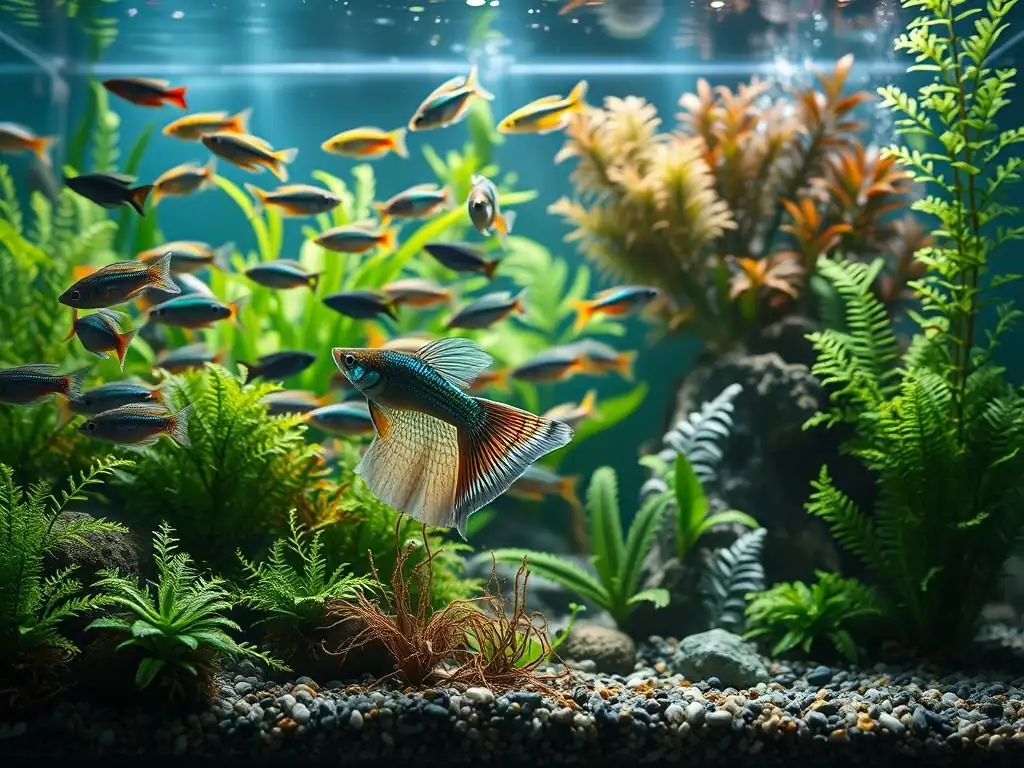
Welcome to Aquarium Mastery!
Ever noticed your guppy's vibrant fins looking a little... ragged? You're not alone! Fin rot is a common concern for guppy owners, and understanding it is crucial for keeping your fish happy and healthy. This guide dives deep into guppy fin rot treatment, exploring the causes, identifying the telltale symptoms, and outlining effective cures. Ready to restore your guppy's radiant fins? Let's dive in and uncover the secrets to a thriving aquarium!
- Guppy Fin Rot: A Comprehensive Guide
- Understanding Fin Rot
- Causes of Fin Rot
- Diagnosing Fin Rot
- Fin Rot Treatment
- Preventing Fin Rot
- Post-Treatment Care
- Common Mistakes to Avoid
- Advanced Fin Rot
- Summary of Key Takeaways
- Frequently Asked Questions
- Final Reflection: Restoring Hope, One Fin at a Time
- Unleash a Vibrant Life for Your Guppies!
Guppy Fin Rot: A Comprehensive Guide
Understanding Fin Rot
What is Fin Rot?
Fin rot is a common bacterial infection that affects the fins of freshwater and saltwater fish, including guppies. It is typically caused by opportunistic bacteria such as Aeromonas, Pseudomonas, or Flexibacter columnaris, which are naturally present in aquarium water but only become problematic when a fish's immune system is compromised or water quality deteriorates. The infection begins at the edges of the fins and progresses inward, causing the fin tissue to erode and fray.
For guppies, with their often elaborate and delicate finnage, fin rot can be particularly devastating. The disease starts as a milky or cloudy discoloration at the fin tips, gradually advancing to a ragged, frayed appearance. If left untreated, the infection can completely destroy the fins, eventually reaching the body of the fish and leading to more severe systemic infections, often resulting in death.
Recognizing Early Signs
Early detection of fin rot is crucial for effective guppy fin rot treatment. Initial signs can be subtle, appearing as a slight cloudiness or milky white edge along the tips of the fins, particularly the caudal (tail) fin. You might notice the very edge of the fin appearing slightly frayed or torn, almost as if it has been chewed. The vibrant colors of the fin tips may also begin to dull or fade.
Behavioral changes in your guppies can also signal the onset of fin rot. Affected fish may become lethargic, spend more time hiding, or exhibit clamped fins, where the fins are held close to the body rather than spread open. They might also rub their bodies against tank decorations or the substrate in an attempt to alleviate irritation. Catching these signs within the first few days of onset significantly improves the chances of a full recovery for your guppy.
Fin Rot vs. Fin Melt
While often confused, fin rot and fin melt are distinct conditions, though fin melt can be considered a severe, rapid form of fin rot. Fin rot, as described, is a progressive bacterial erosion of the fin edges, typically leading to a frayed or ragged appearance over days to a week. The tissue slowly deteriorates, and the damage is usually confined to the fins themselves initially.
Fin melt, on the other hand, is a much more aggressive and rapid form of tissue necrosis. It causes the fins to appear as if they are "melting" away very quickly, often within hours or a day. This rapid deterioration is frequently accompanied by a white, slimy, or cottony growth, indicating a severe bacterial infection, often Flexibacter columnaris, which can also have fungal characteristics. Fin melt demands immediate and aggressive guppy fin rot treatment, as it progresses much faster and is more likely to spread to the body of the fish, causing systemic issues and higher mortality rates.
Causes of Fin Rot
Poor Water Quality
Poor water quality is by far the most common underlying cause of fin rot in guppies and other aquarium fish. High levels of ammonia, nitrite, and nitrate stress fish and create an environment where harmful bacteria can proliferate. Ammonia and nitrite, both highly toxic, should always be at 0 parts per million (ppm) in a healthy, cycled aquarium. While nitrates are less toxic, levels consistently above 20 ppm can still compromise a guppy's immune system over time, making them susceptible to opportunistic infections like fin rot.
Infrequent water changes and inadequate filtration lead to the accumulation of these harmful compounds. For instance, in a moderately stocked 10-gallon guppy tank, neglecting weekly 25% water changes for even two weeks can cause nitrate levels to double or triple, creating a breeding ground for pathogenic bacteria. The constant exposure to poor water conditions acts as a chronic stressor, weakening the guppy's natural defenses against diseases, thus paving the way for fin rot to take hold.
Stress Factors
Beyond poor water quality, various other stressors can weaken a guppy's immune system, leaving it vulnerable to fin rot. Sudden and significant fluctuations in water temperature, for example, a drop or rise of more than 3-4°F within a few hours, can put immense physiological strain on guppies. Similarly, an improper diet lacking essential nutrients, or a diet solely consisting of low-quality flake food, can lead to nutritional deficiencies that impair immune function.
Aggressive tank mates are another significant stressor. Fin nipping from species like Tiger Barbs or even overly zealous male guppies can cause physical damage to fins, which then become open wounds susceptible to bacterial infection. Overstocking a tank, even with peaceful guppies, leads to increased competition for food and space, elevated waste production, and chronic stress, all contributing factors to fin rot outbreaks.
Injury and Secondary Infections
Fin rot is frequently a secondary infection, meaning it develops as a result of a pre-existing injury or weakened state. Any physical damage to a guppy's fins provides an easy entry point for the opportunistic bacteria that cause fin rot. Common injuries include fin nipping by aggressive tank mates, scrapes from sharp or rough tank decorations (such as unpolished rocks or artificial plants with sharp edges), or even mishandling during netting or tank maintenance.
Once the fin tissue is compromised, the naturally occurring bacteria in the aquarium water can quickly colonize the wound. For instance, if a guppy's delicate caudal fin is snagged on a sharp plastic plant, the resulting tear is an open invitation for Aeromonas bacteria to establish an infection. This highlights the importance of not only treating the active fin rot but also identifying and eliminating the source of the initial injury to prevent recurrence.
Overcrowding
Overcrowding in an aquarium is a significant contributor to fin rot due to its multifaceted negative effects on guppy health and water quality. When too many guppies are housed in a confined space, several problems arise simultaneously. Firstly, the biological load on the filtration system increases dramatically, leading to a rapid accumulation of ammonia, nitrite, and nitrate, even with regular water changes. This constant exposure to elevated waste products severely compromises the guppies' immune systems.
Secondly, overcrowding leads to increased stress and aggression among the fish. While guppies are generally peaceful, confined spaces can heighten territorial disputes and fin nipping, creating the very injuries that bacteria exploit. For example, a 10-gallon tank might comfortably house 5-7 adult guppies if meticulously maintained, but adding even a few more can quickly lead to chronic stress, poor water quality, and an inevitable outbreak of fin rot, as the environment becomes saturated with waste and tension.
Diagnosing Fin Rot
Visual Inspection
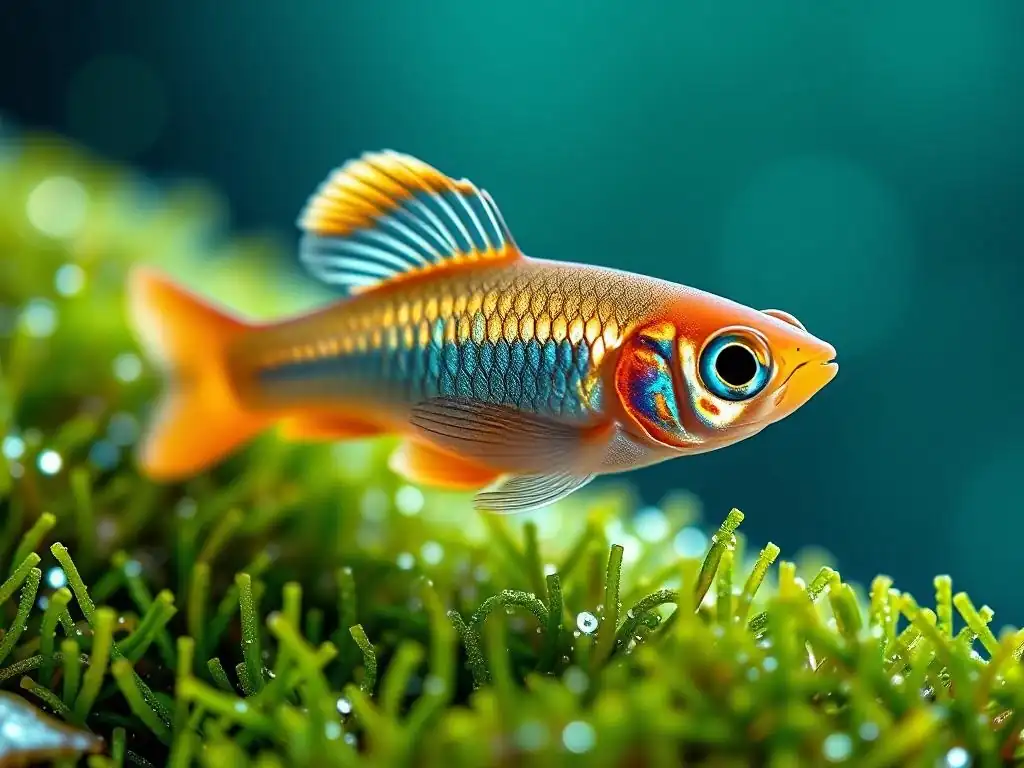
Diagnosing fin rot primarily relies on careful visual inspection of your guppies. Begin by observing their fins closely for any signs of fraying, ragged edges, or a "melted" appearance. The tips of the fins might appear cloudy, milky white, or even reddish and inflamed, indicating active bacterial infection. In some cases, the fins may develop black edges, which can be a sign of tissue necrosis, or a dark red streak near the body, indicating infection spreading.
Beyond the fins themselves, pay attention to the guppy's overall demeanor and body condition. Affected guppies might appear lethargic, spend more time at the bottom or surface of the tank, or isolate themselves from the group. Their fins might be clamped tightly against their bodies, rather than fanned out. Using a flashlight can help illuminate subtle changes in fin texture and color, especially on transparent or lightly colored fins, making it easier to confirm the presence of fin rot.
Ruling Out Other Diseases
Accurate diagnosis is paramount for effective guppy fin rot treatment, as other conditions can mimic some of its symptoms. It's crucial to differentiate fin rot from physical damage, which typically presents as a clean tear or rip in the fin, often without the progressive erosion or cloudy appearance characteristic of bacterial infection. Unless the physical damage becomes secondarily infected, it will usually heal without specific medication, given pristine water conditions.
Another common misdiagnosis is confusing fin rot with fungal infections. While fin rot is primarily bacterial, severe cases can develop secondary fungal growths. True fungal infections, however, often appear as distinct, cotton-like growths that can attach to the fins or body, rather than the uniform erosion seen in fin rot. Similarly, some parasitic infections can cause fin irritation and clamping, but not the actual deterioration of fin tissue. If you suspect a different disease, research its specific symptoms to ensure you apply the correct guppy fin rot treatment.
When to Seek Professional Help
While many cases of guppy fin rot can be successfully treated at home with diligent care, there are instances when seeking professional help from an aquatic veterinarian or experienced aquarist is advisable. If symptoms worsen rapidly despite consistent treatment, or if the infection spreads to the guppy's body, indicating a systemic issue, professional intervention may be necessary. This is especially true if the guppy shows signs of advanced symptoms like severe body lesions, constant gasping, or complete loss of appetite.
Furthermore, if multiple fish in your aquarium are affected, particularly across different species, it could indicate a more complex underlying issue or a highly virulent pathogen that requires advanced diagnostic tools. An aquatic vet can perform diagnostic tests, such as fin clips for microscopic examination or bacterial cultures, to identify the precise pathogen and recommend a targeted guppy fin rot treatment plan, potentially involving stronger, prescription-only medications.
Fin Rot Treatment
Water Changes
The single most effective and crucial first step in any guppy fin rot treatment is immediate and significant improvement of water quality through frequent water changes. For mild cases of fin rot, performing daily 25-30% water changes can often be enough to halt the progression of the disease and allow the guppy's immune system to recover. For more severe cases, increasing the frequency to twice daily 25% water changes or a single 50% water change daily for several days is recommended.
The purpose of these frequent water changes is twofold: to drastically reduce the concentration of harmful toxins like ammonia, nitrite, and nitrate, and to dilute the bacterial load in the water column. Always ensure that the new water is dechlorinated and matched to the tank's temperature to prevent further stress to the already compromised guppy. Continue these intensive water changes until the fin rot shows clear signs of improvement and new fin growth is observed.
Aquarium Salt Treatment
Aquarium salt (non-iodized sodium chloride) is an excellent supplementary guppy fin rot treatment, acting as a mild antiseptic and helping to reduce stress on the fish by aiding osmoregulation. For guppies, which are relatively tolerant of brackish conditions, it can be safely used. Begin with a dosage of 1 teaspoon of aquarium salt per gallon of water. For more severe cases, this can be cautiously increased to 2-3 teaspoons per gallon, but always monitor your guppies closely for signs of distress.
To apply, dissolve the measured salt in a small amount of tank water before slowly adding it to the aquarium to avoid shocking the fish. Do not add salt directly to the tank as it can burn fish or plants. Perform daily water changes while maintaining the salt concentration by adding the appropriate amount of salt for the volume of water removed. Note that aquarium salt is not suitable for tanks with sensitive plants (like Anubias or Java Fern) or invertebrates (like snails), so a hospital tank is ideal for this treatment.
Antibiotic Medications
For persistent or advanced cases of guppy fin rot that do not respond to water changes and salt treatment, over-the-counter antibiotic medications may be necessary. Common broad-spectrum antibiotics effective against the bacteria causing fin rot include Erythromycin (found in products like Maracyn), Nitrofurazone (like Furan-2), and Kanamycin (like Kanaplex). It is crucial to select a medication that targets gram-negative bacteria, as these are the primary culprits in fin rot.
Always follow the manufacturer's instructions precisely regarding dosage and duration. For example, Maracyn often requires a 5-day treatment cycle, while Kanaplex might be dosed every 48 hours for up to three doses. Administering these medications in a dedicated hospital tank is highly recommended to avoid harming the beneficial bacterial colony in your main filter, which is essential for maintaining water quality. Continue monitoring water parameters diligently, even during medication, as some antibiotics can impact the nitrogen cycle.
Tea Tree Oil Treatment
Tea tree oil, specifically products containing Melaleuca extract like Melafix, is often used as a natural antiseptic and healing aid for mild cases of fin rot or as a preventative measure. It is believed to have mild antibacterial properties and can help promote the regrowth of damaged fin tissue. The typical dosage for Melafix is 1 teaspoon per 10 gallons of water daily for 7 days, or until symptoms subside.
While generally safe for guppies and beneficial bacteria, its effectiveness is primarily limited to very mild cases of fin rot or as a supportive treatment during recovery. It is not usually strong enough to combat advanced or aggressive bacterial infections. Some aquarists report that certain fish species can be sensitive to tea tree oil products, potentially causing respiratory distress, though guppies rarely show such sensitivity. Always observe your fish closely for any adverse reactions when using this guppy fin rot treatment.
Preventing Fin Rot
Maintaining Optimal Water Parameters
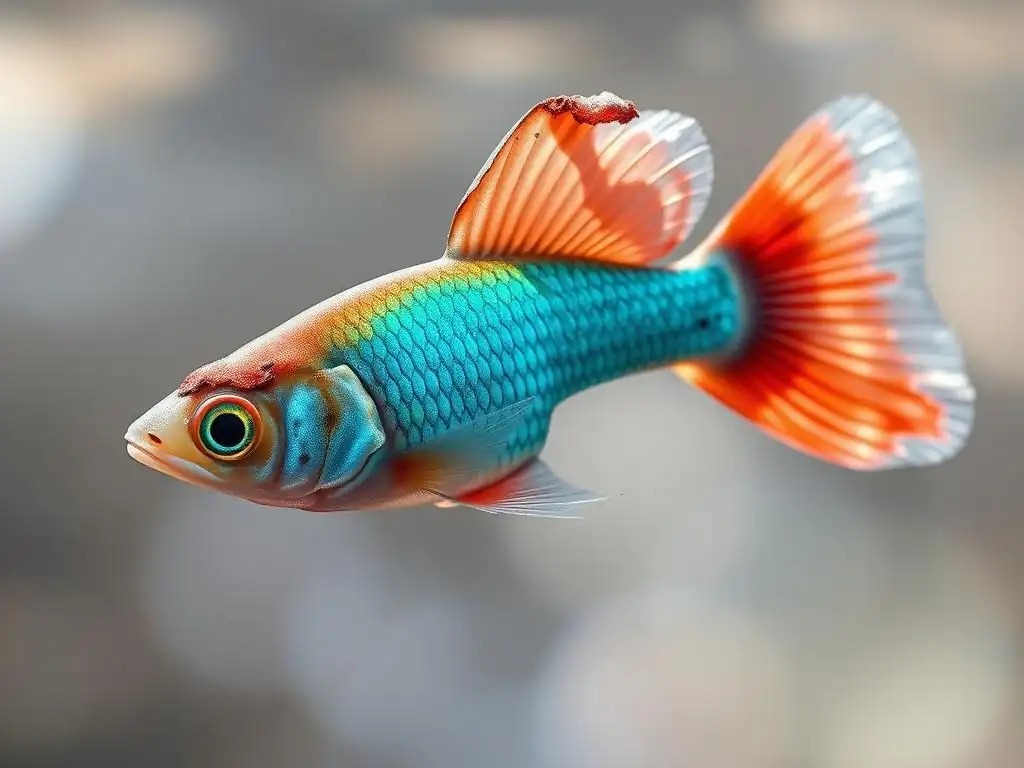
The cornerstone of preventing fin rot in guppies is consistently maintaining optimal water parameters. Guppies thrive in slightly alkaline to neutral water with a pH range of 7.0 to 8.0. The ideal temperature range for guppies is 72-82°F (22-28°C). Most critically, ammonia and nitrite levels must always be at 0 ppm, and nitrate levels should be kept below 20 ppm. Achieving these parameters requires a fully cycled aquarium filter that has established a robust colony of beneficial bacteria to process fish waste.
Regular testing with a reliable liquid test kit (not test strips, which can be inaccurate) is essential to monitor these parameters weekly. Consistent adherence to these ideal conditions strengthens a guppy's immune system, making them far more resilient to opportunistic bacterial infections. Without this stable and clean environment, guppies remain perpetually stressed and susceptible to fin rot, regardless of other preventative measures.
Regular Water Testing and Maintenance
Proactive and consistent water testing and tank maintenance are indispensable for preventing fin rot. Weekly water testing for ammonia, nitrite, nitrate, and pH allows you to catch any shifts in water chemistry before they become problematic. If, for example, your nitrates begin to creep above 20 ppm, it signals that your maintenance routine needs adjustment, perhaps an increased frequency or volume of water changes.
Beyond testing, regular maintenance is key. Performing weekly 25% water changes for established guppy tanks is a standard practice that helps dilute accumulated nitrates and replenish essential minerals. Concurrently, thoroughly vacuuming the substrate during water changes removes uneaten food, fish waste, and decaying plant matter, all of which contribute to the bioload and can fuel bacterial growth. A guppy tank that consistently receives a 25% water change weekly and is tested bi-weekly is significantly less likely to experience fin rot outbreaks compared to one with sporadic maintenance.
Choosing Compatible Tank Mates
Aggressive or fin-nipping tank mates are a common cause of fin injuries in guppies, which, as previously discussed, can quickly lead to secondary bacterial infections like fin rot. Therefore, careful selection of compatible tank mates is a crucial preventative measure. Avoid housing guppies with known fin nippers such as Tiger Barbs, some larger Cichlids, or even certain species of Gouramis that can become territorial.
Instead, opt for peaceful community fish that share similar water parameter requirements and do not pose a threat to the guppies' delicate fins. Excellent choices include Corydoras catfish, Otocinclus catfish, Dwarf Gouramis (if their temperament is known to be docile), or other small, peaceful livebearers like Platies or Mollies, provided the tank is sufficiently large to accommodate their combined bioload. Ensuring adequate space for all inhabitants also reduces overall stress and territorial aggression within the aquarium.
Quarantine New Fish
Quarantining new fish before introducing them to your main aquarium is perhaps the most effective way to prevent the introduction of diseases, including fin rot, into your established tank. A dedicated quarantine tank, even a simple 5-10 gallon setup with a heater and sponge filter, should be used for a period of 2 to 4 weeks. During this time, observe the new guppies closely for any signs of illness, such as clamped fins, frayed fins, unusual spots, or abnormal behavior.
Maintaining pristine water quality in the quarantine tank is paramount. If any signs of fin rot or other diseases appear, you can treat them effectively in isolation without risking the health of your existing fish or disrupting the beneficial bacteria in your main display tank. This proactive measure significantly reduces the risk of an entire tank outbreak, saving both time and potential heartache, making it an indispensable part of responsible aquarium husbandry.
Post-Treatment Care
Monitoring Fin Regrowth
After successful guppy fin rot treatment, the most important aspect of post-treatment care is diligently monitoring fin regrowth. Fin regeneration can be a slow process, taking anywhere from a few weeks for minor damage to several months for more severe cases. Initially, the new fin tissue will often appear clear, translucent, or even whitish, gradually regaining its color and original shape as it matures.
It's essential to continue maintaining impeccable water quality during this regrowth phase, as the guppy's immune system is still recovering, and clean water provides the optimal environment for healing. While some fins may fully regenerate to their original glory, severely damaged fins, especially those where the infection reached the fin base, might not completely recover their former shape or size. Patience and consistent optimal conditions are key to supporting this recovery.
Supporting Immune System
To prevent re-occurrence of fin rot and ensure your guppy makes a full recovery, actively supporting its immune system is crucial. This begins with a high-quality, varied diet. Don't rely solely on basic flakes; incorporate spirulina-enriched flakes, freeze-dried or frozen brine shrimp, bloodworms, and daphnia. Occasional live foods, if safely sourced, can also provide excellent nutritional boosts. Many aquarists also add vitamin supplements (e.g., Vita-Chem) to their fish food or tank water to enhance overall health and immunity.
Beyond diet, maintaining stable water parameters and a stress-free environment continues to be paramount. Avoid sudden changes in temperature or pH, and ensure your guppies have adequate space and compatible tank mates. A robust immune system is a guppy's best defense against opportunistic bacteria, allowing them to resist future infections even when exposed to low levels of pathogens.
Preventing Re-occurrence
The best way to prevent the re-occurrence of fin rot after successful guppy fin rot treatment is to identify and address the root cause of the initial outbreak. If the problem was poor water quality, establish and adhere to a strict schedule of weekly water changes and regular water parameter testing. If overcrowding was a factor, consider reducing your fish population or upgrading to a larger tank.
Continuous vigilance is key. Regularly observe your guppies for any subtle changes in fin appearance or behavior. Any sign of frayed edges or clamped fins should prompt immediate action, starting with water quality checks and a series of intensive water changes. By proactively managing water conditions, maintaining a balanced ecosystem, and providing a nutritious diet, you significantly reduce the chances of fin rot returning, ensuring your guppies remain healthy and vibrant.
Common Mistakes to Avoid
Over-Treating
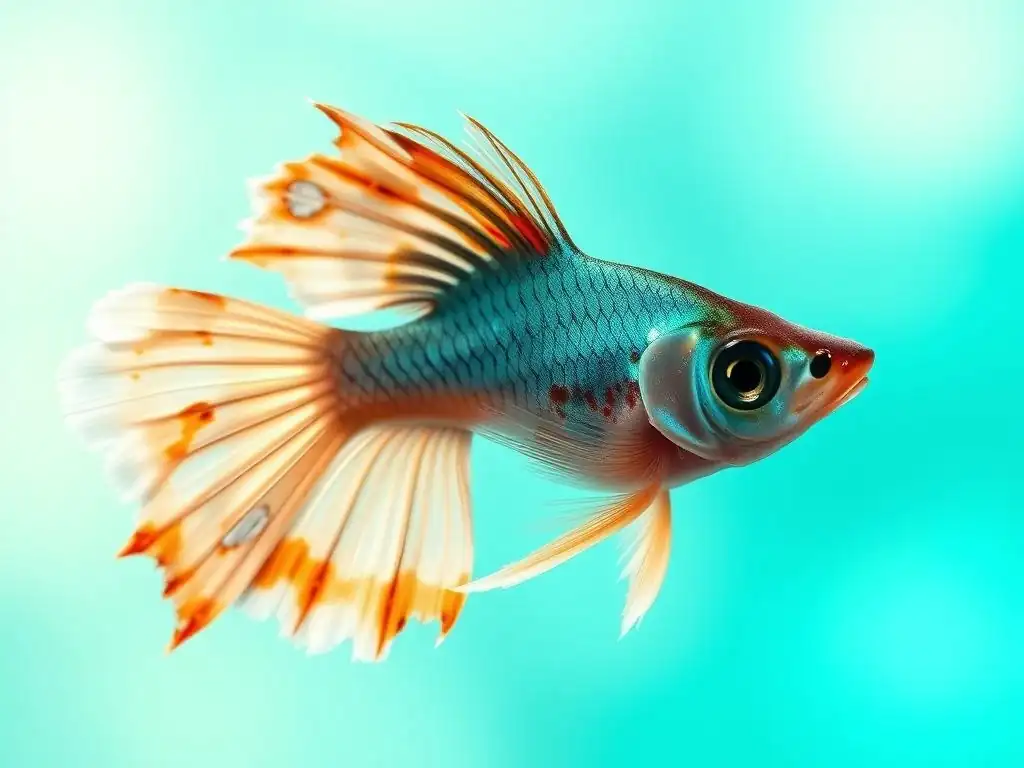
One of the most common and detrimental mistakes in guppy fin rot treatment is over-treating. When faced with a sick fish, the natural inclination is to use multiple medications or stronger doses, but this can be counterproductive and harmful. Over-treating can severely stress the already weakened guppy, further compromising its immune system. It can also decimate the beneficial bacterial colony in your filter, leading to a dangerous ammonia or nitrite spike, which will only exacerbate the fin rot.
Furthermore, indiscriminately mixing different medications without specific instructions from the manufacturer can lead to dangerous chemical reactions or render the treatments ineffective. Always start with the least invasive treatment (water changes) and escalate only if necessary, one medication at a time, strictly following dosage instructions. Resist the urge to "throw everything at it" as this often does more harm than good, potentially causing resistant bacterial strains to develop.
Neglecting Water Quality
Even when using powerful medications for guppy fin rot treatment, neglecting water quality is a critical error that will undoubtedly hinder recovery and lead to relapse. Medications are designed to kill or inhibit bacteria, but they do not remove the underlying cause of the infection if it stems from poor water conditions. If ammonia, nitrite, or high nitrates persist, the guppy will remain stressed, its immune system suppressed, and the environment will continue to favor bacterial growth.
Many antibiotics can also negatively impact the beneficial bacteria in your filter, making it even more important to monitor water parameters daily during treatment and perform water changes as needed. Think of medication as a temporary aid; the long-term solution and path to true healing lie in maintaining pristine, stable water parameters. Without clean water, any improvements from medication will be short-lived, and the fin rot will almost certainly return.
Failing to Isolate
Failing to isolate a guppy suffering from fin rot is another common mistake that can have significant repercussions. When a sick fish remains in the main display tank, several issues arise. Firstly, the disease can easily spread to other fish, especially if the fin rot is caused by a virulent strain or if other fish are already stressed. Secondly, treating the entire main tank with medication can harm beneficial bacteria, sensitive plants, or invertebrates that may be present, potentially crashing your nitrogen cycle or causing further stress to the healthy inhabitants.
A hospital tank, even a basic one, provides a controlled environment where the sick guppy can be treated effectively without affecting the rest of the community. This isolation also reduces stress on the sick guppy, allowing it to recover in a calm, undisturbed setting. It enables targeted guppy fin rot treatment with precise dosages, ensuring the medication is fully effective without unnecessary dilution or interaction with other tank inhabitants.
Advanced Fin Rot
Recognizing Advanced Symptoms
Advanced fin rot signifies a severe and often life-threatening stage of the disease. At this point, the infection has progressed far beyond the fin edges, potentially eroding the fins down to their base or even into the body of the guppy. Symptoms include complete disintegration of large portions of the fins, often with exposed fin rays, and the appearance of red sores, open wounds, or even white, cottony fungal growths (secondary infections) on the body where the fins once were.
The guppy's overall health will be severely compromised. You might observe extreme lethargy, complete loss of appetite, rapid or labored breathing, and a darkened body coloration, indicating severe stress and illness. The fish may spend all its time at the bottom of the tank, barely moving, or struggling to swim. At this stage, the infection can quickly become systemic, affecting internal organs and leading to severe suffering.
Aggressive Treatment Options
Treating advanced fin rot requires aggressive and immediate intervention, typically in a hospital tank. Broad-spectrum antibiotics, such as Kanamycin (e.g., Kanaplex) or combinations like Triple Sulfa, are often necessary. These medications are generally stronger and can tackle more resistant bacterial strains. Dosage and duration must be strictly adhered to as per manufacturer instructions, often involving multi-day treatment cycles.
During aggressive treatment, maintaining exceptionally clean water is paramount. Daily 50% water changes in the hospital tank are often required to keep the environment pristine and support the guppy's healing process. In some very severe cases, short-term dips or baths in highly concentrated medication solutions might be considered, but these are extremely stressful and should only be performed with careful monitoring and understanding of the risks. Recovery chances diminish significantly at this advanced stage, but intensive guppy fin rot treatment can still offer a chance.
When Euthanasia May Be Considered
When a guppy is suffering from advanced fin rot with little to no hope of recovery, humane euthanasia may be the most compassionate option to prevent prolonged pain and distress. Signs that indicate irreversible damage and warrant consideration of euthanasia include: severe body rot where the infection has spread extensively beyond the fins, complete inability to swim or maintain buoyancy, prolonged refusal to eat for several days, constant gasping, or signs of extreme pain and suffering.
This is a difficult decision for any aquarist, but it is sometimes necessary to prevent an animal from enduring a slow, painful death. Humane euthanasia methods typically involve solutions like clove oil, which acts as an anesthetic and then an overdose. This process ensures the guppy passes away peacefully and without further suffering, providing a final act of care when all other treatment options have been exhausted.
Summary of Key Takeaways
Quick Reference Guide
- Prevention First:
- Maintain optimal water parameters: 0 ppm ammonia/nitrite, <20 ppm nitrate, pH 7.0-8.0, temp 72-82°F (22-28°C).
- Perform weekly 25% water changes and regular substrate vacuuming.
- Quarantine all new fish for 2-4 weeks.
- Choose only compatible, peaceful tank mates.
- Provide a varied, high-quality diet.
- Early Detection is Key:
- Look for frayed fins, milky edges, clamped fins, or lethargy.
- Guppy Fin Rot Treatment Steps:
- First Line: Immediate and frequent (daily 25-50%) water changes.
- Second Line: Add aquarium salt (1-3 tsp/gallon) in a hospital tank if possible.
- Third Line: Use broad-spectrum antibiotics (e.g., Erythromycin, Kanamycin) in a hospital tank if water changes and salt aren't enough.
- Supportive: Tea tree oil products (Melafix) for very mild cases or healing aid.
- Post-Treatment:
- Continue excellent water quality.
- Monitor fin regrowth; be patient.
- Support immune system with good diet.
- Address root cause to prevent re-occurrence.
- Avoid: Over-treating, neglecting water quality, failing to isolate sick fish.
Resources for Further Learning
For those seeking to deepen their understanding of guppy health and advanced aquarium care, extensive resources are available. Delve into detailed guides on water chemistry and the nitrogen cycle to master the nuances of maintaining pristine aquatic environments. Explore comprehensive profiles of various freshwater fish diseases to enhance your diagnostic skills and ensure accurate treatment. Additionally, consider specialized literature on guppy breeding and genetics, which often includes sections on maintaining robust health in prolific livebearers. Consult reputable aquatic veterinary associations for advanced information on fish pathology and treatment protocols.
Frequently Asked Questions
What exactly is fin rot in guppies?
Fin rot is a common bacterial infection affecting guppies, leading to the deterioration of their fins. It's primarily caused by poor water quality or stress. Early detection is crucial for successful treatment.
What are the most common symptoms of fin rot I should look for?
Look for frayed or ragged edges on the fins, discoloration (often white or grey), and a shortening of the fins. Severely affected guppies may become lethargic or lose their appetite.
What are the primary causes of fin rot in guppies?
The main culprits are poor water quality (high ammonia or nitrite levels) and stress, which weaken the guppy's immune system. Overcrowding, temperature fluctuations, and aggressive tank mates can also contribute.
How can I effectively treat fin rot in my guppy aquarium?
The first step is to improve water quality through frequent water changes and ensuring proper filtration. You may also need to use antibacterial medications specifically designed for fish, following the instructions carefully.
Can fin rot be prevented in my guppy tank, and if so, how?
Yes! Prevention focuses on maintaining a clean and stable aquarium environment. Regular water changes, a properly cycled filter, and avoiding overcrowding are key preventative measures.
Final Reflection: Restoring Hope, One Fin at a Time
The prevalence of fin rot in guppies, as we've explored, highlights a crucial aspect of responsible fishkeeping: proactive care and diligent observation. While the information presented provides practical solutions for Guppy fin rot treatment, its true value lies in fostering a deeper understanding of aquatic health and the interconnectedness of living organisms within an ecosystem, no matter how small.
The journey of understanding and treating fin rot extends beyond the confines of a fish tank. It serves as a microcosm of larger environmental challenges, reminding us of the delicate balance required for survival. Witnessing the resilience of these tiny creatures, and the positive impact of informed intervention, underscores the importance of continuous learning and compassionate action. The greatness of a nation and its moral progress can be judged by the way its animals are treated.
- Mahatma Gandhi. This quote, while broad, perfectly encapsulates the spirit of responsible pet ownership and the ethical considerations that guide our interactions with all living beings.
Ultimately, the knowledge gained about Guppy fin rot treatment is an invitation to become more mindful stewards of the life around us. Consider how you can apply the principles of prevention, early detection, and responsible intervention, not just to your aquarium, but to other areas of your life. Let the lessons learned from these tiny guppies inspire you to cultivate a more attentive and caring approach to the world, ensuring a healthier and more vibrant future for all.
Unleash a Vibrant Life for Your Guppies!
Thank you for diving deep into the world of guppy health! We hope this article has empowered you with the knowledge to identify and combat fin rot, ensuring your guppies thrive. Now, let's put that knowledge into action!
Here are a few steps you can take right now:
- Immediately inspect your guppies for early signs of fin rot, even if they seem healthy. Early detection is key to a swift recovery.
- Share this article with fellow aquarium enthusiasts. Spreading awareness helps prevent widespread outbreaks and keeps our aquatic friends healthy.
- Research a specific natural remedy for fin rot that resonates with you and prepare to add it to your aquarium emergency kit. Consider something unexpected like Indian Almond Leaves.
What's the first step you'll take to safeguard your guppies' fins, and how might you adapt it to create an even healthier aquarium environment?