
Feeding Your Pearl Gourami: A Diet for Vibrancy and Longevity

Welcome to Aquarium Mastery, your ultimate resource for all things aquarium!
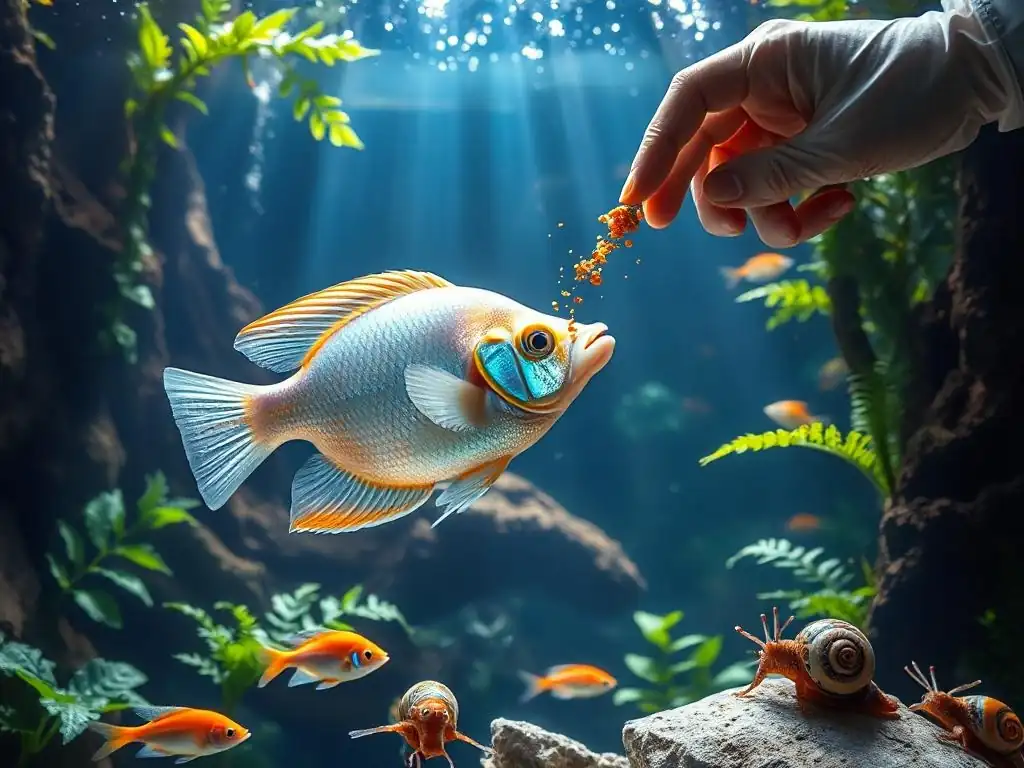
Dive in! Ever wondered how to unlock the full potential of your Pearl Gourami's vibrant colors and ensure its long, healthy life? This article unveils the secrets to crafting the perfect diet for these captivating fish. Uncover the feeding strategies that go beyond the basics and discover how to truly nurture your Pearl Gourami's well-being. Read on for our comprehensive Pearl Gourami feeding guide and watch your aquarium thrive!
- Understanding the Nutritional Needs of Pearl Gouramis
- The Ideal Pearl Gourami Feeding Guide: What to Feed
- Pearl Gourami Feeding Schedule and Portion Control
- Special Considerations for Pearl Gourami Feeding
- Maintaining Water Quality Through Proper Feeding Practices
- Troubleshooting Common Pearl Gourami Feeding Problems
- Frequently Asked Questions
- Final Reflection: Nurturing Life, One Meal at a Time
- Nurture Your Pearl Gourami: Unlock Their Radiant Beauty!
Understanding the Nutritional Needs of Pearl Gouramis
The Importance of a Balanced Diet for Trichopodus leerii
A balanced diet is paramount for the overall health, vibrancy, and longevity of your Pearl Gourami (Trichopodus leerii). These elegant labyrinth fish, known for their iridescent scales and delicate finnage, rely on proper nutrition to maintain their stunning coloration, robust immune system, and active behavior. Without a comprehensive Pearl Gourami feeding guide, these fish can suffer from a range of health issues, including stunted growth, faded colors, compromised immune function making them susceptible to diseases like fin rot or dropsy, and a significantly reduced lifespan from their typical 4-6 years.
Furthermore, a well-rounded Pearl Gourami diet directly impacts their energy levels and reproductive capabilities. Gouramis fed an inadequate or monotonous diet may become lethargic, exhibit stress behaviors, or fail to thrive. For instance, a Pearl Gourami consistently fed only low-quality flakes might show duller colors within a few months compared to one on a varied diet rich in carotenoids and essential fatty acids. Ensuring they receive all necessary nutrients prevents deficiencies that could lead to irreversible health problems, making a thoughtful approach to feeding gouramis essential for any aquarist.
Key Nutrients for Pearl Gourami Health: Protein, Vitamins, and Fiber
Protein forms the cornerstone of a healthy Pearl Gourami diet, crucial for muscle development, tissue repair, and overall growth. For adult Pearl Gouramis, a diet with a protein content ranging from 35% to 45% is generally recommended, while juveniles require higher percentages, often up to 50%, to support their rapid growth phases. High-quality protein sources, whether from live, frozen, or premium dry foods, are vital for their metabolic functions and ensuring they reach their full size, typically around 4.5-5 inches.
Vitamins and fiber are equally indispensable components of a complete Pearl Gourami feeding guide. Vitamins, such as Vitamin A for vision and immune function, Vitamin C for stress resistance and healing, and Vitamin E for reproductive health, act as vital cofactors in numerous bodily processes. Many commercial gourami food formulations are fortified with these essential vitamins.
Fiber, though often overlooked, is critical for digestive health, preventing common issues like constipation and bloat. Including a small percentage of plant matter or fiber-rich foods in their Pearl Gourami diet aids in gut motility and ensures efficient nutrient absorption, contributing significantly to their long-term well-being.
The Ideal Pearl Gourami Feeding Guide: What to Feed
Live Foods: Enhancing Natural Hunting Behaviors
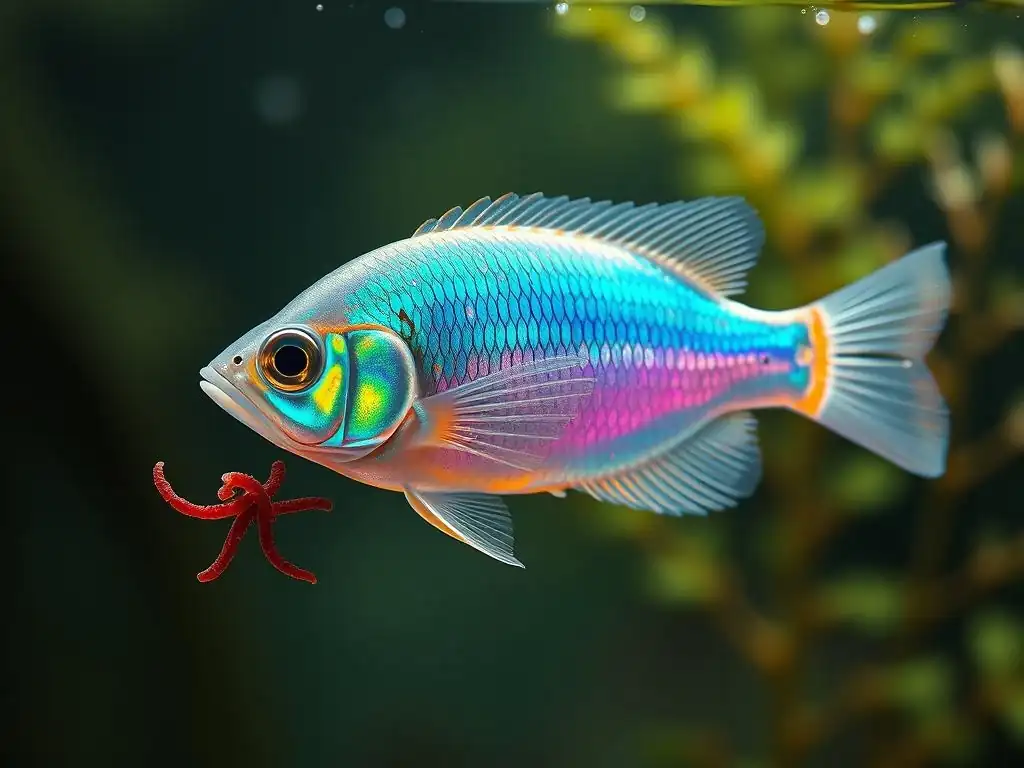
Live foods are an excellent addition to any Pearl Gourami feeding guide, offering not only superior nutritional value but also stimulating their natural hunting instincts. Observing your Pearl Gourami actively pursuing live prey provides significant enrichment and can reduce boredom in the aquarium environment. While beneficial, live foods should be sourced from reputable suppliers to minimize the risk of introducing pathogens or parasites into your tank.
Daphnia: A Nutritious and Readily Accepted Live Food
Daphnia, often referred to as water fleas, are small crustaceans that are highly nutritious and readily accepted by most Pearl Gouramis. They are an excellent source of protein and are particularly rich in carotenoids, which can significantly enhance the vibrant coloration of your fish. Because of their relatively small size, Daphnia are easy for Pearl Gouramis to consume, making them a perfect live food option for regular supplementation. Many aquarists find that feeding Daphnia 2-3 times per week can dramatically improve the overall health and color depth of their gouramis.
Brine Shrimp: Supplementing Protein Intake
Brine shrimp, especially newly hatched Artemia nauplii, are another fantastic live food for supplementing protein intake in your Pearl Gourami diet. While adult brine shrimp are less nutritionally complete than Daphnia once they've matured, their high protein content makes them ideal for conditioning breeding pairs or for general growth. Their erratic swimming motion also acts as a strong feeding stimulant, encouraging even hesitant eaters. It's advisable to feed brine shrimp 1-2 times a week as part of a varied Pearl Gourami feeding guide to ensure a diverse nutrient profile.
Bloodworms: Use Sparingly as a Treat
Bloodworms, the larvae of midge flies, are highly palatable and rich in protein and fat, making them an irresistible treat for Pearl Gouramis. However, due to their high fat content, bloodworms should be offered sparingly, perhaps once or twice a week at most. Overfeeding bloodworms can lead to obesity, fatty liver disease, and digestive issues in your gouramis. While excellent for conditioning fish for breeding or adding weight to thin specimens, they are not suitable as a daily staple in a balanced Pearl Gourami diet.
Frozen Foods: Convenient and Nutrient-Rich Options
Frozen foods offer a convenient and safe alternative to live foods, retaining much of their nutritional value without the risk of introducing parasites. They are easily stored and prepared, making them a popular choice for routine feeding. When thawing frozen foods, it's best to do so in a small amount of tank water before adding them to the aquarium to avoid introducing unnecessary pollutants.
Frozen Bloodworms: A Good Alternative to Live
Frozen bloodworms provide similar nutritional benefits to their live counterparts, being high in protein and fat, but without the potential for introducing external parasites. They are an excellent option for providing a rich, high-energy treat for your Pearl Gouramis. Just like live bloodworms, they should be fed in moderation—once or twice a week—to prevent over-enrichment and potential health problems associated with excessive fat intake. Many aquarists find that a small cube of frozen bloodworms is readily consumed by a small group of gouramis within minutes.
Frozen Brine Shrimp: Easy to Store and Serve
Frozen brine shrimp are a practical and easily accessible option for diversifying your Pearl Gourami diet. They are simple to store in a freezer and quick to thaw and serve, making them a convenient choice for busy aquarists. While adult frozen brine shrimp are not as nutritionally dense as live Daphnia, they still offer a good source of protein and are excellent for stimulating the appetite and providing variety. Incorporating frozen brine shrimp 2-3 times a week can contribute positively to the overall health and enthusiasm of your gouramis during feeding times.
Frozen Daphnia: Preserving Nutritional Value
Frozen Daphnia are arguably one of the best frozen food options for Pearl Gouramis, as they retain much of the excellent nutritional profile of live Daphnia. They are rich in protein, carotenoids, and are easily digestible, making them suitable for regular feeding. Many reputable brands process Daphnia quickly to lock in nutrients, ensuring that your gouramis receive a high-quality food source. Feeding frozen Daphnia 2-3 times a week can significantly contribute to the vibrant coloration and digestive health outlined in any comprehensive Pearl Gourami feeding guide.
Flake and Pellet Foods: A Staple Diet
High-quality flake and pellet foods should form the foundation of your Pearl Gourami's daily diet. These commercially prepared foods are formulated to provide a complete and balanced nutritional profile, often fortified with essential vitamins and minerals crucial for long-term health. Selecting the right type is key to a successful Pearl Gourami feeding guide.
High-Quality Flake Food: Choosing the Right Formula
When selecting flake food for your Pearl Gourami, prioritize brands that list fish meal or other animal proteins as the primary ingredients, typically comprising 40-50% of the formula. Avoid flakes with excessive fillers like corn starch or wheat flour, which offer minimal nutritional value and can contribute to water pollution. Look for flakes that are fortified with spirulina or other color-enhancing ingredients, as these can help maintain the natural vibrancy of your gouramis. A good quality flake should float for a short period, allowing the gouramis to feed comfortably from the surface, which is their natural preference.
Gourami-Specific Pellets: Tailored Nutrition
Gourami-specific pellets, or small, slow-sinking pellets designed for community fish, can offer a more concentrated source of nutrition than flakes. These pellets are often formulated to meet the specific dietary needs of labyrinth fish, sometimes including ingredients that support their unique respiratory organs. Ensure the pellets are small enough for your Pearl Gourami's mouth to prevent choking hazards. While some Pearl Gouramis prefer flakes, others readily accept pellets, which can provide a denser nutrient punch, making them an excellent component of a comprehensive Pearl Gourami feeding guide.
Vegetable Matter: Essential for a Well-Rounded Diet
While Pearl Gouramis are primarily omnivores with a preference for protein, incorporating vegetable matter into their diet is essential for providing necessary fiber and a broader range of nutrients. This often overlooked aspect of a Pearl Gourami feeding guide can significantly improve digestive health and overall vitality.
Blanched Vegetables: Zucchini, Spinach, and Lettuce
Blanched vegetables like zucchini, spinach, and romaine lettuce can provide valuable fiber and vitamins to your Pearl Gourami diet. To prepare, simply blanch a small piece of the vegetable in boiling water for about 30 seconds to soften it, then cool it rapidly under cold water. Cut the softened vegetable into tiny, bite-sized pieces that your gourami can easily consume. Offer these blanched vegetables once or twice a week as a supplement. For example, a small piece of blanched zucchini, no larger than a pea, can be offered to a single adult gourami.
Algae Wafers: Supplementing Plant-Based Nutrition
Although Pearl Gouramis are not primarily herbivorous, they will occasionally graze on algae in the tank. Small, high-quality algae wafers designed for bottom feeders can serve as a convenient way to supplement their plant-based nutrition and fiber intake. While not a staple, offering a tiny piece of an algae wafer occasionally can provide beneficial roughage. Ensure the wafer is small enough to be consumed without excessive crumbling, which could lead to water quality issues. This can be a useful component of a diverse Pearl Gourami feeding guide, particularly if fresh vegetables are not consistently available.
Pearl Gourami Feeding Schedule and Portion Control
How Often to Feed Your Pearl Gourami
Establishing a consistent feeding schedule is crucial for the health and well-being of your Pearl Gouramis. For adult Pearl Gouramis, feeding once or twice a day is generally sufficient. If feeding twice, offer smaller portions at each feeding. Juvenile gouramis, which are still growing rapidly, may benefit from 2-3 smaller feedings per day to support their developmental needs. Consistency helps regulate their metabolism and prevents periods of prolonged hunger or overeating.
It's often recommended to feed at roughly the same time each day, as fish tend to adapt to a routine. For example, feeding once in the morning and once in the evening, approximately 8-10 hours apart, allows for proper digestion between meals. This consistent Pearl Gourami feeding guide helps reduce stress and encourages natural behaviors within the aquarium.
Determining the Correct Portion Size: Avoiding Overfeeding
Overfeeding is one of the most common mistakes in aquarium keeping and can lead to significant health problems for your Pearl Gouramis and poor water quality. The general rule of thumb is to feed only what your gouramis can consume entirely within 2 to 3 minutes. Any food remaining after this time should be promptly removed with a net or siphon to prevent it from decomposing and polluting the water.
A good visual guide for portion size is to offer an amount of food roughly equivalent to the size of your gourami's eye per feeding. For instance, if feeding flakes, a small pinch that disperses into several pieces should be sufficient for one or two gouramis. This careful portion control is a critical aspect of any effective Pearl Gourami feeding guide, ensuring optimal health without compromising water parameters.
Observing Your Gourami's Feeding Habits
Observing your Pearl Gourami's feeding habits is a vital part of effective aquarium management. Pay attention to how eagerly they approach the food, whether they consume it quickly, and if any food is left uneaten. A healthy gourami should show enthusiasm at feeding time and actively seek out food. If they are slow to react, ignore the food, or appear bloated after eating, it could indicate a problem with the food type, quantity, or their overall health.
Adjust your Pearl Gourami feeding guide based on these observations. If food consistently remains after 3 minutes, reduce the portion size. If your gouramis seem overly hungry or thin, you might slightly increase the amount or frequency. This attentive approach allows you to tailor the feeding regimen precisely to the needs of your individual fish and their specific tank environment.
Special Considerations for Pearl Gourami Feeding
Feeding Fry and Juvenile Pearl Gouramis
Feeding Pearl Gourami fry and juveniles requires a specialized approach due to their small size and rapid growth rates. Their initial diet is critical for survival and proper development, transitioning from microscopic organisms to larger, more substantial foods as they grow.
Infusoria: The First Food for Pearl Gourami Fry
For the first few days after hatching, Pearl Gourami fry are incredibly tiny and require microscopic food sources. Infusoria, which are microscopic aquatic organisms, are the ideal first food for newly hatched Pearl Gourami fry. These can be cultured at home by placing decaying plant matter (like lettuce leaves) in a jar of aged aquarium water and allowing it to sit for several days. Feeding infusoria ensures the fry receive adequate nutrition during their most vulnerable stage, bridging the gap until they are large enough to consume slightly larger foods.
Baby Brine Shrimp: Growing Out Young Gouramis
After approximately 3 to 5 days on infusoria, Pearl Gourami fry will be large enough to accept newly hatched baby brine shrimp ( Artemia nauplii). Baby brine shrimp are highly nutritious, rich in protein, and their erratic swimming motion stimulates a strong feeding response in the fry. Feeding baby brine shrimp 2-3 times a day will promote rapid growth and development. As the juveniles grow, they can gradually transition to finely crushed flake food and micro-pellets, eventually following the adult Pearl Gourami feeding guide.
Feeding Sick or Weak Pearl Gouramis
When a Pearl Gourami is sick or appears weak, its appetite may diminish significantly. Encouraging them to eat is vital for their recovery. Focus on offering highly palatable, easily digestible, and nutrient-dense foods. Live foods like Daphnia or newly hatched brine shrimp can often stimulate an appetite that has been lost due to illness or stress, as their movement triggers a natural feeding instinct.
Small, frequent feedings are often more effective than large, infrequent ones, as the fish may only be able to consume tiny amounts at a time. If the fish is severely ill, consider fortifying their food with liquid vitamin supplements designed for fish, or offering medicated foods if a bacterial infection is suspected (consulting with a fish health expert is recommended for specific treatments). Ensuring pristine water quality during this time is also paramount, as poor conditions can exacerbate stress and hinder recovery.
Addressing Picky Eaters: Encouraging Appetite
Some Pearl Gouramis can be notoriously picky eaters, especially when first introduced to a new environment or if they've been accustomed to a limited diet. To encourage appetite, variety is key. If your gourami refuses a particular food, try offering a different type the next day. Rotate between high-quality flakes, small pellets, and various frozen or live foods (like frozen brine shrimp or Daphnia) to find what they prefer.
Introducing new foods gradually can also help. Mix a small amount of the new food with their preferred staple initially. If the gourami continues to refuse food, re-evaluate tank conditions: check water parameters (ammonia, nitrite, nitrate, pH, temperature), ensure there are adequate hiding spots, and confirm that tank mates are not causing stress. A stressed Pearl Gourami is less likely to eat, so a peaceful and stable environment is a critical part of encouraging a healthy appetite, complementing any Pearl Gourami feeding guide.
Maintaining Water Quality Through Proper Feeding Practices
The Link Between Feeding and Water Parameters
There is a direct and critical link between proper feeding practices and maintaining optimal water parameters in your aquarium. Every piece of food that enters the tank, whether consumed or not, contributes to the biological load. Uneaten food quickly decomposes, releasing ammonia into the water. Ammonia is highly toxic to fish, causing gill damage, stress, and ultimately death. Even consumed food contributes to waste through fish excretion, which also produces ammonia.
This ammonia is then converted by beneficial bacteria into nitrite (also toxic), and then into nitrate (less toxic but still harmful in high concentrations). Therefore, overfeeding is one of the leading causes of poor water quality, ammonia spikes, and subsequent fish health issues in an aquarium. Adhering strictly to a responsible Pearl Gourami feeding guide is fundamental to preventing these water quality challenges.
Preventing Food Waste and Ammonia Spikes
Preventing food waste is paramount to maintaining stable water parameters and avoiding dangerous ammonia spikes. The "2 to 3-minute rule" for feeding is the most effective method: only offer what your Pearl Gouramis can consume entirely within this short timeframe. If you notice food settling on the substrate or floating uneaten after this period, you are likely overfeeding.
Using a feeding ring for floating foods can help contain the food in one area, making it easier for gouramis to find and consume it, and simpler for you to remove any uneaten portions. Regularly siphoning the substrate during water changes will also remove any accumulated uneaten food or waste before it can significantly impact water quality. These practices are integral to a successful Pearl Gourami feeding guide, ensuring a clean and healthy environment.
Regular Water Changes: A Key Component of Tank Health
Even with the most meticulous feeding practices, nitrates will gradually accumulate in the aquarium water over time. Regular water changes are an indispensable component of maintaining excellent water quality and are directly linked to proper feeding. A recommended schedule involves changing 25-30% of the tank's water weekly. This dilutes accumulated nitrates, replenishes essential minerals, and removes other dissolved organic compounds that can build up.
Water changes work in conjunction with a precise Pearl Gourami feeding guide and efficient filtration to create a stable and healthy environment. Without regular water changes, even perfectly fed gouramis can suffer from "old tank syndrome," where high nitrate levels and depleted minerals lead to chronic stress and susceptibility to disease. Therefore, responsible feeding and consistent water changes are two sides of the same coin when it comes to long-term aquarium health.
Troubleshooting Common Pearl Gourami Feeding Problems
Gourami Refusing to Eat: Potential Causes and Solutions
A Pearl Gourami refusing to eat is a significant cause for concern and often indicates an underlying issue. One common cause is stress, which can be triggered by new tank environments, aggressive tank mates, or poor water quality. Immediately check all water parameters (ammonia, nitrite, nitrate, pH, temperature) to rule out chemical imbalances. If parameters are off, perform a partial water change.
Another reason could be illness; observe your gourami for any other symptoms like clamped fins, lethargy, or visible lesions. If no physical signs of illness are present, try offering a variety of foods, including a favorite live or frozen treat, as the fish might simply be a picky eater or dislike the current food. Ensuring a peaceful, stable environment with adequate hiding spots can also reduce stress and encourage appetite, reinforcing a comprehensive Pearl Gourami feeding guide.
Bloating and Constipation: Dietary Adjustments
Bloating and constipation in Pearl Gouramis are often the result of an imbalance in their diet, typically too much dry, high-protein food with insufficient fiber. Symptoms include a visibly swollen abdomen, reduced activity, and stringy white feces or no feces at all. To address this, first, fast the gourami for 1-2 days to allow its digestive system to clear.
Following the fast, introduce blanched peas (skin removed) as a natural laxative. Peas are high in fiber and can help clear blockages; offer a tiny piece, no larger than the gourami's eye. Moving forward, adjust your Pearl Gourami feeding guide to include more fiber-rich foods like Daphnia (live or frozen) and small amounts of blanched vegetables (zucchini, spinach) 1-2 times per week. Reduce the frequency of high-fat foods like bloodworms to prevent recurrence.
Fighting Over Food: Ensuring All Gouramis Get Enough
If you observe your Pearl Gouramis fighting over food, it generally indicates either insufficient food quantity, competition from overly aggressive tank mates, or an overcrowded tank. Pearl Gouramis, especially males, can be territorial, and feeding time can exacerbate this. To ensure all gouramis get enough food, try spreading the food over a wider surface area of the tank, rather than dropping it all in one spot. This disperses the food and allows less dominant fish to access it without direct confrontation.
Alternatively, feed in multiple small portions in different areas of the tank. For example, drop a small pinch of flakes on one side and another pinch on the opposite side. If aggression persists, evaluate your tank's stocking levels and tank mate compatibility; a larger tank or rehoming overly aggressive fish might be necessary to reduce overall stress and ensure every fish receives adequate nutrition from your Pearl Gourami feeding guide.
Frequently Asked Questions
What is the best staple food for Pearl Gouramis?
The best staple food for Pearl Gouramis is a high-quality flake food formulated for tropical fish. Supplement their diet with live or frozen foods for optimal health and color. Ensure the flakes are small enough for them to eat comfortably.
How often should I feed my Pearl Gourami?
You should feed your Pearl Gourami twice a day, offering only as much food as they can consume in about two to three minutes. Avoid overfeeding, as this can lead to water quality issues and health problems for your fish.
What types of live or frozen foods are suitable for Pearl Gouramis?
Suitable live or frozen foods include bloodworms, daphnia, brine shrimp, and mosquito larvae. These provide essential nutrients and stimulate their natural hunting instincts. Always thaw frozen foods before feeding.
Can I feed my Pearl Gourami vegetables?
Yes, you can supplement their diet with blanched vegetables like zucchini, spinach, and lettuce. Ensure the vegetables are soft and easily digestible. Remove any uneaten portions after a few hours to prevent spoilage.
What are the signs that I am overfeeding my Pearl Gourami?
Signs of overfeeding include uneaten food accumulating at the bottom of the tank, cloudy water, and obese-looking fish. Reduce the amount of food offered and increase water changes to restore balance.
Final Reflection: Nurturing Life, One Meal at a Time
The journey of understanding the dietary needs of our Pearl Gouramis, as we've explored, is more than just a technical exercise; it's a testament to the profound responsibility we undertake when caring for another living being. The vibrancy and longevity we strive for in our aquatic companions are directly linked to the conscious choices we make in their feeding regimen, a truth that resonates far beyond the confines of our aquariums.
This exploration into the ideal diet for Pearl Gouramis has underscored the intricate connection between nutrition and well-being. It's a reminder that even the smallest creatures deserve our utmost care and attention, and that our actions have a direct impact on their quality of life. The greatness of a nation and its moral progress can be judged by the way its animals are treated.
- Mahatma Gandhi. This quote, while often applied to larger animals, holds equal weight when considering the delicate lives we choose to bring into our homes.
As you consider the information shared in this guide, I encourage you to reflect on your own practices and the impact they have on your Pearl Gouramis. Are you providing them with the diverse and nutritious diet they deserve? Are you observing their behavior and adjusting their feeding accordingly? Let this guide serve as a catalyst for continuous learning and improvement, ensuring that your Pearl Gouramis thrive and bring joy to your life for years to come.
Nurture Your Pearl Gourami: Unlock Their Radiant Beauty!
Thank you for diving into the world of Pearl Gourami care! We hope you've discovered valuable insights to enhance their health and happiness. Now, let's put that knowledge into action to create an even more thriving aquarium environment.
Here's how you can take the next steps:
- Implement a varied feeding schedule incorporating both high-quality flake food and live/frozen treats to bring out their best colors and promote optimal health. This is your primary action!
- Explore creating a DIY gourami food recipe using ingredients like spirulina, daphnia, and cooked vegetables for a personalized touch.
- Share your feeding experiences and tips with other gourami enthusiasts in online forums or social media groups - let's build a community of thriving Pearl Gouramis!
What small change will you make this week to elevate your Pearl Gourami's diet and overall well-being?