
Demersal Delights: Optimizing Breeding Strategies for Substrate Spawning Marines

Welcome to Aquarium Mastery!
Ever wondered how to unlock the secrets of successful breeding for your marine fish? Dive into the fascinating world of marine substrate spawning techniques and discover how to create the perfect environment for demersal delights. Ready to witness the miracle of life unfold in your saltwater aquarium? Let's explore the key elements to successful breeding together!
- Understanding Marine Substrate Spawning: An Introduction to Demersal Egg Layers
- Essential Environmental Control for Successful Marine Substrate Spawning
- Marine Substrate Spawning Techniques: A Step-by-Step Guide
- Optimizing Egg Care and Larval Rearing for Demersal Marine Species
- Common Challenges in Breeding Marine Substrate Spawners and Solutions
- Advanced Techniques for Enhancing Marine Substrate Spawning Success
- Case Studies: Successful Marine Substrate Spawning Projects
- The Future of Marine Substrate Spawning in Aquariums: Innovations and Research
- Conclusion: Mastering the Art of Marine Substrate Spawning
-
Frequently Asked Questions
- What exactly are marine substrate spawners, and why are they important in reef aquariums?
- What are some common marine substrate spawning techniques aquarists can use to encourage breeding?
- How does the type of marine substrate itself impact the success of substrate spawning?
- What are some challenges associated with breeding marine substrate spawners in a home aquarium?
- Where can I find more detailed information on specific marine fish species that utilize substrate spawning?
- Final Reflection: Cultivating Marine Futures
- Ignite Your Marine Breeding Journey!
Understanding Marine Substrate Spawning: An Introduction to Demersal Egg Layers
What are Marine Substrate Spawners? Identifying Key Characteristics
Marine substrate spawners are a fascinating group of fish that lay their eggs directly onto a solid surface, or "substrate," rather than releasing them into the open water column (pelagic spawners) or carrying them internally (livebearers). This distinct reproductive strategy is characterized by the adhesive nature of their eggs, which firmly attach to surfaces like rocks, caves, coral rubble, or even the inside of various structures. Unlike the buoyant, often clear eggs of pelagic species, demersal eggs are typically larger, opaque, and designed for stability and protection on the seafloor.
Key characteristics often include dedicated parental care, where one or both parents guard and fan the eggs to ensure proper oxygenation and prevent fungal growth. For instance, clownfish eggs, which are typically ovoid and range from 1.5 to 2.5 mm in length, are meticulously tended by the male. Clutch sizes can vary significantly, with a well-conditioned pair of Ocellaris clownfish (Amphiprion ocellaris) capable of laying between 300 and 1,000 eggs every 10 to 14 days under optimal conditions. Understanding these fundamental traits is crucial for anyone looking to master marine substrate spawning techniques.
The Appeal of Breeding Demersal Spawning Marine Fish in Captivity
The appeal of breeding demersal spawning marine fish in captivity extends beyond the pure challenge; it offers significant benefits for both the hobbyist and the broader marine aquarium industry. Successfully breeding these species contributes directly to conservation efforts by reducing the demand for wild-caught specimens, thereby alleviating pressure on natural reef ecosystems. This practice promotes sustainable aquaculture, providing a more ethical and environmentally friendly source of popular ornamental fish.
From a practical standpoint, demersal spawners often present a more attainable breeding goal for aquarists compared to pelagic species. Their larger egg size and the more developed state of their larvae at hatching, coupled with inherent parental care behaviors, generally lead to higher survival rates in captive environments.
Species like clownfish (Amphiprioninae) have become a cornerstone of the captive breeding industry, with commercial hatcheries producing millions annually, demonstrating the viability and economic potential of these marine substrate spawning techniques. The educational value and personal satisfaction derived from observing and successfully rearing these captivating creatures from egg to juvenile are also immense.
Essential Environmental Control for Successful Marine Substrate Spawning
Replicating Natural Habitats: Optimizing Tank Setup for Demersal Spawners
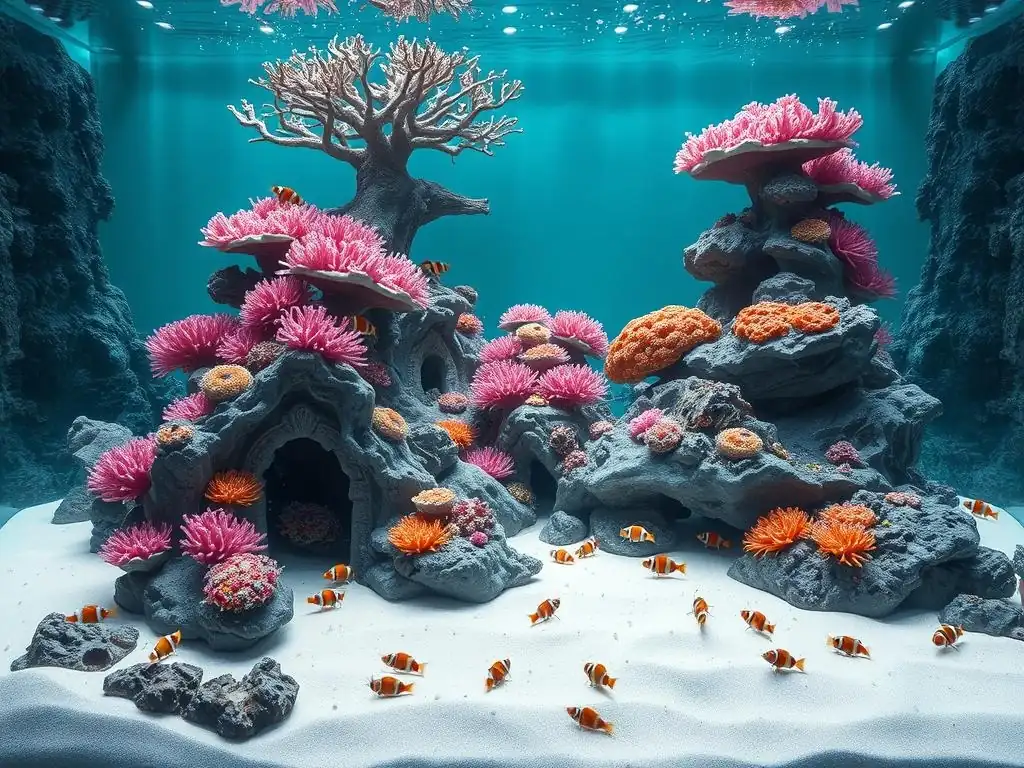
Replicating the natural habitat is paramount for encouraging demersal spawners to reproduce successfully in captivity. This involves providing specific substrate materials that mimic their preferred spawning sites in the wild. For example, many clownfish species readily utilize an inverted terracotta pot, a flat piece of slate, or a smooth rock as a spawning surface, while gobies may prefer small caves, PVC tubes, or even shells depending on the species. The chosen substrate should be stable, easily accessible to the fish, and positioned in an area with gentle but consistent water flow to ensure egg oxygenation.
Beyond the spawning site itself, the overall tank environment must be conducive to pair bonding and stress reduction. Adequate hiding spots, such as live rock formations or additional PVC sections, are essential to provide security and allow the breeding pair to retreat if aggression arises, which can be common during initial pairing or between spawns. Tank size also plays a critical role; a 20-gallon long aquarium is often considered a minimum for a pair of Ocellaris clownfish, providing sufficient space for territory establishment and preventing undue stress, which can inhibit marine substrate spawning techniques.
Water Quality Parameters: Maintaining Ideal Conditions for Egg Development & Hatching
Maintaining pristine and stable water quality parameters is absolutely critical for the successful development and hatching of demersal fish eggs. Fluctuations in key parameters can cause significant stress to the breeding pair and directly impact egg viability. Ideal conditions generally include a stable salinity of 1.023-1.026 specific gravity, a consistent temperature range of 25-28°C (77-82°F), and a pH between 8.0 and 8.4. Ammonia and nitrite levels must be undetectable (0 ppm), and nitrates should be kept below 10-20 ppm through regular, small water changes.
Oxygen saturation is particularly vital for egg respiration; therefore, adequate water movement and aeration around the spawning site are necessary. Many demersal spawners actively fan their eggs, but supplemental flow from a powerhead or air stone can ensure optimal conditions, especially if eggs are collected for artificial incubation. Weekly water changes of 10-15% using properly mixed and temperature-matched saltwater are highly recommended to replenish essential trace elements and maintain overall water purity, directly supporting the delicate process of egg development in advanced marine substrate spawning techniques.
Lighting and Photoperiod: Mimicking Natural Cycles to Trigger Spawning
Lighting and photoperiod play a significant role in influencing the reproductive cycles of marine fish, acting as crucial environmental cues that trigger spawning. Mimicking natural light cycles is essential to establish a stable circadian rhythm for the breeding pair, which in turn regulates their hormonal processes. A consistent photoperiod, typically ranging from 12 to 14 hours of light followed by 10 to 12 hours of darkness, is generally recommended. Sudden or drastic changes in lighting duration or intensity should be avoided, as these can induce stress and disrupt spawning patterns.
While extreme intensity is not usually required, moderate lighting that simulates natural reef conditions is generally sufficient. Some advanced aquarists even employ lighting systems with dawn and dusk simulation features, gradually increasing and decreasing light intensity over an hour or two. This more natural transition can further reduce stress and encourage optimal behavior leading up to spawning events. Consistency in the lighting schedule is often more important than the specific spectrum or intensity for initiating and maintaining successful marine substrate spawning techniques.
Marine Substrate Spawning Techniques: A Step-by-Step Guide
Selecting Compatible Breeding Pairs: Understanding Mating Rituals & Compatibility
The foundation of successful marine substrate spawning techniques lies in selecting compatible breeding pairs. For many species, such as clownfish, this often involves acquiring a small group of juveniles (typically 5-6 individuals) and allowing them to pair naturally as they mature. In the case of protandrous hermaphrodites like clownfish, the largest individual will typically transition into a female, while the second largest becomes the male. Introducing a known male to a larger, established female can also be a viable strategy, though careful observation for aggression is paramount.
Understanding the species' mating rituals and social structures is vital. Some species exhibit clear sexual dimorphism (differences in size or color), while others require observation of behavioral cues, such as courtship dances or territorial displays. Providing ample space and multiple hiding spots within the breeding tank can help mitigate initial aggression and facilitate the pairing process. Always quarantine new fish for at least four weeks before introducing them to your established breeding setup to prevent the transmission of diseases, ensuring the health and reproductive readiness of your potential broodstock.
Preparing the Spawning Substrate: Choosing the Right Materials and Placement
Preparing the spawning substrate is a critical step in facilitating marine substrate spawning techniques. The choice of material and its strategic placement within the aquarium directly influence the likelihood of a successful spawn. For many popular species like clownfish and blennies, flat, smooth surfaces are preferred. This can include:
- Terracotta pots: Often inverted, providing a sheltered, concave surface that clownfish particularly favor.
- Slate or ceramic tiles: Flat, easily removable surfaces that allow for simple egg collection if desired.
- Smooth rocks: Natural options, especially effective if they offer a slight overhang or crevice.
For species like some gobies, which prefer to lay eggs within burrows or confined spaces, small PVC pipes, conch shells, or intricate rockwork with small caves are more appropriate. The substrate should be positioned in a relatively low-flow area of the tank, yet still receive adequate oxygenation and remain easily accessible for observation, cleaning, and potential egg collection. Ensuring stability is also key, as dislodged substrate can damage eggs or stress the breeding pair.
Inducing Spawning: Environmental Cues and Dietary Considerations
Inducing spawning in demersal marine fish often involves a combination of precise environmental cues and optimized dietary considerations. A high-quality, varied diet is fundamental, providing the necessary energy reserves and nutritional building blocks for gonad development and egg production. This should include a mix of protein-rich frozen foods like mysis shrimp, enriched brine shrimp, and high-quality marine pellets or flakes. Feeding multiple times a day, even 3-4 small meals, can significantly improve conditioning. Enrichment with essential fatty acids (HUFA) and vitamins is also crucial for egg viability and larval health.
Environmental triggers can simulate natural seasonal changes that prompt spawning. A slight increase in water temperature (e.g., from 26°C to 27.5°C) or a larger, cooler water change (e.g., 20-30% with water a degree or two cooler than the tank) can sometimes kickstart spawning activity. Maintaining a stable photoperiod, as previously discussed, is also vital. Reducing disturbances around the breeding tank, ensuring a calm and secure environment, and simply providing patience are often the final, yet crucial, components in encouraging successful marine substrate spawning techniques.
Optimizing Egg Care and Larval Rearing for Demersal Marine Species
Protecting Eggs from Predation: Strategies for Egg Collection and Incubation
Protecting demersal eggs from predation is a critical phase in optimizing marine substrate spawning techniques, as even well-meaning tank mates can consume eggs. Many demersal spawners, such as clownfish, exhibit excellent parental care, diligently guarding and fanning their eggs. In such cases, leaving the eggs with the parents often yields good results, provided the breeding pair is not overly stressed or prone to consuming their own clutch. However, for higher yields or if predation from other tank inhabitants is a concern, egg collection becomes necessary.
Eggs can be carefully removed from the spawning tank, often by taking the entire substrate piece (e.g., a terracotta pot or tile) that the eggs are attached to. Once collected, eggs should be transferred to a dedicated larval rearing tank for artificial incubation. This tank must maintain identical water parameters to the spawning tank.
Gentle aeration via an air stone placed near the eggs, or a specialized egg tumbler for species requiring more flow, is crucial to ensure oxygenation and prevent fungal growth. In some instances, a very mild dose of methylene blue can be used as an antifungal preventative, though maintaining pristine water quality is the primary defense.
Maintaining Water Quality in the Larval Rearing Tank: Critical Parameters
Maintaining impeccable water quality in the larval rearing tank is paramount, as marine fish larvae are incredibly delicate and highly susceptible to even minute fluctuations or the presence of pollutants. Ammonia and nitrite levels must remain at an absolute zero (0 ppm), and nitrates should be undetectable or extremely low. Salinity and temperature stability are even more critical than for adult fish, with typical ranges mirroring those of the spawning tank (e.g., 1.024-1.025 SG and 26-27°C).
Filtration in larval tanks is often minimal initially to prevent tiny larvae from being sucked into equipment. A well-cycled sponge filter, transferred from an established tank, can provide sufficient biological filtration without strong currents. The primary method for maintaining water quality is frequent, small water changes. Daily water changes of 10-20% with aged, temperature-matched saltwater are common practice. Careful siphoning of uneaten food and waste from the bottom of the tank, often referred to as "turkey basting," is essential to prevent bacterial buildup, a key element in successful marine substrate spawning techniques.
First Foods for Marine Fish Larvae: Nutritional Requirements and Feeding Strategies
Providing the correct first foods for marine fish larvae is arguably the most challenging aspect of their rearing, as they have highly specific nutritional requirements and are often too small to consume conventional foods. Rotifers (Brachionus plicatilis) are the most widely used and successful first food for many marine species due to their small size (typically 50-200 microns) and slow, easy-to-capture movement. However, rotifers must be nutritionally enriched with essential fatty acids (HUFA) and vitamins using specialized enrichment products (e.g., Selco, DHA Selco) or highly nutritious microalgae like Nannochloropsis oculata for 12-24 hours before feeding.
Copepods, particularly their nauplii stages, are increasingly recognized as superior first foods, offering a more complete nutritional profile and a "jerky" swimming motion that elicits a stronger feeding response in larvae. Species like Tisbe biminiensis or Tigriopus californicus can provide nauplii in the 50-150 micron range.
The feeding strategy involves maintaining a constant density of these live food organisms in the larval tank (e.g., 10-15 rotifers or copepod nauplii per milliliter) throughout the day, often requiring multiple feedings. As larvae grow, typically after 5-7 days for clownfish, they can be transitioned to larger foods like enriched Artemia nauplii and eventually finely crushed dry foods.
Common Challenges in Breeding Marine Substrate Spawners and Solutions
Egg Fungus and Bacterial Infections: Prevention and Treatment
Egg fungus and bacterial infections pose significant threats to the successful hatching of demersal eggs, often leading to substantial losses. These issues are typically caused by poor water quality, the presence of unfertilized or necrotic eggs, or insufficient water flow and parental fanning around the egg clutch. Unfertilized eggs, which appear opaque or white, quickly become breeding grounds for fungus, which can then spread to healthy, viable eggs.
Prevention is the most effective strategy. Maintaining pristine water quality in both the spawning and incubation tanks is paramount. Ensuring adequate aeration and gentle water flow around the eggs helps prevent fungal spores from settling and promotes optimal oxygen exchange. If eggs are being artificially incubated, promptly siphoning out any unfertilized or infected eggs is crucial. In some cases, a very dilute solution of methylene blue (used sparingly and cautiously) can be applied as a mild antifungal agent in the incubation water, or a UV sterilizer can be employed on the water source to reduce bacterial load.
Low Hatch Rates: Identifying and Addressing Potential Causes
Low hatch rates are a frustrating but common challenge in marine substrate spawning techniques, often indicating underlying environmental or physiological issues. Primary causes include unfertilized eggs, which may result from an incompatible pair or poor male conditioning, and improper water parameters during incubation. For instance, deviations in salinity, temperature, or dissolved oxygen levels outside the optimal range can severely impact embryonic development. Lack of sufficient water flow or parental fanning around the eggs can also lead to oxygen deprivation and subsequent mortality.
To address low hatch rates, several diagnostic steps can be taken. First, visually inspect the eggs for signs of proper development versus opaqueness, indicating unfertilized eggs. Second, meticulously re-verify all water parameters in the incubation tank or around the spawning site, ensuring stability and optimal levels. Third, assess the water flow and aeration to confirm adequate oxygenation of the egg mass. Finally, evaluate the breeding pair's diet and overall health, as poor conditioning can lead to unviable gametes. Consistent environmental stability and proper nutrition are key to maximizing hatch success.
Larval Mortality: Troubleshooting Common Issues in Larval Rearing
High larval mortality rates are a pervasive challenge in marine fish breeding, even after successful hatching. The primary culprits are often starvation, poor water quality, and bacterial infections. Starvation occurs if the larvae are not provided with the correct size or density of live food organisms, or if the food itself is nutritionally deficient. Larvae have tiny mouths and specific dietary needs that must be met continuously.
Poor water quality, characterized by elevated ammonia, nitrite, or nitrate levels, or unstable salinity and temperature, rapidly poisons delicate larvae. Bacterial infections, often opportunistic, can proliferate in systems with high organic loads or poor hygiene. To troubleshoot, constantly monitor food density (e.g., check larval guts for fullness and maintain 10-15 rotifers/mL). Implement daily small water changes (10-20%) and meticulously siphon out any detritus. Consider using probiotics to establish beneficial bacterial populations and reduce pathogenic loads. Ensuring minimal physical trauma from strong currents or mishandling is also crucial for preventing larval mortality in advanced marine substrate spawning techniques.
Advanced Techniques for Enhancing Marine Substrate Spawning Success
Hormonal Induction: Responsible Use of Hormones in Breeding Programs
Hormonal induction represents an advanced technique in marine substrate spawning techniques, primarily employed to synchronize spawning, induce reluctant pairs to reproduce, or enhance clutch sizes and spawning frequency. The most commonly used hormones are Gonadotropin-Releasing Hormone (GnRH) analogues, which stimulate the release of gonadotropins from the pituitary gland, thereby promoting gonadal development and gamete maturation. These hormones are typically administered via intramuscular injection or subcutaneous implantation.
While effective, the use of hormonal induction requires a deep understanding of fish physiology, precise dosing protocols, and careful monitoring. It is generally reserved for experienced breeders or research facilities due to the complexities involved and potential side effects if not administered correctly. For instance, studies have shown that GnRH can significantly increase spawning frequency in species like Amphiprion ocellaris, potentially allowing multiple spawns per month. Responsible use also necessitates ethical considerations regarding animal welfare and ensuring that such interventions contribute to sustainable breeding objectives rather than merely accelerating production.
Rotifer and Copepod Culture: Ensuring a Sustainable Food Source for Larvae
Mastering the culture of live foods like rotifers and copepods is not just an advanced technique; it is often a prerequisite for consistent success in marine substrate spawning techniques, especially for species with small, delicate larvae. Relying solely on purchased live foods can be costly and unreliable. Rotifer culture (Brachionus plicatilis) is relatively straightforward and scalable, requiring a starter culture, a consistent food source (e.g., concentrated liquid phytoplankton like Nannochloropsis or commercial rotifer diets), aeration, and regular harvesting. A typical culture density might aim for 100-200 rotifers per milliliter.
Copepod culture is more challenging but offers superior nutritional value and a more natural feeding stimulus for larvae. Various species like Tisbe biminiensis (benthic) or Tigriopus californicus (pelagic) can be cultured, each with specific requirements for their habitat and algal diet. Both rotifers and copepods must be enriched with highly unsaturated fatty acids (HUFA) and vitamins for at least 12-24 hours prior to feeding to the larvae, as their nutritional value otherwise is insufficient for larval development. Establishing robust, continuous cultures of these live feeds ensures a sustainable, high-quality food source, which is critical for minimizing larval mortality.
Genetic Considerations: Maintaining Genetic Diversity in Captive-Bred Populations
Maintaining genetic diversity is a crucial, yet often overlooked, advanced technique in long-term marine substrate spawning programs. Without careful management, repeated breeding from a limited number of individuals or closely related pairs can lead to inbreeding depression. This manifests as reduced growth rates, decreased fertility, weakened immune systems, increased susceptibility to disease, and a general decline in the overall fitness and vigor of subsequent generations.
To counteract inbreeding, breeders should implement strategies such as:
- Outcrossing: Periodically introducing new, unrelated bloodlines from different sources into the breeding pool.
- Detailed Record Keeping: Maintaining meticulous records of parentage for each spawn to avoid breeding siblings or closely related individuals.
- Broodstock Rotation: Utilizing a diverse group of breeding pairs over time rather than relying on just one or two highly productive pairs.
The goal is to ensure a broad genetic base within the captive population, producing robust, healthy offspring that can thrive and contribute to the long-term viability of captive-bred marine ornamentals. This responsible approach is essential for the future of marine aquaculture and conservation efforts.
Case Studies: Successful Marine Substrate Spawning Projects
Case Study 1: Breeding Clownfish (Amphiprioninae) in Captivity
Clownfish, particularly the Ocellaris Clownfish ( Amphiprion ocellaris) and Percula Clownfish ( Amphiprion percula), stand as the quintessential success story in marine substrate spawning techniques. A typical breeding setup involves a pair housed in a dedicated 20-30 gallon aquarium, provided with a high-quality, varied diet of enriched frozen foods and pellets. Spawning usually occurs on a flat surface, often an inverted terracotta pot or a piece of slate, with clutches ranging from 300 to over 1,000 eggs laid every 10-14 days. The male diligently guards and fans the eggs for 7-10 days until hatching, which typically occurs at night.
For larval rearing, eggs are often collected just before hatching and transferred to a separate rearing tank. The newly hatched larvae, measuring approximately 3-4 mm, are fed enriched L-type rotifers for the first 5-7 days. As they grow, they transition to enriched Artemia nauplii for another 5-7 days. Metamorphosis into the juvenile clownfish shape usually occurs around 10-14 days post-hatch, at which point they can begin consuming finely crushed dry foods. The widespread success of clownfish breeding, with millions produced commercially each year, has significantly reduced pressure on wild populations and made these charismatic fish accessible to hobbyists globally.
Case Study 2: Breeding Gobies (Gobiidae) with Optimized Substrate Techniques
Breeding gobies, while often more challenging than clownfish due to smaller larval size and specific habitat needs, showcases another triumph of optimized marine substrate spawning techniques. The Neon Goby ( Elacatinus oceanops) and Yellow Watchman Goby ( Cryptocentrus cinctus) are notable examples. Neon Gobies typically spawn in small, enclosed spaces like PVC pipes or crevices within rockwork, with the male guarding the eggs. Yellow Watchman Gobies, often forming symbiotic relationships with pistol shrimp, may lay eggs deep within their shared burrows or under sheltered rocks, requiring a fine sand bed.
For Neon Gobies, eggs are minute, and larvae hatch at a very small size (around 1.5-2 mm), necessitating the use of S-type rotifers or very small copepod nauplii as a first food. Yellow Watchman Goby larvae are slightly larger and can often accept L-type rotifers. The primary challenges in goby breeding often lie in providing the precise microhabitat for spawning and the meticulous rearing of their tiny, often protracted larval stages. However, successful captive breeding of these species not only provides valuable alternatives to wild collection but also offers insights into the intricate reproductive behaviors of reef fish.
The Future of Marine Substrate Spawning in Aquariums: Innovations and Research
Advances in Larval Nutrition and Culture Techniques
The future of marine substrate spawning in aquariums is being shaped by continuous innovations in larval nutrition and culture techniques. Research is intensely focused on developing more complete and easily digestible food sources for the earliest larval stages, moving beyond traditional rotifers and Artemia. This includes the cultivation of diverse copepod species, which offer a superior nutritional profile and more natural feeding response, and the development of microencapsulated diets that can potentially replace or supplement live foods, reducing the logistical complexities of live feed production.
Furthermore, advancements in recirculating aquaculture systems (RAS) are leading to more stable and pristine larval rearing environments, minimizing water changes while maintaining optimal water quality. The integration of advanced monitoring systems for parameters like dissolved oxygen, pH, and ammonia, alongside automated feeding systems for live and prepared foods, is making larval rearing more efficient and less labor-intensive. These technological strides are crucial for increasing survival rates and making the breeding of more challenging marine species economically viable, enhancing marine substrate spawning techniques.
Sustainable Aquaculture Practices for Marine Ornamentals
The future of marine substrate spawning is intrinsically linked to the broader development of sustainable aquaculture practices for marine ornamentals. A primary goal is to significantly reduce reliance on wild-caught fish, thereby alleviating pressure on vulnerable coral reef ecosystems. This involves not only increasing the number of species successfully bred in captivity but also scaling up production to meet market demand.
Sustainable practices also encompass minimizing the environmental footprint of breeding facilities. This includes developing more energy-efficient filtration systems and lighting, reducing water consumption through advanced recirculating technologies, and responsibly managing waste products. Furthermore, implementing robust genetic management plans for captive populations is vital to prevent inbreeding depression and ensure the long-term health and viability of bred fish. By embracing these principles, the marine aquarium hobby and industry can move towards a more ethical and environmentally responsible future, with marine substrate spawning techniques at its core.
Conclusion: Mastering the Art of Marine Substrate Spawning
Mastering the art of marine substrate spawning is a rewarding endeavor that combines scientific understanding with meticulous care and observation. It demands a comprehensive approach, from understanding the specific needs of each species and meticulously controlling environmental parameters to providing precise nutrition for both breeders and their delicate larvae. While challenges such as egg fungus, low hatch rates, and larval mortality are common, dedicated aquarists can overcome them through persistent troubleshooting and the application of advanced techniques.
The continuous innovation in larval nutrition, culture techniques, and sustainable aquaculture practices promises an exciting future for marine fish breeding. By embracing these advancements and committing to responsible genetic management, hobbyists and professionals alike contribute significantly to the conservation of marine biodiversity and the ethical development of the marine ornamental industry. Ultimately, the journey of mastering marine substrate spawning techniques is a testament to patience, precision, and a deep appreciation for the intricate life cycles of our ocean's fascinating inhabitants.
Frequently Asked Questions
What exactly are marine substrate spawners, and why are they important in reef aquariums?
Marine substrate spawners are fish that deposit their eggs directly onto a surface within the aquarium, such as rock or sand. Successfully breeding them can significantly contribute to the sustainability of the hobby.
What are some common marine substrate spawning techniques aquarists can use to encourage breeding?
Key techniques include providing suitable spawning sites, maintaining pristine water quality, and offering a nutrient-rich diet to condition the breeding pair. Mimicking natural conditions is also beneficial.
How does the type of marine substrate itself impact the success of substrate spawning?
The substrate should be appropriate for the species, offering both stability and a natural-feeling surface. Some fish prefer smooth, flat rocks, while others may prefer crevices or sandy areas.
What are some challenges associated with breeding marine substrate spawners in a home aquarium?
Common challenges include egg predation by other tank inhabitants, difficulty in providing optimal water parameters, and the need for a dedicated breeding setup for successful fry rearing.
Where can I find more detailed information on specific marine fish species that utilize substrate spawning?
AquariumMastery.com offers detailed species profiles and breeding guides, providing specific recommendations for individual fish, covering their preferred spawning conditions and fry care requirements.
Okay, here's a final reflection designed to close your article "Demersal Delights: Optimizing Breeding Strategies for Substrate Spawning Marines," tailored to connect with the reader, stimulate reflection, and look toward the future of marine conservation and aquaculture, while also incorporating your keyword and the requested Markdown formatting:
Final Reflection: Cultivating Marine Futures
The exploration of marine substrate spawning techniques presented here is not merely an academic exercise; it's a vital contribution to the ongoing effort to understand and protect our oceans. As wild populations face increasing pressure from habitat loss and overfishing, the ability to successfully breed these demersal delights in controlled environments becomes increasingly crucial for both conservation and sustainable aquaculture practices.
This journey into the intricacies of substrate spawning has underscored the delicate balance within these marine ecosystems. It reminds us that even seemingly small adjustments to breeding techniques can have profound impacts on the survival and success of these species. In the end, we will conserve only what we love; we will love only what we understand; and we will understand only what we are taught.
- Baba Dioum. This quote resonates deeply, highlighting the importance of continued research and education in fostering a greater appreciation for, and commitment to, marine conservation.
Now, as you close this article, consider the role you can play in safeguarding these underwater treasures. Whether you're a seasoned aquaculturist, a budding marine biologist, or simply an ocean enthusiast, let the insights gained here inspire you to explore, learn, and advocate for the responsible stewardship of our marine environments. The future of these demersal delights, and indeed the health of our oceans, depends on our collective commitment to understanding and protecting them.
Ignite Your Marine Breeding Journey!
Thank you for diving into the depths of demersal spawning! We hope you found valuable insights into optimizing your breeding strategies. Now, let's translate that knowledge into action.
Here's how you can continue your journey:
- Immediately implement at least one environmental adjustment discussed to promote successful spawning in your tank, then carefully monitor the changes and outcomes.
- Share your substrate spawning experiences and challenges on relevant online forums to help others.
- Consider setting up a dedicated "fry cam" to document and share the fascinating early stages of your demersal spawn!
What unique substrate material will you experiment with in your breeding setup this week?