


Longfin Cardinalfish Secrets: Elegance and Simplicity in Your Aquarium
🌟 Discover the elegance of Longfin Cardinalfish with expert guidance on Longfin Cardinalfish aquarium care. Learn how to create a stunning, simple,…
Read article
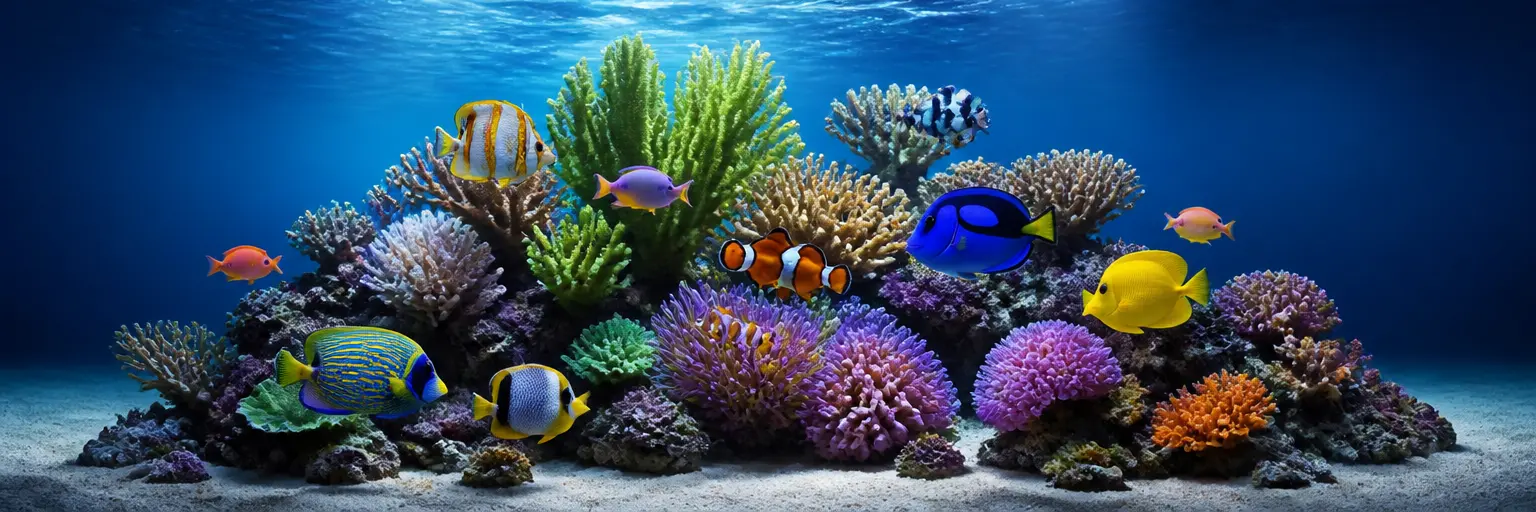
Explore Saltwater Fish with Aquarium Mastery’s expert profiles and practical care guidance 🐠 Discover ideal tank mates, feeding strategies, water-quality needs, reef compatibility, breeding insights, and health tips for marine species—from colorful reef fish to unique predators. Whether you’re planning a nano reef or a thriving saltwater aquarium, find trusted advice to choose compatible fish, prevent disease, and create a healthy, vibrant underwater environment 🌊 Build confidence and master marine fishkeeping today!
🌟 Discover the elegance of Longfin Cardinalfish with expert guidance on Longfin Cardinalfish aquarium care. Learn how to create a stunning, simple,…
Read article
🌊 Achieving saltwater larvae stable parameters is crucial for delicate marine life. AquariumMastery.com offers expert guidance on maintaining optimal water conditions, ensuring…
Read article
🌊 Discover the optimal way to prepare Nori seaweed for your tangs with our expert tips, ensuring a balanced Nori seaweed tang…
Read article
🌊 Are cleaner wrasses truly reef safe? Discover the controversial truth behind cleaner wrasse reef tank safety, including potential risks and best…
Read article
🌊 Unlock the secrets of successful saltwater fish embryo hatching with expert insights on critical parameters. AquariumMastery.com offers essential guidance on optimizing…
Read article
🌟 Discover the vibrant Red Lined Wrasse (Halichoeres biocellatus), a hardy and colorful pest-eater perfect for experienced aquarists. Our guide on Red…
Read article
🌟 Discover essential tips in our Moray Eel Feeding Guide to ensure your eel's health and vitality. Learn the best dietary practices,…
Read article
🌟 Master the art of SPS wrasses tank selection with our expert guidance, ensuring a harmonious, delicate ecosystem. Discover tips for choosing…
Read article
🐾 Discover essential tips for Lionfish stress reduction in your aquarium, ensuring a calm, healthy environment. Creating a low-stress Lionfish stress reduction…
Read article
🌊 Discover the essential steps for a safe and effective Saltwater larvae medicated bath to protect your delicate marine life. Learn when…
Read article
🐟 Discover essential strategies in our Cardinalfish disease treatment guide, covering prevention, identification, and effective treatment options to keep your aquarium healthy.…
Read article
🌟 Discover the essentials of maintaining an Anthias tank and understand the true "Anthias tank cost maintenance" involved. AquariumMastery.com offers expert guidance…
Read articleWelcome to Aquarium Mastery’s complete guide to saltwater fish profiles, care, tank mates, breeding, and health. Whether you are planning a nano reef, a fish-only marine aquarium, or an advanced coral reef system, this category provides practical, search-friendly guidance for choosing healthy marine fish and maintaining the conditions they need to thrive.
Explore species profiles covering temperament, adult size, diet, reef compatibility, aquarium requirements, behavior, disease prevention, and long-term care. You will also find advice on saltwater aquarium water chemistry, quarantine procedures, compatible tank mates, feeding schedules, acclimation, breeding projects, and common marine fish health problems. Use these resources to build a stable aquarium community and make informed decisions before adding any fish.
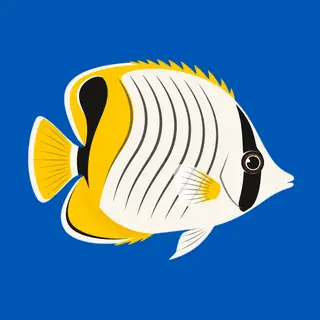
This subcategory explains how to identify and care for popular butterflyfish species, including their adult size, natural behavior, feeding preferences, and aquarium requirements. Readers can compare species suitable for fish-only systems with those that may prey on corals, sponges, or invertebrates in a reef aquarium.
Expect detailed advice on butterflyfish acclimation, nutrition, water quality, quarantine, and disease prevention. Guides also cover tank size, compatible tank mates, shy or difficult feeding behavior, and the specialized care needed to help delicate butterflyfish adapt successfully.
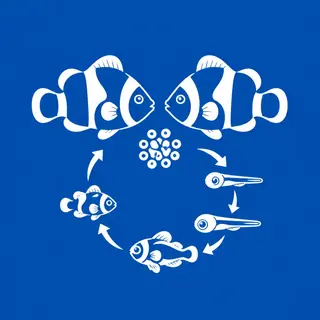
Learn how experienced aquarists approach marine fish breeding, from selecting compatible pairs to conditioning broodstock and preparing spawning environments. This section explores breeding systems, water quality control, egg collection, hatch timing, and the equipment required for successful saltwater fish reproduction.
Readers will also find information about marine fish larvae, rotifer cultures, greenwater techniques, first foods, larval tanks, and metamorphosis. These guides emphasize careful observation, stable parameters, hygiene, and realistic expectations for raising healthy juveniles.
Discover the differences among popular clownfish species, including their personalities, adult size, color varieties, host preferences, and reef aquarium compatibility. This subcategory explains clownfish and anemone symbiosis while clarifying that many captive-bred clownfish can thrive without a host anemone.
Find practical guidance on clownfish pairing, spawning, egg care, larval feeding, anemone selection, and territorial behavior. Articles also address suitable tank mates, quarantine, aggression management, and how to create a safe environment for both clownfish and reef invertebrates.
Choosing reef-safe fish and invertebrates requires more than checking a simple compatibility list. This section helps readers evaluate feeding habits, temperament, adult size, swimming level, bioload, coral safety, and the risk of predation in a mixed reef aquarium.
Expect clear recommendations for building peaceful marine communities with reef-safe fish, shrimp, snails, crabs, starfish, and other invertebrates. You will also learn how to introduce new livestock, reduce aggression, plan stocking order, and match tank mates to aquarium size and filtration capacity.
Explore the specialized needs of predatory saltwater fish such as lionfish, moray eels, groupers, and triggerfish. Species profiles explain adult size, hunting behavior, venom or bite risks, feeding requirements, escape prevention, and the large aquariums often needed by these impressive marine animals.
These guides focus on predator tank design, safe handling, frozen seafood diets, filtration, aggressive tank mates, and responsible stocking. Readers will learn why many predatory species are unsuitable for community reef tanks and how to plan a safer, more stable fish-only marine aquarium.
Learn how tangs and surgeonfish differ in adult size, swimming behavior, territoriality, feeding, and aquarium requirements. This section covers popular genera such as Zebrasoma, Acanthurus, Ctenochaetus, and Naso, helping aquarists select an appropriate species for their tank.
Expect essential information about marine algae control, herbivorous fish nutrition, quarantine, ich prevention, lateral line erosion, and aggression management. Guides explain the importance of swimming space, oxygenation, hiding places, varied algae-based foods, and careful introductions.
Wrasses include peaceful reef cleaners, active hunters, sand-burying species, and highly territorial fish. This subcategory provides profiles of common wrasse groups, explaining their behavior, adult size, sleeping habits, jumping ability, diet, and compatibility with corals and invertebrates.
Readers can learn how to choose the right reef-safe wrasse, aquarium cover, sand bed, tank mates, and feeding plan. Content also addresses acclimation, quarantine, pest control, aggression, and the special needs of wrasses that require live rock, sand, or mature reef environments.
Discover small but fascinating marine fish suited to carefully planned nano reefs and peaceful community aquariums. Gobies, blennies, and dragonets are profiled by adult size, personality, feeding style, perching or burrowing behavior, and compatibility with corals and ornamental invertebrates.
Special attention is given to captive-bred feeding, live copepod populations, mature reef requirements, sand beds, hiding places, and territorial behavior. These guides help prevent common mistakes, especially when selecting dragonets or other species with demanding natural diets.
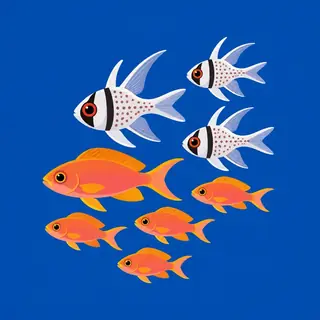
This section compares cardinalfish and anthias for reef aquariums, focusing on schooling behavior, social hierarchy, adult size, feeding frequency, and reef compatibility. Readers can explore which species are better suited to nano reefs, larger displays, groups, harems, or peaceful community tanks.
Learn how to provide high-quality marine fish nutrition, frequent feedings, adequate swimming space, shelter, and stable water conditions. Guides also explain group dynamics, male aggression, acclimation, quarantine, and methods for helping delicate schooling fish adjust to aquarium life.
Explore the differences between dwarf angelfish and large marine angelfish, including adult size, temperament, diet, territorial behavior, and reef safety. Species profiles help aquarists understand which angelfish may nip corals, clams, sponges, or other sessile invertebrates.
Readers will find guidance on saltwater angelfish tank size, feeding, quarantine, compatibility, disease prevention, and reef acclimation. Learn how to design territories, introduce compatible tank mates, and choose an angelfish based on aquarium volume and livestock goals.
Hardy captive-bred clownfish, some gobies, blennies, and certain cardinalfish are often good choices for beginners. Select fish based on your aquarium’s size, filtration, maturity, temperament, and ability to provide an appropriate diet.
A quarantine period of approximately two to four weeks is commonly used, although longer observation may be appropriate if symptoms appear. Quarantine helps identify parasites and disease before the fish enters the display aquarium and allows careful monitoring of eating behavior.
Compare adult size, temperament, diet, swimming level, territorial behavior, and reef safety. Introduce peaceful or timid fish carefully, provide adequate hiding places, and avoid overcrowding the aquarium’s biological filtration capacity.
Marine fish diets vary by species. Offer suitable foods such as frozen mysis shrimp, marine pellets, algae sheets, enriched brine shrimp, chopped seafood, or specialized foods for carnivores, herbivores, planktivores, and filter feeders. Variety and proper portion control support long-term health.
Preventive care includes quarantining new livestock, maintaining stable salinity and temperature, testing water regularly, providing nutritious food, reducing stress, and avoiding sudden changes. Good husbandry is especially important for preventing marine ich, velvet, bacterial infections, and nutritional disorders.