
The Role of Aufwuchs: Nature's Perfect Food for Otocinclus & Bristlenose

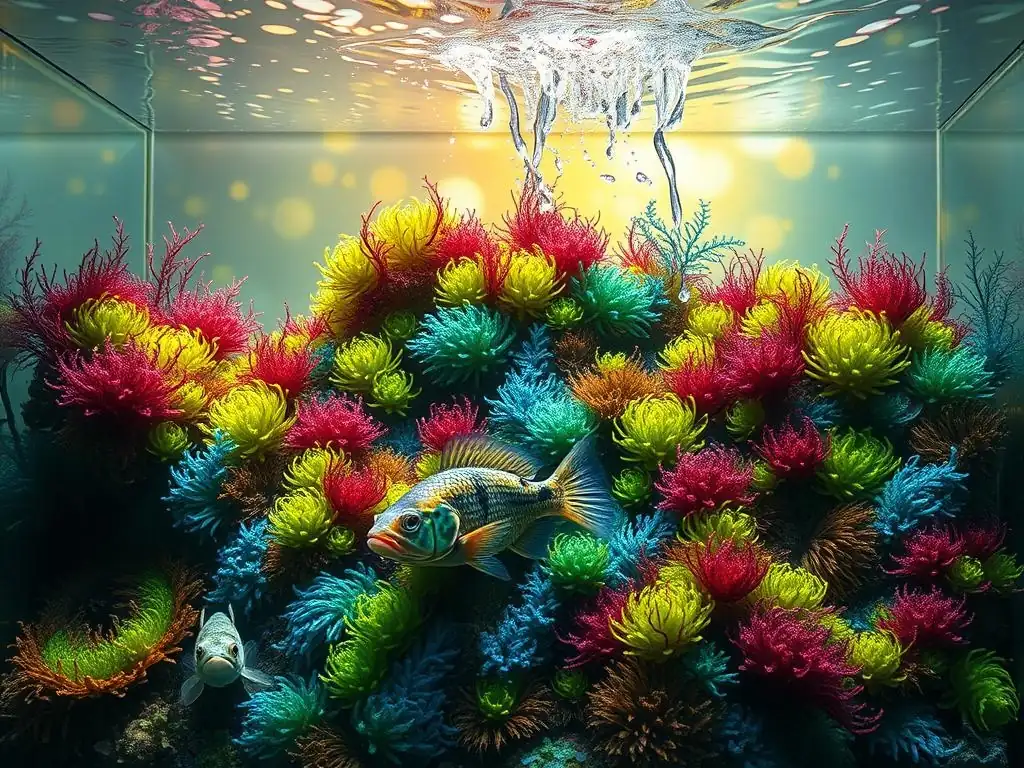
Welcome to Aquarium Mastery!
Ever wondered how to keep your algae-eating Otocinclus thriving and naturally happy? This article dives deep into the fascinating world of aufwuchs – nature's secret weapon for a healthy Otocinclus. Discover how understanding this vital food source can revolutionize your approach to aquarium care and unlock the secrets to a vibrant and balanced freshwater ecosystem. Ready to learn more about the ideal Otocinclus algae eating diet and create the perfect environment for your little algae eaters? Let's get started!
- The Role of Aufwuchs: Nature's Perfect Food for Otocinclus & Bristlenose Plecos
- Understanding Aufwuchs in the Freshwater Aquarium
- Aufwuchs as the Ideal Diet for Algae Eating Catfish
- Cultivating Aufwuchs in Your Aquarium
- Optimizing Tank Conditions for Aufwuchs Production
- Supplementing Aufwuchs: Ensuring a Balanced Diet
- Aufwuchs Grazing and its Impact on Aquarium Health
- Common Mistakes to Avoid When Feeding Otocinclus and Bristlenose Plecos
- Troubleshooting Aufwuchs Problems: Slow Growth or Imbalance
- The Benefits of Aufwuchs for a Thriving Aquarium Ecosystem
- Frequently Asked Questions
- Final Reflection: Embracing Nature's Microscopic Bounty
- Unleash the Power of Aufwuchs in Your Aquarium!
The Role of Aufwuchs: Nature's Perfect Food for Otocinclus & Bristlenose Plecos
Understanding Aufwuchs in the Freshwater Aquarium
What is Aufwuchs and Why is it Important for Algae Eaters?
Aufwuchs is a complex biological community comprising a diverse array of microorganisms, including various types of algae, bacteria, fungi, and protozoa, along with detritus and small invertebrates, all adhering to submerged surfaces in aquatic environments. This intricate layer forms naturally on rocks, driftwood, plants, and even tank glass. For many herbivorous and omnivorous fish, particularly specialized grazers like Otocinclus catfish and Bristlenose plecos, Aufwuchs represents their primary and most complete natural food source. Its presence is vital for their long-term health and well-being, providing a constant supply of diverse nutrients that are often lacking in commercial diets.
The importance of Aufwuchs for these fish cannot be overstated. Unlike simple algae, Aufwuchs offers a balanced nutritional profile, including essential proteins, fats, carbohydrates, vitamins, and minerals derived from its varied microbial components. For an Otocinclus algae eating diet, this continuous grazing opportunity is crucial, as their digestive systems are adapted to process small, frequent meals throughout the day. Without a sufficient supply of Aufwuchs, these fish can quickly become malnourished, leading to weakened immune systems, stunted growth, and a significantly reduced lifespan.
Aufwuchs Composition: The Natural Diet of Otocinclus Catfish and Bristlenose Plecos
The composition of Aufwuchs is highly dynamic and depends on various environmental factors, but it generally includes a rich blend of photosynthetic and heterotrophic organisms. Diatoms are often a dominant component, contributing significantly to the nutritional value with their silica shells and lipid content. Green algae, cyanobacteria (though less desirable in large quantities), various types of bacteria, and protozoa also form integral parts of this living mat. This diverse microbial soup is further enriched by organic detritus, such as decaying plant matter and microscopic food particles, which become entrapped within the sticky matrix.
For Otocinclus catfish, this complex blend forms the cornerstone of their natural Otocinclus algae eating diet. They are micro-grazers, equipped with specialized mouthparts designed to scrape off the thin, nutritious layers of Aufwuchs from surfaces. Bristlenose plecos, while capable of consuming larger algae, also thrive on Aufwuchs, benefiting from the constant availability of varied microorganisms that supplement their diet. Studies on the gut contents of wild Otocinclus species have consistently shown a predominance of diatoms and other microalgae, underscoring the critical role of Aufwuchs in their natural feeding ecology.
The Difference Between Aufwuchs, Biofilm, and Algae
While often used interchangeably, "Aufwuchs," "biofilm," and "algae" describe distinct, though related, concepts in an aquatic context. Algae refers specifically to simple, photosynthetic organisms, which can exist as single cells, colonies, or filaments. While algae are a significant component of Aufwuchs, they are not the entirety of it. For example, a patch of hair algae is primarily just algae, whereas a thin, brownish film on a rock is more likely Aufwuchs.
Biofilm is a broader scientific term for any community of microorganisms where cells adhere to each other on a surface and are embedded within a self-produced matrix of extracellular polymeric substance (EPS). This matrix provides structure and protection. Aufwuchs is, in essence, a specific type of biofilm found in aquatic environments, characterized by its visibly complex and often grazable community of algae, bacteria, protozoa, and detritus.
Therefore, all Aufwuchs is a biofilm, and all Aufwuchs contains algae, but not all biofilms are Aufwuchs, and not all algae form Aufwuchs. Understanding this distinction helps in recognizing the specific nutritional needs for a proper Otocinclus algae eating diet.
Aufwuchs as the Ideal Diet for Algae Eating Catfish
Why Aufwuchs is Superior to Some Commercial Foods for Otocinclus and Bristlenose Plecos
Many commercial fish foods, while convenient, often fall short of providing the complete and balanced nutrition found in natural Aufwuchs for specialized grazers like Otocinclus and Bristlenose plecos. A common issue is the protein content; some flake or pellet foods designed for general community fish may have protein levels (e.g., 35-45%) that are higher than ideal for these predominantly herbivorous species. While protein is essential, an excess can lead to digestive issues and internal organ stress over time, particularly for fish adapted to a diet primarily composed of microalgae and detritus.
Furthermore, commercial foods rarely replicate the continuous grazing opportunity that Aufwuchs provides. Otocinclus, in particular, are constant grazers, requiring a steady intake of food due to their high metabolic rate and small gut capacity. A diet solely reliant on once-daily pellet feeding, even with high-quality algae wafers, can lead to periods of starvation between meals, resulting in emaciation and stress. The diverse microbial community within Aufwuchs also offers a wider spectrum of micronutrients, enzymes, and beneficial bacteria that are often absent or degraded in processed foods, making it the superior Otocinclus algae eating diet.
Mimicking the Natural Diet: Providing Aufwuchs in Captivity
Successfully keeping Otocinclus and Bristlenose plecos in captivity hinges significantly on providing a diet that closely mimics their natural intake of Aufwuchs. This means creating an environment where this complex biofilm can thrive and be readily available for grazing. Simply relying on the "natural algae" that appears in a tank is often insufficient, especially in newer or very clean aquariums. A mature aquarium, typically one that has been established for several months (e.g., 3-6 months or more), will naturally accumulate more robust Aufwuchs layers.
To truly mimic their natural diet, hobbyists should actively encourage Aufwuchs growth on various surfaces within the tank. This approach not only provides the ideal Otocinclus algae eating diet but also contributes to a more natural and stable aquarium ecosystem, reducing stress on the fish and promoting their natural behaviors. Observing these fish constantly grazing on surfaces is a clear indicator that their dietary needs are being met, leading to healthier, more vibrant specimens with a higher likelihood of long-term survival.
Cultivating Aufwuchs in Your Aquarium
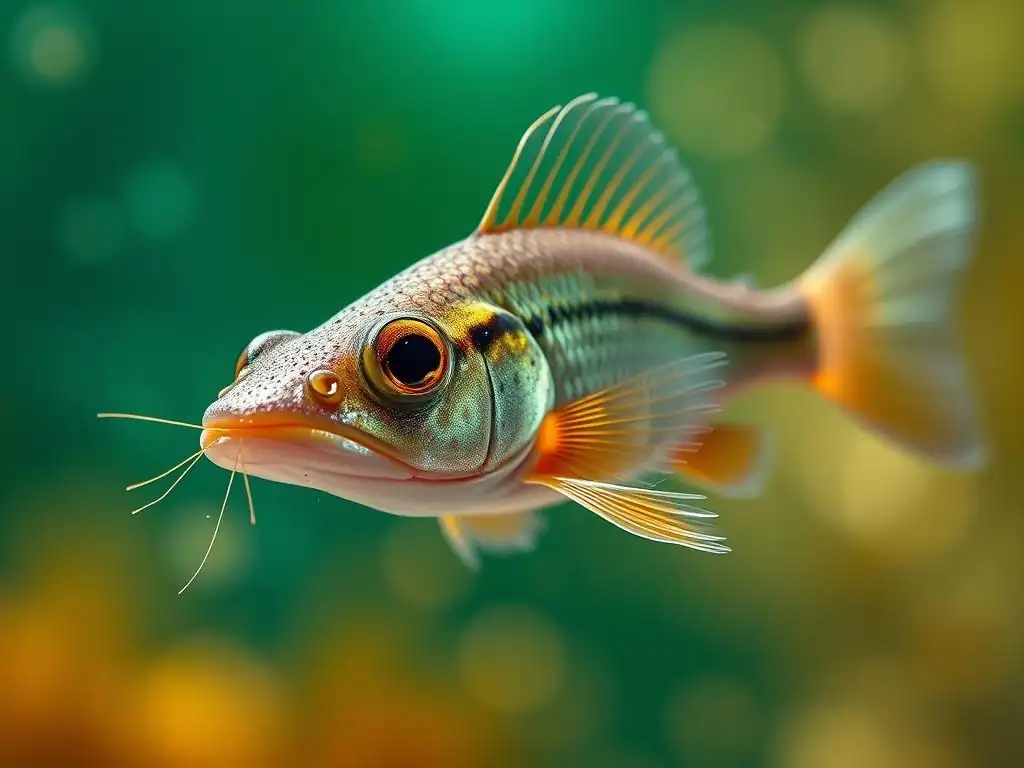
Creating an Aufwuchs-Rich Environment
Creating an environment conducive to Aufwuchs growth involves strategic tank setup and maintenance practices. The primary factors include stable water parameters, appropriate lighting, and the presence of essential nutrients in moderation. Rather than aiming for a "sterile" tank, hobbyists should embrace the natural accumulation of beneficial microorganisms. Surfaces for attachment are also crucial; smoother surfaces like glass can host Aufwuchs, but rougher, porous materials such as driftwood, lava rock, and certain types of ceramic decorations provide significantly more surface area and better adhesion for the microbial communities.
Consider designating specific areas or items within the tank where cleaning is minimized to allow Aufwuchs to flourish undisturbed. For instance, a piece of driftwood placed in a moderately lit area can become a prime grazing spot for your Otocinclus and Bristlenose plecos. Some aquarists even maintain a separate, smaller "algae growing" tank or container with rocks and strong light to cultivate Aufwuchs, which can then be periodically transferred to the main display tank. This ensures a consistent supply of this vital Otocinclus algae eating diet, especially for heavily stocked tanks.
Methods for Encouraging Aufwuchs Growth
Several methods can be employed to actively encourage Aufwuchs growth in your aquarium. One effective strategy is to adjust your lighting schedule. While excessive light can lead to nuisance algae blooms, a consistent moderate photoperiod (e.g., 8-10 hours daily) is essential for the photosynthetic components of Aufwuchs, such as diatoms and green algae.
Avoiding overly aggressive cleaning of tank surfaces is also key; resist the urge to scrub every speck of green from the glass or décor, as this removes the very food source your grazers depend on. A light wipe on the front glass for viewing is often sufficient, leaving other surfaces to develop their natural coating.
Another method involves ensuring a low but steady supply of essential nutrients like nitrates (ideally 5-20 ppm) and phosphates (0.1-0.5 ppm). While high levels lead to problems, a complete absence can starve the beneficial microalgae within the Aufwuchs. In very clean, heavily planted tanks, a small, controlled dose of an all-in-one liquid fertilizer (designed for plants) might provide the trace elements and macronutrients needed to kickstart Aufwuchs growth. Patience is also critical; establishing a robust Aufwuchs layer takes time, often several weeks to a few months, as the microbial community needs to mature and stabilize.
Using Hardscape and Plants to Promote Aufwuchs Development
The choice of hardscape and plants significantly influences the amount and quality of Aufwuchs available in an aquarium. Natural hardscape elements such as driftwood and rocks are excellent substrates. Driftwood, with its intricate textures and porous surface, offers extensive colonization opportunities for bacteria and algae, making it a prime feeding ground for Bristlenose plecos. Similarly, rough-textured rocks like lava rock or slate provide ideal surfaces where Aufwuchs can adhere and grow. These materials mimic the natural riverbeds and submerged forests where Otocinclus and Bristlenose plecos are found in the wild.
Certain plant species also excel at hosting Aufwuchs without being overgrown by it. Slow-growing, broad-leaved plants like Anubias species (e.g., Anubias barteri, Anubias nana) and Bucephalandra are perfect examples. Their tough, leathery leaves do not break down easily and provide stable, long-lasting surfaces for Aufwuchs to develop. Unlike delicate stem plants, these robust species can withstand the constant grazing of Otocinclus and Bristlenose plecos, ensuring a continuous and accessible Otocinclus algae eating diet directly on the plant leaves, which is particularly beneficial for the smaller Otocinclus.
Optimizing Tank Conditions for Aufwuchs Production
Water Parameters that Influence Aufwuchs Growth
Maintaining stable and appropriate water parameters is fundamental for fostering a healthy Aufwuchs community. For freshwater aquariums, a consistent temperature in the range of 72-78°F (22-26°C) is generally ideal, as it supports the metabolic activities of the diverse microorganisms that compose Aufwuchs. pH levels that are slightly acidic to neutral, typically between 6.5 and 7.5, also favor the growth of many beneficial algal and bacterial species. Significant fluctuations in pH or temperature can stress these microbial communities, hindering their development.
Furthermore, while excessive nutrients contribute to nuisance algae, a baseline level of nitrates and phosphates is necessary for the photosynthetic components of Aufwuchs. Aim for nitrate levels between 5-20 ppm and phosphate levels around 0.1-0.5 ppm. These low concentrations provide the building blocks for algal growth without leading to uncontrolled blooms. Regular testing of these parameters ensures they remain within optimal ranges, directly supporting a thriving Otocinclus algae eating diet source.
The Role of Lighting in Aufwuchs Development
Lighting is a critical factor in the development of Aufwuchs, particularly its photosynthetic components. A moderate light intensity and a consistent photoperiod are key. Typically, 8-10 hours of light per day is sufficient to encourage the growth of diatoms and green algae within the Aufwuchs layer. Too little light will inhibit growth, leaving insufficient food for your grazers, while excessive light (e.g., more than 12 hours or very high intensity) can lead to the proliferation of undesirable nuisance algae such as hair algae or green water, which are less palatable or even harmful to fish.
The spectrum of light also plays a role. Full-spectrum LED lights that provide wavelengths beneficial for plant growth (e.g., reds and blues) will also support the photosynthetic organisms within Aufwuchs. Positioning lights correctly to ensure even coverage across grazing surfaces, particularly on hardscape and plant leaves, will maximize Aufwuchs production. A balanced lighting regimen is essential to cultivate a healthy and sustainable Otocinclus algae eating diet.
Maintaining Water Quality to Support a Healthy Aufwuchs Ecosystem
Beyond specific parameters, overall water quality is paramount for supporting a robust Aufwuchs ecosystem. Regular partial water changes (e.g., 25% weekly or bi-weekly) are crucial for removing accumulated organic waste and replenishing essential trace elements without completely stripping the water of beneficial microorganisms. While a "clean" tank is desirable, it's important not to over-clean to the point of sterilizing the environment, as this can remove the very basis of your Otocinclus algae eating diet.
Adequate filtration, including biological and mechanical filtration, helps maintain stable water conditions by processing ammonia and nitrites and removing particulate matter. However, avoid excessive chemical filtration (e.g., large amounts of activated carbon or resins) that might remove beneficial nutrients or trace elements needed for Aufwuchs growth. A healthy, mature filter system supports the bacterial populations that are also part of the Aufwuchs community, contributing to overall tank stability and ensuring a consistent food supply for your grazers.
Supplementing Aufwuchs: Ensuring a Balanced Diet
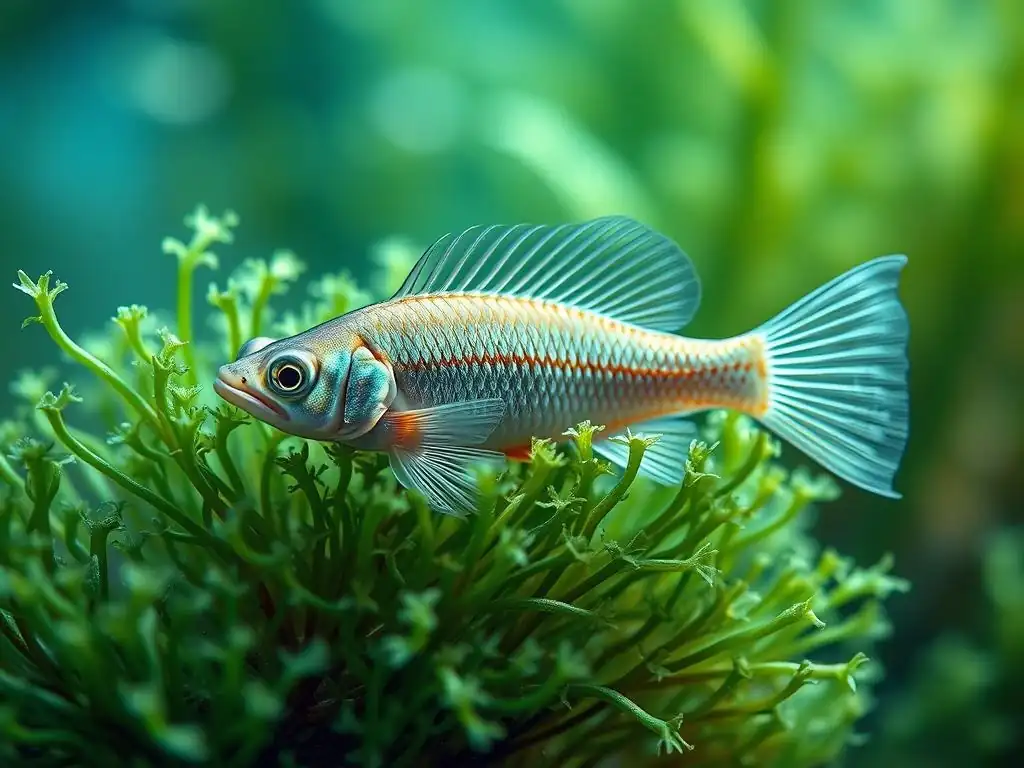
When is Supplemental Feeding Necessary?
While Aufwuchs is the ideal natural diet, there are specific situations where supplemental feeding becomes necessary to ensure your Otocinclus and Bristlenose plecos receive adequate nutrition. In newly established tanks (under 3-6 months), Aufwuchs layers may not yet be robust enough to support these grazers, making early supplemental feeding crucial for their survival. Similarly, in tanks with a high density of Otocinclus or Bristlenose plecos, or with other competing algae-eaters like snails or shrimp, the available Aufwuchs may be quickly depleted, leading to food scarcity.
Monitoring the physical condition of your fish is key. If your Otocinclus appear thin, with sunken bellies, or if your Bristlenose plecos seem lethargic or less active, it's a strong indicator that their primary Aufwuchs diet is insufficient. In such cases, providing additional food sources is vital to prevent malnourishment and improve their health. This proactive approach ensures a continuous and balanced Otocinclus algae eating diet.
Suitable Food Supplements: Zucchini, Blanched Spinach, and Algae Wafers
When supplementing the diet of Otocinclus and Bristlenose plecos, choose options that are palatable, nutritious, and safe for the aquarium environment. Fresh vegetables are an excellent choice. Thin slices of zucchini or cucumber (e.g., 1/4-inch thick) can be blanched briefly (about 30 seconds to 1 minute) to soften them, then weighted down or attached to a clip to sink.
These are highly favored by both species and provide essential vitamins and fiber. Similarly, blanched spinach leaves (e.g., 1-2 minutes until soft) offer a good source of iron and other nutrients. Always remove uneaten vegetable matter within 24 hours to prevent water fouling.
High-quality algae wafers or spirulina wafers formulated specifically for plecos and Otocinclus are also good supplemental options. Look for wafers that are dense and sink quickly, as these fish are bottom dwellers. Avoid wafers with high protein content (e.g., over 20-25%) if they are a primary supplement, as these species thrive on a more plant-based diet. Offering a variety of these supplements ensures a well-rounded Otocinclus algae eating diet, compensating for any deficiencies in the natural Aufwuchs.
Avoiding Overfeeding: Maintaining a Natural Balance
While supplementing is important, overfeeding can lead to significant problems in an aquarium, counteracting the benefits of a natural Aufwuchs-based diet. Excessive food left uneaten will decompose, leading to spikes in ammonia and nitrite, which are highly toxic to fish and can stress the entire aquarium ecosystem. This poor water quality can also inhibit the growth of beneficial Aufwuchs, ironically reducing the primary food source for your grazers.
To maintain a natural balance, provide only enough supplemental food that can be consumed within a few hours (e.g., 2-4 hours for vegetables or wafers). For Otocinclus, a small piece of blanched zucchini or half an algae wafer every other day might be sufficient, depending on the number of fish and the availability of Aufwuchs.
Observe your fish's consumption habits and the overall health of your tank, including the visible Aufwuchs levels, to adjust feeding schedules accordingly. A common mistake for Otocinclus algae eating diet is to assume they need large amounts of commercial food, when their natural inclination is to graze constantly on microscopic layers.
Aufwuchs Grazing and its Impact on Aquarium Health
How Otocinclus and Bristlenose Contribute to Algae Control Through Aufwuchs Consumption
Otocinclus catfish and Bristlenose plecos are renowned for their role as natural algae controllers in the freshwater aquarium, primarily through their continuous grazing on Aufwuchs. Otocinclus, with their sucker mouths, are particularly adept at cleaning diatoms and soft green algae from plant leaves, glass, and décor without damaging the plants themselves. Their small size allows them to access tight spaces, keeping surfaces pristine. A healthy group of 5-6 Otocinclus in a 20-gallon tank can significantly reduce the build-up of micro-algae.
Bristlenose plecos, on the other hand, are larger and more robust grazers, excelling at consuming tougher forms of algae and the thicker layers of Aufwuchs found on driftwood and rocks. Their rasping mouthparts are highly effective at scraping off stubborn films. By constantly consuming these layers, both species prevent the initial stages of algal growth from developing into unsightly and hard-to-remove blooms. This consistent grazing activity is a core component of a natural Otocinclus algae eating diet and a vital service to the aquarium hobbyist.
Preventing Algae Blooms by Supporting Aufwuchs Grazing
A well-established population of Otocinclus and Bristlenose plecos, adequately supplied with Aufwuchs, can be one of the most effective and natural ways to prevent disruptive algae blooms. These fish act as a first line of defense, consuming nascent algal growth before it has a chance to proliferate into problematic mats or green water. By allowing and encouraging Aufwuchs to grow, you are essentially cultivating a sustainable food source that simultaneously manages algae levels.
This biological control reduces the need for chemical algaecides, which can be harsh on sensitive fish and invertebrates, or excessive manual scraping, which can be time-consuming. A thriving Aufwuchs ecosystem, supported by vigilant grazers, creates a more stable and aesthetically pleasing aquarium. For example, in a 40-gallon planted tank, a group of 8-10 Otocinclus and a single Bristlenose pleco can maintain remarkably clean glass and plant leaves, demonstrating the power of a natural Otocinclus algae eating diet.
Monitoring Aufwuchs Levels and Adjusting Tank Maintenance
Effective algae control through Aufwuchs grazing requires continuous monitoring of both the fish's condition and the levels of Aufwuchs in the tank. If you notice that surfaces are becoming completely bare very quickly, it might indicate that your grazers are consuming the Aufwuchs faster than it can grow, suggesting a need to either increase Aufwuchs production (e.g., by extending light duration slightly, or adding more textured hardscape) or to supplement their diet more frequently.
Conversely, if Aufwuchs is building up excessively despite the presence of grazers, it could mean there's an overabundance of nutrients, too much light, or simply not enough grazing pressure for the current conditions. In such cases, you might consider adjusting your lighting schedule, reducing nutrient input (e.g., by decreasing feeding for other fish or increasing water change frequency), or, if appropriate for your tank size, adding more Otocinclus or Bristlenose plecos. Regularly assessing the balance between Aufwuchs availability and consumption is key to maintaining a healthy aquarium and ensuring a consistent Otocinclus algae eating diet.
Common Mistakes to Avoid When Feeding Otocinclus and Bristlenose Plecos
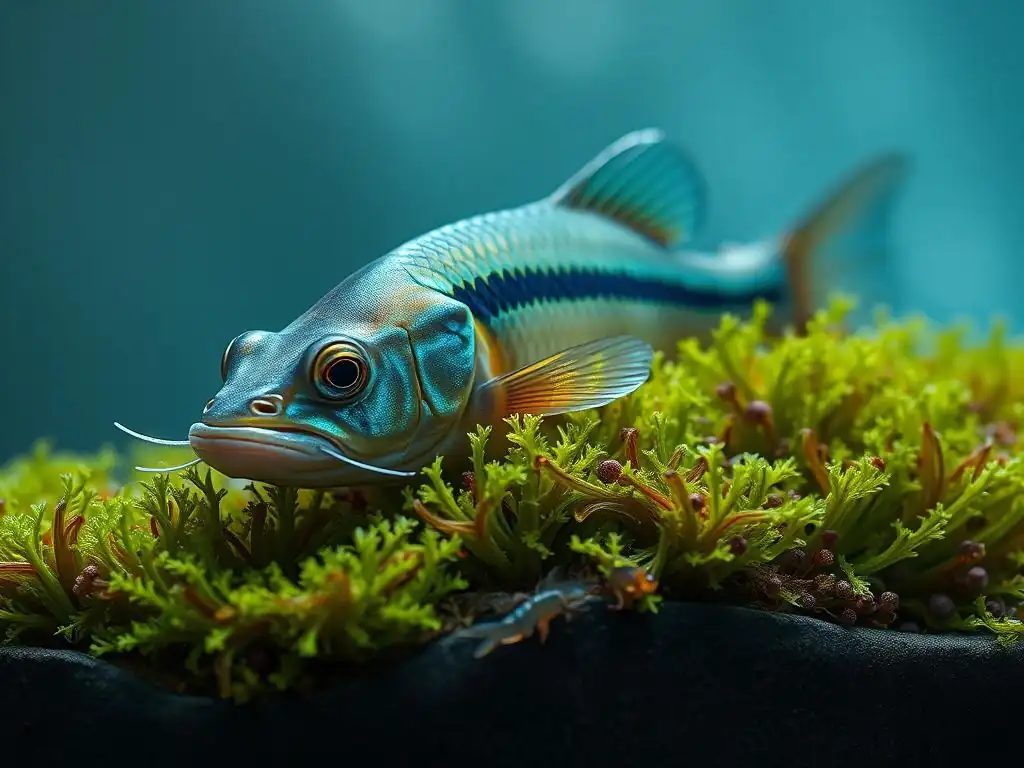
Over-Reliance on Commercial Foods and Neglecting Aufwuchs
One of the most common and detrimental mistakes made by hobbyists keeping Otocinclus and Bristlenose plecos is an over-reliance on commercial foods while neglecting the crucial role of natural Aufwuchs. Many assume that simply dropping an algae wafer once a day is sufficient, but this approach often leads to malnutrition and a shortened lifespan for these specialized grazers. Commercial foods, even high-quality ones, cannot fully replicate the diverse microbial community, constant availability, and specific nutritional profile of Aufwuchs.
Otocinclus, in particular, are highly sensitive to dietary deficiencies and often starve in tanks where Aufwuchs is scarce and supplementation is inadequate or inappropriate. Their small digestive tracts require continuous grazing. Without a robust Aufwuchs layer, they cannot obtain the consistent, varied intake they need. This oversight often results in the tragic "mystery death" of Otocinclus, when in reality, it's a slow starvation process due to an insufficient Otocinclus algae eating diet.
Incompatible Tank Mates and Competition for Food
Another significant mistake is housing Otocinclus and Bristlenose plecos with incompatible tank mates that either outcompete them for food or stress them. Fast-eating, aggressive bottom dwellers, or even numerous snails or shrimp, can quickly consume any supplemental foods before the slower-moving Otocinclus or Bristlenose have a chance to feed. For instance, large common plecos or various snail species can decimate Aufwuchs layers much faster than Otocinclus can graze, leading to direct competition for the essential Otocinclus algae eating diet.
Additionally, highly active or fin-nipping fish can stress these generally shy and peaceful catfish, making them reluctant to graze openly. Stress can suppress their appetite and immune system, even if food is technically available. Choosing peaceful, mid-water tank mates that do not directly compete for the same food sources is crucial for the well-being of Otocinclus and Bristlenose plecos. Ensure there are ample grazing surfaces and, if necessary, multiple feeding spots for supplemental foods.
Poor Water Quality Inhibiting Aufwuchs Growth
Maintaining pristine water quality is vital not only for the health of your fish but also for the very growth of the Aufwuchs they depend on. Poor water quality, characterized by fluctuating parameters, high levels of ammonia, nitrite, or excessive nitrates and phosphates, can severely inhibit the development of a healthy Aufwuchs community. The microorganisms that form Aufwuchs are sensitive to harsh conditions; for example, high ammonia can directly harm the beneficial bacteria and algae.
Furthermore, a tank with chronic water quality issues often experiences shifts towards less desirable forms of algae (e.g., black beard algae, green water) that are less palatable or even detrimental to Otocinclus and Bristlenose plecos, rather than the diverse and nutritious Aufwuchs. Regular water changes, proper filtration, and avoiding overfeeding other fish are essential practices to maintain stable, clean water that supports both your fish and their vital Otocinclus algae eating diet.
Troubleshooting Aufwuchs Problems: Slow Growth or Imbalance
Identifying the Causes of Poor Aufwuchs Development
When Aufwuchs growth is slow or insufficient, several factors could be at play. The most common cause is often inadequate lighting—either the duration is too short (e.g., less than 8 hours daily) or the intensity is too low for the photosynthetic components to thrive. Another significant factor is a lack of essential nutrients; in very sterile or heavily filtered tanks, the trace elements and low levels of nitrates/phosphates needed for algal growth might be too scarce. Aggressive cleaning routines, where all surfaces are meticulously scrubbed during maintenance, can also prevent Aufwuchs from establishing itself.
Overstocking with grazers is another common culprit. If you have too many Otocinclus or Bristlenose plecos for the available surface area, they will simply consume the Aufwuchs faster than it can grow, leaving surfaces bare. Additionally, poor water flow in certain areas of the tank might limit the distribution of nutrients to potential grazing surfaces, hindering development. Identifying which of these factors is most prominent in your setup is the first step towards resolving the issue and ensuring a consistent Otocinclus algae eating diet.
Solutions for Enhancing Aufwuchs Growth
Once the cause of poor Aufwuchs development is identified, specific solutions can be implemented to enhance its growth. If lighting is the issue, gradually increase the photoperiod by 30-60 minutes each week until you reach 9-10 hours, while monitoring for nuisance algae. For tanks with very low nutrient levels, consider adding a comprehensive liquid plant fertilizer (at a reduced dose) to provide the necessary trace elements and macronutrients, ensuring nitrates are between 5-10 ppm and phosphates 0.1-0.2 ppm.
To allow Aufwuchs to establish, reduce the frequency or intensity of cleaning on non-viewing surfaces. Consider leaving the back glass, rocks, and driftwood untouched for a few weeks. Adding more textured hardscape, such as lava rock or porous driftwood, will provide additional surface area for colonization. If overgrazing is suspected, temporarily increase supplemental feeding or, if feasible, reduce the number of grazers. These measures will contribute to a more robust and sustainable Otocinclus algae eating diet.
Managing Algae Imbalances and Promoting a Healthy Aufwuchs Ecosystem
Not all "algae" are created equal when it comes to Aufwuchs. It's crucial to differentiate between the desirable, thin, brownish-green film that constitutes healthy Aufwuchs and problematic nuisance algae (e.g., long hair algae, black beard algae, green water). If nuisance algae are proliferating, it indicates an imbalance in the tank, often due to excessive light, high nutrient levels, or inconsistent maintenance. Addressing these underlying causes is key to shifting the ecosystem towards beneficial Aufwuchs.
Solutions for managing imbalances include reducing overall light intensity or duration if nuisance algae are rampant, increasing water change frequency to export excess nutrients, and ensuring proper filtration and water circulation. Introducing other specific algae-eating species, such as Amano shrimp for hair algae or Nerite snails for diatoms, can also help manage specific problematic algae types without competing directly for the fine Aufwuchs preferred by Otocinclus. The goal is to create an environment where the diverse microbial community of Aufwuchs can thrive, providing a natural and balanced Otocinclus algae eating diet.
The Benefits of Aufwuchs for a Thriving Aquarium Ecosystem
Aufwuchs as a Natural Food Source for Other Invertebrates and Fry
Beyond Otocinclus and Bristlenose plecos, Aufwuchs serves as a vital natural food source for a wide array of other beneficial aquarium inhabitants, contributing significantly to the overall biodiversity and stability of the tank. Many species of freshwater snails, such as Nerite snails, Ramshorn snails, and Malaysian Trumpet snails, are voracious Aufwuchs grazers, constantly cleaning surfaces. Dwarf shrimp species, including Cherry shrimp and Amano shrimp, also spend much of their time picking at the microscopic organisms and detritus within the Aufwuchs layer, supplementing their diets.
Furthermore, the fry of many fish species, particularly livebearers and some cichlids, will instinctively graze on Aufwuchs in their early stages. The microscopic organisms and detritus within this biofilm provide crucial first foods that are rich in proteins and fats, essential for rapid growth and development before they are large enough to consume conventional fry foods. This natural food availability reduces the need for constant, specialized feeding of fry, making it easier to raise them successfully within a community tank.
Promoting Biodiversity and a Balanced Ecosystem
The presence of a healthy Aufwuchs layer is a strong indicator of a diverse and balanced aquarium ecosystem. It signifies that the tank can support a complex microbial community, which is fundamental to the nitrogen cycle and overall water stability. This rich biodiversity contributes to a more resilient environment, better equipped to handle minor fluctuations and resist large-scale algae outbreaks or disease.
A thriving Aufwuchs community provides a continuous, self-sustaining food web at the base of the aquatic food chain. This encourages natural behaviors in fish and invertebrates, as they spend their time grazing and interacting with their environment in ways that mimic their wild counterparts. It fosters a more naturalistic aquarium that requires less human intervention for feeding and cleaning, promoting a truly self-regulating system.
Creating a Natural and Sustainable Aquarium Environment.
Embracing and cultivating Aufwuchs in your aquarium is a cornerstone of creating a truly natural and sustainable aquatic environment. It shifts the paradigm from a heavily managed, intervention-dependent system to one that leverages natural processes for the benefit of its inhabitants. By providing a constant, self-renewing food source, the reliance on external inputs, such as commercial fish foods, can be significantly reduced. This not only saves money but also minimizes waste and the potential for water pollution from uneaten food.
A tank rich in Aufwuchs promotes the well-being of its inhabitants by mimicking their natural habitat and dietary needs, especially for specialized grazers like Otocinclus and Bristlenose plecos, ensuring a consistent Otocinclus algae eating diet. This leads to healthier, more vibrant fish that exhibit natural behaviors and have a longer lifespan. Ultimately, a focus on cultivating Aufwuchs results in a more stable, beautiful, and rewarding aquarium experience, reflecting a deeper understanding and appreciation of aquatic ecosystems.
Frequently Asked Questions
What is Aufwuchs and why is it important for Otocinclus?
Aufwuchs is a complex community of microorganisms, algae, and detritus that naturally grows on surfaces in aquariums. It's crucial for Otocinclus as it forms the primary component of their diet, providing essential nutrients.
Can I rely solely on algae wafers to feed my Otocinclus?
While algae wafers can supplement their diet, they shouldn't be the only food source. Otocinclus thrive on a diverse diet of aufwuchs, which commercial foods often fail to fully replicate. Variety is key for their health.
How can I encourage Aufwuchs growth in my aquarium?
Providing ample surface area like rocks, driftwood, and plant leaves encourages aufwuchs growth. Maintaining stable water parameters and providing adequate lighting also contributes to a healthy aufwuchs ecosystem.
What other foods can I offer Otocinclus besides Aufwuchs and algae wafers?
Blanched vegetables like zucchini and spinach are good supplemental options. These provide additional nutrients and fiber that are beneficial for their digestive health. Also consider supplementing with biofilm.
My Otocinclus are not eating. What could be the problem?
Possible causes include a lack of available aufwuchs, poor water quality, or competition from other fish. Ensure a consistent supply of food and monitor water parameters regularly to address potential issues.
Final Reflection: Embracing Nature's Microscopic Bounty
The intricate world of aufwuchs, often overlooked in the aquarium hobby, is revealed to be a cornerstone of a healthy and balanced diet for Otocinclus and Bristlenose plecos. Understanding its composition and fostering its growth is not just about keeping these algae eaters alive, but about providing them with the optimal nutrition they require to thrive, mirroring their natural environment.
The subtle yet profound influence of aufwuchs extends beyond the confines of our tanks, reminding us of the interconnectedness of ecosystems and the importance of biodiversity, even on a microscopic scale. It underscores the fact that the most effective solutions are often found in mimicking nature's own designs. Look deep into nature, and then you will understand everything better.
- Albert Einstein. This quote perfectly encapsulates the essence of understanding aufwuchs and its crucial role in the well-being of our aquatic friends.
As aquarists, we are entrusted with the care of these fascinating creatures. Let us, therefore, embrace a deeper understanding of their dietary needs and strive to cultivate thriving aufwuchs communities within our aquariums. By doing so, we not only provide our Otocinclus and Bristlenose with the perfect algae eating diet, but also contribute to a more natural, balanced, and ultimately, more rewarding aquatic ecosystem.
Unleash the Power of Aufwuchs in Your Aquarium!
Thanks for diving into the fascinating world of aufwuchs! We hope you now have a deeper understanding of this vital food source and how it can benefit your Otocinclus and Bristlenose plecos. Now, let's put this knowledge into action and create a thriving ecosystem in your aquarium.
Here are a few things you can do right now:
- Cultivate your own aufwuchs paradise! Introduce more algae-friendly surfaces, such as rocks and driftwood, and adjust your lighting to encourage growth.
- Share this article with fellow aquarium enthusiasts! Help spread the word about the wonders of aufwuchs and its benefits.
- Experiment with different light spectrums to see which promotes the most diverse and nutritious aufwuchs growth in your tank.
What innovative aufwuchs-cultivation techniques will you try in your aquarium?