
African Cichlid Behavior: Decoding Their Unique Actions and Interactions

Welcome to Aquarium Mastery!
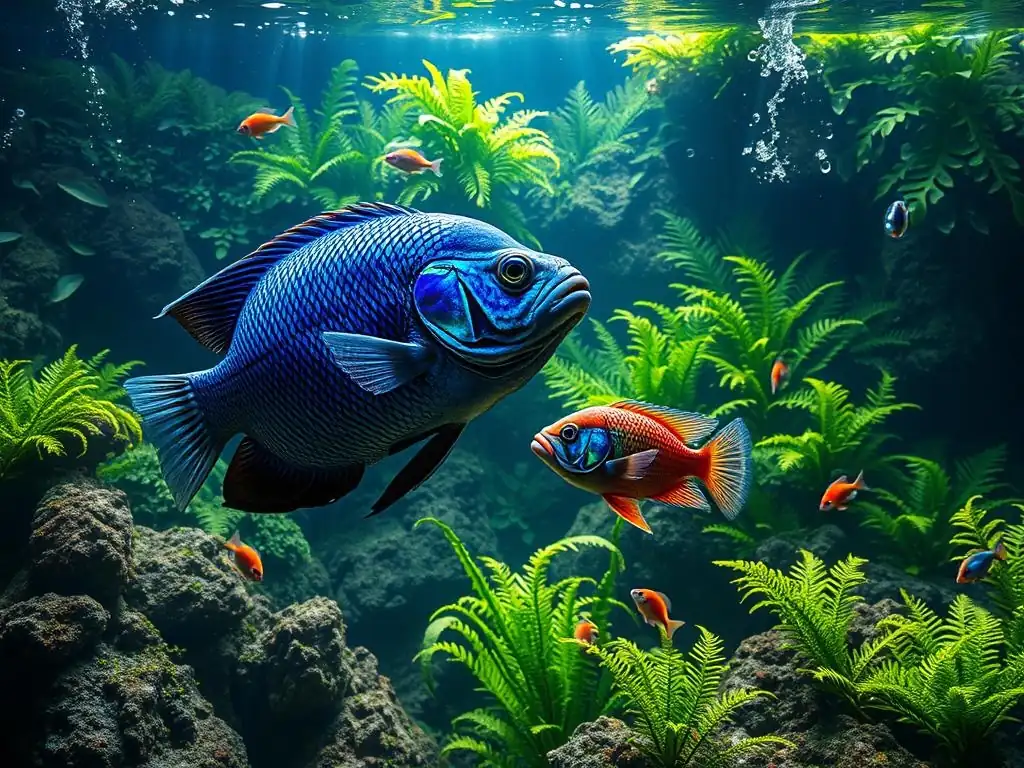
Ever wondered why your African cichlids are acting... a little territorial? Unravel the complexities of African cichlid aggression behavior in our comprehensive guide below. Discover the secrets behind their unique interactions and unlock a deeper understanding of these fascinating freshwater fish. Ready to decode the cichlid code?
- Understanding African Cichlid Behavior in the Aquarium
- Decoding African Cichlid Aggression Behavior
- Factors Influencing African Cichlid Aggression Levels
- Breeding Behavior and Aggression in African Cichlids
- Identifying Specific African Cichlid Behaviors
- Managing African Cichlid Aggression: Practical Tips
- Understanding African Cichlid Social Hierarchy
- The Link Between African Cichlid Diet and Behavior
- Advanced Topics in African Cichlid Behavior
- Conclusion: Mastering the Art of Understanding African Cichlid Behavior
-
Frequently Asked Questions
- What are the most common signs of African Cichlid aggression?
- Why are African Cichlids known for their aggressive behavior?
- How can I reduce aggression in my African Cichlid aquarium?
- What water parameters can influence African Cichlid aggression?
- Are some African Cichlid species more aggressive than others?
- Final Reflection: Unveiling the Complexities of Cichlid Life
- Unleash the Secrets of Cichlid Communication!
Understanding African Cichlid Behavior in the Aquarium
African cichlids, originating from the Great Rift Valley Lakes of Africa, are renowned for their vibrant colors, intricate social structures, and dynamic personalities. Unlike many community fish, these species exhibit complex interactions, establishing hierarchies and defending territories with remarkable vigor. Understanding these fundamental social dynamics is paramount for any aquarist aiming to successfully keep these captivating fish, as it directly influences their overall well-being and the prevalence of African cichlid aggression behavior.
The diversity within African cichlids, encompassing groups like the rocky-dwelling Mbuna, the open-water Haps, and the substrate-spawning Peacocks, means their social dynamics vary significantly. For instance, Mbuna are typically highly territorial and require specific aquascaping to manage their intense interactions, while some Peacock cichlids are relatively more placid. Recognizing these distinctions is crucial for selecting compatible tank mates and designing an environment that minimizes stress and mitigates potential African cichlid aggression.
Why Study African Cichlid Behaviors?
Studying African cichlid behaviors provides invaluable insights into their health, stress levels, and overall compatibility within an aquarium environment. Observing their daily routines, interactions, and subtle cues can help aquarists preemptively identify potential issues, such as the onset of disease or escalating African cichlid aggression, allowing for timely intervention before problems become severe. This proactive approach contributes significantly to a stable and thriving aquatic ecosystem.
Beyond problem prevention, understanding their behaviors enriches the aquarist's experience, transforming a simple tank into a living, dynamic display. For example, recognizing courtship displays or parental care behaviors offers a deeper appreciation for their natural instincts. Moreover, interpreting signs of stress or fear can guide adjustments to tank setup or stocking, ensuring that the cichlids are not merely surviving but truly flourishing, reducing instances of unwanted African cichlid aggression.
Decoding African Cichlid Aggression Behavior
Recognizing Signs of Aggression in African Cichlids
Recognizing the early signs of African cichlid aggression is crucial for maintaining a peaceful and healthy aquarium. Initial indicators often include subtle body language changes such as fin flaring, where a fish spreads its dorsal, anal, and caudal fins to appear larger and more imposing. Rapid and intense color changes, particularly a darkening of colors in dominant males or a paling in subordinate individuals, also serve as visual warnings that a confrontation may be imminent.
As aggression escalates, more direct actions become apparent. These can involve gill cover extensions, where a fish flares its operculum to display its size, or a rapid quivering motion directed at another fish. Persistent chasing, even without physical contact, is a clear sign of bullying and indicates problematic African cichlid aggression. If these behaviors are ignored, they can quickly lead to physical altercations, stressing the targeted fish and potentially leading to injury or death.
Types of Aggressive Displays: Chasing, Nipping, and More
African cichlids employ a range of aggressive displays, from mild intimidation to direct physical confrontation. Chasing is one of the most common forms of African cichlid aggression, where a dominant fish relentlessly pursues a subordinate. While seemingly harmless, sustained chasing can lead to extreme stress, fin nipping, and starvation for the harassed fish as it avoids feeding areas.
More severe forms of African cichlid aggression include nipping, where fish bite at the fins or bodies of their tank mates, and mouth-locking, a direct test of strength where two fish lock jaws and push against each other. Mouth-locking is often observed between rival males competing for territory or breeding rights and can result in significant injury to the mouth or jaws. These direct physical displays are clear indicators that the tank dynamics are out of balance and require immediate attention.
The Role of Territory in African Cichlid Aggression
Territoriality is a fundamental aspect of African cichlid behavior and a primary driver of African cichlid aggression. In their natural habitats, cichlids establish and defend specific areas for foraging, breeding, and refuge. This instinct carries over into the aquarium, where males, in particular, will claim a rock cave, a patch of substrate, or a specific region of the tank as their own.
Any perceived encroachment on these established territories will trigger an aggressive response. For example, a male Mbuna might fiercely defend a cave opening, chasing away any fish that comes within an approximate 10-15 inch radius. The intensity of this African cichlid aggression is often directly proportional to the perceived value of the territory and the dominance of the fish defending it, making proper aquascaping crucial for managing these conflicts.
Factors Influencing African Cichlid Aggression Levels
Overcrowding and Increased Aggression
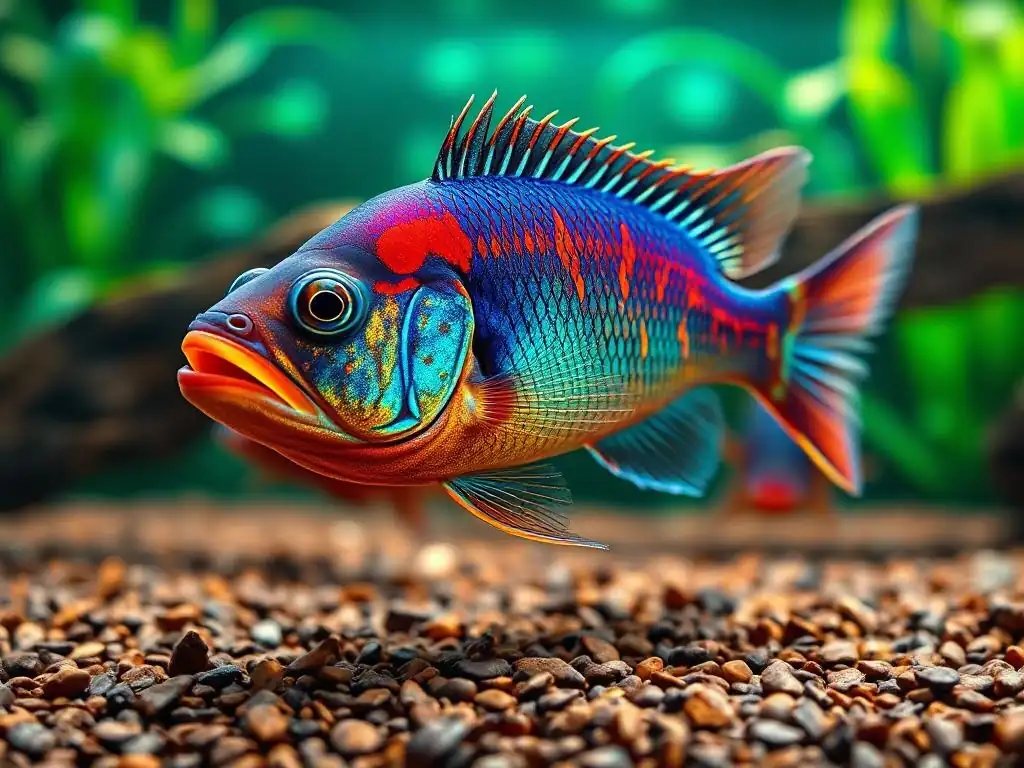
While it may seem counterintuitive, a carefully managed, moderately overcrowded African cichlid tank can sometimes help diffuse African cichlid aggression. By increasing the number of potential targets, the aggression of a dominant fish is spread out, preventing one individual from being relentlessly singled out and bullied. This strategy, often referred to as "dilution," requires diligent filtration and maintenance to compensate for the increased bioload.
However, true overcrowding, where the tank capacity is genuinely overwhelmed by too many fish, leads to severe stress, poor water quality, and significantly heightened African cichlid aggression. For example, attempting to house 20 Mbuna cichlids in a 30-gallon tank, which is far below the recommended minimum of 55 gallons for most Mbuna communities, will result in constant territorial disputes, disease outbreaks, and likely fatalities due to extreme African cichlid aggression and stress.
Tank Size and its Impact on Cichlid Interactions
Tank size is one of the most critical factors influencing African cichlid aggression. A larger tank provides more surface area for territories, more visual barriers, and more escape routes for subordinate fish. This increased space directly correlates with a reduction in overall African cichlid aggression, as fish have ample room to establish their domains without constant encroachment.
For instance, a 75-gallon aquarium offers significantly more spatial complexity and opportunities for distinct territories than a 40-gallon breeder tank, even if the fish count is the same. For a typical community of Mbuna cichlids, a 55-gallon tank is generally considered a bare minimum, while a 125-gallon or larger tank is ideal for mixed species communities or more aggressive types, allowing for more stable social structures and greatly diminishing African cichlid aggression.
The Influence of Tank Decorations and Hiding Places
The strategic placement of tank decorations and the provision of ample hiding places are vital for mitigating African cichlid aggression. Rocks, caves, driftwood, and even robust artificial plants create visual barriers that break up lines of sight, preventing a dominant fish from surveying and controlling the entire tank. This allows subordinate or targeted fish to retreat and find refuge, reducing chronic stress.
A tank lacking sufficient decor often results in relentless African cichlid aggression, as dominant individuals have an unobstructed view and can easily harass any fish they choose. For example, stacking irregular rock formations to create multiple small caves and tunnels provides numerous potential territories and escape routes. This thoughtful aquascaping is essential for diffusing tension and ensuring that even in a bustling cichlid tank, instances of severe African cichlid aggression are minimized.
Breeding Behavior and Aggression in African Cichlids
Courtship Rituals and Male Dominance
African cichlid courtship rituals are often elaborate displays of male dominance and fitness, which can involve a degree of African cichlid aggression. Males intensify their coloration, display exaggerated fin flaring, and perform a "shimmering" or "quivering" dance to attract females. They will often clear a specific patch of substrate or a flat rock, known as a spawning site, and aggressively defend this area from other males to assert their breeding rights.
During this period, the male's African cichlid aggression is primarily directed at rival males, but he may also display some level of chasing towards a female to encourage her to inspect his spawning site. If the female is receptive, the interactions become more synchronized, but if she is not, the male's persistence can escalate to more forceful chasing, underscoring the fine line between courtship and outright aggression in cichlid breeding.
Protecting Fry: Parental Care and Aggression Towards Intruders
Many African cichlids, particularly mouthbrooders like Mbuna, exhibit remarkable parental care, which is accompanied by a significant increase in African cichlid aggression towards perceived threats. Once the female is holding eggs or fry in her mouth, or when free-swimming fry are released, her protective instincts become incredibly strong. She will actively defend her brood against any fish, regardless of size, that approaches too closely.
For example, a female Pseudotropheus demasoni mouthbrooding fry might chase a much larger Nimbochromis livingstonii away from her hiding spot, displaying an intensity of African cichlid aggression rarely seen outside of breeding. This fierce defense mechanism ensures the survival of the offspring in a competitive environment, but it can temporarily disrupt the social dynamics of the main tank, as other tank mates are constantly fended off.
Aggression during Spawning
The act of spawning itself can be a highly intense and aggressive affair among African cichlids. The male often drives the female to the spawning site with nudges and chases, sometimes nipping at her fins or body to encourage her to release eggs. This behavior, while seemingly harsh, is a necessary part of the reproductive process, ensuring the female cooperates.
Once eggs are laid and fertilized, the female typically picks them up into her mouth. The male's African cichlid aggression then shifts to defending the immediate vicinity of the spawning site, preventing other fish from disturbing the newly laid eggs or the pair. This period of heightened aggression can last for several hours, or even days, as the male remains vigilant over the area where the spawning occurred, showcasing the primal nature of their reproductive drive.
Identifying Specific African Cichlid Behaviors
Common African Cichlid Behaviors Explained
Beyond aggression, African cichlids exhibit a wide array of fascinating behaviors that provide insight into their natural instincts and tank dynamics. Many species, particularly Mbuna, are constant grazers, meticulously picking algae from rocks and decor, mimicking their natural diet. Others, like certain Haplochromines, are open-water hunters, patrolling the mid-to-upper levels of the tank for food.
Digging and sifting substrate are common behaviors, especially among species from Lake Malawi and Tanganyika. These actions are often related to foraging for food, establishing territories, or preparing spawning sites. For example, Neolamprologus brichardi (Fairy Cichlids) from Lake Tanganyika are known for their intricate digging patterns around their chosen rock formations. Observing these routine behaviors helps aquarists understand their fish's well-being and can sometimes reveal subtle shifts that might precede African cichlid aggression or other issues.
Mouthbrooding Behavior in Mbuna Cichlids
Mouthbrooding is a remarkable reproductive strategy widely adopted by Mbuna cichlids, among others. After the eggs are laid and fertilized, the female immediately collects them into her mouth, where they remain protected from predators and environmental fluctuations for approximately 21 to 30 days. During this period, known as "holding," the female typically eats little to nothing, conserving energy for the development of her fry.
The implications of mouthbrooding on African cichlid aggression are significant. A holding female often becomes more reclusive, seeking out secluded hiding spots to protect her precious cargo. While she may exhibit reduced general African cichlid aggression to conserve energy, she will display fierce protective instincts if her hiding place is threatened or if any fish attempts to harass her, demonstrating a strong maternal bond.
Shell Dwelling Behavior in Lake Tanganyika Cichlids
Shell dwelling is a unique and captivating behavior predominantly observed in certain cichlids from Lake Tanganyika, such as Neolamprologus multifasciatus (Multies) and Lamprologus ocellatus. These diminutive cichlids utilize empty snail shells, primarily those of Neothauma snails in their natural habitat, as their primary homes, breeding sites, and safe havens from predators.
Within an aquarium, shell dwellers will meticulously arrange and defend their chosen shells, often creating intricate colonies. Each individual or pair fiercely guards its shell and the immediate surrounding area, leading to highly territorial African cichlid aggression within their specific micro-habitat. Observing these miniature societies as they dig, defend, and raise their young within their shelled fortresses offers a fascinating glimpse into specialized cichlid adaptations.
Interpreting Color Changes in African Cichlids
Color changes are a vital form of communication among African cichlids, providing immediate clues about their mood, health, and social status. Intense, vibrant coloration in males typically signifies dominance, health, and readiness to breed. For instance, a dominant male Aulonocara (Peacock cichlid) will display exceptionally brilliant blues, yellows, or reds, advertising his prowess to females and deterring rival males.
Conversely, faded or dull colors often indicate stress, fear, illness, or submission. A fish that has been consistently targeted due to African cichlid aggression might lose its vibrant hues, appearing pale and washed out as a sign of chronic stress or as an attempt to appear less threatening. Rapid shifts between vibrant and subdued colors can indicate fluctuating social dynamics or a fish reacting to a perceived threat, making color observation a key part of decoding African cichlid behavior.
Managing African Cichlid Aggression: Practical Tips
Choosing Compatible African Cichlid Species
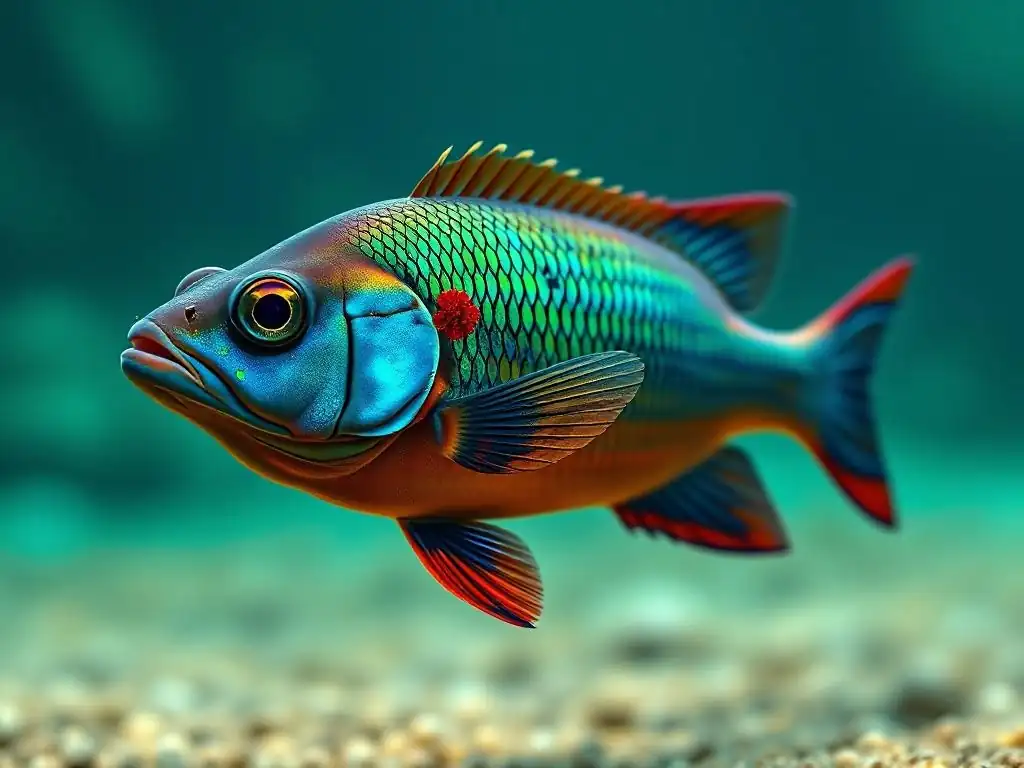
One of the most effective strategies for managing African cichlid aggression is the careful selection of compatible species. Mixing cichlids from different Rift Valley lakes or even different groups within the same lake (e.g., highly aggressive Mbuna with more docile Haps) can lead to constant conflict due to incompatible temperaments, dietary needs, or preferred water parameters. Researching each species' temperament, adult size, and specific needs is crucial.
It is generally recommended to stock species with similar aggression levels and to avoid mixing overly dominant fish with extremely timid ones. For example, highly territorial Mbuna like Melanochromis johannii should be housed with other robust Mbuna, rather than with smaller, more delicate species. A common guideline is to choose 6-8 species for a 75-gallon Mbuna tank, ensuring a male-to-female ratio of at least 1:3 for each species to help dilute male African cichlid aggression.
Optimizing Tank Setup to Reduce Aggression
Optimizing the tank setup is paramount for reducing African cichlid aggression. The goal is to create a complex environment with numerous hiding spots, visual barriers, and distinct territories. Abundant rockwork, arranged to form multiple caves, crevices, and swim-throughs, is essential, particularly for rocky-dwelling Mbuna. These structures provide refuge for subordinate fish and allow dominant fish to establish clear boundaries.
Arranging decor in a way that breaks up lines of sight prevents a single dominant fish from establishing control over the entire tank, thereby diffusing African cichlid aggression. For example, creating multiple "rock islands" rather than one continuous rock wall can divide the tank into smaller, defensible zones. Regularly re-arranging the decor, especially when introducing new fish, can also temporarily disrupt established territories, making all fish feel new to the environment and reducing initial aggression.
The Importance of Proper Filtration and Water Quality
Maintaining impeccable water quality is fundamental to reducing stress and, consequently, African cichlid aggression. Poor water parameters, such as elevated ammonia, nitrite, or nitrate levels, can severely stress fish, making them more susceptible to disease and more prone to aggressive outbursts. African cichlids, being messy eaters, produce a significant bioload, necessitating robust filtration.
High-capacity canister filters, often supplemented with powerheads for increased circulation, are highly recommended to handle the waste produced by these fish. Regular water changes, typically 25-30% weekly for a moderately stocked tank, are essential to keep nitrate levels low and maintain stable water chemistry (e.g., pH between 7.8 and 8.6, hard water). A clean, stable environment directly contributes to the overall health and reduced African cichlid aggression of the inhabitants.
Feeding Strategies to Minimize Competition
Feeding strategies can significantly impact African cichlid aggression levels, particularly competition for food. In a community tank, a dominant fish may monopolize food sources, preventing subordinate fish from getting adequate nutrition. To mitigate this, scatter food widely across the tank's surface rather than dropping it in one spot. This forces fish to spread out, allowing less dominant individuals a chance to feed.
Feeding smaller amounts more frequently throughout the day (e.g., 2-3 times) rather than one large meal can also help. This reduces the intensity of competition during each feeding session and ensures that all fish receive enough food without excessive gorging or territorial disputes. For example, offering a high-quality spirulina flake or pellet designed for African cichlids can satisfy their dietary needs while minimizing food-related African cichlid aggression.
Dominance Hierarchies and Pecking Orders
African cichlids naturally establish complex dominance hierarchies, or pecking orders, within their social groups. Typically, one or more males will emerge as dominant, asserting their authority over others through displays, chases, and occasional skirmishes. This hierarchy dictates access to prime territories, preferred hiding spots, and breeding opportunities.
While the establishment of a hierarchy often involves initial African cichlid aggression, once a stable pecking order is formed, it can actually lead to a reduction in constant fighting. Subordinate fish learn their place and actively avoid challenging the dominant individuals. However, the hierarchy is not static; it can be challenged by growing males, or disrupted by the introduction of new fish or the removal of a dominant individual, leading to temporary periods of increased African cichlid aggression as a new order is established.
Submissive Behaviors in African Cichlids
Submissive behaviors are crucial for maintaining peace within an African cichlid social hierarchy and for avoiding excessive African cichlid aggression. When confronted by a dominant fish, a subordinate individual will often display specific cues to signal its non-threat and submission. These behaviors include paling in color, clamping its fins close to its body, darting rapidly away, or hiding among rocks and decor.
Persistent submissive behavior, especially if accompanied by a refusal to feed or chronic hiding, is a strong indicator of severe stress and ongoing African cichlid aggression from tank mates. If a fish is constantly being targeted and cannot escape the harassment, its immune system will weaken, making it susceptible to disease and potentially leading to its demise. Recognizing and addressing these signs is vital for the well-being of the entire tank.
How to Introduce New Cichlids to an Established Tank
Introducing new African cichlids to an established tank requires careful planning to minimize African cichlid aggression. One effective strategy is to rearrange the tank decor just before adding the new fish. This disrupts existing territories, making all fish feel "new" to the environment and reducing the initial territorial defense by established residents.
Another technique is to add multiple new fish at once, if tank capacity allows, to "overwhelm" the existing aggression and spread out the harassment among several targets. Quarantining new fish in a separate tank for a few weeks prior to introduction is also crucial for health reasons, preventing the spread of disease. For particularly aggressive individuals, temporary isolation in a breeding net within the main tank can help them acclimate without causing immediate conflict, slowly integrating them into the existing social structure and managing African cichlid aggression.
The Link Between African Cichlid Diet and Behavior
Protein Intake and its Effect on Aggression
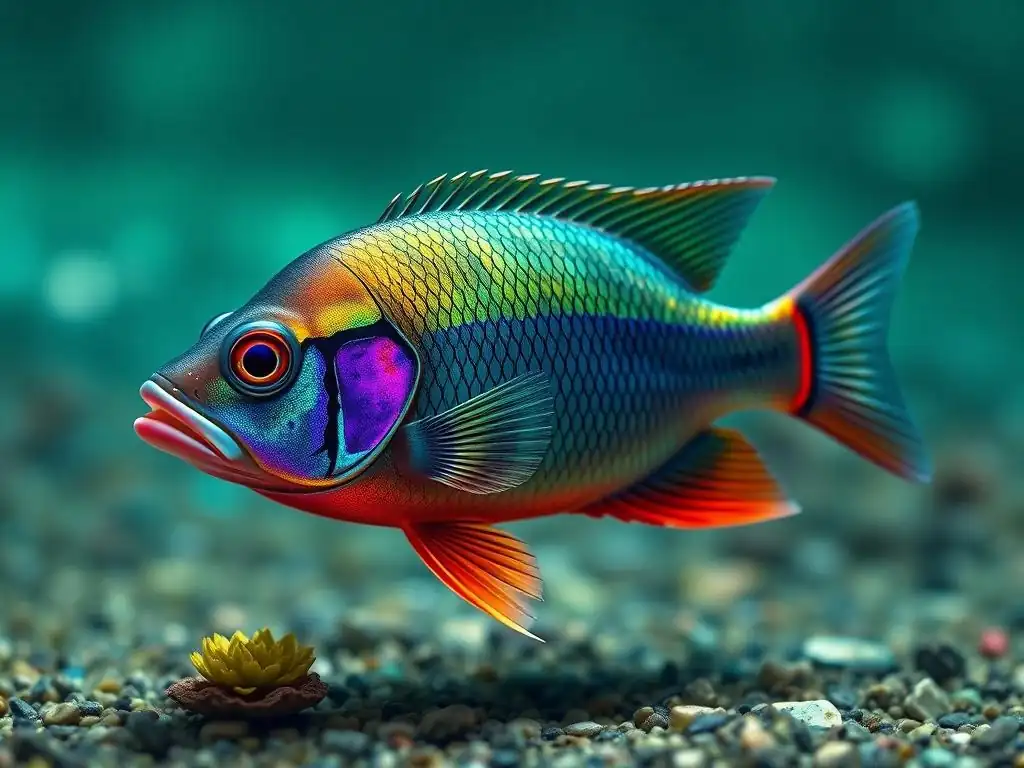
The diet of African cichlids has a direct impact on their behavior, particularly African cichlid aggression. Many Mbuna cichlids, for example, are primarily herbivorous or omnivorous with a strong emphasis on plant matter in their natural diet, grazing on algae from rocks. Feeding these species a diet excessively high in animal protein, such as feeder fish or beef heart, can lead to digestive issues like Malawi bloat, but also significantly increase their African cichlid aggression.
A high-protein diet can make herbivorous cichlids more prone to territorial disputes and general belligerence, as it does not align with their natural nutritional needs. For instance, feeding Pseudotropheus saulosi (a largely herbivorous Mbuna) a diet of bloodworms or shrimp frequently can lead to heightened African cichlid aggression and health problems. Instead, a diet rich in spirulina, high-quality cichlid pellets formulated for herbivores, and occasional blanched vegetables is essential for their health and temperament.
The Role of Plant Matter in a Balanced Diet
For many African cichlids, particularly Mbuna, plant matter forms a critical component of their balanced diet. In their natural habitat, they spend a significant portion of their day grazing on the algal mats covering rocks. Providing a diet rich in spirulina, algae wafers, or specialized cichlid pellets with a high vegetable content is vital for their digestive health and overall well-being.
A deficiency in appropriate plant matter can lead to nutritional imbalances, stress, and even increased African cichlid aggression, as fish may become more irritable or seek out inappropriate food sources within the tank, potentially nipping at tank mates. Ensuring a diet that closely mimics their natural intake, such as offering spirulina flakes or pellets as the primary food source for Mbuna, promotes healthier fish and helps mitigate African cichlid aggression.
Avoiding Overfeeding to Prevent Territorial Disputes
Overfeeding is a common mistake that can exacerbate African cichlid aggression and lead to various issues in the aquarium. When too much food is introduced, it quickly degrades, leading to poor water quality (elevated nitrates, phosphates) which stresses fish and makes them more prone to aggressive behavior. Additionally, an abundance of food can intensify competition, as dominant fish will gorge while others may struggle to get enough.
To prevent food-related territorial disputes, it's best to feed African cichlids small amounts that they can consume within 1-2 minutes, 2-3 times a day. This ensures all fish have an opportunity to eat without excessive competition. Removing any uneaten food after a few minutes is also crucial for maintaining water quality, which indirectly contributes to reducing stress and overall African cichlid aggression in the tank.
Advanced Topics in African Cichlid Behavior
The Impact of Genetics on Temperament
While environmental factors play a significant role in African cichlid aggression, genetics also have a profound impact on an individual fish's inherent temperament. Certain species are naturally predisposed to higher levels of territoriality and aggression due to their evolutionary history and ecological niche. For example, Maylandia estherae (Red Zebra Cichlid) males are known for their robust territorial defense, often showing intense African cichlid aggression towards rivals.
Even within a single species, there can be genetic variations in temperament. Selective breeding in captivity can sometimes inadvertently lead to more or less aggressive strains, though most hobbyists will encounter fish with wild-type aggression levels. Understanding this genetic predisposition allows aquarists to make more informed stocking decisions, choosing species known for more manageable African cichlid aggression if a less confrontational tank is desired.
The Role of Learned Behaviors
African cichlids are intelligent fish capable of learned behaviors, which can influence their African cichlid aggression and social dynamics. Fish can learn from their experiences within the aquarium, adapting their behavior based on past interactions. For instance, a subordinate fish that has consistently been bullied may learn to avoid certain areas of the tank or specific dominant individuals, developing chronic stress.
Conversely, if African cichlid aggression is effectively managed through proper tank setup and stocking, fish can learn to coexist more peacefully, recognizing territories and avoiding direct confrontations. An example might be a subdominant male learning to display submissive colors or fin clamping when a dominant male approaches, thereby diffusing potential conflict and preventing escalation of African cichlid aggression.
Interspecific Aggression: Understanding Competition Between Different Species
Interspecific aggression refers to conflicts that occur between different species of fish within the same aquarium. This type of African cichlid aggression often arises from competition for shared resources like food, territory, or breeding sites, or simply from a misinterpretation of another species' behavior as a threat. For example, two different species of Mbuna might compete fiercely for the same prime rock cave, even if their natural diets vary.
This differs from intraspecific aggression, which occurs between individuals of the same species. While a male Aulonocara (Peacock cichlid) might display significant African cichlid aggression towards other male Peacocks, it might only show mild territoriality towards a Mbuna species that shares a similar habitat preference, as their primary targets for aggression are typically their own kind or closely related species. Careful species selection is key to minimizing interspecific African cichlid aggression.
Conclusion: Mastering the Art of Understanding African Cichlid Behavior
Key Takeaways for a Harmonious African Cichlid Aquarium
Mastering the art of understanding African cichlid behavior is essential for creating a harmonious and thriving aquarium environment. The key takeaways include meticulous species selection, ensuring compatibility in terms of temperament and size, and providing an adequately sized tank that offers ample space for territories and escape routes. Proper aquascaping with abundant rocks and visual barriers is crucial for diffusing African cichlid aggression.
Furthermore, diligent water quality management through robust filtration and regular water changes is paramount for reducing stress, which often triggers African cichlid aggression. Implementing appropriate feeding strategies that minimize competition and align with the species' natural diet also plays a significant role. By addressing these fundamental aspects, aquarists can significantly mitigate African cichlid aggression and foster a dynamic yet peaceful community.
Further Resources for Learning About African Cichlid Behavior
The journey of understanding African cichlid behavior is an ongoing one, filled with continuous learning and observation. Aquarists are encouraged to delve deeper into specialized knowledge through reputable online communities, dedicated forums, and comprehensive books focused on African cichlid care and species profiles. These resources often provide detailed insights into specific species' behaviors, dietary needs, and strategies for managing African cichlid aggression.
Patience and keen observation are invaluable tools for any cichlid enthusiast. Each tank and its inhabitants are unique, and subtle behavioral cues can reveal much about the social dynamics at play. By continuously learning and applying best practices, aquarists can truly appreciate the complex and fascinating world of African cichlids, ensuring their vibrant personalities and intricate behaviors are showcased in a healthy, thriving environment.
Frequently Asked Questions
What are the most common signs of African Cichlid aggression?
Common signs include chasing, nipping fins, and mouth fighting. These behaviors often indicate territorial disputes or dominance challenges within the tank.
Why are African Cichlids known for their aggressive behavior?
African Cichlids are naturally territorial and hierarchical fish. Their aggression stems from competition for resources like food, territory, and mates.
How can I reduce aggression in my African Cichlid aquarium?
Overcrowding the tank with more cichlids can actually reduce aggression. This is because the aggression gets spread out among more individuals, making it difficult for any single fish to establish a dominant hold. Also, provide plenty of hiding places with rocks and caves.
What water parameters can influence African Cichlid aggression?
Poor water quality, such as high ammonia or nitrite levels, can stress the fish and increase aggression. Maintaining stable and optimal water chemistry is crucial.
Are some African Cichlid species more aggressive than others?
Yes, certain species like Mbuna are generally more aggressive than others. Researching the temperament of specific species before combining them is highly recommended.
Final Reflection: Unveiling the Complexities of Cichlid Life
The intricate world of African cichlids, with its vibrant colors and dynamic social structures, offers a fascinating glimpse into the power of aggression as a driver of evolution and adaptation. Understanding their behaviors, especially the nuances of aggression, is not just an academic exercise; it's crucial for responsible aquarium keeping and the long-term conservation of these remarkable fish in their natural habitats, which are increasingly threatened by human activity.
The study of African cichlid aggression behavior has profoundly shaped our understanding of social hierarchies and resource competition in the animal kingdom. Witnessing these complex interactions firsthand, whether in an aquarium or through research, underscores the delicate balance between survival and cooperation. The only constant in life is change,
Heraclitus famously said, and this holds true in the ever-shifting dynamics of a cichlid community, where aggression is a tool for navigating that change.
As we conclude this exploration of African cichlid behavior, I invite you to reflect on the lessons these fish offer. Consider how understanding their aggression, their territoriality, and their intricate social dances can inform our own interactions and perceptions of power dynamics. Let us strive to appreciate the complexity of life, both within the vibrant waters of Lake Malawi and Tanganyika, and within our own human communities. By doing so, we can foster a greater respect for the natural world and a more nuanced understanding of ourselves.
Unleash the Secrets of Cichlid Communication!
Thank you for diving into the fascinating world of African Cichlid behavior! We hope you've gained valuable insights into their complex social dynamics. Now, let's translate that knowledge into action.
- Start a Cichlid Behavior Journal: Dedicate a notebook or digital document to recording your cichlids' daily activities. Note any changes in coloration, aggression, or mating rituals. This firsthand data will deepen your understanding of their individual personalities.
- Share your knowledge! Start a thread in an online aquarium forum, detailing a particularly interesting behavior you observed in your cichlids. This is a great way to learn from others and gain new perspective.
- Experiment with tank layouts. Slightly rearrange the rockwork in your tank to observe how your cichlids react to the new environment. Note any territorial adjustments or changes in social structure.
What surprising behavior have you observed in your cichlids that made you rethink everything you knew?