
Unlocking the Secrets to Breeding Celestial Pearl Danios (Galaxy Rasboras)

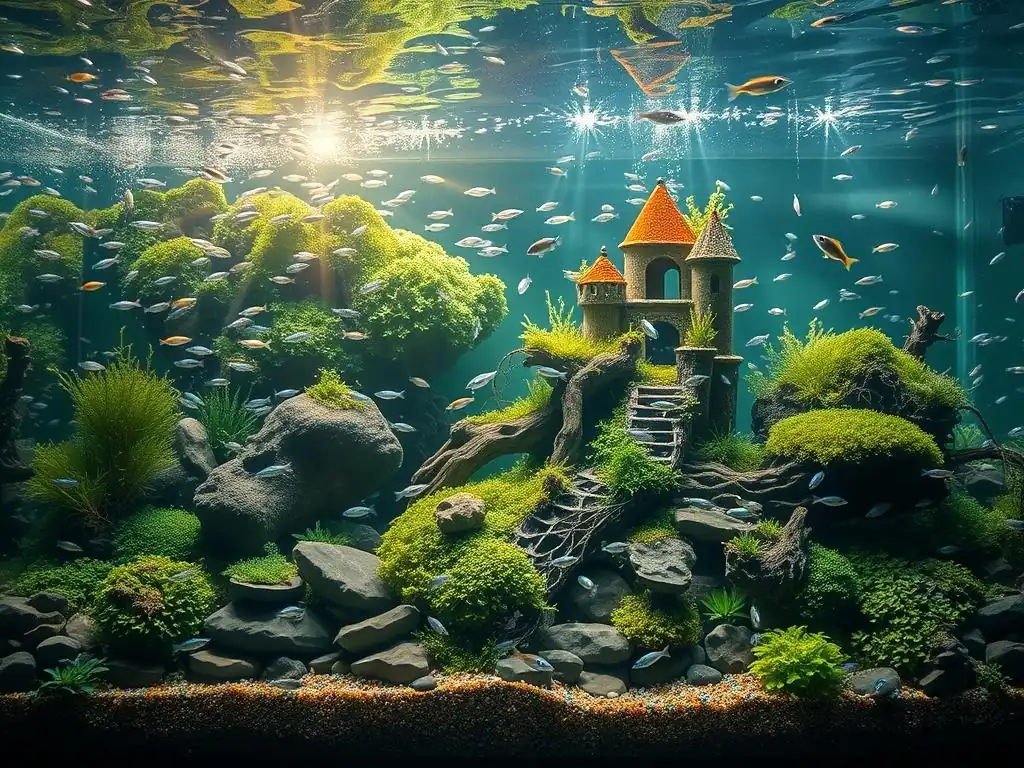
Welcome to Aquarium Mastery, your ultimate guide to thriving aquatic ecosystems! Ever been captivated by the shimmering beauty of Celestial Pearl Danios? Unlock the secrets to successfully breeding these dazzling "Galaxy Rasboras" with our in-depth guide. Ready to witness the miracle of life in your own freshwater aquarium? Let's dive in!
- Breeding Celestial Pearl Danios: A Comprehensive Guide
- Understanding Celestial Pearl Danios: Foundations for Success
- Preparing CPDs for Breeding: Conditioning and Selection
- Setting Up a Dedicated Breeding Tank: A Step-by-Step Guide
- The Breeding Process: Spawning and Egg Care
- Raising CPD Fry: From Hatching to Juvenile
- Troubleshooting: Common Issues and Solutions
- Advanced Techniques: Selective Breeding and Line Breeding
- Conclusion: Mastering CPD Breeding
-
Frequently Asked Questions
- What are the key factors to consider before starting a Celestial Pearl Danio breeding project?
- What is the ideal setup for a Celestial Pearl Danio breeding tank?
- How do you condition Celestial Pearl Danios for breeding?
- How do you care for Celestial Pearl Danio eggs and fry?
- What are some common challenges faced when breeding Celestial Pearl Danios, and how can they be overcome?
- Final Reflection: Cultivating Life's Delicate Wonders
- Ignite Your Celestial Pearl Danio Breeding Journey!
Breeding Celestial Pearl Danios: A Comprehensive Guide
Understanding Celestial Pearl Danios: Foundations for Success
CPD Overview: Appearance, Behavior, and Natural Habitat
Celestial Pearl Danios, scientifically known as Danio margaritatus or often referred to as Galaxy Rasboras, are captivating freshwater fish renowned for their striking appearance. These diminutive cyprinids typically reach an adult size of only 0.75 to 1 inch (approximately 2 to 2.5 cm), making them ideal for nano aquariums. Their bodies are adorned with a deep blue or black base color, speckled with iridescent, pearl-like spots, and their fins are highlighted with vibrant red and black banding. They are peaceful, schooling fish that exhibit fascinating social behaviors, often darting through dense vegetation in groups.
Discovered relatively recently in 2006, Celestial Pearl Danios originate from small, shallow, densely planted ponds and slow-moving streams in Myanmar, specifically within the Salween Basin near the town of Hopong. Their natural habitat is characterized by clear, cool water, often with moderate hardness and a slightly alkaline to neutral pH. These environments are typically rich in aquatic plants and submerged leaf litter, providing ample cover and foraging opportunities. Understanding these natural conditions is a crucial first step in any Celestial pearl danio breeding guide, as replicating them closely enhances breeding success.
Benefits and Challenges of Breeding CPDs
Breeding Celestial Pearl Danios offers numerous rewards for the dedicated aquarist. Beyond the sheer satisfaction of successfully propagating these beautiful fish, it can provide a sustainable source of healthy stock, reducing reliance on wild-caught specimens and contributing to conservation efforts. Their small size means that a dedicated breeding setup requires minimal space, often fitting comfortably into a 5 or 10-gallon tank. For those interested in the commercial aspect, healthy, home-bred CPDs can fetch a decent price, with juveniles often selling for $5-$10 USD each, depending on local markets and quality.
Despite the benefits, breeding Celestial Pearl Danios presents its own set of challenges that require careful attention. Their eggs are tiny and easily consumed by the parents, necessitating prompt removal of adults after spawning. The fry, once hatched, are almost microscopic and demand extremely fine, specialized foods like infusoria for their initial days, which can be difficult to culture or source consistently.
Maintaining pristine water quality for the delicate fry without strong currents is also a continuous challenge, as they are highly susceptible to ammonia spikes and bacterial infections. A successful Celestial pearl danio breeding guide must address these nuances for optimal outcomes.
Optimal Tank Parameters for Breeding: Creating the Ideal Environment
Establishing precise and stable water parameters is fundamental for successful Celestial pearl danio breeding. While these fish are adaptable, specific conditions encourage spawning and improve egg viability. A temperature range of 72-78°F (22-25°C) is generally ideal, promoting healthy metabolism and egg development. A slightly acidic to neutral pH, typically between 6.5 and 7.5, is often cited as optimal, though some breeders report success outside this range. Water hardness should be soft to moderately hard, around 5-12 dGH, as excessively hard water can reduce egg fertility. Consistency in these parameters is far more critical than hitting exact numbers.
For a dedicated breeding setup, a 5 to 10-gallon tank is often sufficient for a single pair or a small group (e.g., 2 males and 3 females). The tank should be heavily furnished with fine-leaved plants like Java moss ( Taxiphyllum barbieri), spawning mops, or even marbles covering the bottom. These elements provide crucial spawning sites where eggs can be deposited and partially protected from immediate parental predation.
A gentle sponge filter is recommended to maintain water quality without creating strong currents that could harm delicate eggs or fry. This environment encourages natural spawning behavior and increases the chances of collecting viable eggs for your Celestial pearl danio breeding project.
Preparing CPDs for Breeding: Conditioning and Selection
Sexing CPDs: Identifying Males and Females
Accurately distinguishing between male and female Celestial Pearl Danios is a key step in preparing for breeding. Males are typically more slender and torpedo-shaped, especially when viewed from above, and exhibit far more vibrant coloration. Their bodies display a deeper blue or black, and the red and black banding on their fins is significantly more pronounced and intense. During courtship or sparring, males will flare their fins and intensify their colors, becoming truly striking.
Females, in contrast, tend to have a rounder, plumper body shape, particularly when gravid (carrying eggs). Their overall coloration is usually duller than males, with less intense red on their fins. While still beautiful, they lack the pronounced vibrancy of their male counterparts. Observing a group of CPDs for a few days will generally make these differences apparent, allowing you to select appropriate pairs for your Celestial pearl danio breeding efforts.
Conditioning CPDs for Breeding: Diet and Water Quality
Proper conditioning is vital to ensure your Celestial Pearl Danios are healthy and ready to spawn. A high-protein, varied diet is paramount for both sexes, stimulating egg production in females and vigor in males. Feed a mix of high-quality live foods such as newly hatched baby brine shrimp, daphnia, micro-worms, and grindal worms. Supplement this with premium flake foods or small pellets designed for nano fish. Feed small amounts multiple times a day to ensure they receive adequate nutrition without fouling the water.
Maintaining pristine water quality is equally important during the conditioning phase. Perform small, frequent water changes (e.g., 10-20% every other day) using dechlorinated and temperature-matched water. This not only removes nitrates and other pollutants but also mimics the fresh water influx that can trigger spawning in their natural habitat. Consistent water parameters, coupled with a nutrient-rich diet, will optimize your fish for successful Celestial pearl danio breeding.
Selecting the Best Breeding Pair: Identifying Healthy Individuals
The success of your Celestial pearl danio breeding project hinges on selecting the healthiest and most vigorous individuals for your breeding pair or group. Look for fish that are active, alert, and free from any visible signs of disease such as clamped fins, white spots, frayed fins, or abnormal swimming patterns. Their scales should be smooth, and their fins should be fully extended and intact.
Beyond general health, select males with the brightest, most intense coloration and females that appear robust and plump, indicating they are carrying eggs. Choose fish that are mature but not overly old, typically between 4 to 12 months of age, as this is their prime breeding period. Observing their behavior in a group can also be insightful; select males that actively display and females that seem receptive to courtship. A strong, healthy breeding stock is the foundation for a productive Celestial pearl danio breeding program.
Setting Up a Dedicated Breeding Tank: A Step-by-Step Guide
Choosing the Right Breeding Tank Size and Setup
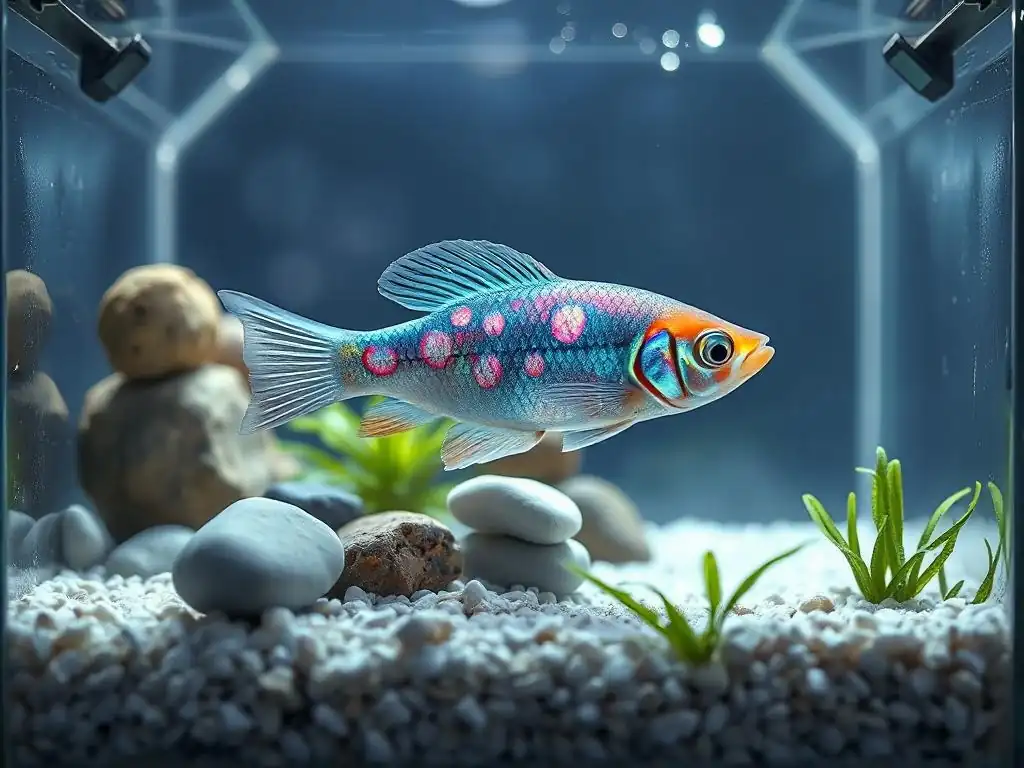
For a dedicated Celestial pearl danio breeding setup, a smaller tank is often more advantageous than a large one. A 2.5-gallon tank can suffice for a single breeding pair, while a 5 to 10-gallon tank is ideal for a small group of 4-6 individuals (e.g., 2 males and 2-4 females). The smaller volume makes it significantly easier to monitor spawning activity, locate the tiny eggs, and perform egg collection or removal of adult fish.
The setup should be minimalistic, focusing on functionality over aesthetics. A bare bottom tank is frequently preferred for ease of cleaning and egg visibility. The primary decor should consist of ample spawning media, such as large clumps of Java moss or spawning mops, which provide the fish with suitable places to deposit their eggs. Avoid any strong currents, as these can dislodge eggs or stress the fish.
Substrate Options: Bare Bottom vs. Planted
When setting up a Celestial pearl danio breeding tank, the choice of substrate significantly impacts egg collection efficiency. A bare bottom tank is highly recommended for maximum egg retrieval. With no substrate, eggs that fall from the spawning media are easily visible on the tank floor, making them simple to collect with a pipette or turkey baster, minimizing potential loss due to predation or getting lost in gravel. This method also simplifies tank cleaning and maintenance for the delicate fry.
Alternatively, a very thin layer of fine sand or small glass marbles can be used. If using marbles, they should be large enough to allow eggs to fall into the gaps, providing a degree of protection from the adult fish. However, even with marbles, egg collection can be more challenging than with a bare bottom. Heavily planted tanks, while mimicking their natural habitat, make egg collection extremely difficult due to the eggs getting lost within the dense foliage. For high yield in Celestial pearl danio breeding, simplicity in substrate choice is key.
Providing Spawning Sites: Java Moss, Spawning Mops, and Alternatives
Providing abundant and appropriate spawning sites is critical for successful Celestial pearl danio breeding. Java moss ( Taxiphyllum barbieri) is arguably the best option due to its fine, intricate structure that readily catches and holds the tiny, adhesive eggs. Place large, healthy clumps of Java moss throughout the breeding tank, ensuring there are plenty of areas for the fish to interact and deposit eggs. Other fine-leaved aquatic plants like Hornwort ( Ceratophyllum demersum) or Guppy Grass ( Najas guadalupensis) can also serve a similar purpose.
For those seeking an easily managed and reusable option, spawning mops made from synthetic yarn are excellent alternatives. These mops can be weighted and placed on the tank bottom or floated near the surface. They are easy to remove and shake gently to release collected eggs into a separate container. Marbles or glass pebbles, when used as a bottom layer, allow eggs to fall into the crevices, protecting them from hungry parents. Combining these methods can increase the overall yield of your Celestial pearl danio breeding efforts.
Water Parameters for the Breeding Tank: Maintaining Optimal Conditions
Maintaining stable and optimal water parameters in the breeding tank is paramount for encouraging spawning and ensuring egg viability. The temperature should be consistently held between 72-78°F (22-25°C), as fluctuations can stress the fish and inhibit spawning. A pH of 6.5-7.5 is generally suitable, with many breeders finding slightly acidic conditions (around 6.8-7.0) to be particularly effective for egg development. Water hardness should be soft to moderately hard, ideally between 5-12 dGH.
Regular small water changes are essential to keep the water pristine, especially when adults are present for conditioning or spawning. Using aged or dechlorinated tap water that matches the tank's temperature and parameters will minimize stress. Clean, stable water signals to the fish that conditions are favorable for reproduction, significantly boosting the chances of successful Celestial pearl danio breeding.
Filtration and Lighting for the Breeding Tank
For a Celestial pearl danio breeding tank, filtration must be gentle to prevent eggs or newly hatched fry from being sucked into the filter intake or being buffeted by strong currents. A small sponge filter driven by an air pump is the ideal choice. Sponge filters provide excellent biological filtration, maintaining beneficial bacteria without creating disruptive water flow. An additional small air stone can be used to ensure adequate oxygenation, which is vital for egg development and fry health.
Lighting in the breeding tank should be moderate and consistent. A standard aquarium LED light set on a timer for 12-14 hours per day will provide a regular day-night cycle, which is important for the fish's natural rhythms and can help trigger spawning. Avoid overly bright or intense lighting, as this can stress the fish. A natural light cycle mimics their habitat and contributes to a conducive environment for Celestial pearl danio breeding.
The Breeding Process: Spawning and Egg Care
Observing Spawning Behavior: What to Expect
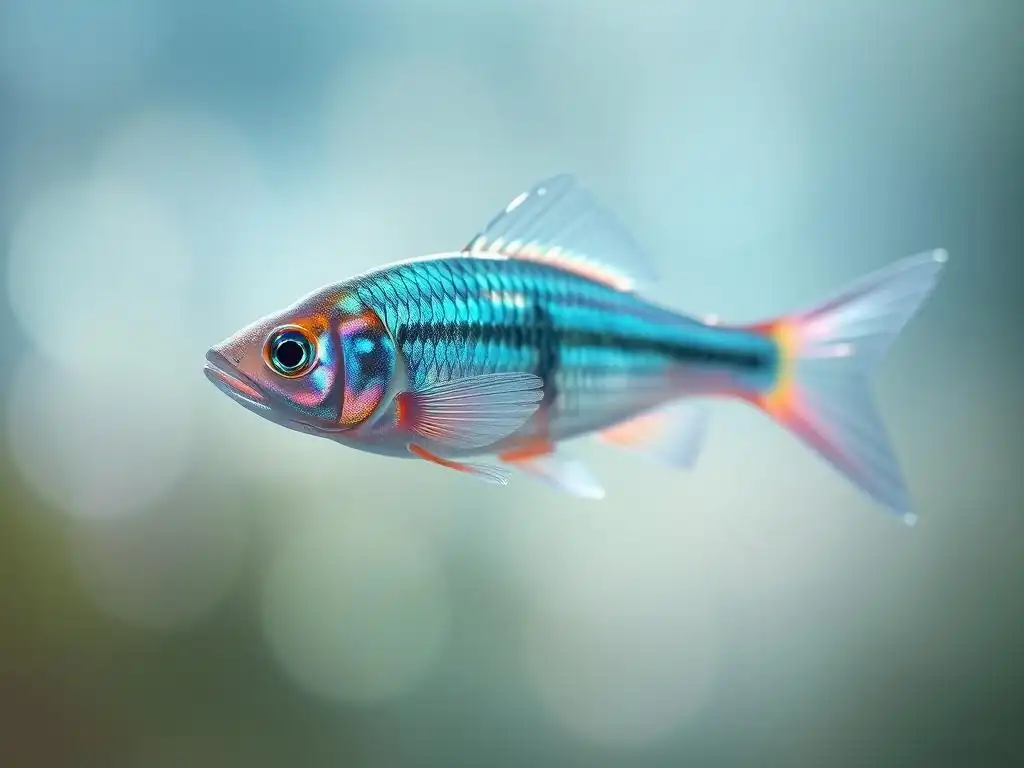
Celestial Pearl Danios typically spawn in the early morning hours, often shortly after the aquarium lights come on. The males, displaying their most vibrant colors, will actively pursue the females, attempting to coax them into the chosen spawning media, such as Java moss or a spawning mop. This courtship involves a series of chases and displays, with males often flaring their fins and shimmering to impress the females.
Once a female is receptive, she will enter the dense vegetation, and the male will join her. The female will then release small, clear, adhesive eggs, typically 10-30 at a time, though a productive female can lay over 50 eggs over several days. The male will simultaneously fertilize them. The eggs are scattered among the plant leaves or mop fibers. This spawning process can last for several hours, with multiple egg-laying events occurring during that period.
Protecting the Eggs: Removing Parents After Spawning
A critical step in maximizing the yield of your Celestial pearl danio breeding project is protecting the eggs from parental predation. Celestial Pearl Danios are notorious egg eaters and will readily consume their own progeny if given the opportunity. Therefore, it is imperative to remove the adult fish from the breeding tank as soon as spawning is observed or completed.
If using spawning mops, carefully lift them out of the tank and gently shake them in a separate container filled with water from the breeding tank to dislodge the eggs. If using Java moss or a bare-bottom tank, use a pipette or turkey baster to carefully collect visible eggs. Transfer the collected eggs to a separate "fry tank" or container with identical water parameters. This immediate separation significantly increases the survival rate of the delicate eggs and is a cornerstone of any successful Celestial pearl danio breeding guide.
Identifying Fertilized vs. Unfertilized Eggs
Once eggs have been collected and transferred to a dedicated container, it's important to differentiate between fertilized and unfertilized eggs to maintain water quality and prevent fungal outbreaks. Fertilized Celestial Pearl Danio eggs are typically clear, translucent, and slightly amber in color. Within 12-24 hours of fertilization, a small, developing embryo may become visible inside, appearing as a tiny dark speck or developing structure. These eggs will remain firm and clear throughout their incubation period.
In contrast, unfertilized eggs will quickly turn opaque white or cloudy within 24-48 hours. These white eggs are susceptible to fungal growth, which can rapidly spread to healthy, fertilized eggs, leading to significant losses. It is crucial to remove any unfertilized or fungused eggs promptly using a pipette or small baster. This proactive measure minimizes the risk of widespread fungal infection and improves the overall success rate of your Celestial pearl danio breeding efforts.
Raising CPD Fry: From Hatching to Juvenile
Hatching: The First Few Days
Celestial Pearl Danio eggs typically hatch within 72 hours (approximately 3 days) when kept at a consistent temperature of 75°F (24°C). The newly hatched fry are incredibly tiny, almost microscopic, and initially appear as little more than a speck with a tail. For the first 2-3 days post-hatching, the fry are largely immobile and will survive solely on their attached yolk sac. During this period, they often cling to tank surfaces, plants, or the bottom.
It is crucial not to attempt feeding during this initial yolk-sac phase. Introducing food too early will only foul the water, which is detrimental to their delicate systems. Once the yolk sac has been fully absorbed, typically around day 3-5, the fry will become free-swimming and actively seek out food. This transition marks the critical point when feeding must commence to ensure their survival and growth, a vital aspect of any Celestial pearl danio breeding guide.
Feeding Fry: Infusoria, Vinegar Eels, and Baby Brine Shrimp
Feeding Celestial Pearl Danio fry is perhaps the most challenging aspect of their rearing due to their minuscule size. For the first 1-2 weeks after becoming free-swimming, they require microscopic food sources. Infusoria, a collective term for various protozoans, is the ideal first food. It can be cultured easily using decaying vegetable matter or specialized kits. Alternatively, vinegar eels and micro-worms are excellent second choices due to their small size and ease of culture. Feed these tiny foods multiple times a day (e.g., 3-5 times) in very small amounts to ensure a constant supply without polluting the water.
As the fry grow, typically after 10-14 days, they will be large enough to consume newly hatched baby brine shrimp (Artemia nauplii). This transition is critical for rapid growth, as baby brine shrimp are highly nutritious. Continue feeding baby brine shrimp multiple times daily. Over the next few weeks, as they develop into juveniles, they can gradually be introduced to finely crushed high-quality flake food or micro-pellets. Consistent, appropriately sized feeding is paramount for high survival rates in Celestial pearl danio breeding.
Maintaining Water Quality for Growing Fry: Water Changes and Filtration
Maintaining impeccable water quality is non-negotiable for the successful rearing of Celestial Pearl Danio fry. They are extremely sensitive to ammonia, nitrite, and nitrate spikes, which can quickly lead to widespread mortality. Daily, small water changes are essential; perform 10-20% water changes using aged and temperature-matched, dechlorinated water. Siphon any uneaten food or debris from the tank bottom during these changes to prevent water fouling.
A gentle sponge filter is the only recommended filtration for a fry tank. It provides necessary biological filtration without creating strong currents that can exhaust or harm the delicate fry. Ensure the sponge filter is mature and cycled before introducing fry. Avoid cleaning the sponge too thoroughly, as this removes beneficial bacteria. Consistent water quality management is a cornerstone of any effective Celestial pearl danio breeding guide.
Preventing Common Problems in Fry: Disease Prevention and Early Intervention
The most effective strategy for preventing disease in Celestial Pearl Danio fry is maintaining pristine water quality and avoiding overfeeding. Poor water conditions, often caused by excessive uneaten food, are the primary culprits behind bacterial infections and other ailments. Always ensure that any new water added is free of chlorine and chloramines and matched in temperature to prevent shock.
Regular observation is key for early intervention. Look for signs of distress such as clamped fins, sluggish behavior, or white spots. Remove any sick or deformed fry immediately to prevent potential spread. While medications are generally not recommended for fry due to their extreme sensitivity, addressing water quality issues (e.g., performing an emergency water change) is often the first and most effective step. Diligent care and a clean environment are the best defenses in Celestial pearl danio breeding.
Troubleshooting: Common Issues and Solutions
CPDs Aren't Spawning: Identifying Potential Causes
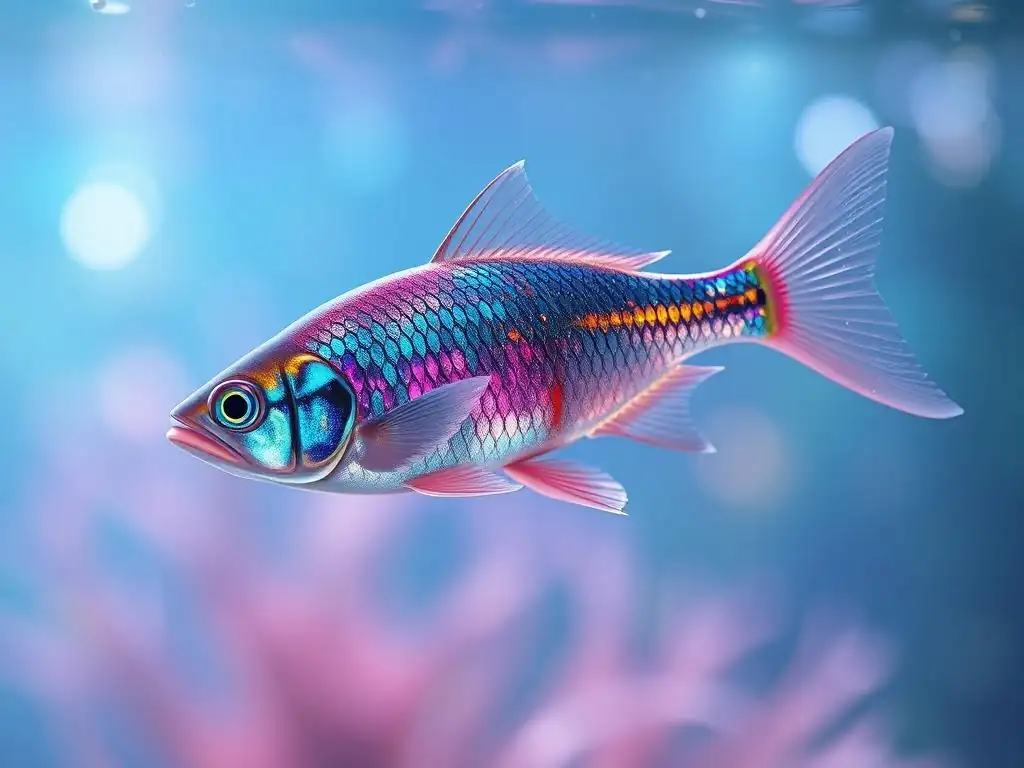
If your Celestial Pearl Danios are not spawning, the issue usually stems from suboptimal environmental conditions or inadequate conditioning. First, meticulously check your water parameters: ensure the temperature is consistently within the ideal range of 72-78°F (22-25°C), pH is stable between 6.5-7.5, and hardness is soft to moderate (5-12 dGH). Significant fluctuations or parameters outside this range can inhibit spawning. Insufficient or inappropriate spawning media, such as too few plants or mops, can also deter them.
Secondly, evaluate the fish's health and conditioning. Are they receiving a high-protein, varied diet of live and frozen foods? Poor nutrition will prevent egg development. Stress, perhaps from overcrowding or aggressive tank mates (if conditioned in a community setup), can also be a factor. Sometimes, separating males and females for a few days and then reintroducing them to the breeding tank can stimulate spawning. Consistent small water changes (e.g., 10-20% daily) can also mimic natural triggers for Celestial pearl danio breeding.
Egg Fungus and Loss: Prevention and Treatment
Egg fungus is a common and frustrating problem in Celestial pearl danio breeding, often leading to significant losses. The primary cause is the presence of unfertilized eggs, which quickly decay and become a breeding ground for fungus, spreading to healthy eggs. To prevent this, promptly remove any opaque white (unfertilized) eggs as soon as they are identified. Maintaining extremely clean water in the breeding tank, with minimal debris, is also crucial.
Some breeders opt for prophylactic measures: a very mild dose of methylene blue (diluted to a barely visible light blue tint) can be added to the fry tank water, or Indian Almond Leaves (IAL) can be steeped to release tannins, which possess mild antifungal properties. While these can help, they can also stain the water. Once fungus appears on healthy eggs, it's difficult to treat effectively without harming the delicate embryos. The best approach for Celestial pearl danio breeding is rigorous prevention through cleanliness and removal of unfertilized eggs.
Low Fry Survival Rate: Improving Breeding Success
A low fry survival rate is a disheartening but common challenge in Celestial pearl danio breeding. The most frequent culprits are poor water quality and inadequate feeding. Fry are incredibly sensitive to ammonia and nitrite; even trace amounts can be lethal. Ensure daily, small water changes (10-20%) are performed, and that any uneaten food is siphoned out immediately. Overfeeding, while seemingly beneficial, is a major cause of water fouling.
Secondly, ensure the fry are receiving the correct size and type of food. For the first week, infusoria or micro-worms are essential; baby brine shrimp are too large. Transition to baby brine shrimp only when the fry are visibly larger. Strong water currents from filters can also exhaust and kill fry; always use a gentle sponge filter. Finally, confirm no other organisms, even tiny snails, are in the fry tank that could prey on the microscopic fry. Addressing these factors systematically will significantly boost your Celestial pearl danio breeding success.
Advanced Techniques: Selective Breeding and Line Breeding
Understanding Genetics
Advanced Celestial pearl danio breeding often involves an understanding of basic genetics to enhance desirable traits or eliminate undesirable ones. Like other fish, CPDs inherit characteristics such as color intensity, spot patterns, and fin shape from their parents. For instance, a breeder might notice certain parents consistently produce offspring with exceptionally vibrant red fins or perfectly formed pearl spots. By understanding that these traits are passed down, even if the specific genes aren't fully mapped, breeders can make informed choices.
The goal of applying genetic principles is to purposefully direct the evolution of a specific line. This means carefully observing multiple generations and identifying individuals that exemplify the desired traits. These individuals are then selected as the next breeding stock, while those with less desirable qualities or deformities are culled from the breeding program. This focused approach allows dedicated aquarists to develop unique and superior strains of Celestial Pearl Danios, elevating their Celestial pearl danio breeding efforts beyond simple propagation.
Maintaining Genetic Diversity
While selective breeding focuses on enhancing specific traits, it's crucial to simultaneously maintain genetic diversity within your Celestial pearl danio breeding line to ensure long-term health and vigor. Continuous inbreeding, where closely related individuals are bred over many generations, can lead to inbreeding depression. This manifests as reduced fertility, smaller size, increased susceptibility to disease, and a general decline in the overall hardiness of the fish. After several generations, a once robust line can become weak and prone to issues.
To combat inbreeding depression, advanced breeders employ strategies like outcrossing and careful line breeding. Outcrossing involves periodically introducing new, unrelated stock into the breeding line to refresh the gene pool. This injects new genetic material, improving vigor and reducing the chances of genetic defects. Line breeding, when done carefully, involves breeding within a family line but strategically rotating breeding pairs and avoiding sibling-to-sibling matings for too many consecutive generations. This balance ensures that desired traits are fixed while preserving the overall health and vitality of the Celestial pearl danio breeding population.
Conclusion: Mastering CPD Breeding
Frequently Asked Questions
What are the key factors to consider before starting a Celestial Pearl Danio breeding project?
Before attempting to breed Celestial Pearl Danios, you need to ensure you have a separate breeding tank with soft, slightly acidic water, and plenty of fine-leaved plants or spawning mops for egg deposition.
What is the ideal setup for a Celestial Pearl Danio breeding tank?
The ideal setup involves a small, heavily planted tank (5-10 gallons) with low flow, soft water, and a temperature around 74-78°F. A sponge filter is recommended to avoid sucking up fry.
How do you condition Celestial Pearl Danios for breeding?
Conditioning involves feeding the danios a high-quality diet rich in live and frozen foods, such as daphnia, bloodworms, and brine shrimp. This ensures the females are full of eggs and the males are ready to fertilize them.
How do you care for Celestial Pearl Danio eggs and fry?
Remove the adult danios after spawning to prevent them from eating the eggs. The fry will hatch in 2-3 days and can be fed infusoria or liquid fry food initially, transitioning to baby brine shrimp as they grow.
What are some common challenges faced when breeding Celestial Pearl Danios, and how can they be overcome?
Common challenges include egg fungus, low fry survival rates, and adults eating eggs. Overcome these by maintaining pristine water quality, using anti-fungal treatments if needed, and providing ample hiding places for the fry.
Final Reflection: Cultivating Life's Delicate Wonders
The journey into Celestial Pearl Danio breeding reveals more than just the technical aspects of fishkeeping; it unveils the profound beauty and fragility of life itself. What began as a quest for knowledge on spawning these miniature galaxies has blossomed into a deeper appreciation for the intricate ecosystems we strive to recreate in our own homes. The success stories and challenges encountered along the way serve as a potent reminder of the dedication and patience required to nurture life, no matter how small.
This exploration has undeniably shaped my perspective on responsible pet ownership and the interconnectedness of all living things. Witnessing the delicate dance of courtship and the emergence of new life from tiny eggs has instilled a sense of wonder and responsibility that extends far beyond the confines of my aquarium. In every walk with nature, one receives far more than he seeks.
- John Muir. This sentiment perfectly encapsulates the enriching experience of breeding Celestial Pearl Danios, a journey that transcends mere hobby and becomes a profound connection with the natural world.
Now, I invite you to reflect on your own relationship with the natural world. Consider the small acts of care and dedication you can offer to foster life, whether it's nurturing a garden, supporting conservation efforts, or simply appreciating the beauty that surrounds you. Let the lessons learned from the Celestial Pearl Danio's delicate existence inspire you to cultivate a deeper understanding and respect for the intricate web of life, and to contribute to its preservation for generations to come.
Ignite Your Celestial Pearl Danio Breeding Journey!
Thanks for exploring the fascinating world of breeding Celestial Pearl Danios! Now that you've unlocked the secrets, let's put that knowledge into action and cultivate your own vibrant colony.
Here are a few steps you can take right now:
- Immediately prepare a dedicated breeding tank based on the tips provided. This proactive step will set you up for success.
- Share your newfound expertise! Tell a friend or fellow hobbyist about the joys and challenges of breeding these stunning fish.
- Start a journal documenting your breeding attempts, including water parameters, feeding schedules, and fry development. This detailed record will become an invaluable resource.
What's the very first improvement you'll make to your setup to encourage breeding success?