
First Foods for Rasbora Fry: Ensuring Survival and Healthy Growth

Welcome to Aquarium Mastery!
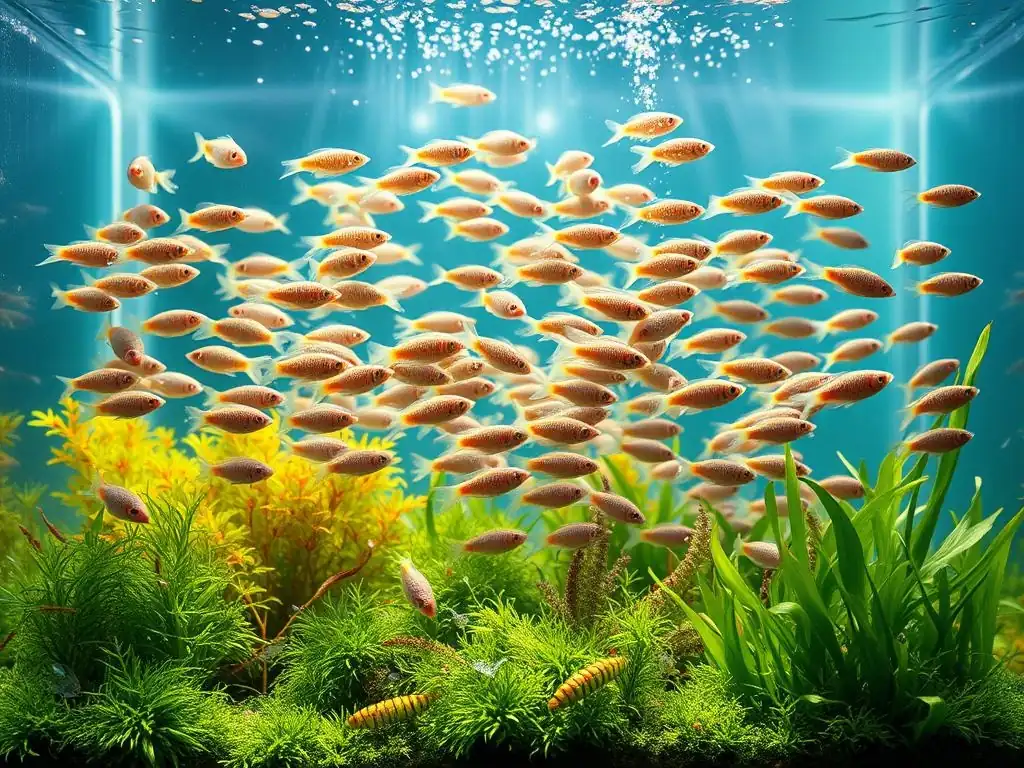
Ever wondered how to give your tiny Rasbora fry the best possible start in life? The key lies in their first food. Discover the secrets to nurturing these miniature marvels and ensuring their survival and healthy growth in our in-depth guide, " First Foods for Rasbora Fry: Ensuring Survival and Healthy Growth." Dive in and unlock the secrets to raising thriving Rasboras!
- Understanding the Nutritional Needs of Rasbora Fry
- Live Food Options for Rasbora Fry: A Detailed Guide
- Non-Live Food Alternatives for Rasbora Fry
- Feeding Schedule and Quantity for Rasbora Fry
- Maintaining Water Quality During Rasbora Fry Feeding
- Troubleshooting Common Feeding Issues with Rasbora Fry
- Transitioning Rasbora Fry to Larger Foods
- Ensuring Optimal Growth and Survival of Rasbora Fry
-
Frequently Asked Questions
- How soon after hatching do Rasbora fry need to be fed?
- What is the ideal first food for Rasbora fry to ensure optimal growth?
- How often should I feed Rasbora fry in their early stages?
- What are some alternative food options if infusoria or liquid fry food are unavailable?
- How do I know if my Rasbora fry are getting enough food?
- Final Reflection: Nurturing New Beginnings
- Nurture Tiny Lives: Spark Growth in Your Rasbora Fry Today!
Understanding the Nutritional Needs of Rasbora Fry
Why First Foods are Crucial for Rasbora Fry Development
The initial days of a Rasbora fry's life are a period of incredibly rapid growth and development, making the selection of their first food paramount for survival and long-term health. Upon hatching, Rasbora fry typically possess a small yolk sac, which provides sustenance for the first 24 to 48 hours. However, once this vital energy reserve is depleted, the fry must actively seek and consume external food sources to continue their development. Failure to provide appropriate Rasbora fry first food during this critical window often leads to high mortality rates.
Proper nutrition from the very beginning not only fuels their rapid growth, with some species like Harlequin Rasboras doubling their size in the first week, but also plays a crucial role in the development of their internal organs, immune system, and overall resilience. A robust start, fueled by the right Rasbora fry first food, significantly increases their chances of reaching adulthood and thriving in the aquarium environment.
The Importance of Protein in Early Rasbora Fry Diet
Protein is the cornerstone of a Rasbora fry's diet, essential for the rapid cell division and tissue formation that characterizes their early growth phase. During this period of intense development, Rasbora fry require a diet exceptionally rich in high-quality protein, often ranging between 50% and 60% crude protein content, to support muscle development, organ maturation, and skeletal structure. This high protein requirement is significantly greater than that of adult fish.
Beyond mere quantity, the quality of protein, specifically its amino acid profile, is equally vital. A complete amino acid profile, meaning all essential amino acids are present in adequate amounts, ensures that the fry can synthesize the complex proteins needed for their rapid growth without any nutritional bottlenecks. Foods derived from aquatic organisms, such as specialized fish meals or brine shrimp, typically offer a superior amino acid balance for developing fry.
Size Matters: Matching Food Particle Size to Rasbora Fry Mouths
One of the most critical factors when selecting Rasbora fry first food is the incredibly small size of their mouths. Newly hatched Rasbora fry, depending on the species, can be as tiny as 2 to 4 millimeters in length, and their mouths are proportionally minuscule, often only capable of ingesting particles less than 50 microns (0.05 millimeters) in diameter. Offering food that is too large, even if nutritionally perfect, will simply be ignored as the fry cannot physically consume it.
As the fry grow, which happens rapidly in the first week, their mouths will also enlarge, allowing them to consume slightly larger food particles. It is imperative to continuously match the food particle size to the fry's current mouth size to ensure efficient feeding and optimal growth. Starting with microscopic foods like infusoria and gradually transitioning to larger options like newly hatched baby brine shrimp is a common and effective strategy.
Live Food Options for Rasbora Fry: A Detailed Guide
Culturing Infusoria for Rasbora Fry: A Beginner's Guide
Infusoria, a collective term for various microscopic protozoa and other microorganisms, are an ideal Rasbora fry first food due to their extremely small size, making them perfectly suited for the tiny mouths of newly hatched Rasbora fry. They are easily digestible and provide essential nutrients during the initial days when fry are too small for other common live foods. Culturing infusoria is a straightforward process that even beginner aquarists can master with minimal effort.
The primary benefit of infusoria is their unparalleled small size, often ranging from 10 to 200 microns, which is perfectly within the feeding range of the smallest Rasbora fry immediately after their yolk sacs are absorbed. They also provide a natural foraging experience for the fry, encouraging their feeding instincts and ensuring a continuous supply of live, nutritious food that does not quickly foul the water.
Setting Up an Infusoria Culture for Rasbora Fry
To set up an infusoria culture, you will need a clear container, such as a glass jar or plastic bottle, with a capacity of 1 to 2 liters. Fill the container with aged aquarium water or dechlorinated tap water. Introduce a small amount of organic matter to serve as a food source for the infusoria; common choices include a few pieces of dried lettuce leaf, a small slice of banana peel, or a pinch of crushed rice grains. Avoid using too much organic matter, as this can lead to anaerobic conditions and an unpleasant odor.
Place the culture in a warm location, ideally between 70-80°F (21-27°C), but out of direct sunlight to prevent excessive algae growth. Within 3 to 7 days, you should observe a slight cloudiness in the water, which indicates a thriving infusoria population. A strong flashlight shone through the culture will reveal tiny specks moving against the light, confirming their presence.
Maintaining a Healthy Infusoria Culture
Maintaining a healthy infusoria culture for a continuous supply of Rasbora fry first food involves regular, small additions of organic matter and occasional partial water changes. Every few days, add a tiny piece of dried lettuce or a few drops of milk (diluted 1:10 with water) to replenish their food source. Overfeeding the culture can lead to a crash, where the water becomes putrid and the infusoria die off.
To harvest infusoria, you can gently siphon off water from the top layers of the culture, where they tend to congregate. Alternatively, you can use a strong light source to draw them to one side of the container and then pipette them out. Feed small amounts of this infusoria-rich water to the Rasbora fry multiple times a day, ensuring not to overfeed the fry tank itself.
Feeding Rasbora Fry with Micro Worms: A Practical Approach
Micro worms (Panagrellus redivivus) are another excellent live food option for Rasbora fry, particularly as they grow slightly larger than the initial newly hatched stage, typically after 3-5 days. These nematodes are small, non-swimming worms, usually about 50-100 microns in width and 1-3 millimeters in length, making them a perfect transitional Rasbora fry first food before baby brine shrimp. They are rich in protein and highly palatable, stimulating a strong feeding response from the fry.
The primary advantages of micro worms include their ease of culture, rapid reproduction, and their tendency to climb the sides of their culture container, making them easy to harvest. Unlike infusoria, which are free-swimming, micro worms offer a more substantial meal while still being small enough for young fry to consume, contributing to faster growth rates.
Starting a Micro Worm Culture for Rasbora Fry
To start a micro worm culture, you will need a shallow, wide container with a lid that allows for some air exchange. Prepare a substrate by mixing oatmeal or cornmeal with water to create a thick, porridge-like consistency; about a 1:1 ratio of dry ingredient to water is a good starting point. Spread a thin layer (about 1/2 to 1 inch thick) of this paste on the bottom of the container.
Inoculate the paste with a starter culture of micro worms, spreading it evenly across the surface. Place the lid loosely on the container and store it in a dark place at room temperature (around 68-75°F / 20-24°C). Within 3 to 5 days, you should see worms crawling up the sides of the container, indicating a thriving culture ready for feeding your Rasbora fry.
Harvesting and Feeding Micro Worms to Rasbora Fry
Harvesting micro worms is straightforward due to their unique behavior. Once the culture is ready, you will notice a white film of worms crawling up the sides of the culture container, above the food medium. Simply use a clean finger, a small brush, or a plastic scraper to gently collect the worms from the sides. Avoid scraping the culture medium itself, as this can introduce contaminants into the fry tank.
Once collected, the worms can be rinsed in a small amount of dechlorinated water to remove any residual culture medium before being introduced to the Rasbora fry tank. Feed small amounts multiple times a day, ensuring that the fry consume the worms within a few minutes. Overfeeding can lead to worms settling at the bottom, dying, and fouling the water.
The Benefits of Baby Brine Shrimp (BBS) for Rasbora Fry
Newly hatched baby brine shrimp (Artemia nauplii) are widely considered one of the best live foods for Rasbora fry once they are large enough to consume them, typically around 3 to 5 days post-hatch, depending on the Rasbora species. They are highly nutritious, packed with protein (approximately 60% dry weight) and lipids, which are crucial for rapid growth and development. Their jerky swimming motion also acts as a strong feeding stimulant, encouraging even reluctant fry to feed.
The high nutritional content of baby brine shrimp contributes significantly to accelerated growth rates and improved coloration in Rasbora fry. Furthermore, their live nature means they remain suspended in the water column for several hours, allowing fry ample time to feed without quickly fouling the water, unlike non-live foods. This makes them an invaluable component of a comprehensive Rasbora fry first food strategy.
Hatching Baby Brine Shrimp for Rasbora Fry
Hatching baby brine shrimp is a relatively simple process that requires a few basic items. You will need a brine shrimp hatchery (a cone-shaped container is ideal for optimal aeration), an air pump with an air stone, non-iodized salt (aquarium salt or rock salt, not table salt), and brine shrimp eggs. Fill the hatchery with dechlorinated water, add salt at a concentration of about 1 tablespoon per liter (approximately 1.020-1.025 specific gravity), and ensure the water temperature is between 78-82°F (25-28°C) for optimal hatching.
Add the brine shrimp eggs (typically 1/4 to 1/2 teaspoon per liter) and provide vigorous aeration via the air stone to keep the eggs suspended. Hatching usually occurs within 24-36 hours. Once hatched, turn off the air pump and allow the shells and unhatched eggs to float to the surface, while the nauplii (baby brine shrimp) will swim towards a light source placed at the bottom of the cone.
Using Baby Brine Shrimp as a First Food
After hatching, the baby brine shrimp must be harvested and rinsed before being fed to Rasbora fry. Siphon the orange-colored nauplii from the bottom of the hatchery, avoiding the floating shells and the settled unhatched eggs. Pass the collected nauplii through a fine brine shrimp net (100-150 micron mesh) to separate them from the saltwater. Rinse the collected nauplii thoroughly under a gentle stream of dechlorinated water to remove any residual salt, which can be harmful to freshwater fry.
Feed the rinsed baby brine shrimp to your Rasbora fry in small amounts multiple times a day. Observe the fry to ensure they are actively consuming the shrimp. Since baby brine shrimp are live, they will remain available for a longer period compared to dry foods, but it's still best to feed only what can be consumed within 15-20 minutes to prevent overfeeding and maintain water quality. This highly nutritious Rasbora fry first food will significantly boost their growth and vitality.
Non-Live Food Alternatives for Rasbora Fry

Powdered Fry Food: Choosing the Right Formula
For aquarists who may not have the time or resources to culture live foods, powdered fry foods offer a convenient and often nutritionally complete alternative as a Rasbora fry first food. These commercial preparations are specifically designed to meet the high dietary demands of developing fish fry, providing a balanced diet of proteins, fats, vitamins, and minerals. The key to success with powdered fry foods lies in selecting a high-quality product with an appropriate particle size.
The primary advantage of powdered fry foods is their ease of use and availability. They eliminate the need for culturing live organisms, making daily feeding simpler and less time-consuming. However, it is crucial to ensure that the chosen product is finely ground enough to be consumed by the tiny mouths of Rasbora fry and that it remains suspended in the water column long enough for the fry to find and ingest it before it settles and fouls the tank.
Understanding Fry Food Ingredients
When selecting a powdered fry food for your Rasbora fry, understanding the ingredient list is paramount. Look for formulas with a high crude protein content, ideally ranging from 45% to 60%, derived from high-quality sources such as fish meal, krill, spirulina, and other aquatic proteins. These ingredients provide the essential amino acids necessary for rapid growth and development. Avoid products with excessive fillers like wheat flour or cornmeal as primary ingredients, as these offer less nutritional value.
Additionally, check for the inclusion of essential vitamins (e.g., Vitamin C for immune health, Vitamin A for vision) and minerals. Some premium formulas may also include prebiotics or probiotics to aid digestion and immune function. The fineness of the grind is critical; ensure the product explicitly states it's suitable for newly hatched fry or has a particle size of less than 50-100 microns for the earliest stages of Rasbora fry development.
Best Powdered Fry Food Brands for Rasbora Fry
Several reputable brands offer high-quality powdered fry foods suitable as a Rasbora fry first food. Hikari First Bites is a popular choice, known for its fine particle size and high protein content, making it suitable for very young fry. Sera Micron is another excellent option, often recommended for its extremely fine consistency, which makes it ideal for the smallest of fry, including newly hatched Rasboras. New Life Spectrum Grow Fry Starter is also highly regarded for its nutrient density and palatability, designed to promote rapid growth.
When using any powdered fry food, it's essential to feed small amounts frequently, typically 4-6 times a day, to ensure a continuous supply of food without overfeeding. Sprinkle a tiny pinch onto the water surface, observing how quickly the fry consume it. If the food settles to the bottom uneaten, you are feeding too much or the particles are too large, which can quickly lead to water quality issues.
Liquid Fry Food: Convenience and Considerations
Liquid fry foods are another non-live alternative designed primarily for the initial feeding of very small fish fry, including Rasbora fry. These products consist of a suspension of microscopic nutrients, often including plankton, egg yolk, or other protein sources, that are designed to remain suspended in the water column for an extended period, making them accessible to even the most minute fry. Their convenience lies in the ease of direct application without any preparation.
Liquid fry foods can be a useful Rasbora fry first food for the first few days when fry are at their most vulnerable and too small for even finely powdered foods or newly hatched baby brine shrimp. They offer an immediate food source that disperses widely throughout the tank, increasing the chances of the tiny fry encountering and consuming it.
When to Use Liquid Fry Food for Rasbora Fry
Liquid fry food is most effectively utilized during the first 2-5 days post-hatch for Rasbora fry, especially for species that produce extremely small fry, such as Boraras brigittae or chili Rasboras. During this period, the fry's mouths are incredibly tiny, and their swimming ability is still developing, making it challenging for them to actively hunt for larger food particles. The widespread dispersion of liquid food ensures that food is readily available throughout their habitat.
It can also serve as a temporary bridge food if your live food cultures are not yet ready or if you are transitioning from one food type to another. Administer liquid fry food by adding a few drops directly into the fry tank, observing the water for cloudiness and the fry's feeding response.
Potential Drawbacks of Liquid Fry Food
Despite their convenience, liquid fry foods have several potential drawbacks that aquarists should be aware of. The most significant concern is their propensity to rapidly foul the water if overused. Because they are a suspension of organic matter, any uneaten food quickly decomposes, leading to dangerous ammonia spikes and a decline in water quality, which can be fatal to delicate Rasbora fry. Careful monitoring and small, frequent doses are essential.
Another consideration is that the nutritional completeness of liquid fry foods can vary between brands, and they may not always provide the full spectrum of nutrients for optimal long-term growth compared to a varied diet including live foods. Additionally, they do not stimulate the fry's natural hunting instincts as much as live foods do, which can be a factor in their development. They are generally best used as a short-term Rasbora fry first food solution or as a supplement.
Decapsulated Brine Shrimp Eggs as a Supplemental Food Source for Rasbora Fry
Decapsulated brine shrimp eggs are brine shrimp eggs from which the indigestible outer shell (chorion) has been chemically removed. This process makes the nutritional content of the egg immediately available without the need for hatching, offering a convenient and highly nutritious supplemental Rasbora fry first food. They are rich in protein and lipids, making them an excellent growth food.
The primary benefit of decapsulated eggs is their convenience and high nutritional value without the hassle of hatching. They eliminate the risk of unhatched egg shells, which can cause impaction if ingested by fry or foul the water if left to decompose. While not a live food, their nutritional profile is very similar to that of newly hatched baby brine shrimp, making them a valuable component of a varied fry diet.
Preparing Decapsulated Brine Shrimp Eggs for Rasbora Fry Feeding
Decapsulated brine shrimp eggs are typically sold dry and require preparation before feeding to Rasbora fry. Due to their relatively small size (around 200-300 microns), they may still be too large for newly hatched Rasbora fry directly. To prepare them, take a small pinch of the eggs and soak them in a small amount of dechlorinated or tank water for 15-30 minutes. This softens the eggs and makes them more palatable and digestible for the fry.
For very small Rasbora fry, it may be beneficial to further grind the soaked eggs into a finer powder using a mortar and pestle or by crushing them between two spoons. This ensures the particles are small enough for the fry's tiny mouths. Once prepared, administer small amounts to the fry tank, ensuring they are consumed within a short period to prevent water quality issues.
Benefits of Using Decapsulated Brine Shrimp Eggs
The benefits of using decapsulated brine shrimp eggs as a Rasbora fry first food are numerous. They boast a high crude protein content, often exceeding 50%, and are rich in essential fatty acids, contributing significantly to the rapid growth and development of fry. Unlike regular brine shrimp eggs, there is no risk of introducing unhatched shells into the fry tank, which can cause digestive blockages or contribute to water pollution.
Their convenience is also a major plus, as they require no hatching setup or ongoing maintenance like live cultures. They can be stored dry for extended periods and prepared quickly as needed, providing a readily available, nutrient-dense food source. While not a substitute for the foraging stimulation provided by live foods, they are an excellent supplement and a reliable alternative when live foods are unavailable.
Feeding Schedule and Quantity for Rasbora Fry
Establishing a Consistent Feeding Routine
Establishing a consistent and frequent feeding routine is paramount for the healthy growth and survival of Rasbora fry. Unlike adult fish that can thrive on one or two meals a day, fry have incredibly high metabolic rates and small digestive systems, meaning they need a near-constant supply of nutrients. Feeding Rasbora fry typically requires 4 to 6 small meals spread throughout the day, or even more for the first few days when they are at their smallest and most vulnerable.
A consistent routine helps the fry anticipate feeding times, reducing stress and encouraging a strong feeding response. For example, feeding every 3-4 hours during daylight hours ensures that the fry are continuously supplied with the energy and building blocks they need for their rapid development. This constant availability of appropriate Rasbora fry first food is a key factor in maximizing their survival rates.
How Much to Feed Rasbora Fry at Each Feeding
Determining the right quantity of Rasbora fry first food at each feeding is crucial for their health and the stability of the tank's water quality. The general rule of thumb is to feed only what the fry can consume within 5 to 10 minutes. For microscopic foods like infusoria or finely powdered fry food, this might mean just a few drops of culture water or a tiny pinch of powder. For baby brine shrimp, a small cloud of shrimp that disperses and is consumed quickly is ideal.
It is vital to observe the fry closely during and after feeding. Healthy fry will have noticeably rounded bellies after a good meal. If food is settling on the bottom of the tank, or if the water becomes cloudy shortly after feeding, you are likely overfeeding. Overfeeding is a common cause of fry mortality due to rapid water quality deterioration.
Monitoring Growth and Adjusting Feeding Accordingly
Continuous monitoring of your Rasbora fry's growth is essential for adjusting their feeding regimen. Within the first week, you should notice a significant increase in their size and a more developed body shape. As they grow, their mouths will also enlarge, allowing them to consume slightly larger food particles. This is the cue to gradually introduce larger food items or increase the quantity of their current Rasbora fry first food.
If fry appear stunted, have concave bellies, or show signs of lethargy, it may indicate insufficient feeding or a lack of appropriate food size. Conversely, if water quality issues persist despite regular water changes, it suggests overfeeding. Adjust the amount and type of food based on their visible growth, activity levels, and the ongoing cleanliness of the tank.
Maintaining Water Quality During Rasbora Fry Feeding
The Impact of Overfeeding on Water Parameters
Overfeeding is one of the most detrimental practices for Rasbora fry, directly impacting water quality and survival rates. Any uneaten Rasbora fry first food quickly decomposes, releasing ammonia into the water. Ammonia is highly toxic to fish, particularly delicate fry, and even small concentrations can cause severe stress, gill damage, and death. This initial ammonia then converts to nitrite, which is also toxic, and finally to nitrate.
Beyond the direct toxicity, decomposing food consumes dissolved oxygen, creating an oxygen-depleted environment that further stresses the fry. Cloudy water, an unpleasant odor, and lethargic or gasping fry are clear signs of deteriorating water quality due to overfeeding. Maintaining pristine water conditions is just as important as providing proper nutrition for Rasbora fry.
Regular Water Changes for Rasbora Fry Tanks
Given the delicate nature of Rasbora fry and the potential for rapid water quality degradation from frequent feeding, regular water changes are absolutely essential. For fry tanks, small, frequent water changes are generally preferred over large, infrequent ones. A daily or every-other-day water change of 10-20% is often recommended. This routine helps to dilute accumulating nitrates, remove dissolved organic compounds, and replenish essential minerals without causing significant stress from large parameter shifts.
When performing water changes, use a turkey baster or a small airline tubing to gently siphon out detritus and uneaten food from the bottom of the tank. Always ensure the new water is dechlorinated and matches the temperature and pH of the existing tank water as closely as possible to prevent thermal shock or osmotic stress to the sensitive fry.
Using a Sponge Filter to Maintain Water Quality
A sponge filter is the ideal filtration system for a Rasbora fry tank, playing a crucial role in maintaining water quality without endangering the tiny fish. Unlike hang-on-back or canister filters, which can create strong currents or potentially suck up delicate fry, sponge filters provide gentle mechanical and biological filtration. The sponge material traps particulate matter, including uneaten Rasbora fry first food and waste, while also providing an extensive surface area for beneficial bacteria to colonize.
These beneficial bacteria are essential for the nitrogen cycle, converting toxic ammonia into nitrite and then into less harmful nitrate. The gentle aeration provided by the air stone powering the sponge filter also ensures adequate oxygen levels in the water, which is vital for the high metabolic demands of growing fry. Regular rinsing of the sponge filter in old tank water (not tap water) ensures its continued efficiency.
Troubleshooting Common Feeding Issues with Rasbora Fry
Rasbora Fry Not Eating: Potential Causes and Solutions
If your Rasbora fry are not eating, it's a critical issue that needs immediate attention, as starvation can quickly lead to mortality. Several factors can cause this. The most common reason is that the provided Rasbora fry first food is too large for their tiny mouths; even a slight mismatch can deter them. Other causes include poor water quality (high ammonia/nitrite), incorrect water parameters (temperature, pH), stress from bright lights or strong currents, or the presence of predators or aggressive tank mates. Illness, though less common in newly hatched fry, can also suppress appetite.
To troubleshoot, first, re-evaluate the food particle size; if using powdered food, grind it finer, or switch to infusoria for a day or two. Test your water parameters immediately and perform a small water change if necessary. Ensure the tank environment is calm, with dim lighting and gentle water flow. If fry appear listless or show any physical abnormalities, consider a broad-spectrum anti-parasitic or antibacterial treatment designed for fry, though this should be a last resort.
Preventing Overfeeding and Water Fouling
Preventing overfeeding is paramount to avoid water fouling, which is a leading cause of Rasbora fry mortality. The key strategy is to feed very small amounts of Rasbora fry first food frequently, rather than large amounts infrequently. Aim for portions that can be entirely consumed by the fry within 5 to 10 minutes. It's often better to feed slightly less than too much.
Regularly observe the bottom of the tank for uneaten food particles. If you consistently find food accumulating, reduce the quantity of subsequent feedings. Promptly remove any visible uneaten food or detritus using a turkey baster or fine airline tubing. Combining careful feeding practices with diligent daily small water changes and efficient sponge filtration will significantly reduce the risk of water fouling and maintain a healthy environment for your Rasbora fry.
Addressing Nutritional Deficiencies in Rasbora Fry
Nutritional deficiencies in Rasbora fry, while less common if a high-quality Rasbora fry first food is provided, can manifest as stunted growth, deformities, poor coloration, or a weakened immune system. These issues typically arise from a diet lacking in essential proteins, fats, vitamins, or minerals, or from an over-reliance on a single, incomplete food source. For instance, feeding only infusoria for too long, without transitioning to more nutrient-dense foods, can lead to deficiencies as the fry grow.
To address or prevent nutritional deficiencies, offer a varied diet. If relying on powdered foods, ensure they are from reputable brands with complete nutritional profiles. Supplementing live foods like baby brine shrimp with a drop of liquid vitamin supplement (designed for fish) can enhance their nutritional value. As the fry grow, gradually introduce a wider range of appropriate foods, ensuring they receive all necessary macro and micronutrients for optimal development and vibrant health.
Transitioning Rasbora Fry to Larger Foods
When to Introduce Larger Food Particles
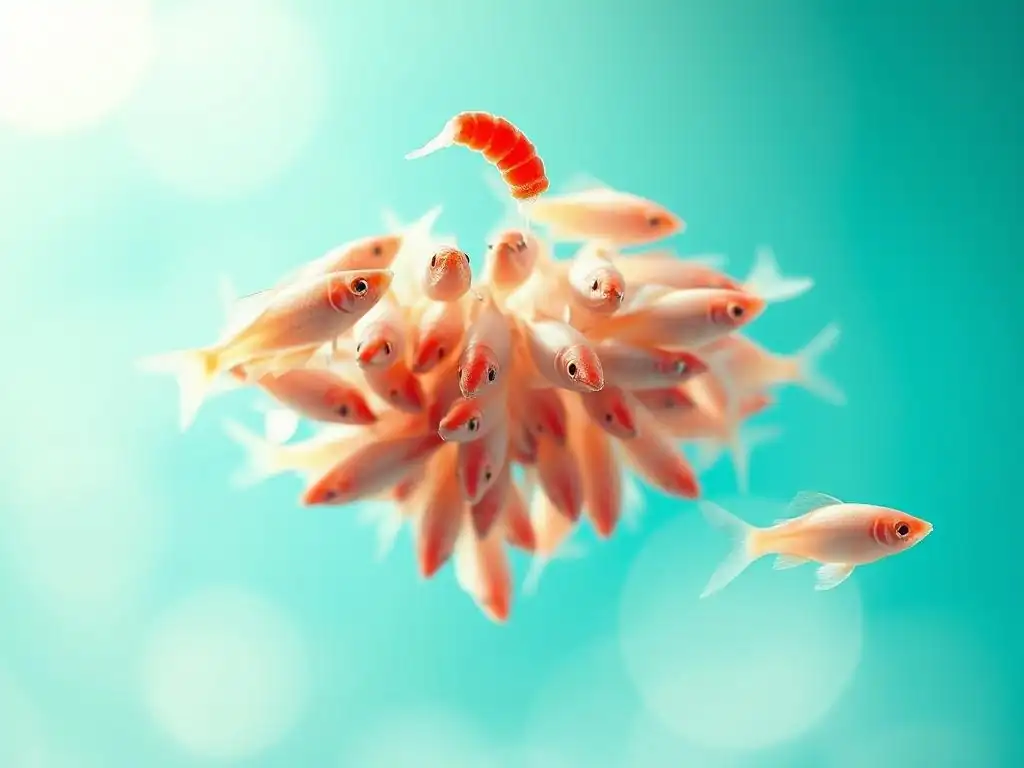
The transition from microscopic Rasbora fry first food to larger food particles is a natural progression driven by the fry's rapid growth. The exact timing depends on the Rasbora species and their growth rate, but typically, this transition begins when the fry are noticeably larger, usually around 2 to 3 weeks post-hatch. At this stage, their mouths will have grown sufficiently to accommodate slightly bigger food items, and their swimming ability will be more developed, allowing them to actively hunt.
Signs that fry are ready for larger foods include their increased size (e.g., reaching 5-7mm for Harlequin Rasbora fry), more confident swimming, and a greater interest in the tank environment. If you notice them attempting to nip at larger specks of detritus or showing curiosity towards adult fish food particles, it's a good indication they are ready for the next stage of their diet.
Gradual Introduction of Crumbled Flake Food
When transitioning Rasbora fry to larger foods, a gradual approach is key to ensure acceptance and proper digestion. High-quality adult flake food can be used, but it must first be crumbled into an extremely fine powder. Take a pinch of premium flake food and crush it between your fingers or use a mortar and pestle to create a dust-like consistency, similar to the powdered fry foods you may have used initially.
Begin by mixing a small amount of this finely crumbled flake food with their current Rasbora fry first food, such as baby brine shrimp or powdered fry food. Over several days, slowly increase the proportion of the crumbled flake food while gradually increasing the particle size. This allows the fry's digestive system to adapt to the new food type and ensures they continue to receive adequate nutrition during the transition period.
Monitoring Fry Acceptance of New Food Types
Throughout the food transition process, close monitoring of the Rasbora fry's acceptance of the new food types is crucial. Observe their feeding behavior immediately after introducing the larger particles. Are they actively consuming the new food, or are they ignoring it? Do they appear to be struggling to ingest the particles? If they are hesitant or unable to eat the new food, it indicates that the particles are still too large, or they are not yet ready for the transition.
Also, monitor their growth and overall health. If growth slows or if you notice any signs of digestive upset (e.g., stringy white feces), revert to the previous, smaller food size for a few days before attempting the transition again with even finer particles. A successful transition will see the fry eagerly consuming the larger food, continuing their healthy growth trajectory.
Ensuring Optimal Growth and Survival of Rasbora Fry
Creating a Stress-Free Environment
A stress-free environment is paramount for the optimal growth and survival of Rasbora fry. Stress can suppress their appetite, weaken their immune system, and stunt their development. To minimize stress, ensure the fry tank has dim lighting, as bright lights can be overwhelming for their delicate eyes. Water flow should be gentle, ideally provided by a sponge filter, to prevent exhaustion from fighting strong currents.
The absence of larger, predatory fish or overly active tank mates is critical. Rasbora fry are incredibly tiny and vulnerable, and even seemingly harmless adult fish can perceive them as food. Providing adequate hiding places, such as dense clumps of fine-leaved plants like Java Moss or spawning mops, offers security and reduces anxiety, encouraging the fry to feed and grow confidently.
Maintaining Stable Water Parameters for Rasbora Fry
Maintaining stable water parameters is just as important as providing the correct Rasbora fry first food for their survival and growth. Fluctuations in temperature, pH, or hardness can cause significant stress and lead to illness or death. For most Rasbora species, a stable temperature between 76-80°F (24-27°C) is ideal for rapid growth and metabolism.
Regularly test your tank water for ammonia, nitrite, and nitrate to ensure levels remain at zero or very low for nitrate. Consistent pH and hardness levels, appropriate for the specific Rasbora species being bred, should also be maintained. Small, frequent water changes with temperature-matched, dechlorinated water are essential to prevent parameter swings and dilute accumulating waste products, providing a consistent and healthy environment for the developing fry.
Providing Adequate Hiding Places for Rasbora Fry
Adequate hiding places are vital for Rasbora fry, significantly increasing their sense of security and overall survival rates. Even in a dedicated fry tank without adult fish, fry can feel exposed and stressed in an open environment. Fine-leaved aquatic plants like Java Moss, Hornwort, or Guppy Grass provide excellent refuge, allowing the fry to retreat when they feel threatened or simply need a break from constant activity.
These dense plant masses also provide additional benefits, such as a surface for beneficial microorganisms (including some infusoria) to grow, which can serve as supplemental food. Artificial spawning mops or fine-mesh breeding grass can also serve a similar purpose. By offering ample cover, you reduce stress, encourage natural foraging behaviors, and ultimately contribute to a higher yield of healthy, thriving Rasbora fry.
Frequently Asked Questions
How soon after hatching do Rasbora fry need to be fed?
Rasbora fry typically need to be fed within 24-48 hours of hatching. This is because they quickly deplete their yolk sac reserves and need an external food source to survive. Waiting longer than this can significantly decrease their chances of survival.
What is the ideal first food for Rasbora fry to ensure optimal growth?
The ideal first food for Rasbora fry is something small and easily digestible. Infusoria cultures and liquid fry food are commonly recommended as these provide essential nutrients in a readily accessible form. Live foods are especially beneficial for healthy development.
How often should I feed Rasbora fry in their early stages?
Rasbora fry should be fed multiple times a day, typically 3-5 times, in small quantities. This ensures they have a constant supply of food for growth. Avoid overfeeding, as it can lead to water quality issues in the fry tank.
If infusoria or liquid fry food are unavailable, you can try egg yolk, finely crushed flake food, or commercially available fry powder. Make sure to grind these options into a very fine powder for easy consumption. Remember, particle size is crucial.
How do I know if my Rasbora fry are getting enough food?
Observe your fry closely after feeding. You should be able to see their bellies slightly bulging with food. If they appear thin or are not actively searching for food, you may need to increase the feeding frequency or adjust the food type.
Final Reflection: Nurturing New Beginnings
The journey from microscopic egg to thriving fish is a delicate dance, and as we've explored, the first food offered to Rasbora fry is paramount to their survival and healthy growth. This understanding isn't just relevant for aquarists; it mirrors the broader concept of providing the right nourishment and support during the initial stages of any life, whether it be a tiny fish or a budding idea.
The impact of these early days resonates far beyond the confines of a fish tank. The meticulous care required to raise Rasbora fry serves as a potent reminder of the attention and resources needed to cultivate potential in any context. It underscores the profound influence of initial conditions on long-term outcomes. Give me a child until he is seven and I will show you the man.
This sentiment, though attributed to various sources, highlights the enduring power of early experiences, a truth vividly illustrated by the vulnerability and potential of Rasbora fry.
Now, consider the lessons learned. What "first foods" are you providing in your own life, or in the lives of those around you? Are you offering the essential building blocks for growth and success? Let us all strive to be mindful cultivators, ensuring that the seeds of potential are nurtured with the same dedication and precision we've discussed in the context of raising Rasbora fry, fostering a future where every individual, and every idea, has the opportunity to flourish.
Nurture Tiny Lives: Spark Growth in Your Rasbora Fry Today!
Thank you for diving into the delicate world of Rasbora fry! We hope you found valuable insights to support their early development. Now, let's transform that knowledge into action.
Here are a few steps you can take right now:
- Prioritize Infusoria: Begin cultivating an infusoria culture immediately to ensure a readily available first food source, greatly increasing their chances of survival.
- Explore live food options beyond infusoria! Research microworms and vinegar eels for enriching their diet as they grow.
- Share your experiences! Join the Aquarium Mastery community forums and contribute your own tips and triumphs with Rasbora fry.
What unique method will you experiment with to ensure your Rasbora fry thrive in their first few weeks?