
Schooling Bannerfish (Heniochus diphreutes): Butterflyfish Cousin – ReefSafer Grace Explained

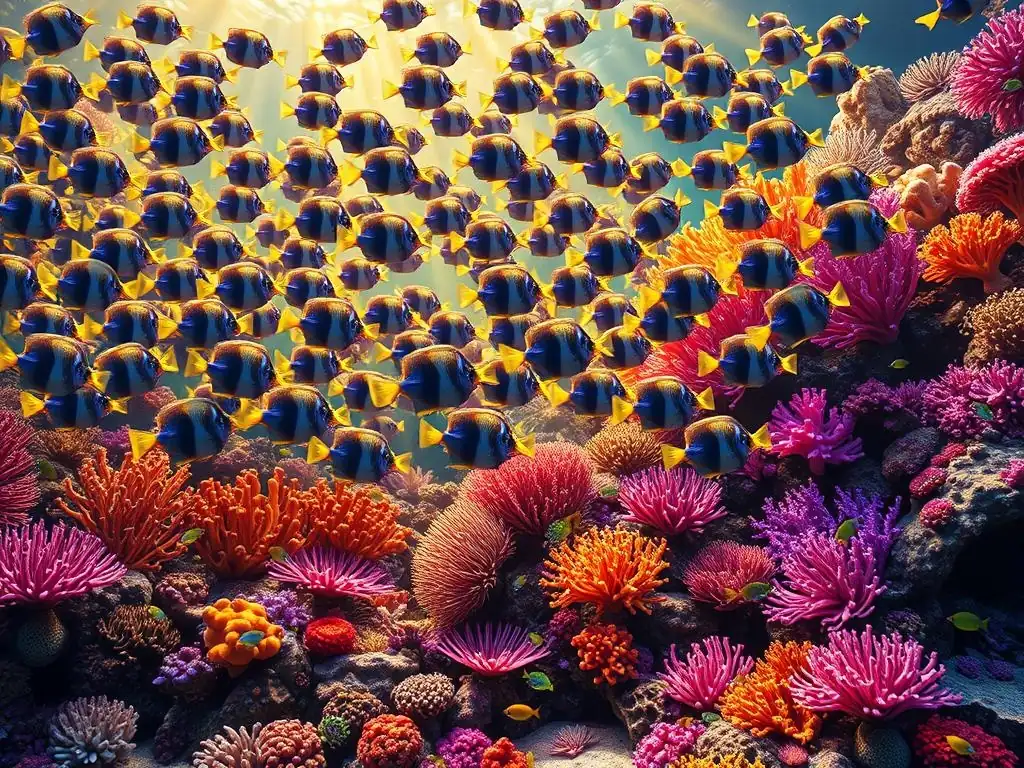
Welcome to Aquarium Mastery, where your underwater aspirations become reality!
Ever wondered if those stunning Bannerfish can truly thrive in your reef tank, and how to unlock the secrets to their captivating schooling behavior? Dive into our latest article, " Schooling Bannerfish (Heniochus diphreutes): Butterflyfish Cousin – ReefSafer Grace Explained," and discover essential Bannerfish schooling care tips that will transform your saltwater aquarium into a harmonious underwater paradise. Ready to learn more and create the perfect environment for these graceful beauties? Let's begin!
- Understanding Schooling Bannerfish: Heniochus diphreutes Profile
- Optimal Aquarium Setup for Schooling Bannerfish
- Schooling Bannerfish Care Tips: Diet, Tank Mates & More
- Maintaining a Healthy Schooling Bannerfish Aquarium
- Schooling Bannerfish vs. Other Bannerfish Species: A Comparison
- Sourcing and Acclimation of Schooling Bannerfish
- Troubleshooting Common Issues with Schooling Bannerfish
- The Beauty of Schooling Bannerfish in a Reef Aquarium: Final Thoughts
-
Frequently Asked Questions
- How many Bannerfish (Heniochus diphreutes) should I keep for successful schooling?
- Are Bannerfish truly reef-safe, and what precautions should I take?
- What are the key water parameters I need to maintain for Bannerfish?
- What should I feed my Schooling Bannerfish?
- What size aquarium is recommended for a school of Bannerfish?
- Final Reflection: The Enduring Grace of Reef Harmony
- Ignite Your Reef Tank Journey!
Introduction to the Heniochus diphreutes: A Reef-Friendly Butterflyfish Alternative
The Schooling Bannerfish, scientifically known as Heniochus diphreutes, represents an excellent choice for saltwater aquarists seeking the elegance and visual appeal of butterflyfish without the common reef incompatibility issues. Unlike many of its Chaetodon genus cousins, which are notorious for nipping at corals and invertebrates, H. diphreutes is generally considered a reef-safe species, making it a highly desirable addition to mixed-reef aquariums. Its distinctive long dorsal fin ray, reminiscent of a banner, coupled with its striking black and white striped pattern, adds a dynamic aesthetic to any marine display.
This species is particularly celebrated for its natural schooling behavior, which, when observed in a well-maintained aquarium, creates a mesmerizing spectacle. Maintaining a small group of Schooling Bannerfish not only enhances their well-being by mimicking their natural social structures but also provides a sense of security, encouraging them to swim more confidently in the open water. Understanding the specific Bannerfish schooling care tips is crucial for fostering this natural behavior and ensuring a thriving, harmonious environment within the reef tank.
Heniochus diphreutes belongs to the family Chaetodontidae, which encompasses butterflyfishes and bannerfishes. Within this family, the genus Heniochus is distinguished by its elongated fourth dorsal spine, giving rise to the common name "bannerfish." The specific epithet diphreutes refers to its schooling nature, setting it apart from more solitary or pair-forming Heniochus species. This species is often confused with its close relative, the Longfin Bannerfish ( Heniochus acuminatus), though subtle differences in fin structure and behavior help differentiate them.
Geographically, the Schooling Bannerfish is widely distributed throughout the Indo-Pacific region. Its natural habitat spans from the Red Sea and East Africa, across the Indian Ocean, to the central Pacific, including areas like the Philippines, Indonesia, and the Great Barrier Reef. They are typically found in outer reef slopes and lagoons, often in large aggregations, at depths ranging from shallow waters of 3 meters down to approximately 60 meters. This broad distribution underscores their adaptability, yet their specific environmental needs must be met within the confines of an aquarium for successful Bannerfish schooling care tips.
Distinguishing Features: Identifying Heniochus diphreutes
The most prominent identifying feature of Heniochus diphreutes is its tall, banner-like dorsal fin, which is significantly elongated, though typically less dramatically so than that of Heniochus acuminatus. Their body is compressed laterally, displaying a striking pattern of three broad, dark bands against a white to yellowish-white background. The first dark band runs vertically through the eye, the second from the dorsal fin base to the pelvic fins, and the third from the posterior part of the dorsal fin to the anal fin. The caudal fin is usually yellowish.
Beyond coloration, a key distinguishing characteristic between H. diphreutes and H. acuminatus lies in the soft rays of the dorsal fin. H. diphreutes typically has 23-25 soft rays, whereas H. acuminatus has fewer, usually 22-23. Furthermore, the snout of the Schooling Bannerfish tends to be slightly more pointed, and their schooling tendency is far more pronounced in the wild and in captivity. Observing these subtle morphological differences is vital for accurate identification, especially when seeking to implement specific Bannerfish schooling care tips tailored to this species.
Providing ample space is paramount for a thriving school of Heniochus diphreutes. While a single specimen might temporarily inhabit a tank as small as 75 gallons (approximately 280 liters), a true school of three to five individuals, which is recommended for their long-term well-being and natural behavior, requires a minimum aquarium size of 120 gallons (about 450 liters). Larger tanks, ideally 180 gallons (680 liters) or more, are even better, as they offer greater stability in water parameters, more swimming room, and reduced territorial disputes among the Bannerfish schooling care tips that emphasize group dynamics.
The tank's dimensions are also crucial. A longer tank, rather than a taller one, is preferable, providing extended horizontal swimming space essential for these active fish. For example, a 6-foot (1.8-meter) long tank is significantly better than a 4-foot (1.2-meter) tank, even if the total volume is similar, because it accommodates their schooling patterns more effectively. Adequate swimming space also helps dilute any potential aggression and allows for multiple feeding stations, ensuring all members of the school receive sufficient nutrition.
Water Parameters: Maintaining Ideal Conditions for Heniochus diphreutes
Temperature, Salinity, and pH Recommendations
Maintaining stable and appropriate water parameters is fundamental to the health of Schooling Bannerfish. The ideal temperature range for Heniochus diphreutes is between 74°F and 80°F (23°C to 27°C). Fluctuations outside this range, especially rapid ones, can cause significant stress and compromise their immune system. Salinity should be kept within a specific gravity range of 1.023 to 1.026, with 1.025 often cited as optimal for mixed reef environments. A stable pH level between 8.1 and 8.4 is also critical for buffering the aquarium water and supporting coral health, if applicable.
Beyond these primary parameters, attention to alkalinity (dKH 8-12), calcium (380-450 ppm), and magnesium (1250-1350 ppm) is essential, particularly in reef setups. These parameters contribute to the overall stability of the water chemistry, which directly impacts the fish's metabolic functions and overall vitality. Regular, consistent monitoring of all these parameters is a cornerstone of effective Bannerfish schooling care tips and ensures a stable, thriving environment for your fish.
Importance of Water Quality and Regular Testing
Pristine water quality is non-negotiable for the delicate Schooling Bannerfish. High levels of nitrates, nitrites, and ammonia are toxic and can quickly lead to stress, disease, and mortality. Nitrite and ammonia should always be undetectable (0 ppm), while nitrates should be kept as low as possible, ideally below 10-20 ppm for a fish-only tank and even lower for a reef tank (e.g., <5 ppm). Regular testing with reliable aquarium test kits is therefore not just recommended, but absolutely necessary.
A consistent testing schedule, perhaps weekly or bi-weekly depending on tank maturity and bioload, allows aquarists to detect subtle shifts in water chemistry before they become problematic. This proactive approach enables timely interventions, such as increased water changes or adjustments to filtration, preventing the buildup of harmful compounds. Adhering to strict water quality protocols is one of the most impactful Bannerfish schooling care tips for long-term success.
Choosing the Right Filtration System
A robust filtration system is crucial for managing the bioload of a school of Heniochus diphreutes. A combination of mechanical, biological, and chemical filtration is highly recommended. Mechanical filtration, such as filter socks or sponges, removes particulate matter, while biological filtration (live rock, bio-balls, ceramic media) converts toxic ammonia and nitrites into less harmful nitrates. Chemical filtration, often using activated carbon or GFO (granular ferric oxide), helps remove dissolved organic compounds and phosphates, maintaining water clarity and purity.
For a tank housing Schooling Bannerfish, an appropriately sized protein skimmer is perhaps the most vital piece of equipment. Protein skimmers effectively remove organic waste before it breaks down into nitrates and phosphates, significantly reducing the bioload and improving water quality. Aim for a skimmer rated for at least 1.5 to 2 times the actual tank volume to ensure efficient waste removal, especially when applying Bannerfish schooling care tips to a multi-fish setup.
Selecting Appropriate Lighting for a Reef-Friendly Environment
While Schooling Bannerfish are not particularly demanding regarding lighting intensity, the choice of lighting will largely depend on the other inhabitants of your reef tank, particularly corals. For a fish-only-with-live-rock (FOWLR) system, moderate lighting that mimics natural reef conditions is sufficient, perhaps 0.5 to 1 watt per gallon using fluorescent or LED fixtures. This provides a natural day/night cycle and allows for observation of the fish.
In a mixed-reef aquarium, lighting will need to be tailored to the coral species present. LEDs (Light Emitting Diodes) are popular for their energy efficiency, spectrum control, and ability to simulate various natural lighting conditions, from dawn to dusk. T5 HO (High Output) fluorescent lights are also a viable option. Regardless of the type, ensure the lighting schedule is consistent, typically 10-12 hours per day, to avoid stressing the fish and to promote a stable environment, a key aspect of comprehensive Bannerfish schooling care tips.
Maintaining Optimal Water Flow
Moderate to strong water flow is beneficial for Schooling Bannerfish, mimicking their natural environment on outer reef slopes. Good water movement ensures proper gas exchange at the surface, preventing oxygen depletion and CO2 buildup. It also helps to keep detritus in suspension, allowing it to be picked up by mechanical filtration, rather than settling and breaking down into undesirable nutrients.
Powerheads or wavemakers strategically placed throughout the aquarium can create varied flow patterns, ensuring no dead spots where waste can accumulate. Aim for a total tank turnover rate of 10-20 times the tank volume per hour, distributed across multiple points to avoid direct, strong blasts on the fish. While Heniochus diphreutes are strong swimmers, excessively turbulent flow can cause stress. Achieving the right balance of flow is an important detail in Bannerfish schooling care tips for their long-term health.
Recommended Diet: Variety and Supplementation
Schooling Bannerfish are omnivores with a preference for meaty foods, but they also graze on algae and detritus in their natural habitat. A varied diet is crucial for their long-term health and vibrant coloration. High-quality frozen foods should form the cornerstone of their diet, including enriched mysis shrimp, brine shrimp, finely chopped krill, and various marine-based frozen preparations. These foods provide essential proteins, fats, and vitamins.
In addition to meaty offerings, vegetable matter should also be incorporated. This can include spirulina flakes, marine algae pellets, and small pieces of dried nori (seaweed) clipped to a rock or an algae clip. Some aquarists report success with live foods like blackworms or copepods, which can also provide a natural foraging opportunity. Ensuring a diverse diet is a critical Bannerfish schooling care tips component to prevent nutritional deficiencies and bolster their immune system.
Feeding Frequency and Portion Control
Due to their active metabolism and schooling nature, Schooling Bannerfish should be fed small amounts multiple times a day, ideally two to three times. This mimics their natural grazing behavior and prevents large spikes in nutrient levels from uneaten food. Offer only what they can consume within a few minutes to prevent excess food from decaying and polluting the water. Overfeeding is a common mistake that can lead to poor water quality and health issues.
When feeding a school, ensure that all individuals get enough food. Sometimes, more dominant fish may monopolize feeding areas. Spreading food across different areas of the tank or using multiple feeding points can help ensure that all members of the school receive adequate nutrition. Monitoring their feeding behavior is a key aspect of Bannerfish schooling care tips, as a sudden loss of appetite can be an early indicator of stress or illness.
Reef Compatibility: Safe Corals and Invertebrates
One of the most attractive attributes of Heniochus diphreutes is its general reef-safe nature, making it an excellent choice for aquarists who wish to keep both fish and corals. Unlike many other butterflyfish species, Schooling Bannerfish typically do not nip at most stony corals (SPS and LPS) or soft corals. They may occasionally pick at some fleshy polyps or certain types of anemones, but this behavior is usually minimal and not destructive to a well-established reef.
They are also generally safe with most mobile invertebrates such as snails, hermit crabs, and shrimp. However, caution should always be exercised, as individual fish personalities can vary. Introducing them to a mature reef tank with established corals and a diverse clean-up crew is advisable. Observing their initial interactions is part of good Bannerfish schooling care tips to confirm their suitability for your specific reef environment.
Avoiding Aggressive Tank Mates
While generally peaceful, Schooling Bannerfish can become stressed or shy if housed with overly aggressive or territorial tank mates. Avoid fish known for their aggression, such as large predatory triggers, puffers, or certain angelfish species that might bully or outcompete them for food. Fast-swimming, boisterous fish that constantly dart around can also be a source of stress, especially for a schooling species that prefers a sense of security.
Ideal tank mates include other peaceful community fish like tangs (e.g., Yellow Tangs, Purple Tangs), certain gobies, cardinalfish, and blennies. When introducing new fish, always do so cautiously and observe interactions closely. A larger tank volume helps dilute aggression, and providing plenty of rockwork with hiding spots can also reduce stress. Thoughtful selection of tank mates is a pivotal aspect of Bannerfish schooling care tips for a harmonious aquarium.
Schooling Behavior: Encouraging Natural Group Dynamics
Minimum School Size for Heniochus diphreutes
To truly observe and benefit from the natural schooling behavior of Heniochus diphreutes, it is highly recommended to keep them in groups of at least three to five individuals. A minimum of three allows for the formation of a rudimentary school, providing psychological comfort and reducing stress. However, a group of five or more will typically exhibit more pronounced and fluid schooling patterns, making for a more captivating display. Keeping only one or two specimens can lead to shyness, increased stress, and a lack of their characteristic social interactions.
Introducing all members of the school simultaneously, or as close together as possible after proper quarantine, is often beneficial. This helps prevent territorial disputes that might arise if new individuals are introduced into an established group one by one. The larger the school, the more confident and active they tend to be in the open water, which is a prime goal of Bannerfish schooling care tips focusing on their natural tendencies.
Observing and Addressing Aggression within the School
While Schooling Bannerfish are generally peaceful within their own kind, minor squabbles or a pecking order can sometimes emerge, particularly in smaller tanks or if the group size is insufficient. This aggression typically manifests as chasing, fin nipping, or displaying. In most cases, if the tank is adequately sized and there are enough individuals in the school, these interactions remain harmless and are part of establishing a social hierarchy.
However, if persistent or severe aggression is observed, leading to injuries or chronic stress in one or more individuals, intervention may be necessary. This could involve increasing the tank size, adding more hiding spots, or, in extreme cases, removing the aggressor or the targeted fish. Ensuring sufficient feeding opportunities for all members can also reduce competition. Diligent observation of their schooling dynamics is an essential element of Bannerfish schooling care tips to maintain a healthy and balanced group.
Disease Prevention and Treatment in Heniochus diphreutes
Common Diseases Affecting Bannerfish
Like many marine fish, Schooling Bannerfish are susceptible to common saltwater diseases, particularly if stressed by poor water quality, inadequate diet, or incompatible tank mates. Ich ( Cryptocaryon irritans) and Marine Velvet ( Amyloodinium ocellatum) are two of the most prevalent parasitic infections. Symptoms include white spots on the body and fins, rapid breathing, flashing against decor, and lethargy. Bacterial infections can also occur, often presenting as fin rot, cloudy eyes, or body lesions.
Prevention is always better than cure. Maintaining stable, pristine water parameters, providing a varied and nutritious diet, and minimizing stress are the best lines of defense. If disease does occur, prompt identification and treatment are crucial. Many parasitic infections can be treated with copper-based medications in a separate quarantine tank, or through hyposalinity. Consulting with a marine aquarium veterinarian or experienced aquarist is recommended for accurate diagnosis and treatment plans, forming a critical part of Bannerfish schooling care tips.
Quarantine Procedures for New Arrivals
Implementing a strict quarantine protocol for all new Schooling Bannerfish arrivals is arguably the single most effective Bannerfish schooling care tips for preventing disease introduction into your main display tank. A dedicated quarantine tank (QT) of at least 20-30 gallons (75-115 liters) should be set up with basic filtration, a heater, and PVC pipes for hiding. New fish should be housed in the QT for a minimum of 3-4 weeks.
During this period, observe the fish closely for any signs of illness, feed them well, and perform regular small water changes. Prophylactic treatments for common parasites, such as a freshwater dip or a low-dose copper treatment, can be considered, especially if the fish show any signs of stress or potential issues. Only after the quarantine period, and if the fish appear perfectly healthy, should they be introduced to the main aquarium. This practice significantly reduces the risk of wiping out your established fish population.
Regular Maintenance: Water Changes and Tank Cleaning
Consistent regular maintenance is vital for the long-term health of Schooling Bannerfish. Weekly or bi-weekly water changes are essential for replenishing trace elements, reducing nitrate buildup, and maintaining overall water quality. For a well-stocked 120-gallon tank, a 10-15% weekly water change or a 20-25% bi-weekly change is a good starting point. Always use properly mixed and aged saltwater with a reliable salt mix.
Beyond water changes, routine tank cleaning is also important. This includes siphoning detritus from the substrate, cleaning the glass to remove algae, and rinsing mechanical filter media regularly (e.g., filter socks daily, sponges weekly) to prevent them from becoming nitrate factories. Maintaining clean equipment and a clean environment minimizes stressors and pathogens, contributing significantly to successful Bannerfish schooling care tips.
Monitoring Behavior: Identifying Potential Problems Early
Close observation of your Schooling Bannerfish's behavior is one of the most proactive Bannerfish schooling care tips you can employ. Healthy Heniochus diphreutes are active, alert, and exhibit their characteristic schooling patterns. They should swim confidently, have clear eyes, intact fins, and a strong appetite. Any deviation from this normal behavior can be an early warning sign of a problem.
Look for changes such as hiding more than usual, rapid breathing, clamped fins, scratching against rocks, refusal to eat, or unusual swimming patterns. Early detection allows for prompt intervention, which can be critical in preventing a minor issue from escalating into a full-blown crisis. Keeping a log of water parameters, feeding habits, and any observed behaviors can also be incredibly helpful in tracing the cause of any problems.
Heniochus diphreutes vs. Heniochus acuminatus: Key Differences
The Schooling Bannerfish ( Heniochus diphreutes) is frequently confused with the Longfin Bannerfish ( Heniochus acuminatus) due to their similar appearance and shared common name. However, crucial distinctions exist. The most noticeable difference lies in the length of the elongated dorsal fin ray: H. acuminatus generally possesses a significantly longer and more flowing "banner" than H. diphreutes. While both have three vertical dark bands, the pattern can be subtly different.
Behaviorally, H. diphreutes lives up to its common name by forming large, cohesive schools in the wild and exhibiting a strong schooling tendency in captivity, especially when kept in appropriate group sizes. H. acuminatus, conversely, is more often found individually or in pairs and typically does not school as readily or extensively in an aquarium setting. Furthermore, H. diphreutes is generally considered more reliably reef-safe compared to H. acuminatus, which can sometimes develop a taste for certain corals. Understanding these differences is vital for aquarists seeking specific Bannerfish schooling care tips for the true schooling species.
The primary advantage of Heniochus diphreutes for reef aquariums is its high degree of reef compatibility. Unlike many other butterflyfish species that are obligate corallivores or known coral nippers, the Schooling Bannerfish generally leaves corals and most invertebrates untouched, allowing aquarists to enjoy their beauty without jeopardizing their valuable coral collection. This makes them a versatile choice for mixed-reef setups, a significant consideration for Bannerfish schooling care tips focused on compatibility.
Their schooling behavior is another major benefit. A group of H. diphreutes swimming in unison adds dynamic movement and visual interest that few other marine fish can provide. This natural grouping also contributes to their overall well-being, reducing stress and encouraging confident swimming. Their relatively peaceful temperament and adaptability to a varied diet further enhance their appeal, making them one of the most rewarding and aesthetically pleasing additions to a well-planned marine aquarium.
Finding Reputable Suppliers of Heniochus diphreutes
Sourcing healthy Schooling Bannerfish begins with finding reputable suppliers. Look for local fish stores or online retailers with a strong track record for ethical sourcing, proper husbandry practices, and a commitment to animal welfare. A good supplier will have clean tanks, active and alert fish, and readily answer questions about their quarantine procedures and the origin of their livestock. Avoid purchasing fish from tanks with visible signs of disease, such as Ich spots, clamped fins, or lethargy, as these issues can quickly spread.
Inquire about how long the fish have been at the facility. Fish that have been held for at least a week or two, and are actively eating, are generally more robust and better acclimatized to captivity than recently arrived specimens. Prioritizing quality over price, and choosing suppliers who provide transparent information on their Bannerfish schooling care tips and handling, will significantly increase your chances of success.
Drip Acclimation Method
The drip acclimation method is highly recommended for introducing new Schooling Bannerfish to your aquarium, as it slowly equalizes water parameters (temperature, pH, and salinity) between the shipping bag and your tank, minimizing shock. Begin by floating the sealed bag in your sump or display tank for 15-20 minutes to equalize temperature. Then, open the bag, pour the fish and water into a clean bucket, and use airline tubing to siphon water from your display tank into the bucket.
Regulate the drip rate to about 2-3 drops per second. Allow the water volume in the bucket to double over 30-60 minutes. Once the volume has doubled, carefully net the fish and transfer them to your quarantine tank (never directly into the main display). Discard the water from the shipping bag and bucket; do not introduce it into your aquarium. This careful approach is a fundamental Bannerfish schooling care tips for new arrivals.
Monitoring Stress During Acclimation
Throughout the acclimation process, close monitoring of the Schooling Bannerfish for signs of stress is crucial. Look for rapid breathing, erratic swimming, or loss of color. While some initial shyness is normal, severe stress can lead to shock or make them more susceptible to disease. Ensure the environment is calm, with minimal sudden movements or loud noises. Keeping the lights dim during and immediately after acclimation can also help reduce stress.
Once in the quarantine tank, continue to observe them closely for the first few hours and days. A healthy fish should begin to explore its new surroundings and, eventually, show interest in food. If signs of severe stress persist, or if the fish shows any signs of illness, be prepared to initiate appropriate treatment or seek professional advice. Diligent monitoring is a non-negotiable Bannerfish schooling care tips for successful introduction.
Loss of Appetite: Identifying and Addressing Feeding Problems
A loss of appetite in Schooling Bannerfish is a significant warning sign that something is amiss. It can be caused by various factors, including stress from poor water quality, incompatible tank mates, disease, or insufficient hiding spots. Begin by checking all water parameters immediately: ammonia, nitrite, nitrate, pH, temperature, and salinity. Even slight deviations can stress fish and reduce their desire to eat.
If water parameters are stable, consider the diet. Are you offering a varied, nutritious diet? Try different types of high-quality frozen foods, or soak their food in a vitamin supplement or garlic extract, which can act as an appetite stimulant. Observe them during feeding to ensure they are not being outcompeted by more aggressive tank mates. If they continue to refuse food for more than 24-48 hours, or show other symptoms, investigate for signs of disease, as this is a critical Bannerfish schooling care tips for their survival.
Fin Nipping: Causes and Solutions
Fin nipping, where one fish nips at the fins of another, can occasionally occur within a school of Heniochus diphreutes or from other tank mates. Within the school, it's often a sign of establishing a pecking order, especially if the tank is too small or if the group size is inadequate (e.g., only two fish). Providing ample space and ensuring a larger school (5+ individuals) can often mitigate this behavior, as aggression is dispersed among more fish.
If the fin nipping is coming from other tank mates, reassess compatibility. Aggressive or semi-aggressive species, particularly those known for nipping (e.g., some angelfish, triggers), should be removed if the behavior persists and causes injury. Provide plenty of hiding spots and visual barriers with rockwork to allow bullied fish to retreat. Addressing fin nipping is a vital Bannerfish schooling care tips to prevent chronic stress and secondary bacterial infections.
Disease Outbreaks: Quarantine and Treatment Protocols
Despite best efforts, disease outbreaks can still occur. If you observe widespread symptoms like white spots, rapid breathing, or lethargy across your Schooling Bannerfish population, immediate action is necessary. The first step is to confirm the diagnosis, if possible. For parasitic infections like Ich or Velvet, the most effective treatment involves transferring affected fish to a dedicated hospital tank (HT) for medication, such as copper-based treatments, or hyposalinity. Treating the main display tank is generally not recommended, especially in reef systems, as many medications are toxic to corals and invertebrates.
While fish are in the hospital tank, the main display tank should be left fallow (fish-less) for at least 6-8 weeks. This breaks the life cycle of parasites that require a fish host to survive. During this time, maintain excellent water quality in both tanks. Post-treatment, a slow and careful re-acclimation back to the main tank is essential. Understanding and implementing these Bannerfish schooling care tips for disease management is crucial for the long-term health of your entire aquarium.
Appreciating the Unique Charm of Heniochus diphreutes
The Schooling Bannerfish, Heniochus diphreutes, offers a truly unique and captivating addition to the marine aquarium. Their distinctive long dorsal fins, elegant black and white striped patterns, and especially their innate schooling behavior create a dynamic and visually stunning display. Watching a group of these fish move in unison through a well-aquascaped reef tank is an experience that elevates the aesthetic appeal of any home aquarium, providing a sense of natural harmony and movement.
Beyond their beauty, their generally reef-safe nature makes them an ideal choice for aquarists who desire the grace of butterflyfish without the common concerns of coral predation. Their relatively peaceful temperament and adaptability to varied diets further cement their status as a rewarding species to keep. Embracing the comprehensive Bannerfish schooling care tips discussed here allows aquarists to fully appreciate the unique charm and vibrant activity these fish bring to the underwater world they create.
Responsible aquarium keeping for Schooling Bannerfish involves a commitment to understanding and meeting their specific needs. This includes providing an adequately sized tank for a school, maintaining pristine and stable water parameters, offering a diverse and nutritious diet, and carefully selecting compatible tank mates. Implementing strict quarantine protocols for all new arrivals is also paramount to preventing the introduction and spread of diseases.
By adhering to these detailed Bannerfish schooling care tips, aquarists not only ensure the health and longevity of their Heniochus diphreutes but also contribute to the broader goal of sustainable and ethical fish keeping. Educating oneself and others about the proper care of these magnificent creatures helps preserve wild populations by reducing demand for unhealthy or unsustainably collected specimens, fostering a deeper appreciation for the marine environment.
Frequently Asked Questions
Bannerfish are social creatures. It's best to keep them in groups of at least five individuals to encourage natural schooling behavior and reduce stress. A larger group generally leads to a more stable social hierarchy.
While Heniochus diphreutes are considered more reef-safe than some butterflyfish, they may nip at some soft corals and certain invertebrates. Careful observation is crucial, and providing ample food can minimize this risk.
Bannerfish thrive in stable saltwater conditions. Maintain a temperature of 72-78°F, a salinity of 1.023-1.025, and a pH of 8.1-8.4. Regular water changes are essential for optimal health.
Bannerfish are omnivores and need a varied diet. Offer a mix of high-quality flake food, frozen foods (like mysis shrimp and brine shrimp), and even some algae. Feeding multiple small meals a day is preferable.
Given their potential size and active swimming habits, a minimum tank size of 125 gallons is recommended for a school of five Bannerfish. Larger tanks allow for better swimming space and water stability.
Final Reflection: The Enduring Grace of Reef Harmony
The journey into understanding the delicate dance of Bannerfish schooling reveals more than just aquarium husbandry; it highlights the interconnectedness of life within a reef ecosystem and the responsibility we bear as custodians of these fragile environments. The insights shared throughout this article, from optimal tank conditions to compatible tankmates, are not merely suggestions, but rather a call to action to create thriving aquatic havens.
This exploration has underscored how seemingly small actions, like providing the right environment for Bannerfish to school naturally, can have profound ripple effects on the overall health and beauty of a reef tank. Witnessing these creatures thrive in a balanced ecosystem is a powerful reminder of the beauty and fragility of the natural world, and our role in preserving it. In the end, we will conserve only what we love; we will love only what we understand; and we will understand only what we are taught.
- Baba Dioum. This quote encapsulates the essence of responsible reef keeping: education, understanding, and ultimately, conservation.
As you consider the information presented here, I invite you to reflect on your own role in the reef keeping community. How can you apply these "Bannerfish schooling care tips" to not only enhance your own aquarium, but also to advocate for responsible practices that protect our oceans? Let us strive to be more than just hobbyists; let us be stewards of the reef, ensuring that the grace and beauty of the schooling Bannerfish, and the ecosystems they inhabit, endure for generations to come.
Ignite Your Reef Tank Journey!
Thank you for diving into the world of Schooling Bannerfish! We hope you've gained valuable insights into keeping these graceful creatures in your reef aquarium. Now, let’s turn that knowledge into action!
- Commit to meticulous research before introducing any Bannerfish to your reef tank. Understanding their specific needs is paramount for their well-being and the health of your existing ecosystem.
- Share this article with fellow reef keeping enthusiasts! Help spread awareness about responsible Bannerfish husbandry.
- Document your tank's current parameters and revisit them monthly. Tracking trends will help you preemptively address potential issues and ensure your Bannerfish thrive.
What's the first parameter you'll test in your reef tank this week, inspired by the Bannerfish's delicate nature?