
Altum Angelfish: Specialized Care for the True King of Angels

Welcome to Aquarium Mastery, where we help you unlock the secrets to thriving aquatic ecosystems!
Ever gazed upon an angelfish and felt a sense of awe? Prepare to be captivated by the Altum Angelfish, a true king among angels. But their majestic beauty comes with unique challenges. Dive into our Altum Angelfish care guide and discover everything you need to know to successfully keep and appreciate these stunning freshwater fish. Are you ready to elevate your aquarium expertise? Let's begin!
- Understanding the Majesty of Altum Angelfish
- The Altum Angelfish Care Guide: Essential Requirements
- Altum Angelfish Tank Mates: Choosing Compatible Companions
-
Altum Angelfish Health and Disease Prevention
- Common Altum Angelfish Diseases and Treatments (Ich, Fin Rot, Parasites)
- Recognizing Early Signs of Illness in Altum Angelfish (Behavioral Changes, Physical Symptoms)
- Quarantine Procedures for New Altum Angelfish (Preventing Disease Introduction)
- Maintaining Optimal Water Quality to Prevent Altum Angelfish Diseases
- Altum Angelfish Breeding: A Challenging Endeavor
- Advanced Altum Angelfish Care Tips and Tricks
- Conclusion: Mastering the Art of Altum Angelfish Keeping
-
Frequently Asked Questions
- What makes Altum Angelfish care so difficult compared to other angelfish?
- What is the ideal tank size for keeping Altum Angelfish?
- What type of water parameters are crucial for Altum Angelfish survival?
- What should I feed my Altum Angelfish to ensure optimal health?
- What are some common health issues that affect Altum Angelfish, and how can I prevent them?
- Final Reflection: Appreciating the Majesty of Altum Angelfish
- Unleash Your Inner Aquarist: Transform Your Tank Today!
Understanding the Majesty of Altum Angelfish
What Makes Altum Angelfish So Special? (Altum Angelfish Characteristics)
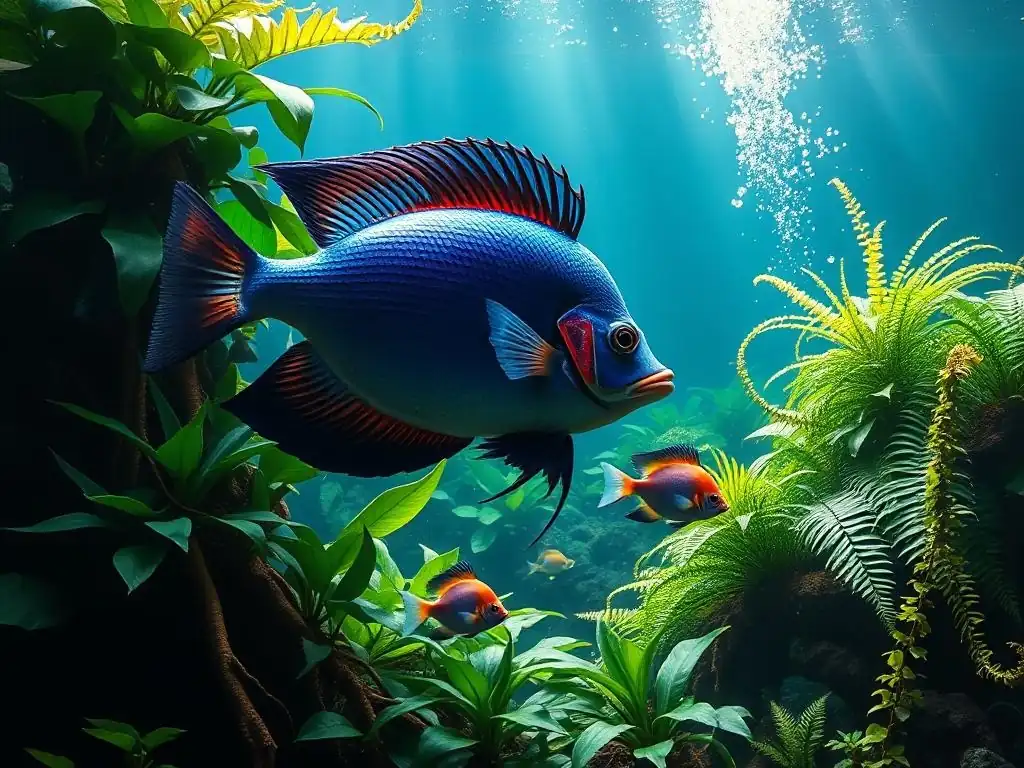
The Altum Angelfish, Pterophyllum altum, stands as an unparalleled icon in the freshwater aquarium hobby, truly earning its moniker "King of Angels." Native to the challenging blackwater environments of the Orinoco River basin, particularly the Inírida and Atabapo rivers in Colombia and Venezuela, these fish are distinguished by their remarkably tall, disc-shaped bodies, reaching impressive heights of up to 15 inches (approximately 38 cm) from the tip of the dorsal fin to the tip of the anal fin in mature specimens.
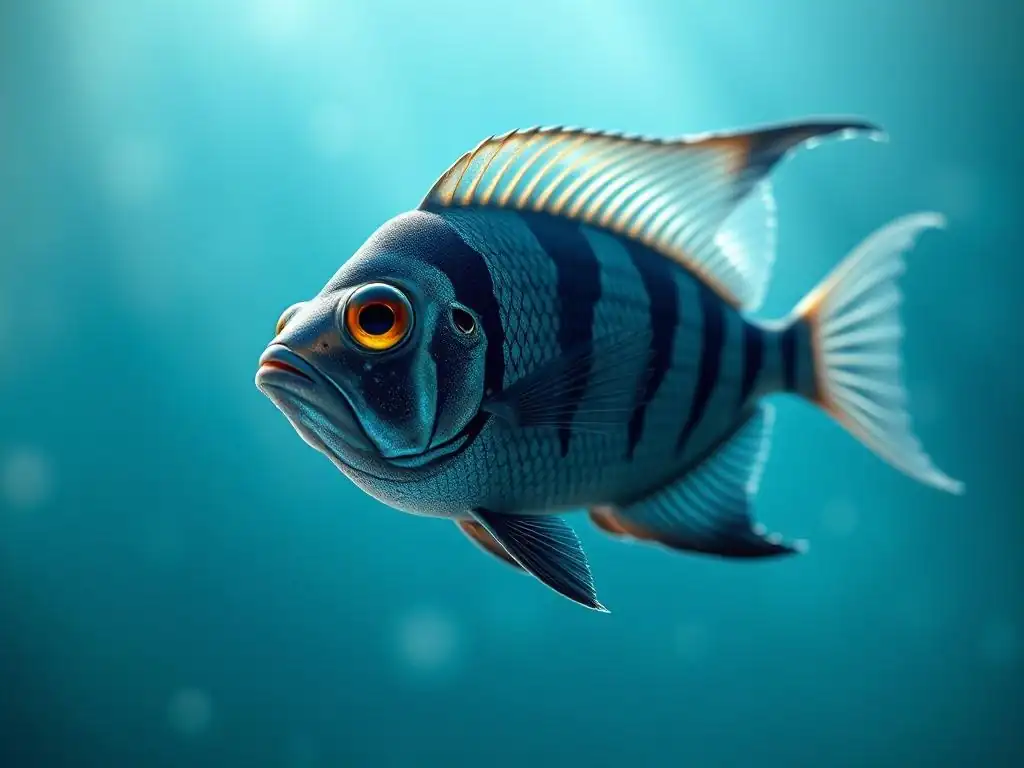
Their most striking characteristic is a deeply concave snout above the mouth, a feature absent in other angelfish species, combined with pronounced vertical bars that are often darker and more defined, extending well into their fins.
Beyond their majestic appearance, Altum Angelfish are known for their delicate nature and demanding care requirements, making them a pursuit for experienced aquarists committed to providing a highly specialized environment. Their natural habitat of soft, acidic, and warm water necessitates meticulous attention to water parameters, which are far more stringent than those for common angelfish. Despite the challenges, the serene grace and unique presence of a healthy Altum Angelfish in a well-maintained aquarium offer an exceptionally rewarding experience, with individuals capable of living 8 to 10 years or even longer under optimal Altum Angelfish care guide conditions.
Distinguishing Altum Angelfish from Other Angelfish Species (Pterophyllum Altum vs. Pterophyllum Scalare)
Distinguishing the true Altum Angelfish ( Pterophyllum altum) from the more commonly available Pterophyllum scalare (common angelfish) and Pterophyllum leopoldi is crucial for any aspiring Altum Angelfish care guide enthusiast, as their needs differ significantly. The most definitive morphological difference lies in the snout: P. altum possesses a distinctly concave, almost "dished" profile above its mouth, whereas P. scalare has a straighter or slightly convex snout. This subtle yet critical feature is the primary identifier.
Furthermore, P. altum exhibits a much taller body proportion, often reaching nearly double the height of a mature P. scalare (e.g., 15 inches vs. 8-10 inches). The vertical barring on P. altum is typically darker, more pronounced, and extends further onto the dorsal and anal fins, with a characteristic "shoulder notch" where the fourth bar crosses the dorsal fin base.
From a genetic standpoint, true Altums are genetically distinct, originating exclusively from specific regions of the Orinoco and Rio Negro basins, while P. scalare are widely distributed and bred commercially. This distinction also impacts their availability and cost; wild-caught Altums are rare and can command prices upwards of $100-$300 per fish, reflecting their specialized needs and the effort involved in their acquisition and successful Altum Angelfish care guide implementation.
The Altum Angelfish Care Guide: Essential Requirements
Setting Up the Ideal Altum Angelfish Tank Environment
Tank Size Requirements for Altum Angelfish (Minimum Tank Dimensions)
Providing adequate space is paramount for the health and majestic development of Altum Angelfish, forming a cornerstone of any comprehensive Altum Angelfish care guide. Due to their exceptional vertical growth, tank height is even more critical than length or width. For a single Altum Angelfish, a minimum tank size of 75 gallons (approximately 284 liters) is recommended, prioritizing a height of at least 24 inches (61 cm). However, Altums are schooling fish by nature, and thrive best in groups of 3 to 5 individuals.
For a small group, a tank of 125 to 180 gallons (473-681 liters) with a height of 24 to 30 inches (61-76 cm) is far more suitable. For instance, a 180-gallon tank typically measuring 72"L x 24"W x 24"H (183 cm x 61 cm x 61 cm) provides sufficient horizontal and vertical swimming space, minimizing stress and allowing them to display their full natural behaviors. Larger tanks also offer greater water volume, contributing to increased stability in water parameters, which is essential for these sensitive fish.
Water Parameters: Achieving Pristine Conditions for Altums (pH, Temperature, Hardness)
Replicating the pristine, soft, and acidic blackwater conditions of their native Orinoco River basin is fundamental to successful Altum Angelfish care. The ideal pH range for Pterophyllum altum is highly specific, typically between 4.5 and 6.5, with an optimal target of 5.0-6.0. Maintaining this acidic environment often requires the use of reverse osmosis (RO) or deionized (DI) water, remineralized to achieve the desired very low hardness. General Hardness (GH) should be in the range of 1-5 dGH (17.9-89.5 ppm), and Carbonate Hardness (KH) should be exceptionally low, ideally 0-2 dKH (0-35.8 ppm).
Temperature is equally critical, as Altums thrive in warmer waters than most common angelfish. The recommended temperature range is 82-86°F (28-30°C). Stability in all these parameters is paramount; sudden fluctuations can cause severe stress and lead to health issues. Regular testing with reliable kits (at least weekly for pH, ammonia, nitrite, nitrate, and bi-weekly for GH/KH) is indispensable for maintaining the precise and consistent water quality that an Altum Angelfish care guide demands.
Essential Filtration for Altum Angelfish Health (Biological, Mechanical, Chemical)
Robust and efficient filtration is a non-negotiable component of an effective Altum Angelfish care guide, given their sensitivity to metabolic wastes and water quality fluctuations. A multi-stage filtration system that incorporates biological, mechanical, and chemical filtration is essential. Canister filters are highly recommended for Altum tanks due to their large media capacity and ability to provide powerful flow without creating excessive currents that stress these fish.
Biological filtration, such as ceramic media, bio-balls, or porous biomedia, is crucial for converting harmful ammonia and nitrite into less toxic nitrate. Aim for sufficient biological media to handle the bioload of multiple large fish. Mechanical filtration, typically sponges or filter floss, removes particulate matter, keeping the water clear and preventing debris from breaking down and impacting water quality.
Chemical filtration, utilizing activated carbon or specialized resins like Purigen, helps remove dissolved organic compounds, tannins, and other impurities, maintaining crystal-clear water and reducing the frequency of deep cleaning. Over-filtration is generally beneficial, with a recommended turnover rate of at least 5-10 times the tank volume per hour to ensure pristine conditions.
Substrate and Decor: Creating a Natural Habitat for Altums (Bogwood, Plants)
The choice of substrate and decor plays a vital role in creating a comfortable and naturalistic environment for Altum Angelfish, supporting their well-being and security. A fine sand substrate or very smooth, small-grained gravel is ideal, as it protects their delicate barbels and allows for natural foraging behaviors without risk of injury. Darker substrates can also help to bring out their vibrant coloration and reduce light reflection, which can stress these shy fish.
Abundant driftwood, particularly types that release tannins such as bogwood, Mopani wood, or Malaysian driftwood, is highly recommended. These tannins naturally lower pH and mimic the blackwater conditions of their native habitat, providing a sense of security and potentially offering mild antiseptic properties. Tall, broad-leaf plants like Amazon Swords ( Echinodorus species), large Anubias, or Java Fern attached to driftwood provide crucial vertical cover and visual breaks, allowing the Altums to feel safe and display their full elegance. Avoid any decor with sharp edges or rough textures that could damage their long, flowing fins.
Altum Angelfish Diet and Feeding: Providing Optimal Nutrition
What Do Altum Angelfish Eat? (Live, Frozen, and Prepared Foods)
A varied and high-quality diet is crucial for the long-term health, vibrant coloration, and robust immune system of Altum Angelfish. As omnivores with a carnivorous preference, their diet should consist of a mix of live, frozen, and high-quality prepared foods. Live foods, such as blackworms, brine shrimp, and daphnia, are excellent for stimulating natural hunting instincts and providing essential nutrients, though care must be taken to ensure they are disease-free.
Frozen foods should form the staple of their diet. Excellent choices include frozen bloodworms, Mysis shrimp, brine shrimp, and high-quality beef heart mixes. Many successful Altum Angelfish care guide practitioners rely heavily on frozen bloodworms and Mysis shrimp due to their nutritional value and palatability. High-quality prepared foods, specifically flakes and pellets formulated for angelfish or cichlids with a high protein content (above 40%), can supplement the diet, ensuring a balanced intake of vitamins and minerals. For example, a typical feeding regimen might include frozen bloodworms in the morning and a premium flake food in the evening.
Feeding Frequency and Portion Sizes for Altum Angelfish (Avoiding Overfeeding)
Proper feeding frequency and portion control are essential for maintaining water quality and preventing digestive issues in Altum Angelfish. For young or growing Altums, feeding 2-3 times daily in small amounts is beneficial to support their rapid development. Adult Altums, however, generally thrive on 1-2 feedings per day.
The key to portion sizing is to offer only what the fish can consume entirely within 2-3 minutes. Any uneaten food left lingering in the tank will quickly decompose, leading to a spike in ammonia and nitrite, which are highly detrimental to the sensitive Altums. Overfeeding can also lead to bloating, swim bladder issues, and other digestive problems. Observing their behavior is critical; a slightly rounded belly after feeding indicates sufficient intake, while a bloated appearance suggests overfeeding. Regularly removing any uneaten food promptly is a simple yet vital practice in an effective Altum Angelfish care guide.
Supplementing Altum Angelfish Diet for Enhanced Color and Health (Vitamins and Minerals)
To ensure the Altum Angelfish receive a complete nutritional profile and to promote their stunning natural colors and robust health, dietary supplementation is highly recommended. Vitamin supplements, such as Selcon or Vita-Chem, can be soaked into frozen or prepared foods prior to feeding. These supplements provide essential fatty acids and a full spectrum of vitamins that might be lacking in a solely commercial diet, boosting their immune system and overall vitality.
While Altums are primarily silver and black, some high-quality foods contain natural color enhancers like astaxanthin, which can subtly deepen the richness of their black barring and contribute to overall fish health. Garlic Guard is another popular additive, known to stimulate appetite, especially in newly acquired or finicky eaters, and may offer some anti-parasitic benefits. Consistent supplementation, perhaps 2-3 times per week, significantly contributes to the long-term well-being and visual appeal of these magnificent fish, making it a valuable addition to an Altum Angelfish care guide.
Altum Angelfish Tank Mates: Choosing Compatible Companions
Suitable Tank Mates for Altum Angelfish (Peaceful Community Fish)
Selecting appropriate tank mates for Altum Angelfish requires careful consideration due to their delicate nature, specific water parameter requirements, and potential shyness. The best companions are peaceful, slow-moving fish that thrive in similar soft, acidic, and warm water conditions. Schooling tetras from South America are often excellent choices, such as Rummy-nose Tetras ( Hemigrammus bleheri), Cardinal Tetras ( Paracheirodon axelrodi), and Lemon Tetras ( Hyphessobrycon pulchripinnis). These fish are generally non-aggressive, stay in the mid-to-lower levels of the tank, and their schooling behavior can even help Altums feel more secure.
Bottom-dwelling fish like peaceful Corydoras catfish species (e.g., Corydoras sterbai, Corydoras panda) are also suitable, as they do not compete for swimming space or food with Altums. Certain peaceful Loricariids, such as Bristlenose Plecos ( Ancistrus cirrhosus), can also be good tank mates, helping with algae control without posing a threat to the Altums. The key is to choose species that won't nip at the Altums' long fins, outcompete them for food, or cause undue stress, ensuring a harmonious environment as part of a comprehensive Altum Angelfish care guide.
Fish to Avoid Keeping with Altum Angelfish (Aggressive or Fin-Nipping Species)
To ensure the well-being and pristine condition of Altum Angelfish, it is crucial to avoid housing them with incompatible tank mates. Aggressive or territorial cichlids, such as most African cichlids, Oscars ( Astronotus ocellatus), or Jack Dempseys ( Rocio octofasciata), are entirely unsuitable due to their propensity for aggression and vastly different water parameter needs. These fish will harass, injure, or even kill Altums.
Fin-nipping species are another major concern, as the Altum's long, flowing fins are highly susceptible to damage. Fish like Tiger Barbs ( Puntius tetrazona), Serpae Tetras ( Hyphessobry eques), and some larger Gouramis ( Osphronemus goramy) are notorious fin-nippers and should be strictly avoided.
Additionally, very small fish that could be perceived as food, such as juvenile Guppies ( Poecilia reticulata) or tiny Neon Tetras ( Paracheirodon innesi) if the Altums are exceptionally large, should be reconsidered. Finally, it is strongly advised against keeping Pterophyllum altum with common angelfish ( Pterophyllum scalare) due to the risk of disease transmission from the hardier scalare to the more sensitive Altums, and potential hybridization.
Maintaining a Balanced Aquarium Ecosystem with Altums
Maintaining a balanced aquarium ecosystem is fundamental to the long-term health and stability of an Altum Angelfish setup. Overcrowding is one of the most significant pitfalls, as it leads to increased waste production, rapid deterioration of water quality, and heightened stress among the fish. Adhering to generous stocking guidelines, far beyond the simplistic "inch per gallon" rule, is crucial for Altums, prioritizing volume, especially height, per fish. For example, even with a 180-gallon tank, a maximum of 5-6 adult Altums is a reasonable upper limit when considering their adult size and territorial needs.
Regular and substantial water changes are the backbone of a balanced Altum aquarium. Weekly water changes of 30-50% are typically recommended to dilute nitrates and replenish essential minerals, provided the replacement water is carefully prepared to match the tank's parameters. Consistent monitoring of water parameters—ammonia, nitrite, nitrate, pH, GH, and KH—is non-negotiable. A well-cycled tank with mature biological filtration is the absolute minimum requirement before introducing Altums, ensuring that the nitrogen cycle is fully established and capable of processing waste efficiently, which is the core of any effective Altum Angelfish care guide.
Altum Angelfish Health and Disease Prevention
Common Altum Angelfish Diseases and Treatments (Ich, Fin Rot, Parasites)
Altum Angelfish, despite their hardiness in the right conditions, are susceptible to common freshwater diseases, especially if water quality is compromised or stress levels are high. Ich (Ichthyophthirius multifiliis), characterized by small white spots resembling salt grains on the body and fins, is a frequent ailment. Treatment often involves slowly raising the water temperature to 86-88°F (30-31°C) for several days (if tank mates can tolerate it) combined with commercial Ich medications containing malachite green or formalin.
Fin Rot, a bacterial infection often caused by poor water quality or physical injury, manifests as frayed, discolored, or disintegrating fins. Addressing the underlying water quality issues is paramount, followed by treatment with broad-spectrum antibacterial medications or antibiotics. Internal Parasites, indicated by a sunken belly, loss of appetite, or white, stringy feces, require specific anti-parasitic medications like Metronidazole or Praziquantel, often administered by soaking food.
Hole-in-the-Head Disease (HITH), though less common, can occur due to poor water quality, nutritional deficiencies, or Hexamita parasites, and is treated with Metronidazole alongside significant improvements in husbandry. A proactive Altum Angelfish care guide emphasizes prevention over cure.
Recognizing Early Signs of Illness in Altum Angelfish (Behavioral Changes, Physical Symptoms)
Early detection of illness is critical for successful treatment and minimizing stress on Altum Angelfish. Aquarists should be vigilant for both behavioral and physical changes that indicate a problem. Behavioral signs of distress include lethargy, spending excessive time hiding or at the bottom of the tank, clamped fins held close to the body, rapid or labored gilling, loss of appetite, and erratic or jerky swimming. A healthy Altum is typically graceful, active, and responsive to its environment.
Physical symptoms can manifest in various ways: the appearance of white spots (Ich), frayed or tattered fins (fin rot), bloating or a distended abdomen, a sunken belly (wasting disease), cloudy eyes, lesions, ulcers, or unusual growths on the body. Changes in coloration, such as dullness or unusual darkening, can also signal stress or illness. Regularly observing your Altums for even subtle deviations from their normal appearance and behavior is a cornerstone of effective Altum Angelfish care, allowing for prompt intervention before conditions escalate.
Quarantine Procedures for New Altum Angelfish (Preventing Disease Introduction)
Implementing a strict quarantine procedure for all new Altum Angelfish is arguably the single most important preventative measure against introducing diseases into your main display tank. Altums are particularly sensitive, and even seemingly healthy new arrivals can carry pathogens that could devastate an established community. A dedicated quarantine tank, ideally 20-30 gallons (76-114 liters) or larger, should be set up with a heater, filter, and minimal decor for easy cleaning.
New fish should reside in this quarantine tank for a minimum of 4-6 weeks. During this period, observe them closely for any signs of illness, such as those described above. Many experienced aquarists opt for prophylactic treatment during quarantine, administering broad-spectrum medications for common issues like Ich or internal parasites, even if no symptoms are visible. This proactive approach significantly reduces the risk of disease transmission to your prized Altums in the main tank, making it an indispensable part of an Altum Angelfish care guide.
Maintaining Optimal Water Quality to Prevent Altum Angelfish Diseases
Maintaining consistently optimal water quality is the most crucial factor in preventing diseases and ensuring the long-term health of Altum Angelfish. Poor water quality is the leading cause of stress, weakened immune systems, and subsequent disease outbreaks in these sensitive fish. Regular, substantial water changes are paramount; a weekly 30-50% water change with carefully prepared, temperature-matched, and parameter-matched RO/DI water is often necessary to keep nitrates low and replenish essential trace elements.
Consistent monitoring of all key water parameters—ammonia, nitrite, nitrate, pH, GH, and KH—is non-negotiable. Any detectable levels of ammonia or nitrite are toxic and indicate an issue with the nitrogen cycle, requiring immediate corrective action. Avoiding sudden swings in pH or temperature is equally important; a stable environment minimizes physiological stress. A well-cycled tank with robust biological filtration, combined with diligent maintenance practices, creates a pristine and stable habitat that boosts the Altums' natural immunity, making water quality management the foundation of any successful Altum Angelfish care guide.
Altum Angelfish Breeding: A Challenging Endeavor
Creating Breeding Conditions for Altum Angelfish (Water Parameters, Spawning Sites)
Breeding Altum Angelfish is widely considered one of the most challenging feats in freshwater aquaculture, requiring extreme precision in environmental control. To induce spawning, water parameters must mimic their highly specific natural breeding grounds. This means exceptionally soft water, typically with a General Hardness (GH) below 3 dGH (53.7 ppm) and a Carbonate Hardness (KH) near 0 dKH.
The pH must be very acidic, ideally between 4.5 and 5.5. Temperature should also be elevated, ranging from 84-88°F (29-31°C). Maintaining these exact parameters often necessitates the use of a dedicated breeding tank, typically 75 gallons (284 liters) or more for a single pair, utilizing RO/DI water re-mineralized to the precise specifications.
Providing suitable spawning sites is equally important. Altums prefer vertical surfaces for egg deposition. Ideal options include large, broad-leaf plants like mature Amazon Swords, vertical pieces of slate, broad driftwood branches, or specialized angelfish spawning cones. The tank should be dimly lit and positioned in a quiet area with minimal disturbances, as stress can easily deter spawning. Consistent, small daily water changes (e.g., 10-15%) with perfectly matched water can also stimulate spawning behavior, mimicking the influx of fresh rainwater in their natural habitat.
Identifying Male and Female Altum Angelfish (Sexual Dimorphism)
Identifying the sex of Altum Angelfish outside of the spawning period is notoriously difficult, as they exhibit very subtle sexual dimorphism compared to many other cichlid species. Unlike common angelfish, the nuchal hump (a slight bump on the forehead) is not a reliable indicator for Altums, and both sexes can develop it. The most accurate way to distinguish males from females is by observing their breeding tubes (papillae) during the spawning process.
When a pair is ready to spawn, the female's ovipositor (egg tube) will become noticeably thicker and blunter, designed for depositing eggs. In contrast, the male's seminal papilla will be thinner and more pointed. Prior to this, the most practical method for aspiring breeders in an Altum Angelfish care guide is to acquire a group of 6-8 juvenile Altums and raise them together. As they mature, they will naturally pair off, allowing the aquarist to identify a breeding pair by their synchronized behavior, defending a specific territory, and engaging in pre-spawning cleaning rituals.
Altum Angelfish Spawning and Egg Care (Hatching and Raising Fry)
Once a pair of Altum Angelfish has formed and the breeding conditions are met, spawning will typically occur on a chosen vertical surface. The female will carefully lay rows of adhesive eggs, often hundreds (ranging from 200 to over 800 eggs), which the male then follows to fertilize. Both parents will meticulously guard and fan the eggs, providing constant water circulation and removing any unfertilized or fungused eggs. This parental care is crucial in their natural environment.
At the ideal temperature of 84-88°F (29-31°C), Altum Angelfish eggs typically hatch within 2-3 days. The newly hatched fry, often called "wigglers," will remain attached to the spawning site or be moved by the parents to a pit in the substrate. They will absorb their yolk sacs for another 4-7 days before becoming free-swimming. At this critical stage, some breeders choose to remove the eggs or fry to a separate rearing tank to protect them from potential predation or stress from the parents, often adding a mild antifungal agent like methylene blue to prevent fungal growth on the eggs.
Feeding Altum Angelfish Fry (Infusoria, Baby Brine Shrimp)
The successful rearing of Altum Angelfish fry is perhaps the most challenging aspect of their breeding, requiring precise and frequent feeding. Once the fry become free-swimming, which typically occurs 4-7 days after hatching, their tiny mouths require extremely small food particles. The initial food source for the first few days should be infusoria (microscopic organisms) or a high-quality liquid fry food designed for egg-laying fish. These are essential for the fry's survival during this vulnerable period.
After approximately 3-5 days of infusoria, the fry will be large enough to consume newly hatched Artemia nauplii (baby brine shrimp). This is a critical transition, as baby brine shrimp provide the necessary protein and nutrients for rapid growth.
Fry should be fed small amounts of baby brine shrimp frequently, ideally 5-8 times per day, to ensure a constant supply of food. Maintaining pristine water quality in the fry tank is paramount; this means performing multiple small (10-20%) water changes daily, carefully siphoning out any uneaten food or waste, to prevent the build-up of harmful nitrates and ensure the fry thrive.
Advanced Altum Angelfish Care Tips and Tricks
Acclimating Altum Angelfish to a New Tank (Reducing Stress)
Proper acclimation is a critical step in the successful Altum Angelfish care guide, significantly reducing stress and the risk of shock when introducing these delicate fish to a new environment. The drip acclimation method is highly recommended over simply floating the bag. Begin by floating the sealed bag in the new tank for 15-20 minutes to equalize temperature. Then, carefully open the bag and secure it in a way that allows a slow drip of tank water to enter.
Using airline tubing with a knot or a control valve, aim for a drip rate of 1-2 drops per second. This process should take at least 1-2 hours, gradually mixing the tank water with the transport water. The goal is to slowly adjust the Altums to the new water parameters (pH, temperature, hardness, and chemistry) without causing sudden osmotic shock. Once the water volume in the bag has tripled or quadrupled, gently net the Altums and release them into the dim-lit tank, discarding the old bag water. Avoid chasing or excessively handling them during this sensitive period.
Promoting Vibrant Colors in Altum Angelfish (Diet and Lighting)
While Altum Angelfish are naturally characterized by their striking silver bodies and bold black barring, certain practices can help promote and maintain their most vibrant coloration. A high-quality, varied diet rich in protein and essential fatty acids is fundamental. Including a mix of frozen foods like bloodworms and Mysis shrimp, along with premium flakes or pellets, ensures they receive all necessary nutrients. Some specialized foods contain natural color enhancers, though their effect on Altums' specific black and silver palette is more about overall health and pigment intensity rather than creating new hues.
Environmental factors also play a significant role. The presence of natural tannins from abundant driftwood in a blackwater setup can subtly enhance the richness of their black markings and create a more natural, stress-reducing environment. Stable, pristine water parameters are crucial, as stress and poor water quality can lead to dull, washed-out colors. Moderate lighting, avoiding overly bright conditions that might cause shyness, is generally preferred. Full-spectrum LED lights that mimic natural daylight can contribute to a healthy environment, allowing their natural beauty to shine through as part of an optimal Altum Angelfish care guide.
Dealing with Common Altum Angelfish Behavioral Issues (Hiding, Food Competition)
Even with optimal Altum Angelfish care, certain behavioral issues can arise, requiring attentive observation and intervention. Excessive hiding is often a primary indicator of stress. This can be caused by unsuitable tank mates (too aggressive or too boisterous), poor water quality, insufficient cover in the tank, or overly bright lighting. If Altums are constantly hiding, first re-evaluate water parameters and ensure they are within the ideal range. Then, assess tank mates for compatibility and provide more vertical cover in the form of tall plants and driftwood to offer secure retreats.
Food competition can occur, especially in groups or mixed-species tanks. Some Altums might be more dominant, preventing others from getting enough food. To mitigate this, distribute food widely across the tank during feeding times, or consider feeding in multiple locations simultaneously. If a specific fish is overly dominant, temporarily separating it during feeding might be necessary, or increasing the overall feeding frequency with smaller portions to ensure all individuals receive adequate nutrition. Observing their feeding dynamics and adjusting accordingly is key to a successful Altum Angelfish care guide.
Conclusion: Mastering the Art of Altum Angelfish Keeping
Mastering the art of Altum Angelfish keeping is a journey that demands dedication, precision, and a deep understanding of their unique needs. As this Altum Angelfish care guide has outlined, these magnificent fish are not for the casual aquarist. Their specific requirements for pristine, soft, acidic, and warm water, coupled with their need for spacious, vertically oriented tanks and a specialized diet, present a significant challenge. However, the rewards of keeping these true "Kings of Angels" are immeasurable.
A thriving Altum Angelfish aquarium, characterized by stable water parameters, a well-balanced ecosystem, and the serene, majestic presence of these fish, stands as a testament to the aquarist's skill and commitment. Their unique beauty, graceful movements, and fascinating behaviors make the considerable effort worthwhile for those seeking to provide the very best for one of the freshwater hobby's most iconic and demanding inhabitants. With meticulous attention to detail and a proactive approach to their care, Altum Angelfish can flourish, bringing unparalleled elegance to any dedicated aquarist's home.
Frequently Asked Questions
What makes Altum Angelfish care so difficult compared to other angelfish?
Altum Angelfish require pristine water conditions and a specific diet that's harder to maintain. They are also more sensitive to stress than other angelfish species.
What is the ideal tank size for keeping Altum Angelfish?
A minimum of 75 gallons is recommended for a small group, but larger is always better. These fish require a tall tank, ideally 24 inches or higher, to accommodate their vertical growth.
What type of water parameters are crucial for Altum Angelfish survival?
They need soft, acidic water with a pH between 5.5 and 6.5. Maintaining consistent temperature around 82-86°F is also vital.
What should I feed my Altum Angelfish to ensure optimal health?
A varied diet of live and frozen foods like bloodworms, brine shrimp, and daphnia is essential. Avoid flake food and offer small portions multiple times a day.
What are some common health issues that affect Altum Angelfish, and how can I prevent them?
They are prone to parasitic infections and bacterial diseases due to stress. Maintaining excellent water quality and quarantining new fish are key preventative measures.
Final Reflection: Appreciating the Majesty of Altum Angelfish
The journey into understanding the intricacies of Altum Angelfish care reveals more than just a set of instructions; it unveils a dedication to preserving a truly magnificent species. This dedication, mirrored in the meticulous care required, highlights our responsibility as aquarists to act as stewards of the natural world. The Altum Angelfish, with its demanding needs, serves as a powerful reminder of the delicate balance within aquatic ecosystems and the importance of informed and responsible fishkeeping.
The allure of the Altum Angelfish extends beyond its striking appearance; it represents a commitment to excellence and a deep appreciation for the beauty of nature. Cultivating the right environment for these majestic creatures is not merely a hobby, but a testament to our ability to understand and respect the complexities of life. In the end, we will conserve only what we love; we will love only what we understand; and we will understand only what we are taught.
- Baba Dioum. This quote underscores the importance of sharing knowledge and fostering a deeper connection with the natural world, ensuring the survival of species like the Altum Angelfish for generations to come.
As you embark on, or continue, your journey with these "Kings of Angels," remember that your dedication directly impacts their well-being and the future of the species. Let this guide serve as a foundation, but never cease to learn, adapt, and share your experiences. Embrace the challenge, revel in the beauty, and let the Altum Angelfish inspire a deeper appreciation for the delicate wonders of our planet.
Unleash Your Inner Aquarist: Transform Your Tank Today!
Thank you for diving deep into the captivating world of Altum Angelfish! We hope you've discovered the secrets to successfully caring for these majestic creatures. Now, it's time to turn knowledge into action and elevate your aquarium experience.
Here are a few next steps to consider:
- Prioritize pristine water conditions: Dedicate this week to performing a meticulous water change and testing your water parameters daily to ensure optimal health for your Altums.
- Explore compatible tankmates: Research and consider introducing carefully selected tankmates that complement the Altum's temperament and biotope.
- Share your Altum journey: Post photos and videos of your Altum Angelfish on social media using #AquariumMastery and inspire other aquarists!
What specific adjustment will you make to your Altum Angelfish aquarium setup this week to improve their environment?