
Beyond Beauty: Understanding the Unique Needs of Show Angelfish & Discus

Welcome to Aquarium Mastery!
Ever wondered if you could create a breathtaking freshwater paradise showcasing the elegant show angelfish and the majestic discus together? It's more than just adding beautiful fish to a tank; it's about understanding their specific needs and creating a thriving ecosystem. Dive into our deep dive on Show Angelfish & Discus Care and unlock the secrets to a stunning and healthy aquarium! Ready to learn how?
- Introduction to Show Angelfish and Discus: A Prestigious Pair
- Show Angelfish Care: Achieving Peak Condition
- Discus Care: Mastering the Art of Discus Keeping
- Comparing Show Angelfish and Discus Care Requirements
- Show Angelfish and Discus Breeding: A Challenging Endeavor
- Advanced Techniques for Show Angelfish & Discus Husbandry
- Troubleshooting Common Show Angelfish & Discus Problems
- Conclusion: The Rewarding Journey of Show Angelfish and Discus Keeping
-
Frequently Asked Questions
- How compatible are Show Angelfish and Discus in a shared aquarium?
- What specific water parameters are crucial when keeping Show Angelfish and Discus together?
- What are the dietary considerations for Show Angelfish and Discus?
- How can I prevent aggression when introducing Show Angelfish and Discus to a new tank?
- What are some common health issues that affect both Show Angelfish and Discus?
- Final Reflection: Cultivating Aquatic Harmony
- Unleash the Majesty: Start Your Angelfish & Discus Journey!
Introduction to Show Angelfish and Discus: A Prestigious Pair
The Allure of Show-Quality Angelfish and Discus
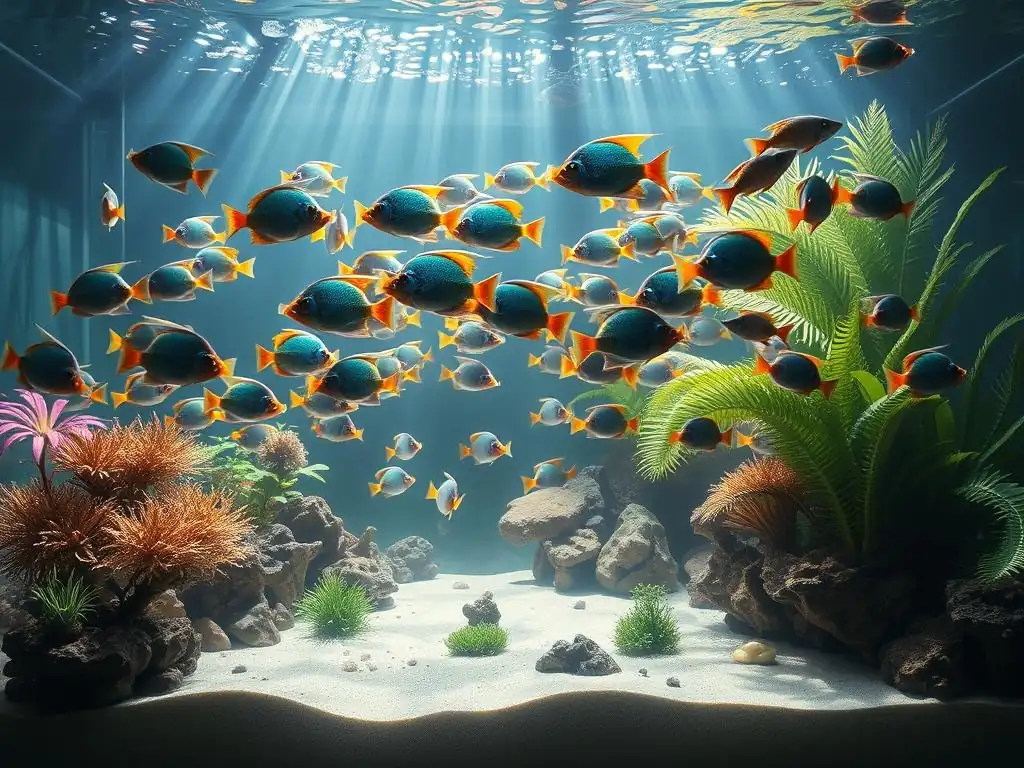
Show-quality angelfish and discus represent the pinnacle of freshwater aquarium keeping, captivating enthusiasts with their majestic presence, vibrant colors, and intricate finnage. Unlike their common counterparts, these fish are selectively bred for specific aesthetic traits, such as an exceptionally round body shape in discus, or long, flowing fins and striking patterns in angelfish. Their elegance and unique characteristics make them highly sought after for competitive aquascaping and fish shows, where judges meticulously evaluate their health, conformation, and overall presentation.
The pursuit of show-quality specimens often involves sourcing from esteemed breeders who have dedicated years to refining specific genetic lines. For instance, a prized show angelfish might boast a perfect "veil" finnage, extending gracefully, or display a rare "Koi" pattern with distinct orange, black, and white patches. Similarly, a high-end discus could exhibit an unblemished "Pigeon Blood" red or a complex "Leopard" spot pattern, with a perfectly symmetrical, dinner-plate-like body. This inherent beauty and the challenge of maintaining it are central to the appeal of show angelfish discus care.
Why Show Angelfish & Discus Demand Specialized Care
The exquisite beauty of show angelfish and discus comes with a significant caveat: they are far more sensitive and demanding than typical aquarium fish. Their lineage often means they have been raised in highly controlled environments, making them less tolerant of fluctuations in water parameters or suboptimal conditions. Achieving and maintaining their peak condition for display requires an elevated level of precision and diligence in show angelfish discus care, extending beyond basic aquarium maintenance.
This specialized care is not merely about survival; it's about enabling these fish to thrive, express their full genetic potential, and maintain the vibrant colors and immaculate finnage that define their show quality. Factors such as precise temperature control, ultra-pure water chemistry, and a meticulously balanced diet are non-negotiable. Any deviation can quickly lead to stress, disease, and a decline in their prized appearance, underscoring the critical importance of dedicated show angelfish discus care protocols.
Show Angelfish Care: Achieving Peak Condition
Selecting Healthy Show Angelfish Specimens
The foundation of successful show angelfish discus care begins with the selection of healthy, high-quality specimens. When choosing show angelfish, look for individuals that are actively swimming, alert, and responsive to their surroundings. Their fins should be fully extended, without any signs of clamping, tears, or rot, and their eyes should be clear and bright. A healthy angelfish will also display vibrant, uniform coloration appropriate for its strain, without any darkened patches or faded areas which can indicate stress or illness. Avoid any fish that appear lethargic, have visible lesions, frayed fins, or are breathing heavily.
It is highly recommended to purchase show angelfish from reputable breeders or specialized fish stores that maintain pristine conditions for their stock. Before bringing new fish home, observe them in their existing tank for at least 15-30 minutes, if possible, to confirm their behavior and overall health. Inquire about their feeding regimen and water parameters to ensure a smooth transition to your meticulously prepared show angelfish discus care setup. A strong, healthy start significantly reduces the risk of future health issues and contributes to their long-term show potential.
Setting Up the Ideal Angelfish Tank Environment
Tank Size Considerations for Show Angelfish
For show angelfish, tank size is paramount, especially given their potential for impressive vertical growth and fin development. While a 20-gallon high tank might suffice for a single adult angelfish, to truly allow show angelfish to reach their full potential and prevent stunting, a minimum of a 40-gallon breeder or 55-gallon tank is recommended for a small group of 3-5 juveniles. For adult breeding pairs or a larger community of show angelfish, a 75 to 125-gallon tank provides ample swimming space and helps to mitigate territorial aggression, which can be a concern in smaller enclosures.
The height of the aquarium is particularly crucial for angelfish, as their tall, disc-shaped bodies and long fins require significant vertical clearance. A tank that is at least 20-24 inches tall is ideal to accommodate their full finnage without cramping. Providing adequate space is a cornerstone of show angelfish discus care, as it directly impacts their growth rate, stress levels, and the pristine condition of their delicate fins.
Water Parameters: Maintaining Pristine Conditions for Angelfish
Maintaining pristine and stable water parameters is critical for the health and vibrancy of show angelfish. The ideal water temperature for most show angelfish strains ranges from 78-82°F (25.5-27.8°C). While they can tolerate a slightly wider range, consistency within this optimal zone minimizes stress and supports a robust immune system. pH levels should be maintained between 6.0 and 7.5; many show angelfish, particularly those with wild angelfish lineage, thrive in slightly acidic conditions, but stability is more important than hitting an exact number.
Water hardness should be soft to medium-hard, ideally within a general hardness (GH) range of 3-10 dGH and carbonate hardness (KH) of 2-8 dKH. Extreme fluctuations in any of these parameters can cause significant stress, leading to health issues or a decline in their show-quality appearance. Regular testing with reliable kits (e.g., API Master Test Kit) is essential to monitor ammonia, nitrite (which should always be zero), and nitrate levels (ideally below 20 ppm, preferably under 10 ppm for show fish), ensuring the water remains immaculate for optimal show angelfish discus care.
Filtration and Water Changes for Angelfish Health
Effective filtration and consistent water changes are the backbone of a healthy show angelfish aquarium. Over-filtration is highly recommended to maintain the ultra-clean water conditions these sensitive fish require. High-capacity external canister filters, such as the Fluval FX series or Eheim Professional line, are excellent choices, providing superior mechanical, biological, and chemical filtration. Alternatively, large hang-on-back (HOB) filters like the AquaClear 110 can also be effective when multiple units are used or in smaller tanks, ensuring ample biological media to process waste efficiently.
Regular water changes are non-negotiable for show angelfish discus care. A minimum of 25-50% of the tank volume should be replaced weekly with properly conditioned water that matches the existing tank parameters. For heavily stocked tanks or those with a high feeding regimen, more frequent smaller water changes, such as 20% twice a week, can be even more beneficial in keeping nitrate levels low and maintaining overall water quality stability. This rigorous maintenance schedule prevents the buildup of toxins and provides the pristine environment necessary for show angelfish to flourish.
Angelfish Nutrition: Feeding for Color and Growth
Live and Frozen Foods: Essential for Show Angelfish Diets
A diverse and high-quality diet is crucial for promoting the vibrant colors, robust growth, and overall health of show angelfish. While premium flakes and pellets should form the base of their diet, live and frozen foods are indispensable for achieving peak condition. Offer a variety of frozen foods such as bloodworms, brine shrimp, Mysis shrimp, and daphnia, 2-3 times per week. These foods provide essential proteins, fats, and micronutrients that enhance coloration and support strong fin development.
Live foods, such as blackworms or small feeder guppies (if sourced from a trusted, disease-free supplier), can occasionally be offered to stimulate natural hunting instincts and provide superior nutritional value. For younger, growing show angelfish, feeding 2-3 small meals per day is ideal, whereas adults can thrive on 1-2 meals daily. This varied feeding regimen is a vital component of comprehensive show angelfish discus care, ensuring they receive all the necessary nutrients to display their full beauty.
Supplementation: Vitamins and Minerals for Angelfish
Beyond a varied diet of staple and frozen foods, strategic supplementation can further enhance the health and vibrancy of show angelfish. High-quality commercial fish foods often contain added vitamins and minerals, but supplementing with liquid vitamin preparations can provide an extra boost. Products like Seachem GarlicGuard or Vita-Chem can be soaked into frozen or dry foods a few times a week, improving palatability and delivering essential vitamins such as A, D, E, and B complex, which are vital for immune function, growth, and stress reduction.
Trace elements, often depleted in soft water or through regular water changes, are also important. While most tap water contains some trace elements, for show angelfish kept in highly purified RO/DI water, it's crucial to remineralize with products designed for freshwater aquariums that include these micronutrients. Ensuring a complete nutritional profile through both diet and supplementation helps prevent deficiencies and supports the overall vitality and stunning appearance required for top-tier show angelfish discus care.
Preventing and Treating Common Angelfish Diseases
Recognizing Early Signs of Angelfish Illness
Early detection is paramount in preventing minor health issues from escalating into serious problems for show angelfish. Daily observation of your fish is a critical aspect of show angelfish discus care. Look for subtle changes in behavior, such as lethargy, hiding more than usual, or a sudden loss of appetite. Physical signs to watch for include clamped fins, which often indicate stress or discomfort, rapid or labored breathing, and any visible spots (white spots for Ich, fuzzy patches for fungus), lesions, or discoloration on their body or fins.
Other indicators of potential illness include erratic swimming, flashing (rubbing against tank decor or substrate), or a noticeable change in their normal vibrant coloration, often becoming darker or dull. Immediately isolating any fish exhibiting these signs into a separate quarantine tank can prevent the spread of disease to other tank inhabitants and allow for targeted treatment without affecting the main display tank's water parameters. Proactive identification is key to successful intervention and maintaining the health of your show angelfish.
Quarantine Procedures for New Angelfish
A strict quarantine protocol is an absolute necessity for any new show angelfish before introduction to your main display tank. This preventive measure significantly reduces the risk of introducing pathogens that could devastate your existing fish population. A dedicated quarantine tank, ideally 10-20 gallons, equipped with a heater, sponge filter, and a few hiding spots, should be set up prior to acquiring new fish. The quarantine period should last a minimum of 4-6 weeks, allowing sufficient time for any dormant diseases to manifest.
During quarantine, observe the new angelfish daily for any signs of illness. Many experienced aquarists opt for prophylactic treatments during this period, using broad-spectrum medications (e.g., a combination of praziquantel and metronidazole for internal parasites, or a mild external parasite treatment like formalin or malachite green) to address common ailments before they become problematic. Regular small water changes in the quarantine tank are also crucial to maintain water quality and reduce stress, ensuring the new fish are robust and healthy before joining your established show angelfish discus care setup.
Treating Common Angelfish Diseases (Ich, Fin Rot, etc.)
Despite best efforts in prevention, show angelfish can occasionally fall ill. Common ailments include Ich (white spot disease) and Fin Rot. For Ich, a combination of elevated temperature (gradually raising it to 86°F/30°C over 24-48 hours, if compatible with tank mates and plants) and the addition of aquarium salt (1 tablespoon per 5 gallons) can often be effective, provided the strain is not heat-resistant. Commercial Ich medications containing malachite green or formalin (e.g., Seachem Paraguard, API Super Ick Cure) are also viable options, but always follow dosage instructions carefully.
Fin Rot, typically caused by poor water quality or bacterial infection, requires immediate attention. The primary treatment involves improving water quality through daily small water changes (20-30%) and ensuring optimal filtration. In more severe cases, broad-spectrum antibiotics like API Furan-2 or Maracyn (Erythromycin) can be used, administered in a hospital tank to avoid affecting beneficial bacteria in the main aquarium. Accurate diagnosis and prompt, appropriate treatment are vital for successful show angelfish discus care, minimizing stress and ensuring a full recovery.
Discus Care: Mastering the Art of Discus Keeping
Choosing High-Quality Show Discus
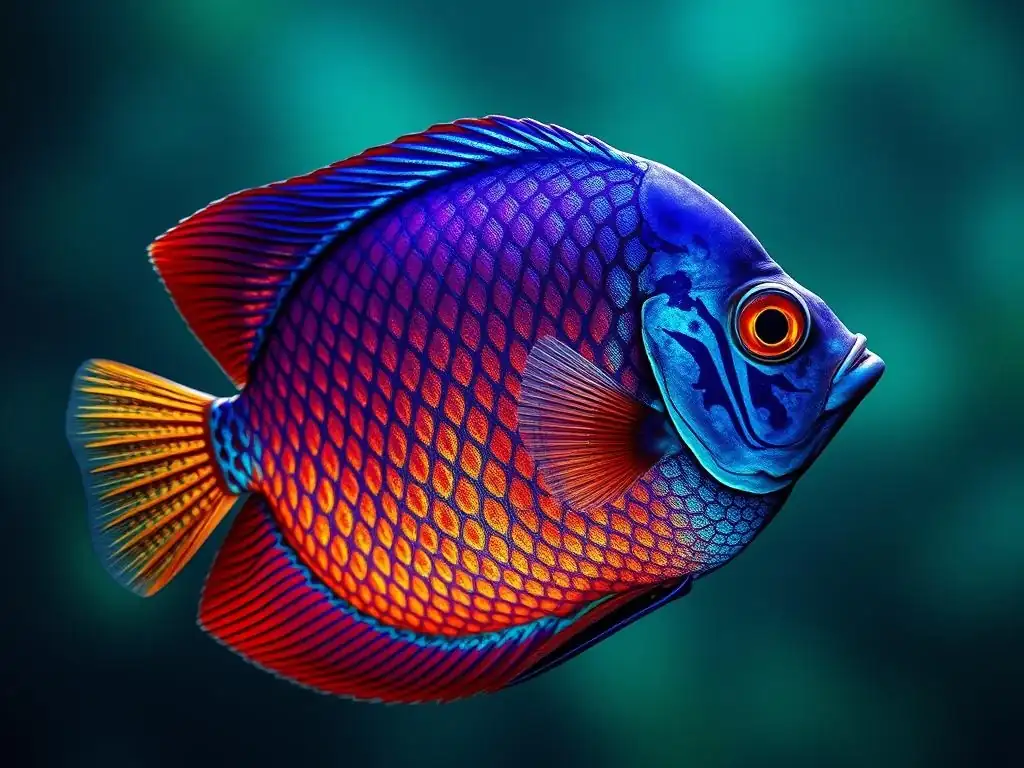
Selecting high-quality show discus is a critical first step in mastering discus keeping, as their inherent genetics play a significant role in their potential for display. Look for discus with a perfectly round body shape, resembling a dinner plate, without any deformities or pinched areas. Their fins should be fully extended, symmetrical, and free of nips or tears.
Eyes should be clear, bright, and proportionate to their head, not sunken or cloudy. Vibrant, uniform coloration, true to their strain (e.g., a rich red for a Pigeon Blood, intricate patterns for a Leopard), is also a key indicator of health and genetic quality.
When purchasing, opt for juvenile discus that are at least 3-4 inches (7.5-10 cm) in size, as smaller fish can be more fragile and prone to stunting if not raised under ideal conditions. Source your discus from reputable breeders or specialized stores known for their healthy, well-fed, and disease-free stock. Observe the fish for at least 30 minutes, looking for active swimming, curious behavior, and a willingness to eat. Any signs of clamped fins, dark coloration, or shyness may indicate stress or underlying health issues that would hinder their show potential and complicate show angelfish discus care.
Replicating the Discus's Natural Habitat
Water Temperature: The Key to Discus Well-being
Water temperature is arguably the most critical parameter for discus well-being, distinguishing their care significantly from most other freshwater fish. Discus thrive in warmer conditions, with an ideal temperature range of 82-86°F (27.8-30°C). This elevated temperature is crucial for their metabolism, immune system function, and overall vitality, helping to prevent common ailments like Ich and promoting optimal digestion and growth. Lower temperatures can suppress their immune system, making them more susceptible to disease and causing them to appear lethargic with clamped fins.
Maintaining a stable temperature within this range is paramount; even slight fluctuations can cause significant stress to discus. Invest in high-quality, reliable heaters, often using two smaller heaters rather than one large one for redundancy and more even heat distribution in larger tanks. A digital thermometer is essential for accurate monitoring. This precise temperature control is a non-negotiable aspect of superior show angelfish discus care, directly impacting their health, color, and behavior.
Water Chemistry: Achieving the Perfect Discus Environment
Achieving the perfect water chemistry is fundamental to successful discus keeping, especially for show specimens. Discus naturally inhabit soft, acidic waters in the Amazon basin, and replicating these conditions is vital for their long-term health and breeding success. An ideal pH range for most discus strains is between 5.5 and 6.5, although some tank-bred varieties can tolerate up to 7.0.
Water hardness should be very soft, with a general hardness (GH) of 1-5 dGH and carbonate hardness (KH) of 0-3 dKH. Many dedicated discus keepers use reverse osmosis (RO) or deionized (DI) water, then remineralize it to achieve these specific parameters consistently.
Beyond pH and hardness, maintaining extremely low levels of nitrates (ideally below 10 ppm, and certainly under 20 ppm) is crucial, as discus are highly sensitive to accumulated waste products. Ammonia and nitrite levels must always be zero. Regular and substantial water changes are the primary method for controlling nitrates and replenishing essential trace elements. Mastering these water chemistry parameters is a hallmark of advanced show angelfish discus care and directly contributes to their vibrant coloration and robust health.
Substrate and Decor: Minimizing Stress for Discus
When setting up a tank for show discus, the choice of substrate and decor should prioritize hygiene, ease of maintenance, and the fish's well-being. Many experienced discus keepers, especially those focused on breeding or raising show-quality fish, prefer bare-bottom tanks. This setup greatly simplifies cleaning, allowing for easy removal of uneaten food and waste, which is critical for maintaining the pristine water quality that discus demand. A bare bottom also reduces the risk of anaerobic spots and the accumulation of detritus that can harbor pathogens.
If a substrate is desired for aesthetic reasons or to support live plants, fine, inert sand is the best option. It is less likely to trap debris than gravel and is easier to siphon clean. Decor should be minimal and smooth to prevent injury to their delicate fins.
Driftwood, particularly Malaysian or Manzanita, is an excellent choice as it releases tannins that can naturally lower pH and mimic their natural blackwater habitat, while also providing hiding spots. Smooth river rocks can also be used. The goal is to create a serene environment with plenty of open swimming space, minimizing potential stress for optimal show angelfish discus care.
Discus Feeding: A Balanced Diet for Vibrant Colors
High-Protein Diets for Discus Growth
A high-protein, balanced diet is fundamental for the vigorous growth, vibrant coloration, and overall health of show discus. Unlike many other aquarium fish, discus have a higher metabolic rate and require frequent feedings of nutrient-dense foods. Discus-specific pellets and flakes, such as Sera Discus Granules or Hikari Discus Bio-Gold, should form the cornerstone of their diet, providing essential vitamins and minerals. However, these should be supplemented heavily with frozen and occasional live foods.
Frozen beef heart mix (either commercial or homemade with added vitamins and spirulina), bloodworms, Mysis shrimp, and brine shrimp are excellent protein sources that promote rapid growth and intensify their natural colors. For young, growing discus (up to 5-6 inches), feeding 3-5 small meals per day is ideal, while adults can thrive on 2-3 meals daily. The key is to offer small portions that can be consumed within 3-5 minutes to prevent uneaten food from fouling the water, a critical aspect of show angelfish discus care.
Avoiding Overfeeding and Water Quality Issues
While a high-protein diet and frequent feedings are essential for show discus, avoiding overfeeding is equally important to maintain pristine water quality. Uneaten food quickly decomposes, releasing ammonia and nitrites, which are highly toxic to discus and can rapidly compromise their health and show potential. Feed only what your discus can consume entirely within a few minutes (typically 3-5 minutes). If there is uneaten food after this time, reduce the next feeding portion.
Prompt removal of any uneaten food using a fine net or siphon is crucial immediately after feeding. This diligent practice, combined with frequent, large water changes, is vital for managing nitrate levels and preventing the buildup of organic waste. Overfeeding not only pollifies the water but can also lead to digestive issues and internal parasites in discus. Maintaining a strict feeding schedule and meticulous tank hygiene are indispensable elements of superior show angelfish discus care.
Discus Health: Prevention and Treatment
Identifying Discus Diseases and Parasites
Discus are particularly susceptible to certain diseases and parasites, making vigilant observation and early identification critical for their survival and show potential. Common indicators of illness include darkening of their normal vibrant coloration, often becoming a dull, dark brown or black, which signifies severe stress or infection. Other signs include clamped fins, rapid or labored breathing, excessive sliminess on their body, and white, stringy feces, which often points to internal flagellates like Hexamita (causing "Hole-in-the-Head" disease in severe cases).
Behavioral changes such as lethargy, huddling in corners, refusing to eat, or rubbing against tank objects (flashing) also warrant immediate attention. Discus plague, a highly contagious and often fatal viral infection, presents with extreme darkening, heavy slime coat production, and rapid breathing. Recognizing these subtle yet distinct signs is the first step in effective show angelfish discus care, allowing for prompt diagnosis and intervention.
Medications and Treatment Protocols for Discus
Once a discus disease or parasite is identified, prompt and appropriate treatment is essential. For internal flagellates like Hexamita, metronidazole (Flagyl) is the most common and effective treatment, often administered by soaking food or directly in the water in a hospital tank. Bacterial infections, which can manifest as fin rot, cloudy eyes, or body lesions, typically respond to broad-spectrum antibiotics such as Kanaplex (Kanamycin) or Furan-2. Always ensure accurate diagnosis before administering medication, as misdiagnosis can lead to ineffective treatment or even harm.
When treating discus, it's crucial to use medications specifically formulated for aquarium use and to follow dosage instructions precisely, as discus can be sensitive to certain chemicals. Treatment is best carried out in a separate hospital tank to avoid affecting the beneficial bacteria in the main display system and to prevent medication from accumulating in the substrate or decor. Maintaining impeccable water quality and stable parameters throughout the treatment period is vital for the fish's recovery and is a key component of dedicated show angelfish discus care.
Maintaining a Stress-Free Environment to Prevent Illness
Prevention is always superior to treatment, especially when it comes to the delicate nature of show discus. A stress-free environment is the most powerful tool in preventing illness and maintaining the robust health of your fish. This involves ensuring consistent water parameters within their optimal range (82-86°F temperature, soft and acidic pH), avoiding sudden fluctuations, and performing regular, substantial water changes to keep nitrates below 10 ppm. Cleanliness is paramount; promptly removing uneaten food and detritus prevents the buildup of toxins.
Beyond water quality, minimizing external stressors is crucial. Discus are shy fish and can be easily startled by loud noises, sudden movements, or aggressive tank mates. Provide ample hiding spots with driftwood or tall plants, and ensure a calm, low-traffic environment around their tank. A stable social hierarchy within a group of 5 or more discus can also reduce individual stress. By diligently providing a tranquil and pristine habitat, you significantly bolster their immune system and reduce their susceptibility to disease, epitomizing excellent show angelfish discus care.
Comparing Show Angelfish and Discus Care Requirements
Similarities in Water Quality Needs
Despite their distinct appearances and origins, show angelfish and discus share fundamental similarities in their water quality requirements, emphasizing the need for pristine conditions. Both species thrive in water with extremely low levels of nitrates (ideally below 10-20 ppm), zero ammonia, and zero nitrites. This necessitates robust filtration systems, often involving high-capacity canister filters, and a rigorous schedule of frequent, substantial water changes. Many dedicated keepers of both fish perform weekly water changes of 25-50% or more to maintain optimal purity.
Furthermore, both show angelfish and discus benefit significantly from stable water parameters. While their preferred ranges may differ slightly, sudden fluctuations in pH, temperature, or hardness can be highly stressful for both. Consistency in water chemistry and a commitment to meticulous maintenance are universal principles that underpin successful show angelfish discus care for either species, ensuring their health and vibrant coloration.
Differences in Temperature Preferences
One of the most significant distinctions between show angelfish and discus care requirements lies in their preferred water temperatures, making cohabitation challenging. Show angelfish generally thrive in temperatures ranging from 78-82°F (25.5-27.8°C). While they can tolerate slightly warmer conditions, prolonged exposure to temperatures above 82°F can increase their metabolism unnecessarily and potentially shorten their lifespan if not managed carefully.
In contrast, discus are Amazonian natives that demand significantly warmer water, ideally between 82-86°F (27.8-30°C). This higher temperature is crucial for their immune system, digestion, and overall well-being. Keeping discus at lower temperatures can lead to lethargy, susceptibility to disease, and stunted growth. This 4-6°F difference in optimal temperature often dictates that dedicated show angelfish discus care for both species typically occurs in separate, specially tailored aquariums.
Dietary Needs: A Side-by-Side Comparison
While both show angelfish and discus benefit from a high-quality, varied diet, there are notable differences in their specific nutritional demands and feeding behaviors. Angelfish are generally less finicky eaters and will readily accept a wide range of foods including high-quality flakes, pellets, and frozen foods like bloodworms, brine shrimp, and Mysis shrimp. They typically require 1-2 feedings per day for adults, with juveniles benefiting from 2-3 smaller meals. Their diet focuses on balanced nutrition for fin development and color.
Discus, on the other hand, demand a higher protein intake and more frequent feedings, especially when young, often requiring 3-5 small meals per day. Their staple diet often includes specialized discus pellets and frozen beef heart mix, alongside bloodworms and Mysis shrimp. They are also notoriously slower and more deliberate eaters, which means care must be taken to ensure they get enough food without overfeeding and fouling the water. This distinction in feeding frequency and specific food types is a key consideration in effective show angelfish discus care.
Tank Mate Compatibility Considerations
The specific environmental needs and temperaments of show angelfish and discus significantly influence their tank mate compatibility, often leading to separate setups for optimal show angelfish discus care. Angelfish can be housed with a variety of peaceful, similarly sized fish that won't nip their long fins, such as larger tetras (e.g., Congo Tetras, Silver Tip Tetras), peaceful rasboras, and various corydoras species. Their territorial nature during breeding can be managed by keeping them in groups of 5 or more to diffuse aggression.
Discus, due to their high temperature requirements, sensitive nature, and often shy disposition, are best kept in species-only tanks or with a very limited selection of extremely peaceful, small, and high-temperature tolerant tank mates. Ideal companions include cardinal tetras, Rummynose tetras, or certain small, non-competitive corydoras species like the Sterbai Corydoras, which can also tolerate warmer water. Aggressive or fast-moving fish can stress discus, leading to feeding issues and increased susceptibility to disease, making careful tank mate selection paramount for show angelfish discus care.
Show Angelfish and Discus Breeding: A Challenging Endeavor
Creating the Ideal Breeding Environment
Successfully breeding show angelfish and discus is a rewarding yet challenging endeavor that requires meticulous environmental control. For both species, a dedicated breeding tank is highly recommended to provide a controlled, stress-free environment for the pair and to protect the eggs and fry. A 20-40 gallon tank is suitable for a pair of angelfish, while discus typically require a larger 40-75 gallon breeding tank. The water in these tanks must be exceptionally clean, with very low nitrates, and adhere to specific parameters.
For angelfish, a breeding slate or PVC pipe section provides a preferred vertical spawning surface. Discus also prefer vertical surfaces, such as a breeding cone or a tall piece of driftwood. For both, slightly softer, more acidic water (pH 6.0-6.8 for angelfish, 5.5-6.5 for discus) and a stable temperature (78-80°F for angelfish, 82-84°F for discus) can stimulate spawning. Minimal decor helps with hygiene and provides open space for the parents to tend to their brood, essential for successful show angelfish discus care in a breeding context.
Spawning Behavior and Egg Care
The spawning behavior of show angelfish and discus, while distinct in some aspects, shares a common dedication to parental care. Both species are substrate spawners, laying their adhesive eggs on a cleaned vertical surface. Angelfish typically lay hundreds of small, oval-shaped eggs in neat rows on a breeding cone, slate, or even the aquarium glass. The parents will then diligently guard and fan the eggs with their fins to ensure oxygenation and prevent fungal growth.
Discus also lay their eggs on a pre-selected vertical surface, often a breeding cone, in clutches ranging from 50 to 300 eggs. Both parents participate in fanning and guarding the eggs, meticulously removing any infertile or fungused eggs to protect the healthy ones. If the eggs are to be raised artificially (without parents), a mild antifungal agent like methylene blue is often added to the water to prevent fungal infections. Understanding and supporting these natural behaviors is a key aspect of advanced show angelfish discus care for breeding.
Raising Angelfish and Discus Fry
First Foods for Angelfish and Discus Fry
The initial feeding stages for angelfish and discus fry represent a critical period and highlight a significant difference in their early show angelfish discus care. Angelfish fry, once free-swimming (typically 3-5 days after hatching), are initially very small and require microscopic foods. Infusoria, a culture of microscopic organisms, is often provided for the first few days. Within a week, they are usually large enough to consume newly hatched brine shrimp (Artemia nauplii), which are a highly nutritious and readily available first food.
Discus fry, however, have a unique and crucial first food source: their parents' slime coat. For the first 1-2 weeks after becoming free-swimming, the fry will primarily feed directly off the nutrient-rich mucus secreted by their parents' skin. This critical period of parental feeding provides essential antibodies and nutrients for their initial growth and development. After this stage, they transition to newly hatched brine shrimp, similar to angelfish fry. This specialized parental care is a hallmark of successful discus breeding and a unique aspect of their early show angelfish discus care.
Maintaining Water Quality for Fry Development
Maintaining impeccable water quality is even more critical for the delicate fry of show angelfish and discus than for adults, making it an intensive aspect of show angelfish discus care. Fry tanks are typically heavily fed to promote rapid growth, which in turn generates a significant bioload. To counteract this, frequent, small water changes are absolutely essential – often 10-20% daily, or even twice daily for discus fry. This constant refreshment prevents the buildup of ammonia, nitrites, and nitrates, which are highly toxic to developing fry.
Filtration in fry tanks should be gentle yet effective. Sponge filters are ideal as they provide excellent biological filtration without creating strong currents that could harm the tiny fry, nor do they pose a risk of sucking them into the filter intake. Regular cleaning of the sponge filter is also important to prevent detritus accumulation. Consistent temperature and stable parameters are paramount, as fry are extremely sensitive to environmental fluctuations. Diligent water quality management ensures optimal conditions for healthy development and high survival rates.
Advanced Techniques for Show Angelfish & Discus Husbandry
Optimizing Water Chemistry for Color Enhancement
For show angelfish discus care, optimizing water chemistry goes beyond basic parameters to actively enhance their natural coloration. While genetics and diet are primary drivers of color, precise water conditions can provide an additional boost. For discus, mimicking their natural blackwater habitats by adding specific trace minerals and humic substances (e.g., from Indian almond leaves or specialized blackwater extracts) can deepen their reds and blues, and improve overall vibrancy. These additives can also slightly lower pH and provide beneficial tannins that reduce stress.
For angelfish, ensuring a consistent supply of essential trace elements, often depleted in heavily filtered or RO/DI water, is important. Products that replenish minerals like iodine, potassium, and iron in very small, controlled amounts can contribute to better pigment development. Crucially, maintaining extremely low nitrate levels (under 5 ppm) for both species is paramount, as high nitrates can dull colors and stress fish. Advanced hobbyists often use a combination of precise remineralization, natural additives, and aggressive water changes to achieve these subtle yet impactful chemical balances.
Using UV Sterilizers for Water Clarity and Health
The integration of UV sterilizers represents an advanced technique in show angelfish discus care, significantly contributing to both water clarity and fish health. A UV sterilizer works by exposing passing water to ultraviolet light, which effectively kills free-floating algae, bacteria, viruses, and parasites. This results in crystal-clear water, enhancing the aesthetic appeal of the aquarium, which is crucial for show fish. More importantly, it dramatically reduces the pathogen load in the water column, thereby minimizing the risk of disease outbreaks.
For effective sterilization, the UV unit must be appropriately sized for the tank volume and have a flow rate that allows sufficient contact time with the UV light. For example, a 75-gallon tank might benefit from a 15-25 watt UV sterilizer to ensure effective disease control, not just clarity. The unit should be plumbed after mechanical and biological filtration to ensure the water is free of debris that could block the UV light. Regular bulb replacement (typically every 6-12 months) is also necessary, as UV output diminishes over time, ensuring continuous protection for your valuable show angelfish and discus.
Implementing Automated Water Change Systems
For the serious show angelfish discus care enthusiast, implementing automated water change systems is a sophisticated technique that ensures unparalleled water quality stability and significantly reduces manual labor. These systems can be as simple as a timer-controlled pump that drains a set amount of water daily and another pump that refills it with pre-mixed, conditioned water, or as complex as integrated aquarium controllers (e.g., Neptune Apex, GHL Profilux) that manage water changes, dosing, and monitoring.
The primary benefit of automation is the ability to perform frequent, small water changes (e.g., 5-10% daily) without human intervention. This constant replenishment of fresh water keeps nitrate levels consistently low, provides a steady supply of fresh minerals, and prevents the "old tank syndrome" that can plague sensitive fish. While requiring initial investment and careful calibration, automated water change systems offer an unrivaled level of precision and consistency, providing the ultimate pristine environment for show angelfish and discus to thrive at their peak.
Troubleshooting Common Show Angelfish & Discus Problems
Dealing with Algae Blooms in Planted Tanks
Algae blooms can be a persistent nuisance in any aquarium, but in a meticulously maintained show angelfish discus care setup, they are particularly unwelcome. Common causes include excess light, over-fertilization, or an imbalance of nutrients (e.g., high nitrates/phosphates, insufficient CO2 in planted tanks). To address this, first identify the type of algae. Green spot algae often indicates low phosphates or CO2, while green hair algae suggests excess light or nutrients.
Solutions typically involve reducing the duration or intensity of lighting (e.g., limiting light to 8-10 hours per day). Increasing the frequency and volume of water changes helps to remove excess nutrients. For planted tanks, ensuring adequate CO2 injection and a balanced fertilization regimen can help plants outcompete algae. Introducing appropriate algae-eating tank mates (e.g., Otocinclus catfish, Amano shrimp) can also be effective, provided they are compatible with the sensitive nature and high temperature requirements of show angelfish and discus.
Addressing Fin Nipping and Aggression
Fin nipping and aggression are unwelcome behaviors that can quickly mar the pristine fins of show angelfish and discus, impacting their show potential. In angelfish, aggression often stems from overcrowding, territorial disputes, or an imbalanced group dynamic (e.g., a single dominant pair). Solutions include increasing tank size to provide more territory, rearranging decor to break lines of sight, or adding more angelfish (aim for groups of 5 or more in sufficiently large tanks) to diffuse aggression among a larger social structure. Removing the aggressor or victim to a separate tank may be necessary in severe cases.
For discus, fin nipping is less common among themselves unless severely overcrowded, but they can be stressed by aggressive or overly active tank mates. The best solution is often a species-only tank or very carefully selected, peaceful tank mates like cardinal tetras. Any fish exhibiting aggressive behavior must be immediately removed to prevent physical injury and chronic stress, which can lead to illness in these sensitive show fish, underscoring the importance of vigilant show angelfish discus care.
Managing Water Parameter Fluctuations
Managing water parameter fluctuations is paramount in show angelfish discus care, as these sensitive fish are highly intolerant of instability. Common causes include infrequent or inconsistent water changes, unreliable testing, or equipment malfunction. To prevent fluctuations, establish and strictly adhere to a consistent water change schedule, using water that is precisely matched in temperature, pH, and hardness to the tank water. Using a dedicated water aging barrel for tap water or an RO/DI system with consistent remineralization can ensure uniformity.
Invest in high-quality, reliable test kits (e.g., API Master Test Kit, Salifert) and test parameters regularly, especially before and after water changes, to identify any trends or issues. Ensure heaters are properly sized and calibrated to maintain stable temperatures. Automated water change systems, as discussed previously, offer the ultimate solution for maintaining unwavering stability. Proactive monitoring and adherence to a strict routine are crucial for preventing stress-inducing fluctuations that can compromise the health and appearance of your show angelfish and discus.
Conclusion: The Rewarding Journey of Show Angelfish and Discus Keeping
The Dedication Required for Show Fish
Embarking on the journey of show angelfish and discus keeping is a testament to an aquarist's dedication and passion. It demands a level of commitment far beyond that of typical community tanks, involving meticulous attention to every detail of their environment and well-being. From the precise control of water parameters—like maintaining discus temperatures at 82-86°F and angelfish at 78-82°F—to the provision of diverse, high-protein diets and the execution of daily water changes, the regimen for show angelfish discus care is rigorous. This commitment extends to vigilant daily observation for the slightest signs of distress or illness, ensuring prompt intervention.
The financial investment in high-quality equipment, premium foods, and potentially expensive show-grade specimens also reflects this dedication. However, this commitment is not merely a burden; it is an intrinsic part of the hobby that deepens the aquarist's understanding of aquatic life. The pursuit of perfection in show angelfish discus care fosters a profound appreciation for the intricate balance of a thriving aquatic ecosystem.
The Satisfaction of a Thriving Aquarium
Despite the demanding nature of show angelfish discus care, the satisfaction derived from a thriving aquarium populated by these magnificent fish is immeasurable. Witnessing their vibrant colors, majestic finnage, and serene movements in a pristine environment is a constant source of aesthetic pleasure and pride. A healthy, well-maintained show tank transforms into a living work of art, reflecting the aquarist's skill and dedication.
Beyond the visual appeal, there's the deep personal reward of successfully providing a complex and sensitive species with an optimal habitat, seeing them flourish and even breed. The journey of mastering show angelfish discus care is an ongoing learning process, filled with challenges and triumphs, but ultimately culminates in the profound satisfaction of nurturing some of the most beautiful and captivating freshwater fish in the world.
Frequently Asked Questions
Show Angelfish and Discus can be compatible, but it requires careful consideration. Successful cohabitation depends on tank size, water parameters, and individual temperament.
What specific water parameters are crucial when keeping Show Angelfish and Discus together?
Maintaining stable and optimal water parameters is essential. Both species prefer warm, soft, and slightly acidic water. Regular testing and adjustments are crucial for their health.
What are the dietary considerations for Show Angelfish and Discus?
Both Show Angelfish and Discus require a varied diet rich in protein. However, Discus can be slower eaters, so ensuring they get enough food without competition from the faster Angelfish is important.
How can I prevent aggression when introducing Show Angelfish and Discus to a new tank?
Introduce them simultaneously or add the Discus before the Angelfish. Provide plenty of hiding places and monitor their behavior closely for signs of bullying.
What are some common health issues that affect both Show Angelfish and Discus?
Both species are susceptible to diseases like ich (white spot disease) and bacterial infections. Maintaining excellent water quality and quarantining new fish are key preventative measures.
Okay, here's a final reflection designed to close your article "Beyond Beauty: Understanding the Unique Needs of Show Angelfish & Discus," optimized for the keyword "Show angelfish discus care" and following the structure you provided:
Final Reflection: Cultivating Aquatic Harmony
The journey into understanding the specific needs of Show Angelfish and Discus reveals more than just the intricacies of aquarium keeping; it highlights the profound responsibility we undertake when bringing these magnificent creatures into our care. Mastering Show Angelfish Discus Care is not merely about aesthetics; it's about creating an environment where these fish can truly thrive, showcasing their natural beauty and vitality.
The pursuit of optimal care for these species has undeniably shaped the aquascaping community, pushing us to refine our techniques and deepen our understanding of aquatic ecosystems. This dedication to specialized care reflects a broader trend towards responsible pet ownership, where the well-being of our animals takes precedence over fleeting trends. The greatness of a nation and its moral progress can be judged by the way its animals are treated.
- Mahatma Gandhi. This quote resonates deeply when considering the level of commitment required to provide exceptional care for Show Angelfish and Discus.
Now, as you close this article, consider the lessons learned and the knowledge gained. How can you apply these principles of meticulous care and environmental sensitivity to other aspects of your life? Let this exploration of Show Angelfish and Discus care inspire you to cultivate harmony and well-being, not only within your aquarium but also in the world around you. Strive to be a steward of beauty and a champion of responsible care, wherever your passions may lead.
Unleash the Majesty: Start Your Angelfish & Discus Journey!
Thank you for diving into the fascinating world of show angelfish and discus! We hope you've gained valuable insights into their specialized care requirements. Now, it's time to translate that knowledge into action and elevate your aquarium hobby.
Here are a few ways to begin:
- Commit to researching a specialized feeding regimen for your prospective angelfish or discus, focusing on high-quality, live foods.
- Explore local aquarium clubs or online forums to connect with experienced keepers and learn from their triumphs and challenges.
- Consider setting up a quarantine tank. The fish will be more resilient if you do.
What specific water parameter (pH, hardness, temperature) will you prioritize mastering first for your angelfish or discus aquarium?