
Best Tank Mates for Corydoras: Creating a Peaceful Community

Welcome to Aquarium Mastery!
Ever wondered if your adorable Corydoras are truly living their best lives in your aquarium? Discover the secrets to creating a harmonious underwater world! This guide dives deep into finding the perfect tank mates for your Corydoras, ensuring a peaceful and thriving community. Ready to unlock the secrets of a stress-free aquarium? Let's explore the best options to keep your Corydoras happy and healthy!
- Introduction: Understanding Corydoras Temperament and Tank Mate Compatibility
- Ideal Corydoras Tank Mate Characteristics: What to Look For
- Top Corydoras Tank Mates for a Peaceful Aquarium
- Invertebrates as Corydoras Tank Mates: Shrimp and Snails
- Fish to Avoid as Corydoras Tank Mates: Potential Problems
- Setting Up Your Corydoras Community Tank: Essential Considerations
- Monitoring Your Corydoras Community: Observing for Signs of Stress
- Conclusion: Creating a Thriving and Harmonious Corydoras Aquarium
- Frequently Asked Questions
- Final Reflection: Cultivating Harmony in the Aquarium
- Nurture Your Cory Community: Start Thriving Today!
Introduction: Understanding Corydoras Temperament and Tank Mate Compatibility
Why Choosing the Right Corydoras Tank Mates Matters
Corydoras, often affectionately called "Corys," are among the most beloved freshwater aquarium inhabitants due to their charming personalities and peaceful demeanor. These small, armored catfish spend their days diligently sifting through the substrate, searching for food, and exhibiting fascinating schooling behaviors. However, their gentle nature makes them particularly vulnerable to stress, injury, or even death if housed with incompatible tank mates. Selecting the ideal companions is paramount to ensuring their long-term health and happiness, preventing issues like fin nipping, food competition, and constant harassment that can lead to disease and a shortened lifespan.
A thriving Corydoras community relies on a harmonious environment where every inhabitant can coexist without fear or undue competition. When considering a "Corydoras peaceful tank mate," it's not just about avoiding outright aggression; it also involves ensuring that other fish don't outcompete them for resources or create an overly active environment that disrupts their calm disposition. A well-planned community tank allows Corydoras to display their natural behaviors, such as schooling and foraging, which are crucial for their well-being and a rewarding experience for the aquarist.
Understanding the natural habitat and social behaviors of Corydoras is fundamental to selecting appropriate tank mates. These small catfish originate from the slow-moving rivers and streams of South America, where they typically inhabit soft, sandy or muddy substrates, often amidst leaf litter and submerged vegetation. This preference for soft bottoms is crucial, as they use their delicate barbels to sift through the substrate in search of food, a behavior that can be hindered or even damaged by sharp gravel.
Socially, Corydoras are highly gregarious and thrive in groups. They are obligate schooling fish, meaning they require the company of at least six to eight individuals of their own species to feel secure and exhibit natural behaviors. A single Corydora or a small group often becomes stressed, shy, and inactive.
Their bottom-dwelling nature also means they occupy a specific niche in the aquarium, making it important to choose tank mates that primarily inhabit the mid-to-upper water columns, thus minimizing direct competition for space and food on the substrate. This ensures that your Corydoras peaceful tank mate selection complements their needs rather than conflicts with them.
Ideal Corydoras Tank Mate Characteristics: What to Look For
Peaceful Temperament: Avoiding Aggressive Fish
The most crucial characteristic for any Corydoras peaceful tank mate is a genuinely peaceful temperament. Corydoras are non-aggressive fish that do not possess defensive mechanisms beyond their armored plates and pectoral fin spines, which can get stuck in nets or predator's mouths. Aggressive or semi-aggressive fish, even those that don't directly target Corydoras, can cause immense stress through fin nipping, chasing, or simply their boisterous presence. This constant stress can lead to weakened immune systems, making Corydoras more susceptible to common aquarium diseases like Ich or bacterial infections.
Even seemingly minor aggression can prevent Corydoras from accessing food or resting comfortably. Fish known for nipping fins, such as certain barbs, can damage the delicate barbels of Corydoras, which are essential for their foraging. Similarly, overly territorial fish might claim large sections of the substrate, denying Corydoras the space they need to forage and school freely. Therefore, the primary goal is to select companions that exhibit calm behavior and are unlikely to harass or intimidate the gentle Corydoras.
Similar Water Parameter Requirements for Corydoras and Tank Mates
Matching water parameters is a non-negotiable aspect of successful community tank planning, especially when choosing a Corydoras peaceful tank mate. Corydoras generally prefer soft to medium-hard water with a pH range of 6.0 to 7.5 and a temperature range of 72-78°F (22-26°C). Fluctuations outside these ranges, or parameters significantly different from their ideal, can cause chronic stress and health issues for all inhabitants. For instance, keeping Corydoras with fish that require very hard, alkaline water (like some African Cichlids) or very acidic, soft water (like Discus) can lead to long-term health deterioration for one or both species.
Ensuring compatible water parameters means that all species in the tank can thrive without being compromised by suboptimal conditions. For example, if your Corydoras require a pH of 6.8 and a temperature of 75°F, their tank mates should ideally fall within a similar range. Attempting to maintain a "compromise" parameter often means no fish is truly in its optimal environment, leading to a weakened immune system, dull coloration, and reduced lifespan across the entire community. This careful consideration of environmental needs is vital for a truly harmonious Corydoras peaceful tank mate setup.
Size Considerations: Preventing Predation or Bullying
The size of potential tank mates relative to Corydoras is a critical factor in preventing predation or bullying. Most Corydoras species range from 1 to 4 inches (2.5 to 10 cm) in length, making them relatively small fish. Any fish large enough to fit a Corydora in its mouth, or even a significant portion of it, should be immediately ruled out as a tank mate. This includes many larger cichlid species, predatory catfish, or even some larger gouramis that might view smaller Corydoras as a food source.
Beyond direct predation, size disparity can also lead to bullying or severe food competition. Larger, more robust fish can intimidate Corydoras, preventing them from coming out to feed or making them constantly hide, leading to malnourishment and stress. Even non-aggressive larger fish can inadvertently injure smaller Corydoras through their sheer size and activity. The goal is to select fish that are either similar in size or smaller, and certainly not large enough to pose a physical threat or dominate the feeding area.
Top Corydoras Tank Mates for a Peaceful Aquarium
Small Tetras: A Classic and Compatible Choice
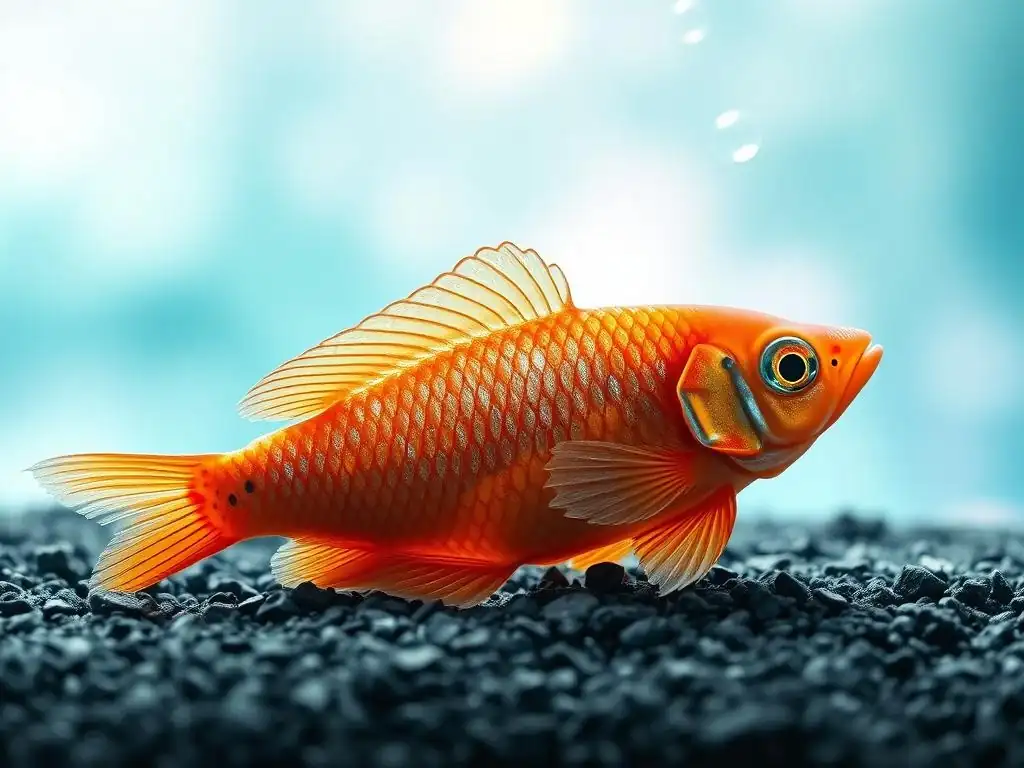
Small tetras are consistently recommended as excellent Corydoras peaceful tank mate options due to their peaceful nature, schooling behavior, and preference for mid-water swimming, leaving the bottom column free for Corydoras.
Neon Tetras: A Popular Corydoras Companion
Neon Tetras (Paracheirodon innesi) are perhaps the most popular choice for community aquariums, and for good reason. These small, vibrant fish reach about 1.5 inches (4 cm) and are known for their striking iridescent blue and red stripes. They are exceptionally peaceful and spend their time schooling gracefully in the mid-water column, rarely venturing to the substrate to disturb Corydoras. Their preferred water parameters (pH 6.0-7.5, temperature 72-78°F or 22-26°C) align almost perfectly with most Corydoras species, making them a very compatible choice.
A school of 10-15 Neon Tetras thrives in a 20-gallon tank alongside 6-8 Corydoras, providing a beautiful contrast in color and swimming level. Their calm demeanor ensures that Corydoras feel secure enough to forage openly, and their shared environmental needs simplify tank maintenance. Neons are also readily available and relatively inexpensive, making them an accessible option for many aquarists looking for a reliable Corydoras peaceful tank mate.
Ember Tetras: Vibrant and Peaceful Shoal Mates
Ember Tetras (Hyphessobrycon amandae) are even smaller than Neons, typically reaching only about 0.8 inches (2 cm) in length. Their fiery orange-red coloration makes them a stunning addition to heavily planted tanks, and their tiny size ensures they pose absolutely no threat to Corydoras. Ember Tetras are incredibly peaceful and spend their time in tight shoals, often among plants, leaving the open water and bottom entirely to other species.
These delicate fish are perfect for smaller tanks, such as 10-gallon setups, where larger tetras might feel cramped. A group of 12-20 Ember Tetras can coexist beautifully with 6 Pygmy Corydoras (Corydoras pygmaeus) or Corydoras habrosus, creating a dynamic and colorful display without any competition for space or food. Their minimal bioload also allows for slightly higher stocking densities of compatible species.
Cardinal Tetras: Adding Color and Harmony
Cardinal Tetras (Paracheirodon axelrodi) are often confused with Neon Tetras but are generally larger, reaching up to 2 inches (5 cm), and boast a more extensive red stripe that extends the full length of their body. They are equally peaceful and share similar schooling behaviors and water parameter preferences with Neon Tetras, making them another excellent Corydoras peaceful tank mate. Their slightly larger size makes them a better fit for tanks 25 gallons and up.
In a 30-gallon setup, 10 Cardinal Tetras complement a school of 6-8 Bronze Corydoras (Corydoras aeneus) or Panda Corydoras (Corydoras panda) beautifully. Cardinals are robust and active swimmers, but their mid-water presence ensures they don't interfere with the Corydoras' bottom-dwelling activities. Their striking coloration adds significant visual appeal to any community aquarium, enhancing the overall aesthetic while maintaining a tranquil environment.
Rasboras: Another Excellent Option for Corydoras Tanks
Rasboras, particularly the smaller species, are another group of highly recommended Corydoras peaceful tank mate options. Like small tetras, they are generally peaceful, schooling fish that occupy the mid-to-upper water column.
Harlequin Rasboras: A Schooling Favorite
Harlequin Rasboras (Trigonostigma heteromorpha) are a popular choice known for their distinctive copper-colored bodies and a prominent black triangular patch. Reaching about 1.5-2 inches (4-5 cm), they are active but very peaceful schooling fish that primarily inhabit the mid-water column. Their calm demeanor and consistent swimming patterns make them ideal companions for the more sedate Corydoras.
A school of 8-12 Harlequin Rasboras thrives in a 20-gallon tank, coexisting harmoniously with 6 Peppered Corydoras (Corydoras paleatus). They are not known to be fin-nippers or aggressive, and their preference for slightly acidic to neutral water (pH 6.0-7.0) and temperatures of 72-78°F (22-26°C) aligns well with most Corydoras species. They add a different shape and coloration to the tank, contributing to a diverse and appealing community.
Chili Rasboras: Tiny and Tranquil Tank Mates
Chili Rasboras (Boraras brigittae) are among the smallest fish available in the hobby, typically growing to only 0.7 inches (1.8 cm). Despite their diminutive size, they boast a vibrant red coloration with a distinct black stripe, making them a captivating sight in a planted nano tank. They are exceptionally peaceful and shy, preferring to shoal tightly among dense vegetation. Their small size means they have an almost negligible bioload and pose no threat whatsoever to Corydoras.
These tiny fish are perfect for smaller setups, even 5-10 gallon tanks, especially when paired with Pygmy Corydoras or Corydoras habrosus. A group of 15-20 Chili Rasboras can coexist with 6 Corydoras habrosus in a 10-gallon planted tank, creating a micro-ecosystem where both species thrive without competition. Their tranquil nature ensures a stress-free environment for the bottom-dwelling Corydoras.
Peaceful Gouramis: Adding a Centerpiece Fish
While some Gouramis can be territorial, several species are known for their peaceful nature and can serve as beautiful centerpiece fish in a Corydoras community tank. They typically occupy the mid-to-upper water levels, leaving the bottom free.
Honey Gouramis: Gentle and Docile Tank Mates
Honey Gouramis (Trichogaster chuna) are small, reaching about 2 inches (5 cm), and are renowned for their incredibly peaceful and shy disposition. They exhibit beautiful shades of orange, yellow, and brown, especially during breeding. Unlike some of their larger Gourami relatives, Honey Gouramis are not territorial or aggressive towards other species, making them an ideal Corydoras peaceful tank mate. They primarily swim in the mid-to-upper water column and are largely unconcerned with bottom dwellers.
A pair of Honey Gouramis can be a stunning centerpiece in a 20-gallon tank with a school of 6 Albino Corydoras (Corydoras aeneus). They add a different dimension to the tank's population, moving gracefully among floating plants or tall stem plants. Their preference for soft, slightly acidic water (pH 6.0-7.5) and temperatures of 72-82°F (22-28°C) is highly compatible with most Corydoras species.
Powder Blue Gouramis: A More Reserved Option
Powder Blue Dwarf Gouramis (Trichogaster lalius 'Powder Blue') are a colorful variant of the Dwarf Gourami, growing up to 2.5 inches (6.5 cm). While generally peaceful, male Dwarf Gouramis can be territorial towards other male Gouramis or similar-looking fish. However, they typically ignore bottom dwellers like Corydoras. Their vibrant blue coloration makes them a very attractive addition to a community tank.
A single Powder Blue Dwarf Gourami can share a 25-gallon tank with 6 Panda Corydoras (Corydoras panda) or other medium-sized Corydoras species. It's crucial to ensure ample hiding spots and plants to break up lines of sight if considering more than one Gourami, though a single specimen is often best for smaller community tanks. They typically occupy the mid-water column, leaving the substrate undisturbed for the Corydoras.
Other Compatible Fish Species for Corydoras
Otocinclus Catfish: Algae Eaters that Coexist Peacefully
Otocinclus Catfish (Otocinclus affinis, or "Oto" cats) are small, peaceful algae eaters, typically growing to about 1.5-2 inches (4-5 cm). They are excellent additions to a Corydoras tank because they primarily feed on diatoms and soft algae from surfaces, rather than sifting the substrate for leftover food. This means they occupy a different feeding niche from Corydoras, minimizing competition. They are also schooling fish and should be kept in groups of at least three to five.
A group of 3-5 Otocinclus can help keep algae down in a 15-gallon tank housing 6 Pygmy Corydoras, providing a natural cleaning crew. They are incredibly docile and will never bother Corydoras, making them a perfect Corydoras peaceful tank mate for maintaining tank cleanliness and biodiversity. Their preferred water parameters are very similar to Corydoras, making them an ideal match.
Platies: Livebearers with a Calm Demeanor
Platies (Xiphophorus maculatus) are colorful, active, and generally peaceful livebearers that come in a wide array of colors and fin shapes. They typically grow to about 2 inches (5 cm) and primarily inhabit the mid-to-upper water column. While active, their movements are not erratic enough to stress Corydoras, and they generally ignore bottom dwellers. They are also quite hardy and adaptable to a range of water parameters, making them easy to integrate.
A small group of 3-4 Platies can add significant color and movement to a 20-gallon tank alongside a school of Corydoras. They are relatively easy to care for and can be a good choice for beginners looking to add more activity to their Corydoras peaceful tank mate setup. Be mindful that livebearers reproduce quickly, so plan for potential population growth or stick to single-sex groups.
Kuhli Loaches: Bottom-Dwelling Companions
Kuhli Loaches (Pangio kuhlii) are unique, eel-like fish known for their shy, nocturnal, and peaceful nature. They typically grow to 3-4 inches (7.5-10 cm) and are true bottom dwellers, often burrowing into soft substrate or hiding among decor during the day. While they share the bottom space with Corydoras, they occupy a different niche, often hiding in crevices or under rocks, and are primarily nocturnal, meaning they are less likely to directly compete for food during the day.
Keeping 3-5 Kuhli Loaches with 6 Corydoras in a 20-gallon tank can create an interesting and dynamic bottom layer. They are excellent scavengers and will help clean up uneaten food that settles into the substrate without bothering the Corydoras. Their peaceful nature and similar water parameter requirements make them a surprisingly compatible choice for a diverse Corydoras peaceful tank mate community, adding a fascinating element to the aquarium.
Invertebrates as Corydoras Tank Mates: Shrimp and Snails
Shrimp: A Beneficial and Interesting Addition
Freshwater shrimp are excellent additions to a Corydoras community tank. They are peaceful, occupy different feeding niches, and contribute to tank cleanliness by consuming algae and detritus.
Cherry Shrimp: Colorful and Easy to Care For
Cherry Shrimp (Neocaridina davidi) are small, vibrant, and prolific freshwater shrimp, reaching about 1 inch (2.5 cm). They come in various color morphs (red, yellow, blue, etc.) and are renowned for their peaceful nature and ease of care. They are constant grazers, consuming biofilm, algae, and small particles of detritus, making them excellent clean-up crews. They pose no threat to Corydoras and will not compete for food directly, as Corydoras primarily sift for sinking pellets and worms, while shrimp graze surfaces.
A colony of 20+ Cherry Shrimp can thrive in a 10-gallon tank with Pygmy Corydoras, significantly aiding in detritus removal and adding a lively, colorful element. Their presence enhances the natural feel of the tank and contributes to a balanced ecosystem, making them a perfect Corydoras peaceful tank mate. Ensure the tank is well-planted to provide hiding spots for their young.
Amano Shrimp: Efficient Algae Eaters
Amano Shrimp (Caridina multidentata) are larger than Cherry Shrimp, typically growing to 2 inches (5 cm), and are highly prized for their exceptional algae-eating capabilities. They are incredibly efficient at consuming various types of algae, including stubborn hair algae. Amano Shrimp are peaceful and robust, generally ignoring fish and focusing solely on foraging for algae and biofilm on all surfaces of the tank.
5-8 Amano Shrimp can be introduced into a 20-gallon tank with Corydoras, significantly reducing algae growth and maintaining a cleaner environment. Their hardiness and peaceful nature make them a reliable and beneficial Corydoras peaceful tank mate, contributing to the overall health and aesthetics of the aquarium without bothering the fish.
Snails: Keeping the Tank Clean
Snails are another group of invertebrates that can be beneficial tank mates for Corydoras, helping to keep the tank clean by consuming algae and uneaten food.
Nerite Snails: Effective Algae Control
Nerite Snails (Neritina natalensis) are highly regarded for their outstanding algae-eating abilities, particularly on tank glass and hard surfaces. They come in attractive patterns and generally stay small, around 1 inch (2.5 cm). A significant advantage of Nerite Snails is that they will not overpopulate freshwater tanks, as their larvae require brackish water to develop, preventing unwanted explosions in population.
2-3 Nerite Snails can effectively keep the glass sparkling in a 15-gallon Corydoras tank. They are entirely peaceful and will not bother Corydoras or any other fish. Their focused algae consumption makes them an ideal and low-maintenance Corydoras peaceful tank mate, contributing to a pristine aquarium environment.
Mystery Snails: Adding Visual Appeal
Mystery Snails (Pomacea diffusa) are larger, more active snails that can grow up to 2 inches (5 cm) in diameter. They come in a wide range of colors, including yellow, blue, and purple, adding significant visual appeal to the tank. Mystery Snails are excellent scavengers, consuming uneaten food, decaying plant matter, and some types of algae. They are peaceful and will not harm plants or fish.
A single Mystery Snail can be a fascinating addition to a 20-gallon tank with Corydoras, helping consume sinking food that the Corydoras might miss. They move around the tank actively, providing a different kind of movement and interaction. Their calm nature ensures they are a suitable Corydoras peaceful tank mate, and their scavenging habits contribute to a cleaner substrate.
Fish to Avoid as Corydoras Tank Mates: Potential Problems
Aggressive Fish Species: Causing Stress and Injury
Housing Corydoras with aggressive fish is a recipe for disaster, leading to chronic stress, physical injury, and even death for the Corydoras. Their peaceful nature makes them highly vulnerable.
Cichlids: Territorial and Predatory Behavior
Many Cichlid species are notorious for their territorial and aggressive behavior, making them entirely unsuitable as a Corydoras peaceful tank mate. Even smaller Cichlids can become highly territorial, especially during breeding, harassing or injuring any fish that enters their perceived space. Larger Cichlids, such as Oscars (Astronotus ocellatus) or Green Terrors (Andinoacara rivulatus), are predatory and will view Corydoras as a food source, consuming them outright.
African Cichlids like Mbunas (e.g., Maylandia zebra) are also highly aggressive and require very different water parameters (hard, alkaline water) than Corydoras. Even seemingly peaceful South American Cichlids like some Kribensis (Pelvicachromis pulcher) can become aggressive when spawning, making them a risk. The constant threat posed by Cichlids will prevent Corydoras from feeding, schooling, and ultimately lead to their demise.
Barbs: Fin-Nipping Concerns
While some Barb species are relatively peaceful, many are known for their fin-nipping tendencies and their boisterous, fast-moving nature, making them poor choices for a Corydoras peaceful tank mate. Tiger Barbs (Puntigrus tetrazona) are particularly notorious for nipping the fins of slower-moving or long-finned fish. Although Corydoras have short fins, the constant harassment and energetic swimming of Barbs can stress them significantly.
The continuous darting movements of active Barbs can intimidate the calm and slow-moving Corydoras, causing them to hide excessively and become reluctant to forage. Even species like Rosy Barbs (Pethia conchonius), while generally calmer than Tiger Barbs, can still be too active for the comfort of Corydoras. Stress from fin-nipping or constant harassment can lead to a weakened immune system and susceptibility to disease.
Large Fish: Outcompeting Corydoras for Food
Even if a large fish isn't inherently aggressive, its sheer size can inadvertently cause problems for Corydoras, primarily through food competition. Corydoras are slow, methodical eaters that sift for sinking food particles. Larger, faster-feeding fish can quickly consume all available food before the Corydoras have a chance to find it, leading to malnourishment.
For example, while Common Plecos (Hypostomus plecostomus) are generally peaceful and primarily herbivorous, they can grow very large (up to 2 feet or 60 cm) and are voracious eaters. In a smaller tank, a large Pleco can quickly consume sinking wafers or pellets meant for Corydoras, leaving little behind. This issue is less about direct aggression and more about an imbalance in feeding dynamics, highlighting the need for careful consideration of a Corydoras peaceful tank mate's size and feeding habits.
Fast-Moving Fish: Stressing Corydoras
Fish that are excessively fast-moving and constantly dart around the tank can create an overly stimulating and stressful environment for the calm and deliberate Corydoras. While they may not be aggressive, their continuous rapid movement can make Corydoras feel insecure, causing them to hide more often and preventing them from exhibiting their natural behaviors.
For instance, certain species of Rainbowfish, while beautiful and generally peaceful, are very active swimmers that require a lot of open swimming space. Their constant activity can be overwhelming for the more sedate Corydoras, making them less likely to venture out into the open to forage or socialize. A truly peaceful community tank for Corydoras requires companions that contribute to a calm and stable environment, not one filled with constant, high-energy movement.
Setting Up Your Corydoras Community Tank: Essential Considerations
Tank Size: Providing Enough Space for Everyone
The choice of tank size is fundamental to creating a successful Corydoras community. While Pygmy Corydoras can live in tanks as small as 10 gallons with compatible tank mates, larger species like Bronze or Albino Corydoras require a minimum of 20 gallons (75 liters) for a school of 6-8 individuals. When adding other fish, the tank size needs to increase proportionally to accommodate the bioload and provide adequate swimming and foraging space for all inhabitants.
Overstocking a tank, even with peaceful fish, leads to increased waste production, compromised water quality, and heightened stress levels. A larger tank provides more stable water parameters, more territory to prevent minor squabbles, and ample space for all species to display their natural behaviors. For example, a 30-gallon tank is often ideal for a school of 6-8 Corydoras alongside a school of 10-15 small tetras, offering sufficient room for a healthy and balanced Corydoras peaceful tank mate community.
Substrate: Choosing Corydoras-Friendly Options
The substrate is critically important for Corydoras due to their unique feeding habits. They use their delicate barbels to sift through the bottom material in search of food particles. Therefore, a soft, fine substrate like sand or very fine, smooth gravel is absolutely essential. Coarse or sharp gravel can damage their sensitive barbels, leading to infections, difficulty feeding, and chronic stress.
A sand substrate, such as play sand or aquarium-specific sand, allows Corydoras to engage in their natural sifting behavior without injury. This behavior is not only fascinating to observe but is also crucial for their well-being. Ensuring the right substrate is a primary consideration for any aquarist aiming to provide an optimal habitat for their Corydoras and to maintain a healthy environment for their Corydoras peaceful tank mate companions.
Plants and Decorations: Creating a Natural and Safe Environment
A well-planted and decorated tank provides essential hiding spots, reduces stress, and creates a more natural environment for Corydoras and their tank mates. Live plants offer numerous benefits, including oxygenation, nutrient absorption, and providing cover. Dense planting, especially in the mid-ground and background, gives mid-water schooling fish places to feel secure, while open sandy areas are left for Corydoras to forage.
Smooth rocks, driftwood, and ceramic caves offer additional shelter and visual breaks, allowing fish to establish territories or simply retreat when feeling stressed. It's crucial that any decorations chosen have smooth edges to prevent injury to the Corydoras' delicate barbels or fins. Creating a complex environment with various hiding spots and visual barriers helps to disperse potential aggression and ensures that all inhabitants, particularly the Corydoras peaceful tank mate group, feel safe and secure.
Water Parameters: Maintaining Optimal Conditions for All Inhabitants
Maintaining stable and optimal water parameters is paramount for the health of a Corydoras community tank. This involves consistent temperature (72-78°F or 22-26°C), appropriate pH (6.0-7.5), and zero ammonia and nitrite, with nitrates kept below 20 ppm. Regular water changes, typically 25% weekly, are essential to remove accumulated nitrates and replenish essential minerals, ensuring the water remains clean and healthy for all species.
A reliable filtration system (mechanical, biological, and chemical) is necessary to process waste and maintain water clarity. A heater that can maintain a consistent temperature is also vital, as sudden temperature fluctuations can stress fish. Consistent monitoring of water parameters with a quality test kit allows aquarists to identify and address issues before they become problematic, ensuring a stable and thriving environment for all fish, including the sensitive Corydoras peaceful tank mate inhabitants.
Monitoring Your Corydoras Community: Observing for Signs of Stress
Identifying Signs of Bullying or Aggression
Even with careful planning, it's crucial to continuously monitor your Corydoras community for any signs of stress, bullying, or aggression. Early detection can prevent serious harm. Signs of stress in Corydoras include clamped fins, faded coloration, hiding excessively (more than their usual resting periods), rapid gill movement, refusing to eat, or darting frantically. Physical injuries, such as torn fins or missing barbels, are clear indicators of aggression from tank mates or an unsuitable substrate.
Observe your fish closely during feeding times to ensure all Corydoras are getting enough food and are not being outcompeted or intimidated. Watch their interactions throughout the day. Are they schooling naturally? Are they foraging confidently? Any deviation from their typical behavior should prompt further investigation. A healthy Corydoras peaceful tank mate community will exhibit calm, natural behaviors, with all fish appearing vibrant and active.
Adjusting Tank Mates if Necessary
If you observe persistent signs of stress, bullying, or aggression, it's imperative to take action immediately. The well-being of your Corydoras should be the top priority. The first step is to identify the instigator. If a specific fish is consistently harassing the Corydoras or preventing them from feeding, it should be removed from the tank. This might involve setting up a separate quarantine tank temporarily or, ideally, rehoming the aggressive fish.
Sometimes, the issue isn't outright aggression but rather competition or an overly active environment. In such cases, you might need to reconsider the stocking plan. This could mean reducing the number of a particular species, adding more hiding spots, or even upgrading to a larger tank if space is the limiting factor. Remember that creating a truly harmonious Corydoras peaceful tank mate community is an ongoing process that may require adjustments based on observation.
Conclusion: Creating a Thriving and Harmonious Corydoras Aquarium
The Importance of Research and Observation
Creating a thriving and harmonious Corydoras aquarium is a rewarding endeavor that stems from careful planning, thorough research, and diligent observation. Before introducing any new fish, it is paramount to research their specific needs, temperament, adult size, and compatibility with Corydoras and other existing inhabitants. Understanding the natural behaviors and environmental preferences of each species is the bedrock of a successful community tank.
Beyond initial setup, continuous observation is key. Regular monitoring of fish behavior, feeding patterns, and overall health allows aquarists to detect potential issues early on. This proactive approach ensures that any minor conflicts or signs of stress can be addressed before they escalate, maintaining the delicate balance of the ecosystem. The commitment to ongoing learning and attentive care is what truly transforms an aquarium into a vibrant and peaceful home for your Corydoras and their companions.
Building a Peaceful Community for Happy Corydoras
Ultimately, the goal is to build a peaceful and flourishing community where your Corydoras can thrive, exhibiting their natural charm and social behaviors. By meticulously selecting "Corydoras peaceful tank mate" species that share similar water parameters, exhibit calm temperaments, and occupy different areas of the tank, you minimize stress, prevent aggression, and ensure adequate access to resources for all. This thoughtful curation of tank inhabitants, combined with an appropriately sized tank, a soft substrate, and ample hiding spots, sets the stage for a truly harmonious aquatic environment.
The reward for this effort is a dynamic and visually appealing aquarium filled with healthy, active fish. Witnessing your Corydoras confidently sifting through the sand, schooling together, and interacting peacefully with their companions is a testament to a well-planned and cared-for ecosystem. A happy Corydoras community is a vibrant one, reflecting the aquarist's dedication to providing an optimal and stress-free habitat for these delightful bottom dwellers.
Frequently Asked Questions
What makes Corydoras such good community fish?
Corydoras are generally considered excellent community fish due to their peaceful nature and bottom-dwelling habits. They are scavengers that help keep the tank clean.
What are some ideal tank mates for Corydoras?
Ideal tank mates include peaceful, small to medium-sized fish that won't compete for food or territory. Examples are tetras, rasboras, and peaceful gouramis. Avoid aggressive or boisterous species.
Are there any fish that should not be kept with Corydoras?
Yes, avoid aggressive fish such as cichlids, bettas, or larger predatory species. These fish may bully or even harm the Corydoras.
What water parameters are best for Corydoras and their tank mates?
Corydoras thrive in slightly acidic to neutral water (pH 6.0-7.5) with a temperature range of 72-78°F. Ensure that all tank mates share similar water parameter preferences.
How do I ensure Corydoras get enough food when kept with other fish?
Feed sinking pellets or wafers specifically designed for bottom feeders. Monitor the Corydoras to ensure they are getting enough food and are not outcompeted by faster-swimming fish.
Final Reflection: Cultivating Harmony in the Aquarium
The delicate balance of a thriving aquarium ecosystem, as we've explored in finding the ideal Corydoras peaceful tank mates, is a microcosm of the interconnectedness we strive for in our own communities. Understanding the nuances of compatibility, temperament, and environmental needs translates directly into a more harmonious and enriching experience for all inhabitants, both aquatic and terrestrial. The principles of careful selection and mindful cohabitation extend far beyond the glass walls of a fish tank.
This journey into the world of Corydoras and their potential companions has underscored the importance of empathy and understanding different perspectives. It's a reminder that true peace isn't simply the absence of conflict, but the active cultivation of an environment where everyone can flourish. Peace is not merely the absence of war, but the presence of justice, of law, of order – in short, of government.
- Albert Einstein. This quote resonates deeply, highlighting that a well-managed aquarium, like a well-governed society, requires careful planning and consistent maintenance to ensure the well-being of all its members.
Now, consider how you can apply these principles of peaceful coexistence to your own life. Are there areas where you can foster greater understanding and harmony? Can you create a more supportive environment for those around you, allowing them to thrive alongside you? Let the lessons learned from building a peaceful Corydoras community inspire you to cultivate a more peaceful and enriching world, one interaction, one decision, one act of kindness at a time.
Nurture Your Cory Community: Start Thriving Today!
Thank you for diving into the world of Corydoras and their ideal tank mates! We hope you've gained valuable insights into creating a harmonious and thriving aquarium environment. Now, let’s put that knowledge into action.
Here's how you can take the next steps:
- Act now by carefully observing your existing tank for any signs of aggression or incompatibility between your Corydoras and their current tank mates. This is the most crucial step to ensure their well-being!
- Consider adding some extra hiding places, like driftwood or dense plants, to your aquarium to provide your Corydoras with secure retreats and reduce stress. This is especially helpful when introducing new tank mates.
- Share this article with fellow aquarium enthusiasts to help them create their own peaceful Corydoras communities! You might just inspire someone to build their dream tank.
What's the first step you'll take to enhance the harmony of your Corydoras community, and how will you measure its success?