
Neon Tetra Tank Mates: Peaceful Partners for Your Electric Blue Shoal

Welcome to Aquarium Mastery!
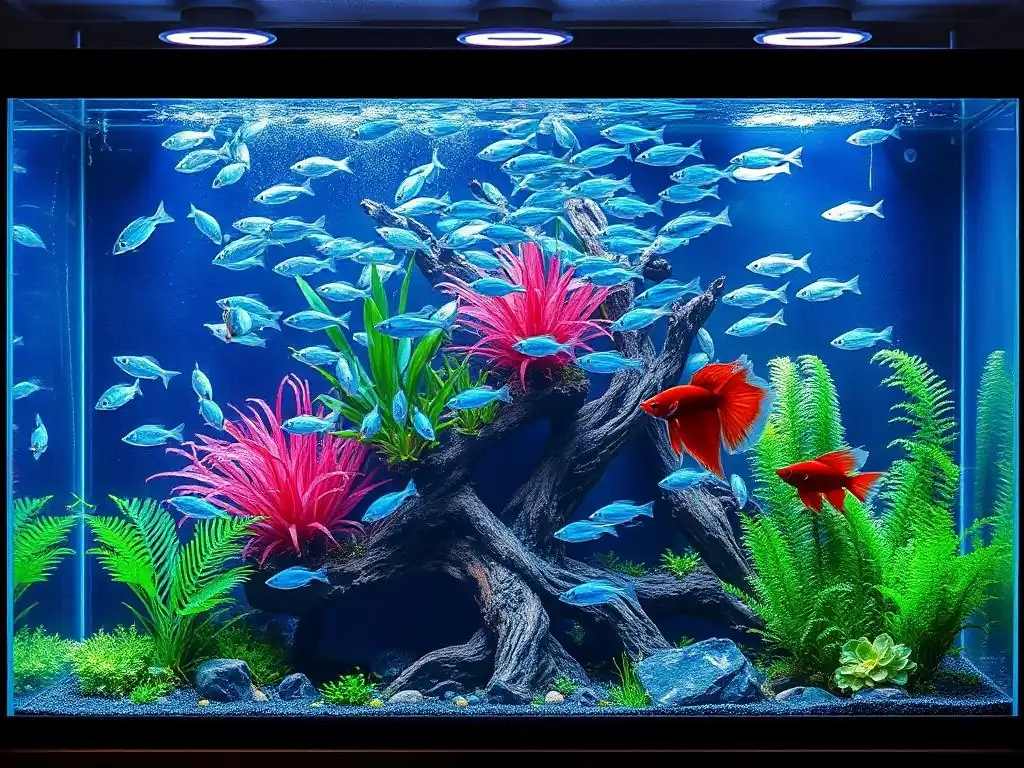
Ever wondered who your Neon Tetras would love to share their underwater world with? Dive in and discover the secrets to selecting the perfect Neon Tetra compatible fish! We're about to unlock a world of peaceful partnerships, ensuring your aquarium is a vibrant and harmonious haven. Let's explore the fascinating possibilities together...
- Introduction: Finding the Right Companions for Neon Tetras
- Understanding Neon Tetra Temperament and Tank Requirements
-
Top 10 Peaceful Tank Mates for Neon Tetras
- 1. Cardinal Tetras: A Colorful Complement
- 2. Ember Tetras: Small, Peaceful, and Vibrant
- 3. Harlequin Rasboras: A Classic Community Fish
- 4. Corydoras Catfish: Bottom-Dwelling Clean-Up Crew
- 5. Otocinclus Catfish: Algae Eating Experts
- 6. Kuhli Loaches: Unique and Peaceful Bottom Dwellers
- 7. White Cloud Mountain Minnows: Cold Water Option
- 8. Celestial Pearl Danios: Shy and Beautiful
- 9. Amano Shrimp: Peaceful Invertebrate Tank Mates
- 10. Nerite Snails: Colorful and Beneficial Cleaners
- Fish to Avoid Keeping with Neon Tetras
- Setting Up a Thriving Community Tank for Neon Tetras
- Feeding Your Neon Tetra Community
- Monitoring Your Neon Tetra Tank for Problems
- Conclusion: Building a Harmonious Aquarium with Neon Tetras
-
Frequently Asked Questions
- What kind of fish are compatible with Neon Tetras?
- Are there any specific species known to be good tank mates for Neon Tetras?
- What size tank do I need to house Neon Tetras with compatible tank mates?
- What water parameters are ideal for both Neon Tetras and their potential tank mates?
- How do I avoid aggression when introducing new fish to a tank with Neon Tetras and their compatible tank mates?
- Final Reflection: Harmony in the Aquarium
- Ignite Your Aquarium: Discover Harmonious Tank Mates!
Introduction: Finding the Right Companions for Neon Tetras
The Charm of Neon Tetras: Understanding Their Needs
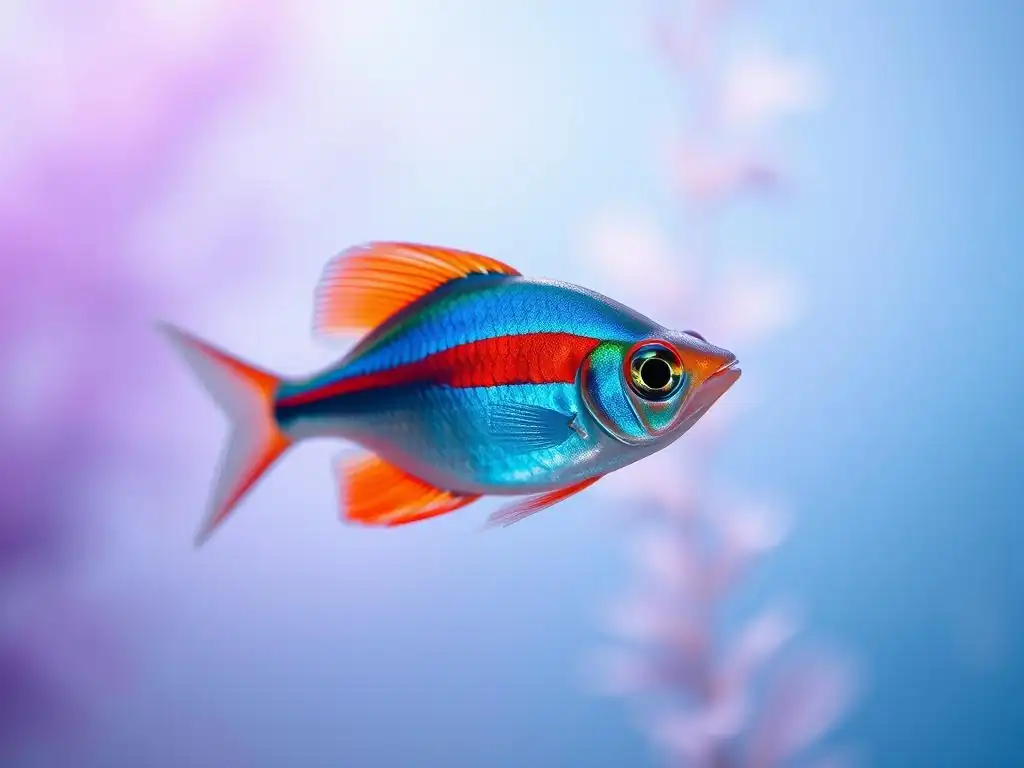
Neon Tetras (Paracheirodon innesi) are undoubtedly one of the most popular and visually striking freshwater fish in the aquarium hobby. Their iconic iridescent blue stripe, contrasting with a vibrant red stripe, makes them a captivating addition to any community tank. These small, peaceful fish typically grow to about 1.5 inches (3.8 cm) in length, making them ideal inhabitants for smaller to medium-sized aquariums. Their beauty is truly amplified when they are kept in a school, where their synchronized movements create a dazzling display of living color.
However, the allure of Neon Tetras goes beyond their aesthetic appeal. They are known for their generally docile temperament, which makes them excellent candidates for a well-maintained community aquarium, provided their tank mates are chosen with care. Understanding their specific needs—from water parameters to schooling behavior—is the first step toward ensuring a healthy and stress-free environment for these delicate fish and their companions.
Why Choosing Compatible Tank Mates is Crucial
Selecting the right Neon tetra compatible fish is paramount for the overall health and longevity of your entire aquarium ecosystem. Incompatible tank mates can lead to a multitude of problems, including chronic stress, fin nipping, aggression, and even predation, which can severely impact the well-being of your Neon Tetras. For instance, larger or more aggressive fish might view the small, brightly colored Neon Tetras as prey, leading to constant fear and potential injury or death.
Beyond physical harm, an unsuitable tank environment can cause Neon Tetras to lose their vibrant coloration, become reclusive, or even succumb to stress-related diseases. A harmonious community tank, on the other hand, allows all inhabitants to thrive, exhibit natural behaviors, and display their full color potential. Therefore, careful consideration of temperament, size, water parameter requirements, and dietary needs is essential when curating a community of fish compatible with Neon Tetras.
Understanding Neon Tetra Temperament and Tank Requirements
Neon Tetra Schooling Behavior: Minimum Group Size
Neon Tetras are quintessential schooling fish, a behavior deeply ingrained in their natural instincts for safety and social interaction. In the wild, forming large schools helps them deter predators by creating the illusion of a single, larger entity, making them less vulnerable. In an aquarium setting, this schooling behavior is not just visually appealing; it is crucial for their psychological well-being and reduces stress levels. A lone Neon Tetra, or one kept in a very small group, will often appear timid, lose its vibrant color, and be more susceptible to disease due to anxiety.
For optimal health and to truly observe their natural schooling patterns, it is highly recommended to keep a minimum of 6 to 10 Neon Tetras together. Larger schools, such as 15 or more individuals, will further enhance their confidence and display their most striking colors and coordinated movements. Providing an adequate group size ensures that these fish feel secure and comfortable in their environment, allowing them to thrive and interact naturally within the aquarium.
Ideal Water Parameters for Neon Tetras: Temperature, pH, and Hardness
Maintaining precise water parameters is critical for the health of Neon Tetras, as they are sensitive to fluctuations. Their native Amazonian habitats are characterized by soft, acidic water, and replicating these conditions as closely as possible in the aquarium is key to their longevity. The ideal water temperature range for Neon Tetras is between 72°F and 78°F (22°C to 26°C), which facilitates their metabolism and supports their immune system.
Regarding water chemistry, Neon Tetras prefer a slightly acidic to neutral pH, typically ranging from 6.0 to 7.0. While they can tolerate a pH up to 7.5, values above this can cause stress and diminish their vibrant colors over time. Water hardness (GH) should be soft to moderately soft, ideally between 2 to 10 dGH (degrees of General Hardness). Consistent monitoring with a reliable test kit is essential, and any adjustments to these parameters should be made gradually to avoid shocking the fish.
Tank Size Considerations for Neon Tetra Communities
While Neon Tetras are small fish, their schooling nature means they require adequate space to swim freely and exhibit their natural behaviors. A single Neon Tetra school of 6-10 individuals ideally needs a minimum tank size of 10 gallons (approximately 38 liters). This volume provides enough swimming room and helps maintain stable water parameters, which is vital for their delicate health.
However, if you plan to keep a larger school of Neon Tetras or introduce other Neon tetra compatible fish, a 20-gallon (approximately 76 liters) or larger aquarium is highly recommended. A larger tank offers more stability in water chemistry, more diverse aquascaping opportunities for hiding spots and territories, and reduces the bioload stress. This extra space ensures that all inhabitants have ample room to thrive without feeling overcrowded or stressed, leading to a more harmonious community.
Top 10 Peaceful Tank Mates for Neon Tetras
1. Cardinal Tetras: A Colorful Complement
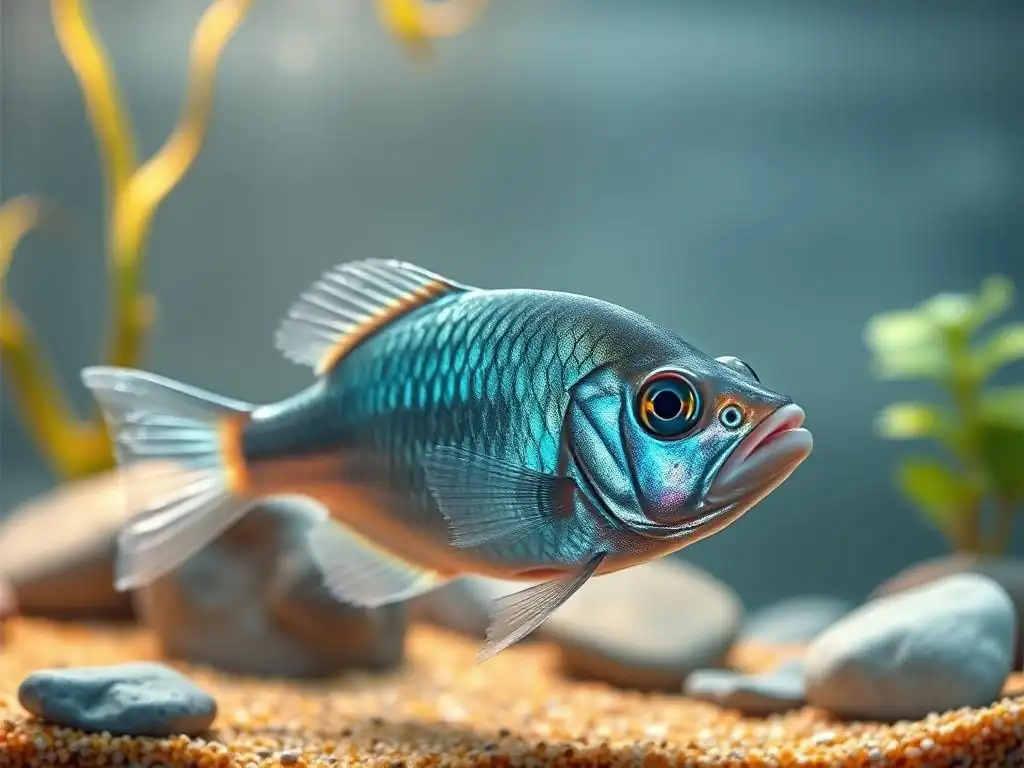
Cardinal Tetras (Paracheirodon axelrodi) are often mistaken for Neon Tetras due to their similar appearance, but they boast an even more pronounced and continuous red stripe that extends the full length of their body. They share many of the same peaceful characteristics and schooling behaviors as Neon Tetras, making them an excellent choice for a mixed tetra community. Their slightly larger size, reaching up to 2 inches (5 cm), adds a subtle variation in scale while maintaining a harmonious visual balance.
Introducing Cardinal Tetras alongside Neons can enhance the schooling effect and create a more dynamic and colorful display within your aquarium. They are generally peaceful and will not bother your Neon Tetras, preferring to swim in the mid-level of the tank. Their shared preference for soft, acidic water and similar temperature ranges simplifies maintenance, as both species thrive under very similar environmental conditions, making them ideal fish compatible with Neon tetras.
Cardinal Tetra Care: Similar Needs, Stunning Display
Cardinal Tetras are renowned for their stunning display of color, and their care requirements closely mirror those of Neon Tetras, which is a significant advantage for aquarists. They thrive in water temperatures between 73°F and 81°F (23°C to 27°C), a pH of 5.5 to 7.0, and soft water with a hardness of 1 to 8 dGH. These parameters align almost perfectly with what Neon Tetras need, minimizing the complexity of maintaining a mixed-species tank.
Like Neon Tetras, Cardinals are schooling fish and should be kept in groups of at least six individuals to feel secure and display their natural behaviors. They are omnivores, readily accepting high-quality flake food, micro-pellets, and occasional live or frozen foods like brine shrimp and daphnia. Their peaceful nature ensures they won't compete aggressively for food or territory with their smaller Neon Tetra counterparts, making them truly compatible fish for Neon Tetras.
2. Ember Tetras: Small, Peaceful, and Vibrant
Ember Tetras (Hyphessobrycon amandae) are tiny, vibrant fish known for their striking orange-red coloration, which can add a warm glow to any aquarium. Reaching a maximum size of only about 0.8 inches (2 cm), they are even smaller than Neon Tetras, making them perfect candidates for nano tanks or larger community setups where larger fish might intimidate tinier species. Their peaceful disposition ensures they will not pose any threat to your Neon Tetras.
These diminutive fish are also schooling species, and watching a group of Ember Tetras darting through planted areas is a truly captivating sight. Their small size means they have a minimal bioload, contributing to stable water conditions. They prefer similar soft, acidic water conditions to Neon Tetras, making them an excellent choice for a mixed-species tank focused on South American characins.
Ember Tetra Compatibility: A Safe and Lively Choice
Ember Tetras are exceptionally peaceful and non-aggressive, making them one of the safest and most lively choices for Neon tetra compatible fish. They typically inhabit the middle and upper layers of the water column, gracefully weaving through plants and decor without bothering other tank inhabitants. Their small mouths prevent them from nipping fins or consuming even the smallest of other fish.
They thrive in water temperatures between 73°F and 80°F (23°C to 27°C), a pH of 5.5 to 7.0, and soft to medium-hard water (3 to 10 dGH). These parameters are highly congruent with Neon Tetra requirements, ensuring a stress-free environment for both species. Like most tetras, they are omnivores and will readily accept a varied diet of crushed flakes, micro-pellets, and small live or frozen foods, provided in small portions due to their tiny size.
3. Harlequin Rasboras: A Classic Community Fish
Harlequin Rasboras (Trigonostigma heteromorpha) are a popular and visually appealing choice for community aquariums, known for their distinctive triangular black patch on their sides. These peaceful fish originate from Southeast Asia and typically grow to about 2 inches (5 cm) in length, making them a good size match for Neon Tetras. Their calm demeanor and schooling tendencies make them highly suitable companions for other small, non-aggressive species.
Harlequin Rasboras tend to occupy the middle and upper levels of the water column, gracefully swimming in loose schools. Their presence adds a different shape and color palette to the tank, complementing the electric blue and red of the Neon Tetras without competition. They are hardy fish that adapt well to a range of water conditions, further simplifying their integration into a Neon Tetra setup.
Harlequin Rasbora Temperament: Peaceful and Active
Harlequin Rasboras are celebrated for their exceptionally peaceful and active temperament, making them ideal fish compatible with Neon Tetras. They are not known to be fin-nippers or aggressive towards other fish, preferring to spend their time schooling and exploring their environment. While active, their movements are generally smooth and unhurried, which won't startle more timid species like Neon Tetras.
They prefer water temperatures between 72°F and 80°F (22°C to 27°C), a pH of 6.0 to 7.5, and soft to moderately hard water (5 to 12 dGH). These ranges overlap significantly with Neon Tetra requirements, ensuring mutual comfort. Like Neon Tetras, they are omnivores and will readily consume quality flake foods, small pellets, and occasional live or frozen treats, making feeding a straightforward affair in a mixed community tank.
4. Corydoras Catfish: Bottom-Dwelling Clean-Up Crew
Corydoras Catfish, often affectionately called "Corys," are a diverse group of small, armored catfish originating from South America. Species like the Bronze Cory (Corydoras aeneus), Panda Cory (Corydoras panda), and Pygmy Cory (Corydoras pygmaeus) are excellent choices for a Neon Tetra tank. Ranging in size from 1 to 3 inches (2.5 to 7.5 cm) depending on the species, they are peaceful bottom-dwellers that spend their time sifting through the substrate for food scraps.
Their non-aggressive nature and unique behaviors, such as their characteristic "winking" eye movements and bursts of activity, make them charming additions to any community tank. Corydoras are social fish and should always be kept in groups of at least three, preferably six or more, of their own kind to thrive. They effectively clean up uneaten food, contributing to a healthier tank environment without disturbing other fish.
Corydoras Care: Scavengers with Personality
Corydoras catfish are not only peaceful but also highly beneficial scavengers, making them truly compatible fish for Neon Tetras. They require a soft, sandy substrate to protect their delicate barbels, which they use to forage for food. Gravel with sharp edges can injure their barbels, leading to infections. They prefer water temperatures between 72°F and 78°F (22°C to 26°C), a pH of 6.0 to 7.5, and soft to medium-hard water (2 to 15 dGH), which aligns well with Neon Tetra parameters.
While they are excellent at cleaning up leftover food, Corydoras should not be relied upon as the sole "clean-up crew" and require dedicated feeding. Sinking pellets or wafers designed for bottom-feeders should be provided daily to ensure they receive adequate nutrition. Their social nature means they thrive in groups, often seen interacting with each other, adding another layer of interest to the aquarium.
5. Otocinclus Catfish: Algae Eating Experts
Otocinclus Catfish, commonly known as "Otos" or "Dwarf Suckermouth Catfish," are small, peaceful, and highly efficient algae eaters. Growing to a maximum of about 1.5 to 2 inches (3.8 to 5 cm), they are perfectly sized for a Neon Tetra community tank and are entirely non-aggressive. Their primary role in the aquarium is to graze on soft algae that grows on plants, glass, and decor, helping to keep the tank clean naturally.
Otos are social creatures and should be kept in groups of at least three, preferably five or more, to feel secure and exhibit their natural behaviors. They are typically found clinging to surfaces, diligently scrubbing away at algae, which makes them a fascinating and beneficial addition. Their calm demeanor ensures they won't disturb your Neon Tetras, and their small bioload is easily managed.
Otocinclus Compatibility: Gentle Algae Control
Otocinclus Catfish are among the most gentle and effective algae controllers available for the freshwater aquarium, making them highly compatible fish for Neon Tetras. They prefer well-oxygenated water with temperatures between 72°F and 78°F (22°C to 26°C), a pH of 6.0 to 7.5, and soft to moderately hard water (2 to 15 dGH). These conditions are very similar to those preferred by Neon Tetras, ensuring a comfortable shared habitat.
While they are excellent algae eaters, a mature tank with established algae growth is ideal for Otos, as they can sometimes be finicky eaters and may starve if there isn't enough natural algae. Supplementing their diet with blanched zucchini, cucumber slices, or algae wafers is often necessary, especially in newer tanks. Their peaceful nature and small size ensure they are no threat to any of the Neon tetra compatible fish.
6. Kuhli Loaches: Unique and Peaceful Bottom Dwellers
Kuhli Loaches (Pangio kuhlii) are fascinating, eel-like fish known for their distinctive striped patterns and shy, nocturnal habits. Reaching lengths of 3 to 5 inches (7.5 to 12.5 cm), they are peaceful bottom-dwellers that prefer to burrow into soft substrate and hide among decor during the day. Despite their unique appearance, they are completely harmless to other fish, including the small Neon Tetras.
Their secretive nature means they might not always be visible, but when they emerge, their graceful, undulating movements are captivating. Kuhli Loaches are social creatures and should be kept in groups of at least three, ideally five or more, to encourage them to be more active and feel secure. They are excellent at sifting through the substrate for uneaten food, acting as a natural clean-up crew.
Kuhli Loach Care: Nocturnal and Social
Kuhli Loaches thrive in tanks with plenty of hiding spots, such as caves, driftwood, and dense plant cover, and a soft, sandy substrate for burrowing. They prefer water temperatures between 73°F and 86°F (23°C to 30°C), a pH of 6.0 to 7.0, and soft to medium-hard water (2 to 10 dGH). While their temperature range is slightly broader than Neon Tetras, the overlap is significant enough for comfortable cohabitation.
As nocturnal scavengers, Kuhli Loaches should be fed sinking pellets, wafers, or frozen foods like bloodworms and brine shrimp after the lights go out, ensuring they get enough to eat without competition from more active daytime feeders. Their peaceful and reclusive nature makes them perfect, non-intrusive Neon tetra compatible fish that add unique behavior to the bottom of your aquarium.
7. White Cloud Mountain Minnows: Cold Water Option
White Cloud Mountain Minnows (Tanichthys albonubes) are a resilient and attractive schooling fish that can add a unique dynamic to a Neon Tetra tank, particularly if you maintain your aquarium at the cooler end of the Neon Tetra's preferred temperature range. Originating from mountain streams in China, these fish are remarkably hardy and can tolerate a wider range of temperatures than many tropical species, typically growing to about 1.5 inches (3.8 cm).
Their peaceful nature and schooling behavior make them suitable companions for Neon Tetras, though their preference for slightly cooler water (down to 64°F or 18°C) means they are best suited for tanks where Neon Tetras are kept around 72°F (22°C). They are active swimmers, often darting about the mid to upper levels of the tank, adding constant movement and visual interest.
White Cloud Mountain Minnow Compatibility: A Hardy Choice
White Cloud Mountain Minnows are excellent Neon tetra compatible fish due to their peaceful disposition and similar size. While they can tolerate cooler temperatures than most tropical fish, they adapt well to the lower end of the Neon Tetra's comfort zone, typically 72°F (22°C). Their preferred pH range is 6.0 to 8.0, and water hardness from 5 to 20 dGH, indicating their adaptability compared to the more specific needs of Neon Tetras.
Like Neon Tetras, they are schooling fish and should be kept in groups of at least six to feel secure and display their best colors. They are omnivores and will readily accept high-quality flake foods, micro-pellets, and small live or frozen foods. Their hardiness and non-aggressive nature make them a reliable and visually appealing choice for a mixed community tank, especially for those who might lean towards slightly cooler water temperatures.
8. Celestial Pearl Danios: Shy and Beautiful
Celestial Pearl Danios (Danio margaritatus), often abbreviated as CPDs, are small, exquisitely patterned fish that have gained immense popularity in the aquarium hobby. Reaching a maximum size of less than 1 inch (2.5 cm), they are among the smallest fish suitable for a community tank and boast a stunning iridescent body adorned with pearl-like spots and red-orange fins. Their shy and peaceful nature makes them ideal companions for the equally docile Neon Tetras.
CPDs are best kept in groups of 6-10 or more, as they gain confidence and display more natural behaviors when schooling. They prefer heavily planted tanks where they can find cover and feel secure, often darting in and out of the foliage. Their small size means they have a very low bioload, contributing minimally to waste accumulation in the tank.
Celestial Danio Care: Peaceful and Reserved
Celestial Pearl Danios are peaceful and reserved fish, making them a perfect addition as a Neon tetra compatible fish. They thrive in water temperatures between 72°F and 79°F (22°C to 26°C), a pH of 6.5 to 7.5, and moderately hard water (5 to 15 dGH). These parameters largely overlap with Neon Tetra requirements, ensuring a suitable environment for both species.
Due to their small size and shy nature, CPDs can be outcompeted for food by more boisterous tank mates. It's important to provide finely crushed flake food, micro-pellets, and small live or frozen foods like microworms or baby brine shrimp to ensure they get enough to eat. Heavily planted tanks with plenty of hiding spots are crucial for their well-being, as they will feel more secure and display their vibrant colors more readily in such environments.
9. Amano Shrimp: Peaceful Invertebrate Tank Mates
Amano Shrimp (Caridina multidentata) are highly regarded in the aquarium hobby for their exceptional algae-eating capabilities and peaceful disposition. Growing up to 2 inches (5 cm) in length, these translucent invertebrates are not fish but make excellent and beneficial tank mates for Neon Tetras. They are non-aggressive, won't bother your fish, and are highly efficient at consuming various types of algae, including stubborn hair algae.
Keeping a small group of Amano Shrimp can significantly reduce the amount of manual algae cleaning required in your tank, contributing to a cleaner and healthier environment. They are active scavengers, constantly foraging for food and detritus, which adds an interesting dynamic to the bottom of the aquarium. Their presence can also stimulate natural behaviors in fish, as they occasionally interact with these harmless invertebrates.
Amano Shrimp Compatibility: Peaceful Algae Control
Amano Shrimp are arguably one of the best invertebrate options when considering Neon tetra compatible fish, due to their peaceful nature and invaluable cleaning services. They thrive in water temperatures between 70°F and 80°F (21°C to 27°C), a pH of 6.5 to 7.5, and medium-hard water (6 to 15 dGH). These parameters are well within the acceptable range for Neon Tetras, making them easy to house together.
While they are excellent algae eaters, Amano Shrimp also benefit from supplemental feeding with algae wafers, blanched vegetables, or specialized shrimp pellets, especially if the tank is very clean. It's crucial to ensure your tank is free of copper, as copper-based medications are highly toxic to all invertebrates. Their diligent work in controlling algae makes them a highly functional and harmonious addition to any Neon Tetra community.
10. Nerite Snails: Colorful and Beneficial Cleaners
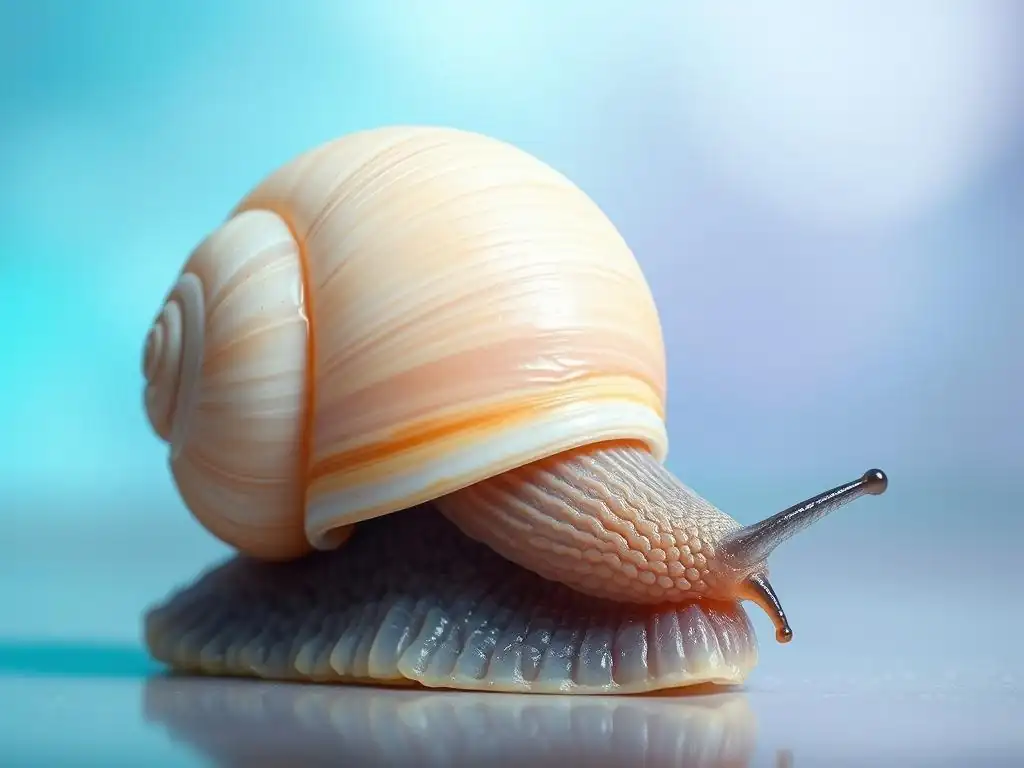
Nerite Snails (Neritina species) are an excellent choice for a community tank, particularly for their remarkable ability to consume various types of algae without reproducing excessively in freshwater. Unlike many other snail species, Nerite Snails require brackish or saltwater to successfully hatch their eggs, meaning you won't be overrun by a snail population boom in your freshwater aquarium. They come in a variety of attractive shell patterns, including zebra, tiger, and horned varieties, adding aesthetic appeal.
These snails are peaceful and slow-moving, posing no threat whatsoever to your Neon Tetras or other fish. They spend their time diligently grazing on algae that accumulates on glass, rocks, driftwood, and plant leaves, contributing significantly to tank cleanliness. Their constant foraging activity can also help aerate the substrate slightly, making them a low-maintenance and highly beneficial addition.
Nerite Snail Compatibility: Provide Algae
Nerite Snails are among the most compatible and beneficial invertebrates for a Neon Tetra setup, especially if your primary goal is natural algae control. They thrive in water temperatures between 72°F and 80°F (22°C to 27°C), a pH of 6.5 to 8.0, and medium to hard water (8 to 20 dGH). While they can tolerate a slightly higher pH and hardness than Neon Tetras prefer, the overlap is sufficient for healthy cohabitation.
It is important to note that Nerite Snails primarily consume soft green algae and diatoms; they are less effective against black beard algae. If your tank does not have enough algae for them to graze on, you may need to supplement their diet with algae wafers or blanched vegetables like zucchini or spinach. Their peaceful nature and effective cleaning abilities make them an ideal choice for maintaining a healthy and balanced environment for your Neon tetra compatible fish.
Fish to Avoid Keeping with Neon Tetras
Aggressive Fish: Potential Bullies
Keeping aggressive fish with peaceful and delicate Neon Tetras is a recipe for disaster. Species known for their territoriality or bullying tendencies will invariably stress, injure, or even kill your Neon Tetras. Examples include many types of Cichlids, such as African Cichlids (e.g., Mbunas), Oscar fish, and even some larger South American Cichlids like Jewel Cichlids. While some dwarf cichlids like Apistogrammas might seem small enough, their territorial nature during breeding can still pose a threat.
Even seemingly small aggressive fish, like some species of Barbs (e.g., Tiger Barbs, especially if not kept in large schools themselves) or larger Gouramis (e.g., Three Spot Gouramis), can harass Neon Tetras. The constant chasing and nipping can lead to chronic stress, fin rot, and a weakened immune system, ultimately shortening the lifespan of your Neons. It's crucial to research the temperament of any potential tank mate thoroughly before introducing them to your Neon Tetra community.
Large Fish: Predators to Avoid
The small size of Neon Tetras makes them vulnerable to predation by larger fish. Any fish that can fit a Neon Tetra in its mouth should be strictly avoided, regardless of its typical temperament. This includes many popular aquarium fish that, while not inherently aggressive, are simply too large to be safely housed with Neons. Common culprits include larger Angelfish (Pterophyllum scalare), especially mature ones, which may view Neon Tetras as a food source despite being peaceful with larger tank mates.
Other examples of large fish to avoid include most types of larger Gouramis (e.g., Pearl Gouramis, while generally peaceful, can still consume small Neons if the opportunity arises), larger Rainbowfish species, and various types of predatory catfish. Even if a fish rarely preys on others, the risk of a single incident is high enough to warrant caution. The constant threat of predation will keep your Neon Tetras stressed and hiding, diminishing their vibrant colors and natural schooling behavior.
Fin-Nippers: Preventing Stress and Injury
Fin-nipping is a common issue in community tanks and can be particularly detrimental to the delicate fins of Neon Tetras. Fish that are known for nipping at the fins of slower-moving or long-finned species can cause significant stress and injury, leading to bacterial infections and overall poor health. While Neon Tetras don't have long, flowing fins, their small size and relatively slow swimming can make them targets.
Prime examples of fin-nippers include Tiger Barbs (Puntius tetrazona), which are notorious for their boisterous and sometimes aggressive behavior, especially towards smaller, less active fish. Similarly, Serpae Tetras (Hyphessobrycon eques) can be prone to nipping, particularly if not kept in sufficiently large schools of their own kind. Even some species of larger Danios or certain Loaches might occasionally nip. Avoiding these species ensures your Neon Tetras can swim freely and display their full beauty without fear of injury.
Setting Up a Thriving Community Tank for Neon Tetras
Tank Setup: Creating a Natural Habitat
Creating a well-structured and natural-looking habitat is fundamental for a thriving Neon Tetra community. The substrate should be soft and fine-grained, such as sand or very fine gravel, to protect the delicate barbels of any bottom-dwelling tank mates like Corydoras or Kuhli Loaches. This also allows Neon Tetras to easily forage for any fallen food particles without risk of injury. Strategic placement of decor, such as driftwood and smooth rocks, provides visual barriers and hiding spots, which are crucial for reducing stress and allowing all fish to establish their own territories, even if small.
Ample open swimming space in the mid-level of the tank is essential for Neon Tetras to school effectively and display their natural behaviors. However, it should be balanced with densely planted areas that offer security and refuge. A dark background can also enhance the vibrant colors of Neon Tetras and make them feel more secure, mimicking their natural shaded environments. A well-designed tank layout not only looks appealing but also contributes significantly to the well-being of all its inhabitants.
Plants for Neon Tetra Tanks: Providing Cover and Security
Live plants are indispensable for a Neon Tetra community tank, offering numerous benefits beyond just aesthetics. They provide essential cover and security for the fish, allowing them to retreat and feel safe when startled or stressed. Densely planted areas, particularly in the background and along the sides of the tank, mimic their natural habitat and encourage more confident schooling behavior. Plants also help to absorb nitrates, oxygenate the water, and provide natural foraging grounds for algae-eating invertebrates.
Excellent plant choices for Neon Tetra tanks include low-light, easy-care species such as Java Moss (Taxiphyllum barbieri), Anubias (Anubias barteri varieties), and Java Fern (Microsorum pteropus), which can be attached to driftwood or rocks. Stem plants like Amazon Sword (Echinodorus amazonicus), Ludwigia, or Cabomba can provide dense vertical cover. Floating plants like Frogbit or Dwarf Water Lettuce can also be beneficial, diffusing light and offering additional security from above, further enhancing the comfort of your Neon tetra compatible fish.
Filtration and Water Changes: Maintaining Water Quality
Maintaining pristine water quality is paramount for the health of Neon Tetras and their tank mates, as they are sensitive to fluctuating parameters and accumulated waste. A reliable filtration system is essential, but it should provide gentle flow, as Neon Tetras prefer calm waters. A sponge filter, a hang-on-back filter with a baffled output, or a canister filter with adjustable flow are all suitable options. Biological filtration is particularly important to process ammonia and nitrites, keeping the water safe.
Regular partial water changes are equally critical. A weekly water change of 25-30% of the tank volume is a good general guideline, using dechlorinated water that is temperature-matched to the aquarium. This routine removes accumulated nitrates and replenishes essential minerals, preventing the build-up of toxins that can stress fish and lead to disease. Consistent water quality management is the cornerstone of a healthy and vibrant Neon Tetra community tank.
Feeding Your Neon Tetra Community
Suitable Foods for Neon Tetras and Their Tank Mates
Providing a varied and nutritious diet is crucial for the health and vibrant coloration of Neon Tetras and their diverse tank mates. Neon Tetras are omnivores, with a preference for small, meaty foods in the wild. High-quality flake foods or micro-pellets formulated for small tropical fish should form the staple of their diet. Ensure the food is small enough for their tiny mouths; crushing flakes further might be necessary.
To provide a complete diet and encourage natural foraging behaviors, supplement their staple with frozen or freeze-dried foods like bloodworms, daphnia, and brine shrimp once or twice a week. These protein-rich treats are highly palatable and provide essential nutrients. For bottom-dwelling tank mates like Corydoras or Kuhli Loaches, offer sinking pellets or wafers specifically designed for scavengers to ensure they receive adequate nutrition without competition from mid-water swimmers. Algae wafers or blanched vegetables can be provided for Otocinclus catfish and snails.
Feeding Schedule: Ensuring Everyone Gets Enough
A proper feeding schedule ensures that all inhabitants of your Neon Tetra community tank receive adequate nutrition without overfeeding, which can lead to poor water quality. It is generally recommended to feed Neon Tetras and their tank mates small amounts of food two to three times a day. This approach prevents large quantities of food from sitting uneaten and decaying, which can cause ammonia and nitrite spikes.
When feeding, observe your fish to ensure that all individuals, including the shyer ones or bottom-dwellers, are getting their share. Food should be consumed within 2-3 minutes; if there is a significant amount left over, you are likely overfeeding and should reduce the portion size. Consistent and measured feeding, combined with regular water changes, will contribute to a healthier and more stable aquarium environment for all your Neon tetra compatible fish.
Monitoring Your Neon Tetra Tank for Problems
Signs of Stress in Neon Tetras
Vigilant observation of your Neon Tetras can help you identify signs of stress or illness early, allowing for timely intervention. A primary indicator of stress in Neon Tetras is a noticeable loss or dulling of their vibrant blue and red colors; stressed Neons may appear pale or washed out. Other common signs include clamped fins, where the fins are held close to the body rather than fanned out, and erratic or unusual swimming patterns, such as darting frantically, rubbing against objects, or listlessly hovering at the surface or bottom.
Stressed Neon Tetras may also exhibit changes in behavior, such as becoming reclusive and hiding excessively, or, conversely, becoming unusually aggressive towards tank mates. A loss of appetite or refusal to eat is another serious symptom. Any deviation from their typical schooling behavior, such as individuals isolating themselves from the group, can also signal distress. Promptly addressing the underlying cause, whether it's poor water quality, bullying, or unsuitable tank conditions, is crucial for their recovery.
Common Diseases and Treatments
While Neon Tetras are generally hardy when kept in optimal conditions, they can be susceptible to certain diseases, particularly if stressed or kept in poor water quality. One of the most feared, though relatively rare, is Neon Tetra Disease (NTD), caused by a parasite (Pleistophora hyphessobryconis). Symptoms include loss of color, cysts or lumps, spinal deformities, and erratic swimming. Unfortunately, NTD is currently incurable, and affected fish should be humanely euthanized to prevent spread.
More common and treatable ailments include Ich (Ichthyophthirius multifiliis), characterized by white spots resembling salt grains on the body and fins, which can be treated with elevated temperatures (if safe for all tank inhabitants) and anti-parasitic medications. Fin Rot, often caused by bacterial infections from poor water quality or injury, manifests as frayed or disintegrating fins and can be treated with antibiotics and improved water conditions.
Dropsy, characterized by a swollen body and scales sticking out like a pinecone, is often a symptom of underlying organ failure and is difficult to treat. Regular water testing and maintaining stable parameters are the best preventative measures for keeping your Neon tetra compatible fish healthy.
Conclusion: Building a Harmonious Aquarium with Neon Tetras
The Joy of a Well-Balanced Community Tank
Creating a well-balanced community tank with Neon Tetras as the centerpiece is one of the most rewarding aspects of the aquarium hobby. By carefully selecting Neon tetra compatible fish, you can cultivate a vibrant, active, and harmonious ecosystem that is a joy to observe daily. The synchronized movements of a healthy Neon Tetra school, complemented by the diverse behaviors and colors of their peaceful tank mates, transform a simple glass box into a living piece of art. This dynamic environment encourages natural behaviors, minimizes stress, and allows each species to thrive, showcasing their full potential.
A truly harmonious aquarium is not just about the absence of conflict; it's about the synergistic interaction of all its inhabitants, from the shimmering tetras to the diligent bottom-dwellers and the beneficial invertebrates. The success of such a setup lies in understanding the specific needs of each species and ensuring that their environmental requirements, dietary needs, and temperaments align. This thoughtful approach leads to a thriving aquatic world that provides endless fascination and relaxation for the aquarist.
Further Resources for Neon Tetra Care
For those seeking to delve deeper into the intricacies of Neon Tetra care and the broader aspects of freshwater aquariums, a wealth of information is available. Websites like Aquarium Mastery offer extensive guides on water chemistry, plant selection, breeding behaviors, and troubleshooting common tank issues. Exploring detailed species profiles can provide in-depth knowledge about specific fish, including their origins, behaviors, and unique requirements.
Engaging with online aquarium communities and forums can also connect you with experienced aquarists who can offer personalized advice and share valuable insights from their own experiences. Continuous learning and diligent observation are key to maintaining a healthy and beautiful aquarium for your beloved Neon Tetras.
Frequently Asked Questions
What kind of fish are compatible with Neon Tetras?
Peaceful, small fish that share similar water parameters are good choices. Avoid larger, aggressive species that might prey on or bully Neon Tetras.
Are there any specific species known to be good tank mates for Neon Tetras?
Yes, popular choices include Ember Tetras, Harlequin Rasboras, Corydoras Catfish, and Otocinclus Catfish. These fish are peaceful and have similar needs.
What size tank do I need to house Neon Tetras with compatible tank mates?
A general rule is to have at least a 10-gallon tank for a small school of Neon Tetras. Increase the size depending on the number and type of tank mates you add.
What water parameters are ideal for both Neon Tetras and their potential tank mates?
Generally, slightly acidic water with a pH between 6.0 and 7.0, and a temperature between 72-78°F is ideal. Ensure stable parameters for both species.
How do I avoid aggression when introducing new fish to a tank with Neon Tetras and their compatible tank mates?
Introduce new fish gradually and monitor their behavior closely. Provide plenty of hiding places with plants and decorations to minimize stress and aggression.
Final Reflection: Harmony in the Aquarium
The vibrant dance of neon tetras in a well-populated aquarium is a testament to the beauty of balanced ecosystems, and understanding neon tetra compatibility is more crucial than ever as aquascaping gains popularity. The choices we make in curating these miniature worlds directly impact the well-being of their inhabitants, highlighting our responsibility as stewards of these aquatic environments.
This exploration into the ideal tank mates for neon tetras has underscored the delicate balance required for a thriving community. Witnessing the peaceful coexistence of different species, each contributing to the overall health and beauty of the aquarium, is a constant reminder of the interconnectedness of life. The greatness of a nation and its moral progress can be judged by the way its animals are treated.
- Mahatma Gandhi. This quote, while often applied to larger animals, resonates deeply with the ethical considerations we must bring to even the smallest of aquatic creatures.
Now, as you consider adding to or refining your own aquarium, I encourage you to reflect on the principles of compatibility and responsible fishkeeping. Let the vibrant glow of your neon tetras serve as a constant reminder of the beauty and fragility of life, inspiring you to create a harmonious and thriving underwater world.
Ignite Your Aquarium: Discover Harmonious Tank Mates!
Thank you for exploring the captivating world of Neon Tetras with us! Now that you're equipped with insights into creating a peaceful community tank, it's time to take action and elevate your aquarium experience.
Here are some next steps to consider:
- Carefully select 2-3 compatible tank mates from our recommended list, prioritizing fish with similar temperament and water parameter needs for a thriving community. This is your primary action.
- Brainstorm and sketch a revised aquascape plan that caters to both Neon Tetras and your chosen tank mates, considering their unique needs for hiding places and swimming space.
- Share this article with a fellow aquarium enthusiast and compare your ideal Neon Tetra community tank visions!
What fascinating tank mate combination are you most excited to introduce to your Neon Tetras' world, and why?