
Ich Attack! Treating White Spot Disease in Sensitive Dwarf Cichlids

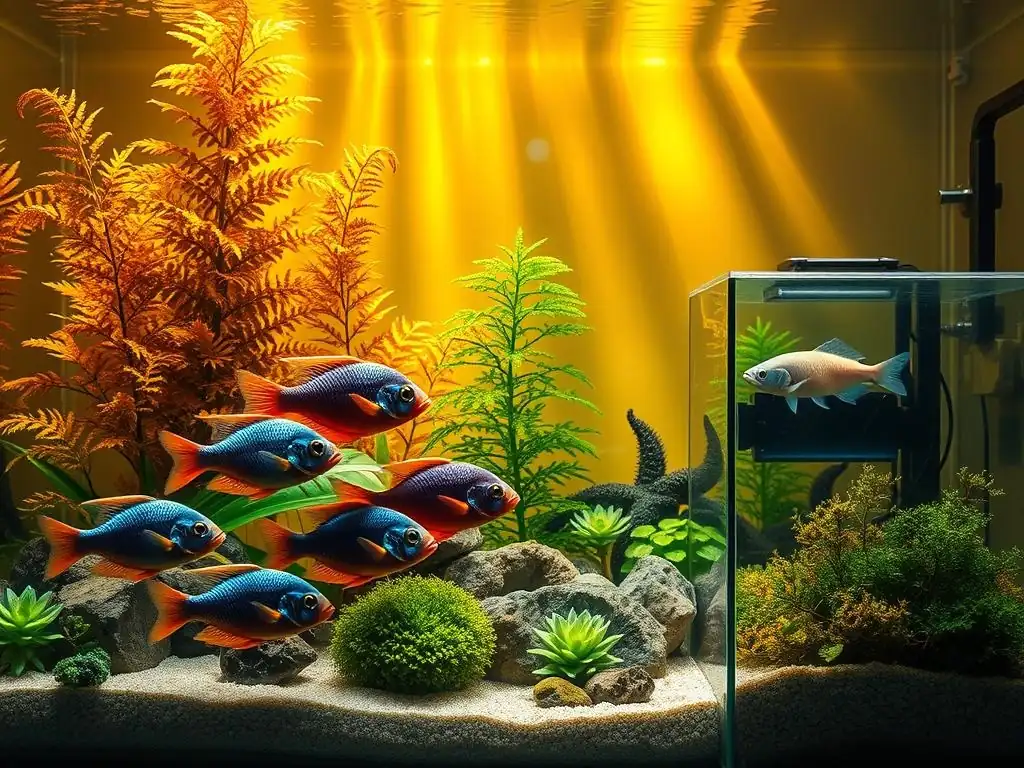
Welcome to Aquarium Mastery!
Are your beloved dwarf cichlids showing those dreaded white spots? Don't panic! Successfully treating ich in these sensitive beauties requires a delicate touch. We'll guide you through the process in our comprehensive article, " Ich Attack! Treating White Spot Disease in Sensitive Dwarf Cichlids," providing you with the knowledge and confidence to restore your finned friends to health. Dive in and discover the proven methods to combat this common ailment and keep your freshwater aquarium thriving!
- Understanding Ich in Dwarf Cichlids: A Comprehensive Guide
- Dwarf Cichlid Ich Treatment Options: A Detailed Overview
-
Step-by-Step Guide: Treating Ich in Dwarf Cichlids
- Step 1: Accurate Diagnosis of Ich in Your Dwarf Cichlid Tank
- Step 2: Moving Affected Fish to a Quarantine Tank (If Possible)
- Step 3: Implementing the Chosen Ich Treatment Method
- Step 4: Monitoring Water Parameters During Ich Treatment
- Step 5: Completing the Full Course of Ich Treatment
- Step 6: Gradual Acclimation Back to the Main Tank
-
Preventing Ich Outbreaks in Your Dwarf Cichlid Aquarium
- Maintaining Optimal Water Quality to Prevent Ich
- Proper Tank Cycling and Ammonia Control for Dwarf Cichlid Health
- Avoiding Stress: Key to Preventing Ich in Sensitive Species
- Quarantine New Fish Before Introducing Them to Your Dwarf Cichlid Tank
- Regular Observation and Early Detection of Ich Symptoms
- Ich Treatment and Dwarf Cichlid Species: Specific Considerations
- Common Mistakes to Avoid During Dwarf Cichlid Ich Treatment
- Post-Treatment Care for Dwarf Cichlids Recovering from Ich
-
Frequently Asked Questions
- What makes treating Ich in Dwarf Cichlids more challenging than other fish?
- What are the first signs of Ich to look for in my Dwarf Cichlids?
- What's a "fish-safe" way to raise the temperature in the aquarium to combat Ich?
- Can I use copper-based medications to treat Ich in my Dwarf Cichlid aquarium?
- Besides medication and temperature, are there other things I can do to help treat Ich?
- Final Reflection: Navigating the Delicate Dance of Aquarium Health
- Safeguard Your Cichlids: Act Now!
Understanding Ich in Dwarf Cichlids: A Comprehensive Guide
What is Ich and Why is it Dangerous for Dwarf Cichlids?
Ich, short for Ichthyophthirius multifiliis, is a highly contagious parasitic protozoan responsible for White Spot Disease, one of the most common ailments in freshwater aquariums. This microscopic parasite burrows into the skin and gills of fish, feeding on their tissues and causing significant irritation. The visible white spots are actually cysts encasing the mature parasites (trophonts) before they detach to reproduce. The life cycle of Ich typically involves a free-swimming stage (theronts) that seeks a host, a parasitic stage within the host, and a reproductive stage (tomonts) that encysts on surfaces in the aquarium, releasing hundreds of new theronts.
For dwarf cichlids, such as Ram cichlids, Apistogramma species, and Kribensis, Ich poses a particularly severe threat due to their delicate nature and often smaller size. The parasitic burden can quickly overwhelm their immune systems, leading to severe gill damage that impairs respiration. If left untreated, the infestation can rapidly escalate, causing widespread stress, secondary bacterial infections, and ultimately, a high mortality rate that can reach 80% to 100% within days in a heavily infected dwarf cichlid tank. Effective dwarf cichlid ich treatment is critical for their survival.
Identifying Ich: Recognizing White Spot Disease Symptoms in Your Dwarf Cichlids
Recognizing the symptoms of Ich early is crucial for successful dwarf cichlid ich treatment. The most distinctive sign is the appearance of small, white spots, resembling grains of salt or sugar, scattered across the fish's body, fins, and sometimes even the eyes. These spots are typically uniform in size, unlike fungal infections which tend to be more cotton-like or irregular. While the visible spots are a clear indicator, other behavioral changes often precede or accompany their appearance.
Affected dwarf cichlids may exhibit signs of irritation, such as "flashing" – rubbing their bodies against tank decorations, substrate, or plants in an attempt to dislodge the parasites. They might also display clamped fins, lethargy, and a general loss of appetite. In more advanced stages, especially when the gills are heavily infested, fish may show labored breathing, gasping at the surface, or rapid gill movements. Observing these subtle behavioral shifts can provide an early warning, allowing for prompt intervention and a higher success rate in treating dwarf cichlids for Ich.
Why Dwarf Cichlids are More Susceptible to Ich
Dwarf cichlids, despite their hardiness in optimal conditions, possess several characteristics that make them inherently more susceptible to Ich infestations compared to some larger, more robust fish species. Firstly, their often smaller size and more delicate skin and gill tissues mean they have less physiological reserve to combat the parasitic invasion. The stress response triggered by Ich can quickly deplete their energy, making them vulnerable to secondary infections.
Secondly, many popular dwarf cichlid species, like German Blue Rams or Apistogramma, have specific water parameter requirements, often preferring soft, acidic water and stable temperatures. Fluctuations outside their ideal range, even minor ones, can significantly stress them, suppressing their immune system and making them prime targets for Ich. Furthermore, their relatively peaceful nature can lead to stress if housed with overly aggressive tank mates, or if the aquarium is overcrowded. Any form of chronic stress weakens their natural defenses, paving the way for Ichthyophthirius multifiliis to take hold and making effective dwarf cichlid ich treatment more challenging.
Dwarf Cichlid Ich Treatment Options: A Detailed Overview
Quarantine Tank Setup for Treating Ich in Sensitive Fish
Setting up a dedicated quarantine tank is a fundamental step for effective dwarf cichlid ich treatment, especially for sensitive species. This separate environment prevents the spread of the parasite to healthy fish in the main display tank and allows for more aggressive treatment without harming beneficial bacteria or sensitive plants in the primary aquarium.
A 10-gallon or 20-gallon tank is often sufficient for a small group of dwarf cichlids. It should be equipped with a reliable heater to maintain stable temperatures, an air stone for increased oxygenation (crucial during elevated temperatures or medication), and a simple sponge filter for mechanical and biological filtration.
The quarantine tank should ideally have a bare bottom to facilitate easy cleaning and prevent tomonts (the reproductive stage of Ich) from settling in substrate. Any decorations or hiding spots should be minimal and easy to sanitize. Avoid using elaborate decorations or live plants that might absorb medication or harbor the parasite. Consistent water parameters, matching those of the main tank initially, are vital to minimize stress during transfer. This specialized setup significantly increases the likelihood of a successful dwarf cichlid ich treatment by isolating the infection and providing a controlled environment for recovery.
Non-Medicated Ich Treatment for Dwarf Cichlids: Temperature and Salinity
For sensitive dwarf cichlids, non-medicated approaches are often preferred as a first line of dwarf cichlid ich treatment due to their lower risk of adverse reactions. The two primary non-medicated methods involve manipulating water temperature and salinity to disrupt the Ich life cycle. These methods are generally safer for fish, plants, and beneficial bacteria than harsh chemicals, though they require careful monitoring.
Gradually Increasing Water Temperature to Combat Ich
Increasing the water temperature is a highly effective non-medicated dwarf cichlid ich treatment because it significantly speeds up the life cycle of Ichthyophthirius multifiliis. At typical aquarium temperatures (around 75°F / 24°C), the Ich life cycle can take 7-10 days or even longer. By gradually raising the temperature to 82-86°F (28-30°C) over 24-48 hours, the parasite's life cycle can be compressed to just 3-5 days. This acceleration forces the parasitic stage (trophonts) to mature and detach from the fish more quickly, exposing the free-swimming theronts to treatment or making them more vulnerable to the fish's immune system.
It is crucial to increase aeration significantly when raising water temperature, as warmer water holds less dissolved oxygen. A strong air stone or powerhead directed towards the surface will help ensure adequate oxygen levels for your dwarf cichlids, which will already be stressed from the infection. Maintain the elevated temperature for at least 10-14 days to ensure all stages of the parasite have been eliminated, performing daily gravel vacuums (if applicable) and partial water changes to remove tomonts from the substrate.
Using Aquarium Salt as a Natural Ich Treatment for Dwarf Cichlids (With Caution)
Aquarium salt (sodium chloride, non-iodized) can also be used as a natural dwarf cichlid ich treatment, though with significant caution, especially for salt-sensitive species like many Apistogramma and Ram cichlids. Salt works by disrupting the osmotic balance of the free-swimming Ich theronts, dehydrating and killing them. It also helps to reduce stress in fish by improving gill function and aiding in slime coat production, which can offer some protection against the parasite.
For dwarf cichlids, a common starting dose is 1 teaspoon of aquarium salt per 5 gallons (19 liters) of water, dissolved thoroughly before adding to the tank. This concentration can be slowly increased over 24-48 hours to a maximum of 2-3 teaspoons per 5 gallons, if tolerated. Monitor your dwarf cichlids closely for any signs of distress, such as rapid breathing, erratic swimming, or loss of color.
If any of these symptoms appear, reduce the salt concentration immediately. This method is generally combined with elevated temperatures for maximum effectiveness and should be maintained for at least 10-14 days, with salt replenished after water changes.
Medicated Ich Treatment Options for Dwarf Cichlids
When non-medicated methods prove insufficient or the Ich infestation is severe, medicated dwarf cichlid ich treatment becomes necessary. However, selecting the right medication is paramount due to the sensitivity of these fish. Many common Ich medications contain ingredients that can be harmful to dwarf cichlids, particularly those with delicate skin or smaller sizes. Always read product labels carefully and consider the specific needs of your fish species.
The goal of medication is to target the free-swimming theront stage of Ich, as the parasitic stage embedded in the fish is protected. This means multiple doses are usually required over several days to catch all newly hatched theronts. It is crucial to remove activated carbon from the filter during treatment, as it will absorb the medication, rendering it ineffective. Increased aeration is also recommended, as some medications can reduce oxygen levels in the water.
Choosing the Right Ich Medication for Your Sensitive Dwarf Cichlids
Choosing the appropriate Ich medication for sensitive dwarf cichlids requires careful consideration to ensure effective dwarf cichlid ich treatment without causing harm. Many broad-spectrum Ich treatments contain dyes like malachite green or formalin, which are generally effective but must be used at reduced dosages for sensitive species. Products specifically formulated for scaleless fish or sensitive invertebrates often contain gentler active ingredients, or lower concentrations of stronger ones.
Always verify that the chosen medication is safe for your specific dwarf cichlid species, as well as any other tank inhabitants like snails or plants. For instance, some Apistogramma species, particularly those from soft, acidic waters, can be more susceptible to medication side effects than, say, a Kribensis. Reputable brands often provide clear instructions on their labels regarding dosage adjustments for sensitive fish. Prioritizing products with clear ingredient lists and established safety records for delicate species is key to successful dwarf cichlid ich treatment.
Malachite Green for Ich Treatment in Dwarf Cichlids: Dosage and Considerations
Malachite green is a highly effective dye commonly used in dwarf cichlid ich treatment due to its potent anti-parasitic properties. It works by interfering with the metabolic processes of the Ich parasite, particularly during its free-swimming theront stage. While effective, malachite green can be harsh on sensitive fish, including dwarf cichlids, and can stain silicone and equipment. Typical dosages for general aquarium use might range from 0.05 mg/L to 0.1 mg/L, but for dwarf cichlids, it is often recommended to use half the standard dose or follow specific product instructions for sensitive species.
When using malachite green, it's essential to ensure excellent water quality and increased aeration, as the medication can reduce oxygen levels and stress fish. Perform partial water changes (e.g., 25-30%) before each subsequent dose to remove residual medication and any released tomonts. The treatment typically lasts for 3-5 days, with daily or every-other-day dosing, depending on the product, to ensure all stages of the parasite are targeted. Monitor your fish closely for signs of stress, such as rapid breathing or lethargy, and be prepared to perform a water change if adverse reactions occur.
Formalin for Ich Treatment in Dwarf Cichlids: Dosage and Considerations
Formalin (a solution of formaldehyde gas in water) is another powerful anti-parasitic agent used in dwarf cichlid ich treatment, particularly for severe or persistent outbreaks. It is effective against Ich by denaturing proteins in the parasite, disrupting its cellular structure. However, formalin is highly toxic to both fish and humans and must be handled with extreme caution in a well-ventilated area. Its use is generally reserved for situations where other treatments have failed, or the infection is rapidly progressing.
For dwarf cichlids, a common therapeutic dose of formalin in the aquarium ranges from 15-25 mg/L (or 1 mL of 37% formalin solution per 10 gallons of water), though this can vary significantly by product and fish species sensitivity. It's crucial to ensure the water is well-oxygenated, as formalin depletes oxygen.
Treatment duration is typically short, often a series of 3-4 treatments over several days, with large water changes (e.g., 50%) before each subsequent dose to prevent accumulation. Due to its high toxicity, it's often recommended to use formalin only in a quarantine tank, never in a display tank with sensitive invertebrates or plants.
Avoiding Copper-Based Medications for Ich Treatment in Dwarf Cichlids
When considering dwarf cichlid ich treatment, it is absolutely crucial to avoid copper-based medications. While highly effective against Ich in certain species, copper is extremely toxic to most dwarf cichlids, particularly those from soft, acidic water environments like many Apistogramma species, Ram cichlids ( Mikrogeophagus ramirezi), and Kribensis ( Pelvicachromis pulcher). Even at therapeutic levels for parasites, copper can cause severe kidney damage, neurological issues, and ultimately, death in these sensitive fish.
Copper also accumulates in the aquarium substrate and can be lethal to invertebrates such as snails and shrimp, which are often kept with dwarf cichlids. Furthermore, live plants will absorb copper, leading to their decline and potentially releasing the copper back into the water as they decompose, creating a prolonged toxic environment. Always check the active ingredients of any Ich medication before use, and if copper is listed, choose an alternative. Prioritizing the safety of your delicate dwarf cichlids means strictly adhering to this guideline.
Step-by-Step Guide: Treating Ich in Dwarf Cichlids
Treating Ich in dwarf cichlids requires a methodical approach to maximize success and minimize stress on these sensitive fish. Follow these steps carefully for effective dwarf cichlid ich treatment:
Step 1: Accurate Diagnosis of Ich in Your Dwarf Cichlid Tank
The first and most critical step in dwarf cichlid ich treatment is confirming the presence of Ich. Look for the characteristic white spots resembling salt grains on the fish's body and fins. Observe behaviors such as flashing (rubbing against objects), clamped fins, lethargy, loss of appetite, and rapid gill movements. Differentiate Ich from fungal infections (which appear more cotton-like) or epistylis (which often has stalked, larger white growths). A definitive diagnosis ensures you're treating the correct ailment.
Step 2: Moving Affected Fish to a Quarantine Tank (If Possible)
If you have a quarantine tank available, gently net the affected dwarf cichlids and transfer them to the prepared quarantine setup. This isolates the infection, prevents it from spreading to the main tank's inhabitants, and allows for more focused dwarf cichlid ich treatment without impacting beneficial bacteria or sensitive plants in the primary aquarium. Ensure the quarantine tank's water parameters match the main tank to minimize transfer stress. If a quarantine tank is not feasible, treatment will need to occur in the main display tank, requiring careful consideration of all inhabitants.
Step 3: Implementing the Chosen Ich Treatment Method
Based on the severity of the infection and the sensitivity of your dwarf cichlids, choose your treatment method:
- [ ] Temperature Elevation: Gradually raise the temperature to 82-86°F (28-30°C) over 24-48 hours. Maintain for 10-14 days.
- [ ] Aquarium Salt: Slowly add 1-3 teaspoons of non-iodized aquarium salt per 5 gallons (19 liters) over 24-48 hours. Monitor fish closely. Maintain for 10-14 days.
- [ ] Medication: Select a copper-free, dwarf cichlid-safe medication (e.g., malachite green, formalin, or a combination product). Remove activated carbon from the filter. Follow product instructions precisely, often at a reduced dose for sensitive species. Repeat doses as directed.
Step 4: Monitoring Water Parameters During Ich Treatment
Throughout the dwarf cichlid ich treatment process, diligent monitoring of water parameters is essential. Test ammonia, nitrite, and nitrate levels daily, especially if using a quarantine tank with a new filter or if medication impacts the nitrogen cycle. Elevated temperatures can also stress fish and increase their metabolic rate, leading to higher waste production. Perform small, frequent water changes (e.g., 10-25% daily or every other day) to maintain pristine water quality, ensuring to re-dose any medication or salt removed during the water change. Maintain increased aeration to compensate for reduced oxygen levels at higher temperatures or with certain medications.
Step 5: Completing the Full Course of Ich Treatment
It is absolutely vital to complete the entire recommended course of dwarf cichlid ich treatment, even if the visible white spots disappear. The Ich parasite has a complex life cycle, and while the spots may vanish, invisible free-swimming theronts or encysted tomonts may still be present. Prematurely stopping treatment allows these remaining parasites to re-establish the infection, often with greater resistance.
For temperature or salt treatments, this typically means maintaining conditions for at least 10-14 days. For medications, adhere strictly to the manufacturer's recommended dosing schedule and duration, which can range from 3 to 10 days depending on the product and water temperature.
Step 6: Gradual Acclimation Back to the Main Tank
Once the full treatment course is completed and no signs of Ich have been observed for several days (e.g., 3-5 days after the last white spot), you can begin the process of returning your dwarf cichlids to the main tank. This should be a gradual process to avoid shocking their systems. If they were in a quarantine tank, slowly acclimate them back to the main tank's parameters over several hours, using a drip acclimation method if significant differences in pH or temperature exist.
If treatment was in the main tank, gradually return the temperature to normal over 2-3 days and perform several large water changes (e.g., 50% daily for 3 days) to dilute any remaining medication. Reintroduce activated carbon to the filter to remove residual chemicals.
Preventing Ich Outbreaks in Your Dwarf Cichlid Aquarium
Prevention is always better than cure, especially when it comes to sensitive species like dwarf cichlids and the persistent threat of Ich. Implementing proactive measures can significantly reduce the likelihood of an Ich outbreak, protecting your fish from stress and disease. A multi-faceted approach focusing on water quality, stress reduction, and careful introductions is key to maintaining a healthy dwarf cichlid aquarium.
Maintaining Optimal Water Quality to Prevent Ich
Optimal water quality is the cornerstone of preventing Ich and other diseases in any aquarium, particularly for dwarf cichlids that are sensitive to fluctuations. Consistent and pristine water conditions bolster the fish's immune system, making them more resilient to parasitic infections. This involves regular partial water changes, typically 25-30% weekly, to dilute nitrates, replenish essential minerals, and remove organic waste.
Furthermore, ensuring stable parameters such as pH, hardness (GH/KH), and temperature within the specific range preferred by your dwarf cichlid species is critical. For instance, many Apistogramma species thrive in soft, acidic water (pH 5.5-6.5, GH 2-6 dGH), while Kribensis are more adaptable. Deviations from these ideal conditions cause stress, which directly weakens the fish's natural defenses against pathogens like Ichthyophthirius multifiliis. Regular testing with a reliable test kit will help you identify and address any imbalances promptly, a vital aspect of preventing the need for dwarf cichlid ich treatment.
Proper Tank Cycling and Ammonia Control for Dwarf Cichlid Health
Proper tank cycling is a non-negotiable step for establishing a healthy and stable environment for dwarf cichlids, directly contributing to Ich prevention. A fully cycled aquarium has a robust colony of beneficial bacteria capable of converting toxic ammonia and nitrite into less harmful nitrate. Ammonia and nitrite, even at low levels, are highly stressful and toxic to fish, causing gill damage and suppressing the immune system, thereby making dwarf cichlids highly susceptible to Ich.
Before introducing any dwarf cichlids, ensure your tank has completed the nitrogen cycle, with ammonia and nitrite levels consistently at 0 ppm. Regularly test these parameters, especially during the initial weeks after adding fish or if the biological filter is disturbed. Overfeeding or overstocking can quickly lead to spikes in ammonia and nitrite, triggering stress and potential Ich outbreaks. Maintaining an efficient biological filter and avoiding sudden large changes to the bioload are crucial for long-term dwarf cichlid health and Ich prevention.
Avoiding Stress: Key to Preventing Ich in Sensitive Species
Stress is the primary catalyst for Ich outbreaks in otherwise healthy aquariums, and for sensitive dwarf cichlids, minimizing stress is paramount for prevention. Various factors can induce stress, including sudden changes in water parameters (temperature, pH, hardness), overcrowding, aggressive tank mates, inadequate hiding spots, or improper diet. When fish are stressed, their immune systems become compromised, making them highly vulnerable to opportunistic parasites like Ichthyophthirius multifiliis.
To mitigate stress, ensure your dwarf cichlids are housed in an appropriately sized aquarium (e.g., a 20-gallon long for a pair of Rams, or larger for a group of Apistogramma), with plenty of visual barriers and hiding places provided by plants, driftwood, and rockwork. Choose peaceful tank mates that won't harass them. Maintain a consistent feeding schedule with high-quality, varied foods. Avoid sudden movements around the tank or loud noises. By creating a stable, secure, and species-appropriate environment, you significantly enhance your dwarf cichlids' natural resistance to Ich, reducing the need for dwarf cichlid ich treatment.
Quarantine New Fish Before Introducing Them to Your Dwarf Cichlid Tank
Quarantining new fish is perhaps the single most effective preventative measure against introducing Ich and other diseases into your established dwarf cichlid aquarium. Even seemingly healthy fish can be carriers of parasites or pathogens that are not yet visible. A dedicated quarantine tank allows you to observe new arrivals for signs of illness, treat them if necessary, and ensure they are healthy before adding them to your main display tank.
A quarantine period of at least 2-4 weeks is recommended. During this time, observe the new fish daily for any signs of Ich, bacterial infections, or other issues. You can even perform a prophylactic Ich treatment during this period, especially if the fish come from an unknown source or a communal tank. This simple practice acts as a crucial barrier, preventing the introduction of Ichthyophthirius multifiliis and saving your entire dwarf cichlid collection from a potentially devastating outbreak and the subsequent need for extensive dwarf cichlid ich treatment.
Regular Observation and Early Detection of Ich Symptoms
Regular, diligent observation of your dwarf cichlids is a powerful tool for early detection and prevention of severe Ich outbreaks. Many aquarists spend only a few moments glancing at their tanks, but taking 5-10 minutes each day to closely examine each fish can make a significant difference. Look for subtle changes in behavior before visible symptoms appear.
Pay attention to:
- Swimming patterns: Are they lethargic, darting, or flashing?
- Fin condition: Are fins clamped or torn?
- Body surface: Are there any unusual spots, lesions, or changes in slime coat?
- Breathing: Is respiration rapid or labored?
- Appetite: Are they eating normally?
Early detection of even a single white spot or a subtle behavioral change allows for immediate intervention, often preventing the parasite from spreading throughout the tank and becoming a full-blown crisis. Swift action at the first sign of trouble can significantly reduce the duration and intensity of dwarf cichlid ich treatment required.
Ich Treatment and Dwarf Cichlid Species: Specific Considerations
While general principles apply, specific dwarf cichlid species may have unique sensitivities or tolerances that influence the best dwarf cichlid ich treatment approach. Understanding these nuances can significantly improve treatment success rates and minimize stress for your fish.
Treating Ich in Ram Cichlids ( Mikrogeophagus ramirezi)
Ram cichlids, including German Blue Rams, Electric Blue Rams, and Gold Rams, are arguably among the most beautiful but also the most delicate dwarf cichlids, making dwarf cichlid ich treatment particularly challenging for these species. They are highly sensitive to water quality fluctuations, high nitrate levels, and many medications. Their preference for soft, acidic water (pH 5.0-6.5, GH 2-5 dGH) means they are less tolerant of aquarium salt than some other species.
For Ram cichlids, non-medicated approaches like gradual temperature elevation (to 82-84°F / 28-29°C) combined with pristine water quality are often the first and safest course of action. If medication is necessary, opt for products containing malachite green or formalin specifically labeled as "safe for scaleless fish" or "half-dose for sensitive species." Copper-based treatments are an absolute no-go. Maintain extra aeration and monitor closely for signs of distress throughout the dwarf cichlid ich treatment, being prepared for immediate large water changes if adverse reactions occur.
Treating Ich in Apistogramma Species
Apistogramma species, a diverse group of dwarf cichlids, are generally more resilient than Rams but still require careful consideration during dwarf cichlid ich treatment due to their varying sensitivities. Many Apistogramma originate from very soft, acidic waters (pH 4.5-6.5, GH 0-4 dGH) and are particularly intolerant of high salt concentrations. Their delicate gill structures can also be easily damaged by harsh chemicals.
When treating Apistogramma for Ich, prioritizing temperature elevation (82-86°F / 28-30°C) is highly recommended, coupled with meticulous water changes. If medication is unavoidable, select formulations known to be gentle on scaleless or sensitive fish. Products containing malachite green or formalin should be used at reduced dosages, typically half the standard strength, and with extreme caution. Avoid any copper-based medications entirely. Ensure excellent aeration and observe your Apistogramma closely for any signs of respiratory distress or lethargy throughout the dwarf cichlid ich treatment period.
Treating Ich in Kribensis Cichlids ( Pelvicachromis pulcher)
Kribensis cichlids ( Pelvicachromis pulcher) are among the hardiest and most adaptable of the popular dwarf cichlids, making them somewhat more forgiving during dwarf cichlid ich treatment compared to Rams or many Apistogramma. They tolerate a wider range of water parameters (pH 6.0-8.0, GH 5-15 dGH) and can handle slightly higher salt concentrations, making aquarium salt a more viable non-medicated option for them.
For Kribensis, a combination of elevated temperature (82-86°F / 28-30°C) and a cautious addition of aquarium salt (1-2 teaspoons per 5 gallons) can be an effective non-medicated dwarf cichlid ich treatment. If medication is necessary, they generally tolerate standard Ich medications containing malachite green or formalin better than more sensitive dwarf cichlids, but it is still prudent to start with a slightly reduced dose and monitor their reaction. As with all dwarf cichlids, copper-based medications should be avoided. The key remains consistent water quality and careful observation throughout the treatment.
Common Mistakes to Avoid During Dwarf Cichlid Ich Treatment
Even with the best intentions, certain mistakes can undermine dwarf cichlid ich treatment efforts, leading to prolonged illness or even loss of fish. Being aware of these pitfalls is crucial for a successful outcome.
Overdosing Medication: A Critical Error
Overdosing medication is one of the most critical and potentially fatal errors during dwarf cichlid ich treatment. While the instinct might be to use more to ensure the parasite is eradicated, dwarf cichlids are highly sensitive to many aquatic medications. Exceeding the recommended dosage, or not adjusting for their smaller size and delicate physiology, can lead to severe stress, organ damage, respiratory distress, and rapid mortality. For example, a medication dose safe for a robust cichlid might be lethal for a delicate Ram.
Always read the medication label thoroughly and precisely calculate the dosage based on the actual water volume of the tank (not just the tank size, accounting for substrate and decorations). If a product specifies a reduced dose for "scaleless" or "sensitive" fish, adhere to that guidance strictly. When in doubt, it is safer to underdose slightly and monitor, rather than risk an overdose. If using a multi-dose treatment, ensure proper water changes are performed between doses to prevent chemical accumulation, which can effectively lead to an overdose.
Abrupt Water Parameter Changes During Treatment
Abrupt changes in water parameters, particularly temperature and pH, during dwarf cichlid ich treatment can inflict severe stress on already weakened fish, often doing more harm than good. While increasing temperature is a common Ich treatment strategy, it must be done gradually, typically no more than 2°F (1°C) per hour, to allow fish to acclimate. Similarly, if performing water changes during treatment, ensure the new water matches the tank's temperature and pH as closely as possible.
Large, sudden swings in pH or temperature can shock the fish's system, compromising their immune response further and making them more susceptible to secondary infections or even direct mortality. For instance, a sudden drop of 5°F can be as detrimental as a rapid 1.0 point pH shift for a sensitive Apistogramma. Stability is paramount during recovery. Always use a reliable thermometer and test kit to ensure consistency, and acclimate new water slowly before adding it back to the tank.
Ignoring Underlying Stress Factors
A common mistake is focusing solely on the Ich parasite without addressing the underlying stress factors that likely contributed to the outbreak in the first place. Ich is often an opportunistic infection that takes hold when a fish's immune system is compromised by stress. Ignoring these root causes means the dwarf cichlids will remain vulnerable to re-infection even after successful dwarf cichlid ich treatment.
Common underlying stressors include poor water quality (high ammonia/nitrite, unstable pH), inadequate diet, overcrowding, aggressive tank mates, insufficient hiding spots, or inappropriate tank size. During and after treatment, evaluate your aquarium setup and husbandry practices. Ensure optimal water parameters are maintained, provide a balanced diet, verify tank mate compatibility, and confirm adequate space and enrichment. Addressing these fundamental aspects of fish care is crucial for long-term health and preventing future Ich outbreaks.
Post-Treatment Care for Dwarf Cichlids Recovering from Ich
After successful dwarf cichlid ich treatment, the focus shifts to supporting your fish's recovery and rebuilding their immune system. This post-treatment phase is just as important as the treatment itself to ensure long-term health and prevent relapses.
Supporting Immune System Recovery
Following an Ich infestation and subsequent dwarf cichlid ich treatment, your fish's immune systems will be depleted and their physical condition, particularly their slime coat and gills, may be compromised. Supporting their recovery is crucial. This involves providing a high-quality, varied diet rich in essential vitamins and nutrients. Offer a mix of high-quality flakes, pellets, and frozen or live foods like brine shrimp or bloodworms, which are excellent sources of protein and natural pigments. Foods fortified with Vitamin C and garlic can further boost immune function.
Additionally, consider adding a high-quality liquid vitamin supplement to the water or soaking food in it. Products designed to enhance the fish's natural slime coat can also be beneficial, helping to repair any damage caused by the parasites and providing an added layer of protection against secondary infections. Maintaining optimal water parameters and avoiding any further stressors will allow your dwarf cichlids to fully recover their strength and natural resistance.
Maintaining a Stable and Healthy Aquarium Environment
The most critical aspect of post-dwarf cichlid ich treatment care is maintaining a stable and healthy aquarium environment. This includes consistently pristine water quality, stable temperatures, and appropriate water parameters specific to your dwarf cichlid species. Continue with your regular partial water changes (e.g., 25% weekly) to keep nitrate levels low and replenish essential minerals. Reinstate activated carbon in your filter if it was removed for medication, to clear any residual chemicals.
Ensure the tank is not overcrowded and that all tank mates are compatible and peaceful. Provide ample hiding spots and visual barriers to reduce stress. Regularly observe your fish for any lingering signs of stress or illness, and address any issues promptly. A well-maintained, stress-free environment will not only prevent future Ich outbreaks but also promote vibrant health, strong colors, and natural behaviors in your dwarf cichlids, ensuring they thrive for years to come.
Frequently Asked Questions
What makes treating Ich in Dwarf Cichlids more challenging than other fish?
Dwarf Cichlids are more sensitive to medications than many other aquarium fish. Therefore, treatment needs to be carefully chosen and monitored to avoid harming them.
What are the first signs of Ich to look for in my Dwarf Cichlids?
Look for small, white spots resembling salt grains on the body and fins. You might also observe flashing or scratching against objects in the aquarium.
What's a "fish-safe" way to raise the temperature in the aquarium to combat Ich?
Increase the temperature gradually, by no more than 1-2 degrees Fahrenheit per day, to a maximum of 86°F (30°C). Closely monitor your cichlids for signs of stress.
Can I use copper-based medications to treat Ich in my Dwarf Cichlid aquarium?
Copper-based medications are generally not recommended for Dwarf Cichlids due to their sensitivity. They can be toxic and cause significant harm.
Besides medication and temperature, are there other things I can do to help treat Ich?
Perform frequent water changes (25-50%) to improve water quality and remove free-swimming Ich parasites. Also, ensure good aeration to help your fish cope with the stress of the illness.
The information presented throughout this article highlights the crucial need for proactive and informed care when dealing with Ich, especially in the context of sensitive Dwarf Cichlids. The vulnerability of these fish to White Spot Disease underscores the importance of understanding preventative measures and effective treatment strategies, ensuring the long-term health and vibrancy of our aquatic ecosystems. Ignoring these delicate balances can have devastating consequences, not just for individual fish, but for the entire aquarium environment.
This journey into Dwarf Cichlid Ich treatment has illuminated the interconnectedness of knowledge, observation, and responsible aquarium keeping. The dedication required to maintain a thriving aquarium mirrors the dedication needed to protect larger ecosystems, reminding us that even small actions can have profound impacts. The cure for anything is salt water: sweat, tears, or the sea.
- Isak Dinesen. This quote resonates deeply, reminding us that sometimes, the simplest solutions, like maintaining proper water parameters and understanding natural remedies, can be the most effective in restoring balance and health.
Now, armed with this knowledge, I encourage you to reflect on your own practices. Are you truly observing your fish, understanding their needs, and proactively addressing potential threats? Let this be a call to action – a commitment to continuous learning, responsible aquarium management, and a deeper appreciation for the delicate beauty and vulnerability of the aquatic world. Your dedication can make all the difference in ensuring the health and happiness of your Dwarf Cichlids, and in fostering a greater understanding of the interconnectedness of life.
Safeguard Your Cichlids: Act Now!
Thank you for diving into the world of dwarf cichlids and white spot disease. We hope this article has equipped you with the knowledge to protect your delicate fish. Now, let's put that knowledge into action!
Here are some immediate steps you can take:
- Implement the precise temperature and salinity adjustments discussed to create an inhospitable environment for Ich, carefully monitoring your cichlids' reaction. This is your primary defense!
- Consider sharing this article with fellow aquarium enthusiasts who might be struggling with Ich, helping them save their precious fish.
- Experiment with creating a "hospital tank" environment, documenting your methods and results to contribute to the community's understanding.
What specific adjustment will you implement first, and how will you measure its impact on your cichlids' well-being?