
Common Killers: Identifying & Effectively Treating Bacterial Infections in Larvae

Welcome to Aquarium Mastery!
Dive into the fascinating world of saltwater aquariums, but be warned: even the smallest threats can have devastating consequences. Thinking about breeding? Our in-depth guide, " Common Killers: Identifying & Effectively Treating Bacterial Infections in Larvae", will arm you with the knowledge to protect your future generation of fish. But what exactly makes these bacterial infections so deadly? And more importantly, how can you stop them? Keep reading to unlock the secrets to successful breeding and a thriving saltwater ecosystem!
- Understanding Bacterial Infections in Saltwater Fish Larvae: A Critical Threat to Aquarium Breeding
- Identifying Killer Larvae Bacterial Infections: Early Detection is Key
- Common Bacterial Culprits in Saltwater Larval Rearing Tanks
- Preventing Bacterial Infections in Larval Rearing: Proactive Strategies for Success
- Treating Bacterial Infections in Larvae: Effective Therapies and Protocols
- Case Studies: Successful Management of Killer Larvae Bacterial Infections in Saltwater Aquariums
- Long-Term Strategies for Sustainable Larval Rearing: Building a Resilient System
-
Frequently Asked Questions
- What are the common signs that my fish larvae might be suffering from a bacterial infection?
- How does a bacterial infection typically start in a larval aquarium environment?
- What are some effective treatments for bacterial infections in fish larvae?
- Can I prevent bacterial infections in my fish larvae tank?
- Are some types of bacteria more likely to cause infections in fish larvae than others?
- Final Reflection: Safeguarding the Future of Growth
- Nurture Life: Transform Your Larval Care Today!
Understanding Bacterial Infections in Saltwater Fish Larvae: A Critical Threat to Aquarium Breeding
The Devastating Impact of Bacterial Infections on Larval Survival Rates
Bacterial infections represent one of the most formidable challenges in saltwater fish larval rearing, often leading to catastrophic losses within a mere 24 to 72 hours. These killer larvae bacterial infections can decimate entire batches, with mortality rates frequently soaring from 80% to a complete 100% in affected systems. This rapid and widespread mortality not only results in significant financial losses for commercial aquaculture operations, impacting the potential yield of hundreds of thousands of fry, but also extinguishes months of dedicated effort and valuable genetic lines for hobbyist breeders.
The speed at which these infections proliferate in a larval culture tank is astounding, often leaving little to no time for effective intervention once overt symptoms appear. What might begin as a subtle behavioral change in a few individuals can quickly cascade into a mass die-off, as bacteria rapidly reproduce and overwhelm the delicate physiology of the young fish. This makes understanding and preventing these killer larvae bacterial infections absolutely critical for any successful marine breeding program.
Why Larval Stages are Particularly Vulnerable to Bacterial Diseases in Saltwater Aquariums
Saltwater fish larvae are uniquely susceptible to bacterial diseases primarily due to their underdeveloped immune systems. Unlike adult fish that possess mature adaptive immune responses, larvae rely heavily on innate immunity, which is less specific and can be easily overwhelmed by a high pathogen load. Their tiny size also means that even a small number of virulent bacteria can quickly cause systemic infection, as the distance for pathogens to travel and colonize vital organs is minimal.
Furthermore, the typical conditions of larval rearing tanks inadvertently create a perfect breeding ground for killer larvae bacterial infections. High stocking densities, essential for efficient production, increase the potential for pathogen transmission. The reliance on live feeds, such as rotifers and Artemia, while critical for nutrition, can also introduce or proliferate undesirable bacteria if not properly cultured and disinfected. Coupled with the inherent challenges of maintaining pristine water quality in systems with high metabolic loads, these factors combine to make the larval stage a perilous period for marine fish.
Identifying Killer Larvae Bacterial Infections: Early Detection is Key
Visual Signs of Bacterial Infections in Saltwater Fish Larvae
Observing Changes in Larval Behavior: A Subtle Indicator
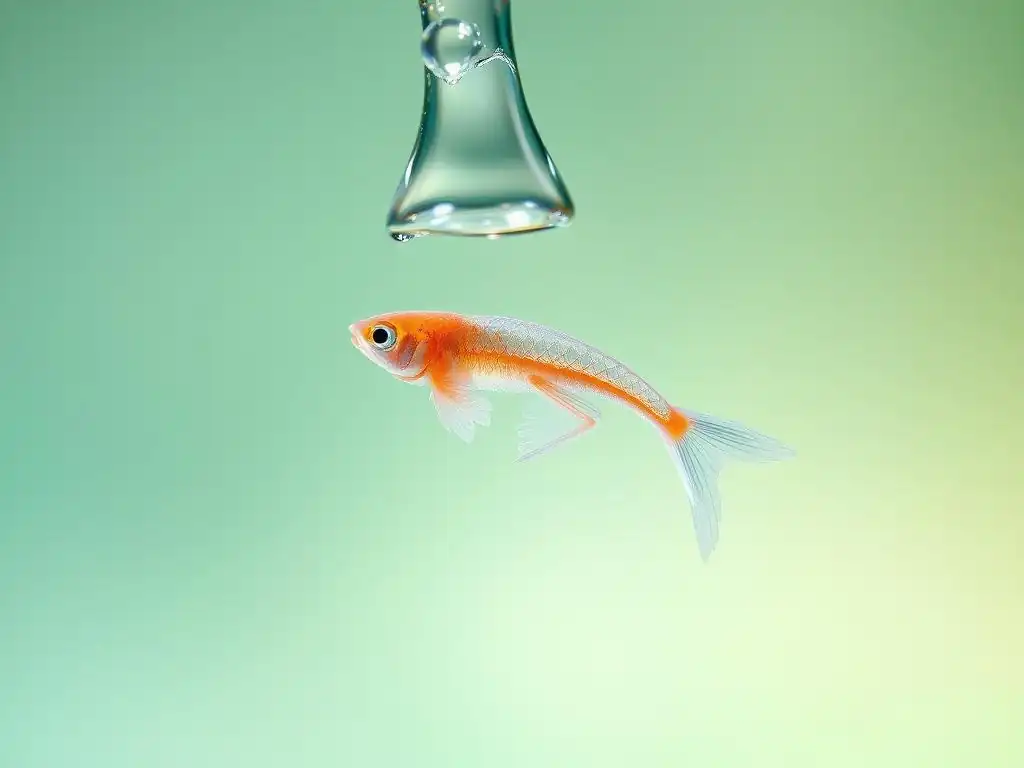
Early detection of killer larvae bacterial infections often begins with careful observation of larval behavior, which can be a more subtle yet crucial indicator than physical symptoms. Healthy larvae typically exhibit active, coordinated swimming patterns, often schooling, and demonstrate a strong feeding response.
In contrast, infected larvae may show signs of lethargy, reduced swimming activity, or erratic movements such as spiraling or twitching. They might also separate from the group, hover listlessly at the surface or bottom, or exhibit a noticeable decrease in their feeding interest, with these behavioral shifts sometimes appearing within 12 to 24 hours of infection onset.
These behavioral changes are significant because they often precede the more obvious physical signs, providing a narrow window for early intervention. A sudden drop in feeding rates across a batch, for instance, even without visible lesions, should immediately raise concerns about potential bacterial issues. Experienced aquarists learn to recognize these subtle cues as a critical first line of defense against rapidly progressing killer larvae bacterial infections.
Recognizing Physical Symptoms: Lesions, Swelling, and Discoloration
As bacterial infections progress, larvae typically develop more overt physical symptoms, though these can be microscopic and require magnification to observe clearly. Common signs include fin erosion, where the delicate fin rays appear frayed or completely disappear, often starting at the caudal or pectoral fins. Cloudy eyes, abdominal distension (bloating) due to fluid accumulation or internal bacterial growth, and general pallor or darkening of the body color are also indicative. In some cases, red streaks (hemorrhage) or small lesions and ulcers may appear on the body surface.
The progression of these physical symptoms often signifies a more advanced stage of killer larvae bacterial infections, making treatment considerably more challenging and less likely to be successful. For example, severe fin erosion or widespread internal bloating suggests that the bacterial load is high and has significantly impacted the larval physiology. Prompt identification of these signs, even minute ones, is crucial for initiating timely and potentially life-saving interventions.
Microscopic Diagnosis: Confirming Bacterial Presence in Larval Cultures
Gram Staining and Culture Techniques for Bacterial Identification
For a definitive diagnosis of killer larvae bacterial infections, microscopic examination and bacterial culture techniques are indispensable. Gram staining is a fundamental step, allowing differentiation between Gram-positive (which stain purple) and Gram-negative (which stain pink/red) bacteria. This distinction is vital as it informs the choice of appropriate antibiotics, as many effective treatments are specific to Gram-negative pathogens commonly found in marine environments. Samples can be taken from affected larvae (e.g., a smear of internal organs or external lesions) or directly from the rearing water.
Following Gram staining, bacterial cultures are grown on specialized agar plates (e.g., Tryptic Soy Agar with 1.5% NaCl for marine strains). A small sample of infected tissue or water is streaked onto the plate and incubated at an appropriate temperature (typically 25-30°C) for 24-48 hours. The resulting colonies can then be examined for morphology, color, and growth patterns, providing strong clues about the specific bacterial culprit behind the killer larvae bacterial infections. Further biochemical tests or molecular methods can then confirm the species.
Distinguishing Pathogenic Bacteria from Beneficial Microflora
A key challenge in microscopic diagnosis is distinguishing between pathogenic bacteria that cause disease and the ubiquitous beneficial or harmless microflora naturally present in any aquatic environment. A healthy larval rearing tank will always contain a diverse bacterial community. Pathogenic bacteria, however, typically exhibit rapid, unchecked growth in culture, often forming dense, uniform colonies. Furthermore, microscopic examination of diseased larvae may reveal a high concentration of a single type of bacterium within tissues or blood, which is a strong indicator of a specific infection.
Experienced microscopists look for specific characteristics:
- Dominance: A single bacterial morphology overwhelming the sample.
- Location: Bacteria present in normally sterile internal tissues (e.g., gut, muscle).
- Morphology: Presence of specific shapes (e.g., long rods, spirilla) not typically associated with healthy gut flora.
While a general bacterial presence is normal, an overwhelming presence of a particular type, especially one known to be virulent, confirms the presence of killer larvae bacterial infections.
Common Bacterial Culprits in Saltwater Larval Rearing Tanks
Vibrio Species: A Ubiquitous Threat to Marine Fish Larvae
Vibrio species are arguably the most notorious and prevalent killer larvae bacterial infections in marine aquaculture and home breeding. These Gram-negative, rod-shaped bacteria are naturally abundant in marine environments and become opportunistic pathogens when larvae are stressed or water quality deteriorates. Species such as Vibrio harveyi, Vibrio anguillarum, and Vibrio alginolyticus are particularly virulent. They can proliferate rapidly in the water column and within live feeds, quickly reaching concentrations lethal to larvae.
Vibriosis, the disease caused by Vibrio species, manifests as septicemia, leading to internal organ damage, necrosis, and high mortality. Larvae often exhibit cloudy eyes, skin lesions, and rapid spiraling or erratic swimming before succumbing. Outbreaks can wipe out 90% or more of a larval batch within 48 hours, making Vibrio a primary concern for any marine aquarist engaged in larval rearing. Effective management requires stringent hygiene and rapid intervention.
Pseudomonas Infections: Recognizing and Managing Outbreaks
Pseudomonas species, another group of Gram-negative bacteria, are also common culprits in killer larvae bacterial infections, particularly Pseudomonas fluorescens. These bacteria are often associated with poor water quality, accumulation of organic matter, and inadequate sanitation. Unlike some Vibrio species that are strictly marine, Pseudomonas can thrive in a wider range of aquatic environments, making them a persistent threat if husbandry practices are not meticulous.
Infected larvae may display symptoms such as fin rot, which progresses rapidly, leading to complete erosion of delicate fins. Skin lesions, often appearing as reddish patches or ulcers, and internal organ damage can also occur. Pseudomonas infections can be challenging to treat due to their potential resistance to certain antibiotics and their ability to form biofilms, which protect them from treatments. Therefore, maintaining exceptionally clean rearing tanks and robust filtration is paramount in preventing and managing Pseudomonas outbreaks.
Other Opportunistic Bacteria Affecting Larval Health
Aeromonas and their Impact on Different Fish Species
While more commonly associated with freshwater systems, Aeromonas species, particularly Aeromonas hydrophila, can occasionally cause significant killer larvae bacterial infections in stressed marine larvae. These Gram-negative bacteria are opportunistic pathogens, meaning they typically cause disease when larvae are already weakened by other stressors such as poor water quality, inadequate nutrition, or temperature fluctuations. They thrive in environments with high organic loads.
Symptoms of Aeromonas infections in marine larvae can include abdominal dropsy (swelling due to fluid accumulation), hemorrhagic septicemia (internal bleeding), and external ulcers or lesions. The impact varies depending on the specific fish species and their susceptibility. For instance, some species might be more prone to dropsy, while others might exhibit more pronounced skin issues. Recognizing their opportunistic nature highlights the importance of comprehensive stress reduction in larval rearing to prevent these bacteria from causing widespread mortality.
Preventing Bacterial Infections in Larval Rearing: Proactive Strategies for Success
Maintaining Optimal Water Quality: The Foundation of Larval Health
Importance of Regular Water Changes and Proper Filtration
Maintaining pristine water quality is arguably the single most critical factor in preventing killer larvae bacterial infections in saltwater fish larvae. Regular water changes are essential, typically involving 10-20% of the tank volume daily, to dilute bacterial loads, remove dissolved organic compounds, and replenish essential trace elements. This consistent removal of waste products prevents the accumulation of toxins that can stress larvae and provide nutrients for pathogenic bacteria.
Equally vital is the implementation of robust filtration systems. Mechanical filtration (e.g., filter socks, sponges) physically removes particulate matter, while biological filtration (e.g., mature filter media with beneficial bacteria) converts toxic ammonia and nitrite into less harmful nitrate. Effective filtration reduces the overall bacterial count in the water column and minimizes the organic load that opportunistic pathogens thrive upon, thereby bolstering the larvae's natural defenses against killer larvae bacterial infections.
Controlling Ammonia, Nitrite, and Nitrate Levels
The nitrogenous waste products—ammonia, nitrite, and nitrate—are highly toxic to delicate fish larvae, even at low concentrations, and their presence significantly increases susceptibility to killer larvae bacterial infections. Ammonia levels as low as 0.05 ppm can be lethal to many marine larval species. Nitrite, while slightly less toxic than ammonia, still impairs oxygen uptake. While nitrate is less acutely toxic, high levels (e.g., above 20 ppm) can cause chronic stress.
Daily monitoring of these parameters using reliable test kits is non-negotiable. To control them, ensure adequate biological filtration capacity is established before adding larvae, avoid overfeeding (a primary source of ammonia), and conduct regular water changes. Maintaining these levels at undetectable or very low concentrations (ammonia and nitrite at 0 ppm, nitrate below 10 ppm) reduces physiological stress on larvae, allowing their nascent immune systems to focus on resisting killer larvae bacterial infections.
Implementing Strict Hygiene Protocols: Minimizing Bacterial Introduction
Sterilizing Equipment and Maintaining a Clean Rearing Environment
Strict hygiene protocols are paramount to preventing the introduction and proliferation of killer larvae bacterial infections. All equipment that comes into contact with larval rearing water or larvae themselves—including tanks, nets, airline tubing, and feeding implements—must be meticulously sterilized before use and between batches. Common sterilization methods include soaking in a 10% bleach solution for at least 30 minutes, followed by thorough rinsing with dechlorinated water and air drying. For smaller items, autoclaving is ideal.
Beyond initial sterilization, maintaining a clean rearing environment involves daily routines. This includes siphoning off uneaten food and detritus from the tank bottom, gently wiping down tank walls to remove biofilm, and ensuring that hands are thoroughly washed and disinfected (e.g., with an alcohol-based sanitizer) before reaching into the larval tank. These daily practices significantly reduce the ambient bacterial load and minimize opportunities for pathogenic strains to establish themselves.
Quarantine Procedures for New Larvae or Broodstock
A critical preventative measure against killer larvae bacterial infections is the implementation of rigorous quarantine procedures for all new broodstock and, if applicable, newly acquired larvae or live feeds. New broodstock should be housed in a separate quarantine system for a minimum of 30 days, ideally longer, to observe for any signs of disease and to treat them if necessary. This prevents the introduction of external pathogens into the main breeding and larval rearing systems, which can otherwise quickly spread to vulnerable larvae.
While quarantining larvae themselves is often impractical due to their delicate nature and short developmental cycles, ensuring that broodstock are healthy and disease-free is the primary line of defense. Furthermore, any live feeds used (rotifers, Artemia) should ideally be cultured in a clean, isolated system or disinfected (e.g., with a mild antiseptic dip) before being fed to larvae. This multi-layered approach to quarantine significantly reduces the risk of introducing new killer larvae bacterial infections into a pristine rearing environment.
Probiotic Use in Larval Rearing: Promoting a Healthy Microbiome
Selecting Appropriate Probiotic Strains for Saltwater Larvae
The strategic use of probiotics has emerged as a promising preventative measure against killer larvae bacterial infections in marine aquaculture. Probiotics are beneficial microorganisms that, when administered in adequate amounts, confer a health benefit on the host. In larval rearing, they work through competitive exclusion, outcompeting pathogens for nutrients and attachment sites, and by producing antimicrobial compounds. Effective probiotic strains for marine larvae often include species from the Bacillus and Lactobacillus genera, specifically those adapted to saline environments.
The selection of appropriate probiotic strains is crucial; not all strains are equally effective for all species or conditions. Research-backed strains known to colonize the larval gut and water column of specific marine fish are preferred. They can be introduced by adding them directly to the rearing water or by enriching live feeds (e.g., rotifers, Artemia) with the probiotic culture before feeding them to the larvae. This proactive approach helps establish a robust beneficial microbiome from the earliest stages of development.
Establishing a Beneficial Bacterial Balance in the Rearing Tank
The goal of probiotic application is to establish and maintain a stable, beneficial bacterial balance within the larval rearing tank, effectively creating a "biofilter" against killer larvae bacterial infections. By introducing high concentrations of advantageous bacteria, they can competitively exclude pathogenic strains, preventing them from reaching infective doses. This is particularly important during the vulnerable early larval stages when their immune systems are still developing.
Consistent dosing of probiotics, often from day one of larval rearing, is key to maintaining this beneficial balance. For instance, daily additions of a Bacillus blend at concentrations of 10^5 to 10^6 colony-forming units (CFU) per milliliter of water can significantly reduce the prevalence of opportunistic pathogens like Vibrio. This creates a healthier environment where larvae are less stressed and better equipped to resist any bacterial challenges they may encounter.
Treating Bacterial Infections in Larvae: Effective Therapies and Protocols
Antibiotic Treatments: When and How to Use Them Responsibly
Choosing the Right Antibiotic for Specific Bacterial Infections
When faced with confirmed killer larvae bacterial infections, antibiotic treatment may be necessary, but it must be approached responsibly. The most effective strategy involves obtaining a definitive diagnosis of the bacterial culprit through Gram staining and bacterial culture, ideally followed by an antibiotic sensitivity test. This test identifies which specific antibiotics are effective against the isolated pathogen, allowing for targeted treatment rather than broad-spectrum application. Common antibiotics used in aquaculture include oxytetracycline, florfenicol, and enrofloxacin.
Using the correct antibiotic is crucial for success and to mitigate the development of antibiotic resistance. Indiscriminate use of broad-spectrum antibiotics without proper diagnosis can lead to resistant bacterial strains, making future outbreaks even harder to treat. Consulting with an aquatic veterinarian or experienced aquaculturist is highly recommended to ensure the appropriate antibiotic is selected and administered.
Dosing Considerations and Potential Side Effects
Accurate dosing of antibiotics for tiny fish larvae presents significant challenges. Medications are typically administered as bath treatments, where the antibiotic is dissolved directly into the larval rearing water for a specified duration (e.g., 24-48 hours). Precise measurement of both the medication and the tank volume is essential to avoid underdosing (ineffective) or overdosing (toxic). Typical concentrations range from 5 to 20 mg per liter, depending on the antibiotic and target species.
Potential side effects of antibiotic treatments on larvae include increased stress, reduced appetite, and disruption of beneficial gut flora, which can lead to secondary issues. Some antibiotics can also be hepatotoxic or nephrotoxic if overdosed or used for extended periods. Following the treatment period, large water changes (e.g., 50-100%) are often necessary to remove residual medication and prevent prolonged exposure. Careful observation of larvae throughout the treatment process is vital to assess efficacy and potential adverse reactions.
Alternative Treatment Options: Exploring Natural Remedies
Using Garlic Extract to Combat Bacterial Growth
Beyond traditional antibiotics, several alternative treatment options can be explored, particularly as adjuncts or for less severe killer larvae bacterial infections. Garlic extract, for instance, contains allicin, a compound with well-documented antibacterial, antiviral, and antifungal properties. It can be utilized by soaking live feeds (like Artemia or rotifers) in a diluted garlic solution before feeding to larvae, or by adding a small, controlled amount directly to the rearing water.
While garlic extract may not be as potent as pharmaceutical antibiotics for severe, rapidly progressing infections, it can contribute to reducing bacterial loads and boosting the larvae's innate immune response. It is often considered a gentler approach with fewer side effects on the beneficial microflora compared to broad-spectrum antibiotics. However, dosage must be carefully managed to avoid any adverse effects on the delicate larvae or water quality.
Employing Ozone or UV Sterilization to Reduce Bacterial Load
Ozone (O3) and ultraviolet (UV) sterilization are powerful tools for reducing bacterial load in the water column, acting as effective preventative and supportive measures against killer larvae bacterial infections. UV sterilizers work by exposing water to germicidal UV-C light, which damages the DNA of free-floating bacteria and other pathogens, rendering them unable to reproduce. A properly sized UV unit (e.g., a 25-watt UV sterilizer for a 50-gallon larval tank, flowing at 200 GPH) can significantly lower the concentration of waterborne pathogens.
Ozone, a strong oxidant, effectively neutralizes bacteria, viruses, and organic pollutants in the water. It is typically introduced via an ozone generator and protein skimmer, ensuring that the ozone reacts with water before reaching the larval tank. Both UV and ozone reduce the overall pathogen pressure on larvae, making it harder for killer larvae bacterial infections to take hold and proliferate. They are particularly valuable in recirculation systems where water is constantly being treated.
Supportive Care for Infected Larvae: Maximizing Recovery Potential
Maintaining Optimal Water Parameters During Treatment
During any treatment for killer larvae bacterial infections, maintaining optimal water parameters is not just important—it is absolutely critical for maximizing recovery potential. Even with effective medication, larvae will struggle to recover if they are simultaneously stressed by poor water quality. This means rigorously adhering to perfect salinity, pH, and temperature levels, and ensuring ammonia and nitrite remain at zero.
Increased vigilance is often necessary; daily or even twice-daily water parameter checks are advisable. If any parameter deviates, immediate small water changes (e.g., 10-15%) should be performed to bring them back into optimal range without unduly stressing the larvae. Consistent, stable, and pristine water provides the best possible environment for larvae to utilize their energy for healing rather than fighting environmental stressors.
Providing Nutritious and Easily Digestible Food
Infected larvae, even if they show reduced appetite, still require energy and nutrients to fuel their immune response and recovery. Providing highly nutritious and easily digestible food is therefore paramount. Live feeds such as rotifers and Artemia nauplii should be enriched with essential fatty acids (DHA, EPA) and vitamins (especially Vitamin C and E, which support immune function) prior to feeding.
Feeding frequency should be adjusted to small, frequent meals to ensure continuous availability of food without fouling the water. Overfeeding can rapidly degrade water quality, creating a vicious cycle that exacerbates killer larvae bacterial infections. The goal is to provide just enough high-quality nutrition to support recovery while maintaining the cleanest possible environment.
Case Studies: Successful Management of Killer Larvae Bacterial Infections in Saltwater Aquariums
Case Study 1: Vibrio Harveyi Infection in Clownfish Larvae
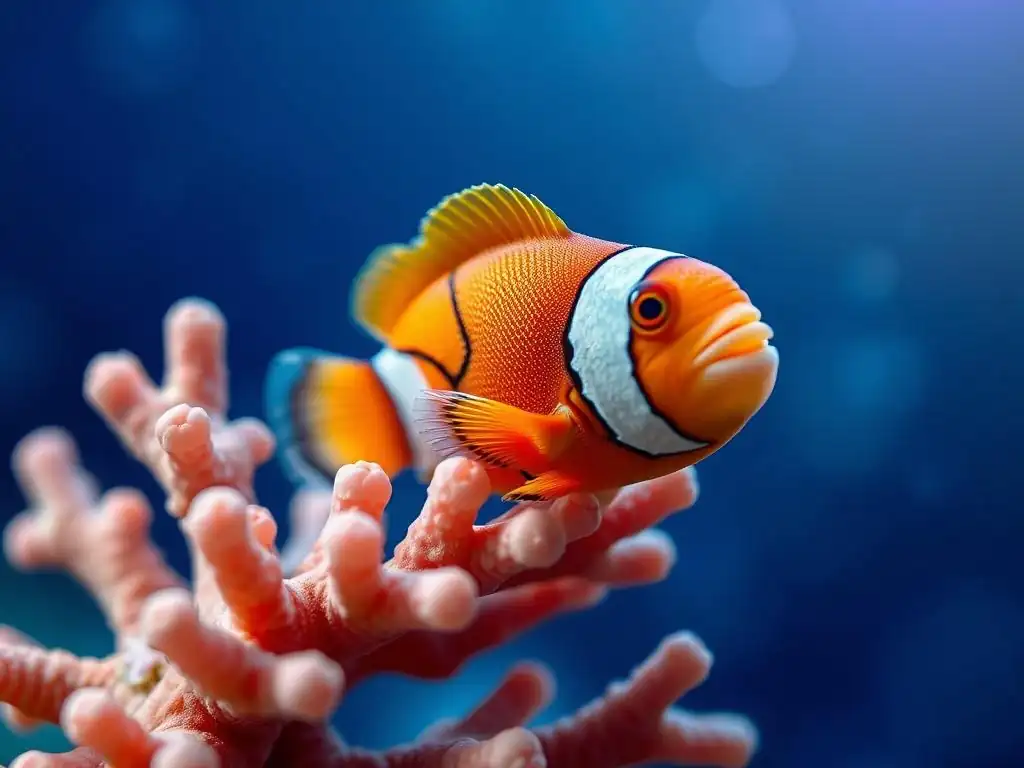
A commercial clownfish hatchery experienced a sudden, devastating outbreak in a batch of approximately 10,000 Amphiprion ocellaris larvae, 5 days post-hatch. Within 24 hours, observed mortality rates skyrocketed from a typical 5% to over 70%, with larvae exhibiting classic signs of killer larvae bacterial infections: cloudy eyes, spiraling swimming behavior, and rapid tissue necrosis. Microscopic examination and subsequent bacterial culture confirmed a heavy presence of Vibrio harveyi.
Immediate intervention was initiated: a 50% water change was performed to reduce the bacterial load, followed by a bath treatment with Florfenicol at a concentration of 10 mg/L for 48 hours. During treatment, aeration was increased, and feeding was temporarily halted to prevent further water fouling. Post-treatment, daily 20% water changes were resumed, and a commercial Bacillus probiotic blend was added to the water at 10^6 CFU/mL for the next week.
Mortality ceased within 12 hours of the first dose. While the initial losses were severe, approximately 15% of the original batch ultimately survived to metamorphosis, a significant recovery from an almost certain total loss.
Case Study 2: Pseudomonas Fluorescens Outbreak in Seahorse Fry
A home breeder raising a batch of 500 Hippocampus erectus fry, 10 days old, noticed a gradual increase in mortality over three days, reaching 40% loss. Fry displayed lethargy, severe fin erosion (especially on the dorsal fin), and reddish discoloration on their snouts. Water quality tests revealed slightly elevated nitrates (40 ppm) and an accumulation of detritus on the tank bottom. Microscopic analysis of affected fry revealed rod-shaped bacteria, and culture confirmed Pseudomonas fluorescens.
The immediate response focused on improving husbandry and targeted treatment. Daily 25% water changes were implemented, along with meticulous siphoning of detritus. Aeration was boosted, and feeding was adjusted to smaller, more frequent meals to prevent excess waste. A targeted antibiotic bath treatment with Enrofloxacin was administered at 5 mg/L for 3 days. Post-treatment, a beneficial bacterial supplement was added to help re-establish a healthy microbiome. Within 48 hours, the fin erosion halted, and the remaining 30% of the original fry batch began to show signs of recovery, with subsequent growth rates returning to normal.
Lessons Learned: Key Takeaways for Preventing Future Infections
These case studies underscore several critical lessons in managing killer larvae bacterial infections:
- Early Detection is Paramount: Rapid identification of behavioral or subtle physical changes provides the narrowest window for effective intervention. Delays can be fatal.
- Water Quality is Non-Negotiable: Both outbreaks were either directly linked to or exacerbated by suboptimal water parameters (elevated nitrates, detritus). Pristine water quality is the foundation of larval health.
- Specific Diagnosis Guides Treatment: While broad-spectrum antibiotics can be used in emergencies, targeted treatment based on bacterial identification and sensitivity testing offers the best chance of success and minimizes resistance development.
- Integrated Management: Success often comes from a multi-pronged approach combining immediate water quality improvements, appropriate medication, and supportive care (e.g., probiotics, optimized feeding).
These killer larvae bacterial infections are often a symptom of underlying husbandry deficiencies. Continuous vigilance and a proactive approach to environmental management are far more effective than reactive treatment.
Long-Term Strategies for Sustainable Larval Rearing: Building a Resilient System
Genetic Selection for Disease Resistance: Breeding for Stronger Larvae
A long-term strategy for building a resilient larval rearing system and mitigating the impact of killer larvae bacterial infections involves genetic selection for disease resistance. This approach focuses on identifying and breeding broodstock that have demonstrated natural immunity or superior survival rates when exposed to common pathogens. In commercial aquaculture, this can involve tracking lineages and selectively breeding individuals from batches that survived an outbreak or consistently show robust health.
By consistently selecting for disease-resistant traits over multiple generations, breeders can gradually develop lines of fish that are inherently more capable of withstanding bacterial challenges. This reduces the reliance on chemical treatments and leads to healthier, more robust offspring. While a long-term endeavor, it represents a sustainable path towards reducing the prevalence and severity of killer larvae bacterial infections by strengthening the larvae from within.
Optimizing Larval Nutrition: Strengthening Immune Function
Optimal nutrition plays a fundamental role in strengthening the developing immune system of fish larvae, thereby enhancing their resistance to killer larvae bacterial infections. Larvae require a comprehensive diet rich in essential nutrients, particularly highly unsaturated fatty acids (HUFAs) like DHA and EPA, as well as crucial vitamins such as Vitamin C and E. These nutrients are vital for cell development, energy metabolism, and the proper functioning of the innate immune system.
Ensuring that live feeds (rotifers, Artemia) are properly enriched with these vital components translates directly to healthier, more vigorous larvae. Well-nourished larvae are better equipped to mount an effective immune response when exposed to pathogens, reducing their susceptibility to disease and improving their chances of survival. A consistent supply of high-quality, enriched food minimizes stress and supports the rapid development of robust immune defenses.
Continuous Monitoring and Early Intervention: Staying Ahead of Potential Problems
The most effective long-term strategy for sustainable larval rearing is the implementation of continuous, meticulous monitoring combined with a proactive approach to early intervention. This involves daily, detailed observation of larval behavior, physical appearance, and growth rates, alongside regular (often daily) checks of all critical water parameters (ammonia, nitrite, nitrate, pH, salinity, temperature). Keeping detailed logs of these observations helps identify trends and deviations from the norm.
The "ounce of prevention is worth a pound of cure" principle applies profoundly to killer larvae bacterial infections. By identifying subtle changes in larval health or water quality at the earliest possible stage, breeders can implement minor adjustments—such as a small, targeted water change, increased aeration, or a mild prophylactic treatment—that prevent minor issues from escalating into full-blown, devastating outbreaks. This proactive vigilance is the cornerstone of a truly resilient larval rearing system.
Frequently Asked Questions
What are the common signs that my fish larvae might be suffering from a bacterial infection?
Early signs can include lethargy, unusual swimming patterns, and a cloudy or opaque appearance. You might also notice increased mortality rates within the larval population.
How does a bacterial infection typically start in a larval aquarium environment?
Bacterial infections often arise from poor water quality, overcrowding, or the introduction of contaminated food or equipment. Maintaining a clean and stable environment is crucial.
What are some effective treatments for bacterial infections in fish larvae?
Treatments can include antibiotic medications specifically formulated for aquatic life, water changes to improve water quality, and isolation of infected larvae to prevent further spread.
Can I prevent bacterial infections in my fish larvae tank?
Yes! Maintaining pristine water quality, ensuring proper filtration, and practicing strict quarantine protocols for new additions are vital preventative measures.
Are some types of bacteria more likely to cause infections in fish larvae than others?
Yes, certain bacteria like Aeromonas and Vibrio are frequently associated with opportunistic infections in fish larvae, especially in suboptimal conditions.
Final Reflection: Safeguarding the Future of Growth
The insights shared throughout this article regarding killer larvae bacterial infections are not merely academic; they represent a critical understanding for safeguarding the future of countless ecosystems and industries reliant on healthy larval populations. The vulnerability of these nascent life stages to bacterial threats demands constant vigilance and proactive intervention, highlighting the urgent need for improved diagnostic tools and treatment strategies to combat these common killers.
This exploration into the microscopic battles waged within larvae underscores the interconnectedness of life and the profound impact unseen forces can have on the macroscopic world. Recognizing the fragility of these early stages of life compels us to act as responsible stewards of the environment, ensuring the survival and prosperity of future generations. The future belongs to those who prepare for it today.
- Malcolm X. This quote resonates deeply, reminding us that proactive measures against larval bacterial infections are investments in a healthier and more sustainable tomorrow.
Now, consider the implications of this knowledge in your own sphere of influence. Whether you're a researcher, an aquaculturist, or simply a concerned citizen, ask yourself: what steps can you take to contribute to a deeper understanding and more effective management of these threats? Let us all commit to fostering a future where the potential of every larva is realized, free from the devastating impact of bacterial infection.
Nurture Life: Transform Your Larval Care Today!
Thank you for exploring our guide to larval health. We hope you found valuable insights into identifying and treating bacterial infections to ensure your aquatic larvae thrive. Now, let's put that knowledge into action!
Here's how you can make a difference:
- Immediately implement preventative measures in your larval rearing tanks based on the diagnostic tips shared.
- Explore further! Seek out advanced microscopy techniques to deepen your understanding of larval microbiology.
- Share your experiences and challenges in treating larval bacterial infections within the Aquarium Mastery community to help other aquarists.
What specific preventative measure will you prioritize in your larval tanks this week to safeguard their health?