
Why Are My Corydoras Dying? Troubleshooting Common Causes

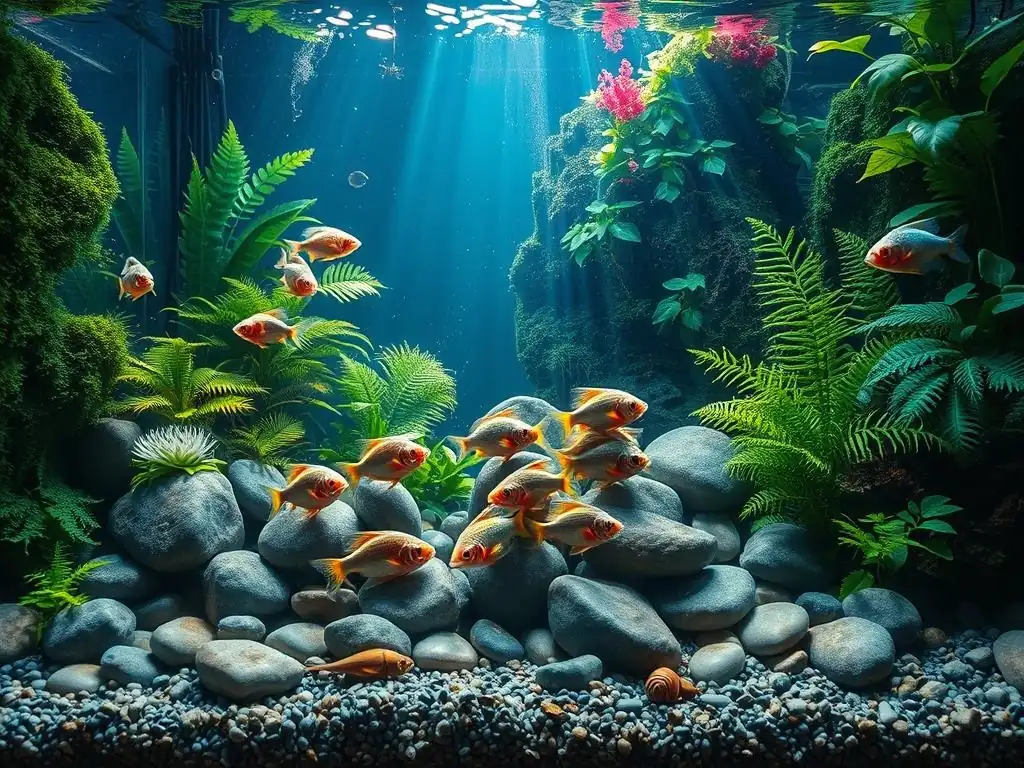
Welcome to Aquarium Mastery!
Ever found yourself baffled by the sudden loss of your adorable Corydoras? You're not alone! Understanding why these peaceful bottom-dwellers sometimes die suddenly can be a real puzzle. Dive into our guide, "Why Are My Corydoras Dying? Troubleshooting Common Causes," and unlock the secrets to keeping your Corydoras thriving. We'll explore the common culprits and equip you with the knowledge you need to ensure a healthy and happy aquarium. Let's get started!
- Understanding Corydoras Health: Preventing Sudden Death
-
Common Reasons for Sudden Corydoras Deaths: A Deep Dive
- Poor Water Quality: The Silent Killer of Corydoras
- Incompatible Tank Mates: Stress and Aggression
- Improper Acclimation: Shocking the System
- Disease Outbreaks: Identifying and Treating Corydoras Diseases
- Nutritional Deficiencies: Feeding Your Corydoras a Balanced Diet
- Substrate Issues: Protecting Corydoras Barbels
- Diagnosing Corydoras Deaths: A Step-by-Step Approach
- Preventing Future Corydoras Deaths: Best Practices
- Corydoras Care Checklist: Ensuring a Healthy Environment
- Frequently Asked Questions
- Final Reflection: Understanding the Fragility of Life in Our Aquariums
- Unlock Corydoras Harmony!
Understanding Corydoras Health: Preventing Sudden Death
Identifying Healthy Corydoras Behavior
Healthy Corydoras exhibit distinct behaviors that signal their well-being. Typically, they are active bottom-dwellers, constantly sifting through the substrate with their sensitive barbels in search of food. They are schooling fish and thrive in groups of at least six individuals, often seen moving together, which provides them with security and reduces stress.
Their coloration should be vibrant and consistent with their species, their eyes clear, and their barbels fully intact and free from fraying or damage. Occasional darting to the surface for a quick gulp of air is also normal behavior for Corydoras, as they possess an accessory intestinal breathing organ.
Observing these normal patterns is crucial for any aquarist. A healthy group of Corydoras will be inquisitive, exploring their environment, and readily coming out during feeding times. Their fins should be held erect and not clamped against their bodies, and their movements should be fluid and coordinated. Any deviation from these typical behaviors can be an early warning sign that something is amiss in their environment or with their health, potentially leading to sudden Corydoras deaths if not addressed promptly.
Recognizing Early Signs of Corydoras Illness
Recognizing the early signs of illness in Corydoras is paramount to preventing widespread losses and is often the key to understanding "Corydoras die suddenly reasons." Subtle behavioral changes are usually the first indicators. A sick Corydoras might become lethargic, spending more time hiding or remaining still, often isolated from its group. They might exhibit clamped fins, rapid or labored breathing, or a noticeable loss of appetite, refusing even their favorite sinking foods. Erratic swimming or listing to one side can also be serious signs.
Physical symptoms will often follow behavioral changes. Look for discoloration or faded patterns on their bodies, which can indicate stress or disease. White spots (Ich), cotton-like growths (fungal infections), red streaks, or ulcers on the body are clear signs of infection. Frayed or damaged fins, particularly the barbels, can point to poor water quality or inappropriate substrate. Bloating, especially if accompanied by raised scales (dropsy), is a severe symptom that often precedes Corydoras deaths. Early detection and intervention are critical to prevent these issues from escalating.
Common Reasons for Sudden Corydoras Deaths: A Deep Dive
Poor Water Quality: The Silent Killer of Corydoras
Poor water quality is arguably the most common and insidious "Corydoras die suddenly reasons." Corydoras are particularly sensitive to fluctuations and toxins in their aquatic environment. While they are hardy in many respects, they cannot tolerate prolonged exposure to suboptimal conditions. Even seemingly minor deviations from ideal parameters can cause chronic stress, weakening their immune systems and making them highly susceptible to diseases that might not affect more robust fish species.
The cumulative effect of poor water quality often manifests as sudden Corydoras deaths because the internal damage or stress response has reached a critical point. A tank that looks clean to the naked eye can still harbor invisible toxins. For instance, a persistent nitrate level above 40 ppm, while tolerated by some fish, can significantly stress Corydoras over time, leading to unexplained fatalities. Maintaining pristine and stable water parameters is not just good practice; it's essential for the long-term survival and health of these peaceful bottom-dwellers.
High Ammonia and Nitrite Levels: Causes and Solutions
Ammonia (NH3) and nitrite (NO2-) are highly toxic compounds that are primary "Corydoras die suddenly reasons," especially in newly set up or improperly maintained aquariums. Even trace amounts, such as 0.25 ppm of ammonia or nitrite, can cause severe gill damage, internal organ failure, and rapid death in sensitive fish like Corydoras. These toxins typically accumulate in tanks that are not fully cycled, are overfed, overstocked, or have insufficient filtration. Decaying organic matter, like uneaten food or dead plant material, also contributes significantly to their buildup.
To combat high ammonia and nitrite, immediate action is necessary. Perform a large water change (50-75%) to dilute the toxins. Ensure your aquarium is properly cycled before adding fish, or use beneficial bacteria supplements to expedite the cycling process. Reduce feeding to prevent excess waste, and ensure your filtration system is adequate for your tank's bioload. Increasing surface agitation and aeration can also help by promoting gas exchange. Regular testing with a reliable liquid test kit (e.g., API Freshwater Master Test Kit) is crucial to monitor these levels, aiming for 0 ppm at all times.
Nitrate Buildup: Managing Nitrate Levels for Corydoras Health
While less acutely toxic than ammonia or nitrite, high nitrate (NO3-) levels are a common long-term "Corydoras die suddenly reasons." For many sensitive species like Corydoras, nitrate concentrations consistently above 20 ppm, and certainly above 40 ppm, can cause chronic stress, suppress the immune system, and lead to various health issues, ultimately resulting in premature death. Nitrates are the end product of the nitrogen cycle and accumulate over time from fish waste and decaying organic matter.
Effective nitrate management is vital for Corydoras health. The most straightforward and effective method is regular partial water changes, typically 25-50% weekly or bi-weekly, depending on your tank's bioload and nitrate readings. Live aquatic plants, such as Anubias, Java Fern, or floating plants like Water Lettuce, are excellent nitrate absorbers and can significantly help maintain lower levels. Avoid overstocking your tank and overfeeding your fish, as these directly contribute to nitrate production. Consider using filter media designed to remove nitrates if levels remain stubbornly high.
pH Imbalance: Maintaining Stable pH for Corydoras
pH imbalance, particularly rapid fluctuations, can be a critical "Corydoras die suddenly reasons." Most Corydoras species thrive in slightly acidic to neutral water, typically within a pH range of 6.0 to 7.5. However, consistency is far more important than hitting an exact number. A sudden shift in pH, even by a full point (e.g., from 7.5 to 6.5 or vice-versa), can cause osmotic shock, severely stressing the fish's internal systems and often leading to death within hours. This can happen during large water changes if the source water's pH differs significantly from the tank's.
To maintain stable pH, avoid using chemicals that rapidly alter pH, as these often lead to dangerous swings. Instead, use pH-buffering substrates like ADA Amazonia Aquasoil, which naturally lowers pH, or crushed coral, which can slowly raise pH if needed for specific species. The most reliable method for pH stability is performing consistent, moderate water changes using dechlorinated water that has a similar pH to your aquarium water. Always test your source water's pH before adding it to the tank to prevent sudden shocks.
Incompatible Tank Mates: Stress and Aggression
Incompatible tank mates are a frequently overlooked "Corydoras die suddenly reasons." Corydoras are inherently peaceful and shy fish that rely on their schooling behavior for security. When housed with aggressive, overly boisterous, or fin-nipping species, they suffer from chronic stress. This constant stress suppresses their immune system, making them highly vulnerable to diseases they might otherwise fight off. They may also become withdrawn, hide constantly, and refuse to eat, leading to malnutrition and eventual decline.
Examples of unsuitable tank mates include large, predatory cichlids (like Oscars or Jack Dempseys), which may view Corydoras as food, or aggressive barbs (such as Tiger Barbs) known for their fin-nipping tendencies. Even fast-moving, high-energy fish can intimidate Corydoras, preventing them from accessing food or resting comfortably. Always research the temperament and needs of potential tank mates carefully to ensure a harmonious environment for your Corydoras.
Fin-Nipping Fish: Identifying and Removing Aggressors
Fin-nipping fish pose a direct threat to Corydoras, as their delicate fins and sensitive barbels are easy targets. Species like some types of barbs (e.g., Tiger Barbs, Rosy Barbs if not in a large school), Gouramis, or even some larger Tetras can relentlessly nip at Corydoras, causing physical damage. This damage not only stresses the Corydoras but also creates open wounds that are highly susceptible to secondary bacterial or fungal infections, which can rapidly lead to Corydoras deaths.
To address this, carefully observe your tank dynamics, especially during feeding times or after lights out. If you identify a fin-nipping aggressor, the best course of action is to rehome it or move it to a separate tank. When selecting tank mates, opt for truly peaceful community fish such as small, peaceful Tetras (e.g., Neon Tetras, Cardinal Tetras), Rasboras, Otocinclus catfish, or peaceful livebearers. Always ensure adequate space and hiding spots to reduce potential aggression.
Competition for Food: Ensuring Corydoras Get Enough to Eat
Corydoras are bottom-dwellers, and while they are active foragers, they are often outcompeted for food by faster, more aggressive, or surface-feeding tank mates. If flake food or floating pellets are the primary diet, they may never reach the bottom where Corydoras feed. This chronic malnutrition weakens their immune system, stunts growth, and makes them highly susceptible to disease, eventually becoming a significant "Corydoras die suddenly reasons."
To ensure your Corydoras receive adequate nutrition, target feed them with sinking pellets, wafers, or granules designed for bottom-dwellers. It's often best to feed them after the main tank lights have been turned off or when other fish are less active, allowing the food to reach the substrate without being consumed by surface feeders. Ensure a sufficient quantity for all Corydoras in the group; for instance, a group of six medium-sized Corydoras might need 2-3 sinking pellets or a quarter of a larger wafer daily, adjusted based on their size and activity level.
Improper Acclimation: Shocking the System
Improper acclimation is a very common "Corydoras die suddenly reasons" for newly introduced fish. Corydoras are particularly sensitive to sudden changes in water parameters, including pH, temperature, and hardness. When fish are moved from their transport bag water directly into a tank with different parameters, they experience osmotic shock. This rapid change in water chemistry disrupts their internal bodily functions, leading to severe stress, organ damage, and often immediate or delayed death within hours or a few days.
The stress of transport combined with sudden parameter shifts can overwhelm even otherwise healthy fish. For example, moving a Corydoras from water with a pH of 7.5 in the bag to a tank with a pH of 6.0 without gradual acclimation can be fatal. The body struggles to adjust its internal salt-water balance to the new environment, leading to cellular damage. This shock can also weaken their immune system, making them vulnerable to any pathogens present in the new tank.
The Importance of Drip Acclimation for Sensitive Corydoras
For sensitive fish like Corydoras, drip acclimation is the gold standard for introduction and significantly reduces the risk of "Corydoras die suddenly reasons." This method slowly introduces the new tank's water to the fish's transport water over an extended period, typically 1 to 2 hours, or even longer for extremely delicate species. This gradual process allows the fish's internal systems to slowly adjust to the new water parameters, minimizing osmotic shock and stress.
To perform drip acclimation, place the fish and their transport water in a clean bucket or container. Use an airline tube and a valve or knot to create a slow siphon from the main aquarium into the bucket, aiming for a drip rate of about 1-2 drops per second. Allow the water volume in the bucket to slowly double or triple, then carefully net the fish and transfer them to the aquarium, discarding the acclimation water. Avoid pouring the transport water into your main tank, as it may contain pathogens or undesirable chemicals.
Avoiding Temperature Shock During Introduction
Temperature shock is another major contributor to "Corydoras die suddenly reasons" when introducing new fish. Even a seemingly small difference of 2-3°C (3-5°F) between the water in the transport bag and the aquarium water can cause severe stress and damage to a fish's delicate system. Rapid temperature changes can disrupt metabolic processes, damage gills, and lead to immediate fatalities or leave the fish highly susceptible to disease.
To prevent temperature shock, always float the sealed bag containing the new Corydoras in the aquarium for 15-20 minutes before opening it. This allows the water temperature in the bag to gradually equalize with the tank water. After temperature equalization, proceed with drip acclimation to address chemical parameter differences. Using a reliable thermometer to confirm the similarity in temperatures between the bag and the tank is a simple yet crucial step that can prevent unnecessary Corydoras deaths.
Disease Outbreaks: Identifying and Treating Corydoras Diseases
While seemingly sudden, most disease-related "Corydoras die suddenly reasons" often have subtle precursors. Stress from poor water quality, incompatible tank mates, or improper diet significantly weakens a Corydoras's immune system, making them highly vulnerable to pathogens that might otherwise be harmless. Once a fish is stressed, dormant pathogens can proliferate, leading to a rapid decline and even a tank-wide outbreak if not addressed.
Common diseases affecting Corydoras include parasitic infections like Ich (White Spot Disease), bacterial infections (e.g., Columnaris, fin rot), and fungal infections. Early identification of symptoms and prompt treatment are critical to prevent the spread of disease and save affected fish. It's important to remember that Corydoras are scaleless or have very small scales, making them sensitive to certain medications, so always check product labels for compatibility.
Bacterial Infections: Symptoms and Treatments for Corydoras
Bacterial infections are a common cause of Corydoras deaths, often appearing as secondary infections after stress, injury, or other illnesses. Symptoms include fin rot (frayed, deteriorating fins, often with white or red edges), body ulcers, red streaks on the body or fins, cloudy eyes, lethargy, and loss of appetite. Columnaris, also known as "Cottonmouth disease," is a particularly aggressive bacterial infection that can rapidly spread, causing white, cotton-like patches around the mouth or on the body, and can lead to rapid Corydoras deaths.
Treatment for bacterial infections typically involves broad-spectrum antibacterial medications like Furan-2 or Erythromycin, often administered in a separate hospital tank to avoid affecting beneficial bacteria in the main aquarium. Simultaneously, it is crucial to drastically improve water quality, as poor conditions are often the underlying cause of these infections. Maintaining pristine water and providing a stress-free environment can significantly aid recovery and prevent recurrence.
Parasitic Infections: Recognizing and Eradicating Parasites
Parasitic infections are significant "Corydoras die suddenly reasons," with Ich (Ichthyophthirius multifiliis), or White Spot Disease, being one of the most common and devastating. Symptoms include visible small white spots on the body and fins, flashing or scratching against tank decor, labored breathing (if gills are affected), and lethargy. Other less common parasites might cause visible worms (e.g., anchor worms, fish lice – though rare in Corydoras) or internal issues leading to emaciation.
For Ich, treatment often involves slowly raising the aquarium temperature to 28-30°C (82-86°F) over several days (if compatible with other tank inhabitants) to speed up the parasite's life cycle, combined with Ich-specific medications containing malachite green or formalin. Always ensure medications are safe for scaleless fish like Corydoras, as some can be harmful. Other parasites may require specific antiparasitic medications, such as those containing praziquantel for internal worms. Prompt diagnosis and treatment are vital to prevent parasitic outbreaks from wiping out an entire group of Corydoras.
Fungal Infections: Addressing Fungal Issues in Corydoras
Fungal infections in Corydoras typically appear as secondary issues, often developing on areas of the body or fins that have been damaged by injury, bacterial infection, or poor water quality. Symptoms include white, cotton-like growths on the body, fins, or mouth. While not usually the primary cause of sudden death, untreated fungal infections can quickly spread and lead to severe tissue damage, making the fish vulnerable to other, more lethal pathogens.
Treatment for fungal infections involves using antifungal medications such as Methylene Blue or products specifically formulated for fungal issues (e.g., Fungus Clear). It is often beneficial to treat in a hospital tank to avoid impacting the main tank's beneficial bacteria. Crucially, addressing the underlying cause of the fungal infection—whether it's poor water quality, an injury, or an existing bacterial issue—is essential to prevent recurrence. Without resolving the primary problem, fungal infections are likely to return.
Nutritional Deficiencies: Feeding Your Corydoras a Balanced Diet
Nutritional deficiencies are a subtle yet impactful "Corydoras die suddenly reasons." While Corydoras are often seen as scavengers, they are not. They require a specific, balanced diet to thrive. A diet lacking essential vitamins, minerals, or proteins can lead to chronic malnutrition, which weakens their immune system, stunts growth, and makes them highly susceptible to diseases and stress. Over time, this can result in organ failure and premature death, even if water parameters are otherwise perfect.
A common mistake is assuming that Corydoras will survive on leftover flake food. This food often floats or dissolves before reaching the bottom where Corydoras feed, leaving them underfed. Providing a varied diet of high-quality sinking foods is paramount to their long-term health and vitality.
Choosing the Right Food for Corydoras
Selecting the right food is crucial for preventing nutritional deficiencies in Corydoras. Their diet should primarily consist of high-quality sinking pellets, wafers, or granules specifically formulated for bottom-feeding catfish. These foods are designed to sink quickly and provide the necessary nutrients. Look for products that list fish meal, spirulina, and various vitamins and minerals among their main ingredients. Examples include Hikari Sinking Wafers, Omega One Sinking Pellets, or Fluval Bug Bites Bottom Feeder Formula.
Avoid relying solely on flake food, as it often disintegrates before reaching the substrate and lacks the density Corydoras need. Ensure the food size is appropriate for your Corydoras species; smaller species will need smaller pellets. Regularly feeding a variety of these sinking foods helps ensure they receive a complete and balanced diet, reducing their risk of falling ill or experiencing sudden Corydoras deaths due to malnutrition.
Supplementing Their Diet
While high-quality sinking pellets form the foundation of their diet, supplementing with live or frozen foods is highly beneficial for Corydoras. These supplements provide essential nutrients, mimic their natural foraging behaviors, and can significantly boost their overall health and vitality. Excellent choices include frozen bloodworms, brine shrimp, and daphnia, which are rich in protein and micronutrients. Live foods, such as blackworms or grindal worms, can also be offered occasionally, provided they are sourced from reputable suppliers to avoid introducing pathogens.
Offer these supplemental foods 2-3 times per week as a treat, in addition to their daily sinking pellets. Ensure that the frozen foods are thoroughly thawed before feeding to prevent internal chills. For example, a group of six Corydoras might enjoy a quarter of a frozen bloodworm cube, broken into smaller pieces, a few times a week. This varied diet not only prevents nutritional deficiencies but also enhances their coloration and encourages natural behaviors, contributing to their long-term health and preventing "Corydoras die suddenly reasons."
Substrate Issues: Protecting Corydoras Barbels
Substrate issues are a less obvious but significant "Corydoras die suddenly reasons." Corydoras use their sensitive barbels (whiskers) to constantly sift through the substrate in search of food. These barbels are crucial sensory organs. If the substrate is sharp, rough, or abrasive, it can cause severe damage to their delicate barbels. Damaged barbels can lead to difficulty finding food, chronic stress, and open wounds that are highly susceptible to secondary bacterial or fungal infections, ultimately leading to decline and death.
Beyond physical damage, certain substrates can also trap detritus or create anaerobic pockets if not properly managed. While less common, if a Corydoras stirs up a pocket of hydrogen sulfide gas from decaying organic matter in deeply compacted substrate, it can be harmful. Therefore, selecting the appropriate substrate is paramount for the long-term health and comfort of your Corydoras.
Sharp Substrates: Preventing Barbel Damage
Sharp or abrasive substrates are a direct threat to Corydoras barbels and a common cause of chronic stress and infection, contributing to "Corydoras die suddenly reasons." Materials like crushed glass, sharp-edged gravel, or even some types of decorative rock with rough surfaces can easily abrade their delicate barbels as they forage. This damage makes it difficult for them to feed effectively and leaves them vulnerable to infections that can spread to their bodies.
To prevent barbel damage, always opt for fine, smooth substrates. Sand, such as pool filter sand, play sand (ensure it's inert and thoroughly rinsed), or specialized aquarium sand (e.g., CaribSea Super Naturals Aquarium Sand, Estes' Marine Sand), is ideal. If you prefer gravel, ensure it is very fine and smooth, with individual grains no larger than 2-3mm in diameter, and absolutely no sharp edges. Regularly check your substrate for any sharp points that might have been introduced or exposed.
Impacted Substrate
While less common, impacted substrate can also pose a risk to Corydoras. Very fine, deep sand, if not regularly disturbed, can sometimes compact tightly. This compaction can trap detritus and create anaerobic (oxygen-deprived) pockets within the substrate. These anaerobic zones can produce toxic gases, such as hydrogen sulfide, which smells like rotten eggs. If a Corydoras sifts through and releases a significant amount of these gases, it can be harmful or even fatal, especially in smaller tanks.
To mitigate the risk of impacted substrate and anaerobic pockets, perform light substrate vacuuming during your regular water changes. Instead of deep vacuuming, gently stir the top layer of the sand to release any trapped gases or detritus. Introducing Malaysian Trumpet Snails (Melanoides tuberculata) can also be highly beneficial; these snails burrow through the substrate, naturally aerating it and preventing compaction, making them excellent tank mates for Corydoras.
Diagnosing Corydoras Deaths: A Step-by-Step Approach
Analyzing Water Parameters: Testing Your Aquarium Water
When faced with "Corydoras die suddenly reasons," the immediate and most crucial first step is to thoroughly analyze your aquarium's water parameters. Poor water quality is the leading cause of stress and death in fish, especially sensitive species like Corydoras. Use a reliable liquid test kit (e.g., API Freshwater Master Test Kit) to check ammonia (NH3), nitrite (NO2-), nitrate (NO3-), pH, and temperature. These readings provide an invaluable snapshot of your tank's immediate health.
Compare your test results to the ideal ranges for Corydoras: Ammonia and Nitrite should always be 0 ppm. Nitrates should ideally be below 20 ppm (and certainly below 40 ppm). pH should be stable within the 6.0-7.5 range, consistent with your Corydoras species' preference. Temperature should be stable, typically between 22-26°C (72-79°F). Any significant deviation in these parameters, particularly the presence of ammonia or nitrite, or extremely high nitrates, points directly to a major cause of the Corydoras deaths.
Observing Corydoras Behavior Before Death: Looking for Clues
Recalling and meticulously observing the behavior of your Corydoras leading up to their death can provide invaluable clues to the "Corydoras die suddenly reasons." Fish rarely die without some prior indication, even if subtle. Did the fish appear lethargic, hiding more than usual, or isolating itself from the group? Was there any change in appetite, such as refusing to eat sinking foods? Did you notice any erratic swimming patterns, gasping at the surface, or rapid gill movements?
Pay close attention to physical changes too. Were their fins clamped? Did their coloration fade or change? Were there any visible spots (like Ich), cottony growths (fungus), red streaks, or ulcers on their bodies or fins? Even seemingly minor changes like slightly frayed barbels can indicate substrate issues or poor water quality. Documenting these observations can help narrow down the potential causes and guide your troubleshooting efforts.
Examining the Deceased Corydoras
While unpleasant, a gentle examination of the deceased Corydoras can often reveal important clues about the "Corydoras die suddenly reasons." Place the fish on a clean, light-colored surface to get a clear view. Look for any external signs of disease or injury that might have been difficult to spot in the tank. Check for white spots, cottony growths, ulcers, red streaks, or visible parasites. Examine the fins for fraying, especially the delicate barbels, which can indicate issues with the substrate or chronic stress.
Observe the gills; healthy gills are typically bright red. Pale or discolored gills can indicate ammonia poisoning, anemia, or certain parasitic infections. Look for any signs of bloating, which might suggest internal issues like dropsy or bacterial infections. While a full internal examination is not feasible for hobbyists, external signs combined with water parameter analysis and behavioral observations can often lead to a conclusive diagnosis and help prevent future Corydoras deaths.
Preventing Future Corydoras Deaths: Best Practices
Regular Water Changes: Maintaining Optimal Water Quality
Regular partial water changes are the single most effective and fundamental practice for preventing "Corydoras die suddenly reasons." Consistent water changes dilute accumulating nitrates, remove dissolved organic compounds, and replenish essential minerals that are depleted over time. A recommended schedule is a 25-30% water change weekly or bi-weekly, depending on your tank's bioload and nitrate readings. This proactive approach significantly reduces chronic stress on your Corydoras and maintains a stable, healthy environment.
When performing water changes, always use a high-quality dechlorinator to neutralize chlorine and chloramines in tap water, as these chemicals are highly toxic to fish. Ensure the temperature of the new water closely matches that of the aquarium water (within 1-2°C or 2-3°F) to prevent temperature shock. Regularly testing your water parameters, even with consistent water changes, helps confirm the effectiveness of your routine and ensures optimal conditions for your Corydoras.
Quarantine New Fish: Preventing Disease Introduction
Quarantining new fish is a critical preventative measure against "Corydoras die suddenly reasons" and widespread disease outbreaks. All new fish, including Corydoras, should be housed in a separate, dedicated quarantine tank for at least 2 to 4 weeks before being introduced to your main display aquarium. This isolation period allows you to observe them closely for any signs of illness, parasites, or unusual behavior without risking the health of your established fish.
During quarantine, you can treat any emerging diseases in a controlled environment, preventing the introduction of pathogens that could decimate your existing fish population. A simple quarantine setup typically includes a bare-bottom tank, a heater, a small filter, and some PVC pipes or plants for hiding spots. This practice significantly reduces the risk of introducing diseases like Ich, Columnaris, or various parasites that can lead to rapid and unexplained Corydoras deaths in your main tank.
Careful Observation: Early Detection of Problems
Careful and consistent observation of your Corydoras is one of the most powerful tools for preventing "Corydoras die suddenly reasons." Spend a few minutes each day simply watching your fish. Look for any subtle changes in their behavior, appetite, or physical appearance. Are they schooling as usual, or is one isolating itself? Are they actively foraging, or refusing food? Do their fins look healthy and erect, or are they clamped or frayed?
Early detection of problems allows for prompt intervention, which can often prevent a minor issue from escalating into a serious health crisis or widespread Corydoras deaths. For instance, noticing a single white spot on a fin can lead to immediate Ich treatment, saving the entire tank. Regular observation helps you become attuned to what is normal for your specific fish, making it easier to spot deviations and take corrective action before it's too late.
Corydoras Care Checklist: Ensuring a Healthy Environment
Water Quality Parameters: Ideal Ranges for Corydoras
Maintaining precise and stable water quality parameters is the cornerstone of preventing "Corydoras die suddenly reasons." For most common Corydoras species, the ideal ranges are:
- Ammonia (NH3): 0 ppm (parts per million)
- Nitrite (NO2-): 0 ppm
- Nitrate (NO3-): Below 20 ppm (ideally closer to 10 ppm for long-term health)
- pH: 6.0-7.5 (stability is more important than an exact number; research your specific species)
- Temperature: 22-26°C (72-79°F)
- General Hardness (GH): 5-15 dGH (degrees of General Hardness)
- Carbonate Hardness (KH): 3-8 dKH (degrees of Carbonate Hardness)
Regular testing with a reliable liquid test kit is essential to ensure these parameters are consistently met. Any deviation, especially the presence of ammonia or nitrite, requires immediate corrective action to safeguard your Corydoras' health.
Tank Size and Setup: Providing Adequate Space
Providing an appropriately sized tank and a suitable setup is crucial for preventing stress and promoting the long-term health of your Corydoras, thereby reducing "Corydoras die suddenly reasons." While pygmy Corydoras can be kept in a 10-gallon tank in a group of 6+, common species like Bronze or Peppered Corydoras require at least a 20-gallon long aquarium for a group of six. A longer tank footprint is preferred over a taller one, as it provides more bottom surface area for foraging and swimming.
The setup should include a fine, smooth substrate like sand (preferred) or very smooth, small gravel to protect their delicate barbels. Provide plenty of hiding spots and enrichment in the form of caves, driftwood, and live plants (e.g., Anubias, Java Fern). Ensure filtration provides gentle flow, as Corydoras prefer calmer water. Overstocking should be avoided, as it leads to increased waste production and stress, contributing to health issues.
Diet and Feeding: Ensuring Proper Nutrition
Ensuring proper nutrition is vital to prevent "Corydoras die suddenly reasons" related to dietary deficiencies. Corydoras are omnivores and require a varied diet of high-quality sinking foods. Their primary diet should consist of sinking pellets or wafers specifically formulated for bottom-feeding catfish, fed daily. These foods are designed to reach the substrate where Corydoras forage and provide essential nutrients.
Supplement their diet 2-3 times per week with live or frozen foods such as bloodworms, brine shrimp, or daphnia. This variety mimics their natural diet, boosts their immune system, and enhances their overall vitality. Always feed after lights out or when other fish are less active to ensure the Corydoras get enough food without being outcompeted. Avoid overfeeding, as excess food can decompose and foul the water quality, leading to other health issues.
Frequently Asked Questions
Why are my Corydoras dying suddenly?
Sudden Corydoras deaths are often linked to poor water quality, specifically ammonia or nitrite spikes. Other causes may include sudden temperature changes or introduction to toxic substances. Always test your water regularly.
What are the common water parameters Corydoras need to thrive?
Corydoras prefer stable water parameters with a pH between 6.0 and 7.5. Maintain a temperature between 72°F and 78°F and ensure zero ammonia and nitrite levels.
Could new tank syndrome be the reason my Corydoras are dying?
Yes, new tank syndrome is a major culprit. An uncycled tank lacks the beneficial bacteria to process waste, leading to lethal ammonia and nitrite build-up, which is toxic to Corydoras.
What diseases commonly affect Corydoras and lead to their death?
While not always sudden, diseases like Ich (white spot disease) and bacterial infections can weaken Corydoras. Early detection and treatment with appropriate medications are crucial for successful recovery.
How can I prevent Corydoras from dying in my aquarium?
Preventative measures include regular water changes, proper acclimation of new fish, and quarantining new arrivals. Maintaining a stable and healthy aquarium environment is the best defense.
Final Reflection: Understanding the Fragility of Life in Our Aquariums
The journey through understanding why Corydoras die suddenly reveals more than just the technical aspects of fishkeeping; it highlights the delicate balance within our aquariums and the profound responsibility we undertake when bringing these creatures into our care. The reasons, ranging from water quality issues to disease, underscore the importance of diligent observation and proactive management.
This exploration of Corydoras health has undoubtedly influenced the way we perceive our aquariums, shifting from mere decoration to miniature ecosystems demanding our attention and respect. The realization that seemingly small oversights can have devastating consequences for these sensitive fish is a powerful reminder of our interconnectedness with the natural world. The greatness of a nation and its moral progress can be judged by the way its animals are treated.
- Mahatma Gandhi. This quote, while broad, resonates deeply when considering the ethical implications of keeping any animal, including our beloved Corydoras.
Now, armed with this knowledge, consider how you can transform your aquarium into a haven for your Corydoras. Reflect on your current practices, identify areas for improvement, and commit to providing the best possible environment for these fascinating creatures. Let this article serve as a catalyst for deeper understanding and a renewed dedication to the well-being of your aquatic companions.
Unlock Corydoras Harmony!
Thank you for diving into the world of Corydoras with us! We hope this article has armed you with the knowledge to better understand and care for your beloved bottom-dwellers. Now, let's put that knowledge into action!
- Immediately test your aquarium water parameters (ammonia, nitrite, nitrate, pH) to identify and correct any imbalances impacting your Corydoras. This is your primary action.
- Consider adding live plants like Java Moss or Anubias to create a more natural and stress-free environment for your Corydoras, mimicking their native habitat.
- Share your Corydoras care tips and tank setup experiences in the comments below to help fellow aquarium enthusiasts!
What specific water parameter are you struggling with the most in your Corydoras tank right now?