
pH Shock in Tetra Fry: Prevention and Advanced Recovery with Aquarium Mastery

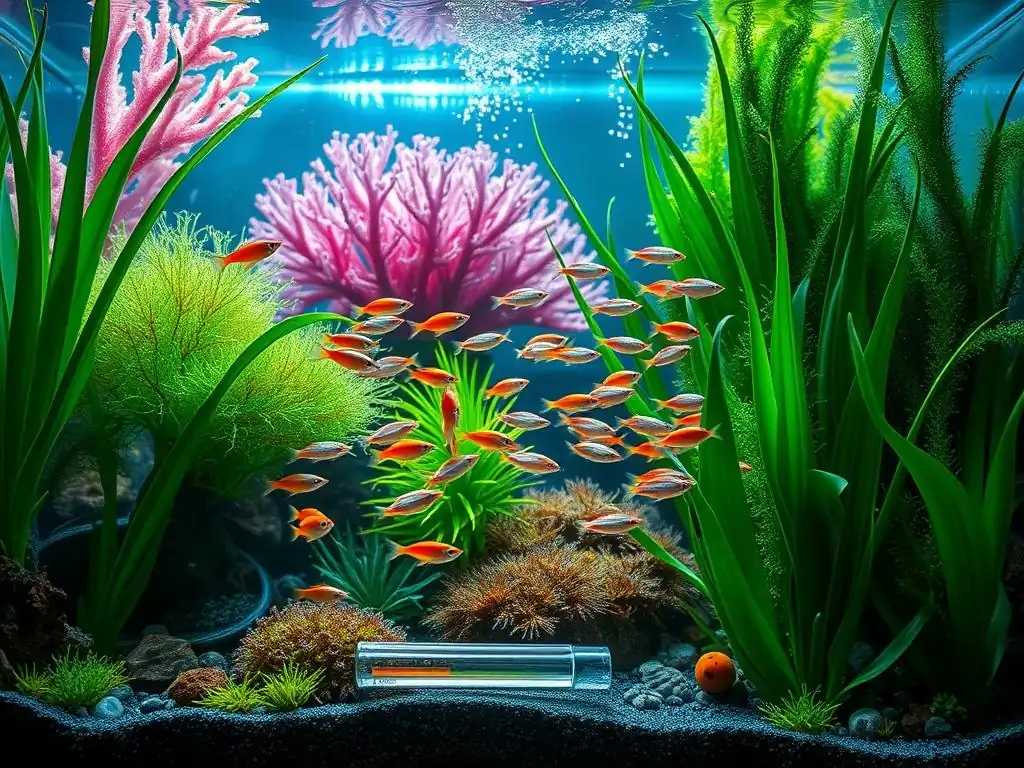
Welcome to Aquarium Mastery, your ultimate guide to thriving aquatic ecosystems!
Ever wondered if that sudden fish loss could be more than just bad luck? Dive into our latest article where we unravel the mystery of pH shock, especially in delicate tetra fry. Discover proven strategies for prevention and advanced recovery, ensuring your tiny treasures flourish. Ready to master the art of aquarium care? Let's get started!
- pH Shock in Neon Tetra Fry: Prevention and Advanced Recovery with Aquarium Mastery
- Understanding pH Shock and Its Impact on Neon Tetra Fry
- Preventing pH Shock in Your Neon Tetra Fry Tank: Proactive Measures
- Recognizing the Signs of pH Shock in Neon Tetra Fry
- Advanced Recovery Techniques for Neon Tetra Fry Affected by pH Shock
- Long-Term Strategies for Maintaining pH Stability in Neon Tetra Fry Tanks
- Case Studies: Successful Neon Tetra Fry Recovery from pH Shock
- Conclusion: Mastering pH Management for Thriving Neon Tetra Fry Populations
- Frequently Asked Questions
- Final Reflection: Navigating the Delicate Balance of Life
- Revitalize Your Tetra Fry: Dive Deeper into Aquarium Mastery!
pH Shock in Neon Tetra Fry: Prevention and Advanced Recovery with Aquarium Mastery
Understanding pH Shock and Its Impact on Neon Tetra Fry
What is pH Shock in the Context of Neon Tetra Fry?
pH shock in aquarium fish refers to a rapid and significant change in the water's acidity or alkalinity, which leads to severe physiological stress. For delicate neon tetra fry, this phenomenon disrupts their osmotic balance, the critical process by which fish regulate salt and water levels in their bodies through their gills. Even a seemingly minor shift of 0.5 to 1.0 pH unit occurring within a short timeframe, such as an hour or two during a water change or due to an environmental factor, can be acutely detrimental and initiate the cascade of negative effects associated with pH shock.
This susceptibility is particularly pronounced in neon tetra fry due to their underdeveloped osmoregulatory systems, which are not as robust as those of adult fish to compensate for sudden environmental shifts. Their tiny size and inherently high metabolic rate, driven by rapid growth, further diminish their resilience to external stressors like abrupt pH changes. Unlike mature specimens that might tolerate slight fluctuations, the young neon tetra fry lack the physiological reserves to withstand such chemical instability, making them exceptionally vulnerable to pH shock.
Why Neon Tetra Fry are Highly Vulnerable to pH Fluctuations
The primary biological reason for the heightened vulnerability of neon tetra fry to pH fluctuations lies in their immature anatomy and physiology. Their skin is significantly thinner than that of adult fish, offering less protection against external chemical changes, and their gill structures are still developing, making them less efficient at maintaining internal balance when water chemistry shifts.
Furthermore, their internal organs, including kidneys and other osmoregulatory components, are not yet fully matured, rendering them less capable of compensating for rapid shifts in the water's hydrogen ion concentration. Their optimal pH range is remarkably narrow, typically between 6.0 and 7.0 for healthy development and growth, and even deviations of 0.2-0.3 pH units outside this range can induce significant stress.
Moreover, the intense metabolic demands associated with the rapid growth of neon tetra fry consume a substantial amount of their energy reserves. This leaves them with limited physiological capacity to cope with additional environmental stresses such as pH shock.
Any energy that must be diverted towards emergency osmoregulation due to a sudden pH change is energy that cannot be used for growth, immune function, or overall development. This increased metabolic rate also means they are more sensitive to changes in dissolved gases and mineral content, which are intrinsically linked to the water's pH, exacerbating their fragility in the face of pH fluctuations.
The Devastating Effects of pH Shock on Young Neons: Mortality and Health Issues
The immediate effects of pH shock on neon tetra fry are often catastrophic. Rapid changes in pH cause severe damage to their delicate gill tissues, impairing their ability to absorb essential oxygen from the water and expel carbon dioxide, leading to acute respiratory distress. Affected fry will typically exhibit labored breathing, characterized by rapid gill movements and often gasping at the water surface.
Other visible signs include erratic swimming patterns, a complete loss of balance, and noticeable discoloration as their bodies struggle to cope. Mortality rates from severe pH shock can be alarmingly high, frequently reaching 80-100% within a few hours to a few days following the incident, decimating entire batches of neon tetra fry.
For the neon tetra fry that manage to survive the initial onslaught of pH shock, the long-term health consequences can be equally dire. These survivors often suffer from chronic stress, which can manifest as stunted growth, significantly weakened immune systems, and a heightened susceptibility to secondary infections, including common fungal or bacterial diseases.
Their overall survival rate to adulthood can be severely compromised; whereas a typical survival rate might be 60-70% under consistently ideal conditions, a batch of fry experiencing even moderate pH shock could see their survival drop to less than 20%, impacting future breeding efforts and population health within the aquarium.
Preventing pH Shock in Your Neon Tetra Fry Tank: Proactive Measures
Establishing a Stable and Buffered Aquarium Environment for Neon Tetra Fry
The Importance of Proper Cycling Before Introducing Neon Tetra Fry
Proper aquarium cycling is an indispensable foundation for preventing pH shock in neon tetra fry. This biological process establishes colonies of beneficial nitrifying bacteria that are essential for converting highly toxic ammonia (NH3) and nitrite (NO2-) into less harmful nitrate (NO3-). In an uncycled or inadequately cycled tank, ammonia and nitrite levels can rapidly fluctuate and reach dangerous concentrations, which not only directly poison fish but also cause significant and unpredictable shifts in water pH, thereby directly contributing to the risk of pH shock.
It is crucial to understand that achieving a fully cycled and mature aquarium environment typically requires a dedicated period of 4-6 weeks for new setups. Introducing delicate neon tetra fry into a tank that has not completed this critical biological maturation dramatically increases their exposure to unstable water chemistry, including wild pH swings and fluctuations in alkalinity that are crucial for buffering pH. Therefore, before any fry are introduced, it is absolutely essential to confirm that ammonia and nitrite levels are consistently at 0 ppm, and nitrates are below 20 ppm, ensuring a stable and safe environment.
Choosing the Right Substrate and Decorations to Maintain Stable pH
The choice of substrate and decorations plays a subtle yet significant role in maintaining stable pH levels in a neon tetra fry tank. Inert substrates such as fine sand, specialized planted tank substrates like fluorite, or even bare-bottom tanks are generally considered safe as they do not significantly alter water chemistry.
Conversely, aquarists must meticulously avoid materials that can leach minerals and consequently alter pH and water hardness, such as crushed coral, aragonite, limestone, or certain types of decorative rocks, which tend to raise both pH and general hardness (GH/KH), creating an environment often unsuitable for neon tetra fry, who prefer slightly acidic conditions.
For aquariums specifically designed for neon tetra fry, incorporating natural elements like appropriately sized pieces of driftwood and a small amount of aquarium-safe peat moss can be highly beneficial. Driftwood, when properly prepared and leached, gradually releases tannins into the water, which naturally lower the pH slightly and provide a gentle buffering capacity.
This helps to create a more stable, slightly acidic environment, typically in the range of pH 6.0-6.5, which is ideal for neon tetras. Similarly, peat can be safely used in filter media bags to achieve and maintain a consistent, soft, and acidic water profile, further aiding in the prevention of pH shock.
Gradual Acclimation: The Key to Introducing Neon Tetra Fry to New Water
Drip Acclimation Method for Sensitive Neon Tetra Fry
The drip acclimation method is paramount for safely introducing highly sensitive neon tetra fry to a new aquatic environment, minimizing the risk of pH shock. This technique involves slowly introducing water from the target aquarium into the fry's transport container using a piece of airline tubing and a control valve or knot. The primary objective is to equalize all critical water parameters—temperature, pH, and general hardness—over an extended period, allowing the fry to gradually adjust to the new conditions without experiencing sudden, stressful shifts.
For the exceptionally delicate neon tetra fry, this acclimation process should ideally extend for a minimum of 1-2 hours for every 0.5 pH unit difference between the transport water and the target tank water. To execute, place the fry in a clean container with their original transport water.
Set up a drip line from the main tank, adjusting the flow rate to a slow and steady 1-2 drops per second. Once the volume of water in the fry's container has approximately doubled or tripled, carefully net the fry and transfer them to the main tank, ensuring none of the original transport water enters the established aquarium to prevent contamination.
Monitoring Water Parameters During Acclimation
Prior to initiating any acclimation process, it is absolutely critical to accurately test the water parameters of both the fry's transport water and the target aquarium water. Utilize reliable liquid test kits to measure key parameters such as pH, temperature, general hardness (GH), and carbonate hardness (KH). Note any significant discrepancies between the two water sources. For neon tetra fry, a difference exceeding 0.5 pH units or a temperature variance of more than 2 degrees Fahrenheit (approximately 1.1 degrees Celsius) necessitates a more extended and cautious acclimation period.
Throughout the drip acclimation process, periodic monitoring of the water parameters within the fry's container is highly recommended. By retesting the pH, temperature, and hardness of the water in the container every 30-60 minutes, aquarists can observe the gradual shift towards the target tank's parameters.
This proactive monitoring ensures that the acclimation is proceeding at an appropriate pace and allows for real-time adjustments to the drip rate if the change is occurring too rapidly or too slowly. The aim is for the pH in the container to be within 0.1-0.2 pH units of the target tank water before the final transfer, significantly reducing the risk of pH shock.
Regular Water Testing and Maintenance: Keeping pH Levels Consistent
Recommended pH Range for Neon Tetra Fry
Maintaining the correct and stable pH range is paramount for the health and survival of neon tetra fry. The optimal pH range for these delicate young fish is typically between 6.0 and 7.0. However, for successful breeding and rearing, an ideal target within this range is often considered to be 6.5-6.8. More critically than hitting an exact number, consistency within this range is the key; a stable pH of 6.2, for example, is far preferable and less stressful than a pH that fluctuates wildly between 6.0 and 7.5 over a short period.
To ensure this consistency, diligent and regular monitoring of pH levels is non-negotiable. Aquarists should test the pH of their fry tank at least weekly, and ideally even daily during the most critical developmental stages of the fry. Fluctuations outside this narrow optimal range, particularly rapid drops below 5.5 or sudden rises above 7.5, can very quickly induce severe pH shock in neon tetra fry, leading to stress, illness, or mass mortality.
Avoiding Sudden Water Changes That Can Trigger pH Swings
One of the most common causes of pH shock in sensitive fry is large, infrequent water changes. To mitigate this risk, it is strongly advised against performing massive water replacements. Instead, aquarists should implement a strategy of smaller, more frequent water changes, typically 10-15% of the tank volume weekly. This approach effectively maintains water quality by diluting nitrates and other wastes without introducing drastic shifts in the water parameters that could trigger pH shock.
Furthermore, it is crucial to understand that even dechlorinated tap water can possess a significantly different pH or buffering capacity (KH) compared to the established aquarium water. To counteract this, always pre-condition new water by allowing it to sit in a dedicated aging barrel or bucket for 24-48 hours, ideally with an air stone and heater. This process allows the water to off-gas chlorine and other volatile compounds, and its pH to stabilize, closely matching the tank's conditions. This meticulous preparation of replacement water dramatically reduces the likelihood of pH shock during routine maintenance for delicate neon tetra fry.
Recognizing the Signs of pH Shock in Neon Tetra Fry
Identifying Early Warning Signs: Changes in Behavior and Appearance
Observing Breathing Patterns and Fin Movement
Recognizing the early warning signs of pH shock in neon tetra fry is crucial for timely intervention. One of the most immediate and telling indicators is a change in their breathing patterns. Fry experiencing pH shock will often exhibit rapid, labored breathing, characterized by their gills moving at an accelerated rate, often two to three times their normal pace.
They may also be seen gasping at the water surface in an attempt to get more oxygen, a clear sign of respiratory distress. Concurrently, their delicate fins might appear clamped tightly against their bodies, and they may struggle to swim normally, instead darting erratically or remaining motionless at the bottom of the tank.
These behavioral changes are clear distress signals that demand immediate attention. Healthy neon tetra fry are typically active, schooling, and exhibit smooth, coordinated swimming. Any significant deviation from this normal behavior, such as persistent erratic swimming, an unusual lack of movement, or prolonged periods of stillness, especially when combined with visibly rapid gill movements, should prompt an immediate and thorough testing of water parameters, with particular emphasis on pH levels, to confirm or rule out pH shock as the underlying cause.
Recognizing Loss of Appetite and Lethargy
Another critical early warning sign of pH shock in neon tetra fry is a sudden and noticeable loss of appetite. Healthy neon tetra fry are typically voracious eaters, constantly scavenging for microscopic food particles. If they suddenly refuse food, show no interest during feeding times, or spit out food they do manage to ingest, it is a strong indicator of severe stress or illness, and pH shock should be a primary suspect. This cessation of feeding is a direct consequence of their physiological systems being overwhelmed by the pH imbalance.
Accompanying the loss of appetite, lethargy and disorientation are also common symptoms. Fry affected by pH shock may appear listless, float aimlessly near the surface or mid-water, or lie on their sides at the bottom of the tank, often appearing unresponsive to external stimuli. This profound lack of energy and abnormal positioning signifies severe physiological distress, indicating that their internal systems are struggling to cope with the sudden environmental change. Such signs necessitate urgent action to stabilize water conditions for the affected neon tetra fry, as prolonged exposure can quickly lead to mortality.
Differentiating pH Shock Symptoms from Other Common Neon Tetra Fry Ailments
While symptoms such as lethargy, clamped fins, and loss of appetite can overlap with various other common fish diseases (e.g., Ich, bacterial infections, or parasitic infestations), pH shock typically distinguishes itself by its rapid onset and its tendency to affect multiple fry simultaneously across the entire tank if the overall water parameters have shifted. A crucial diagnostic step is a quick and accurate test of the water's pH using a reliable liquid test kit.
A confirmed significant deviation from the optimal range (e.g., a sudden drop from pH 6.5 to 5.0) immediately points to pH shock as the primary underlying cause.
In contrast, other common ailments often present with more specific and distinct physical signs. For instance, Ich (Ichthyophthirius multifiliis) is characterized by visible white spots resembling salt grains on the body and fins. Bacterial infections might manifest as fin rot, red streaks, or ulcers, while fungal infections typically appear as white, cotton-like growths.
pH shock, however, primarily manifests as acute distress related to osmoregulation and respiration, without these distinct external lesions in its initial stages. A sudden, widespread decline in the health of neon tetra fry that occurs immediately following a water change, the introduction of new water, or any significant disruption to the tank's environment strongly indicates pH shock rather than a contagious disease.
Advanced Recovery Techniques for Neon Tetra Fry Affected by pH Shock
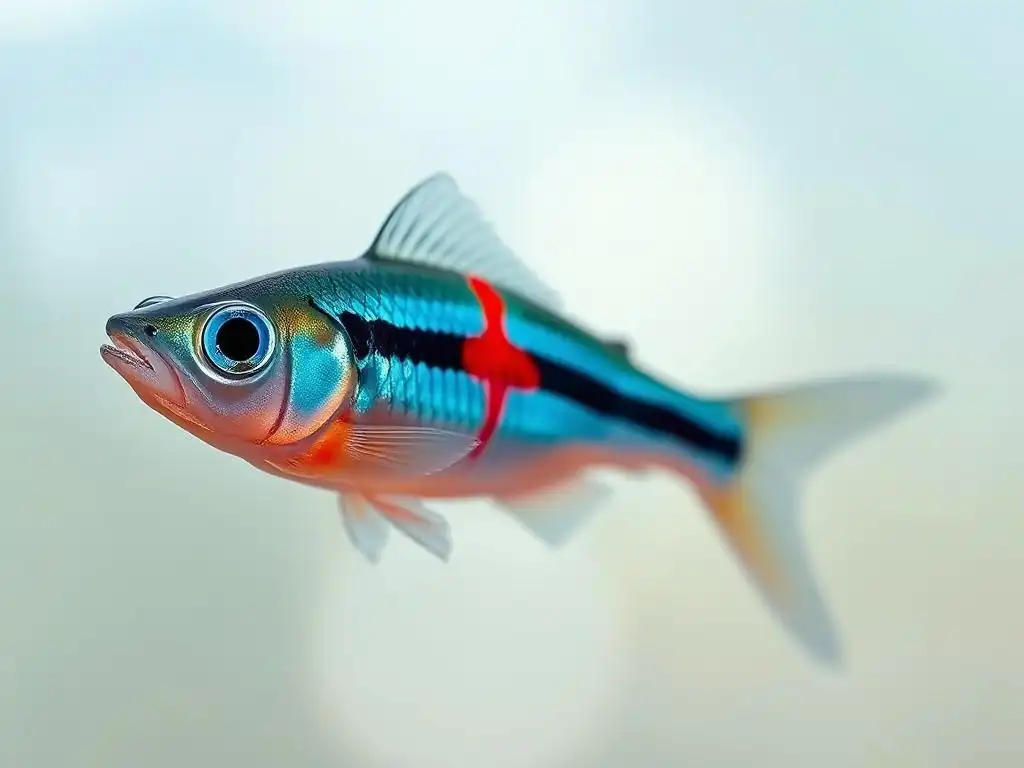
Immediate Actions: Isolating Affected Fry and Stabilizing Water Parameters
Upon the immediate recognition of pH shock in neon tetra fry, the very first critical step is to gently isolate the most severely affected individuals. Transfer them carefully using a soft net into a separate, pre-prepared quarantine container. This container should contain water that precisely matches the current pH of the main tank, not the desired target pH.
This initial isolation prevents further stress from immediate, drastic changes while allowing the aquarist to focus on stabilizing the primary environment. Simultaneously, perform an immediate and accurate test of the main tank's pH to confirm the extent and direction of the pH shock.
The next paramount step is to begin the careful process of stabilizing the main tank's water parameters. If the pH is drastically off, for example, a sharp drop from 6.5 to 5.0, it is imperative not to attempt to raise it back to the optimal range in a single, rapid adjustment. Instead, the goal is a very gradual correction.
Aim to adjust the pH by no more than 0.1-0.2 pH units per hour. This can be achieved by adding minute amounts of an appropriately dilute pH adjusting solution or by slowly dripping in small quantities of pre-buffered water that has the desired pH, allowing ample time between additions for the water chemistry to stabilize and for the fry to adapt.
Adjusting pH Levels Gradually: Avoiding Over-Correction
Using pH Buffers and Adjusters Safely for Neon Tetra Fry
When it becomes necessary to use pH buffers or adjusters to correct pH shock in neon tetra fry, extreme caution and precision are paramount. Products designed to either raise or lower pH must be diluted significantly more than typically recommended for adult fish and added in minuscule increments over an extended period, often several hours or even days, to prevent further stress on the sensitive fry.
For instance, if attempting to raise a dangerously low pH, a tiny pinch of baking soda (sodium bicarbonate) dissolved in a cup of tank water can be used, but only a few drops of this solution should be added at a time, allowing 30-60 minutes between additions to observe the effect on the tank's pH.
The risk of over-correction is as dangerous, if not more so, than the initial pH shock. Rapidly swinging the pH back and forth will only exacerbate physiological stress, leading to increased mortality among the neon tetra fry. The ultimate goal is a slow, steady, and controlled return to the optimal pH range, not a quick fix. Always pre-mix any pH-adjusting solution with tank water outside the main aquarium before carefully adding it, and under no circumstances should concentrated powders or liquids be directly introduced into the fry tank, as this can create localized pockets of extreme pH.
Monitoring pH and Ammonia Levels Closely During Recovery
During the critical recovery phase from pH shock, continuous and exceptionally accurate monitoring of water parameters is non-negotiable. The pH of the tank should be tested every 30-60 minutes initially, and then every few hours as stability begins to improve. Utilize a highly reliable liquid test kit, as test strips may not provide the necessary precision for such delicate adjustments. This frequent monitoring ensures that the gradual pH correction is proceeding as intended and allows for immediate adjustments if the change is too rapid.
Beyond pH, it is equally crucial to monitor ammonia (NH3) and nitrite (NO2-) levels with diligence. pH shock, particularly a significant drop in pH, can severely compromise the efficiency of the biological filter, potentially leading to dangerous ammonia spikes. This occurs because the beneficial nitrifying bacteria responsible for converting ammonia and nitrite are sensitive to pH fluctuations and can become inhibited or die off in highly acidic conditions.
Elevated ammonia or nitrite will further stress the already weakened neon tetra fry, hindering their recovery. Therefore, the aim must be to maintain 0 ppm for both ammonia and nitrite, and keep nitrates below 10-20 ppm, ensuring the water remains pristine.
Supportive Care: Providing Optimal Conditions for Fry Healing
Maintaining Pristine Water Quality and Oxygen Levels
Maintaining pristine water quality is absolutely vital for the successful recovery of neon tetra fry after a pH shock event. This involves performing small, frequent water changes, typically 5-10% of the tank volume daily. Each water change must utilize pre-treated water that precisely matches the tank's current temperature and pH, to avoid introducing further stress. Ensure the filtration system provides gentle but effective mechanical and biological filtration, removing waste particles without creating strong currents that could further exhaust the weakened fry.
High dissolved oxygen levels are equally critical for fry recovering from the respiratory distress often caused by pH shock. Increase surface agitation within the tank by adding an air stone connected to an air pump, or by carefully positioning the filter outflow to create ripples on the water surface. This enhances gas exchange, ensuring an ample supply of oxygen for their compromised gills. Additionally, maintain a stable water temperature within the optimal range for neon tetras (typically 72-78°F or 22-26°C), as any temperature fluctuations will add unnecessary stress to the already vulnerable fry.
Offering Easily Digestible Food and Supplements
While the appetite of neon tetra fry may be significantly reduced after experiencing pH shock, it is important to offer small amounts of highly nutritious and easily digestible food to support their recovery. Live foods such as infusoria, microworms, or newly hatched brine shrimp are ideal due to their high nutritional content and ease of digestion.
If live foods are not readily available, finely crushed high-quality flake food specifically designed for fry, or specialized commercial fry foods, can be used. It is crucial to feed very sparingly to avoid fouling the water, which would counteract efforts to maintain pristine conditions.
To further bolster the fry's immune system and aid in their healing process, consider incorporating a high-quality liquid vitamin supplement designed for aquarium fish. This can be added directly to the water in very dilute doses, or food can be soaked in the supplement before feeding. Some aquarists have also reported anecdotal success with very dilute doses of stress coat products, often containing aloe vera, which are believed to help repair and protect the fish's damaged slime coat. However, extreme caution is advised when using any additives with delicate fry, and thorough research into product suitability is recommended.
Treating Secondary Infections: Addressing Complications from pH Shock
Identifying and Treating Fungal or Bacterial Infections
Neon tetra fry that have been weakened by pH shock are highly susceptible to opportunistic secondary infections, as their immune systems are severely compromised. It is crucial to vigilantly observe the fry for signs of these infections, which often appear within 24-72 hours after the initial pH shock event. Look for white, fuzzy growths on their bodies or fins, which are indicative of fungal infections (e.g., Saprolegnia). Bacterial infections may manifest as red streaks, clamped fins that become ragged or eroded, or a general cloudy appearance to their skin.
Prompt and appropriate treatment is essential to prevent these secondary infections from becoming fatal. For fungal infections, mild antifungal medications specifically designed for sensitive fish can be used, often at half the manufacturer's recommended dose for fry to minimize further stress. Bacterial infections may necessitate the use of broad-spectrum antibiotics, again, administered with extreme care and typically at reduced dosages suitable for fry.
Always remove activated carbon from the filter before medicating, as it will absorb the treatment, and meticulously follow all product instructions. Continuous close monitoring of the fry for any adverse reactions to the medication is also critical during this sensitive period.
Long-Term Strategies for Maintaining pH Stability in Neon Tetra Fry Tanks
Selecting Appropriate Filtration Systems for Neon Tetra Fry
The choice of filtration system is fundamental for maintaining long-term pH stability and overall water quality in a neon tetra fry tank. Sponge filters are overwhelmingly recommended for these delicate setups due to several key advantages. They provide a gentle flow, which is crucial as strong currents can stress and exhaust tiny fry. More importantly, their porous sponge material offers an exceptionally large surface area for beneficial nitrifying bacteria to colonize, ensuring robust biological filtration that efficiently converts toxic ammonia and nitrite, thereby preventing dangerous pH swings associated with nitrogen cycle imbalances.
While sponge filters are often the primary choice, other filtration types like small hang-on-back (HOB) filters or even canister filters can be adapted for fry tanks. If using these, it is imperative to cover the intake tube with a pre-filter sponge to prevent the tiny neon tetra fry from being sucked in.
These filters can offer excellent mechanical and chemical filtration capabilities, which can be further enhanced by incorporating specific filter media such as peat or specialized pH-buffering media. These additions can help to naturally maintain a stable pH within the desired acidic range for neon tetra fry over an extended period, reducing the need for constant chemical adjustments.
Implementing a Regular Water Change Schedule That Minimizes pH Fluctuations
Consistency in water maintenance is paramount for long-term pH stability in neon tetra fry tanks. A routine of small, frequent water changes is by far superior to large, infrequent ones. For instance, performing 10-15% water changes every 3-4 days, or a maximum of 20% weekly, is ideal. This consistent practice effectively dilutes accumulated nitrates and other metabolic wastes, preventing their buildup which can otherwise lead to gradual pH drops or other parameter shifts. By avoiding drastic changes in water volume and chemistry, this schedule directly minimizes the risk of inducing pH shock.
Crucially, always prepare replacement water well in advance of a water change. This involves letting the water sit for at least 24-48 hours in a dedicated aging container, ideally with an air stone and a heater. This process allows volatile compounds like chlorine to off-gas and, more importantly, permits the water's pH to stabilize and come into equilibrium with the air, closely matching the tank's conditions. This meticulous pre-treatment of replacement water significantly reduces the likelihood of shocking the delicate neon tetra fry during routine maintenance, ensuring a stable environment.
Choosing Compatible Tank Mates That Don't Disrupt Water Chemistry
For the successful rearing of neon tetra fry, particularly during their most vulnerable stages, it is generally highly advisable to maintain them in a species-only tank. This dedicated environment eliminates multiple risks: it prevents predation by larger fish, removes competition for scarce food resources, and crucially, avoids the introduction of fish species that have significantly different pH requirements or produce excessive waste that could destabilize the water parameters tailored for the fry. A species-only tank allows for precise control over the aquatic environment without external influences.
If, for specific breeding projects or other compelling reasons, tank mates are absolutely necessary for neon tetra fry, the selection must be extremely cautious and limited to only very small, exceptionally peaceful, and slow-moving species that share nearly identical water parameter preferences. For example, some aquarists might consider very small Otocinclus catfish for algae control, though even these can potentially stress fry.
It is critical to avoid any species that prefer hard, alkaline water, as their presence, waste products, or even their respiration could gradually shift the tank's pH outside the ideal, slightly acidic range for neon tetra fry, thereby increasing the long-term risk of pH instability and subsequent pH shock.
Case Studies: Successful Neon Tetra Fry Recovery from pH Shock
Case Study 1: Neon Tetra Fry Recovery Using Drip Acclimation and Buffered Water
A dedicated breeder of neon tetras encountered a significant pH drop in a 10-gallon fry tank, from a stable 6.8 to a perilous 5.5, following an unexpected power outage that disrupted both filtration and aeration for several hours. Approximately 70% of the 150 resident neon tetra fry began exhibiting classic signs of pH shock, including severe lethargy, rapid gasping at the surface, and erratic, uncoordinated swimming.
Immediate intervention was initiated by setting up a slow drip of pre-treated, buffered water (with a pH of 6.8) from a separate, established container. The drip rate was meticulously controlled at approximately 1 drop per 5 seconds, extending over a 6-hour period to gradually raise the tank's pH.
Concurrently, multiple air stones were introduced into the tank to maximize dissolved oxygen levels, crucial for fry suffering from respiratory distress. Over the subsequent 24 hours, the tank's pH slowly but steadily returned to a stable 6.6. Following this initial recovery, daily 5% water changes were performed for a full week, each time using water precisely matched in temperature and pH.
By day 3, a remarkable 85% of the affected neon tetra fry had made a visible recovery, resuming normal swimming patterns and showing renewed interest in food. Despite the severe incident, the final survival rate for that batch of pH shock tetra fry was approximately 60%, clearly demonstrating the effectiveness of gradual pH adjustment combined with rigorous supportive care.
Case Study 2: Neon Tetra Fry Recovery After a Significant pH Spike
In a 20-gallon neon tetra fry grow-out tank, a sudden and alarming pH spike occurred, jumping from an optimal 6.5 to a dangerous 7.8. This incident was traced to an accidental large addition of tap water that had not been properly pre-treated or aged, containing high levels of alkalinity that overwhelmed the tank's existing buffering capacity. Roughly 90 of the 100 fry in the tank displayed severe distress, characterized by very rapid gill movement, profound disorientation, and many lying on their sides at the bottom.
The immediate response was to halt any further water additions and initiate a very slow, continuous drip of reverse osmosis (RO) water mixed with a small amount of peat-filtered water (prepared to a pH of 6.0) into the tank. The aim was to lower the pH extremely gradually, by no more than 0.1 pH unit per hour, to avoid further shock.
This controlled drip continued for approximately 12 hours, successfully bringing the tank's pH down to a stable 6.6. During this entire period, constant and vigorous aeration was maintained, and no food was offered to the stressed fry. Over the subsequent 48 hours, small daily water changes (5% each) with carefully pH-matched water were performed to maintain stability and dilute any lingering stressors.
While 15 of the fry did not survive the initial, severe pH shock, the remaining 75 fry made a full recovery, exhibiting normal feeding behaviors and swimming patterns within a week. This case vividly highlights the critical importance of precise pH control and the efficacy of slow, targeted adjustments for neon tetra fry affected by pH shock, even after a substantial environmental insult.
Conclusion: Mastering pH Management for Thriving Neon Tetra Fry Populations
The successful rearing of neon tetra fry hinges critically on the meticulous management and unwavering stability of water pH. As demonstrated, pH shock represents a major cause of mortality and significant developmental setbacks for these delicate young fish. It is therefore paramount for any aquarist to implement proactive measures, including the thorough cycling of the aquarium before fry introduction, the careful and gradual acclimation of new fry to their environment, and consistent, diligent monitoring of all water parameters. These preventative steps are not merely recommendations; they are non-negotiable foundations for their survival and well-being.
While pH shock can indeed be a devastating event, understanding its underlying causes, recognizing the subtle yet crucial early warning signs, and being prepared to implement advanced recovery techniques can dramatically improve survival rates. Mastering the nuances of pH management—from selecting appropriate filtration and conducting precise water changes to knowing how to safely adjust parameters—is a cornerstone of successful neon tetra fry breeding and rearing. By adopting these comprehensive strategies, aquarists can ensure healthy, resilient, and thriving populations of neon tetra fry, truly embodying advanced tetra care.
Frequently Asked Questions
What is pH shock and why is it dangerous for tetra fry?
pH shock refers to the sudden and drastic change in the water's pH level. This can be fatal for delicate tetra fry as they are highly sensitive to environmental fluctuations, causing stress and organ damage.
How can I prevent pH shock in my tetra fry aquarium?
Preventing pH shock involves gradual adjustments to the water chemistry. Regular water testing and slow, controlled water changes are crucial to maintaining a stable environment.
What are the signs that my tetra fry are experiencing pH shock?
Signs of pH shock can include erratic swimming, gasping at the surface, and loss of color. These indicate distress and require immediate action to correct the water parameters.
What is the recommended pH range for tetra fry?
The ideal pH range for most tetra fry is slightly acidic, generally between 6.0 and 7.0. Maintaining this range is essential for their healthy development and survival.
What steps should I take if my tetra fry are experiencing pH shock?
Perform a small, gradual water change using water that is closely matched to the existing tank pH. Carefully monitor the fry and test the water frequently to ensure stability.
The fragility of life, especially in its nascent stages, is a stark reminder of the delicate ecosystems we strive to maintain, both within our aquariums and beyond. Understanding and preventing pH shock in tetra fry is not merely about keeping fish alive; it's about mastering the art of creating a stable and thriving environment. This pursuit of balance resonates far beyond the glass walls of a tank, echoing the broader challenges of environmental stewardship and the preservation of biodiversity.
This journey into the microscopic world of tetra fry reveals the profound impact of seemingly small changes on vulnerable organisms. The meticulous attention required to maintain a stable pH underscores the interconnectedness of all living things and the responsibility we bear to protect them. The care of one life is the care of all life.
This simple truth, often overlooked, is magnified when we witness the devastating effects of pH shock on these tiny creatures. It compels us to consider the ripple effects of our actions and the importance of proactive, informed care.
Now, as you close this article, consider the lessons learned from the delicate world of tetra fry. How can you apply this understanding of balance and proactive care to other aspects of your life? What small changes can you make to create a more stable and thriving environment for yourself, your community, and the planet? Let the vulnerability of these tiny fish inspire you to become a more conscious and responsible steward of the world around you.
Revitalize Your Tetra Fry: Dive Deeper into Aquarium Mastery!
Thank you for exploring the world of tetra fry care! We hope you found valuable insights into preventing and addressing pH shock. Now, it's time to put that knowledge into action and create a thriving environment for your tiny swimmers.
Here's how you can continue your journey to aquarium mastery:
- Implement a meticulously slow drip acclimation process for all new fry introductions to drastically minimize pH swings and stress. This single action is the cornerstone of fry health!
- Explore advanced filtration techniques specific to fry tanks, researching methods beyond standard sponge filters to maintain pristine water quality.
- Share this newfound knowledge with fellow aquarists! Start a discussion on aquarium forums or social media, detailing your own experiences and lessons learned.
What innovative strategies will you implement to safeguard your delicate tetra fry and elevate your aquarium game?