
The Delicate Art of Moving Tetra Eggs or Fry: Aquarium Mastery Best Practices

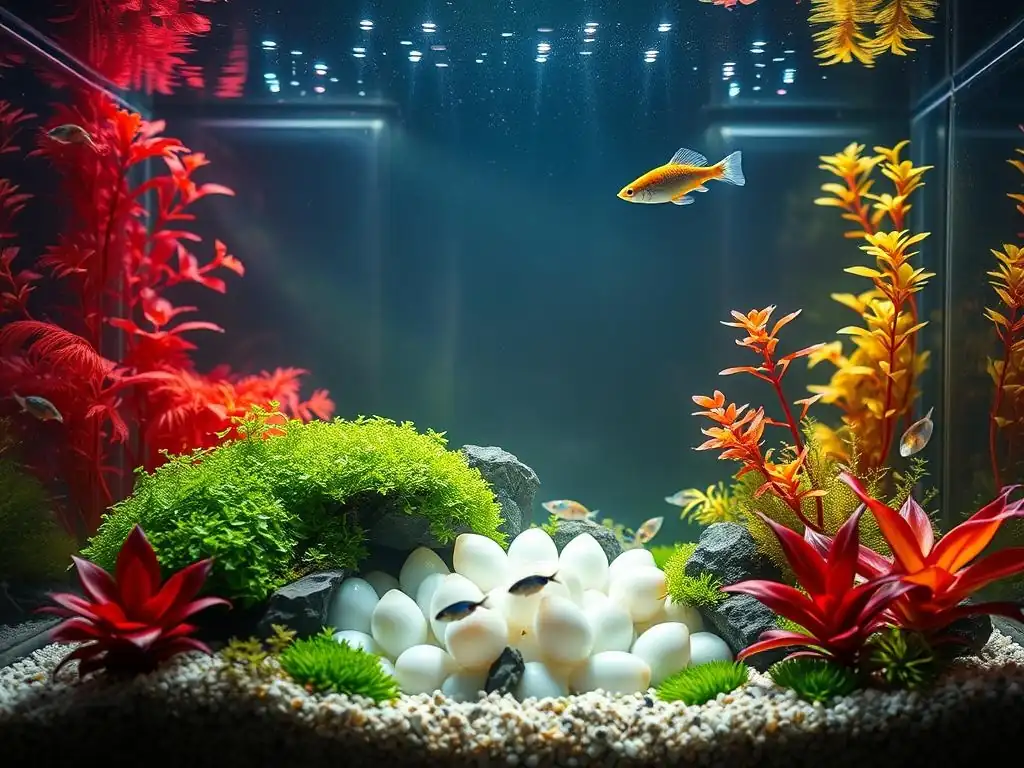
Welcome to Aquarium Mastery, fellow aquarist!
Ever wondered how to navigate the delicate dance of moving tetra eggs safely? It's a pivotal moment in any breeder's journey, and one wrong move can spell disaster. Dive into our expert guide below where we unravel the mysteries and provide practical tips for ensuring the survival of your future finned friends. Let's unlock the secrets together and create a thriving environment for your tetra offspring!
- The Delicate Art of Moving Neon Tetra Eggs or Fry: Aquarium Mastery Best Practices
- Understanding the Need for Moving Neon Tetra Eggs and Fry
- Essential Equipment for Safely Transferring Neon Tetra Eggs
- Step-by-Step Guide to Moving Neon Tetra Eggs Safely
- Caring for Neon Tetra Fry After Hatching
- Moving Neon Tetra Fry to a Grow-Out Tank
- Advanced Techniques for Neon Tetra Egg and Fry Survival
- Troubleshooting Common Problems When Moving Neon Tetra Eggs and Fry
- Best Practices for Long-Term Neon Tetra Fry Care and Growth
- Conclusion: Mastering Neon Tetra Egg and Fry Relocation
- Frequently Asked Questions
- Final Reflection: Nurturing New Life
- Hatch Your Tetra Dreams!
The Delicate Art of Moving Neon Tetra Eggs or Fry: Aquarium Mastery Best Practices
Understanding the Need for Moving Neon Tetra Eggs and Fry
Why Relocating Neon Tetra Eggs is Sometimes Necessary
Relocating neon tetra eggs is a critical step for aquarists aiming to increase their breeding success rates significantly. In a typical community aquarium, adult neon tetras, like many other fish species, will readily predate on their own eggs and newly hatched fry. This natural instinct means that without intervention, the survival rate of neon tetra offspring in a main tank can be incredibly low, often less than 5% due to constant predation from parents and other tank inhabitants.
By carefully moving tetra eggs safely to a dedicated nursery or breeding tank, aquarists can provide a controlled environment free from predators and optimized for the delicate developmental stages of the eggs and fry. This allows for specific breeding goals to be met, such as maintaining a particular genetic line or simply maximizing the yield of healthy, vibrant neon tetras, transforming a chance occurrence into a deliberate and successful breeding endeavor.
Potential Dangers to Neon Tetra Eggs and Fry in the Main Tank
Beyond direct predation, neon tetra eggs and fry face numerous dangers in a bustling main tank. Uneaten food and fish waste can quickly degrade water quality, leading to toxic ammonia and nitrite spikes that are lethal to fragile eggs and fry. Furthermore, the strong currents from power filters or even air stone bubbles in a main tank can physically damage or dislodge the tiny, delicate eggs, preventing successful hatching.
Newly hatched fry are also susceptible to being sucked into filter intakes, even those with sponge pre-filters, due to their minuscule size (often less than 2mm at hatching). Competition for microscopic food sources with larger tank mates is another significant hurdle. These combined factors contribute to an estimated 80-90% mortality rate for neon tetra fry left in an uncontrolled community aquarium, making a dedicated nursery tank essential for successful rearing.
Identifying the Ideal Time to Move Neon Tetra Eggs
Identifying the ideal time for moving tetra eggs safely is crucial for their survival. Neon tetras typically spawn in the early morning hours, often just as the lights come on or even before. Their eggs are very small, clear, and slightly adhesive, frequently laid on fine-leafed plants like Java moss, spawning mops, or even directly on the tank bottom. Once spawning is observed, eggs should be relocated as quickly as possible, ideally within an hour or two, to minimize the window for parental predation.
The eggs are most vulnerable immediately after fertilization and become increasingly delicate as they develop. Neon tetra eggs typically hatch within 24 to 36 hours when kept at optimal temperatures, usually around 75-78°F (24-26°C). Moving them before this hatching period, when they are still robust enough to handle gentle transfer, is key to preventing damage and ensuring a higher hatch rate.
Essential Equipment for Safely Transferring Neon Tetra Eggs
Choosing the Right Container for Neon Tetra Egg Transfer
Selecting the appropriate container is the first step in successfully moving tetra eggs safely. A dedicated small breeding or nursery tank, typically ranging from 5 to 10 gallons, is highly recommended. These smaller tanks provide a confined, manageable space that is easy to monitor and maintain. Clear plastic containers or small glass aquariums are preferred due to their transparency, allowing for easy observation of the developing eggs and fry, and their ease of thorough cleaning. It is paramount that the chosen container is spotlessly clean and has never been exposed to soaps, detergents, or any chemical residues.
The container should also ideally have a lid to prevent newly hatched fry from jumping out later on and to help maintain stable humidity and temperature. For neon tetra fry, a shallower water depth (e.g., 4-6 inches) can be beneficial in the initial days, as it reduces the distance the tiny fry need to travel to reach the surface to inflate their swim bladders, a critical step in their early development.
Preparing Water for the New Holding Tank or Nursery Tank
Proper water preparation is paramount for the delicate process of moving tetra eggs safely. The most critical aspect is to use water directly from the parent tank for at least 50-75% of the volume in the new holding or nursery tank. This ensures that the eggs are transferred into an environment with consistent water parameters—specifically pH, temperature, and hardness—to which they are already accustomed, thereby minimizing shock and stress during the transition.
Neon tetra eggs thrive in very soft water (General Hardness, GH, between 1-5 dGH) and slightly acidic conditions (pH 5.5-6.5), with a stable temperature of 75-78°F (24-26°C). If any new water is required to top off the nursery tank, it must be thoroughly dechlorinated and matched precisely in temperature and as closely as possible in other parameters to the parent tank water. Rapid fluctuations in water chemistry are a leading cause of egg and fry mortality.
Tools for Gentle Egg and Fry Manipulation: Spoons, Pipettes, and Turkey Basters
For the incredibly delicate task of moving tetra eggs safely, specialized tools are essential to prevent damage. A soft, non-metallic spoon, such as one made of plastic or silicone, can be used for gently scooping eggs that are attached to broad leaves or spawning mops, though extreme caution is advised. For free-floating eggs or those scattered on the substrate, a wide-mouth pipette or a dedicated aquarium turkey baster is ideal. These tools allow for the gentle suctioning of individual eggs or small clusters without direct physical contact, minimizing the risk of crushing or damaging their fragile membranes.
When handling newly hatched fry, which are even more delicate than eggs, a turkey baster becomes indispensable for their transfer. Its gentle suction allows for the relocation of fry without the stress or injury that netting might cause. Before each use, all tools must be thoroughly sterilized, preferably by rinsing them in very hot water (without soap or detergents) to eliminate any potential contaminants that could harm the sensitive eggs or fry.
Step-by-Step Guide to Moving Neon Tetra Eggs Safely
Gentle Extraction Techniques for Neon Tetra Eggs
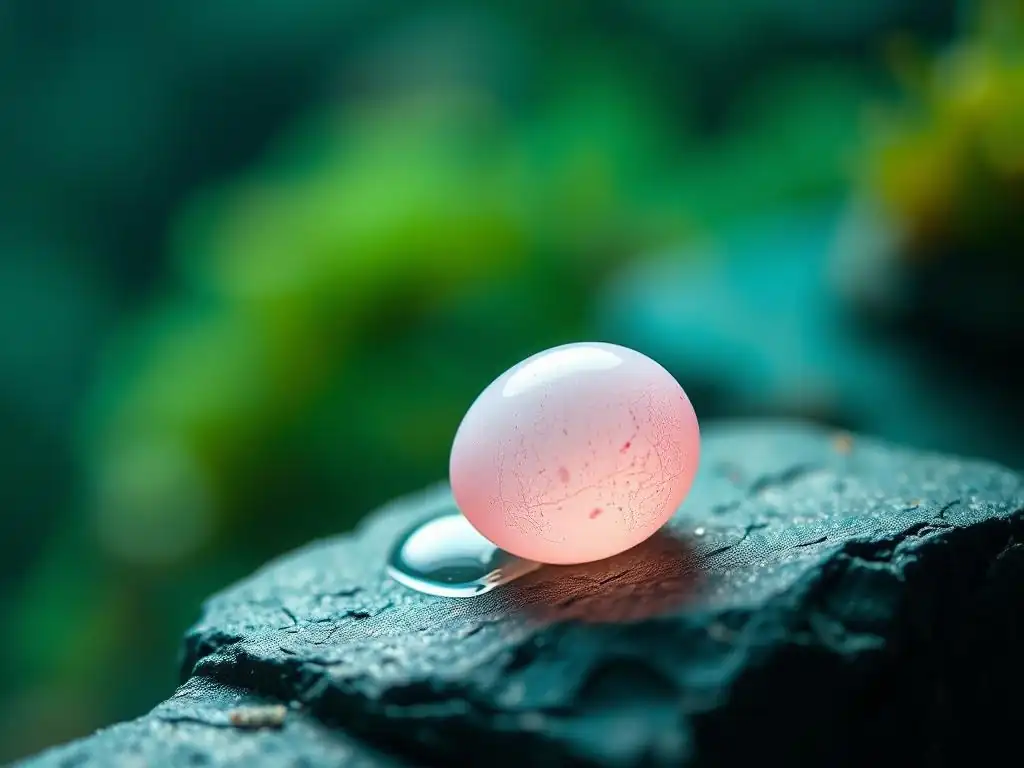
When moving tetra eggs safely, the extraction technique depends on where the eggs were laid. If the neon tetras have spawned on fine-leafed plants or a spawning mop, the least disruptive method is to gently lift the entire plant or mop out of the breeding tank and submerge it directly into the new, prepared nursery tank. This minimizes handling of the individual eggs, which are extremely fragile, and keeps them attached to their original substrate, reducing stress.
For eggs that are scattered on the tank bottom or on broader leaves where the entire leaf cannot be moved, a wide-mouth pipette or a dedicated aquarium turkey baster should be employed. Carefully position the tip near an egg and gently suction it up with a minimal amount of water. Work slowly and methodically, ensuring that the suction pressure is not too strong, which could damage the egg. Once collected, gently release the eggs directly into the nursery tank, allowing them to settle naturally.
Acclimating Neon Tetra Eggs to the New Environment
While eggs do not require the same drip acclimation process as fish, ensuring a stable environment for moving tetra eggs safely is paramount. Since the nursery tank should ideally be filled with at least 50-75% water from the parent tank, significant chemical acclimation for the eggs themselves is often unnecessary. The critical factor is temperature matching. Before transferring any eggs, verify that the water temperature in the nursery tank precisely matches that of the parent tank, typically 75-78°F (24-26°C). Even a slight temperature difference of 1-2°F (0.5-1°C) can induce thermal shock and lead to egg mortality or developmental issues.
Once the eggs are transferred, the focus shifts to maintaining stable conditions. Avoid any sudden changes in light, temperature, or water chemistry. The consistent environment, free from predators and fluctuating parameters, is the primary form of "acclimation" for the eggs, allowing them to develop and hatch successfully.
Maintaining Optimal Water Parameters in the Holding Tank
Maintaining optimal water parameters in the holding tank is crucial for the successful development of neon tetra eggs and fry. Immediately after moving tetra eggs safely, use a reliable aquarium thermometer to ensure the water temperature remains consistently within the ideal range of 75-78°F (24-26°C). Fluctuations can stress the delicate embryos and lead to failed hatches. Additionally, a liquid test kit should be used daily to monitor pH (aiming for 5.5-6.5) and general hardness (GH 1-5 dGH), as these parameters are critical for neon tetra egg viability.
Aeration should be provided but kept to a minimum in the initial stages. A small air stone with very gentle bubbles will supply essential oxygen without creating strong currents that could buffet the eggs or newly hatched fry. Filtration should be avoided until the fry are free-swimming, as filter intakes pose a significant risk, and the biological load from eggs is minimal. Once fry are active, a gentle sponge filter can be introduced.
Caring for Neon Tetra Fry After Hatching
First Foods for Newly Hatched Neon Tetra Fry: Infusoria, Microworms, and Liquid Fry Food
Newly hatched neon tetra fry are incredibly tiny, often less than 2mm in length, and their mouths are correspondingly minuscule. For the first 3-5 days post-hatch, their primary food source must be microscopic organisms. Infusoria, a collective term for various protozoa and other microscopic aquatic life, is ideal. These can be cultured at home using methods like adding a small piece of banana peel or a few dried leaves to a jar of aged aquarium water, or purchased as commercial cultures. Feed small amounts, 3-4 times a day, ensuring the fry can consume it within a few minutes.
After the initial infusoria phase (around day 3-5), fry can typically transition to slightly larger foods such as microworms or high-quality liquid fry food (e.g., Hikari First Bites or similar products). Microworms are small nematodes that are easy to culture and provide excellent nutrition for growing fry. Liquid fry foods are suspensions of finely ground nutrients that can be directly added to the water. Continue feeding small, frequent meals to ensure constant availability of food without fouling the water.
Water Changes and Filtration for Neon Tetra Fry Tanks
Maintaining pristine water quality is paramount for neon tetra fry survival. Due to their extreme sensitivity to waste products, daily small water changes of 10-20% are critically important. Always use temperature-matched, dechlorinated water with parameters (pH, hardness) as close as possible to the tank water. When performing water changes, use an airline tube to gently siphon out any debris or uneaten food from the bottom of the tank, being extremely careful not to accidentally suck up any tiny fry.
A gentle sponge filter should be introduced once the fry are free-swimming and actively feeding, typically around 5-7 days post-hatch. This provides essential biological filtration without creating strong currents or suction hazards. Ensure the sponge filter is mature and ideally seeded with beneficial bacteria from an established tank. Clean the sponge filter periodically by gently squeezing it in a bucket of old tank water, never under tap water, to preserve the beneficial bacterial colony.
Preventing Common Neon Tetra Fry Diseases and Issues
The most effective way to prevent diseases and issues in neon tetra fry is through rigorous adherence to excellent water quality and feeding practices. Ammonia and nitrite are highly toxic to fry; therefore, daily monitoring with a liquid test kit and prompt, small water changes are non-negotiable. Overfeeding is a common culprit for water quality degradation and should be avoided. Maintaining a stable temperature within the optimal range also reduces stress, which can suppress the fry's immune system.
Fungal infections on unhatched eggs are a common problem; any white, fuzzy eggs should be immediately removed with a pipette to prevent the spread to healthy eggs. For the fry themselves, watch for signs of "wasting disease" (emaciation despite feeding) or bacterial infections (cloudy eyes, clamped fins), which are often direct consequences of poor water conditions or insufficient nutrition. Prompt intervention, often involving immediate water changes and identifying the root cause, is crucial.
Moving Neon Tetra Fry to a Grow-Out Tank
Recognizing When Neon Tetra Fry Are Ready for a Larger Tank
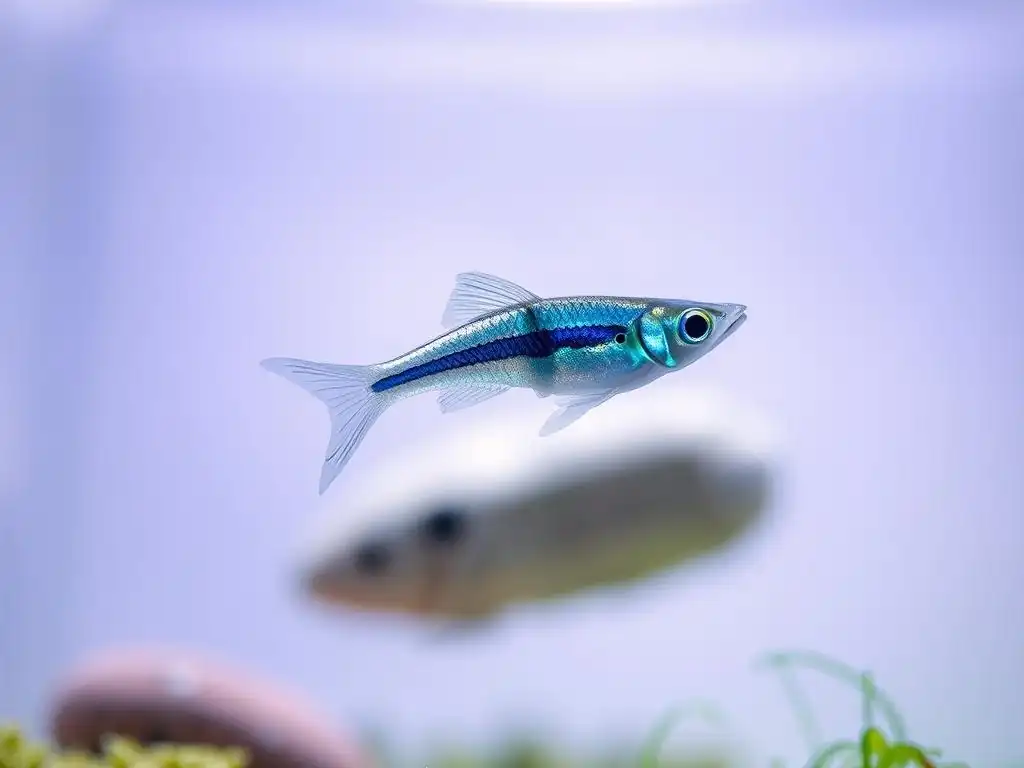
Recognizing the right time for moving neon tetra fry to a larger grow-out tank is essential for their continued healthy development. Fry are typically ready for this transition when they have grown to approximately 0.5 to 0.75 inches (1.2-1.9 cm) in length. At this stage, they should be actively schooling, exhibiting strong swimming abilities, and readily accepting larger food items such as newly hatched brine shrimp. This developmental milestone usually occurs around 3 to 4 weeks after hatching, depending on feeding quality and water parameters.
Their increased size and robustness indicate that they are better equipped to handle the larger volume of water, potentially stronger filtration currents, and the slightly more complex environment of a grow-out tank. Premature transfer can expose them to unnecessary stress or dangers, while delaying it too long can lead to overcrowding and stunted growth in the smaller nursery tank.
Gradual Acclimation of Neon Tetra Fry to the Grow-Out Tank
When moving neon tetra fry to a grow-out tank, gradual acclimation is paramount to prevent shock and mortality. The drip acclimation method is highly recommended for this delicate process. First, place the fry in a small, clean container (e.g., a plastic deli cup) with their original water from the nursery tank. Then, using airline tubing and an air valve, slowly drip water from the larger grow-out tank into the container.
Adjust the drip rate to approximately 1-2 drops per second, allowing the water volume in the container to double over a period of 30-60 minutes. This slow introduction allows the fry to gradually adjust to any differences in pH, hardness, and temperature between the two tanks. Once acclimated, gently net the fry using a fine-mesh net and carefully release them into the grow-out tank, avoiding pouring them directly from the container to minimize stress.
Ensuring Adequate Food and Space in the Grow-Out Tank
The grow-out tank must provide ample space and consistent nutrition for the rapidly growing neon tetra fry. An appropriately sized tank, such as a 10-20 gallon aquarium for a batch of several dozen fry, will prevent overcrowding, which can lead to stunted growth, increased aggression, and higher disease susceptibility. Ample space also allows for better water circulation and distribution of food.
Continue to provide a varied and nutritious diet, gradually introducing larger food items as the fry grow. This includes finely crushed high-quality flake food, micro-pellets, and frozen foods like daphnia or finely chopped bloodworms. Maintain a consistent feeding schedule, typically 2-3 times daily, ensuring that all food is consumed within a few minutes to prevent water fouling. Regular monitoring for signs of food competition or aggression among the growing tetras is also advisable.
Advanced Techniques for Neon Tetra Egg and Fry Survival
Using Almond Leaves and Tannins to Promote Healthy Development
Indian Almond Leaves (Terminalia catappa) are a valuable addition for promoting healthy development when moving tetra eggs safely and raising fry. These leaves release tannins into the water, which slightly lower the pH, creating a more acidic environment that closely mimics the natural blackwater habitats of neon tetras. More importantly, tannins possess mild antiseptic and antifungal properties. Adding 1-2 small Indian Almond Leaves per 5 gallons of water in the nursery tank can significantly help in preventing fungal infections on unhatched eggs, which are a common cause of egg loss.
Beyond their antimicrobial benefits, the tannins also provide a natural, dimming effect, creating a darker water environment. This can reduce stress for light-sensitive neon tetra fry, making them feel more secure and less prone to erratic swimming. Anecdotal evidence and some studies suggest that the presence of tannins can boost the overall survival rates of delicate fry by 10-15% by mimicking their natural environment and offering protective qualities.
Implementing a Sponge Filter to Maintain Water Quality
A well-established and properly utilized sponge filter is an indispensable tool for maintaining water quality in tanks housing neon tetra eggs and fry. Unlike power filters that can create strong currents or suction hazards, a sponge filter provides gentle filtration, making it ideal for the delicate stages of development. It performs both mechanical filtration, by trapping particulate matter, and crucial biological filtration. The porous surface of the sponge provides an enormous area for beneficial bacteria to colonize.
These beneficial bacteria are essential for the nitrogen cycle, converting highly toxic ammonia (from waste products and uneaten food) into less harmful nitrite, and then into even less harmful nitrate. To maximize its efficacy, the sponge filter should be cycled before introducing eggs or fry, or at least seeded with beneficial bacteria from an established aquarium. Ensure it's driven by a gentle air pump to avoid excessive turbulence. Regular cleaning, by rinsing the sponge in old tank water, maintains its porosity without destroying the bacterial colony.
Specific Neon Tetra Considerations for Moving Eggs/Fry
When moving tetra eggs safely and rearing their fry, neon tetras present specific considerations due to their unique physiological requirements. Their eggs are particularly sensitive to water chemistry, demanding very soft water (GH 1-5 dGH) and a slightly acidic pH (5.5-6.5) for successful hatching. Deviations from these narrow parameters can lead to a high percentage of unfertilized eggs or eggs that fail to develop and hatch, even if fertilized.
Furthermore, neon tetra fry are among the smallest and most delicate of all aquarium fish fry. This necessitates extreme gentleness during any handling or transfer, ensuring all tools are smooth and free of sharp edges. Their initial food requirements are also microscopically small; therefore, successful culture of infusoria is often a critical factor for the first few days of feeding, as many commercial fry foods may still be too large for their tiny mouths.
Troubleshooting Common Problems When Moving Neon Tetra Eggs and Fry
Addressing Fungal Infections on Neon Tetra Eggs
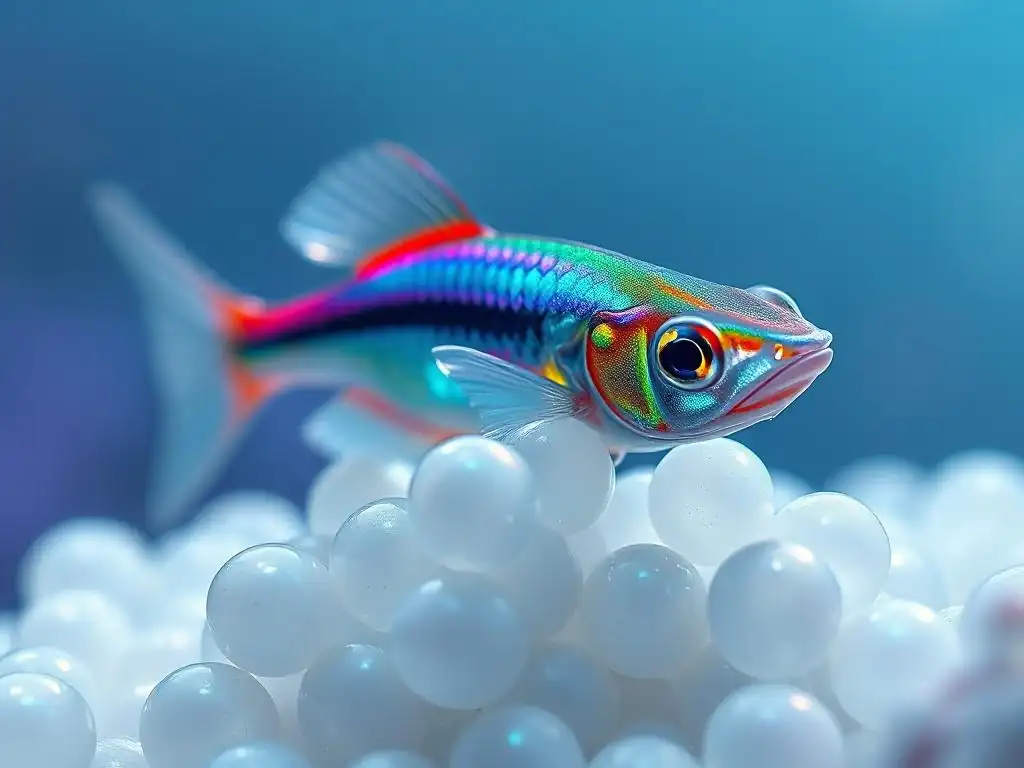
Fungal infections are a common and frustrating problem when attempting to hatch neon tetra eggs. They typically appear as a white, fuzzy growth on the egg surface, often spreading rapidly. These infections are highly contagious and can quickly envelop an entire clutch. The most critical step in addressing them is immediate removal of any infected eggs using a clean pipette or small spoon. This prevents the fungal spores from spreading to healthy, viable eggs.
To prevent fungal outbreaks, ensure optimal water quality in the nursery tank, including stable temperature and appropriate pH. Gentle aeration helps to provide oxygen and prevent stagnant water conditions around the eggs. Some aquarists also find success in adding a few drops of methylene blue solution (following product instructions) or incorporating Indian Almond Leaves into the tank, as both have mild antifungal properties that can inhibit fungal growth. Overcrowding of eggs can also contribute to fungal issues due to reduced water circulation.
Preventing Ammonia Spikes in the Fry Tank
Ammonia spikes are highly lethal to neon tetra fry, even in low concentrations. These spikes typically occur due to overfeeding (leading to decaying food) or insufficient water changes, which allow waste products to accumulate. To prevent this, it is crucial to test the water daily for ammonia and nitrite using a reliable liquid test kit, aiming for absolute zero parts per million (0 ppm).
Implementing daily small water changes, typically 10-20% of the tank volume, is the most effective preventative measure. Always ensure the replacement water is temperature-matched and dechlorinated. Additionally, feed the fry only what they can consume within a few minutes, removing any uneaten food promptly. If an ammonia spike is detected, perform an immediate 30-50% water change and consider adding a beneficial bacteria supplement to help re-establish the nitrogen cycle.
Dealing with Neon Tetra Fry Mortality
Some level of mortality among neon tetra fry, particularly in the first week post-hatch, is considered normal, even in ideal conditions. However, high mortality rates, such as over 20-30% within the first week, typically indicate underlying issues that need immediate attention. Common culprits include poor water quality (ammonia/nitrite spikes, incorrect pH/hardness), insufficient or inappropriate food, incorrect water temperature, or the presence of disease.
To address high mortality, systematically review all aspects of your fry care routine. Re-test all water parameters (ammonia, nitrite, nitrate, pH, GH, temperature) to ensure they are within optimal ranges. Verify that the food being offered is appropriately sized for the fry's mouths and that they are receiving enough frequent feedings. Observe the fry for any visible signs of stress, illness, or abnormalities in swimming or behavior. Adjusting care routines based on these observations is crucial for improving survival rates.
Best Practices for Long-Term Neon Tetra Fry Care and Growth
Monitoring Water Parameters and Adjusting as Needed
Long-term care for neon tetra fry demands continuous and diligent monitoring of water parameters. As the fry grow, they will consume more food and produce more waste, increasing the biological load on the tank. Regular testing for pH, general hardness (GH), temperature, ammonia, nitrite, and nitrate is essential. While ammonia and nitrite should always be 0 ppm, nitrates should be kept below 20 ppm through consistent water changes.
As the fry mature into juveniles, you can gradually transition them towards the water parameters suitable for adult neon tetras, which are slightly less stringent than for eggs and very young fry (e.g., pH 6.0-7.0, GH 4-8 dGH). However, any adjustments must be made very slowly over several days to weeks to avoid shocking the fish. Consistency and gradual changes are key to healthy long-term development.
Providing a Varied Diet for Optimal Neon Tetra Fry Development
For optimal growth, vibrant coloration, and strong immunity in developing neon tetra fry, providing a varied diet is crucial. Once they have graduated from infusoria and microworms, introduce newly hatched brine shrimp. These are an excellent source of protein and essential nutrients that significantly boost growth rates. Finely crushed high-quality flake food designed for small fish, and micro-pellets, can also be incorporated.
As they grow larger, finely chopped frozen foods such as daphnia or bloodworms can be added to their diet. Feed 2-3 times daily, ensuring that all food is consumed within approximately 5 minutes to prevent overfeeding and subsequent water quality issues. A diverse diet ensures they receive all necessary vitamins, minerals, and proteins, leading to healthier, more robust adult neon tetras.
Creating a Stress-Free Environment for Growing Neon Tetras
A stress-free environment is paramount for the long-term health and growth of developing neon tetras. Provide ample swimming space, which also helps to reduce potential aggression as they mature. Incorporate plenty of hiding spots and visual breaks using fine-leafed live plants like Java moss, hornwort, or even artificial plants, which mimic their natural densely vegetated habitats.
Avoid sudden changes in lighting conditions or loud noises near the tank, as these can startle and stress the fish. Maintain a stable water temperature and ensure the tank is not overcrowded, as this leads to increased competition and stress. Introducing tank mates should only be considered once the neon tetras are fully grown and robust, and only with peaceful, appropriately sized species. A calm, stable environment significantly contributes to their overall well-being and reduces their susceptibility to disease.
Conclusion: Mastering Neon Tetra Egg and Fry Relocation
Frequently Asked Questions
How soon after spawning should I move tetra eggs?
It's best to move tetra eggs as soon as possible after spawning, ideally within 12-24 hours. This minimizes the risk of them being eaten by the parent fish or other tank inhabitants.
What's the safest method for moving tetra eggs?
The gentlest method involves using a turkey baster or a small airline tubing to carefully siphon the eggs out. Avoid nets, as they can damage the fragile eggs.
Where should I move the tetra eggs to?
Transfer the eggs to a separate, clean breeding tank or container with the same water parameters as the main tank. A sponge filter provides gentle filtration and aeration.
How do I prevent fungus from growing on the tetra eggs?
Add a methylene blue solution to the water in the breeding tank. This will help prevent fungal infections and increase the survival rate of the eggs.
What do I feed tetra fry once they hatch?
Once the fry hatch, feed them infusoria or liquid fry food specifically designed for egg-laying fish. Gradually introduce newly hatched brine shrimp as they grow.
Final Reflection: Nurturing New Life
The journey of raising aquarium fish, especially delicate species like tetras, is a testament to our capacity for patience and care. The ability to safely move tetra eggs or fry is more than just a technical skill; it's an act of stewardship, reflecting our responsibility to the fragile ecosystems we create within our homes. This delicate process, demanding precision and understanding, highlights the interconnectedness of life and the profound impact even small actions can have.
This intricate dance with life underscores the ongoing importance of responsible aquarium keeping and the ethical considerations that come with it. It's not simply about owning fish; it's about fostering an environment where they can thrive, from the earliest stages of their development. The best way to observe a fish is to become a piece of the bank.
- Jacques Cousteau. This quote reminds us that true understanding comes from immersion and empathy, qualities essential for successfully nurturing these tiny lives.
Now, consider the lessons learned. The patience, the precision, the dedication required to safely move tetra eggs or fry – these are qualities that transcend the aquarium. How can you apply this mindful approach to other areas of your life? Embrace the challenge of nurturing growth, whether it's in your personal relationships, your professional endeavors, or your own self-development. Let the delicate art of moving tetra eggs serve as a reminder of the power of careful attention and the profound rewards of fostering life.
Hatch Your Tetra Dreams!
Thanks for diving into the delicate world of tetra breeding! You've now got the knowledge to carefully manage those tiny lives. What's next?
Here are a few ways to put your newfound expertise into action:
- Start a small, dedicated "grow-out" tank to give your future tetras the best possible start.
- Share your experiences! Comment below with your top tip for raising tetra fry—let's learn from each other.
- Unleash your creativity and design a unique feeding system. What innovative approach will you try to make sure your little tetras get the nutrients they need?
What exciting new Tetra variety will you breed next?