
Butterflyfish Hybrids: Nature's Surprises vs. Aquarium Controversies

Welcome to Aquarium Mastery!
Ever wondered what happens when nature throws a curveball in the vibrant world of reef tanks? We're diving deep into the fascinating, and sometimes controversial, topic of Butterflyfish Hybrids. Are these natural wonders a captivating addition to your saltwater aquarium, or do they present unforeseen challenges? Prepare to explore the intricacies of Butterflyfish hybrid aquarium care and uncover the secrets to successfully keeping these unique fish thriving. Let's unravel the mystery together!
- Understanding Butterflyfish Hybridization
-
Butterflyfish Hybrid Aquarium Care: Challenges and Considerations
- Identifying Butterflyfish Hybrids: Physical Characteristics and Genetic Markers
- Specific Care Requirements for Butterflyfish Hybrids in Aquariums: Adapting to Mixed Ancestry
- Nutritional Needs of Butterflyfish Hybrids: Formulating the Ideal Diet
- Water Parameters for Butterflyfish Hybrids: Maintaining Optimal Conditions
- Tank Size and Aquascaping for Butterflyfish Hybrids: Creating a Suitable Environment
- The Ethics of Butterflyfish Hybrid Breeding in Aquariums
-
Popular Butterflyfish Hybrid Examples in the Aquarium Trade
- Crosshatch Butterflyfish ( Chaetodon xanthocephalus x C. semeion) - Care Guide and Tank Mate Compatibility
- Hybrid Chevron Butterflyfish ( Chaetodon trifascialis x C. lunulatus) - Unique Traits and Temperament
- Burgess Butterflyfish ( Chaetodon burgessi x C. flavocoronatus) - Dietary Preferences and Acclimation Tips
- Preventing Butterflyfish Hybridization in Your Aquarium
- The Future of Butterflyfish Hybrids in the Aquarium Hobby
- Resources for Butterflyfish Hybrid Aquarium Keepers
-
Frequently Asked Questions
- What are Butterflyfish hybrids and why are they controversial in aquariums?
- Is it possible to successfully care for Butterflyfish hybrids in a home aquarium?
- What are the key challenges in providing Butterflyfish hybrid aquarium care?
- Where can I find reliable information on specific Butterflyfish hybrid care requirements?
- What are the ethical considerations surrounding keeping Butterflyfish hybrids in aquariums?
- Final Reflection: Embracing the Unexpected Beauty
- Unveil the Secrets: Become a Butterflyfish Champion!
Understanding Butterflyfish Hybridization
What are Butterflyfish Hybrids? Defining Natural and Artificial Crossbreeding
Butterflyfish hybrids are the offspring resulting from the interbreeding of two distinct species or subspecies of butterflyfish. This phenomenon occurs when the genetic material of two different parent species combines to form a viable new individual, which often displays a blend of traits from both parents. Hybridization can occur naturally in the wild, driven by environmental pressures or overlapping territories, or artificially in captive environments, either intentionally or by accident due to confined conditions. The genus Chaetodon, encompassing a vast array of butterflyfish species, is particularly noted for its propensity for hybridization.
Genetically, a hybrid inherits a mixed set of chromosomes from each parent, leading to a unique phenotype that combines morphological and behavioral characteristics from both lineages. While some hybrids may be sterile, many are fertile, capable of producing subsequent generations (F2 hybrids) or backcrossing with a parent species. The viability and fertility of hybrids depend on the genetic compatibility between the parent species. For instance, natural hybrids like Chaetodon tinkeri x Chaetodon miliaris (the "Tinker's x Milletseed" hybrid) demonstrate this genetic compatibility, producing visually distinct yet robust offspring.
The Rarity of Butterflyfish Hybrids in the Wild: Environmental Factors
Despite the genetic potential, butterflyfish hybrids are remarkably rare in their natural marine habitats. This rarity is primarily attributed to a suite of natural barriers that typically prevent interspecies breeding. These barriers include geographical isolation, where different species inhabit distinct regions; temporal isolation, where species have different spawning seasons or times of day; and behavioral isolation, involving species-specific courtship rituals and mate recognition signals that discourage crossbreeding. Even in areas where the ranges of two species overlap (sympatry), these pre-zygotic isolating mechanisms are highly effective, keeping species distinct.
However, environmental factors can occasionally disrupt these natural barriers, leading to sporadic hybridization events. Instances of habitat degradation, such as coral bleaching events or human-induced changes to reef structures, can force different species into atypical aggregations, increasing the likelihood of interbreeding. Similarly, shifts in ocean currents or extreme weather phenomena might alter species distribution, bringing otherwise separated populations into contact. While such events do occur, they are generally localized and infrequent, resulting in a very low percentage of hybrids observed in wild butterflyfish populations, often estimated at less than 1% in most comprehensive reef surveys.
Butterflyfish Hybridization in Captivity: A More Common Occurrence?
In stark contrast to their rarity in the wild, butterflyfish hybridization appears to be a more common occurrence within the confines of an aquarium. The artificial environment of a captive tank effectively removes many of the natural barriers that prevent interspecies breeding. Limited space, the absence of a diverse pool of conspecific mates, and altered social dynamics can compel different butterflyfish species to attempt interbreeding, even if they would not do so in their natural habitat. This significantly increases the probability of hybridization compared to wild observations.
The mechanisms driving captive hybridization are varied. Often, it is an accidental outcome, as aquarists may not anticipate or even recognize the potential for crossbreeding between seemingly distinct species housed together. In some cases, hybridization is intentionally pursued by breeders for the novelty of unique color patterns or to create new strains for the aquarium trade. While successfully breeding many butterflyfish species in captivity remains a significant challenge due to their complex reproductive requirements, the confined nature of an aquarium can facilitate interspecies pairings that would rarely, if ever, happen in the open ocean.
Butterflyfish Hybrid Aquarium Care: Challenges and Considerations
Identifying Butterflyfish Hybrids: Physical Characteristics and Genetic Markers
Identifying butterflyfish hybrids primarily relies on observing a combination of physical characteristics inherited from their parent species. Hybrids often display a mosaic of colors, patterns, and fin shapes that do not conform to any single recognized species. For instance, a hybrid between a species characterized by vertical bars and another with horizontal stripes might exhibit a confusing or intermediate pattern, making precise visual identification difficult without prior knowledge of potential parentage. The unique blend of traits is often the first clue for an experienced aquarist.
Beyond visual cues, definitive identification of butterflyfish hybrids and their parental lineage can be achieved through advanced genetic markers. Techniques such as DNA barcoding, which analyzes a specific gene region (cytochrome c oxidase subunit I or COI), and mitochondrial DNA analysis can confirm hybrid status by comparing genetic sequences to known parent species. While these methods are primarily used in scientific research and are not readily accessible to the average hobbyist, they provide irrefutable proof of hybridization and can trace the exact lineage, offering valuable insights into Butterflyfish hybrid aquarium care needs.
Specific Care Requirements for Butterflyfish Hybrids in Aquariums: Adapting to Mixed Ancestry
Providing optimal Butterflyfish hybrid aquarium care often demands a more nuanced and attentive approach than caring for pure species. Hybrids can inherit sensitivities or specific requirements from both parent species, making their overall resilience and specific needs somewhat unpredictable. For example, if one parent species is known for being difficult to acclimate or has a predisposition to certain diseases, the hybrid might inherit these vulnerabilities, requiring a more cautious and rigorous care regimen. Therefore, the care strategy should ideally encompass the most demanding requirements of both potential parent species.
A significant challenge in Butterflyfish hybrid aquarium care is the potential lack of precise knowledge regarding their parentage. Without knowing the exact parent species, providing tailored care becomes a process of careful observation and adaptation. Aquarists must diligently monitor the hybrid's behavior, feeding habits, and overall health, adjusting water parameters, diet, and tank mates as needed. This often necessitates maintaining a broad spectrum of ideal conditions, erring on the side of caution with strict water quality protocols and offering a highly diverse diet to cater to any inherited preferences.
Nutritional Needs of Butterflyfish Hybrids: Formulating the Ideal Diet
The nutritional needs of butterflyfish hybrids can be complex, often reflecting the varied dietary preferences of their parent species. Butterflyfish, in general, are known for their specific feeding habits, ranging from obligate corallivores to generalist omnivores. If a hybrid has one parent that is a specialist feeder (e.g., an Ornate Butterflyfish, Chaetodon ornatissimus, which primarily consumes coral polyps) and another that is a more adaptable omnivore, the hybrid's dietary requirements can be unpredictable. Consequently, a diverse and high-quality diet is crucial for successful Butterflyfish hybrid aquarium care.
An ideal diet for butterflyfish hybrids should include a variety of high-quality marine flakes and pellets, supplemented generously with a range of frozen foods. These frozen options should encompass mysis shrimp, enriched brine shrimp, finely chopped seafood (such as clam, scallop, or spirulina-enriched preparations), and even some live foods if appropriate and available. Aquarists must observe which foods the hybrid readily accepts and thrives on, as some individuals may exhibit initial pickiness. Supplementing foods with vitamin and amino acid enrichments is also highly beneficial to ensure complete nutrition and robust health.
Water Parameters for Butterflyfish Hybrids: Maintaining Optimal Conditions
Maintaining stable and pristine water parameters is paramount for the health and longevity of butterflyfish hybrids, much like for all marine fish. Specific gravity should ideally be kept within 1.023-1.026, with a consistent temperature range of 74-78°F (23-26°C). The pH level should be stable between 8.1-8.4, and essential parameters like alkalinity (8-12 dKH), calcium (400-450 ppm), and magnesium (1250-1350 ppm) should be regularly monitored and maintained. Consistent partial water changes, typically 10-20% bi-weekly, are vital for replenishing trace elements and removing accumulated nitrates.
The importance of stability in water parameters cannot be overstated for Butterflyfish hybrid aquarium care. Fluctuations in temperature, salinity, or pH can induce significant stress in hybrids, potentially weakening their immune systems and making them more susceptible to diseases. Given their potentially mixed genetic resilience, maintaining unwavering stability is even more critical. High-quality filtration systems, including sumps, protein skimmers, and ample live rock, are essential for effective nutrient cycling and maintaining undetectable levels of ammonia (0 ppm) and nitrite (0 ppm), with nitrates kept below 20 ppm.
Tank Size and Aquascaping for Butterflyfish Hybrids: Creating a Suitable Environment
The minimum tank size for a butterflyfish hybrid should always accommodate the needs of the larger or more active parent species, ensuring ample swimming space and reducing potential territorial aggression. For instance, if one parent is a Copperband Butterflyfish ( Chelmon rostratus), which typically requires at least 75 gallons, and the other is a Raccoon Butterflyfish ( Chaetodon lunula), which thrives in 100+ gallons, the hybrid would ideally necessitate an aquarium of 100 gallons or more. Providing generous space helps mitigate stress and allows for natural behaviors.
A well-designed aquascape is equally crucial for Butterflyfish hybrid aquarium care. Incorporate plenty of live rock formations, creating caves, crevices, and overhangs that serve as hiding spots and define territories. This helps reduce stress and provides a sense of security for the fish. While some butterflyfish are known coral nippers, it is generally safer to house hybrids in fish-only (FO) or fish-only with live rock (FOWLR) setups unless their specific feeding habits and coral compatibility are definitively known. Ensure there are also open swimming areas in the front of the tank to accommodate their active nature.
The Ethics of Butterflyfish Hybrid Breeding in Aquariums
The Controversy Surrounding Butterflyfish Hybridization: Conservation Concerns
The practice of breeding butterflyfish hybrids in aquariums, whether intentional or accidental, has ignited significant ethical debate within the marine hobby, largely centered on conservation concerns. The primary apprehension revolves around the potential impact on the genetic integrity and long-term viability of wild populations. While natural hybridization is a rare and ecologically regulated phenomenon, the creation of novel hybrid forms in captivity raises questions about responsible stewardship and the potential for unintended consequences for natural ecosystems.
A major ethical concern is the concept of "genetic pollution." This refers to the risk that if fertile hybrids, or their offspring, were ever released or inadvertently introduced into wild populations, they could interbreed with native species. Such interbreeding could dilute the unique gene pools of wild butterflyfish, potentially reducing genetic fitness, compromising adaptations to specific environments, and in severe cases, leading to the extinction of rare or localized species through outbreeding depression. While direct release by hobbyists is uncommon, the principle underscores the ethical opposition to the widespread, unregulated creation of hybrids.
Impact on Wild Butterflyfish Populations: Preventing Genetic Pollution
The potential impact of captive-bred butterflyfish hybrids on wild populations, though indirect, is a serious consideration in conservation. If fertile hybrids were to successfully integrate into wild gene pools, they could lead to a breakdown of natural species boundaries. This can result in "hybrid breakdown," where subsequent generations of hybrids exhibit reduced viability or fertility, or "outbreeding depression," where local adaptations are lost, making populations less resilient to environmental stressors like disease outbreaks or climate change.
While the direct likelihood of captive-bred butterflyfish hybrids impacting vast ocean populations might seem negligible, the cumulative effect of irresponsible practices across the hobby could be substantial over time. For example, a hybrid might carry genetic traits that make it less robust against a specific parasite, and if those genes were to spread through a wild population, it could weaken the entire species' ability to resist future outbreaks. This emphasizes the critical need for stringent biosecurity measures and responsible management of all captive-bred organisms, ensuring that no aquarium inhabitants, hybrid or otherwise, ever enter natural waterways.
The Role of Responsible Aquarists in Butterflyfish Conservation
Responsible aquarists play a pivotal role in safeguarding butterflyfish species and promoting ethical practices within the hobby. This responsibility begins with informed purchasing decisions, prioritizing fish sourced from reputable suppliers who adhere to sustainable collection practices or support aquaculture initiatives. Crucially, it involves refraining from intentionally breeding butterflyfish hybrids unless it is for legitimate scientific study conducted under controlled conditions, and ensuring that no captive-bred or hybrid fish are ever released into natural aquatic environments.
Beyond personal practices, responsible aquarists should actively engage in educating themselves and others about the risks associated with hybridization and the paramount importance of maintaining species integrity. By supporting conservation organizations and choosing to maintain pure species, especially those that are threatened or endangered in the wild, hobbyists contribute directly to the long-term health and genetic diversity of butterflyfish populations globally. This proactive approach fosters a hobby that is not only enjoyable but also environmentally conscious and sustainable.
Popular Butterflyfish Hybrid Examples in the Aquarium Trade
Crosshatch Butterflyfish ( Chaetodon xanthocephalus x C. semeion) - Care Guide and Tank Mate Compatibility
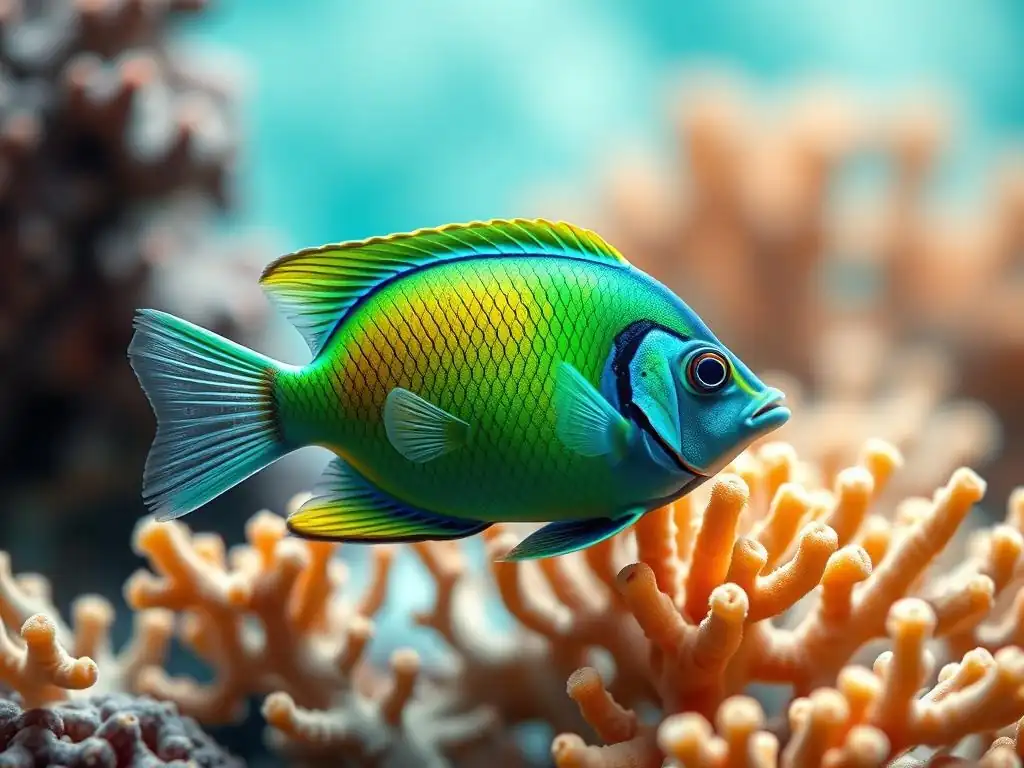
The Crosshatch Butterflyfish is a striking hybrid often observed as a cross between the Yellowhead Butterflyfish ( Chaetodon xanthocephalus) and the Semeion Butterflyfish ( Chaetodon semeion). This stunning specimen typically displays a vibrant yellow head that gracefully fades into a silvery body, adorned with a distinctive "crosshatch" or reticulated pattern across its flanks. It beautifully combines the bright yellow coloration of C. xanthocephalus with the intricate body markings characteristic of C. semeion, creating a visually captivating and unique fish.
For optimal Butterflyfish hybrid aquarium care, the Crosshatch Hybrid requires a spacious aquarium, ideally 125 gallons or larger, to provide ample swimming room and stable water parameters. While generally peaceful, they can exhibit territorial behavior towards other butterflyfish, especially those of similar size or body shape. Their diet should be highly varied, consisting of high-quality frozen foods such as Mysis shrimp, spirulina-enriched brine shrimp, and premium marine pellets. Compatible tank mates include larger, peaceful tangs, angelfish, and wrasses, but it is crucial to avoid housing them with overly aggressive species or delicate invertebrates.
Hybrid Chevron Butterflyfish ( Chaetodon trifascialis x C. lunulatus) - Unique Traits and Temperament
The Hybrid Chevron Butterflyfish is an attractive cross that frequently arises from the interbreeding of the Chevron Butterflyfish ( Chaetodon trifascialis) and the Redfin Butterflyfish ( Chaetodon lunulatus). This hybrid typically showcases a unique blend of their respective markings and coloration. It often exhibits the characteristic V-shaped bars or "chevrons" across its body, inherited from C. trifascialis, but with a more pronounced reddish hue on its fins, particularly the dorsal and caudal fins, a trait passed down from C. lunulatus. This combination results in a distinct and appealing appearance.
In terms of traits and temperament, the Hybrid Chevron Butterflyfish generally mirrors the behaviors of its parent species, often being somewhat shy upon introduction but becoming more outgoing once fully acclimated to its environment. Given that both parent species are known to be obligate corallivores in the wild, their Butterflyfish hybrid aquarium care can be particularly challenging in a traditional reef setting.
A varied and consistent diet of frozen preparations, including spirulina-enriched foods, finely chopped mysis, and other meaty marine foods, is critical for their long-term health. They thrive in a mature aquarium of 100 gallons or more, with ample live rock providing grazing opportunities and secure hiding spots.
Burgess Butterflyfish ( Chaetodon burgessi x C. flavocoronatus) - Dietary Preferences and Acclimation Tips
The Burgess Butterflyfish hybrid is a less common but highly sought-after cross, typically resulting from the union of the Burgess Butterflyfish ( Chaetodon burgessi) and the Yellow-crowned Butterflyfish ( Chaetodon flavocoronatus). This captivating hybrid often displays a striking combination of the dark body markings and delicate patterning of C. burgessi with the distinctive yellow coloration around the head and dorsal fin characteristic of C. flavocoronatus. The result is a visually unique specimen that stands out in a marine aquarium.
Providing appropriate Butterflyfish hybrid aquarium care for the Burgess Hybrid demands close attention to their potentially finicky dietary preferences. Both parent species are micro-carnivores in their natural habitats, feeding on small invertebrates. In the aquarium, they require a diet of small, meaty frozen foods such as Mysis shrimp, enriched brine shrimp, finely chopped clam or scallop, and other high-quality marine preparations.
Acclimation for this hybrid should be slow and precise, ideally using a drip acclimation method over several hours to minimize stress from changes in water parameters. A minimum tank size of 75 gallons with stable, mature water conditions is recommended for their long-term well-being.
Preventing Butterflyfish Hybridization in Your Aquarium
Species Selection: Choosing Compatible Butterflyfish for Your Tank
The most effective strategy to prevent accidental hybridization in your marine aquarium is through meticulous species selection. It is crucial to avoid housing butterflyfish species that are known to interbreed, particularly those belonging to the same subgenus or those with overlapping natural ranges and genetic compatibilities. For instance, several species within the Rabdophorus subgenus of Chaetodon have been documented to hybridize, making it wise to house only one species from such compatible groups in the same tank if hybridization is a concern.
Before acquiring any new butterflyfish, thorough research is essential. Consult reliable resources such as the comprehensive guides on Aquarium Mastery, detailed fish compatibility charts, and seek advice from experienced marine aquarists or experts. Understanding the specific reproductive behaviors, genetic predispositions, and natural geographic distributions of different butterflyfish species will inform your choices. When in doubt, or if space is limited, opting to house only one butterflyfish species per tank is the safest approach to prevent unintended crossbreeding.
Quarantine Procedures: Identifying Potential Hybrids Before Introduction
Implementing a rigorous quarantine procedure is an indispensable step for all new marine fish, including butterflyfish, before their introduction into the main display tank. A quarantine period, typically lasting 4-6 weeks, provides a critical window for observing the fish's health, behavior, and, importantly, for identifying any potential hybrids. During this time, the fish can be monitored for signs of disease, stress, and crucially, any unusual color patterns or morphological traits that do not align with the known characteristics of a pure species.
During the quarantine phase, perform detailed observations of the fish. Pay close attention to any markings, fin shapes, or body coloration that appear to be a mix of two different species. While definitive identification without genetic testing can be challenging, any visual anomalies that deviate from typical species characteristics might indicate a hybrid. This proactive step is vital for responsible Butterflyfish hybrid aquarium care and management, ensuring that only desired specimens are introduced into your established ecosystem.
Responsible Breeding Practices: Minimizing the Risk of Accidental Hybridization
For aquarists who are interested in breeding butterflyfish, it is paramount to adhere to responsible breeding practices to ensure the genetic integrity of species and minimize the risk of accidental hybridization. This involves carefully selecting only pure species for reproduction and maintaining them in separate breeding tanks or dedicated systems. This segregation prevents unintended crossbreeding between different species that might otherwise be compatible in a confined environment.
Furthermore, if accidental hybridization does occur, responsible aquarists have a critical ethical obligation to prevent these hybrids from entering the general aquarium trade or, more importantly, from being released into the wild. Education within the hobby about the significance of species purity and the potential ecological harm of genetic pollution is key to minimizing the occurrence and spread of unwanted hybrids. Promoting a strong ethical stance against the unregulated creation and distribution of hybrids helps safeguard the natural genetic diversity of butterflyfish populations.
The Future of Butterflyfish Hybrids in the Aquarium Hobby
Advances in Genetic Testing: Identifying Hybrids with Greater Accuracy
The future of the aquarium hobby, particularly concerning butterflyfish hybrids, is poised to benefit significantly from ongoing advances in molecular biology and genetic testing. Techniques such as DNA sequencing, which maps an organism's entire genetic code, and microsatellite analysis, which examines highly variable DNA regions, are becoming increasingly sophisticated. These methods can confirm parentage with high accuracy and detect even subtle genetic contributions from different species, providing irrefutable evidence of hybridization.
While currently these advanced genetic testing methods are predominantly utilized in scientific research settings, there is a growing potential for them to become more accessible and affordable for hobbyists in the future. The availability of such services would greatly enhance Butterflyfish hybrid aquarium care by enabling aquarists to definitively identify their specimens, understand their genetic heritage, and make more informed decisions about their husbandry. This technological progress will empower aquarists to better manage their tanks and contribute to the overall genetic health of captive populations.
Sustainable Sourcing: Promoting Ethical Collection and Breeding Practices
The long-term sustainability of the aquarium hobby, including the management of butterflyfish hybrids, is intrinsically linked to promoting ethical and sustainable sourcing practices. This involves advocating for and supporting the collection of wild fish that adheres to strict environmental guidelines, minimizing ecological impact on natural reefs. Simultaneously, it means championing and investing in aquaculture efforts that can significantly reduce the demand for wild-caught specimens, thereby alleviating pressure on natural populations.
As breeding techniques continue to improve, particularly for challenging marine species like butterflyfish, the capacity for aquaculturing these fish will expand. Increased captive breeding reduces the incentive for creating intentional hybrids purely for novelty and allows for better control over genetic lines, ensuring the availability of pure, robust species. This shift not only benefits wild ecosystems but also contributes to better Butterflyfish hybrid aquarium care by providing hardier, captive-bred specimens that are already acclimated to aquarium life.
The Importance of Education: Raising Awareness About Butterflyfish Hybridization
Continuing education is a cornerstone for the responsible and ethical progression of the aquarium hobby. It is crucial for aquarists to gain a comprehensive understanding of the biological and ecological implications of butterflyfish hybridization, encompassing both the welfare of individual animals and broader conservation concerns for wild populations. Resources like Aquarium Mastery play a vital role in disseminating this essential information, providing accessible and accurate knowledge to the wider hobbyist community.
By raising awareness about the ethical considerations, the practical challenges of Butterflyfish hybrid aquarium care, and the potential environmental impacts, aquarists can make more informed and responsible decisions regarding their livestock. This collective commitment to education fosters a hobby that actively supports conservation efforts and promotes the long-term health, genetic integrity, and sustainability of butterflyfish species, both within captive environments and in their invaluable natural habitats.
Resources for Butterflyfish Hybrid Aquarium Keepers
Online Forums and Communities: Connecting with Other Enthusiasts
Online forums and dedicated social media groups are invaluable resources for butterflyfish hybrid aquarium keepers, offering a dynamic platform to connect with a vast network of other enthusiasts. These communities provide unparalleled opportunities to share personal experiences, seek advice on specific challenges, and receive insights from seasoned aquarists who may have direct experience with particular hybrid types or general butterflyfish care intricacies. The collective knowledge within these groups can be immensely helpful for troubleshooting and learning.
When seeking out these communities, look for active and reputable online forums dedicated to marine aquariums or specific groups focusing on butterflyfish and their unique care requirements. These platforms often feature extensive discussions on Butterflyfish hybrid aquarium care, detailed tank setups, dietary recommendations, and effective troubleshooting strategies for common issues. Engaging with these communities allows for real-time problem-solving and fosters a supportive environment for learning and growth in the hobby.
Recommended Reading: Books and Articles on Butterflyfish Care
For those seeking in-depth knowledge, comprehensive books and scientific articles serve as indispensable resources for understanding butterflyfish biology, their specific care requirements, and the complexities of hybridization. While specific titles cannot be listed, aquarists are encouraged to seek out works by reputable marine biologists and established authors in the field of marine aquarium keeping. These publications often provide detailed, research-backed information that goes beyond general hobbyist knowledge.
When choosing reading material, prioritize resources that cover key topics such as butterflyfish identification, their diverse dietary needs, effective disease prevention strategies, and general marine fish husbandry best practices. Additionally, exploring articles from scientific journals, often accessible through academic databases or specialized marine biology publications, can provide highly detailed information on specific hybrid occurrences, genetic studies, and advanced care techniques relevant to Butterflyfish hybrid aquarium care.
Expert Advice: Consulting with Marine Biologists and Aquarium Specialists
For complex issues, challenging identification questions, or when facing persistent health problems with butterflyfish hybrids, consulting with marine biologists, experienced public aquarium staff, or professional aquarium service companies can provide unparalleled expertise. These specialists often possess a deeper understanding of fish physiology, disease pathology, and genetic intricacies, offering diagnostic insights and tailored advice that may not be available through general hobbyist channels.
To connect with such experts, aquarists can explore local aquarium clubs, which often host guest speakers or have members with professional backgrounds. Universities with marine biology departments or public aquariums frequently offer educational outreach programs or have staff who can provide guidance. Additionally, reputable local fish stores that employ highly knowledgeable staff with formal training in marine biology can be a valuable first point of contact. This professional consultation ensures the most accurate and precise Butterflyfish hybrid aquarium care advice for your unique specimens.
Frequently Asked Questions
What are Butterflyfish hybrids and why are they controversial in aquariums?
Butterflyfish hybrids are crossbred offspring of two different Butterflyfish species. They're controversial because their long-term care and potential impact on wild populations are largely unknown, raising ethical concerns.
Is it possible to successfully care for Butterflyfish hybrids in a home aquarium?
Yes, it's possible, but requires significant research and experience. Their dietary needs and environmental requirements can be challenging to meet, and may differ significantly from either parent species.
What are the key challenges in providing Butterflyfish hybrid aquarium care?
The main challenges are understanding their specific dietary needs, maintaining pristine water quality, and providing a stress-free environment. Their behavior and compatibility with other fish can also be unpredictable.
Where can I find reliable information on specific Butterflyfish hybrid care requirements?
Information is limited, making it difficult. Start by researching the parent species' needs and consulting experienced aquarists. Look for specialized forums and online communities dedicated to marine fishkeeping.
What are the ethical considerations surrounding keeping Butterflyfish hybrids in aquariums?
The primary ethical concerns involve the sustainability of collecting wild fish for hybridization and the potential for accidental releases of hybrids into the wild, which could impact native populations.
Final Reflection: Embracing the Unexpected Beauty
The exploration of butterflyfish hybrids, as we've seen, reveals a fascinating intersection of natural wonder and ethical considerations within the aquarium hobby. The existence of these vibrant, often unexpected, combinations in the wild highlights the dynamic and unpredictable nature of evolution, while their deliberate creation in captivity raises important questions about conservation and responsible aquarium practices. The allure of the unique and the rare must be tempered with a deep respect for the delicate balance of marine ecosystems.
This journey into the world of butterflyfish hybrids has undeniably shaped our understanding of the complexities involved in both appreciating and caring for these creatures. It underscores the importance of informed decision-making and ethical sourcing within the aquarium trade, reminding us that our actions have far-reaching consequences. In the end, we will conserve only what we love; we will love only what we understand; and we will understand only what we are taught.
- Baba Dioum. This quote serves as a powerful reminder that education and understanding are the cornerstones of responsible stewardship.
As we conclude, I invite you to reflect on your own role in the aquarium hobby and the broader world of conservation. Consider the impact of your choices, research thoroughly before acquiring any animal, and strive to be a responsible and informed steward of our planet's precious biodiversity. Let the beauty and the controversies surrounding butterflyfish hybrids inspire you to cultivate a deeper appreciation for the natural world and to champion ethical practices that ensure its preservation for generations to come.
Unveil the Secrets: Become a Butterflyfish Champion!
Thank you for diving deep into the fascinating world of butterflyfish hybrids. We hope you've gained valuable insights into these captivating creatures and the ongoing discussions surrounding them. Now, it's time to turn knowledge into action!
Here are a few ways you can continue your journey and contribute to a better understanding of butterflyfish:
- Become a Citizen Scientist: Report any suspected butterflyfish hybrids you observe while diving or snorkeling to reputable marine biology organizations. Your observations could provide crucial data for conservation efforts.
- Join the Conversation: Share this article on your favorite aquarium forums or social media channels to spark discussions and raise awareness about the ethical considerations of butterflyfish hybridization.
- Unexpected Action: Research and support organizations dedicated to protecting natural reef ecosystems, the native habitats of these amazing fish.
What surprising fact about butterflyfish hybrids will you share with another aquarist today?