
Can You Keep Multiple Lionfish Together? A Guide to Cohabitation

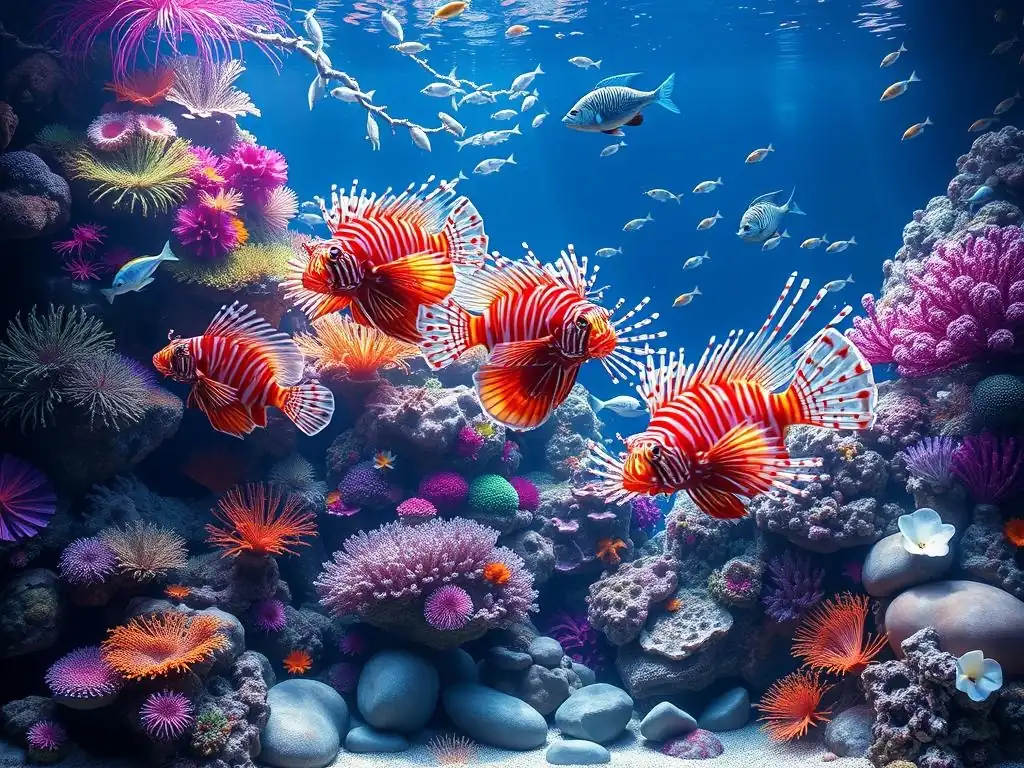
Welcome to Aquarium Mastery!
Ever wondered if those majestic, venomous beauties – lionfish – can actually share a tank peacefully? Dive in and unravel the secrets with our comprehensive Lionfish Tank Compatibility Guide. Discover the essential factors, from tank size to temperament, that determine successful cohabitation and avoid potential aquatic conflicts. Curious to learn more? Keep reading to unlock the key to a harmonious lionfish community!
- Understanding Lionfish Tank Compatibility: Introduction
- Lionfish Species and Temperament: A Key to Successful Cohabitation
- Factors Influencing Lionfish Tank Mate Success
- Choosing Compatible Lionfish Tank Mates
- Setting Up Your Lionfish Aquarium for Cohabitation
- Monitoring Lionfish Behavior and Health
- Lionfish Tank Compatibility Guide: Recap and Best Practices
-
Frequently Asked Questions
- Can you keep multiple lionfish together in a single aquarium?
- What are the most important factors to consider when housing multiple lionfish together?
- What types of lionfish are more likely to be compatible with each other?
- How do I minimize aggression between lionfish in a shared tank?
- What are the potential risks of keeping multiple lionfish together?
- Final Reflection: Navigating the Complexities of Coexistence
- Dive Deeper: Unlock the Secrets of Lionfish Keeping!
Understanding Lionfish Tank Compatibility: Introduction
The Allure and Challenge of Keeping Lionfish
Lionfish, with their dramatic pectoral fins, striking coloration, and deliberate movements, are undeniably captivating inhabitants for a large saltwater aquarium. Species like the Volitan lionfish ( Pterois volitans) can grow to impressive sizes, often exceeding 15 inches in captivity, making them a majestic focal point. Their unique beauty and predatory grace attract many advanced aquarists seeking a distinct challenge in their marine setups.
However, the allure of lionfish comes with inherent challenges. Their venomous spines, while primarily defensive, require careful handling. More importantly for tank design, their predatory nature and territorial tendencies can complicate cohabitation with other fish and, crucially, with other lionfish. Understanding their specific needs and behaviors is paramount to successfully integrating them into a community or multi-lionfish environment, making a comprehensive Lionfish tank compatibility guide essential.
Why Lionfish Cohabitation Can Be Tricky
The primary difficulty in housing multiple lionfish stems from their semi-aggressive and territorial nature, particularly towards conspecifics (members of the same species) or fish of similar appearance. As they mature, lionfish can become increasingly possessive of their chosen territories, leading to stress, fin nipping, and even fatalities if adequate space and hiding spots are not provided. Their rapid growth and significant bioload also demand substantial filtration and diligent maintenance, adding another layer of complexity to multi-lionfish setups.
Furthermore, lionfish are opportunistic predators. Any fish small enough to fit into their surprisingly expandable mouths is considered potential prey. This inherent feeding behavior means that even if aggression between lionfish themselves is managed, introducing a smaller, less robust lionfish or other undersized tank mates can lead to predation. Therefore, careful planning of tank size, species selection, and introduction protocols is critical to navigate these challenges successfully, as detailed in a thorough Lionfish tank compatibility guide.
Lionfish Species and Temperament: A Key to Successful Cohabitation
Species-Specific Lionfish Temperament Profiles
Understanding the nuances of temperament across different lionfish species is a cornerstone of successful cohabitation. While all lionfish are predatory, their size, growth rate, and general disposition vary, directly impacting their suitability for multi-species or multi-lionfish tanks. Recognizing these differences is a vital part of any effective Lionfish tank compatibility guide.
Volitan Lionfish ( Pterois volitans) Compatibility
The Volitan lionfish, often referred to as the Common lionfish, is one of the largest and most frequently encountered species in the aquarium trade, capable of reaching lengths of 15 to 18 inches. While they are generally peaceful towards fish too large to be considered prey, they are highly predatory towards smaller fish and can exhibit significant aggression towards other lionfish, particularly those of similar size or species. In the wild, they are typically solitary hunters, and this solitary nature often translates to territorial disputes in captive environments.
Cohabitation of multiple Volitan lionfish is exceptionally challenging and generally only recommended for expert aquarists with exceptionally large tanks, ideally 300-500 gallons or more, featuring extensive rockwork to establish clear territorial boundaries. Even then, success is not guaranteed, and constant monitoring for signs of aggression, such as fin nipping or chasing, is imperative. Introducing multiple juvenile Volitans simultaneously into a very large system might offer a slightly higher chance of success than adding new individuals later, but the risk of predation or severe injury remains high due to their growth and territorial instincts.
Dwarf Lionfish ( Dendrochirus brachypterus) Compatibility
Dwarf lionfish, which include species like the Fu Manchu lionfish ( Dendrochirus biocellatus) and the Zebra lionfish ( Dendrochirus zebra), are significantly smaller than their Volitan counterparts, typically reaching only 4 to 7 inches in length. This smaller size makes them a more viable option for aquarists with tanks ranging from 50 to 75 gallons, and their temperament is generally considered less aggressive than the larger Pterois species. They are still predatory but less likely to consume very large tank mates.
When considering cohabitation, Dwarf lionfish can sometimes be kept in small groups (e.g., 2-3 individuals) in appropriately sized aquariums, provided they are introduced at the same time and are of similar size. This helps establish a hierarchy without severe dominance issues. However, individual personalities vary, and some Dwarf lionfish may still exhibit aggression towards conspecifics. Providing ample hiding spots and ensuring a consistent feeding schedule can mitigate potential conflicts, making them a more manageable choice for a multi-lionfish setup discussed in a Lionfish tank compatibility guide.
Radiata Lionfish ( Pterois radiata) Compatibility
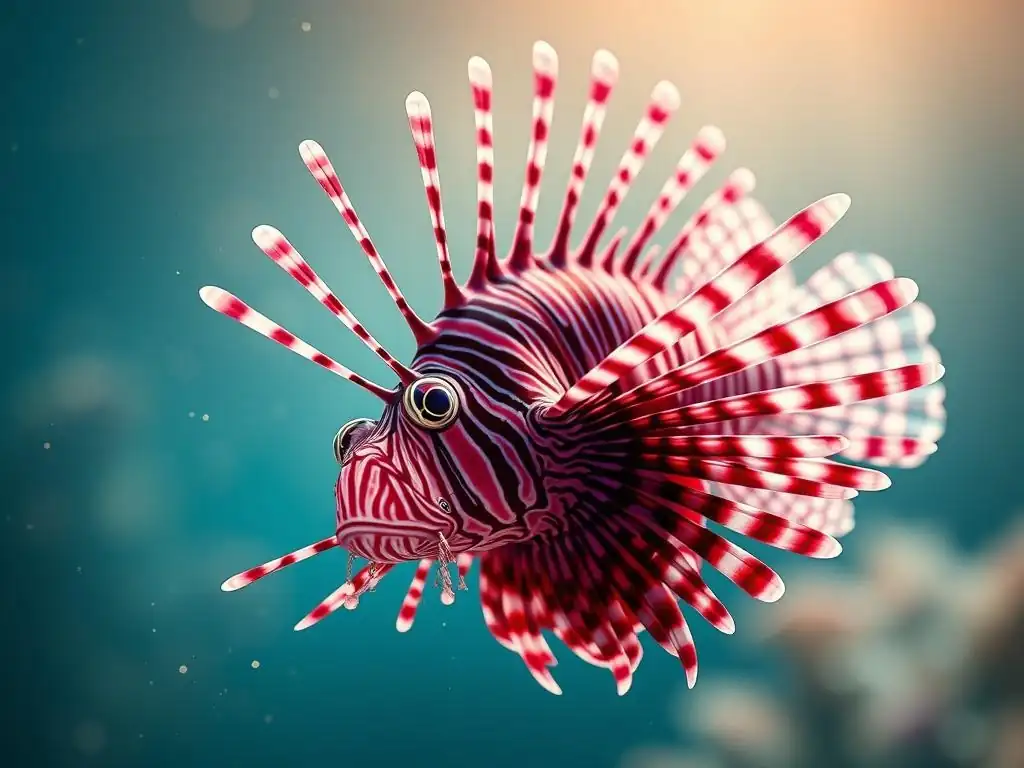
The Radiata lionfish, distinguishable by its distinctive white fin rays and often reaching 8 to 10 inches, is generally considered one of the more aggressive lionfish species, particularly towards other lionfish. Their territorial instincts are pronounced, making multi-Radiata setups exceptionally difficult and rarely recommended for the average home aquarium. Their robust nature and assertive demeanor mean they can quickly dominate a tank.
For these reasons, keeping multiple Radiata lionfish together is strongly discouraged unless in extremely large, species-specific displays exceeding 400 gallons, designed with intricate rock formations to create numerous visual barriers and individual territories. Even in such vast environments, constant vigilance is required. The risk of one fish relentlessly bullying or injuring another is substantial, reinforcing the need for species-specific understanding within any Lionfish tank compatibility guide.
How Lionfish Temperament Affects Tank Mates
The inherent temperament of lionfish, characterized by their predatory instincts and territorial behavior, profoundly impacts the selection of suitable tank mates. As ambush predators, lionfish will attempt to consume any fish or invertebrate that can fit into their mouths. This means that even seemingly docile lionfish can be a threat to smaller species like damsels, gobies, or even juvenile clownfish, regardless of their species profile. Their slow, deliberate movements often belie their lightning-fast strike when prey is detected.
Furthermore, individual temperament variations exist even within a single species. Some lionfish might be more tolerant of tank mates, while others are highly territorial and aggressive. This unpredictability necessitates continuous observation. A stressed or aggressive lionfish, whether due to inadequate tank size, poor water quality, or unsuitable tank mates, can become a danger to other inhabitants, making diligent monitoring a crucial aspect of any Lionfish tank compatibility guide.
Factors Influencing Lionfish Tank Mate Success
Tank Size Requirements for Multiple Lionfish
Tank size is arguably the most critical factor influencing the success of cohabiting multiple lionfish or even a single lionfish with other species. Insufficient space directly contributes to stress, aggression, and poor water quality, undermining any attempts at successful integration.
Minimum Tank Size for Lionfish Cohabitation
For a single adult Volitan lionfish, a minimum tank size of 125 gallons is widely recommended to accommodate its eventual size and bioload. When considering two Volitan lionfish, the minimum requirement escalates dramatically to at least 300 gallons, with 400-500 gallons being a more ideal and safer baseline to provide ample individual territory and swimming space. For smaller Dwarf lionfish, a pair might coexist in a 75-100 gallon tank, but larger is always preferable. These figures are not arbitrary; they reflect the need for significant volume to dilute waste products and provide sufficient physical separation to minimize territorial disputes.
The length and width of the tank are often more important than its height for lionfish. A tank that is 6-8 feet long offers significantly more horizontal territory than a taller, narrower 4-foot tank, allowing each lionfish to establish its own hunting grounds and retreat spaces. This increased linear space helps diffuse aggression by preventing constant visual contact and allowing for more complex aquascaping to create natural barriers.
Overcrowding and Lionfish Aggression
Overcrowding is a direct precursor to increased stress and aggression in lionfish. When confined to insufficient space, lionfish are constantly forced into close proximity, leading to heightened territorial disputes, fin nipping, and chasing. This persistent harassment can result in physical injury, chronic stress, and a weakened immune system, making the fish more susceptible to disease. A study on fish aggression found that spatial confinement is a significant contributor to increased aggressive encounters among various species.
Beyond behavioral issues, overcrowding places an immense strain on the aquarium's filtration system. Lionfish are large, messy eaters, producing a substantial amount of waste. In an overcrowded tank, ammonia and nitrite levels can spike, or nitrates can accumulate rapidly, leading to toxic water conditions. Poor water quality further stresses the fish, exacerbates aggression, and can lead to serious health problems like fin rot, cloudy eyes, or marine ich. Therefore, adhering to generous tank size recommendations is fundamental to a robust Lionfish tank compatibility guide.
Water Parameters and Lionfish Health
Maintaining pristine and stable water parameters is non-negotiable for the health and longevity of lionfish, and it directly impacts their behavior and compatibility with tank mates. Fluctuations or suboptimal conditions can induce stress, making fish more prone to aggression or becoming targets of aggression.
Maintaining Optimal Water Quality for Lionfish
Lionfish thrive in stable saltwater conditions mirroring their natural reef environment. Key parameters include: salinity between 1.020 and 1.025 specific gravity, a stable temperature range of 75-80°F (24-27°C), and a pH level between 8.1 and 8.4. Crucially, ammonia and nitrite levels must remain at 0 ppm, and nitrates should ideally be kept below 20 ppm to prevent long-term stress and health issues. Achieving these stable conditions requires a robust filtration system, including mechanical, chemical, and biological filtration, alongside regular water changes—typically 10-20% weekly or bi-weekly, depending on bioload.
Consistent water quality not only prevents disease but also promotes natural, calm behavior. Lionfish that are experiencing stable and clean water are less likely to be stressed, which can reduce instances of unpredictable aggression. Conversely, even minor fluctuations in pH or sudden spikes in nitrates can trigger stress responses, leading to lethargy, loss of appetite, or increased territorial displays. Regular testing with reliable aquarium test kits is essential to proactively manage these parameters.
The Impact of Water Chemistry on Lionfish Behavior
Suboptimal water chemistry directly impacts a lionfish's physiological state and, consequently, its behavior. For instance, prolonged exposure to elevated nitrate levels, even if not immediately lethal, can cause chronic stress, leading to a suppressed immune system and increased susceptibility to diseases like marine ich. A fish battling an underlying health issue is often more irritable or withdrawn, potentially leading to increased aggression towards tank mates or becoming a target for bullying.
Sudden shifts in pH or salinity can also induce osmotic shock, causing extreme stress and erratic behavior. A stressed lionfish might hide excessively, refuse food, or display unusual swimming patterns. In a multi-lionfish tank, this stress can manifest as heightened territoriality or direct aggression towards other inhabitants. Therefore, maintaining consistent and optimal water chemistry, as emphasized in any comprehensive Lionfish tank compatibility guide, is paramount not just for health, but for fostering a harmonious environment.
Diet and Feeding Habits of Lionfish
The diet and feeding habits of lionfish play a significant role in their overall health and, importantly, their behavior within a shared aquarium environment. Competition for food can be a major source of aggression, especially in multi-lionfish setups.
Competition for Food Among Lionfish
Lionfish are highly predatory and can be aggressive feeders, especially when presented with preferred meaty foods. In a tank with multiple lionfish, competition for food can become intense. A larger or more dominant lionfish may monopolize feeding opportunities, preventing smaller or more timid individuals from getting enough to eat. This can lead to some fish becoming undernourished and stressed, while the dominant fish may become obese, neither of which is healthy.
This dynamic can also exacerbate existing territorial disputes. If a less dominant lionfish attempts to feed in the perceived territory of a more dominant one, it can trigger an aggressive response. Over time, this consistent competition and stress can weaken the underfed fish, making it more susceptible to disease and continued bullying. Therefore, understanding and managing feeding dynamics is crucial for successful cohabitation, a key aspect of a practical Lionfish tank compatibility guide.
Preventing Aggression During Feeding Times
To mitigate aggression during feeding, strategic approaches are necessary. Instead of dumping a large amount of food, consider target feeding each lionfish individually using a feeding stick or tongs. This ensures that every fish receives an adequate portion and reduces direct competition. If target feeding is not feasible, distribute smaller portions of food simultaneously at multiple points in the tank to allow all fish access. For instance, feeding a chunk of silverside to the dominant fish at one end while simultaneously offering shrimp to another at the opposite end can be effective.
Feeding frequency also plays a role; multiple smaller feedings throughout the day can reduce hunger-driven aggression compared to one large meal. Providing ample hiding spots also allows less dominant fish to retreat immediately after feeding, reducing post-meal confrontations. A varied diet of high-quality, frozen meaty foods such as silversides, krill, and various types of shrimp (e.g., mysis, brine) ensures complete nutrition and can also help reduce the drive for live food, which can sometimes trigger more aggressive predatory instincts.
Choosing Compatible Lionfish Tank Mates
Selecting Suitable Tank Mates for Lionfish
Choosing appropriate tank mates for lionfish requires a deep understanding of their predatory nature. The golden rule is simple: if it can fit in a lionfish's mouth, it will eventually become food. This means a significant portion of common aquarium fish are unsuitable.
Fish Species to Avoid with Lionfish
Any fish species that remains small enough to be swallowed by an adult lionfish should be strictly avoided. This includes virtually all small damsels, gobies, blennies, cardinalfish, and juvenile versions of larger fish. For instance, a 15-inch Volitan lionfish can easily consume a 3-inch clownfish or a 4-inch royal gramma.
Beyond size, avoid overly aggressive or nippy species that might harass the lionfish, such as certain triggerfish (e.g., Clown Triggerfish, Queen Triggerfish) or large puffers. While lionfish are venomous, persistent fin nipping can lead to stress, infection, and damage to their delicate fins. Similarly, extremely fast or highly active fish might stress the slower-moving lionfish by constantly darting around them.
It is also crucial to avoid introducing fish that are known to be particularly aggressive or hyperactive, as they can outcompete lionfish for food or constantly provoke them, leading to a stressed environment. For example, some large wrasses or large moray eels might present a challenge for a lionfish due to competition or potential injury. The ultimate goal is to maintain a peaceful environment where the lionfish feels secure and is not constantly on edge, which is a core tenet of a successful Lionfish tank compatibility guide.
Fish Species That Can Coexist with Lionfish
When selecting tank mates for lionfish, focus on large, robust, and non-aggressive species that are too big to be considered prey and have similar water parameter requirements. Good candidates often include certain tangs (e.g., Yellow Tangs, Sailfin Tangs, Powder Blue Tangs), provided the tank is large enough to accommodate their swimming needs (e.g., 180 gallons+ for multiple large tangs). Large angelfish (e.g., Emperor Angelfish, Queen Angelfish, French Angelfish) can also be suitable, as can certain groupers (e.g., Panther Grouper, Potato Cod, provided the tank is massive) and docile triggerfish species like the Blue Jaw Triggerfish ( Xanthichthys auromarginatus).
Other possibilities include large snappers, some large hawkfish, and even other lionfish species if the tank is exceptionally large and individual temperaments are carefully managed, as previously discussed. The key is to ensure that the chosen tank mates are peaceful enough not to stress the lionfish, yet large and robust enough not to become a meal. Introducing all tank mates, including the lionfish, simultaneously into a large, established system with plenty of hiding spots can also improve the chances of harmonious coexistence, a valuable tip in any Lionfish tank compatibility guide.
Invertebrates and Lionfish: A Risky Combination?
Generally, keeping lionfish with most invertebrates is a highly risky endeavor and often results in the invertebrates becoming expensive snacks. Lionfish possess a strong predatory instinct, and nearly all crustaceans, including ornamental shrimp (e.g., cleaner shrimp, peppermint shrimp), hermit crabs, and smaller crabs, are considered natural prey. Even larger crabs might be picked at or consumed, given enough time or opportunity.
While there are anecdotal reports of very large cleaner shrimp (e.g., Skunk Cleaner Shrimp reaching over 2 inches) coexisting with lionfish, especially if they establish a cleaning station and the lionfish is well-fed, success is far from guaranteed. These instances are exceptions rather than the rule. Similarly, most snails are too slow or small to escape predation. Therefore, for the vast majority of aquarists following a Lionfish tank compatibility guide, it is best to assume that any invertebrate introduced into a lionfish tank will eventually be eaten, making a dedicated invertebrate tank a better option for these creatures.
Setting Up Your Lionfish Aquarium for Cohabitation
Creating a Stress-Free Environment
The physical setup of your lionfish aquarium is crucial for minimizing stress and aggression, particularly when cohabiting multiple lionfish or a lionfish with other species. A well-designed environment can significantly reduce territorial disputes and promote natural behaviors.
Providing Ample Hiding Places
Lionfish, despite their bold appearance, appreciate and utilize plenty of caves, overhangs, and crevices within the rockwork. These structures serve as individual territories and crucial hiding spots, allowing each fish to retreat and feel secure. In a multi-lionfish setup, having more hiding places than there are fish is highly beneficial. For example, in a 300-gallon tank housing two Volitan lionfish, aim for at least 4-5 distinct, large cave systems or rock formations that each fish can claim as its own. This reduces direct competition for prime real estate.
The arrangement of live rock should create a complex, three-dimensional environment with numerous nooks and crannies. This complexity not only provides refuge but also breaks up lines of sight, preventing constant visual contact between lionfish. When lionfish cannot continually see each other, perceived territorial threats are reduced, leading to less stress and aggression. A thoughtful aquascape is a cornerstone of a successful Lionfish tank compatibility guide.
Minimizing Visual Aggression
Beyond providing physical hiding spots, the strategic arrangement of rockwork can actively minimize visual aggression. Create tall, distinct rock structures or use large pieces of live rock to form arches and tunnels that act as visual barriers. These barriers prevent lionfish from maintaining constant eye contact, which can trigger territorial displays and stress. For instance, a central rock island or a dividing wall of rockwork can effectively partition a large tank into multiple zones, each offering a degree of privacy.
Furthermore, consider the tank's dimensions. Longer tanks (e.g., 6-8 feet in length) are often superior to taller, narrower ones for multi-lionfish setups because they offer more horizontal swimming space and allow for greater physical separation between individuals. This increased linear space reduces the likelihood of accidental encounters and provides more room for each lionfish to establish a comfortable personal zone, an often-overlooked aspect in a Lionfish tank compatibility guide.
Introducing New Lionfish to the Tank
The process of introducing new lionfish to an established aquarium, especially one already containing other lionfish or tank mates, requires careful planning and execution to minimize stress and prevent aggression. Rushing this step can lead to disastrous outcomes.
Quarantine Procedures for New Lionfish
Always, without exception, quarantine new lionfish in a separate, dedicated quarantine tank for a minimum of 4 to 6 weeks. This critical step serves multiple purposes. Firstly, it allows you to observe the new fish for any signs of disease (e.g., marine ich, velvet, bacterial infections) without risking contamination of your main display tank. If disease is detected, it can be treated in the quarantine tank, preventing a widespread outbreak that could devastate your entire aquarium.
Secondly, quarantine provides an opportunity to train the new lionfish to accept prepared frozen foods, if they are accustomed to live feeders. This transition is vital for their long-term health and for preventing the introduction of parasites often associated with live foods. It also ensures they will readily eat in the main tank, reducing competition and stress during feeding times, which is a key component of a comprehensive Lionfish tank compatibility guide.
Acclimation Strategies for Lionfish
After a successful quarantine period, the acclimation process to the main display tank should be slow and deliberate. Use a drip acclimation method, slowly introducing water from the main tank into the new lionfish's container over several hours (e.g., 1-2 drips per second for 1-2 hours). This gradual change minimizes osmotic shock and stress from sudden shifts in salinity, pH, and temperature. Avoiding a rapid transfer is crucial for their delicate systems.
When ready to introduce the lionfish, turn off the main tank lights or dim them significantly. This reduces initial stress and allows the new fish to explore its surroundings and find hiding spots without immediate confrontation from established tank mates. For multi-lionfish setups, some aquarists find it beneficial to slightly rearrange the existing rockwork before introducing a new lionfish. This disruption temporarily disorients the established inhabitants, making them less territorial and giving the newcomer a better chance to settle in without immediate challenges.
Monitoring Lionfish Behavior and Health
Recognizing Signs of Aggression in Lionfish
Continuous observation of your lionfish's behavior is paramount for detecting early signs of aggression or stress, allowing for timely intervention before serious harm occurs. Even with the best planning, individual temperaments can lead to unexpected conflicts.
Fin Nipping and Chasing
One of the most obvious signs of aggression in a multi-lionfish tank is persistent fin nipping or chasing. Observe for torn, frayed, or ragged fins, especially the delicate pectoral and dorsal fins. While occasional, brief chases might be part of establishing a hierarchy, constant harassment where one lionfish relentlessly pursues another is a clear indication of significant incompatibility. This can lead to severe stress, physical injury, and increased susceptibility to bacterial infections in the damaged areas.
If these behaviors are observed, it's crucial to identify the aggressor and the victim. Consider the frequency and intensity of the aggression; if it's continuous and severe, immediate intervention may be necessary, such as separating the aggressor into a temporary holding tank or re-evaluating the tank's aquascape to provide more visual barriers. Ignoring these signs can lead to chronic stress, starvation of the bullied fish, or even death, underscoring the importance of vigilance in any Lionfish tank compatibility guide.
Changes in Feeding Habits
Aggression and stress can significantly impact a lionfish's feeding behavior. A dominant lionfish might actively prevent others from accessing food, leading to some individuals appearing thin or emaciated, despite food being offered. Conversely, a bullied or stressed lionfish might become withdrawn, hide excessively, and refuse to come out to feed, even when food is available. This can be a subtle but critical sign of incompatibility.
Monitor individual consumption during feeding times. If one lionfish consistently gets less food, or if its response to food offering diminishes, it's a strong indicator of an underlying issue. This might require target feeding the affected individual separately or modifying your feeding strategy to ensure all fish receive adequate nutrition. A healthy, stress-free lionfish should be eager to eat; any deviation from this normal behavior warrants investigation and potential intervention to maintain the well-being of all tank inhabitants.
Common Health Issues in Lionfish and How to Prevent Them
While lionfish are generally robust, they are susceptible to common saltwater aquarium diseases, particularly when stressed by poor water quality, overcrowding, or incompatible tank mates. Proactive health management is crucial for their long-term well-being.
Lionfish are prone to external parasites such as marine ich ( Cryptocaryon irritans) and velvet ( Amyloodinium ocellatum), especially when new fish are introduced without proper quarantine or when water quality deteriorates. Symptoms include small white spots resembling salt grains (ich) or a dusty, velvet-like coating (velvet) on the body and fins, accompanied by rapid breathing or scratching against decor. Bacterial infections, often secondary to stress or injury, can manifest as fin rot, cloudy eyes, or opaque patches on the skin. Internal parasites are less common but can occur if live foods from unreliable sources are fed.
Prevention is the most effective strategy for managing lionfish health. This begins with maintaining pristine and stable water parameters, as discussed previously, as fluctuations are a leading cause of stress and weakened immunity. Providing a varied, nutritious diet of high-quality frozen foods strengthens their immune system. Crucially, always quarantine new fish for at least 4-6 weeks to prevent the introduction of diseases into the main display. Avoiding overcrowding and providing ample hiding spots also minimizes stress, thereby reducing susceptibility to disease and promoting a healthy, harmonious environment as outlined in any comprehensive Lionfish tank compatibility guide.
Lionfish Tank Compatibility Guide: Recap and Best Practices
Key Takeaways for Successful Lionfish Cohabitation
Successfully keeping multiple lionfish together, or lionfish with other species, is a challenging but rewarding endeavor that hinges on meticulous planning and continuous vigilance. Adhering to specific guidelines dramatically increases the chances of a thriving, harmonious environment.
- Species Selection: Carefully choose lionfish species. Dwarf lionfish are generally more amenable to cohabitation in smaller groups than the larger, more territorial Pterois species like Volitans or Radiatas.
- Tank Size: Provide exceptionally generous tank volumes. For multiple large lionfish (e.g., Volitans), a minimum of 300-400 gallons is recommended to allow for distinct territories and ample swimming space.
- Aquascaping: Design the rockwork to create numerous caves, overhangs, and visual barriers. More hiding spots than fish will help reduce direct visual aggression and provide security.
- Water Quality: Maintain pristine and stable water parameters (salinity 1.020-1.025, Temp 75-80°F, pH 8.1-8.4, Ammonia/Nitrite 0 ppm, Nitrates <20 ppm) through robust filtration and regular water changes.
- Feeding Strategy: Implement a targeted or multi-point feeding strategy to ensure all lionfish receive adequate nutrition and to minimize competition-driven aggression.
- Quarantine: Always quarantine new lionfish and tank mates for 4-6 weeks to prevent disease introduction and to acclimate them to prepared foods.
- Observation: Continuously monitor all lionfish for signs of aggression (fin nipping, chasing, changes in feeding) or stress, and be prepared to intervene if necessary.
- Size Matching: When introducing multiple lionfish, aim for individuals of similar size, or introduce smaller ones first if the larger ones are already established and docile, though this carries higher risk.
Resources for Further Research on Lionfish Care
The journey of keeping lionfish, especially in a cohabitated setup, is one of continuous learning. While this Lionfish tank compatibility guide provides a solid foundation, the nuances of marine aquariology and individual fish behavior necessitate ongoing research and adaptation. We strongly encourage aquarists to delve deeper into specialized resources.
Reputable marine aquarium forums, such as Reef2Reef or The Reef Tank, offer invaluable community insights, real-world experiences, and troubleshooting advice from thousands of experienced aquarists. Dedicated lionfish enthusiast groups on social media platforms can also provide species-specific discussions and support. Furthermore, academic publications and university extensions specializing in marine biology and aquaculture often publish research on lionfish husbandry, diet, and health, offering scientifically backed information. Engaging with these resources ensures you stay informed about the latest best practices and can adapt your approach to the evolving needs of your unique lionfish aquarium.
Frequently Asked Questions
Can you keep multiple lionfish together in a single aquarium?
It depends on the aquarium size and the specific lionfish species. Generally, it's possible, but requires careful planning and monitoring to avoid aggression.
What are the most important factors to consider when housing multiple lionfish together?
The most important factors are tank size, availability of hiding places, and sufficient food. Overcrowding and competition for resources can lead to stress and aggression.
What types of lionfish are more likely to be compatible with each other?
Lionfish of similar size and temperament are more likely to coexist peacefully. Avoiding highly territorial species in smaller tanks is crucial.
Provide ample space, plenty of hiding spots, and regular feeding to reduce competition. Also, observe their behavior closely for signs of aggression.
What are the potential risks of keeping multiple lionfish together?
Potential risks include increased aggression, injury from territorial disputes, and uneven food distribution. Careful monitoring and intervention are essential.
The intricacies of establishing a harmonious aquarium environment, as explored in this guide, are not merely theoretical; they reflect a broader understanding of ecological balance and responsible pet ownership. The success of keeping multiple lionfish together hinges on careful planning and a deep respect for their natural behaviors, a principle that extends far beyond the confines of a glass tank.
This journey into lionfish tank compatibility has underscored the profound impact our choices have on the delicate ecosystems we attempt to recreate. It's a constant reminder that responsible aquarists are, in essence, miniature ecosystem managers, tasked with fostering a thriving community. In the end, we will conserve only what we love; we will love only what we understand; and we will understand only what we are taught.
- Baba Dioum. This quote encapsulates the essence of our responsibility to learn and understand the creatures we choose to keep.
As you consider the information presented in this guide, I encourage you to reflect on the broader implications of your choices. Consider not just the immediate needs of your lionfish, but the long-term impact of your actions on the marine environment. Embrace the challenge of creating a thriving, balanced ecosystem, and let your aquarium be a testament to your commitment to responsible stewardship.
Dive Deeper: Unlock the Secrets of Lionfish Keeping!
Thank you for exploring the fascinating world of lionfish with us! We hope you've found this guide helpful in understanding the intricacies of keeping these majestic creatures. Now, it's time to put that knowledge into action.
Here are some ways you can continue your journey:
- Share your findings: Start a discussion in our Aquarium Mastery community forum, let's talk about your experience and challenges with Lionfish.
- Take the plunge!: If you're ready, carefully plan your own lionfish tank setup, prioritizing safety and the specific needs of your chosen species.
- Read more about uncommon fish, and see how a community is built around them.
What fascinating fact about lionfish cohabitation surprised you the most, and how will it influence your aquarium choices?