
Feeding Your Chili Rasboras: Diet Tips for Vibrant Color and Optimal Health

Welcome to Aquarium Mastery!
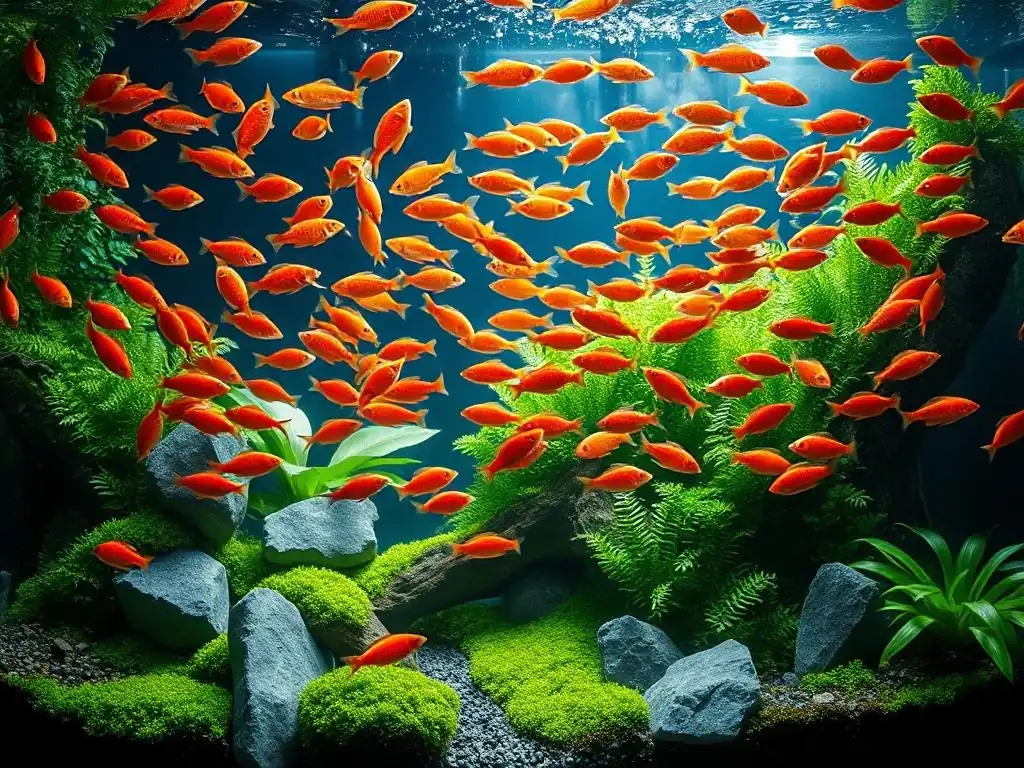
Ever wondered how to unlock the true vibrant red of your Chili Rasboras? This article dives deep into Chili Rasbora feeding tips, revealing the secrets to a diet that not only keeps them healthy but also enhances their stunning coloration. Get ready to discover the feeding strategies that will transform your Chili Rasboras into the jewels of your freshwater aquarium. Intrigued? Let's get started!
- Understanding Chili Rasbora Dietary Needs for Optimal Health
- Best Food Choices for Chili Rasboras in the Aquarium
- Chili Rasbora Feeding Schedule and Portion Control
- Enhancing Chili Rasbora Color Through Diet
- Addressing Common Chili Rasbora Feeding Problems
- Creating a Feeding Plan for Healthy and Vibrant Chili Rasboras
- Chili Rasbora Fry Feeding: A Guide to Raising Healthy Young
- Avoiding Common Feeding Mistakes with Chili Rasboras
- Frequently Asked Questions
- Final Reflection: Cultivating a Vibrant Ecosystem
- Ignite Your Rasboras' Colors!
Understanding Chili Rasbora Dietary Needs for Optimal Health
The Importance of a Varied Diet for Chili Rasboras
Providing a varied diet is paramount for the long-term health and vibrant coloration of your Chili Rasboras. These tiny fish, Boraras brigittae, thrive not just on sustenance but on a diverse nutritional intake that mimics their natural environment.
A diet rich in different food types ensures they receive a full spectrum of essential amino acids, vitamins (like Vitamin C for immune health and Vitamin A for vision), and minerals that are crucial for metabolic functions, disease resistance, and robust growth. Without variety, Chili Rasboras can suffer from nutritional deficiencies, leading to dull coloration, stunted growth, and a weakened immune system, making them more susceptible to common aquarium ailments.
Beyond just nutrition, a varied diet also stimulates their natural foraging behaviors, contributing to their overall well-being and reducing stress. Offering a mix of high-protein foods, vegetable matter, and live or frozen treats keeps them engaged and active.
For example, a study on small cyprinids, while not specific to Boraras brigittae, often indicates that fish fed a diverse diet exhibit better growth rates, sometimes up to 15-20% faster, and a significantly lower incidence of common ailments compared to those fed a monotonous diet. This holistic approach to Chili rasbora feeding tips supports not only their physical health but also their psychological welfare in the aquarium environment.
Chili Rasbora Natural Diet: What They Eat in the Wild
In their native habitats, primarily the blackwater streams and peat swamps of Borneo and Sumatra, Chili Rasboras are micro-predators. Their natural diet consists predominantly of minute aquatic invertebrates, insect larvae, and zooplankton. These environments are typically acidic and tannin-stained, with an abundance of decaying leaf litter that supports a rich microfauna. The small size of these fish, typically reaching only about 0.8 inches (2 cm), dictates that their prey items must be equally tiny.
Observations of wild Boraras species suggest they actively forage among submerged vegetation and leaf litter, sifting through detritus to find copepods, daphnia, and various other microscopic organisms. They also consume biofilm that grows on surfaces, which can include diatoms and other single-celled algae, providing some vegetable matter in their diet. Understanding these natural Chili rasbora feeding habits is key to replicating a successful diet in the aquarium, emphasizing the need for small, protein-rich foods that can be easily consumed and digested by these delicate fish.
Best Food Choices for Chili Rasboras in the Aquarium
High-Quality Flake Food for Chili Rasboras: What to Look For
When selecting flake food for your Chili Rasboras, quality and appropriate particle size are paramount. Look for flakes specifically designed for small tropical fish, as larger flakes will be difficult for their tiny mouths to consume. The flakes should be easily crushable into a fine powder or small, manageable pieces. A high-quality flake food will list fish meal, krill, spirulina, or other reputable protein sources as the primary ingredients. Aim for a protein content of at least 40-45% to support their carnivorous tendencies.
Beyond protein, check for ingredients like spirulina or chlorella, which provide essential vitamins and natural color enhancers. Avoid flakes with excessive fillers or artificial colors. For optimal Chili rasbora feeding tips, consider flakes that are fortified with vitamins, especially Vitamin C, which boosts immunity. When feeding, crush the flakes between your fingers before adding them to the tank to ensure the particles are small enough for your Chili Rasboras to readily consume, preventing uneaten food from fouling the water.
Micro Pellets: A Great Staple Food for Chili Rasboras
Micro pellets are an excellent staple food option for Chili Rasboras due to their small size and dense nutritional content. Unlike flakes, which tend to float, micro pellets often sink slowly, allowing Chili Rasboras to feed at various levels of the water column. Look for pellets that are no larger than 0.5mm, preferably even smaller, to ensure they can be easily ingested. These pellets are typically formulated to be highly digestible, reducing waste and contributing to better water quality.
Many high-quality micro pellets are designed for color enhancement, containing natural carotenoids like astaxanthin, which significantly intensify the red hues of Chili Rasboras. They offer a concentrated source of protein, essential fats, and micronutrients. For effective Chili rasbora feeding tips, introduce micro pellets gradually if your fish are not accustomed to them, perhaps mixing them with a familiar food initially. Their slow sinking rate makes them ideal for ensuring all individuals in a school get enough food without excessive competition.
Live Foods for Chili Rasboras: Enhancing Color and Breeding
Live foods are arguably the best option for enhancing the color, vitality, and breeding readiness of Chili Rasboras, closely mimicking their natural diet. Options like newly hatched brine shrimp (nauplii), microworms, vinegar eels, and daphnia are perfectly sized and highly nutritious. These foods provide essential proteins, fats, and enzymes that are often degraded in processed foods. The act of chasing live food also stimulates their natural hunting instincts, providing valuable enrichment and exercise.
Feeding live foods regularly, perhaps 2-3 times a week, can dramatically improve the coloration of your Chili Rasboras, making their reds more intense and their bodies more robust. For example, a consistent diet including live brine shrimp nauplii has been observed to significantly enhance the red pigmentation in Boraras species within a few weeks due to the high astaxanthin content in the brine shrimp. Additionally, the high protein content and natural movement of live foods are often key triggers for spawning behavior in these small cyprinids.
Culturing Your Own Live Foods for Chili Rasboras
Culturing your own live foods for Chili Rasboras offers a cost-effective and convenient way to provide a consistent supply of highly nutritious meals. Microworms and vinegar eels are particularly easy to culture at home, requiring minimal space and equipment. Microworms can be started with a simple culture of oatmeal and yeast, yielding thousands of tiny worms daily that are perfect for Chili Rasboras and their fry. Vinegar eels, cultured in a mixture of apple cider vinegar and water, are even smaller and can live for extended periods, making them ideal for fry.
Daphnia can also be cultured in outdoor tubs or dedicated indoor containers with green water or yeast, providing a larger live food source for adult Chili Rasboras. Culturing these foods ensures you have a fresh, pathogen-free supply, eliminating concerns about introducing diseases from wild-caught or commercially sourced live foods. This self-sufficiency in live food production is one of the most beneficial Chili rasbora feeding tips for dedicated aquarists, leading to healthier and more active fish.
Frozen Foods: A Convenient Option for Chili Rasbora Diet
Frozen foods offer a convenient and highly nutritious alternative to live foods, especially for aquarists who may not have the time or resources to culture live cultures. Common frozen options suitable for Chili Rasboras include frozen brine shrimp, daphnia, and cyclops. These foods are typically gut-loaded before freezing, meaning they contain beneficial nutrients from their last meal, which are then passed on to your fish.
Before feeding, it's crucial to thaw frozen foods in a small amount of tank water or dechlorinated water and rinse them thoroughly to remove any residual preservatives or excess nutrients that could foul the tank water. Only feed a tiny portion at a time, as these foods can quickly pollute the water if overfed. Frozen bloodworms are generally too large for Chili Rasboras, but finely chopped frozen mysis shrimp or spirulina-enriched brine shrimp can be excellent additions to their diet, providing variety and boosting their nutrient intake.
Chili Rasbora Feeding Schedule and Portion Control
How Often to Feed Chili Rasboras: Avoiding Overfeeding
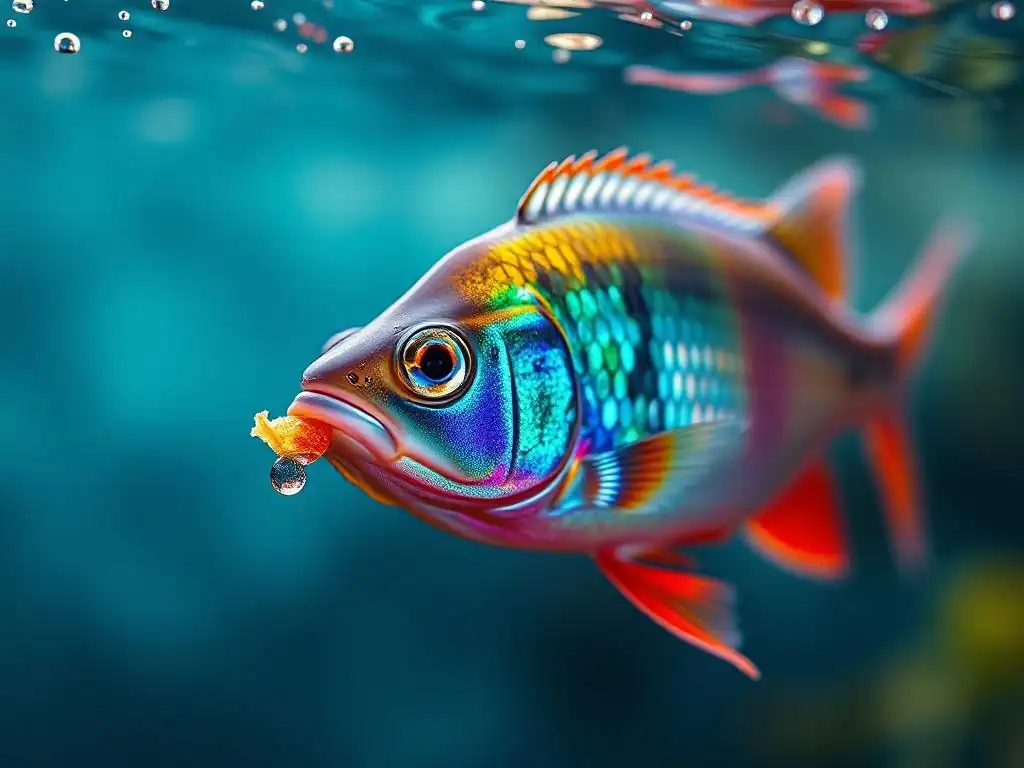
Chili Rasboras have very small stomachs and a high metabolism, meaning they benefit from frequent, small meals rather than large, infrequent ones. The general recommendation for Chili rasbora feeding tips is to feed them 1-2 times per day. For optimal health and to encourage vibrant colors, two small feedings are often preferred. This allows them to process the food efficiently without leaving excess waste.
Overfeeding is a common mistake that can quickly lead to significant water quality issues. Uneaten food decomposes rapidly, releasing ammonia and nitrites, which are highly toxic to fish. Even if the food is eaten, excessive feeding can lead to digestive problems, swim bladder issues, and obesity in the fish. It's far better to underfeed slightly than to overfeed. If you notice any uneaten food after a few minutes, you are likely feeding too much.
Determining the Right Portion Size for Your Chili Rasboras
Determining the correct portion size for Chili Rasboras is crucial given their diminutive size. A good rule of thumb is to offer only as much food as your entire school of Chili Rasboras can consume within 2-3 minutes. For a small group of 6-10 Chili Rasboras, this often translates to a very tiny pinch of finely crushed flakes or just a few drops of liquid live food culture.
Observe your fish closely during feeding. If food remains floating or sinking to the bottom after the 3-minute mark, you've fed too much. Conversely, if all the food is gone almost instantly and the fish are still actively searching, you might need to slightly increase the amount next time. It takes a bit of trial and error to find the perfect balance, but consistently erring on the side of slightly less food will help maintain pristine water conditions and prevent health issues.
Chili Rasbora Feeding Schedule Examples
A consistent Chili rasbora feeding schedule is beneficial for their health and helps establish a routine. Here are a couple of examples:
Example 1: Twice Daily Feeding
- Morning (e.g., 8:00 AM): A very small pinch of high-quality, finely crushed micro pellets or flake food. This provides a good start to their day.
- Evening (e.g., 6:00 PM): A small portion of live foods (e.g., newly hatched brine shrimp, microworms) or thawed frozen foods (e.g., daphnia, cyclops). This higher-protein meal can boost their vitality and color.
- Weekly: Consider one "fasting day" per week, where no food is offered. This allows their digestive systems to clear and helps prevent overfeeding issues.
Example 2: Once Daily Feeding with Variety
- Afternoon (e.g., 3:00 PM): Alternate daily between finely crushed flakes, micro pellets, and live/frozen foods. For instance, Monday could be flakes, Tuesday live brine shrimp, Wednesday micro pellets, etc.
- Weekly: Incorporate a fasting day. This schedule is simpler for busy aquarists while still providing essential dietary variety. Regardless of the schedule, always prioritize small portions to avoid water quality problems.
Enhancing Chili Rasbora Color Through Diet
Foods That Promote Red Coloration in Chili Rasboras
The vivid red and orange coloration of Chili Rasboras is one of their most appealing features, and diet plays a significant role in maintaining and enhancing these hues. Foods rich in carotenoids, particularly astaxanthin, are key to boosting their red pigmentation. Astaxanthin is a powerful antioxidant and pigment found naturally in certain algae, crustaceans, and other marine life. When consumed by fish, it is deposited in their skin cells, intensifying their natural colors.
Excellent Chili rasbora feeding tips for color enhancement include incorporating foods like krill-based flakes or pellets, spirulina flakes, and specialized color-enhancing micro pellets that list astaxanthin or other carotenoids high on their ingredient list. Live foods such as newly hatched brine shrimp, which are often gut-loaded with astaxanthin-rich algae, are also incredibly effective. For instance, a diet consistently supplemented with astaxanthin-rich foods can visibly deepen the red on Chili Rasboras within 3-4 weeks, transforming a pale fish into a stunning specimen.
Natural Color Enhancers for Chili Rasboras
Beyond specific ingredients, a holistic approach to natural color enhancement for Chili Rasboras involves providing a diverse and nutrient-dense diet that supports their overall health. When fish are healthy and stress-free, their natural colors are more pronounced. This means a balanced intake of high-quality proteins, essential fatty acids (like Omega-3s), and a full spectrum of vitamins and minerals.
Foods like daphnia, cyclops, and even some high-quality vegetable-based flakes (in moderation) contribute to overall vitality, which in turn supports vibrant coloration. The consistent inclusion of live and frozen foods, as discussed, provides not only key pigments but also the natural stimulation that keeps fish in peak condition. Furthermore, ensuring optimal water parameters and a stable, low-stress environment in the aquarium allows the fish to fully express their genetic potential for color, making dietary efforts even more effective.
Addressing Common Chili Rasbora Feeding Problems
Chili Rasboras Not Eating: Troubleshooting Tips
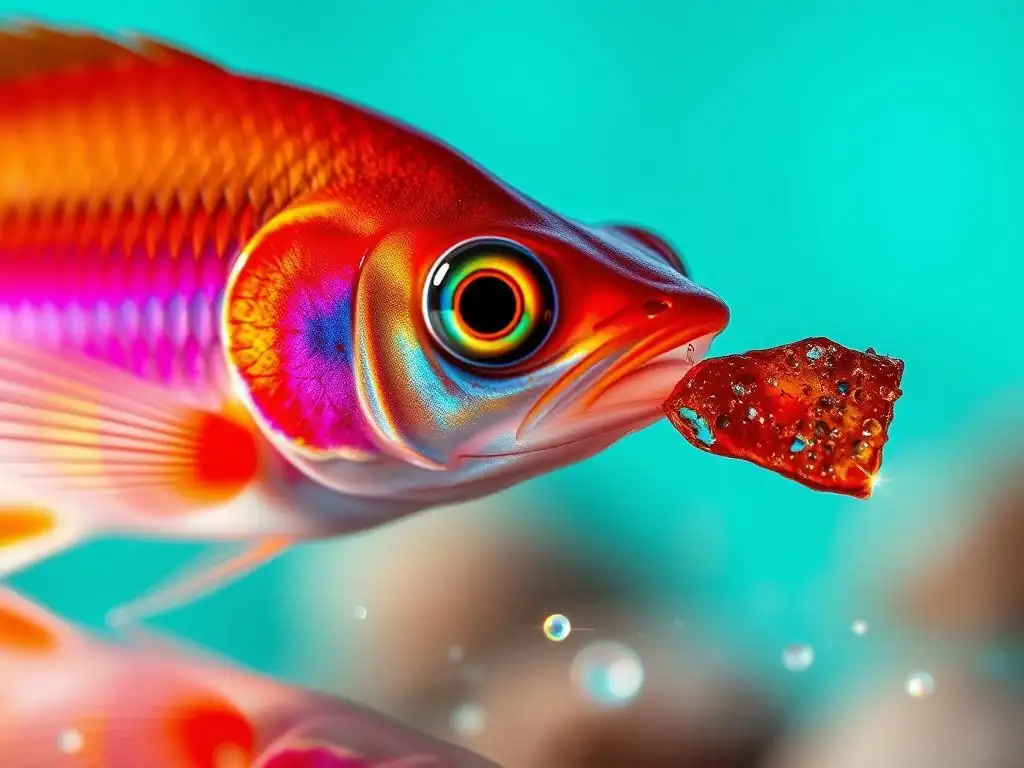
If your Chili Rasboras are not eating, it's a clear sign that something is amiss and requires immediate attention. The most common reasons include stress, poor water quality, illness, or simply being new to the tank. First, check your water parameters: ammonia, nitrite, and nitrate levels should be at zero, zero, and below 20 ppm respectively. Sudden changes in pH or temperature can also cause appetite loss. Perform a partial water change if parameters are off.
Next, observe their behavior. Are they hiding excessively, clamping their fins, or showing any other signs of disease? If so, research common Chili Rasbora ailments and consider appropriate treatments. If they are new to the tank, they might just be shy; give them time, offer food in a quiet environment, and try different food types. Sometimes, a small offering of live food, like microworms or newly hatched brine shrimp, can stimulate their appetite and encourage them to start feeding.
Competition for Food: Ensuring All Chili Rasboras Get Enough
In a community aquarium, especially when Chili Rasboras are housed with larger or more aggressive tank mates, competition for food can be a significant issue. Their small size and timid nature mean they can easily be outcompetied, leading to some individuals becoming underfed and stressed. Even within a school of Chili Rasboras, some individuals might be more dominant and grab more food.
To ensure all Chili Rasboras get enough food, try scattering the food over a wider area of the tank, allowing more individuals to access it simultaneously. Feeding at multiple points in the tank can also help. If you have larger, faster-eating fish, consider feeding them first on one side of the tank to distract them, then quickly add food for the Chili Rasboras on the opposite side. Feeding small amounts more frequently (e.g., three very small meals instead of two) can also help ensure that every fish gets a chance to eat without excessive competition.
Dealing with Finicky Chili Rasboras: Encouraging Them to Eat
Some Chili Rasboras can be finicky eaters, especially when first introduced to an aquarium or when transitioning to new food types. Patience and persistence are key. If they are refusing a particular food, don't force it. Instead, try offering a very small amount of a highly palatable live food, such as newly hatched brine shrimp or microworms. The natural movement and strong scent of live food often entice even the most reluctant eaters.
Once they start eating live food, gradually introduce very small amounts of high-quality, finely crushed dry foods, perhaps mixed in with the live food. Observe which textures or sinking rates they prefer. Some Chili Rasboras prefer food that floats briefly, while others prefer food that slowly sinks. Varying the type of food offered daily can also prevent them from becoming too accustomed to a single food source. Maintaining stable, pristine water conditions and a stress-free environment will also contribute to a healthy appetite.
Creating a Feeding Plan for Healthy and Vibrant Chili Rasboras
Sample Chili Rasbora Feeding Schedule and Food Rotation
A well-structured Chili rasbora feeding plan with regular food rotation is essential for their long-term health and vibrant coloration. Here's a sample weekly schedule that incorporates variety:
- Monday: High-quality micro pellets (0.5mm or smaller).
- Tuesday: Live foods (e.g., newly hatched brine shrimp or microworms).
- Wednesday: Finely crushed spirulina-enriched flake food.
- Thursday: Thawed frozen foods (e.g., daphnia or cyclops).
- Friday: High-quality micro pellets or color-enhancing flakes.
- Saturday: Live foods (e.g., daphnia or vinegar eels).
- Sunday: Fasting day (no food) – allows digestive system to rest and helps maintain water quality.
For each feeding day, offer a tiny pinch of food that can be consumed within 2-3 minutes. If feeding twice daily, split the daily portion into two even smaller meals. This rotation ensures a broad spectrum of nutrients and keeps the fish engaged with their food.
Supplementing Your Chili Rasbora's Diet for Optimal Health
While a varied diet of high-quality flakes, micro pellets, and live/frozen foods usually provides all the necessary nutrients, occasional supplementation can further boost the health and vitality of your Chili Rasboras. Liquid vitamin supplements specifically formulated for aquarium fish can be added to the water or, more effectively, soaked into dry foods before feeding. This can be particularly beneficial during periods of stress, such as after transport or during recovery from illness.
However, supplementation should be used judiciously. Over-supplementation can be as detrimental as under-supplementation. For a healthy, well-fed school of Chili Rasboras on a varied diet, additional vitamins are often not necessary on a regular basis. The best Chili rasbora feeding tips emphasize that consistent high-quality food variety is the most effective form of dietary supplementation, ensuring they receive all the necessary macro and micronutrients for optimal health and stunning color.
Chili Rasbora Fry Feeding: A Guide to Raising Healthy Young
What to Feed Chili Rasbora Fry: First Foods
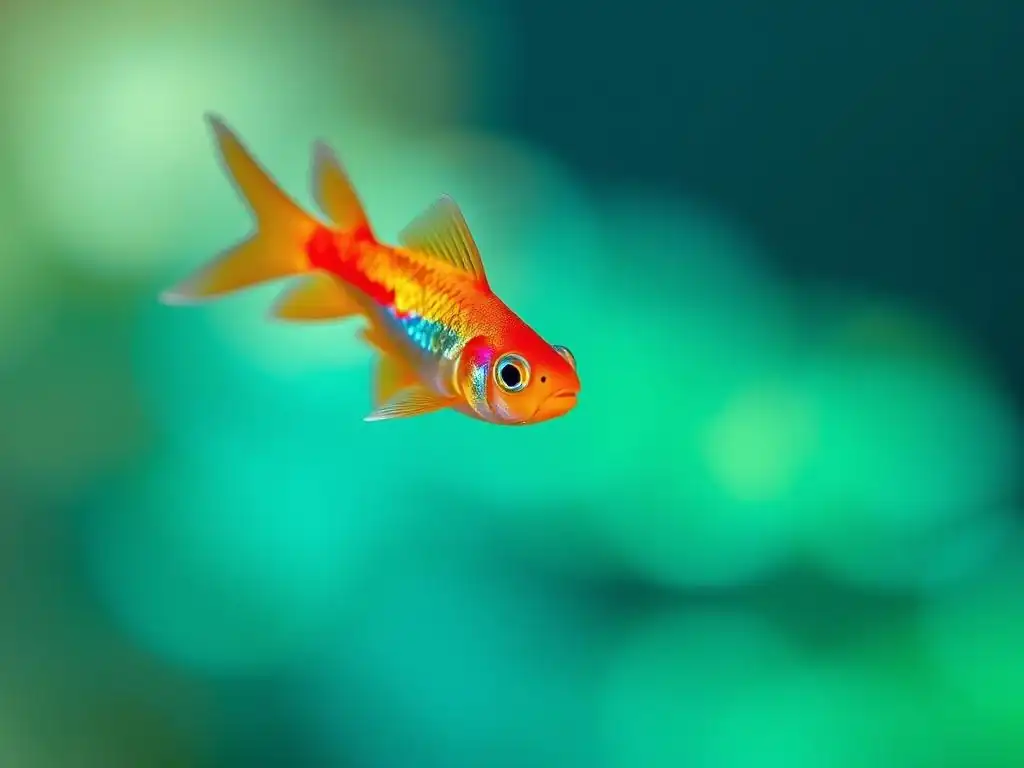
Raising Chili Rasbora fry is a delicate process, and their extremely small size dictates the need for microscopic first foods. Upon hatching, Chili Rasbora fry are incredibly tiny, often less than 2mm long, and require food sources that are even smaller than newly hatched brine shrimp. The initial 1-2 weeks are critical.
Excellent first foods include infusoria (microscopic organisms found in decaying plant matter or cultured in "green water"), liquid fry food specifically designed for egg-laying fish, or very fine powdered spirulina. After a few days, as they grow slightly, they can transition to microworms and vinegar eels, which are highly nutritious and perfectly sized. By the time they are about a week old, newly hatched brine shrimp nauplii become an ideal food source, providing essential protein and stimulating rapid growth. Consistent, multiple feedings throughout the day (4-6 times) are crucial for their survival and development.
Maintaining Water Quality During Fry Feeding
Maintaining pristine water quality is paramount when feeding Chili Rasbora fry, as their small size and the frequent feedings required can quickly foul the water. Uneaten food and fry waste accumulate rapidly, leading to dangerous spikes in ammonia and nitrite, which are lethal to delicate fry.
Small, frequent water changes are essential. Depending on the density of the fry and feeding frequency, daily or every-other-day water changes of 10-20% are often necessary. Use a small airline tube to gently siphon debris from the bottom of the fry tank without disturbing the fry. Ensure the replacement water is dechlorinated and matches the temperature and pH of the tank water to avoid shocking the sensitive fry. Proper filtration, such as a gentle sponge filter, is also important to maintain water circulation and biological filtration without creating strong currents that could harm the fry.
Avoiding Common Feeding Mistakes with Chili Rasboras
Overfeeding: The Dangers and How to Prevent It
Overfeeding is arguably the most common and detrimental mistake in aquarium keeping, especially with small fish like Chili Rasboras. The dangers are multifaceted:
- Water Quality Degradation: Uneaten food decomposes rapidly, leading to spikes in ammonia and nitrites, which are toxic. Even eaten food, if excessive, contributes to higher nitrate levels. This can cause algae blooms, cloudy water, and a general decline in water parameters.
- Fish Health Issues: Overfeeding can lead to digestive problems, swim bladder disorders, and obesity, which shortens their lifespan and makes them more susceptible to disease.
- Increased Maintenance: Poor water quality necessitates more frequent and larger water changes, increasing the workload for the aquarist.
To prevent overfeeding, adhere strictly to the "2-3 minute rule" – only feed what your fish can consume within that timeframe. When in doubt, feed less. Incorporate a weekly fasting day to allow their digestive systems to clear and help manage nutrient levels in the tank. These Chili rasbora feeding tips are crucial for long-term aquarium health.
Feeding Inappropriate Food Sizes: What to Avoid
Chili Rasboras have incredibly small mouths, and feeding them food that is too large is a common mistake. They simply cannot consume large flakes or pellets, leading to wasted food that pollutes the tank. Even if they try to nibble at larger pieces, they won't get sufficient nutrition.
Avoid standard tropical fish flakes unless they are crushed into a fine powder. Do not feed large pellets, freeze-dried bloodworms, or anything that isn't specifically labeled for "micro" or "nano" fish. Food that sinks too quickly before they can find it is also problematic. Always ensure the food particles are small enough for their tiny mouths, ideally less than 0.5mm in size, to ensure efficient consumption and digestion.
Neglecting Dietary Variety: The Importance of Rotation
Relying on a single type of food, even a high-quality one, is a significant mistake that can lead to nutritional deficiencies over time. No single food can provide all the necessary nutrients for optimal health, vibrant coloration, and breeding readiness. For example, while flakes might provide basic sustenance, they often lack the enzymes and specific fatty acids found in live foods, or the high carotenoid content found in spirulina.
Neglecting dietary variety can result in dull colors, stunted growth, weakened immune systems, and a lack of vitality. To avoid this, implement a food rotation schedule as discussed previously. Alternate between high-quality flakes, micro pellets, and various live and frozen foods. This ensures your Chili Rasboras receive a broad spectrum of nutrients, mimicking the diverse diet they would encounter in their natural habitat and promoting their best possible health and coloration.
Frequently Asked Questions
How often should I feed my Chili Rasboras?
Chili Rasboras should be fed small amounts twice a day. Avoid overfeeding to prevent water quality issues.
What is the best type of food for Chili Rasboras to enhance their color?
A diet rich in high-quality protein and natural color enhancers like spirulina or astaxanthin is ideal. This helps bring out their vibrant red hues.
Are Chili Rasboras picky eaters?
While they prefer small, live foods, they will also accept high-quality flake food or frozen foods appropriately sized for their mouths. Offer a variety to keep them interested.
How do I ensure all my Chili Rasboras get enough food?
Because they are small and can be easily outcompeted, ensure food reaches all areas of the tank. Observe them closely during feeding to ensure everyone gets their share.
What should I do if my Chili Rasboras are refusing to eat?
Check your water parameters immediately as poor water quality is a common cause. Also, consider introducing a variety of foods to stimulate their appetite.
Final Reflection: Cultivating a Vibrant Ecosystem
The journey of nurturing Chili Rasboras, as we've explored, is not merely about providing sustenance; it's about creating a thriving microcosm within our aquariums. Understanding their dietary needs, from the size of their food to the frequency of feeding, is paramount to unlocking their full potential – the vibrant colors and energetic behavior that make them such captivating inhabitants. This knowledge, applied diligently, transforms a simple tank into a flourishing ecosystem.
This delicate balance we strive for in our aquariums mirrors the broader ecosystems we inhabit. The care and attention we give to these tiny creatures reflect our capacity for responsibility and appreciation of the natural world. In nature, nothing exists alone.
- Rachel Carson. This quote reminds us that every element, no matter how small, plays a crucial role in the intricate web of life. The health of our Chili Rasboras is inextricably linked to the quality of their environment, just as our own well-being is connected to the health of our planet.
So, as you observe your Chili Rasboras darting through the water, their scales shimmering with vibrant hues, remember that you are not just a caretaker, but a steward of a miniature world. Let this understanding inspire you to cultivate not only a healthy aquarium but also a deeper appreciation for the interconnectedness of all living things. Embrace the responsibility, and let the vibrant life you nurture within your tank serve as a constant reminder of the beauty and fragility of the world around us.
Ignite Your Rasboras' Colors!
Thanks for diving into the world of Chili Rasbora nutrition! We hope you’ve discovered new ways to keep your tiny fish thriving. Now, let's put that knowledge into action and see some real results.
Here’s how you can elevate your Rasboras' diet and unlock their full potential:
- Immediately evaluate your current feeding schedule. Are you offering a variety of appropriately sized foods? Adjust accordingly to incorporate more live or frozen options.
- Experiment with a DIY Rasbora food mix, blending high-quality flakes, crushed freeze-dried treats, and a touch of spirulina powder. Share your recipe with fellow hobbyists!
- Join the Aquarium Mastery community forum and post pictures of your Chili Rasboras. Let's compare colors and discuss feeding strategies together!
What one new food will you introduce to your Rasboras' diet this week to boost their vibrancy?