
Quarantine Power: Why a QT is NonNegotiable for Butterflyfish Health

Welcome to Aquarium Mastery!
Curious about keeping your delicate Butterflyfish thriving? Discover why a proper Butterflyfish quarantine tank setup is absolutely essential for their health and well-being. Dive in to uncover the secrets to a stress-free transition and a vibrant future for your finned friends. Prepare to unlock the power of quarantine!
- Quarantine Power: Why a QT is Non-Negotiable for Marine Fish Health
- Understanding the Critical Role of Quarantine Tanks for Marine Fish
- Setting Up the Ideal Marine Fish Quarantine Tank
- The Marine Fish Quarantine Process: A Step-by-Step Guide
- Feeding and Nutrition During Quarantine
- How Long to Quarantine Marine Fish: Establishing a Safe Timeline
- The Risks of Skipping Quarantine: Why "Just Hoping" Isn't Enough
- Post-Quarantine Procedures: Ensuring Long-Term Marine Fish Health
- Advanced Quarantine Techniques for Sensitive Marine Fish Species
-
Frequently Asked Questions
- What is a quarantine tank and why is it so important for butterflyfish?
- How long should I quarantine a butterflyfish?
- What size quarantine tank is recommended for butterflyfish?
- What essential equipment do I need for a butterflyfish quarantine tank?
- What are some common diseases to watch out for during quarantine?
- Final Reflection: Embracing the Power of Prevention
- Dive Deeper: Unlock the Secrets to Butterflyfish Bliss!
Quarantine Power: Why a QT is Non-Negotiable for Marine Fish Health
Understanding the Critical Role of Quarantine Tanks for Marine Fish
Why Quarantine is Essential for Marine Fish Health and Survival
Quarantine tanks serve as an indispensable first line of defense for any marine aquarium, safeguarding both new arrivals and existing inhabitants. The period immediately following acquisition is profoundly stressful for marine fish, making them highly susceptible to disease. Without a dedicated quarantine period, studies and anecdotal evidence from experienced aquarists suggest that new fish mortality rates can be alarmingly high, often reaching 30-50% within the first few weeks due to stress and untreated pathogens. A properly managed quarantine tank significantly mitigates this risk by providing a controlled environment for recovery and observation.
Furthermore, the absence of a quarantine tank poses a severe threat to the entire display system. Even seemingly healthy fish can carry dormant parasites, bacteria, or viruses that, once introduced into a stable environment, can rapidly spread and decimate an entire collection of fish and even invertebrates. This preventive measure protects your established ecosystem, which often represents a significant investment in time, money, and emotional commitment, from the devastating impact of a disease outbreak.
The Stress Factors Affecting Marine Fish Acclimation
The journey from the ocean or aquaculture facility to a home aquarium is fraught with intense stressors for marine fish. These include capture trauma, prolonged confinement in shipping bags, fluctuating water parameters (temperature, salinity, pH, ammonia spikes) during transit, and the abrupt change to a new environment. Each of these factors contributes to a severe physiological stress response, which in turn compromises the fish's immune system, making it highly vulnerable to opportunistic pathogens.
Physiologically, stress elevates cortisol levels in fish, directly suppressing their immune function. This weakened state makes them an easy target for common marine diseases like Marine Ich ( Cryptocaryon irritans) or Marine Velvet ( Amyloodinium ocellatum), which might otherwise be resisted by a healthy fish. A well-designed Butterflyfish quarantine tank setup provides a calm, stable, and isolated environment, allowing these delicate beauties to recover from the ordeal of transport, regain their strength, and bolster their natural defenses before facing the complexities of a main display tank.
Preventing Disease Introduction: The Primary Goal of Quarantine
The paramount objective of a marine fish quarantine tank is to prevent the introduction and spread of diseases into the main display aquarium. Many common marine fish diseases, such as Marine Ich, Marine Velvet, and Brooklynella, are highly contagious and can spread rapidly through an entire tank population if an infected fish is directly introduced. A single infected specimen can act as a vector, turning a thriving reef or fish-only tank into a graveyard within days or weeks.
Quarantine acts as a critical buffer, isolating new arrivals where they can be closely observed for signs of illness and, if necessary, treated without exposing the entire community. This isolation period ensures that any latent pathogens have time to manifest, allowing the aquarist to identify and address issues proactively. Skipping this crucial step often leads to widespread outbreaks that are far more challenging, costly, and stressful to treat in a large, established system, especially when sensitive corals or invertebrates are present.
Setting Up the Ideal Marine Fish Quarantine Tank
Choosing the Right Size and Type of Quarantine Tank for Marine Fish
The selection of an appropriate quarantine tank (QT) size is crucial for the well-being of new marine fish. For most smaller to medium-sized species, including many popular Butterflyfish, a 20-gallon long aquarium often serves as an excellent Butterflyfish quarantine tank setup. This size provides adequate swimming space for a single specimen or a small group of very small fish while remaining manageable for water changes and medication. For larger fish, or if you plan to quarantine multiple fish simultaneously, a 30-gallon or 40-gallon breeder tank might be more suitable, offering greater stability and dilution capacity.
Regarding type, a bare-bottom glass or acrylic aquarium is overwhelmingly preferred for quarantine purposes. The absence of substrate prevents the accumulation of detritus and uneaten food, which can quickly degrade water quality and harbor pathogens. Furthermore, a bare-bottom tank ensures that medications, particularly copper-based treatments, remain in the water column at the intended concentration, as they cannot be absorbed by sand or rock. This simplifies cleaning, observation, and treatment protocols significantly.
Essential Equipment for a Marine Fish QT: Filtration, Heating, and Lighting
A functional marine fish quarantine tank requires specific, yet minimal, equipment to maintain a stable environment. Filtration is paramount, even in a temporary setup. A simple air-driven sponge filter, ideally seeded with beneficial bacteria from an established tank's sump or filter media, provides essential biological filtration and aeration. Alternatively, a small hang-on-back (HOB) filter with sponge inserts can be used, again, pre-seeded for immediate biological activity. Mechanical filtration is also provided by these methods, removing particulate matter.
Heating is another critical component to maintain a stable temperature, typically between 76-78°F (24-26°C), using a submersible heater with an accurate thermostat. A thermometer (digital or glass) is essential for constant monitoring. Lighting should be minimal and functional, primarily for observation purposes; a simple LED strip light that provides enough illumination to observe the fish's condition is sufficient. Intense lighting is not necessary and can add unnecessary stress to newly acquired fish.
Recreating a Stable Environment: Substrate and Decorations in the QT
As previously mentioned, a bare-bottom setup is highly recommended for a marine fish quarantine tank due to its ease of cleaning and medication efficacy. Substrate, such as sand or gravel, can trap detritus, become a breeding ground for harmful bacteria, and absorb medications, making it challenging to maintain therapeutic drug concentrations. This simple design choice dramatically reduces the potential for water quality issues and simplifies the entire quarantine process.
While a bare-bottom tank is preferred, providing adequate hiding spots is crucial for reducing stress in newly introduced fish. Simple, inert decorations such as PVC pipes (cut into various lengths and diameters), non-toxic plastic plant decor, or even a clean, cured piece of live rock (if you are certain it's pathogen-free and won't absorb medication) can offer vital security. These hiding spots allow fish, especially sensitive species like many Butterflyfish, to feel secure, reducing their stress levels and promoting faster acclimation and recovery.
The Marine Fish Quarantine Process: A Step-by-Step Guide
Acclimation Techniques for New Marine Fish Arrivals in the QT
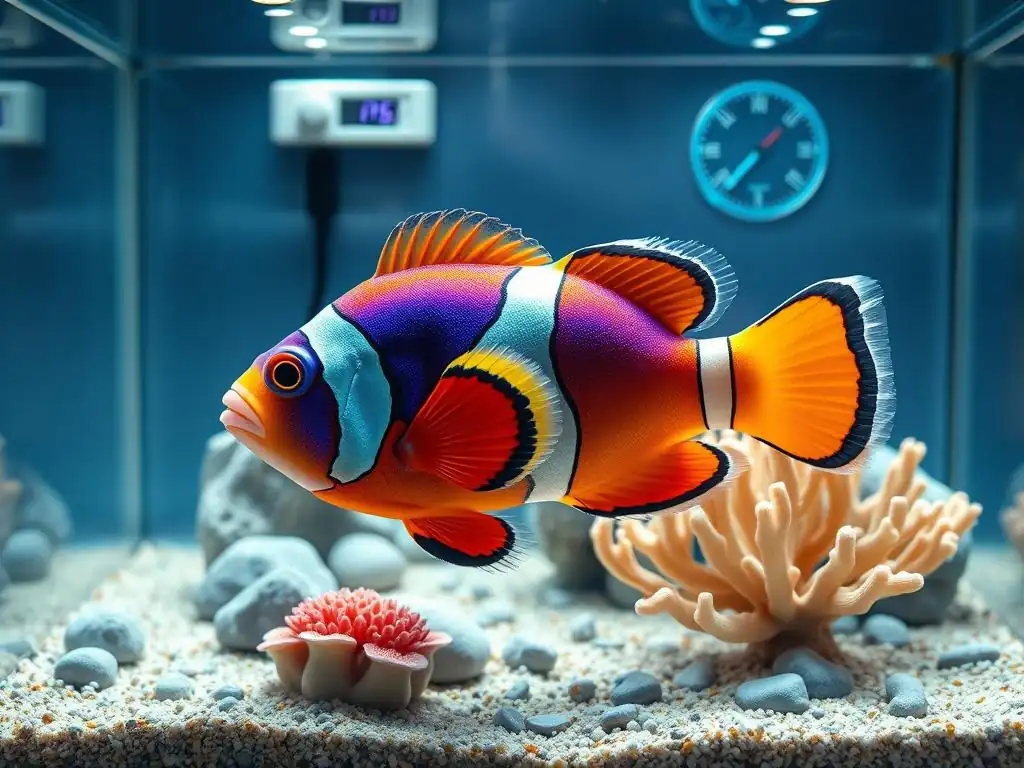
Proper acclimation is the first critical step when introducing new marine fish to the quarantine tank. The drip acclimation method is widely regarded as the safest and most effective approach for marine species, as it slowly equalizes water parameters (salinity, pH, temperature) between the shipping bag and the QT.
To perform this, carefully open the shipping bag, float it in the QT for 15-20 minutes to equalize temperature, then transfer the fish and its shipping water into a clean bucket. An airline tube with a knot or valve should be used to siphon water from the QT into the bucket at a slow drip rate, typically 1-2 drops per second.
This process should continue for 30-60 minutes, allowing the volume of water in the bucket to double or triple. During this time, the fish gradually adjusts to the QT's specific gravity, pH, and other parameters, minimizing osmotic shock. Once acclimation is complete, gently net the fish and transfer it to the QT, discarding the bucket water to prevent the introduction of any pathogens or pollutants from the shipping water. Keeping the QT lights dim during and immediately after introduction further reduces stress.
Observation and Monitoring: Detecting Early Signs of Disease in Marine Fish
Daily, meticulous observation is the cornerstone of a successful quarantine period. Aquarists should dedicate at least 5-10 minutes each day to watching the fish closely for any deviations from normal behavior or physical appearance. Key behaviors to monitor include swimming patterns (erratic, listless, or rapid gilling), respiration rate, appetite, and interactions with the environment. A healthy fish should be alert, swim purposefully, and show interest in food.
Physical signs of concern include white spots (Ich), a fine, dusty coating (Velvet), cloudy eyes, clamped fins, frayed fins, lesions, open sores, abnormal growths, or stringy white feces. Rapid breathing, often indicated by quick gill movements, can be a sign of gill parasites or poor water quality. Any scratching or "flashing" against the tank bottom or decor indicates irritation, often due to external parasites. Early detection of these symptoms allows for prompt intervention, significantly increasing the chances of successful treatment.
Common Marine Fish Diseases and Their Quarantine Treatment Protocols
Identifying and Treating Ich (White Spot Disease) in Quarantine
Marine Ich, caused by the parasite Cryptocaryon irritans, is one of the most prevalent and feared diseases in marine aquariums. It manifests as small, white spots resembling grains of salt on the fish's body and fins. The parasite has a complex life cycle, with free-swimming stages (theronts) that infect fish and encysted stages (tomonts) that fall off the fish and multiply in the substrate or bare bottom. In a Butterflyfish quarantine tank setup, the bare bottom helps prevent the tomonts from finding safe haven.
Treatment in quarantine typically involves copper-based medications (e.g., Copper Power, Cupramine) maintained at a specific therapeutic concentration (e.g., 0.25-0.30 ppm for Cupramine, 0.40-0.50 ppm for Copper Power) for a minimum of 30 days. This extended period ensures that all stages of the parasite's life cycle are eradicated from the fish and the water column.
Daily monitoring of copper levels with a reliable test kit is crucial to maintain efficacy and prevent toxicity. Another effective method for Ich is hyposalinity, lowering the specific gravity to 1.008-1.009 for 4-6 weeks, though this is not suitable for all species and requires precise control.
Managing Marine Velvet (Amyloodinium) in Marine Fish During Quarantine
Marine Velvet, caused by the dinoflagellate Amyloodinium ocellatum, is an even more aggressive and rapidly fatal disease than Ich. Symptoms include a fine, dusty, often yellowish-gold coating on the fish's body, rapid breathing (gilling), lethargy, and scratching. Velvet attacks the gills first, quickly impairing respiration, which is why fish often show labored breathing before external signs are prominent. Its life cycle is much faster than Ich's, meaning an outbreak can decimate a tank in just a few days if left untreated.
Immediate and aggressive treatment in the quarantine tank is essential. Copper-based medications, dosed at their therapeutic levels (as mentioned for Ich), are highly effective against Marine Velvet. Chloroquine phosphate is another potent medication that can be used. Freshwater dips (5-10 minutes, pH and temperature matched to QT water) can provide temporary relief by causing the parasites to fall off, but they are not a cure and must be followed by chemical treatment. Due to the rapid progression of Velvet, prompt diagnosis and consistent medication are critical for survival.
Addressing Internal Parasites in Quarantined Marine Fish
Internal parasites, such as nematodes (roundworms) and cestodes (tapeworms), can silently debilitate marine fish, leading to chronic illness and eventual mortality if untreated. Signs of internal parasites can be subtle and include emaciation despite consistent feeding, lethargy, loss of appetite, and stringy white or clear feces. These parasites often originate from wild environments or contaminated food sources and can weaken a fish's immune system, making it more susceptible to other diseases.
Treatment for internal parasites in quarantine typically involves medicated foods containing anthelmintic agents like metronidazole or praziquantel. It is crucial to ensure the fish is actively eating the medicated food for the treatment to be effective. If the fish is not eating, a bath treatment with medications like Metronidazole can be considered, though medicated food is generally more targeted.
A common protocol might involve feeding medicated food for 5-7 days, followed by a break, and then another course if symptoms persist. Observing the fish's feces for changes in consistency or the presence of worms can help confirm the effectiveness of treatment.
Water Quality Management in the Marine Fish Quarantine Tank
Regular Water Changes and Parameter Testing in the QT
Maintaining pristine water quality is paramount in a marine fish quarantine tank, especially since biological filtration might not be fully established or can be impacted by medications. Regular water changes are therefore essential. A common recommendation is to perform 25-50% water changes weekly or bi-weekly, depending on the bioload and the fish's condition. All replacement water must be pre-mixed saltwater, aged for at least 24 hours, and precisely matched in temperature and salinity to the QT water to prevent further stress.
Consistent water parameter testing is equally vital. Daily or every other day testing for ammonia, nitrite, and nitrate is crucial, especially during the initial weeks. pH and salinity should also be checked regularly. Accurate test kits are a worthy investment, as they provide critical data for making informed decisions about water changes or the need for ammonia-neutralizing products. Proactive water quality management minimizes stress on the fish and ensures a stable environment for recovery and treatment.
Maintaining Proper Salinity, pH, and Ammonia Levels
For general marine fish quarantine, maintaining salinity within a standard range of 1.023-1.025 specific gravity is recommended, unless hyposalinity is being used as a specific treatment protocol for diseases like Ich. pH levels should be kept stable between 8.0 and 8.4. Consistent temperature, typically 76-78°F (24-26°C), is also vital for the fish's metabolism and immune function.
Ammonia control is often the biggest challenge in a bare-bottom quarantine tank with minimal biological filtration. Ammonia is highly toxic to fish, even in small concentrations, leading to gill damage and compromised health. Regular water changes are the primary method of ammonia removal. Additionally, ammonia-binding products can be used as an emergency measure, but they are not a substitute for water changes. Some aquarists opt to dose a small amount of a beneficial bacteria supplement regularly to help establish some biological filtration, even if it's not robust.
Feeding and Nutrition During Quarantine
Offering a Varied and Nutritious Diet to Quarantined Marine Fish
Proper nutrition is a critical component of a successful quarantine period, directly impacting a fish's recovery, immune system strength, and overall vitality. Newly acquired marine fish, including sensitive species like Butterflyfish, often arrive stressed and potentially undernourished. Offering a varied diet of high-quality, nutritious foods is essential. This should include a rotation of frozen foods such as mysis shrimp, enriched brine shrimp (e.g., with spirulina or Selcon), finely chopped seafood, and high-quality marine flakes or pellets.
The variety ensures that the fish receives a full spectrum of vitamins, minerals, and essential fatty acids necessary for robust health. For example, some Butterflyfish are known to be finicky eaters; offering a selection of foods can help entice them to eat. Supplementing foods with vitamin preparations like Selcon or Vita-Chem can further boost their nutritional intake and support their immune system during this vulnerable period.
Encouraging Feeding in Stressed or Newly Acquired Marine Fish
Newly acquired or stressed marine fish may initially refuse to eat, exacerbating their weakened state. Encouraging feeding requires patience and strategic approaches. Offering small, frequent meals throughout the day rather than one large feeding can stimulate appetite and reduce water fouling. Dimming the quarantine tank lights during feeding times can also make fish feel more secure and willing to eat.
For particularly reluctant eaters, live foods such as enriched brine shrimp, copepods, or even small feeder shrimp (if appropriate for the species) can often trigger a feeding response. Observing what the fish ate at the local fish store or previous owner can also provide clues. Once the fish begins to eat consistently, gradually transition them to a varied diet of frozen and dry foods. Promptly remove any uneaten food to prevent water quality degradation.
Avoiding Overfeeding and Maintaining Water Quality in the QT
While encouraging feeding is important, overfeeding in a quarantine tank can rapidly lead to severe water quality issues. Unlike established display tanks, QTs often have limited biological filtration, making them highly susceptible to ammonia spikes from decaying uneaten food. Ammonia is extremely toxic to marine fish, causing gill damage and potentially fatal stress.
To prevent overfeeding, offer only what the fish can consume within a few minutes. If food remains after this time, it indicates overfeeding, and the amount should be reduced for subsequent feedings. Implementing a small turkey baster or net to promptly remove any uneaten food after each feeding session is a crucial practice. This proactive approach to feeding management, combined with regular water changes, is vital for maintaining stable and healthy water parameters in the QT throughout the quarantine period.
How Long to Quarantine Marine Fish: Establishing a Safe Timeline
Determining the Appropriate Quarantine Period Based on Risk Factors
The duration of the quarantine period is a critical factor in its effectiveness. A widely accepted standard for marine fish is a minimum of 4 to 6 weeks. This extended period is crucial because it allows sufficient time for the life cycles of common parasites, such as Marine Ich ( Cryptocaryon irritans), to complete, ensuring that any latent infections manifest and can be treated. For a delicate species like a Butterflyfish, this thorough Butterflyfish quarantine tank setup period is non-negotiable, as their susceptibility to stress and disease makes a rushed introduction perilous.
Several factors influence this timeline. Wild-caught fish generally require a longer quarantine due to their higher likelihood of carrying parasites and their greater stress levels. Aqua-cultured fish, while often healthier, still benefit from a minimum 3-4 week observation period. If any symptoms of disease appear during this time, the quarantine clock effectively resets, and the period extends to ensure the fish is completely disease-free before transfer.
Extending Quarantine for Suspicious Symptoms or Disease Outbreaks
If any signs of disease, no matter how subtle, are observed during the initial quarantine period, the timeline must be extended. The 4-6 week minimum applies only if the fish remains completely healthy and symptom-free. For instance, if a fish shows signs of Ich on day 20, the treatment for Ich would begin, and the quarantine period would then extend for at least 30 days after the last visible spot has disappeared and copper treatment has concluded.
This extension is vital to ensure that the fish is truly cured and no lingering pathogens remain. Rushing the process and introducing a fish that has just finished treatment, or one that still shows mild symptoms, is a recipe for disaster in the main display tank. Patience during this phase is paramount, as it directly impacts the long-term health and stability of your entire aquarium ecosystem.
Safely Introducing Quarantined Marine Fish to the Display Tank
Once the quarantine period is successfully completed, and the fish has been symptom-free and off medication for at least 2-3 weeks, it's time for the final transfer to the display tank. This introduction should be as stress-free as possible. The best method is to once again use drip acclimation, slowly equalizing the water parameters (temperature, salinity, pH) between the QT and the display tank. This process should take at least 30-60 minutes, allowing for a gradual adjustment.
Introducing the new fish when the main display tank lights are dim or off, preferably at night, can help reduce aggression from existing tank inhabitants. Providing ample hiding spots in the display tank for the new arrival is also crucial, offering a sense of security during its initial exploration. Continued observation of both the new fish and existing tank mates for the first few days and weeks after introduction is recommended to ensure a smooth transition and identify any unforeseen issues.
The Risks of Skipping Quarantine: Why "Just Hoping" Isn't Enough
The Potential for Widespread Disease Outbreaks in the Main Aquarium
Skipping the quarantine process is arguably the single biggest risk an aquarist can take, inviting catastrophic consequences for their established marine aquarium. A newly acquired fish, even if it appears perfectly healthy, can carry dormant pathogens such as Cryptocaryon irritans (Ich), Amyloodinium ocellatum (Velvet), or various internal parasites. Without isolation, these pathogens are directly introduced into the main display tank, where they can rapidly multiply and infect every susceptible fish.
The "domino effect" is a common and heartbreaking scenario: a single carrier fish can trigger a widespread outbreak that devastates an entire collection of fish, many of which may have been thriving for years. For reef aquariums, the situation is even more dire, as many effective medications for fish diseases are toxic to corals and invertebrates, forcing aquarists into difficult choices that can result in significant losses of delicate and expensive livestock.
The Economic Impact of Marine Fish Diseases and Mortalities
The financial implications of skipping quarantine can be substantial. The immediate cost of losing established fish, particularly expensive or rare species like certain Butterflyfish or tangs, can quickly add up to hundreds or even thousands of dollars. This initial loss is often just the beginning. Treating a disease outbreak in a large display tank requires significant investment in medications, often needing larger quantities than a small QT, and potentially specialized equipment like UV sterilizers.
Beyond the cost of medications, there's the expense of replacing lost livestock, the potential loss of corals or invertebrates if the main tank needs to be medicated, and the ongoing costs of dealing with a compromised system. In severe cases, a complete tank tear-down and sterilization might be necessary to eradicate persistent pathogens, representing a significant financial setback and a loss of years of dedicated effort.
Ethical Considerations: Responsibility for the Health and Well-being of Your Fish
Beyond the financial and practical considerations, there is a profound ethical responsibility that comes with keeping marine life. As aquarists, we are stewards of the creatures in our care, and our actions directly impact their health and well-being. Introducing a potentially diseased fish without quarantine is not only irresponsible but also subjects all other tank inhabitants to unnecessary suffering, stress, and potential death.
A healthy aquarium environment is a direct reflection of responsible husbandry. Skipping quarantine is a negligent act that prioritizes immediate gratification over the long-term health and welfare of your aquatic pets. By committing to a proper Butterflyfish quarantine tank setup or any other marine fish QT, you demonstrate a commitment to providing the best possible care, minimizing stress and disease, and ensuring a thriving, vibrant ecosystem for all your fish.
Post-Quarantine Procedures: Ensuring Long-Term Marine Fish Health
Gradual Acclimation to the Display Tank Environment
After a successful quarantine period, the final step is the careful introduction of the fish to its permanent home, the display tank. Even though the fish is now healthy, the transition can still be stressful due to differences in water parameters, lighting, and the presence of new tank mates. Gradual acclimation is crucial to minimize this stress. The drip acclimation method, as used for initial introduction to the QT, is again the preferred technique.
Slowly dripping water from the display tank into a bucket containing the quarantined fish over 30-60 minutes allows the fish to slowly adjust to the main tank's specific gravity, pH, and temperature. This gentle transition helps prevent osmotic shock and reduces the physiological stress response. Once acclimated, gently net the fish and release it into the display tank, discarding the old water.
Continued Observation and Monitoring After Introduction
The period immediately following introduction to the display tank is a critical phase for continued observation. For the first few days and even weeks, closely monitor the newly introduced fish for any signs of stress, aggression from existing tank mates, or a relapse of illness. Look for normal swimming patterns, healthy appetite, bright coloration, and clear eyes. Also, observe the existing tank inhabitants for any signs of stress or disease that might indicate an issue with the new addition, though a thorough quarantine significantly reduces this risk.
Providing ample hiding spots within the display tank for the new fish is important, especially for shy species or those being introduced into an established pecking order. This allows the fish to retreat and feel secure while it adjusts to its new surroundings and tank mates. Consistent monitoring helps ensure a smooth integration and allows for prompt intervention if any issues arise.
Maintaining Optimal Water Quality and Tankmate Compatibility
Long-term health for any marine fish, including those that have completed quarantine, hinges on consistent, optimal water quality in the display tank. This involves regular water changes (e.g., 10-20% bi-weekly), precise parameter testing (salinity, temperature, pH, alkalinity, calcium, magnesium, nitrates, phosphates), and diligent maintenance of filtration systems. Stable water parameters reduce stress, bolster the immune system, and prevent opportunistic diseases from taking hold.
Equally important is ensuring tankmate compatibility. Even a perfectly quarantined fish can suffer if placed in an environment with overly aggressive or incompatible tank mates. Researching the temperament and specific needs of a Butterflyfish quarantine tank setup and its potential tank mates before introduction is vital. Providing adequate space, hiding spots, and appropriate stocking levels can prevent aggression and ensure that all fish can thrive in a harmonious environment, contributing to the overall health and longevity of your marine aquarium.
Advanced Quarantine Techniques for Sensitive Marine Fish Species
Using Medications Prophylactically (with Caution) in Quarantine
For particularly sensitive or high-value marine fish, or those known to be highly susceptible to specific pathogens, some aquarists opt for prophylactic (preventative) medication in the quarantine tank. This involves treating the fish for common ailments even if no symptoms are visible. For example, a 14-day course of metronidazole can be used to address potential internal parasites, while a 30-day copper treatment (at a therapeutic concentration like 0.25-0.30 ppm for Cupramine) is often used to ensure the eradication of Ich and Velvet.
However, this approach must be undertaken with extreme caution. Not all fish tolerate all medications equally well; some species, like certain wrasses, angels, or puffers, can be highly sensitive to copper. Over-medicating or using incorrect dosages can cause significant stress or even fatality. Always research the specific medication's suitability for the species being quarantined and strictly adhere to manufacturer instructions, using reliable test kits to monitor drug concentrations. Prophylactic treatment is a more advanced strategy and should only be employed by experienced aquarists who fully understand the risks and benefits.
Implementing Copper Treatment Strategies for Specific Diseases
Copper-based medications remain one of the most effective and widely used treatments for external parasites like Marine Ich and Marine Velvet in quarantine tanks. The key to successful copper treatment lies in maintaining a precise and stable therapeutic concentration for the required duration. For instance, with chelated copper products like Copper Power, a target concentration of 0.40-0.50 ppm is often recommended, while non-chelated forms like Cupramine typically aim for 0.25-0.30 ppm.
Consistent daily testing with an accurate copper test kit is non-negotiable to ensure the concentration stays within the effective range without reaching toxic levels. The duration of treatment is typically 30 days to ensure the complete eradication of Ich, as this allows for multiple parasite life cycles to be broken. It is crucial to remember that copper is highly toxic to invertebrates and some sensitive fish species, making the bare-bottom, isolated quarantine tank the ideal and safest environment for its application.
Employing UV Sterilization in the Quarantine System
Ultraviolet (UV) sterilization can be a valuable addition to a marine fish quarantine system, particularly for challenging species or in situations where disease prevention is paramount. A UV sterilizer works by passing water through a chamber containing a UV lamp, which emits germicidal UV-C light. This light disrupts the DNA of free-floating pathogens (like the free-swimming stages of Ich and Velvet, or various bacteria and viruses), preventing them from reproducing and infecting fish.
While a UV sterilizer can significantly reduce the pathogen load in the water column, it is not a standalone cure and should not replace chemical treatments for active infections on the fish itself. It only kills what passes through it, meaning pathogens attached to the fish or residing in the tank's surfaces are unaffected.
For optimal effectiveness, the UV unit must be properly sized for the QT volume, and the water flow rate through it must be precisely controlled to ensure adequate exposure time for the pathogens. Regular bulb replacement (typically every 6-12 months) is also necessary, as UV-C output diminishes over time.
Frequently Asked Questions
What is a quarantine tank and why is it so important for butterflyfish?
A quarantine tank is a separate aquarium used to isolate new fish before introducing them to your main display tank. It's crucial for butterflyfish because they are particularly susceptible to stress and disease after being shipped and acclimated.
How long should I quarantine a butterflyfish?
Ideally, you should quarantine a butterflyfish for at least 4-6 weeks. This allows you to observe them for signs of disease and treat any potential issues before they infect your main aquarium population.
What size quarantine tank is recommended for butterflyfish?
The size depends on the species, but a minimum of 20 gallons is generally recommended for smaller butterflyfish. Larger species may require 30 gallons or more to ensure adequate space and water quality.
What essential equipment do I need for a butterflyfish quarantine tank?
You'll need a heater, filter (sponge filter is often preferred), thermometer, and a hiding place for the fish. Avoid substrate initially for easier cleaning and observation. Maintain stable water parameters and perform regular water changes.
What are some common diseases to watch out for during quarantine?
Common diseases in butterflyfish include ich (white spot disease), velvet, and parasitic infections. Observe for signs like scratching, rapid breathing, fin clamping, and changes in appetite or behavior.
Final Reflection: Embracing the Power of Prevention
The journey through understanding the intricacies of a Butterflyfish quarantine tank setup reveals more than just a best practice; it underscores a fundamental principle of responsible reef keeping. In a world where instant gratification often overshadows long-term health, the commitment to quarantine becomes a powerful statement about our dedication to these delicate creatures and the fragile ecosystems they inhabit.
The impact of prioritizing quarantine extends far beyond the individual tank. It's a ripple effect, influencing the health of entire reef systems and promoting ethical practices within the aquarist community. An ounce of prevention is worth a pound of cure,
a sentiment that resonates deeply when considering the potential devastation a single infected fish can unleash upon a thriving reef. This practice is not merely a suggestion; it's a cornerstone of responsible reef keeping, ensuring the longevity and vitality of our underwater worlds.
Now, consider the lessons learned. How can you apply this same principle of proactive care and thoughtful preparation to other aspects of your life? The dedication required to establish and maintain a proper quarantine tank reflects a commitment to foresight and responsibility. Let us all strive to cultivate this same level of care, not only for our Butterflyfish, but for the well-being of our entire planet.
Dive Deeper: Unlock the Secrets to Butterflyfish Bliss!
Thank you for exploring the crucial role of quarantine in ensuring your butterflyfish thrive! Now that you understand the 'why,' let's focus on the 'how' to take action.
- Prioritize a Quarantine Tank: Establish a dedicated quarantine tank for all new butterflyfish arrivals. This is the single most important step for their long-term health.
- Expand Your Knowledge: Research specific diseases common in butterflyfish and learn to identify early warning signs.
- Share the Wisdom: Encourage fellow hobbyists to embrace quarantine protocols – healthy fish communities start with informed decisions!
What specific quarantine method are you most eager to implement in your own aquarium journey?