
Aquarium Dosing Pumps: Precise Nutrient and Additive Delivery Made Easy

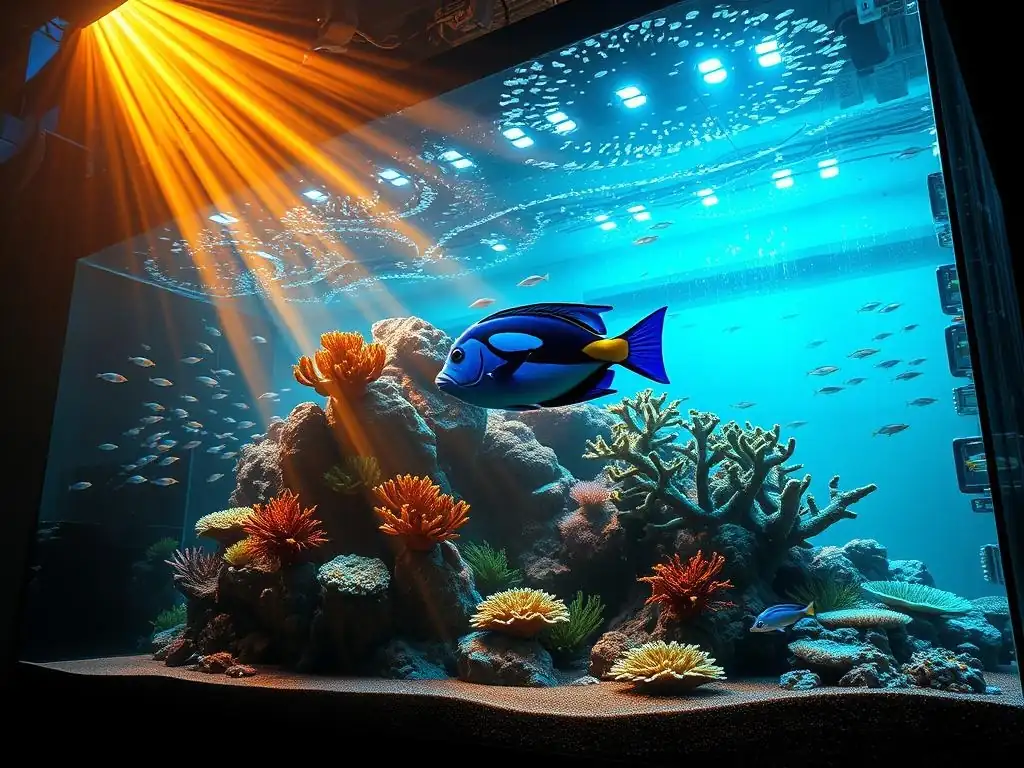
Welcome to Aquarium Mastery!
Ever wonder how seasoned aquarists achieve such vibrant and thriving aquatic ecosystems? The secret often lies in precision. Dive in and discover how to achieve optimal nutrient and additive levels with our guide to precise aquarium dosing pump setup. Unlocking this key to stable parameters and healthy inhabitants is easier than you think! Ready to take your aquarium game to the next level?
- Understanding Aquarium Dosing Pumps: A Beginner's Guide
- Selecting the Right Aquarium Dosing Pump for Your Needs
- Precise Aquarium Dosing Pump Setup: A Step-by-Step Guide
- Mastering Aquarium Dosing: Achieving Stable Water Parameters
- Troubleshooting Common Dosing Pump Issues
- Advanced Dosing Techniques for Expert Aquarists
- The Future of Aquarium Dosing: Innovations and Trends
- Frequently Asked Questions
- Final Reflection: The Art of Precision in Aquatic Ecosystems
- Ignite Your Reef: Transform Your Aquarium Today!
Understanding Aquarium Dosing Pumps: A Beginner's Guide
What is an Aquarium Dosing Pump and Why Use One?
An aquarium dosing pump is an automated device designed to precisely deliver liquid supplements, trace elements, and nutrients into an aquarium over time. Essentially, it's a specialized pump that replaces the need for manual daily or weekly additions of essential chemicals. By automating this process, dosing pumps ensure a consistent and stable environment, which is paramount for the health and growth of aquatic inhabitants, especially in sensitive ecosystems like reef tanks or high-tech planted aquariums.
The primary reason aquarists opt for a dosing pump is to maintain unparalleled parameter stability. Manual dosing often leads to parameter fluctuations, as supplements are added in larger, less frequent batches, causing peaks and troughs in nutrient levels. For instance, in a reef tank, the daily consumption of calcium and alkalinity by corals can be significant, sometimes dropping dKH by 0.5-1.0 over 24 hours. A dosing pump can split the required daily dose into numerous small increments, delivered hourly or even more frequently, preventing these critical swings and fostering optimal conditions for calcification and overall coral vitality.
Benefits of Using a Dosing Pump for Aquarium Maintenance
The most significant benefit of employing a dosing pump is the unparalleled stability it provides to water chemistry. Consistent, small doses of essential elements prevent the "rollercoaster" effect often seen with manual additions, where parameters spike immediately after dosing and then gradually decline. This consistent environment drastically reduces stress on corals, fish, and plants, leading to healthier growth rates, enhanced coloration, and increased resilience against disease. For instance, maintaining a stable alkalinity level within a narrow range, such as 8.0-8.5 dKH, is crucial for SPS coral growth, and a dosing pump makes this achievable with minimal effort.
Beyond stability, dosing pumps offer immense convenience and precision. They free aquarists from the daily chore of measuring and adding supplements, saving considerable time and reducing the potential for human error. A typical 100-gallon reef tank might consume 150ml of alkalinity solution and 100ml of calcium solution daily. Manually measuring these amounts accurately, especially if split into multiple daily doses, is cumbersome. A dosing pump, however, can accurately dispense volumes as small as 0.1ml, ensuring that even highly concentrated additives are delivered with pinpoint accuracy, leading to a truly precise aquarium dosing pump setup.
Dosing Pump Applications: Nutrient Control and Supplementation
Aquarium dosing pumps are versatile tools with a wide range of applications across various types of aquatic setups. In saltwater reef aquariums, their primary use is for the continuous replenishment of major elements like calcium, alkalinity (carbonate hardness), and magnesium, which are rapidly consumed by corals and other calcifying organisms.
For example, a mature SPS-dominated reef tank can deplete alkalinity by up to 1.5 dKH per day, necessitating a steady supply to support skeletal growth. Dosing pumps also efficiently deliver essential trace elements such as iodine, strontium, and potassium, which are vital for coral health but are consumed in much smaller quantities, making precise manual dosing nearly impossible.
In freshwater planted aquariums, dosing pumps are invaluable for nutrient control, particularly for high-tech setups utilizing CO2 injection. They allow for the consistent addition of macronutrients (Nitrogen, Phosphorus, Potassium - NPK) and micronutrients (e.g., iron, manganese, boron) that plants absorb from the water column.
For instance, following a method like the Estimative Index (EI), a 50-gallon planted tank might require 10ml of a concentrated NPK solution and 5ml of a micronutrient mix daily. A dosing pump ensures these nutrients are delivered consistently, preventing deficiencies that can lead to stunted growth or algae outbreaks, thus maintaining a balanced and thriving aquatic plant environment.
Selecting the Right Aquarium Dosing Pump for Your Needs
Factors to Consider When Choosing a Dosing Pump
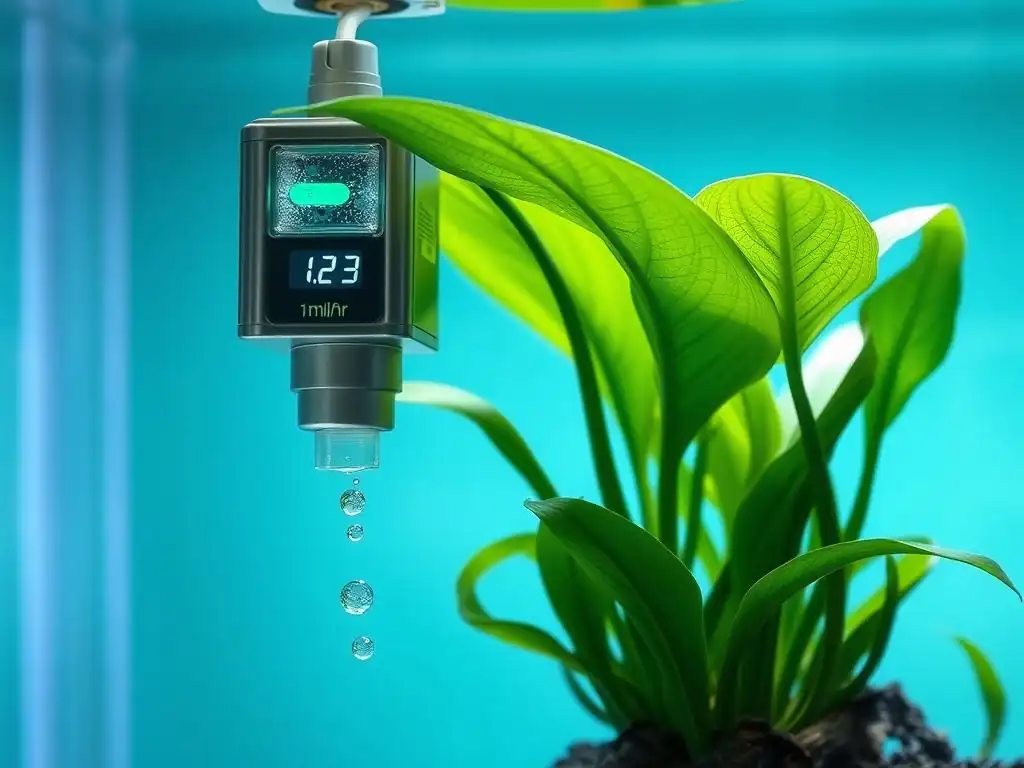
When selecting an aquarium dosing pump, several critical factors should guide your decision to ensure it meets your specific aquarium's demands. Foremost is the type and size of your aquarium. A small 20-gallon planted tank might only require one or two channels for macronutrients, whereas a large 250-gallon SPS-dominated reef tank will likely need at least three channels for calcium, alkalinity, and magnesium, plus potentially additional channels for trace elements or carbon dosing. Consider your current and future needs; it's often wise to choose a pump with more channels than you initially think you'll need, allowing for system expansion.
Another crucial consideration is the desired level of accuracy and control. While most modern dosing pumps offer good precision, some high-end models can dispense volumes as small as 0.1ml, which is vital for highly concentrated solutions or sensitive applications like carbon dosing. Evaluate the pump's user interface – whether it’s a simple onboard LCD, a mobile app, or integration with a full aquarium controller.
Ease of programming, calibration, and the ability to set complex schedules (e.g., multiple doses per day) will significantly impact your user experience and the effectiveness of your precise aquarium dosing pump setup. Finally, budget and brand reputation play a role; while entry-level pumps can be effective, investing in a reputable brand often translates to greater reliability and longevity.
Types of Dosing Pumps: Peristaltic vs. Other Designs
The vast majority of aquarium dosing pumps on the market utilize peristaltic pump technology due to its inherent advantages for this application. A peristaltic pump works by using rollers to compress and occlude a flexible tube, pushing a fixed volume of liquid through with each rotation. This design ensures that the liquid being dosed never comes into contact with the pump's internal mechanical components, preventing corrosion and contamination. This characteristic makes them ideal for dispensing aggressive or concentrated chemical solutions commonly used in aquariums, such as calcium chloride or sodium bicarbonate.
While other pump designs exist, such as syringe pumps or diaphragm pumps, they are less commonly employed for general aquarium dosing. Syringe pumps offer extremely high precision, often used in laboratory settings for micro-dosing, but they have limited volume capacity and are significantly more expensive.
Diaphragm pumps, while capable of moving liquids, can be less precise for the small, consistent volumes required for aquarium supplementation and may be more prone to issues with crystallization or particulate matter. The peristaltic design strikes an optimal balance between accuracy, reliability, ease of maintenance (simply replacing the dosing tube periodically), and cost-effectiveness, solidifying its status as the industry standard for a precise aquarium dosing pump setup.
Flow Rate and Channel Needs: Matching the Pump to Your Aquarium
Matching the dosing pump's flow rate and number of channels to your aquarium's specific needs is paramount for effective supplementation. The "flow rate" refers to the volume of liquid the pump can dispense per unit of time, typically measured in milliliters per minute (ml/min). While some pumps can deliver up to 100 ml/min, for precise aquarium dosing pump setup, what's more critical is the pump's ability to accurately dispense very small volumes (e.g., 1ml or less) consistently.
For example, a 75-gallon reef tank might consume 150ml of alkalinity solution daily, which could be dosed as 6.25ml every hour. The pump must be able to deliver this small hourly volume with high accuracy.
The "channel needs" directly relate to the number of different solutions you intend to dose. A basic planted tank might only require a 1-channel pump for an all-in-one liquid fertilizer. However, a typical reef tank often necessitates a 3-channel pump for calcium, alkalinity, and magnesium.
More advanced setups, such as those using the Balling method or carbon dosing, might require 4, 6, or even 8-channel pumps to manage various trace elements, amino acids, or bacterial cultures. For instance, a 150-gallon SPS-dominant reef might need 4 channels: one for calcium, one for alkalinity, one for magnesium, and a fourth for a comprehensive trace element mix, ensuring all essential elements are meticulously replenished.
Best Dosing Pump Brands & Models: A Comparison
The market for aquarium dosing pumps offers a range of reputable brands, each catering to different needs and budgets, crucial for establishing a precise aquarium dosing pump setup. Among the most popular and highly regarded are Neptune Systems, Kamoer, Jebao, Aqua Medic, and GHL. Neptune Systems, with its Apex Doser, integrates seamlessly into the broader Apex aquarium controller ecosystem, offering unparalleled precision, reliability, and advanced control features for 4 channels, typically priced around $250-$300. This is an excellent choice for those already invested in or planning to acquire an Apex controller.
Kamoer has gained significant traction for offering a balance of reliability, precision, and value. Their X1 (single channel), X4 (four channels), and F4 (four channels with app control) models are popular, often ranging from $100-$200 for multi-channel units. They are known for their ease of use via a dedicated app and consistent performance.
Jebao DP series pumps are a budget-friendly option, providing 3-5 channels at a lower price point (often under $100 for a 4-channel unit). While simpler in programming, they offer decent reliability for basic dosing needs.
Aqua Medic's Reef Doser EVO 4 is a robust 4-channel option, favored for its durability, while GHL's Doser 2 series stands at the high end, offering extreme precision, modularity, and deep integration with their Profilux controllers, making them a top choice for expert aquarists seeking the ultimate in control and expandability, albeit at a higher price of $300+. The "best" pump ultimately depends on your budget, required features, and desired level of integration.
Precise Aquarium Dosing Pump Setup: A Step-by-Step Guide
Preparing Your Dosing Solutions for Accurate Delivery
The foundation of a precise aquarium dosing pump setup lies in the accurate preparation of your dosing solutions. Always begin with high-quality reverse osmosis deionized (RO/DI) water to mix powdered supplements, as tap water contains impurities that can lead to undesirable precipitation or introduce unwanted elements into your aquarium. When mixing powdered supplements like calcium chloride, sodium bicarbonate, or magnesium sulfate, follow the manufacturer's instructions precisely regarding the powder-to-water ratio. For instance, a common recipe for alkalinity solution might involve dissolving 160 grams of sodium bicarbonate in 1 liter of RO/DI water.
Use accurate measuring tools, such as a digital scale for powders and a laboratory-grade graduated cylinder for liquids, to ensure the correct concentration. Once mixed, ensure the solutions are completely dissolved and free of any particulates that could clog your dosing pump lines over time. Store your prepared solutions in clean, clearly labeled containers, indicating the solution type, concentration, and date mixed.
Opaque containers are recommended for light-sensitive solutions to prevent degradation. For solutions like Kalkwasser, while powerful, direct dosing through a peristaltic pump is generally not recommended due to its tendency to precipitate and clog lines; it's often better managed via an auto top-off system.
Calibrating Your Dosing Pump for Optimal Performance
Calibrating your dosing pump is a critical step for achieving a precise aquarium dosing pump setup, ensuring that the volume dispensed by the pump perfectly matches the volume you program. Even new pumps can have slight variances from their factory settings, and accuracy can drift over time due to wear on the peristaltic tubing. The calibration process typically involves running a known volume of RO/DI water through each pump channel and then adjusting the pump's internal settings to match the actual dispensed volume.
To perform calibration, first, fill a small, precise graduated cylinder (e.g., 100ml capacity with 1ml increments) with RO/DI water. Then, direct the output line of the pump channel you are calibrating into another, even more precise measuring device, such as a laboratory-grade graduated cylinder with 0.1ml increments. Program the pump to dispense a specific volume, for example, 50ml, and initiate the dose.
Once complete, measure the actual volume collected in the precise measuring cylinder. If the actual volume differs from the programmed 50ml, adjust the pump's calibration factor (usually found in the pump's menu or app settings) according to the manufacturer's instructions. Repeat this process for each channel and re-calibrate every 3-6 months, or whenever you replace the dosing tubing, to maintain peak accuracy.
Programming Your Dosing Pump: Setting Schedules and Amounts
Programming your dosing pump correctly is central to a precise aquarium dosing pump setup, allowing you to tailor nutrient delivery to your aquarium's specific consumption rates. Most modern dosing pumps offer programming via an onboard LCD screen, a dedicated mobile app (connected via Bluetooth or Wi-Fi), or through an integrated aquarium controller. The first step is to determine the total daily volume of each solution needed.
This initial estimate is often based on your tank's volume and stocking density, but will be fine-tuned through regular water testing. For example, a 100-gallon heavily stocked reef tank might require 120ml of calcium solution and 150ml of alkalinity solution per day.
Once you have your daily volumes, decide on the dosing frequency. Dosing smaller amounts more frequently (e.g., hourly or every few hours) provides greater stability to water parameters than a single large daily dose. For instance, instead of dosing 150ml of alkalinity once a day, you could program the pump to dispense 6.25ml every hour for 24 hours (150ml / 24 hours = 6.25ml/hour).
This constant replenishment minimizes parameter swings, crucial for sensitive corals. Always start with a conservative dose, typically 50-75% of your estimated daily need, and gradually increase the volume by 5-10% every few days while closely monitoring your water parameters until stability within your target ranges is achieved.
Connecting and Positioning the Dosing Pump in Your System
Proper connection and positioning are vital for the reliable operation of your precise aquarium dosing pump setup. First, select a dry, stable location for the pump, away from splashing water. Ideally, the dosing pump should be placed above the water level of your dosing solution containers to prevent accidental siphoning, which could lead to an uncontrolled overdose. However, ensure the pump's intake lines can reach the bottom of your solution containers to maximize extraction.
Next, connect the appropriate tubing. Use high-quality, flexible tubing (such as silicone or Tygon) that resists kinking and chemical degradation. Ensure all connections are secure to prevent leaks. For the intake lines, place the ends near the bottom of your dosing solution containers, securing them with tube holders or weights to keep them submerged as the liquid level drops.
For the output lines, direct them into a high-flow area of your sump or display tank. This ensures rapid dispersion of the dosed solution, preventing localized concentrations that could harm sensitive inhabitants. Many aquarists route the output lines into the return pump section of the sump or directly into the display tank's overflow weir. Secure all tubing with cable ties or clips to prevent accidental dislodgement, which could result in a significant spill or an incorrect dose.
Mastering Aquarium Dosing: Achieving Stable Water Parameters

Understanding Target Nutrient Levels for Your Aquarium Type
Mastering aquarium dosing hinges on a clear understanding of the target nutrient levels specific to your aquarium type and its inhabitants. For saltwater reef aquariums, particularly those housing SPS (Small Polyp Stony) corals, maintaining stable parameters is critical. Target levels typically include Calcium (Ca) at 400-450 ppm, Alkalinity (dKH) between 7.0-9.0 dKH, and Magnesium (Mg) at 1300-1400 ppm.
These elements are the building blocks for coral skeletons. Additionally, nitrates are often kept low, around 0.5-10 ppm (SPS prefer lower, around 2-5 ppm), and phosphates between 0.02-0.08 ppm (SPS thrive with levels around 0.03 ppm), as excess can inhibit coral growth and fuel nuisance algae.
In freshwater planted aquariums, the focus shifts to macronutrients (Nitrogen, Phosphorus, Potassium - NPK) and micronutrients (e.g., Iron). Target ranges for a high-tech planted tank might be Nitrates at 5-20 ppm, Phosphates at 0.5-2 ppm, and Potassium at 10-30 ppm, with Iron maintained at 0.05-0.1 ppm. These levels support vigorous plant growth and vibrant coloration. The specific targets will vary based on the plant species, lighting intensity, and CO2 injection. A precise aquarium dosing pump setup allows for the consistent replenishment of these vital elements, preventing deficiencies that can lead to stunted growth or nutrient imbalances.
Creating a Dosing Schedule Based on Aquarium Needs
Developing an effective dosing schedule is an iterative process that begins with an initial estimation and is refined through consistent monitoring. To start, estimate your aquarium's daily consumption of key elements. For a new reef tank, a common starting point might be 10ml of a standard alkalinity solution and 7ml of a calcium solution per 25 gallons of water, split into multiple doses. However, the actual consumption rate will be dictated by the biomass of corals or plants and their growth rates. Use online dosing calculators or general guidelines from reputable sources as a baseline.
Once you have an initial daily volume, program your precise aquarium dosing pump setup to dispense this amount in multiple, small doses throughout the day. For instance, instead of one large dose, splitting the daily volume into 12 or 24 smaller doses (e.g., every two hours or every hour) provides significantly greater parameter stability. After implementing the initial schedule, rigorously test your water parameters (daily for alkalinity in reef tanks for the first week, then 2-3 times per week; weekly for calcium and magnesium).
Based on these readings, incrementally adjust your dosing volumes by 5-10% at a time until your parameters remain stable within your desired target ranges. As your corals or plants grow, their consumption will increase, necessitating periodic upward adjustments to your dosing schedule.
Monitoring Water Parameters and Adjusting Dosing as Needed
Consistent monitoring of your aquarium's water parameters is the cornerstone of a successful and precise aquarium dosing pump setup. Without regular testing, you're essentially dosing blindly, risking either deficiencies or, more dangerously, overdosing. For reef tanks, daily or every-other-day testing of alkalinity (dKH) is crucial, especially during the initial setup and adjustment phases, as it's often the most rapidly consumed element. Calcium and magnesium levels can typically be tested weekly or bi-weekly once stability is achieved. For planted tanks, monitoring nitrates, phosphates, and potassium weekly helps gauge nutrient uptake.
Use reliable and accurate test kits from reputable brands such as Salifert, Hanna Instruments, or Red Sea. Maintain a detailed log of all your test results and any dosing adjustments made. This data provides invaluable insight into trends and helps you fine-tune your dosing regimen over time.
For example, if your alkalinity is consistently dropping by 0.5 dKH over 24 hours despite your current dosing, you'll know to increase your alkalinity solution dose by a calculated percentage. Remember that changes in livestock, feeding habits, or even seasonal variations can impact nutrient consumption, so be prepared to make minor adjustments to your dosing schedule as needed to maintain optimal water chemistry.
Preventing Overdosing: Safety Measures and Best Practices
Preventing overdosing is paramount for the health of your aquarium and is a critical aspect of a precise aquarium dosing pump setup. A significant overdose of certain elements, particularly alkalinity, can lead to severe issues like precipitation events ("snowstorms") that can decimate corals and other invertebrates. Always double-check your pump's programming before confirming. A common mistake is misplacing a decimal point, programming 100ml instead of 10.0ml, which could lead to a catastrophic overdose. If your pump has an app, review the settings carefully on a larger screen.
To mitigate the impact of potential errors, consider using more diluted stock solutions. While this means dosing larger volumes, it reduces the severity of an accidental over-dose if a programming error occurs. For example, if a highly concentrated solution requires a 5ml daily dose, using a half-strength solution requiring 10ml daily provides a larger margin for error.
Furthermore, always keep each dosing solution in its own clearly labeled container to prevent accidentally connecting the wrong solution to a channel. Advanced dosing pumps and aquarium controllers often offer safety features like low-level alarms for dosing containers, or the ability to shut off pumps if integrated probes detect parameters exceeding safe limits (e.g., pH dropping too low or dKH spiking too high), providing an additional layer of protection against overdosing.
Troubleshooting Common Dosing Pump Issues
Dealing with Clogging and Blockages
Clogging and blockages are common issues that can compromise the accuracy of a precise aquarium dosing pump setup. The primary causes are often related to the dosing solutions themselves: precipitation of minerals (e.g., calcium carbonate from kalkwasser or poorly mixed two-part solutions), algae growth within the lines, or particulate matter from uncleaned mixing containers. Symptoms typically include reduced or inconsistent flow, the pump running but no liquid being dispensed, or a noticeable drop in the target water parameter despite the pump being programmed to dose.
To resolve a clog, first, disconnect the affected tubing from both the pump and the dosing container. Flush the tubing with RO/DI water or, for mineral buildup, a weak acid solution like white vinegar. If the clog persists, the tubing may need to be replaced, especially if it feels hardened or brittle.
For blockages within the pump head itself, carefully disassemble the pump head (refer to your pump's manual) and clean the rollers and the internal tubing with a small brush. To prevent future clogs, ensure all powdered supplements are fully dissolved before dosing, use high-quality RO/DI water for mixing, and store solutions in clean, sealed containers. Consider adding a small inline filter to the intake line for solutions prone to precipitation.
Addressing Inaccurate Dosing Issues
Inaccurate dosing can undermine the stability that a precise aquarium dosing pump setup is designed to provide. Common culprits include worn or clogged tubing, air bubbles in the lines, incorrect calibration, or issues with the pump's motor or power supply. If your water parameters are consistently off target despite confirming your programming, or if you visually observe inconsistencies in the dispensed volume, it's time to troubleshoot.
The first and most crucial step is to recalibrate your pump. Follow the calibration procedure precisely, using a laboratory-grade graduated cylinder to measure the actual volume dispensed. If calibration doesn't resolve the issue, thoroughly inspect all dosing tubing for kinks, pinches, or signs of wear like hardening or cracking; replace any compromised sections.
Air bubbles trapped in the intake lines, often occurring when a dosing container is nearly empty, can lead to inaccurate doses; ensure intake lines are always fully submerged. Finally, check the pump's power supply for consistency and ensure it's not on a circuit with fluctuating voltage. If all else fails, and the pump motor sounds unusual or seems to struggle, it may indicate a failing motor or worn internal gears, potentially requiring professional repair or replacement.
Pump Maintenance: Cleaning and Calibration Tips
Regular maintenance is key to ensuring the longevity and accuracy of your precise aquarium dosing pump setup. For cleaning, periodically wipe down the exterior of the pump to prevent salt creep or dust buildup, which can corrode components. More importantly, regularly flush the internal dosing lines. This is particularly crucial if you're changing the type of solution being dosed or if the pump will be inactive for an extended period. Flush each line with fresh RO/DI water to prevent crystal formation or algae growth within the tubing.
As for calibration, it should be performed every 3 to 6 months as a standard practice, or immediately if you notice consistent discrepancies in your water parameters that can't be explained by consumption changes. Additionally, always recalibrate after replacing the peristaltic tubing, as the new tubing's elasticity can slightly alter the flow rate.
Peristaltic tubing is a wear item and typically needs replacement every 6 to 12 months, depending on usage frequency and the corrosiveness of the dosed solutions. Inspect the tubing for signs of hardening, cracking, or reduced flexibility, as these are indicators that it's time for replacement to maintain optimal pump performance.
Recognizing and Resolving Dosing Pump Errors
Modern dosing pumps, especially those with digital displays or app connectivity, are equipped to display various error codes or messages when an issue arises, aiding in a precise aquarium dosing pump setup. Familiarize yourself with your specific pump's manual to understand what each error code signifies. Common errors include "Low Liquid," "Motor Error," "Communication Failure," or "Overcurrent."
For a "Low Liquid" or "No Liquid Detected" error, the solution is straightforward: refill the corresponding dosing container. Also, check the intake line for any blockages or if it has lifted out of the solution. A "Motor Error" or "Overcurrent" message often points to a blockage within the dosing line or a worn pump head that is causing excessive resistance.
Disconnect the lines, try running the pump dry, and then inspect the tubing and pump head for any obstructions or signs of wear. If you have a Wi-Fi or Bluetooth-enabled pump, a "Communication Error" typically indicates a network issue; try restarting both the pump and your controlling device (phone or aquarium controller) and verify your network connection. If internal component failure is suspected and not resolved by these basic troubleshooting steps, contacting the manufacturer's technical support or considering professional repair may be necessary.
Advanced Dosing Techniques for Expert Aquarists
Using Dosing Pumps for Balling Method or Other Advanced Techniques
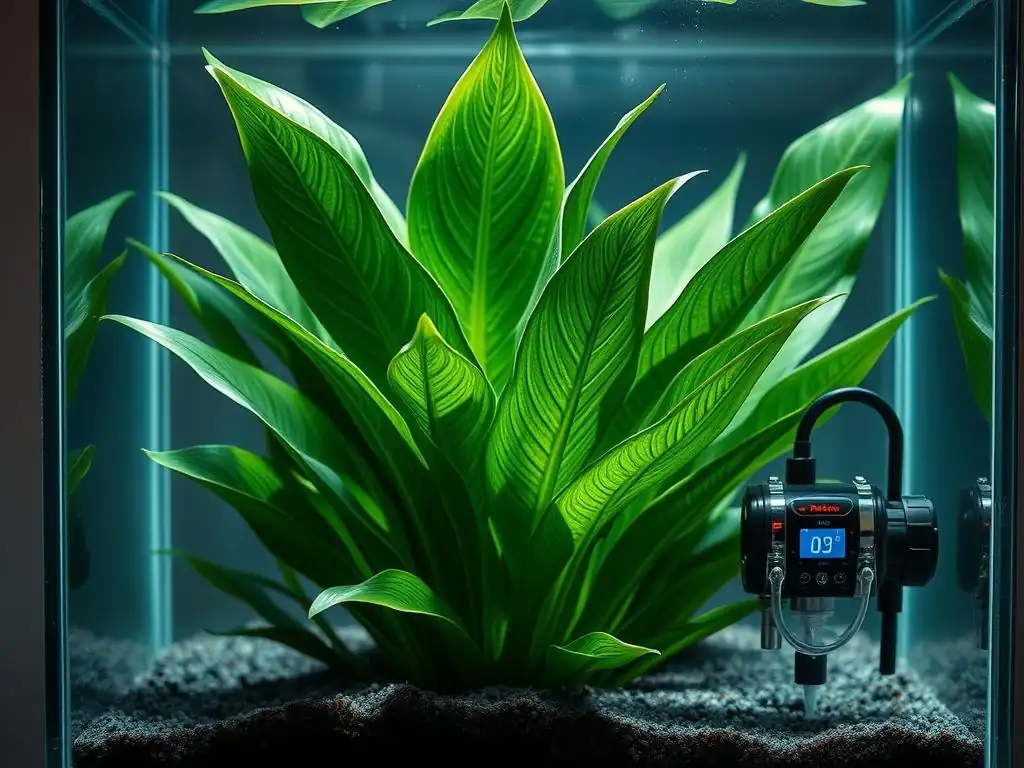
For expert aquarists seeking to achieve the utmost stability and growth in their reef tanks, dosing pumps are indispensable for implementing advanced supplementation methods like the Balling Method. The traditional Balling Method involves dosing three separate solutions: calcium chloride, sodium bicarbonate (alkalinity), and a trace element mix, often referred to as "Balling Part C." This approach ensures that the major elements are replenished without altering the ionic balance of the aquarium water, a common issue with traditional two-part systems.
A precise aquarium dosing pump setup with at least three channels is ideal for this method, allowing for the independent and consistent delivery of each solution. For example, a 200-gallon SPS-dominant tank might require 250ml of each major solution daily, split into 24 hourly doses to maintain ultra-stable parameters.
Beyond the basic Balling Method, dosing pumps are also crucial for variations like Balling Light or Balling Pro, which often involve specific trace element formulations tailored for enhanced coral coloration and growth. Furthermore, carbon dosing, a technique used to reduce nitrates and phosphates by adding a liquid carbon source (e.g., vodka, vinegar, or commercial carbon solutions), relies heavily on the extreme precision of dosing pumps.
The required doses for carbon sources are often minute, sometimes as little as 0.5ml per day for a 50-gallon tank, making manual dosing impractical and highly risky. Dosing pumps ensure these potent additives are delivered accurately and consistently, preventing bacterial blooms or oxygen depletion.
Integrating Dosing Pumps with Aquarium Controllers
Integrating dosing pumps with a full-fledged aquarium controller elevates a precise aquarium dosing pump setup to an entirely new level of automation and control. High-end dosing pumps, such as those from Neptune Systems (Apex Doser) or GHL (Doser 2), are designed to communicate directly with their respective controllers (e.g., Neptune Apex, GHL Profilux, or even open-source platforms like Reef Pi). This integration allows for centralized management of all aquarium equipment and sophisticated programming capabilities that standalone pumps cannot offer.
Controllers enable parameter-driven dosing, where the dosing pump's operation is dynamically adjusted based on real-time water quality readings from connected probes. For instance, if an alkalinity probe detects a slight drop in dKH below a set threshold, the controller can automatically trigger an additional small dose of alkalinity solution to bring the parameter back into range. This proactive adjustment maintains unparalleled stability.
Furthermore, controllers offer enhanced safety features: they can monitor pump status, detect leaks via leak sensors, and trigger alarms or even shut down pumps in the event of a malfunction or if parameters go critically out of range, preventing catastrophic overdosing. They also provide comprehensive data logging, allowing aquarists to review dosing history and water parameter trends for long-term analysis and fine-tuning.
Automating Water Changes with Dosing Pumps
One of the most advanced applications of dosing pumps in a precise aquarium dosing pump setup is the automation of water changes, particularly through continuous micro water changes. Instead of performing large, infrequent water changes that can cause parameter swings, this technique uses two dosing pumps for a slow, constant exchange of water. One dosing pump steadily removes old tank water into a waste container, while a second dosing pump simultaneously adds fresh, pre-mixed saltwater (or RO/DI water for freshwater tanks) from a dedicated reservoir.
This method maintains incredibly stable water parameters by continuously replenishing trace elements and removing metabolic waste products in minute quantities. For example, two pumps each running at 10ml/hour could perform a 5-gallon water change over 24 hours in a 100-gallon tank, equivalent to a 5% daily water change.
The setup requires careful calculation of flow rates to ensure the inflow and outflow are perfectly matched, preventing fluctuations in water volume. The benefits include the elimination of large parameter swings associated with traditional water changes, significantly reduced manual labor, and the maintenance of consistently pristine water quality, leading to a healthier and more stable aquatic environment for all inhabitants.
The Future of Aquarium Dosing: Innovations and Trends
The future of aquarium dosing is poised for exciting advancements, driven by the increasing integration of smart technology and a deeper understanding of aquatic chemistry. A significant trend is the move towards "smart dosing," where pumps become even more autonomous. This will involve enhanced AI and machine learning capabilities, allowing dosing pumps to learn an aquarium's specific consumption patterns over time and automatically adjust dosing schedules and volumes without constant manual input. Imagine a system that predicts your tank's alkalinity demand based on coral growth and automatically fine-tune your precise aquarium dosing pump setup.
Another key innovation will be widespread cloud connectivity. This will enable aquarists to remotely monitor and control their dosing pumps from anywhere in the world via mobile apps, receive real-time alerts, and even get predictive maintenance notifications based on usage data. The development of more affordable, accurate, and reliable inline sensors for key water parameters like calcium, alkalinity, and magnesium will further revolutionize dosing.
These sensors could provide continuous, real-time data directly to the dosing pump or controller, allowing for truly dynamic, parameter-driven adjustments rather than relying solely on periodic manual testing. We can also expect to see more modular and expandable dosing systems, allowing aquarists to easily add channels as their tank's needs evolve, and a continued push towards more energy-efficient pump designs and sustainable manufacturing practices within the aquarium industry.
Frequently Asked Questions
What is an aquarium dosing pump and why is it needed?
An aquarium dosing pump is a device that automatically adds precise amounts of liquids (usually nutrients or additives) to your aquarium at regular intervals. This is needed for maintaining stable water parameters and promoting healthy growth of corals or plants.
What types of additives are typically dosed with a dosing pump?
Common additives dosed with pumps include calcium, alkalinity, magnesium, and trace elements in reef tanks, and liquid fertilizers in planted freshwater tanks. These contribute to optimal conditions for the inhabitants.
How do I calibrate a dosing pump for accurate delivery?
Calibration involves measuring the actual output of the pump over a specific time period and adjusting the pump's settings accordingly. This ensures the correct amount is being delivered each time.
What factors should I consider when choosing a dosing pump?
Consider the number of channels needed (depending on the number of additives you want to dose), the accuracy of the pump, and the ease of programming and maintenance. Also, think about future expansion of your aquarium.
How often should I check and maintain my aquarium dosing pump?
Regularly check for clogs or leaks in the tubing and pump head. Clean the pump head and tubing every few months to ensure accurate and consistent dosing.
Final Reflection: The Art of Precision in Aquatic Ecosystems
The journey into precise aquarium dosing pump setup reveals more than just technical know-how; it underscores the delicate balance required to nurture thriving aquatic ecosystems. The ability to meticulously control nutrient and additive delivery, as explored throughout this article, is not merely a convenience, but a fundamental pillar of responsible reef keeping and planted aquarium management in today's world, where we strive for ever more complex and beautiful displays.
This pursuit of precision has profoundly shaped the modern aquarium hobby, transforming it from a simple pastime into a sophisticated blend of science and art. The ability to replicate natural conditions with such accuracy allows us to witness the vibrant beauty of coral reefs and lush aquatic landscapes within the confines of our own homes, fostering a deeper appreciation for the fragility and complexity of these environments. In nature, nothing is perfect and everything is perfect. Trees can be contorted, bent in weird ways, and they're still beautiful.
- Alice Walker. This quote reminds us that even within the controlled environment of an aquarium, embracing the nuances and variations that arise from precise dosing contributes to a more natural and ultimately more beautiful outcome.
As you embark on your own journey with aquarium dosing pumps, remember that precision is not just about the numbers, but about the life you are nurturing. Take the knowledge gained here, experiment with care, and observe the subtle responses of your aquatic inhabitants. Let the quest for precise aquarium dosing pump setup be a catalyst for deeper understanding, a source of endless fascination, and a testament to your commitment to creating a thriving, miniature world.
Ignite Your Reef: Transform Your Aquarium Today!
Thanks for diving into the world of precise aquarium dosing! We hope you've discovered how a dosing pump can revolutionize your reef-keeping and simplify nutrient management. Now, it's time to take control and create a thriving underwater ecosystem.
- Embrace Accuracy: Invest in a Dosing Pump and Begin Controlled Supplementation:. This single step will profoundly impact the health and beauty of your reef tank.
- Explore Advanced Techniques: Experiment with dosing schedules and parameters to unlock the full potential of your aquatic environment.
- Share Your Success: Show off your thriving reef and inspire others by posting photos and videos of your aquarium transformation on social media with #AquariumMastery.
What unique dosing strategy will you implement to optimize the vibrant colors and growth in your aquarium?