
The Veiltail Oscar: A Care and Profile Guide to This Elegant Variety

Welcome to Aquarium Mastery!
Intrigued by the captivating elegance of the Veiltail Oscar? Dive in and discover everything you need to know in our comprehensive Veiltail Oscar care guide. From tank setup to feeding and health, unlock the secrets to successfully keeping this stunning freshwater fish and transform your aquarium into a thriving underwater haven. Ready to become a true Aquarium Master? Let's get started!
- Understanding the Veiltail Oscar: An Introduction to This Unique Cichlid
- Setting Up the Ideal Veiltail Oscar Tank: Essential Requirements
- Veiltail Oscar Care: Diet, Health, and Maintenance
- Veiltail Oscar Tank Mates: Compatibility and Considerations
- Veiltail Oscar Breeding: Encouraging Spawning in Captivity
- The Allure of the Veiltail Oscar: Why Choose This Variety?
- Conclusion: Mastering Veiltail Oscar Care for a Thriving Aquarium
-
Frequently Asked Questions
- What are the key differences in care requirements between a Veiltail Oscar and a regular Oscar?
- What is the ideal tank size for a Veiltail Oscar?
- What should I feed my Veiltail Oscar?
- How often should I perform water changes in a Veiltail Oscar tank?
- What are some common health problems that affect Veiltail Oscars and how can I prevent them?
- Final Reflection: Appreciating the Grace of the Veiltail Oscar
- Unleash the Beauty: Dive Deeper into Veiltail Oscar Care!
Understanding the Veiltail Oscar: An Introduction to This Unique Cichlid
What is a Veiltail Oscar? Defining the Distinctive Features
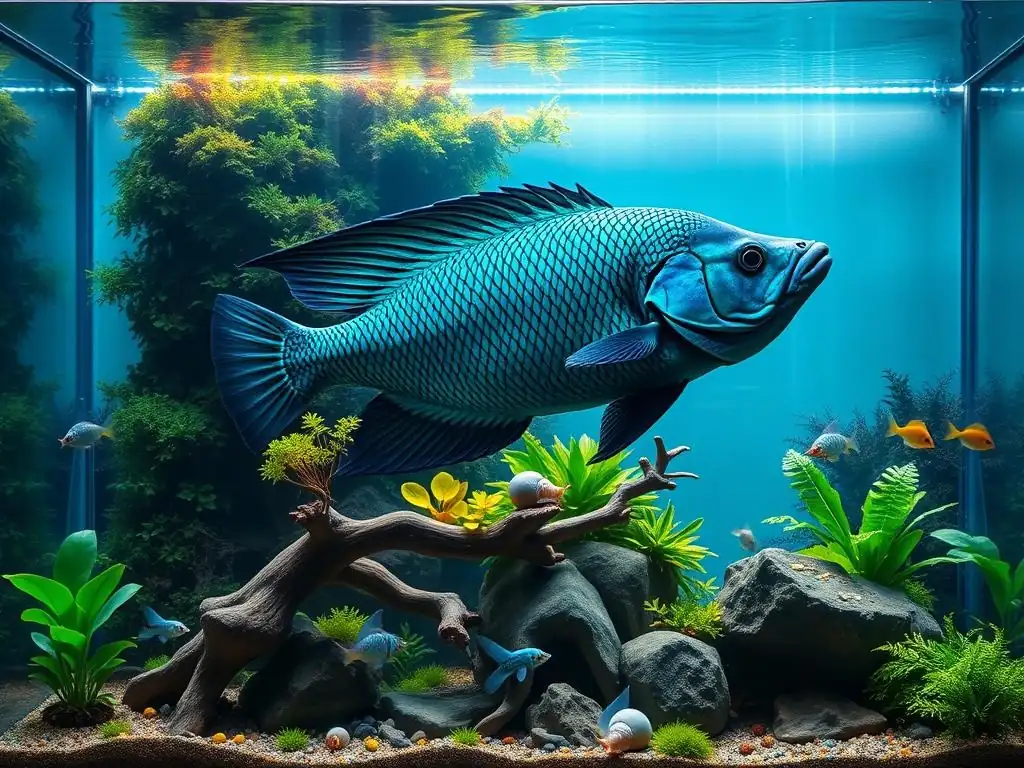
The Veiltail Oscar, a captivating variant of the popular Oscar cichlid ( Astronotus ocellatus), is distinguished primarily by its significantly elongated and flowing fins. Unlike the shorter, more robust fins of the wild-type or standard Oscar, the Veiltail possesses an exaggerated dorsal, anal, and caudal finnage that creates a graceful, veil-like appearance as it swims. This unique characteristic is a result of selective breeding within the aquarium hobby, meaning this specific fin type does not occur naturally in the wild.
Beyond their elegant finnage, Veiltail Oscars retain the core traits of their standard counterparts: they are large, intelligent, and highly interactive freshwater fish. They can reach impressive sizes, commonly growing to 10-14 inches (25-35 cm) in length, and with proper Veiltail Oscar care, they can live for 10 to 15 years, sometimes even longer. The veiltail trait can be found across various Oscar color morphs, including the classic Tiger Oscar pattern, the striking Red Oscar, and the Albino Oscar, offering a range of aesthetic choices for aquarists seeking a truly unique display fish.
Veiltail Oscar Origin and Natural Habitat: South America's Amazon Basin
While the Veiltail Oscar itself is a selectively bred variety, its ancestral species, Astronotus ocellatus, originates from the vast freshwater systems of South America, primarily within the Amazon River basin. Their natural distribution spans across countries such as Brazil, Peru, Colombia, and French Guiana. In the wild, these fish inhabit slow-moving rivers, tributaries, and floodplains, often found among submerged roots, fallen branches, and dense vegetation.
The typical natural habitat for Oscars is characterized by warm, often slightly acidic to neutral water, with varying levels of clarity, ranging from clear to turbid or even blackwater environments. Replicating these conditions is a cornerstone of effective Veiltail Oscar care guide practices, even for the captive-bred varieties. Understanding their wild origins helps aquarists provide an environment that supports their physiological needs and natural behaviors, such as digging and exploring, ensuring optimal health and longevity for these magnificent cichlids.
Setting Up the Ideal Veiltail Oscar Tank: Essential Requirements
Tank Size for Veiltail Oscars: How Much Space Do They Need?
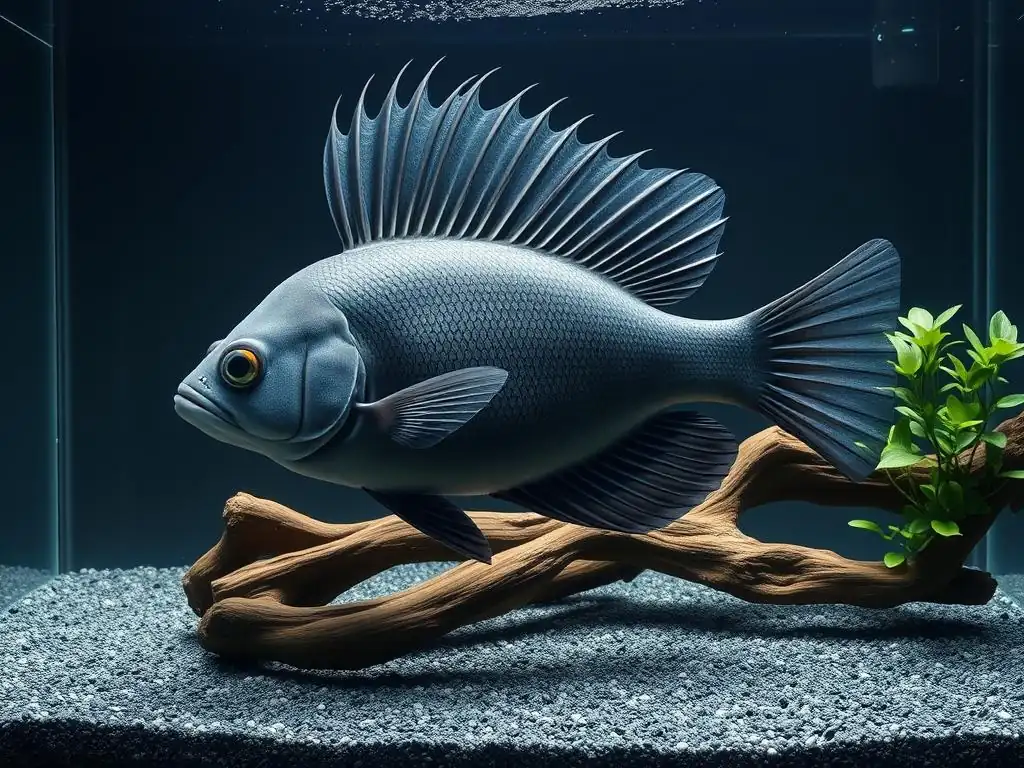
The immense size and significant bio-load of the Veiltail Oscar necessitate a substantial aquarium. For a single adult Veiltail Oscar, a minimum tank size of 75 gallons (approximately 280 liters) is strongly recommended. While juvenile Oscars may appear small at purchase, they grow remarkably fast, often adding an inch or more per month under ideal conditions. Providing ample space from the outset prevents stunting, reduces aggression, and allows for proper development of their elaborate fins.
For those considering housing a pair of Veiltail Oscars or keeping one with suitable large tank mates, a tank of 125-150 gallons (470-570 liters) or larger is essential. Oscars are active fish that require considerable horizontal swimming space, not just vertical depth. Overcrowding is one of the quickest ways to compromise water quality and increase stress, leading to health issues. Investing in a generously sized tank is perhaps the most critical initial step in providing comprehensive Veiltail Oscar care.
Water Parameters: Maintaining Optimal Water Quality for Veiltail Oscars
Temperature, pH, and Hardness: Specific Requirements for Oscar Health
Maintaining stable and appropriate water parameters is paramount for the health and longevity of Veiltail Oscars. The ideal temperature range for these tropical fish is between 74-80°F (23-27°C). Consistent temperature is crucial, as sudden fluctuations can cause stress and weaken their immune system, making them susceptible to diseases like Ich. A reliable aquarium heater, appropriately sized for the tank volume, is indispensable for maintaining this stability.
Regarding pH, Veiltail Oscars thrive in slightly acidic to neutral water, with a recommended range of 6.5-7.5. While achieving an exact pH value is less critical, maintaining stability is key. Wild Oscars are accustomed to softer water, so a general hardness (GH) of 5-15 dGH (90-270 ppm) is ideal, with carbonate hardness (KH) also contributing to pH stability. Regular testing of these parameters using a reliable freshwater test kit is a vital part of the Veiltail Oscar care guide, allowing for timely adjustments and preventing potentially harmful swings.
Filtration Needs: Keeping the Water Clean and Clear
Veiltail Oscars are notoriously messy eaters and produce a substantial amount of waste, contributing significantly to the aquarium's bio-load. Consequently, robust and oversized filtration is not merely recommended but absolutely essential for maintaining pristine water quality. A high-quality canister filter, rated for a tank size significantly larger than your actual aquarium (e.g., a filter for 150 gallons on a 75-gallon tank), is often the preferred choice due to its efficiency and capacity for mechanical, chemical, and biological media. Alternatively, a combination of multiple hang-on-back (HOB) filters can also provide sufficient filtration.
Effective filtration for Veiltail Oscar fish care must address all three types of filtration: mechanical, biological, and chemical. Mechanical filtration removes particulate matter, keeping the water clear. Biological filtration, powered by beneficial bacteria, is the most critical; it converts toxic ammonia and nitrite into less harmful nitrate, completing the nitrogen cycle. Chemical filtration, often using activated carbon or specialized resins, removes dissolved organic compounds and odors. Regular cleaning of mechanical media and careful maintenance of biological media are critical to the filter's performance and the overall health of your Oscar.
Substrate and Decor: Creating a Suitable Environment
Choosing the Right Substrate for Oscars
When selecting a substrate for a Veiltail Oscar aquarium, durability and safety are key considerations. Oscars are known for their inquisitive nature and propensity to dig, rearrange, and even mouth the substrate. Fine to medium-grained sand or smooth, rounded gravel are generally the best choices. These materials are less likely to cause injury to the Oscar's mouth or delicate finnage if ingested or moved. Avoid sharp-edged gravel or very coarse substrates that could potentially harm the fish.
A substrate depth of 2-3 inches (5-7.5 cm) is typically sufficient. While Oscars don't have specific substrate requirements for their health, the choice does impact tank aesthetics and ease of cleaning. Darker substrates can sometimes enhance the vibrant colors of your Veiltail Oscar, making them stand out more. Regardless of the type chosen, regular siphoning during water changes is necessary to remove accumulated waste and maintain overall water quality, a crucial aspect of any Veiltail Oscar care guide.
Safe and Enriching Decor Options
Providing appropriate decor is vital for creating an enriching environment for Veiltail Oscars, offering places for exploration, security, and visual breaks. Large, smooth rocks and pieces of driftwood are excellent choices. It is imperative that all decor items are heavy and securely placed, as Oscars are powerful fish capable of moving lighter objects, which could lead to collapses or injuries. Avoid any decor with sharp edges or rough surfaces that could tear their delicate veiltail fins.
While live plants can be challenging to maintain with Oscars due to their digging habits, some robust species like Anubias, Java Fern, or certain types of Cryptocoryne, anchored to driftwood or rocks, can sometimes succeed. Alternatively, high-quality artificial plants can provide visual appeal and cover without the maintenance challenges. Offering a few large, smooth ceramic or PVC pipes can also serve as effective hiding spots, contributing to the fish's sense of security and overall well-being, which is an important consideration in comprehensive Veiltail Oscar care.
Veiltail Oscar Care: Diet, Health, and Maintenance
Veiltail Oscar Diet: What to Feed Your Oscar
Recommended Foods: Pellets, Live, and Frozen Options
A varied and nutritious diet is fundamental to the health and vibrant coloration of Veiltail Oscars. High-quality cichlid pellets or sticks should form the staple of their daily intake. Look for formulations specifically designed for large omnivorous cichlids, with a protein content typically ranging from 40-45%. These pellets are nutritionally complete and fortified with essential vitamins and minerals crucial for their growth and immune system. Feeding small amounts two to three times a day is generally better than one large meal, as it aids digestion and reduces waste accumulation in the tank.
Supplementing their staple diet with a variety of frozen and occasional live foods is highly recommended to provide a broader spectrum of nutrients and enrichment. Excellent frozen options include bloodworms, brine shrimp, Mysis shrimp, and chopped krill. For treats, live foods such as earthworms, crickets, or high-quality feeder fish (raised in a separate, clean environment to minimize disease risk) can be offered sparingly.
It is important to avoid feeding mammalian or avian meat, like beef heart or chicken, as the fats and proteins are difficult for fish to digest and can lead to long-term health issues. A well-rounded diet is a cornerstone of an effective Veiltail Oscar care guide.
Common Veiltail Oscar Diseases and Prevention
Identifying and Treating Common Illnesses
Veiltail Oscars are generally robust fish, but like all aquarium inhabitants, they are susceptible to common freshwater diseases, especially if water quality is poor or stress levels are high. Among the most prevalent are Ich (Ichthyophthirius multifiliis), commonly known as white spot disease, which appears as small white dots resembling salt grains on the body and fins. Another common ailment is Hole-in-the-Head (HITH) disease, characterized by pitting and lesions around the head and lateral line. Fin rot, often caused by bacterial infections in poor water conditions, can also affect their delicate veiltail fins, causing them to fray and deteriorate.
Prevention is the most effective approach to maintaining a healthy Veiltail Oscar. This involves consistently high water quality through regular water changes and robust filtration, as well as providing a balanced, nutritious diet. Overfeeding should be avoided as it contributes to waste and can lead to digestive issues. Quarantining new fish for 2-4 weeks in a separate tank before introducing them to the main display significantly reduces the risk of disease transmission. If illness does occur, early detection and appropriate treatment, often with aquarium-specific medications, are crucial for successful recovery and are integral to comprehensive Veiltail Oscar fish care.
Water Changes: Maintaining a Healthy Aquarium Environment
Given their substantial bio-load and the volume of waste they produce, frequent and significant water changes are arguably the most critical aspect of Veiltail Oscar care. For a single adult Veiltail Oscar in a 75-gallon tank, a weekly water change of 25-30% of the tank volume is a good starting point.
For larger tanks with multiple Oscars or tank mates, bi-weekly changes of 30-50% may be necessary to keep nitrate levels in check and maintain optimal water parameters. Neglecting water changes leads to the accumulation of nitrates and other dissolved organic compounds, which can stress the fish and lead to various health problems like fin rot or HITH.
When performing water changes, always use a high-quality water conditioner or dechlorinator to neutralize chlorine and chloramines present in tap water, as these chemicals are highly toxic to fish. It is also crucial to match the temperature of the new water as closely as possible to the tank water to prevent temperature shock, which can severely stress the Oscar. Regular water changes not only dilute pollutants but also replenish essential trace minerals and maintain the chemical stability of the aquarium, ensuring a thriving environment for your Veiltail Oscar.
Veiltail Oscar Tank Mates: Compatibility and Considerations
Best Tank Mates for Veiltail Oscars
Selecting appropriate tank mates for Veiltail Oscars requires careful consideration due to their predatory nature and potential for aggression. The best tank mates are generally large, robust fish that can hold their own and are too big to be considered a meal. They should also be able to tolerate similar water parameters and have a compatible temperament. Suitable options often include other large, semi-aggressive cichlids, provided the tank is sufficiently sized to offer ample territory for all inhabitants.
Examples of potentially compatible tank mates include other large New World cichlids such as Green Terrors, Severums, or Jack Dempseys (though individual temperaments vary and caution is advised). Large armored catfish like Plecos (e.g., Common Pleco, Sailfin Pleco) or Synodontis species can also be good choices, as they occupy different parts of the water column and their armor protects them. It is crucial to introduce all fish when they are relatively young and of similar size to allow them to grow up together and establish a pecking order, which is a nuanced aspect of multi-fish Veiltail Oscar care.
Fish to Avoid Housing with Veiltail Oscars
When planning a community tank with a Veiltail Oscar, knowing which fish to avoid is as important as knowing which to include. Any fish small enough to fit into an Oscar's mouth, regardless of its temperament, is at high risk of becoming a meal. This includes popular small community fish such as Neon Tetras, Guppies, Mollies, Danios, and most types of small schooling fish. Even fish that are slightly too large to be swallowed but are timid or slow-moving can become targets of aggression or be outcompeted for food.
Furthermore, avoid housing Veiltail Oscars with highly aggressive or fin-nipping species. While Oscars can be aggressive, species like certain Barbs (e.g., Tiger Barbs) are notorious fin-nippers, and their constant nipping could severely damage the Veiltail Oscar's delicate, flowing fins, leading to stress, injury, and potential fin rot. Similarly, housing them with extremely docile or delicate species, even if they are large, can lead to chronic stress for the less assertive fish. Understanding these incompatibilities is vital for successful Veiltail Oscar fish care in a community setting.
Veiltail Oscar Breeding: Encouraging Spawning in Captivity
Breeding Requirements and Challenges
Breeding Veiltail Oscars in a home aquarium is achievable but requires dedication, a very large tank, and specific conditions. Oscars are substrate spawners and typically form monogamous pairs. A breeding tank should be at least 150 gallons (570 liters) to provide ample space for the pair and potential fry. Water parameters should be stable and within the ideal range, often leaning towards slightly softer and more acidic water (pH around 6.0-6.5, GH 5-10 dGH) to encourage spawning, mimicking their natural breeding grounds.
Identifying a true breeding pair can be challenging, as Oscars are not easily sexed externally outside of spawning. Often, a group of 4-6 juveniles is grown out together, allowing a pair to naturally form. Once a pair is established, they will select and meticulously clean a flat surface, such as a large piece of slate or a smooth, flat rock, where the female will lay hundreds of eggs (often 1,000-2,000).
Both parents actively guard and fan the eggs. Rearing the fry requires meticulous attention to feeding (initially infusoria or specialized fry food, then baby brine shrimp) and maintaining impeccable water quality, making it a more advanced aspect of comprehensive Veiltail Oscar care.
The Allure of the Veiltail Oscar: Why Choose This Variety?
Veiltail Oscar vs. Other Oscar Varieties: A Comparison
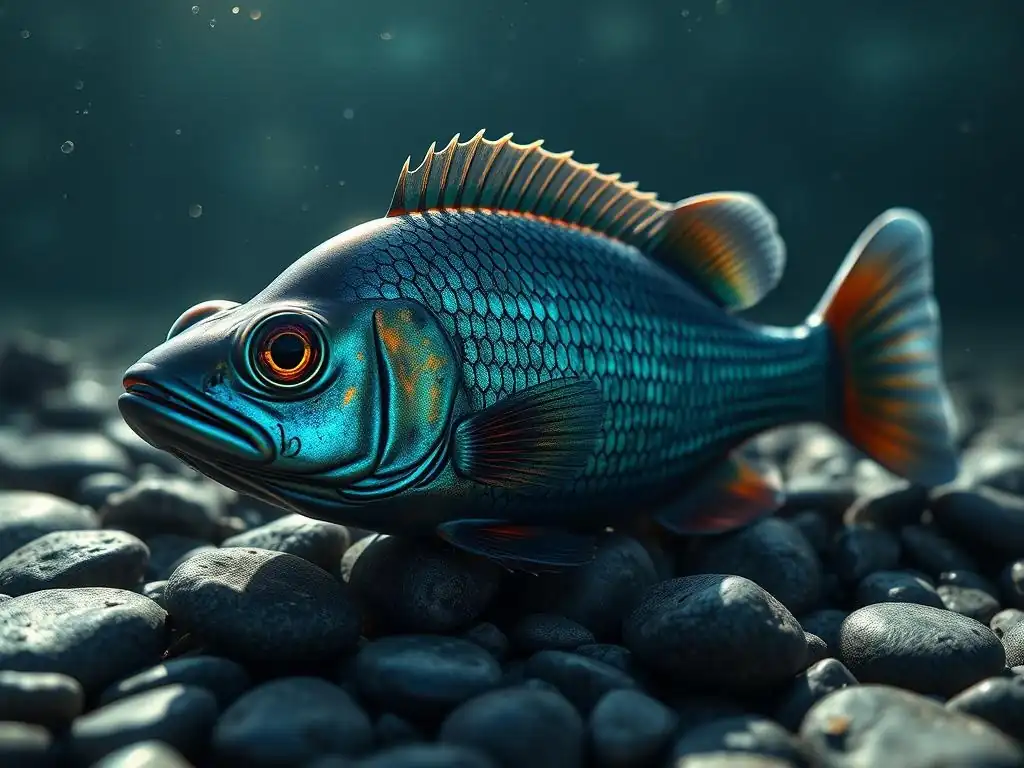
The primary distinction that sets the Veiltail Oscar apart from other Oscar varieties lies in its exquisitely elongated and flowing finnage. While common Oscar varieties like the Tiger Oscar, Red Oscar, or Albino Oscar possess the characteristic robust body and interactive personality, their fins are typically shorter and more proportionate to their body size. The Veiltail trait, a result of selective breeding, can be expressed in combination with any of these color patterns, leading to stunning variants such as the Veiltail Red Oscar or Veiltail Tiger Oscar, which combine vibrant coloration with an unparalleled elegance of form.
Beyond the aesthetic appeal, the fundamental Veiltail Oscar care guide requirements remain largely consistent with those for other Oscar varieties, including needs for large tank sizes, robust filtration, and a varied diet. However, the extended fins of the Veiltail Oscar do introduce a slight vulnerability: they are more susceptible to fin damage or fin rot if water quality is not consistently pristine or if housed with aggressive fin-nipping tank mates. This necessitates an even greater emphasis on diligent water parameter management and careful tank mate selection when choosing this particular variety.
Finding and Selecting a Healthy Veiltail Oscar
When embarking on your Veiltail Oscar care journey, selecting a healthy specimen is crucial for a successful start. Begin by sourcing your fish from a reputable local fish store or a well-regarded online breeder. A healthy Veiltail Oscar should be active, alert, and curious, not listless or hiding excessively. Observe its swimming pattern; it should be fluid and strong, without any signs of struggling or listing to one side.
Pay close attention to the fish's physical appearance. Its eyes should be clear and bright, not cloudy or sunken. The body should be full and well-rounded, without any signs of a pinched or sunken belly, which can indicate malnourishment or internal parasites.
Crucially for a Veiltail, inspect its fins: they should be intact, free of tears, nips, or ragged edges, and show no signs of fin rot or white spots (Ich). Inquire about the store's feeding regimen and the source of their fish to ensure they come from a healthy environment. Choosing a vibrant, disease-free Veiltail Oscar sets the foundation for a long and rewarding experience.
Conclusion: Mastering Veiltail Oscar Care for a Thriving Aquarium
Frequently Asked Questions
What are the key differences in care requirements between a Veiltail Oscar and a regular Oscar?
While the fundamental needs are similar, Veiltail Oscars require pristine water conditions due to their delicate finnage. They are also more prone to fin rot, requiring extra attention to tank hygiene.
What is the ideal tank size for a Veiltail Oscar?
Due to their potential size, a minimum of 75 gallons is recommended for a single Veiltail Oscar. As they grow and mature, a larger tank (125 gallons or more) is ideal to ensure ample swimming space.
What should I feed my Veiltail Oscar?
Veiltail Oscars are omnivores and require a varied diet including high-quality cichlid pellets, live or frozen foods like bloodworms and brine shrimp, and occasional vegetable matter. Avoid overfeeding, which can lead to water quality issues.
How often should I perform water changes in a Veiltail Oscar tank?
Regular water changes are critical for Veiltail Oscars. Aim for 25-50% water changes weekly, depending on your tank's bioload. This helps maintain stable water parameters and prevents the buildup of harmful nitrates.
What are some common health problems that affect Veiltail Oscars and how can I prevent them?
Veiltail Oscars are susceptible to Ich, fin rot, and Hexamita (hole-in-the-head disease). Prevention involves maintaining excellent water quality, providing a balanced diet, and quarantining new fish before introducing them to the main tank.
Final Reflection: Appreciating the Grace of the Veiltail Oscar
The journey into understanding the Veiltail Oscar, as we've explored in this guide, underscores the importance of responsible fishkeeping and the dedication required to provide optimal care for these magnificent creatures. The information presented, from tank setup to dietary needs, is not just about keeping a fish alive; it's about fostering a thriving environment where beauty and well-being coexist.
This exploration has reminded us of the profound impact our choices have on the lives of the animals we choose to share our homes with. The Veiltail Oscar, with its flowing fins and captivating presence, serves as a constant reminder of the delicate balance within aquatic ecosystems and our responsibility to maintain that balance, even within the confines of our aquariums. In the end, we will conserve only what we love; we will love only what we understand; and we will understand only what we are taught.
- Baba Dioum. This quote perfectly encapsulates the spirit of responsible fishkeeping and the importance of continued learning.
Now, as you embark on your own journey with the Veiltail Oscar, or perhaps simply appreciate its elegance from afar, consider the broader implications of our interactions with the natural world. Let this guide serve as a foundation, but never cease to learn and adapt. Embrace the responsibility, celebrate the beauty, and contribute to a future where all creatures, great and small, can thrive.
Unleash the Beauty: Dive Deeper into Veiltail Oscar Care!
Thank you for exploring the captivating world of Veiltail Oscars with us. We hope you've gained valuable insights into caring for these elegant fish. Now, let's turn that knowledge into action!
- Begin planning the perfect habitat for your Veiltail Oscar, ensuring ample space and hiding spots for its comfort.
- Share this guide with fellow aquarium enthusiasts to spread awareness about the beauty and specific needs of Veiltail Oscars.
- Research suitable tankmates to create a thriving and balanced community aquarium.
What unique aquascaping ideas do you have to showcase the graceful fins of a Veiltail Oscar in your tank?