
Bristlenose Hiding All the Time? Uncovering Reasons & Solutions

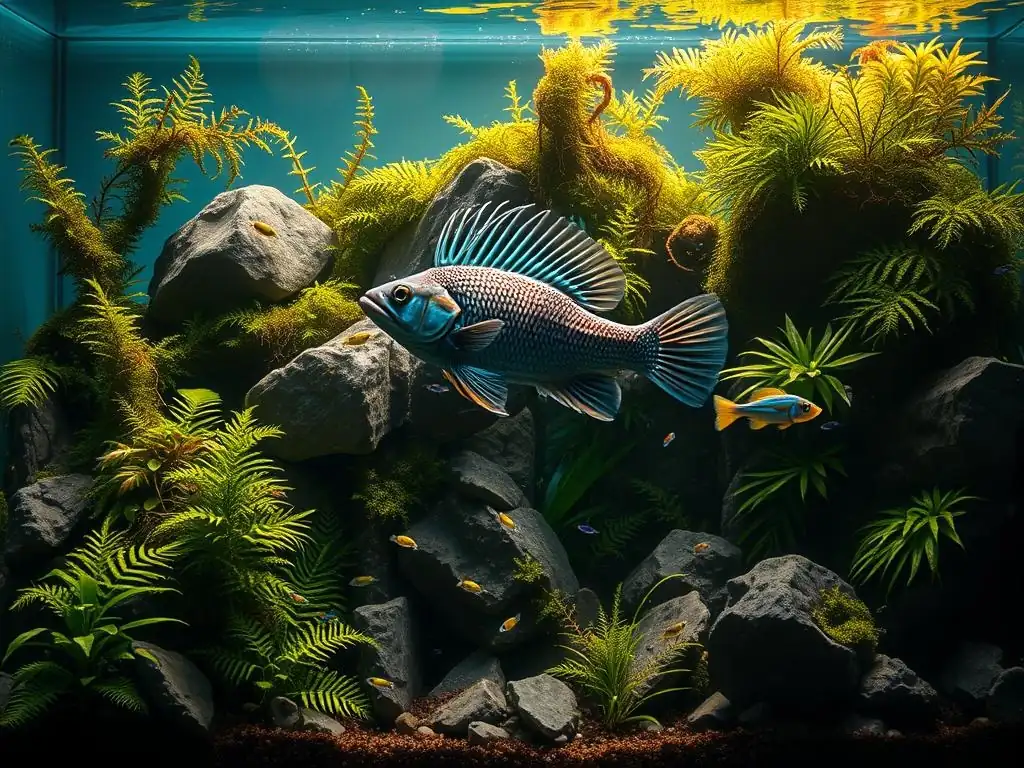
Welcome to Aquarium Mastery!
Ever wondered why your Bristlenose Pleco is constantly playing hide-and-seek? Uncover the secrets behind this common behavior and learn how to ensure your little algae eater feels safe and thrives in your freshwater aquarium. Dive into our in-depth guide and discover the reasons behind "Bristlenose hiding in tank" and the simple solutions you can implement today!
- Bristlenose Pleco Hiding: Reasons and Solutions
- Understanding Bristlenose Pleco Hiding Behavior
- Identifying Potential Problems
- Solutions to Encourage Activity
- Optimizing Tank Conditions
- Preventing Hiding Behavior
- Conclusion: Creating a Thriving Environment.
-
Frequently Asked Questions
- Why is my Bristlenose Pleco hiding all the time?
- Is it normal for Bristlenose Plecos to hide during the day?
- Could poor water quality be the reason my Bristlenose is hiding?
- Are there specific tank decorations that can help a Bristlenose feel more secure?
- How can I tell if my Bristlenose hiding is due to illness rather than normal behavior?
- Final Reflection: Unveiling the Secrets of the Bristlenose
- Unlock Your Bristlenose's Happy Place!
Bristlenose Pleco Hiding: Reasons and Solutions
Understanding Bristlenose Pleco Hiding Behavior
Natural Nocturnal Behavior
Bristlenose Plecos (Ancistrus spp.) are inherently crepuscular or nocturnal, meaning their peak activity occurs during dawn, dusk, and throughout the night. In their natural Amazonian habitats, these catfish spend daylight hours concealed within driftwood, rock crevices, or dense plant thickets to avoid predators and bright light. This innate behavior is a primary reason why a Bristlenose hiding in tank during the day is often observed; they are simply following their biological clock.
During these active periods, typically after tank lights are off, Bristlenose Plecos emerge to forage for algae and detritus. Their specialized suckermouths are perfectly adapted for scraping algae from surfaces. Observing them under dim blue light or with a flashlight after dark can reveal their true activity levels, often surprising owners who assume their fish are constantly inactive due to daytime hiding.
Acclimation Period for New Plecos
When a new Bristlenose Pleco is introduced to an aquarium, it undergoes a significant period of stress due to changes in water parameters, tank mates, and overall environment. This stress often manifests as excessive hiding. A newly introduced Bristlenose hiding in tank for several days, or even up to two weeks, is quite common as it adjusts to its new surroundings and establishes its territory.
During this acclimation phase, it's crucial to provide ample hiding spots and maintain stable water conditions to minimize stress. Rushing the acclimation process or disturbing the fish frequently can prolong this hiding behavior. Patience is key, allowing the Bristlenose Pleco to gradually feel secure enough to explore its new home.
Identifying Potential Problems
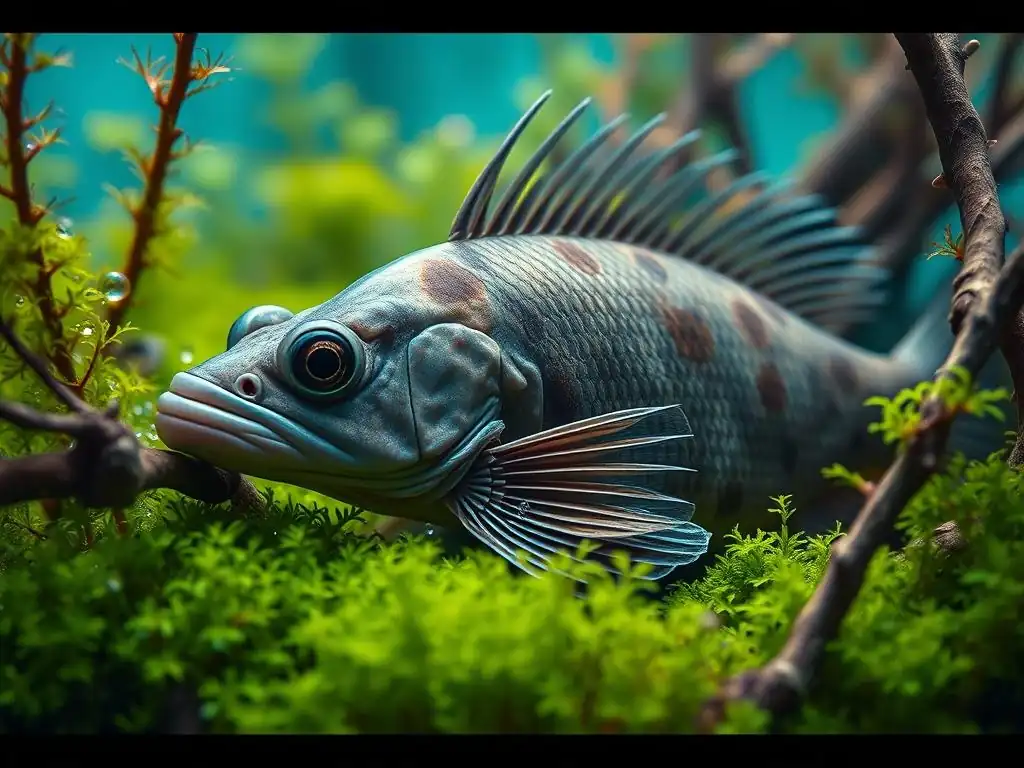
Poor Water Quality
Poor water quality is a leading cause of stress and illness in aquarium fish, and a Bristlenose hiding in tank can be a significant indicator. Bristlenose Plecos are hardy but sensitive to fluctuations and accumulation of harmful compounds in their water. Unfavorable water conditions can quickly lead to a decline in their health and activity.
Ammonia, Nitrite, and Nitrate Levels
The nitrogen cycle is fundamental to aquarium health, and its disruption directly impacts fish well-being. Ammonia and nitrite are highly toxic to fish and should ideally be at 0 parts per million (ppm) in a healthy, cycled tank. Even low concentrations can cause severe gill damage, leading to labored breathing, lethargy, and a strong instinct for the Bristlenose hiding in tank. Nitrate, while less toxic, can also cause stress if levels become too high, generally exceeding 20-40 ppm. Regular testing with a reliable liquid test kit is essential to monitor these parameters.
Elevated levels of these compounds can cause fish to become listless, develop clamped fins, and seek isolation, often by hiding excessively. For example, if a Bristlenose Pleco is constantly hiding and showing signs of rapid gill movement, it's a strong indication that ammonia or nitrite levels are elevated, poisoning its system. Prompt action, such as large water changes and checking biological filtration, is critical to prevent permanent damage or death.
Oxygen Levels
Dissolved oxygen is vital for all aquatic life, including Bristlenose Plecos. While they possess an accessory breathing organ allowing them to gulp air from the surface in extreme conditions, prolonged low oxygen levels are detrimental. Factors such as high water temperatures (warmer water holds less oxygen), overcrowding, decaying organic matter, or insufficient surface agitation can deplete oxygen.
Signs of low oxygen include a Bristlenose hiding in tank corners near the surface, gasping for air, or rapid gill movements. Optimal dissolved oxygen levels for most tropical fish, including Bristlenose Plecos, range from 5 to 8 milligrams per liter (mg/L). Ensuring adequate surface agitation through filters, air stones, or powerheads is crucial for maintaining healthy oxygen levels and preventing a stressed Bristlenose hiding in tank.
Stressful Tank Mates
While Bristlenose Plecos are generally peaceful, they can become stressed and hide if housed with aggressive or overly boisterous tank mates. Constant harassment or competition for food and territory can significantly impact their well-being.
Identifying Aggressive Species
Certain fish species are known for their aggressive or territorial behavior, which can intimidate a Bristlenose Pleco. For instance, some larger cichlid species, certain aggressive barbs, or even fin-nipping tetras can cause significant stress. These fish might chase, nip at, or prevent the Bristlenose from accessing food or hiding spots. If your Bristlenose is constantly hiding immediately after tank lights come on or during feeding times, it could be a sign of harassment from tank mates.
Even species not typically considered aggressive can become problematic if they are too numerous or if the tank is overcrowded, leading to competition for resources. Observing interactions during feeding or when the Bristlenose Pleco ventures out of hiding can help identify specific culprits. For example, if a large Oscar consistently corners or lunges at the Bristlenose, it's a clear sign of an incompatible pairing leading to a Bristlenose hiding in tank.
Overcrowding
Overcrowding in an aquarium significantly contributes to stress for all inhabitants, including Bristlenose Plecos. When too many fish are housed in a limited space, it leads to increased competition for territory, food, and hiding spots, as well as a more rapid decline in water quality due to increased waste production. A Bristlenose Pleco requires sufficient personal space to feel secure.
An overcrowded tank can make a Bristlenose hiding in tank more often because it feels constantly exposed or threatened. They may also struggle to find enough algae or detritus to graze on if there are too many other fish competing for the same resources. A general guideline is to provide at least 20-30 gallons for a single adult Bristlenose Pleco, with more space needed if multiple fish are kept or if other large bottom-dwellers are present.
Insufficient Hiding Places
Bristlenose Plecos are naturally reclusive and require ample hiding spots to feel secure and thrive. A lack of suitable cover can lead to chronic stress and cause a Bristlenose hiding in tank in any available, albeit unsuitable, crevice.
Caves, Driftwood, and Plants
Providing a variety of hiding places is crucial for the well-being of a Bristlenose Pleco. Driftwood is particularly important as it not only offers cover but also provides a source of lignins, which aid in their digestion and overall health. Ceramic caves, PVC pipes (aquarium-safe), and dense thickets of live or artificial plants also serve as excellent retreats. The availability of multiple options allows the Bristlenose to choose its preferred hiding spot and feel secure.
Without adequate cover, a Bristlenose hiding in tank might resort to less ideal spots, such as behind filters, heaters, or even burying itself in the substrate if possible. This constant state of vulnerability can lead to chronic stress, weakened immune systems, and a general reluctance to emerge even for feeding. A 20-gallon tank, for example, should ideally offer at least two distinct, dark hiding spots for a single adult Bristlenose.
Suitable Hiding Spots
A suitable hiding spot for a Bristlenose Pleco is one that is dark, secure, and appropriately sized for the fish. It should allow the Bristlenose to fully conceal itself without being cramped. Caves with a snug opening that narrows inside are often preferred, as they mimic natural crevices found in their wild habitats. Smooth surfaces are also important to prevent injury to their delicate fins and barbels.
Examples of highly suitable hiding spots include specialized "pleco caves" made from ceramic or terracotta, large pieces of Mopani or Malaysian driftwood with natural hollows, or dense arrangements of plants like Java Fern or Anubias that create shaded, secluded areas. Ensuring there are more hiding spots than Bristlenose Plecos in the tank can further reduce competition and stress, making it less likely you will find your Bristlenose hiding in tank out of fear.
Illness and Disease
One of the most common and concerning reasons for a Bristlenose hiding in tank is the onset of illness or disease. Sick fish instinctively try to conceal themselves to avoid predation, a behavior deeply ingrained in their survival mechanisms.
Common Diseases and Symptoms
Bristlenose Plecos can be susceptible to various common aquarium diseases, including Ich (white spot disease), fin rot, bacterial infections, and internal parasites. Symptoms often include lethargy, loss of appetite, clamped fins, labored breathing, changes in coloration (e.g., dullness or darkening), and unusual growths or lesions. Excessive hiding, combined with any of these physical or behavioral changes, is a strong indicator that the Bristlenose Pleco is unwell.
For instance, if a Bristlenose that was previously active suddenly starts hiding continuously and refusing food, and upon closer inspection, you notice small white spots on its body, it's highly probable it has Ich. Another example might be a fish with frayed fins and a reddish base, indicating fin rot, leading to it being a Bristlenose hiding in tank to avoid further stress. Early detection of these symptoms is crucial for successful treatment.
Quarantine Procedures
Implementing a quarantine procedure for all new fish, including Bristlenose Plecos, is a highly effective preventative measure against introducing diseases into your main display tank. A separate quarantine tank, typically 10-20 gallons, allows for observation and treatment of new fish in isolation for a period of 2 to 4 weeks before they are introduced to the established community.
During quarantine, you can monitor the new Bristlenose Pleco for any signs of illness or stress, and treat them without exposing your entire tank population to potential pathogens or medications. This proactive approach significantly reduces the risk of a widespread outbreak in your main tank, which could lead to multiple fish, including your established Bristlenose, suddenly hiding due to sickness.
Solutions to Encourage Activity
Improving Water Quality
Addressing poor water quality is paramount to the health and activity of your Bristlenose Pleco. Consistent and proper water maintenance will significantly reduce stress and encourage more natural behavior.
Regular Water Changes
One of the most effective ways to maintain pristine water quality is through regular, partial water changes. For most aquariums, performing a 25-30% water change weekly is recommended. This routine helps to dilute accumulated nitrates, replenish essential minerals, and remove organic waste that can degrade water quality. Always use a high-quality water conditioner to neutralize chlorine and chloramines in tap water, as these chemicals are highly toxic to fish.
Neglecting water changes often leads to a gradual decline in water parameters, causing chronic stress that results in a Bristlenose hiding in tank. For instance, if nitrates creep up to 80 ppm due to infrequent changes, even a seemingly hardy Bristlenose will suffer. Consistent weekly changes ensure a stable and healthy environment, which in turn promotes an active and thriving Bristlenose Pleco.
Optimizing Filtration
Effective filtration is critical for breaking down harmful waste products and maintaining clear, healthy water. A good filtration system should include mechanical, biological, and optionally chemical filtration. Mechanical filtration removes particulate matter, biological filtration converts toxic ammonia and nitrite into less harmful nitrate, and chemical filtration (like activated carbon) removes odors and discoloration.
Ensuring your filter is adequately sized for your tank and performing regular, but gentle, filter maintenance (e.g., rinsing filter media in old tank water) will optimize its performance. Adequate biological filtration is especially important, as it directly impacts the nitrogen cycle and prevents the buildup of ammonia and nitrite that can cause a Bristlenose hiding in tank due to poisoning. Proper water flow and surface agitation also contribute to good oxygen levels, further benefiting your Bristlenose.
Reducing Stress and Aggression
If tank mates or overcrowding are causing your Bristlenose Pleco to hide, direct intervention to reduce these stressors is necessary. A peaceful environment is key to a happy, active fish.
Rehoming Aggressive Tank Mates
If specific aggressive fish are identified as the source of stress for your Bristlenose Pleco, the most effective solution is to rehome them. This might involve moving them to a separate tank, returning them to the store, or finding them a new home with an experienced aquarist. The well-being of your Bristlenose Pleco and other peaceful inhabitants should take precedence.
For example, if a large, boisterous Mbuna cichlid is constantly harassing your Bristlenose Pleco, removing the cichlid will immediately alleviate the stress. Once the aggressor is gone, you should notice a significant change in your Bristlenose's behavior within a few days, with it being less of a Bristlenose hiding in tank and more actively exploring.
Ensuring Adequate Space
Ensuring your tank is appropriately sized for all its inhabitants is crucial in preventing overcrowding and reducing stress. While a single adult Bristlenose Pleco can comfortably live in a 20-gallon tank, additional fish, especially other bottom-dwellers, will require a larger footprint. Providing ample space allows each fish to establish its territory and reduces competition for resources.
If your tank is currently overcrowded, consider upgrading to a larger tank or reducing your fish population. For instance, if you have a 20-gallon tank with a Bristlenose Pleco, multiple Corydoras, and a school of Tetras, upgrading to a 30-40 gallon tank could provide the necessary room for all inhabitants to thrive. This extra space will help prevent your Bristlenose hiding in tank out of fear or competition.
Providing Hiding Places and Enrichment
Enriching your Bristlenose Pleco's environment with appropriate hiding spots and natural elements will significantly improve its sense of security and encourage more natural behaviors.
Adding Caves, Driftwood, and Plants
To counteract a Bristlenose hiding in tank due to a lack of security, generously add a variety of hiding places. Introduce multiple ceramic or PVC pleco caves, ensuring they are appropriately sized for your fish. Large pieces of aquarium-safe driftwood, such as Mopani or Malaysian wood, are highly beneficial, offering both shelter and a source of essential lignins for digestion.
Additionally, incorporate dense live plants like Java Fern, Anubias, or Amazon Swords. These plants not only provide visual barriers and shaded areas but also contribute to water quality by absorbing nitrates. Aim to provide at least one designated hiding spot per Bristlenose Pleco, with additional options to allow them choice and flexibility.
Creating a Natural Environment
Beyond just adding hiding spots, creating a naturalistic environment that mimics the Bristlenose Pleco's native habitat can greatly reduce stress and encourage activity. This includes selecting an appropriate substrate, such as fine gravel or sand, which is gentle on their delicate barbels and allows for foraging.
Consider the lighting in your aquarium; Bristlenose Plecos prefer dimmer conditions. You can achieve this by using floating plants to diffuse light or by providing areas of deep shade. A natural setup, complete with plants, rocks, and driftwood, not only looks aesthetically pleasing but also provides the security and stimulation needed to prevent a Bristlenose hiding in tank and instead encourage it to explore and exhibit its natural behaviors.
Monitoring and Treating Illnesses
If illness is suspected as the reason for your Bristlenose hiding in tank, prompt and accurate intervention is crucial. Continuous observation and appropriate treatment can save your fish's life.
Observing for Signs of Disease
Regular, daily observation of your Bristlenose Pleco is the first line of defense against disease. Pay close attention to any changes in behavior, such as increased hiding, lethargy, loss of appetite, or abnormal swimming patterns. Also, inspect their physical appearance for any signs of illness, including white spots (Ich), frayed fins (fin rot), cloudy eyes, unusual growths, or changes in coloration.
Early detection is key to successful treatment. For instance, if you notice your Bristlenose is constantly scratching itself against decor and hiding more than usual, it could be an early sign of parasites like Ich, allowing you to begin treatment before the disease progresses severely. Consistent observation will help you differentiate between normal Bristlenose hiding behavior and hiding due to genuine distress.
Using Appropriate Medications
Once a disease is identified, it's vital to use the correct medication and follow the manufacturer's instructions precisely. Misdiagnosis or improper dosing can be ineffective or even harmful. Always remove activated carbon from your filter before adding medication, as carbon will absorb the treatment, rendering it useless.
For example, if your Bristlenose Pleco is diagnosed with Ich, an Ich-specific medication containing malachite green or formalin would be appropriate. If it's a bacterial infection causing fin rot and the Bristlenose hiding in tank, an antibiotic treatment might be necessary. In some cases, a broad-spectrum anti-parasitic or antibacterial medication may be used if the exact cause is unclear but symptoms are severe.
Optimizing Tank Conditions
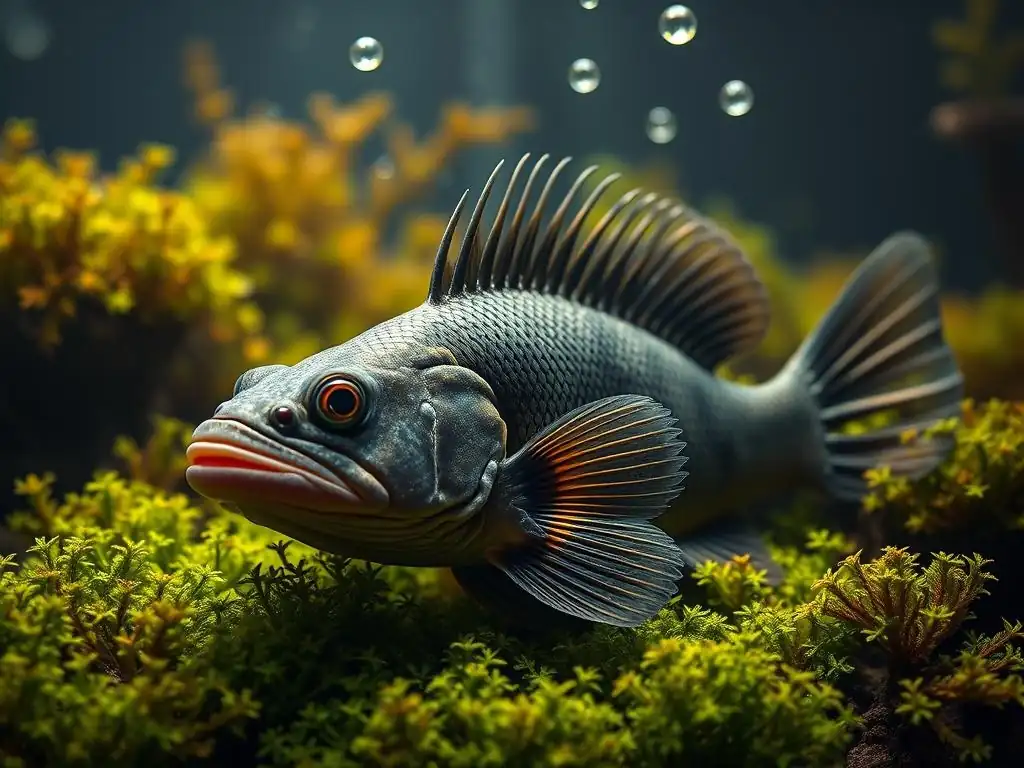
Ensuring all fundamental tank conditions are optimized provides the cornerstone for a healthy and active Bristlenose Pleco, minimizing the likelihood of a Bristlenose hiding in tank.
Ideal Water Parameters
Maintaining stable and ideal water parameters is critical for the long-term health and comfort of your Bristlenose Pleco. These fish thrive in conditions that mimic their natural South American habitats. The ideal temperature range is typically between 72-80°F (22-27°C). A stable pH level of 6.5-7.5 is generally well-tolerated, leaning slightly acidic to neutral.
For water hardness, Bristlenose Plecos prefer soft to moderately hard water, generally 6-10 dGH (degrees of General Hardness). Sudden fluctuations in any of these parameters can cause significant stress, leading to a Bristlenose hiding in tank. Regular testing and gradual adjustments, if necessary, are essential to maintain this stability.
Proper Tank Size and Setup
The appropriate tank size and intelligent setup are paramount for a Bristlenose Pleco's well-being. A minimum of 20 gallons is recommended for a single adult Bristlenose Pleco, with larger tanks (30-40 gallons or more) being ideal, especially if housing multiple individuals or other bottom-dwelling species. This provides adequate space for foraging, territorial establishment, and waste dilution.
Beyond size, the physical setup of the tank plays a crucial role. Ensure the substrate is smooth (fine gravel or sand) to protect their delicate barbels. Incorporate plenty of driftwood, rocks, and dense plant cover to create numerous hiding spots and visual barriers. A well-designed tank provides a secure environment, preventing a Bristlenose hiding in tank due to feeling exposed.
Diet and Feeding Habits
While Bristlenose Plecos are renowned for their algae-eating abilities, tank algae alone is rarely sufficient to meet their nutritional needs. A balanced diet is essential for their health and activity levels.
Supplementing with Algae Wafers and Vegetables
To ensure your Bristlenose Pleco receives adequate nutrition, supplement their diet with high-quality sinking algae wafers. These should be offered regularly, typically once daily or every other day, depending on the amount of natural algae in the tank. Look for wafers that list a high percentage of vegetable matter.
Additionally, blanched vegetables are an excellent dietary supplement. Favorites include zucchini slices, cucumber, shelled peas, and spinach. These can be weighted down to sink to the bottom of the tank. Offer these vegetables a few times a week. Since Bristlenose Plecos are primarily nocturnal, feeding them after the tank lights have been turned off will encourage them to emerge and eat, reducing the likelihood of a Bristlenose hiding in tank due to hunger and promoting more natural feeding behaviors.
Preventing Hiding Behavior
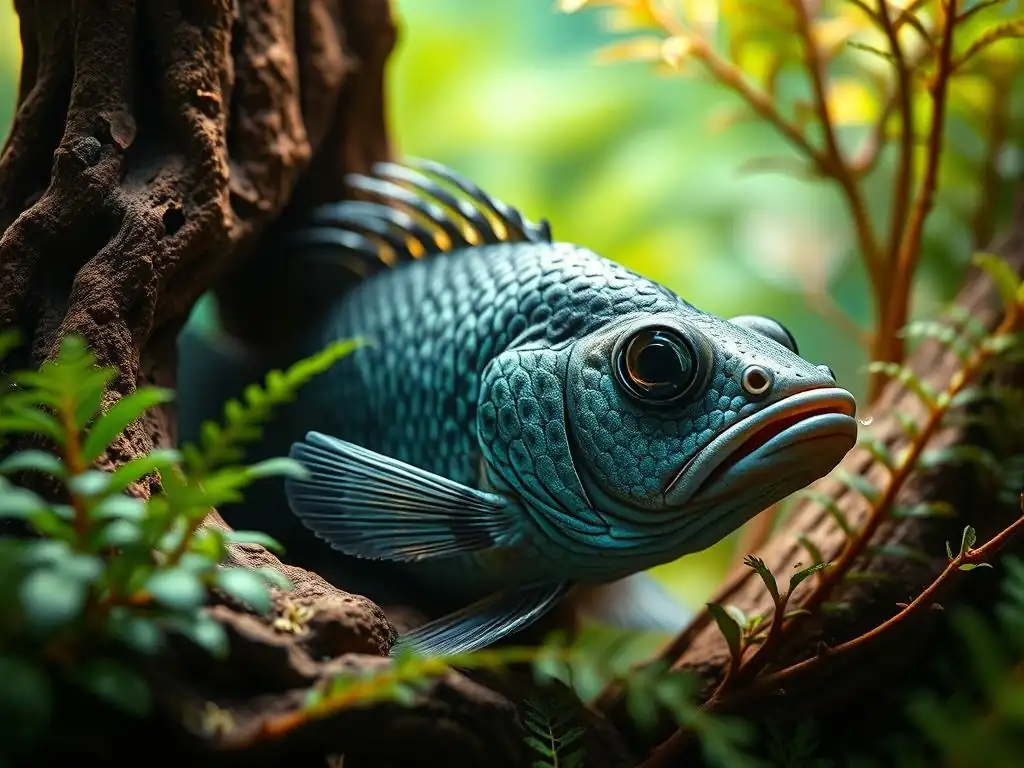
Proactive care and consistent attention are the best strategies to prevent a Bristlenose hiding in tank. Creating a stable, healthy environment from the outset minimizes stress and encourages natural activity.
Maintaining a Stable Environment
Consistency is key in aquarium keeping. Avoid sudden and drastic changes in water parameters, temperature, or tank decor. Routine maintenance, such as regular partial water changes (e.g., 25% weekly), consistent feeding schedules, and stable lighting periods, contributes significantly to a stable environment. Introducing new fish gradually and quarantining them also prevents sudden shifts in the biological load or the introduction of disease.
A stable environment reduces chronic stress, which is a major factor in why a Bristlenose hiding in tank might occur. For example, maintaining a consistent water temperature of 75°F (24°C) with minimal fluctuations (no more than 2-3 degrees) is far better than allowing the temperature to swing wildly, as such changes severely stress fish.
Regular Observation and Intervention
Daily observation of your Bristlenose Pleco and the overall tank environment is crucial for early detection of potential issues. Take a few minutes each day to watch your fish's behavior, check for any physical changes, and assess the clarity and smell of the water. This routine allows you to catch subtle signs of stress, illness, or aggression before they escalate into major problems.
If you notice your Bristlenose hiding in tank more than usual, or displaying any other concerning symptoms, prompt intervention is necessary. This could involve testing water parameters, adjusting tank mate compatibility, adding more hiding spots, or preparing for disease treatment. Proactive problem-solving based on regular observation can prevent prolonged periods of hiding and ensure your Bristlenose Pleco remains healthy and active.
Conclusion: Creating a Thriving Environment.
Understanding why a Bristlenose hiding in tank occurs is the first step towards resolving the issue and fostering a thriving aquatic environment. From their natural nocturnal tendencies to environmental stressors like poor water quality, unsuitable tank mates, or insufficient hiding places, various factors can contribute to this behavior.
By diligently addressing these potential problems through consistent water quality management, providing ample secure retreats, ensuring compatible tank mates, and offering a balanced diet, aquarists can significantly reduce stress and encourage their Bristlenose Plecos to exhibit their fascinating natural behaviors. Ultimately, a well-maintained, species-appropriate aquarium tailored to the specific needs of these unique catfish will result in an active, healthy, and engaging Bristlenose Pleco, enriching the entire aquatic display.
Frequently Asked Questions
Why is my Bristlenose Pleco hiding all the time?
Bristlenose Plecos are naturally shy. New environments, poor water quality, or competition from other fish can cause them to hide more frequently.
Is it normal for Bristlenose Plecos to hide during the day?
Yes, it is fairly normal. They are nocturnal creatures and are most active during the night. Expect to see them less during daylight hours.
Could poor water quality be the reason my Bristlenose is hiding?
Absolutely. Bristlenose Plecos are sensitive to changes in water parameters. High ammonia or nitrite levels can stress them and cause them to hide.
Are there specific tank decorations that can help a Bristlenose feel more secure?
Yes, providing plenty of hiding places is crucial. Driftwood, caves, and plants can help your Bristlenose feel safer and reduce stress.
How can I tell if my Bristlenose hiding is due to illness rather than normal behavior?
Look for other symptoms like loss of appetite, lethargy, or physical abnormalities. If you notice these, illness is a likely cause and needs attention.
Okay, here's a final reflection designed to close your article "Bristlenose Hiding All the Time? Uncovering Reasons & Solutions," optimized for the keyword "Bristlenose hiding in tank" and following the structure you outlined:
Final Reflection: Unveiling the Secrets of the Bristlenose
The persistent question of why your Bristlenose is hiding is more than just a fishkeeping puzzle; it's a reflection of our responsibility to create thriving aquatic ecosystems. Understanding the nuances of their behavior, as we've explored, is crucial for ensuring their well-being and the overall health of your aquarium.
This journey into the hidden world of the Bristlenose has underscored the importance of observation and empathy in aquascaping. The dedication to understanding their needs, from water parameters to suitable hiding spots, transforms a simple tank into a vibrant, balanced habitat. The greatness of a nation and its moral progress can be judged by the way its animals are treated.
- Mahatma Gandhi. This quote, while broad, resonates deeply when we consider the care we provide to even the smallest creatures in our aquariums.
Now, armed with this knowledge, I encourage you to reflect on your own aquarium and the environment you've created. Are there adjustments you can make to better cater to your Bristlenose's needs? By actively addressing their hiding behavior, you're not just solving a problem; you're fostering a deeper connection with your aquatic companions and creating a more enriching experience for both you and your fish.
Unlock Your Bristlenose's Happy Place!
Thanks for diving deep into the world of bristlenose plecos with us! We hope you've found some helpful insights into why your bristlenose might be hiding. Now, let's turn that knowledge into action and create a thriving environment for your little friend.
Here are a few things you can do right now:
- Re-evaluate your tank's hiding spots: Add at least one new, cave-like structure specifically designed for bristlenose plecos – darker is often better!
- Observe your tank at night with a dim light. You might just catch your bristlenose actively cleaning the glass and foraging when the other fish are asleep.
- Share your bristlenose hiding stories and solutions on aquarium forums or social media groups. You might help another aquarist!
What specific cave design are you considering to entice your bristlenose out of hiding, and what materials will you use?