
Glowlight Danio (Danio choprae): Illuminating Your Aquarium with Natural Radiance

Welcome to Aquarium Mastery!
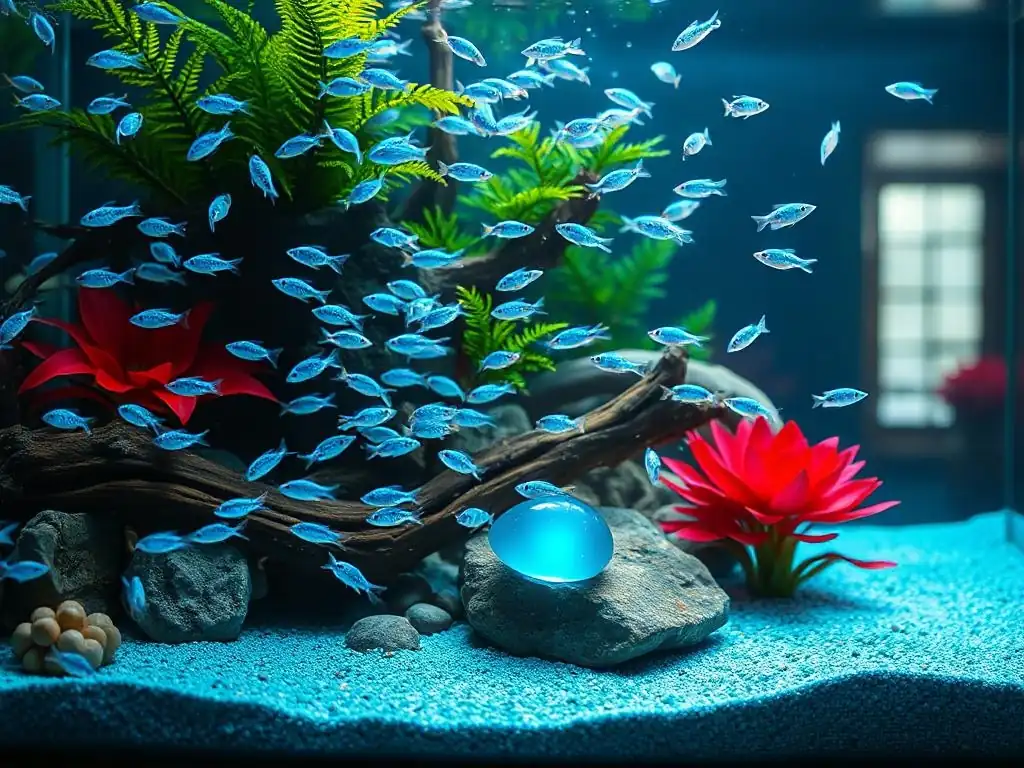
Ever wondered how to bring a touch of shimmering brilliance to your freshwater aquarium? Glowlight Danios, with their captivating orange stripe, are the perfect answer. Dive in to discover essential Glowlight Danio care tips and unlock the secrets to keeping these radiant fish thriving in your own aquatic haven. Curious to learn more? Let's illuminate your aquarium journey!
- Celestial Pearl Danio (Danio margaritatus): A Galaxy in Your Aquarium
- Introduction to Celestial Pearl Danios: A Sparkling Addition to Your Aquarium
- Celestial Pearl Danio Care Tips: Creating the Ideal Environment
- Feeding Celestial Pearl Danios: Ensuring a Balanced Diet for Vibrant Color
- Celestial Pearl Danio Tank Mates: Compatibility and Community Tank Considerations
- Celestial Pearl Danio Behavior and Social Needs: Schooling and Interaction
- Celestial Pearl Danio Breeding: A Guide to Spawning Danio margaritatus
- Common Celestial Pearl Danio Health Issues and Prevention
- Maintaining Vibrant Colors in Celestial Pearl Danios: Tips for Enhanced Radiance
- Troubleshooting Common Celestial Pearl Danio Care Problems
- Where to Buy Celestial Pearl Danios: Selecting Healthy Specimens
- Conclusion: Mastering Celestial Pearl Danio Care for a Stunning Aquarium
- Frequently Asked Questions
- Final Reflection: Embracing the Glow Within
- Unveil Your Aquarium's Hidden Sparkle!
Celestial Pearl Danio (Danio margaritatus): A Galaxy in Your Aquarium
Introduction to Celestial Pearl Danios: A Sparkling Addition to Your Aquarium
Discovering the Beauty of Danio margaritatus: Origin and Appearance
The Celestial Pearl Danio, scientifically known as Danio margaritatus, is a captivating freshwater fish that first burst onto the aquarium scene in 2006, originating from small, densely vegetated ponds and streams in the Shan State of Myanmar. These tiny fish typically reach a maximum size of about 0.75 to 1 inch (2 to 2.5 cm), making them ideal inhabitants for nano aquariums.
Their most striking feature is their unique coloration: a deep blue or black body adorned with numerous iridescent, pearl-like spots scattered across their flanks, reminiscent of a starry night sky. Their fins are often highlighted with vibrant red-orange stripes, adding another layer of visual appeal.
Often affectionately referred to as the "Galaxy Rasbora" due to their cosmic appearance, Danio margaritatus males tend to be slimmer and display more intense, brighter colors, especially when competing or breeding. Females, conversely, are typically rounder in body shape, particularly when gravid with eggs, and their coloration may be slightly less pronounced. The delicate balance of their deep body color, contrasting pearl spots, and fiery fins makes them a highly sought-after species among aquarists looking for a truly unique and beautiful addition to their freshwater setup.
Why Choose Celestial Pearl Danios for Your Freshwater Tank?
Choosing Celestial Pearl Danios for your freshwater tank offers a multitude of benefits, primarily their stunning aesthetic appeal. Their miniature size and vibrant, galaxy-like patterns transform any aquarium into a living piece of art, providing a focal point of shimmering beauty. They are particularly well-suited for nano tanks, such as those ranging from 5 to 10 gallons, where their small stature allows them to thrive without feeling cramped, and their delicate beauty can be truly appreciated up close. Furthermore, their peaceful temperament makes them excellent candidates for community tanks, coexisting harmoniously with other small, non-aggressive fish species.
Beyond their visual allure, Celestial Pearl Danios are a rewarding species for aquarists who have some experience in maintaining stable water parameters. Once their environmental needs are met, they are relatively hardy and exhibit fascinating schooling behaviors, adding dynamic movement and interest to the tank. They serve as a flagship species for the growing popularity of nano aquariums, demonstrating that even the smallest aquatic environments can house incredibly diverse and visually stunning fish, making them a popular choice for those looking to master Celestial Pearl Danio care tips and create a thriving miniature ecosystem.
Celestial Pearl Danio Care Tips: Creating the Ideal Environment
Essential Celestial Pearl Danio Tank Setup: Size, Substrate, and Decor
When setting up a tank for Celestial Pearl Danios, tank size is a crucial first consideration. While their small size might suggest they can live in very tiny tanks, a minimum of 5 gallons is recommended for a small school of 6-8 individuals to ensure adequate swimming space and stable water conditions.
However, a 10-gallon tank or larger is often preferred for better water parameter stability and to allow for a larger, more natural schooling group. For the substrate, a dark, fine-grained material like sand or fine gravel is ideal, as it helps to enhance their vibrant colors and mimics their natural habitat.
Decor plays a significant role in the well-being of Danio margaritatus. Heavily planted tanks are paramount, providing both ample hiding spots and a sense of security. Live plants such as Java Moss, Anubias, Cryptocoryne, Rotala, and other stem plants are excellent choices, creating dense thickets where the fish can retreat.
Incorporating driftwood or small, smooth rocks further enriches the environment, offering additional cover and visual interest. It is important to ensure there are also open swimming areas within the tank. Dim lighting can also help reduce stress and encourage the Celestial Pearl Danios to display their most brilliant coloration, making these Celestial Pearl Danio care tips essential for a healthy setup.
Water Parameters for Thriving Celestial Pearl Danios: Temperature, pH, and Hardness
Maintaining precise and stable water parameters is fundamental for the health and vibrancy of Celestial Pearl Danios. The ideal temperature range for these fish is between 72-78°F (22-26°C). Consistency within this range is more important than hitting an exact number, as rapid temperature fluctuations can cause significant stress and compromise their immune system. Regarding pH, Celestial Pearl Danios prefer slightly alkaline to neutral water, with a recommended pH range of 7.0-7.8. Extremes outside this range or sudden shifts can be detrimental.
Water hardness is another key factor for successful Celestial Pearl Danio care. They thrive in soft to moderately hard water, typically within a range of 5-15 dGH (80-250 ppm). Replicating these conditions as closely as possible to their natural habitat helps to ensure their long-term health and encourages their natural behaviors. Regular monitoring of these parameters using reliable aquarium test kits is essential, allowing aquarists to make small, gradual adjustments as needed to maintain a stable and optimal environment for these sensitive fish.
Maintaining Optimal Water Quality: Water Changes and Filtration for Danio margaritatus
Optimal water quality is the cornerstone of successful Celestial Pearl Danio care. Gentle filtration is crucial, as these small fish do not appreciate strong currents. Sponge filters are an excellent choice, providing effective biological and mechanical filtration without creating excessive flow. Small hang-on-back (HOB) filters can also be used, especially if equipped with a pre-filter sponge to baffle the outflow and protect small fry or delicate fins. Adequate biological filtration is essential to efficiently break down harmful ammonia and nitrites, which are toxic byproducts of fish waste and uneaten food.
Regular partial water changes are indispensable for maintaining pristine water quality and preventing the buildup of nitrates, which, while less toxic than ammonia or nitrite, can still stress fish in high concentrations. Performing weekly or bi-weekly water changes of 20-30% is generally recommended. Always use dechlorinated water that is temperature-matched to the aquarium water to prevent shock to the fish. Consistent testing for ammonia, nitrite, and nitrate levels will provide valuable insights into the tank's health and confirm the effectiveness of your filtration and water change regimen, ensuring the best Celestial Pearl Danio care.
Feeding Celestial Pearl Danios: Ensuring a Balanced Diet for Vibrant Color
What Do Celestial Pearl Danios Eat? A Guide to Food Choices
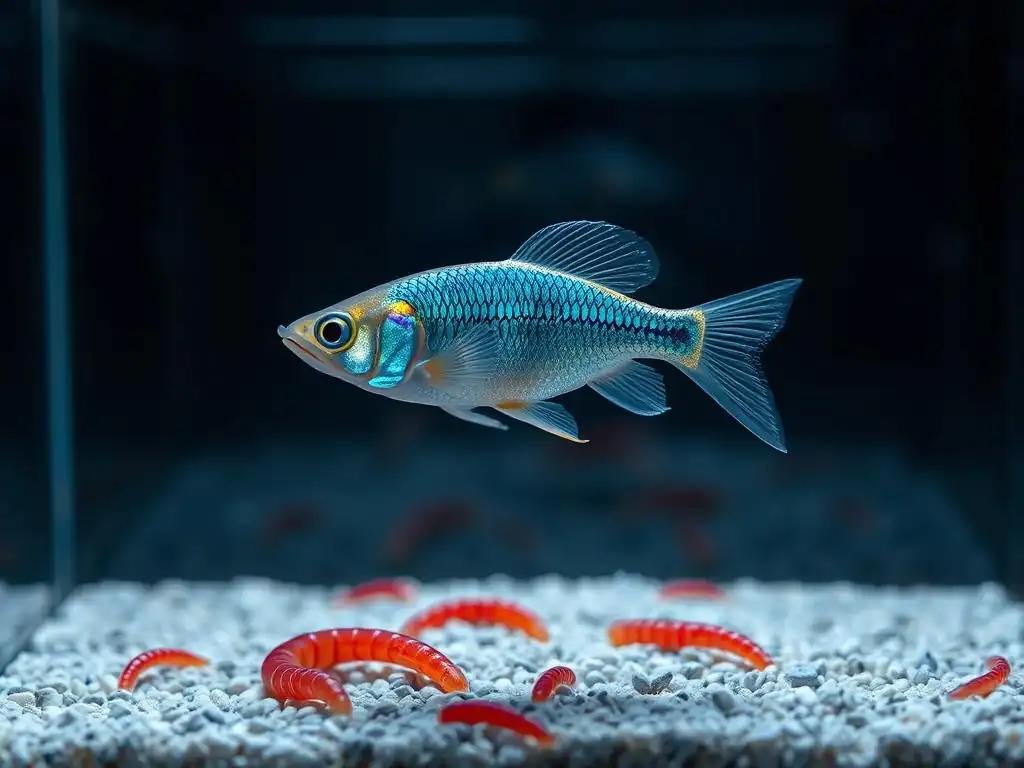
Celestial Pearl Danios are omnivores, and providing a varied and balanced diet is paramount for their health, growth, and vibrant coloration. In their natural habitat, they primarily consume small invertebrates and algae. In the home aquarium, their staple diet should consist of high-quality micro pellets or finely crushed flakes, specifically formulated for small tropical fish. Due to their small mouth size, these food items must be appropriately sized for easy consumption.
To truly ensure a comprehensive diet and enhance their natural radiance, supplementing their staple food with live or frozen options is highly recommended. Live foods such as microworms, baby brine shrimp, daphnia, or grindal worms are excellent choices, providing essential nutrients and stimulating their natural foraging instincts. Frozen foods like cyclops or finely crushed bloodworms are also eagerly accepted and contribute significantly to their nutritional intake. A diverse diet not only boosts their immunity but also intensifies their stunning pearl-like spots and red-orange fin coloration, making these Celestial Pearl Danio care tips vital for their vibrancy.
Feeding Frequency and Amounts: Preventing Overfeeding in Your Danio Tank
Proper feeding frequency and amounts are critical for preventing common problems like water quality degradation and fish health issues in a Celestial Pearl Danio tank. It is generally recommended to feed these small fish small amounts 1-2 times per day. The key is to provide only what they can consume entirely within 2-3 minutes. Overfeeding is a common mistake that leads to excess uneaten food decaying in the tank, which in turn causes rapid increases in ammonia and nitrite levels, severely compromising water quality.
Observing your Celestial Pearl Danios during feeding time will help you gauge the appropriate quantity. If food remains floating or settles on the substrate after a few minutes, you are likely overfeeding, and the amount should be reduced at the next feeding. A lean and active fish is generally healthier than an overweight one. Adhering to these feeding guidelines not only maintains superior water quality but also prevents potential health problems such as swim bladder disease, which can be caused by an expanded gut from overconsumption.
Celestial Pearl Danio Tank Mates: Compatibility and Community Tank Considerations
Best Tank Mates for Celestial Pearl Danios: Peaceful and Compatible Species
Choosing appropriate tank mates is a crucial aspect of Celestial Pearl Danio care, as their small size and peaceful nature make them vulnerable to larger or more aggressive species. The best tank mates are other small, docile fish that thrive in similar water parameters and do not compete for food aggressively. Excellent choices include other small schooling fish such as Chili Rasboras ( Boraras brigittae), Ember Tetras ( Hyphessobrycon amandae), Dwarf Rasboras, and Pygmy Corydoras ( Corydoras pygmaeus or C. habrosus). Otocinclus catfish are also great additions for algae control without posing any threat.
Consideration can also be given to dwarf shrimp species like Cherry Shrimp ( Neocaridina davidi) or Amano Shrimp ( Caridina multidentata), especially in heavily planted tanks. While very tiny shrimp fry might occasionally be preyed upon, adult shrimp are generally safe from Celestial Pearl Danios. Snails, such as Nerite snails or Mystery snails, are also excellent, non-competitive companions that contribute to tank cleanliness. The goal is to create a serene environment where the Celestial Pearl Danios feel secure and can display their natural behaviors without stress.
Avoiding Aggressive Tank Mates: Protecting Your Delicate Danios
To ensure the safety and well-being of your delicate Celestial Pearl Danios, it is imperative to avoid any fish species that are significantly larger, territorial, or known fin-nippers. This includes most cichlids, even smaller dwarf varieties, as their territorial instincts can stress or injure the tiny Danios. Larger tetras, such as Serpae Tetras or Buenos Aires Tetras, can be notorious fin-nippers and are unsuitable. Similarly, many Barb species, despite being Danios' relatives, can be too boisterous or aggressive.
Even seemingly peaceful larger fish, like some Gourami species, can inadvertently intimidate or outcompete Celestial Pearl Danios for food, leading to stress and malnutrition. Betta fish, while popular, are generally not recommended as tank mates for CPDs due to their unpredictable temperament; some individuals may be peaceful, while others may view the small, colorful Danios as prey or rivals. Prioritizing compatibility is a key Celestial Pearl Danio care tip, as a stress-free environment is essential for their vibrant coloration and longevity.
Understanding Celestial Pearl Danio Schooling Behavior: Minimum School Size
Celestial Pearl Danios are inherently social fish that exhibit strong schooling behavior, a crucial aspect of their well-being and display of natural patterns. To truly thrive and feel secure, they require the company of their own kind. A minimum school size of 6-8 individuals is highly recommended to encourage their natural schooling instincts and significantly reduce stress levels. In a sufficiently large group, they will feel more confident, leading to more active swimming and a more vibrant display of their colors.
When kept in smaller numbers, Celestial Pearl Danios can become shy, reclusive, and stressed, often hiding more frequently and displaying duller coloration. A larger school, ideally 10 or more individuals, will not only enhance their schooling behavior, creating a captivating spectacle, but also disperse any potential mild aggression between males, making the tank environment more stable. Providing ample hiding spots and a well-planted environment further encourages their natural schooling and foraging behaviors, allowing them to feel safe and secure.
Observing Celestial Pearl Danio Interaction: Signs of Health and Happiness
Observing the interactions within a school of Celestial Pearl Danios provides valuable insights into their health and happiness. Healthy Danio margaritatus are active, constantly exploring their environment, and exhibiting their characteristic schooling patterns, moving together in a cohesive group. Males will frequently engage in non-harmful displays towards each other, flaring their fins and showcasing their intensified colors, especially when attempting to attract females during potential breeding periods.
Signs of a healthy and happy Celestial Pearl Danio include consistent vibrant coloration, clear eyes, fully extended and unblemished fins, and active, smooth swimming patterns. Conversely, lethargy, clamped fins, fading colors, or an individual isolating itself from the main school are significant red flags that could indicate stress, illness, or unsuitable water parameters. Promptly investigating these changes and addressing underlying issues is crucial for maintaining the well-being of the entire school, making attentive observation a vital Celestial Pearl Danio care tip.
Celestial Pearl Danio Breeding: A Guide to Spawning Danio margaritatus
Setting Up a Breeding Tank for Celestial Pearl Danios: Creating the Ideal Conditions
For aquarists interested in breeding Celestial Pearl Danios, setting up a dedicated breeding tank significantly increases the chances of success and fry survival. A small tank, typically 2-5 gallons, is sufficient for this purpose. It should be filled with aged aquarium water from the main tank, ensuring stable parameters.
The most critical element is providing a suitable spawning medium, as these fish are egg scatterers. A spawning mop made of yarn or a dense layer of Java Moss ( Taxiphyllum barbieri) across the bottom of the tank are excellent choices for eggs to adhere to and be protected from the adults.
To optimize conditions for spawning, the water should be slightly softer and more acidic than typical community tank parameters, with a pH of 6.5-7.0 and a dGH of 5-8. The temperature should be maintained at the higher end of their preferred range, around 75-78°F (24-26°C), which often encourages spawning. A gentle sponge filter provides adequate filtration without disturbing the delicate eggs. Dim lighting and a bare bottom, other than the spawning medium, make it easier to locate and collect the tiny, adhesive eggs after spawning.
Identifying Male and Female Celestial Pearl Danios: Sexing Your Fish
Accurately identifying the sex of Celestial Pearl Danios is a key step in successful breeding. Males are generally slimmer, more streamlined, and noticeably more brightly colored, especially when in prime breeding condition. Their red-orange coloration on the fins, particularly the dorsal and anal fins, is more intense and often extends further, with these fins typically appearing more pointed. Males also tend to exhibit a more pronounced, almost sparkling iridescence on their pearl spots.
Females, in contrast, are typically rounder and plumper in body shape, particularly noticeable when viewed from above, especially when they are gravid (full of eggs). Their coloration is usually less intense than that of the males, and their fins are less pronounced and often more rounded. Observing their behavior can also offer clues: males will actively display to each other and chase females during courtship, while females will appear fuller and may exhibit less active chasing behavior.
Caring for Celestial Pearl Danio Fry: Raising Healthy Young
Caring for Celestial Pearl Danio fry requires meticulous attention due to their extremely small size and specific feeding requirements. These fish scatter adhesive eggs, usually in the early morning hours. Since adult Celestial Pearl Danios are known to eat their own eggs and fry, it is crucial to remove the breeding adults from the tank immediately after spawning is observed. The eggs typically hatch within 72 hours at a temperature of 75°F (24°C), yielding nearly transparent, microscopic fry.
For the first few days post-hatch, the fry will consume their yolk sacs. Once they become free-swimming, they are too small to eat newly hatched brine shrimp. Their initial diet must consist of infusoria or paramecium for the first week, which are microscopic organisms. After approximately one week, they will have grown sufficiently to consume newly hatched brine shrimp. Performing tiny, daily water changes using an airline tube to gently siphon out debris and replenish fresh, temperature-matched water is essential to maintain pristine conditions for their rapid growth and survival.
Common Celestial Pearl Danio Health Issues and Prevention
Recognizing Signs of Illness in Celestial Pearl Danios: Early Detection is Key
Recognizing the early signs of illness in Celestial Pearl Danios is crucial for prompt intervention and preventing the spread of disease within the aquarium. Aquarists should be vigilant for any changes in their fish's behavior or appearance. Common indicators of distress or illness include clamped fins (fins held close to the body), lethargy or unusual inactivity, loss of appetite, and a noticeable fading of their normally vibrant coloration. Abnormal swimming patterns, such as darting, rubbing against tank decor, or struggling to swim, are also significant red flags.
Visible physical signs like white spots (indicative of Ich), fuzzy growths (fungal infections), red streaks, or visible parasites on the body or fins warrant immediate attention. Any individual fish isolating itself from the school, which is normally a highly social species, is a strong indicator of stress or illness. Swelling, fin rot, or labored breathing are also serious symptoms that require urgent investigation of water parameters and potential treatment, making early detection a critical Celestial Pearl Danio care tip.
Preventing Common Diseases: Maintaining a Healthy Aquarium Environment
The most effective strategy for preventing common diseases in Celestial Pearl Danios is to consistently maintain a healthy and stable aquarium environment. Pristine water quality is paramount, achieved through regular partial water changes, efficient and well-maintained filtration, and strict avoidance of overfeeding. A stable environment significantly reduces stress on the fish, which is a primary factor in weakening their immune systems and making them susceptible to various pathogens.
Quarantining all new fish for a period of 2-4 weeks in a separate tank before introducing them to the main display aquarium is an indispensable preventative measure. This practice helps to ensure that any potential diseases or parasites carried by new arrivals do not spread to your established fish population. Additionally, providing a varied and nutritious diet bolsters their immune system, and avoiding sudden temperature or pH swings prevents osmotic shock and further stress, all contributing to robust Celestial Pearl Danio care.
Treating Sick Celestial Pearl Danios: Bacterial Infections, Parasites, and Quarantine
When a Celestial Pearl Danio exhibits signs of illness, prompt and appropriate treatment is essential. The first step should always be to move the affected fish to a dedicated quarantine tank. This isolation prevents the potential spread of disease to other healthy tank inhabitants and allows for focused treatment without impacting the main aquarium's ecosystem. Treatment should be specific to the identified symptoms: for parasitic infections like Ich (white spot disease) or Velvet, anti-parasitic medications are effective.
For bacterial infections, such as fin rot, dropsy, or columnaris, broad-spectrum antibiotics or antibacterial treatments are typically required. Always adhere strictly to the medication instructions regarding dosage and duration. It is crucial to remove activated carbon from the filter during treatment, as it will absorb the medication, rendering it ineffective. Throughout the treatment period, closely monitor water parameters in the quarantine tank. Once the fish has fully recovered, is eating well, and shows no further symptoms, it can be gradually reintroduced to the main aquarium, ensuring thorough Celestial Pearl Danio care.
Maintaining Vibrant Colors in Celestial Pearl Danios: Tips for Enhanced Radiance
Optimizing Diet for Color Enhancement: Foods that Boost Pearl Intensity
To truly bring out the stunning, vibrant colors of Celestial Pearl Danios and enhance their pearl-like intensity, optimizing their diet is key. A diverse feeding regimen rich in carotenoids and astaxanthin, natural pigments found in various foods, can significantly deepen their red-orange hues and make their iridescent spots pop. Incorporate high-quality spirulina flakes, which are rich in plant-based pigments, and color-enhancing pellets specifically designed for small tropical fish.
Supplementing their diet with frozen foods like bloodworms or brine shrimp, which contain natural astaxanthin, is highly beneficial. Live foods such as daphnia and microworms also contribute to their overall health and vitality, which directly translates to more vibrant coloration. Consistent feeding of these color-boosting foods, combined with excellent water quality and a stress-free environment, will ensure your Celestial Pearl Danios display their most brilliant and radiant appearance, a testament to effective Celestial Pearl Danio care tips.
Lighting and its Impact on Celestial Pearl Danio Color: Choosing the Right Spectrum
While diet and water quality are primary drivers of Celestial Pearl Danio coloration, appropriate lighting can significantly enhance their visual appeal and make their colors truly pop. A full-spectrum LED light with a balanced output of red and blue wavelengths is ideal, as these spectra are particularly effective at highlighting the iridescent scales and the vibrant red-orange in their fins. Such lighting mimics the natural sunlight they would experience, bringing out their inherent beauty.
It is important to avoid excessively bright or harsh lighting, which can stress these small fish and cause them to appear washed out or dull, as they naturally inhabit shaded, densely planted environments. Dimmer, diffused lighting, often achieved through dense plant cover or by selecting a lower intensity light fixture, can make them feel more secure and encourage them to display their most vibrant colors more readily. This careful consideration of lighting is an often-overlooked but impactful Celestial Pearl Danio care tip.
Troubleshooting Common Celestial Pearl Danio Care Problems
Addressing Lack of Color: Identifying Potential Causes and Solutions
A common concern for Celestial Pearl Danio keepers is when their fish lose their vibrant coloration, appearing dull or washed out. This fading is often one of the first and most visible signs of stress or poor health. Potential causes include suboptimal water quality, such as elevated nitrate levels, or the presence of ammonia and nitrite. An inadequate or unvaried diet, stress from unsuitable or aggressive tank mates, or insufficient schooling numbers (keeping too few individuals) are also frequent culprits.
To address a lack of color, immediately test all water parameters (ammonia, nitrite, nitrate, pH, temperature) and perform a partial water change if any readings are off. Review their diet to ensure it is varied and includes color-enhancing foods. Confirm that your Celestial Pearl Danios are kept in a school of at least 6-8 individuals, and reassess tank mates to ensure they are truly peaceful and not causing undue stress. Providing more dense plant cover and hiding spots can also help reduce environmental stress, enhancing your Celestial Pearl Danio care.
Dealing with Aggression: Managing Tank Dynamics
While generally peaceful, male Celestial Pearl Danios can exhibit mild territorial aggression towards each other, especially if the tank is too small, there aren't enough females, or if hiding spots are scarce. This aggression usually manifests as chasing or fin-flaring, and rarely results in serious injury, but it can cause stress to the less dominant males and females. This behavior is more pronounced in smaller groups or when males are trying to establish dominance for breeding.
To manage this aggression, increasing the school size to at least 10 or more individuals is highly effective. A larger group dilutes the aggression among the males, as their attention is spread across more fish. Ensure there are ample plants and decor to break up lines of sight and provide numerous hiding spots, allowing less dominant fish to retreat. If aggression persists in a very specific individual, and all other factors are optimal, considering separating that particular male might be a last resort, though rarely necessary with proper Celestial Pearl Danio care.
Solving Water Quality Issues: Maintaining a Stable Environment
Water quality issues are among the most common problems encountered in any aquarium, and Celestial Pearl Danios are particularly sensitive to them. High levels of nitrates, or the presence of ammonia or nitrites, are frequently caused by overfeeding, insufficient filtration, or infrequent water changes. These toxic compounds lead to fish stress, compromised immune systems, and can ultimately be fatal if not addressed promptly.
The primary solution to water quality issues is establishing and adhering to a consistent weekly water change schedule, typically 25-30% of the tank volume. Ensure your filtration system is adequately sized for your tank and properly maintained, with regular cleaning of filter media. Reduce feeding amounts to prevent excess uneaten food from decaying and contributing to waste. Investing in reliable liquid-based water test kits and using them regularly (e.g., weekly) is crucial for monitoring parameters and catching issues before they become critical, which is fundamental to successful Celestial Pearl Danio care.
Where to Buy Celestial Pearl Danios: Selecting Healthy Specimens
Choosing a Reputable Source: Ensuring Healthy and Well-Cared-For Fish
When purchasing Celestial Pearl Danios, selecting a reputable source is paramount to ensure you acquire healthy, well-cared-for specimens and to minimize the risk of introducing diseases into your home aquarium. Look for established local fish stores with a good reputation or trusted online suppliers known for their ethical practices and healthy stock. It is always wise to inquire about their quarantine procedures for new arrivals and the origin of their fish. Avoid purchasing from tanks where you observe dead or visibly sick fish, as this indicates poor husbandry practices.
A reputable supplier will have well-maintained tanks, with clean water and appropriate setups for their fish. Their staff should be knowledgeable and able to answer your questions regarding the fish's specific care requirements, origin, and any acclimation procedures. Checking online reviews and testimonials can also provide insights into the experiences of other customers. Choosing a good source significantly increases your chances of starting with healthy fish, which is a key component of effective Celestial Pearl Danio care.
Identifying Healthy Celestial Pearl Danios: What to Look For
Once you've found a reputable source, the next step is to carefully inspect the individual Celestial Pearl Danios to identify healthy specimens. Healthy fish will be active, alert, and typically schooling together, displaying their natural social behavior. Their colors should be vibrant and intense, with clearly defined pearl spots and bright red-orange fins that are fully extended, not clamped against their body or appearing ragged or torn. Look for clear, bright eyes without any cloudiness.
Observe their swimming pattern; it should be smooth and natural, without any erratic darting, struggling, or rubbing against tank surfaces. Avoid any fish that appear lethargic, are hiding excessively, are breathing heavily, or show any visible signs of disease such as white spots (Ich), fungal growths, external parasites, or lesions. A healthy specimen will also show an interest in its surroundings and may even react to your presence, indicating alertness and vitality, all crucial aspects of selecting fish for optimal Celestial Pearl Danio care.
Conclusion: Mastering Celestial Pearl Danio Care for a Stunning Aquarium
Mastering Celestial Pearl Danio care can transform your aquarium into a mesmerizing display of natural radiance and miniature aquatic beauty. By diligently providing the ideal environment—a minimum 5-gallon tank, densely planted with suitable decor, and maintained with stable water parameters—you lay the foundation for their thriving existence. Consistently offering a varied diet rich in color-enhancing foods, coupled with gentle filtration and regular water changes, ensures both their physical health and the vibrancy of their unique coloration.
Prioritizing compatible tank mates and fostering a peaceful, stress-free environment within a school of at least 6-8 individuals allows these fascinating fish to exhibit their full range of natural behaviors. With attention to these comprehensive Celestial Pearl Danio care tips, aquarists can enjoy the dynamic beauty and cosmic charm of Danio margaritatus for years to come, truly illuminating their aquatic world.
Frequently Asked Questions
How do I choose the right aquarium size for Glowlight Danios?
Glowlight Danios are small and active, so a minimum of a 10-gallon tank is recommended. This allows them enough space to swim and school properly. Consider a larger tank if you plan to keep a bigger school or add other compatible tank mates.
What are the ideal water parameters for Glowlight Danios?
Glowlight Danios thrive in slightly acidic to neutral water. Aim for a pH between 6.5 and 7.5, a temperature between 72°F and 78°F, and maintain excellent water quality through regular water changes.
What should I feed my Glowlight Danios?
They are omnivores and readily accept a varied diet. Offer them high-quality flake food, supplemented with small live or frozen foods like daphnia and brine shrimp for optimal health and vibrant colors.
Are Glowlight Danios compatible with other fish species?
Yes, they are generally peaceful and get along well with other small, non-aggressive fish. Avoid keeping them with larger, predatory species that might bully or eat them. Good tank mates include small tetras, rasboras, and corydoras.
How do I encourage breeding of Glowlight Danios in my aquarium?
Provide a densely planted tank with fine-leaved plants or a spawning mop. Maintain stable water parameters and offer plenty of live food. The adults may eat the eggs, so removing the eggs or the adults after spawning is crucial for success.
Final Reflection: Embracing the Glow Within
The journey into understanding and caring for the Glowlight Danio reveals more than just aquarium maintenance; it highlights the profound beauty that can be found in the delicate balance of nature, even within the confines of our homes. The ability to create a thriving ecosystem for these radiant fish underscores our responsibility to appreciate and protect the natural world, reminding us that even small acts of stewardship can contribute to a larger harmony.
The subtle, yet captivating glow of the Danio choprae serves as a constant reminder of the beauty that exists when we nurture and provide the right environment. This experience has deepened my appreciation for the interconnectedness of life and the importance of creating spaces that foster well-being, both for ourselves and the creatures we share our world with. In nature, nothing is perfect and everything is perfect. Trees can be contorted, bent in weird ways, and they're still beautiful.
- Alice Walker. This quote perfectly encapsulates the beauty found in the natural variations and resilience of life, mirroring the unique charm of each Glowlight Danio.
Now, as you consider the insights shared about Glowlight Danio care, I invite you to reflect on the broader implications of creating a nurturing environment. How can you apply these principles of careful observation, balanced ecosystems, and mindful stewardship to other aspects of your life? Let the radiant glow of these tiny fish inspire you to cultivate beauty, balance, and well-being in all that you do, illuminating your own corner of the world with intention and care.
Thank you for diving into the captivating world of Glowlight Danios! We hope you've discovered the secrets to keeping these radiant fish thriving in your home aquarium. Now, it's time to bring that knowledge to life and create a truly mesmerizing underwater haven.
Ready to take the plunge?
- Create the Perfect Habitat: It's time to design an aquarium that mimics the Glowlight Danio's natural environment. Ensure proper lighting, dense planting, and gentle water flow to see their colors truly pop.
- Share the Radiance: Spread the word about these amazing fish! Post pictures of your Glowlight Danios on social media, tagging them with #AquariumMastery to inspire other enthusiasts.
- Explore Beyond the Glow: Delve deeper into the Danio family! Research other captivating species and discover how you can create a vibrant, diverse community in your aquarium.
What unique aquascaping techniques will you employ to showcase the natural radiance of your Glowlight Danios?