
Corydoras weitzmani: The TwoSaddle Cory's Unique Pattern

Welcome to Aquarium Mastery!
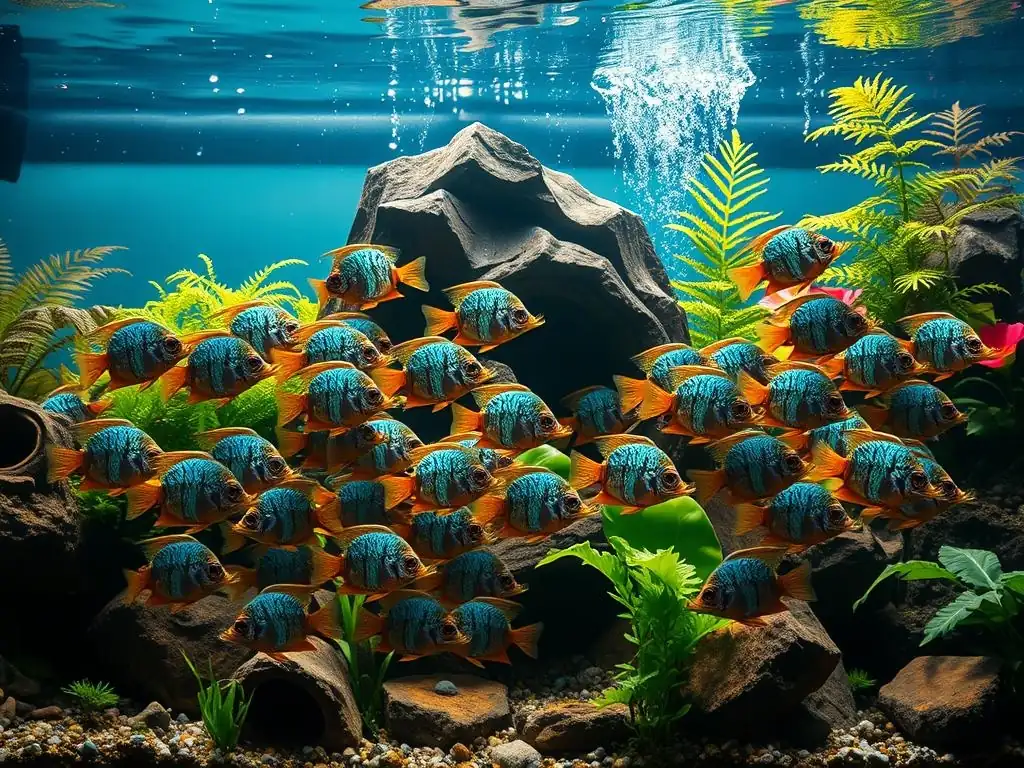
Ever been captivated by a fish with a personality as unique as its pattern? Get ready to dive deep into the world of the Corydoras weitzmani, also known as the TwoSaddle Cory. This isn't just another care guide; it's your key to unlocking the secrets of keeping these fascinating freshwater fish thriving in your aquarium. Curious to learn how to replicate their natural habitat and witness their playful antics? Let's get started!
- Introduction to Corydoras weitzmani: The Two-Saddle Cory
- Understanding Corydoras weitzmani Care Requirements
- Corydoras weitzmani Tank Mates: Creating a Peaceful Community
- Identifying and Addressing Common Corydoras weitzmani Health Issues
- Breeding Corydoras weitzmani: A Challenging Endeavor
- Corydoras weitzmani vs. Other Corydoras Species
- Purchasing Corydoras weitzmani: Tips for Selecting Healthy Specimens
- Conclusion: Enjoying the Unique Charm of Corydoras weitzmani in Your Aquarium
-
Frequently Asked Questions
- What are the ideal water parameters for Corydoras weitzmani?
- What is the appropriate tank size for a school of Corydoras weitzmani?
- What is the best diet for Corydoras weitzmani to ensure optimal health?
- How can I differentiate Corydoras weitzmani from other Corydoras species?
- What are some common health issues that affect Corydoras weitzmani and how can I prevent them?
- Final Reflection: Appreciating the Delicate Balance
- Dive Deeper into the TwoSaddle Cory's World!
Introduction to Corydoras weitzmani: The Two-Saddle Cory
Unveiling the Beauty of Corydoras weitzmani
Corydoras weitzmani, often referred to as the Two-Saddle Cory, is a captivating freshwater fish highly prized by aquarists for its distinctive markings and peaceful demeanor. Originating from the pristine waters of the Rio Nanay basin in Peru, South America, these charming bottom-dwellers typically reach an adult size of approximately 1.8 to 2.0 inches (4.5 to 5 cm), making them an ideal choice for smaller to medium-sized community aquariums.
Their compact, armored bodies are adorned with a silvery-tan to light brown base color, beautifully accented by two prominent dark, saddle-like markings along their dorsal surface—one positioned behind the dorsal fin and another closer to the caudal peduncle, giving them their common name.
These social creatures thrive in groups, exhibiting fascinating schooling behaviors as they diligently sift through the substrate in search of food. Their unique pattern sets them apart, making them a focal point in any well-maintained aquarium. Understanding the specific needs outlined in a comprehensive Corydoras weitzmani care guide is paramount to ensuring their well-being and allowing their subtle beauty to truly shine within your aquatic ecosystem.
Why Corydoras weitzmani Stands Out in the Corydoras Family
Among the vast and diverse Corydoras genus, Corydoras weitzmani distinguishes itself not only through its striking "two-saddle" pattern but also through its relatively less common presence in the aquarium trade compared to more ubiquitous species like Corydoras aeneus or Corydoras panda. While sharing the characteristic peaceful temperament and bottom-dwelling habits of its cousins, its specific coloration and marking placement offer a unique aesthetic appeal that captivates dedicated enthusiasts. This distinctiveness makes a proper Corydoras weitzmani care guide all the more valuable, as it helps aquarists appreciate and cater to the nuanced requirements of this particular species.
Their active yet gentle foraging behavior, coupled with their propensity to form cohesive schools, adds dynamic life to the lower levels of the tank. Unlike some Corydoras species that might blend into the background, the sharp contrast of C. weitzmani's saddle marks against its lighter body ensures it remains visually engaging. Their resilience, when provided with optimal conditions, also contributes to their appeal, making them a rewarding species for aquarists looking to expand their Corydoras collection with a truly special variant.
Understanding Corydoras weitzmani Care Requirements
Optimal Aquarium Setup for Corydoras weitzmani
Tank Size Considerations for Two-Saddle Corys
When establishing an aquarium for Corydoras weitzmani, tank size is a crucial factor that directly impacts their health and behavior. While a minimum of 15 gallons (approximately 57 liters) can house a small group of 4-6 individuals, a 20-gallon long tank or larger is highly recommended for a thriving school of 6-8 Two-Saddle Corys.
The "long" dimension is particularly beneficial as it provides a greater footprint and ample swimming space along the bottom, which is essential for these active, schooling bottom-dwellers. A larger tank also offers increased water volume, contributing to greater stability in water parameters, which is a cornerstone of any effective Corydoras weitzmani care guide.
For optimal social interaction and reduced stress, aim for a group of at least six individuals. This allows them to exhibit natural schooling behaviors and feel more secure in their environment. Tanks smaller than 15 gallons can lead to stunted growth, increased stress, and susceptibility to disease, compromising the very essence of proper Corydoras weitzmani care.
Substrate and Decor for a Corydoras weitzmani Habitat
The choice of substrate is paramount for Corydoras weitzmani due to their delicate barbels, which they use extensively for sifting through the bottom in search of food. Fine, soft sand, such as play sand or specialized aquarium sand (e.g., CaribSea Super Naturals Moonlight Sand), is the ideal choice. This soft substrate prevents damage to their sensitive sensory organs, which can easily be abraded by sharp gravel, leading to infections and loss of foraging ability. If gravel must be used, ensure it is smooth and no larger than 2-3 mm in diameter.
Appropriate decor for a Corydoras weitzmani habitat includes driftwood, smooth rocks, and live plants that provide shaded areas and hiding spots. Plants like Java Fern ( Microsorum pteropus), Anubias species, and Cryptocoryne offer excellent cover without overly obstructing swimming space. These plants also contribute to water quality by absorbing nitrates. Caves and crevices formed by driftwood or rockwork offer essential retreats, making the fish feel secure and reducing stress, which is a vital component of a comprehensive Corydoras weitzmani care guide.
Water Parameters for Healthy Corydoras weitzmani
Ideal Temperature and pH for Two-Saddle Corydoras
Maintaining stable and appropriate water parameters is critical for the long-term health of Corydoras weitzmani. These fish thrive in tropical freshwater conditions, with an ideal temperature range between 72-78°F (22-26°C). Fluctuations outside this range can cause significant stress and weaken their immune systems. A reliable aquarium heater with a thermostat is essential to maintain consistent temperatures. The pH level should be kept between 6.0 and 7.5, reflecting their natural soft, slightly acidic to neutral water habitats. While they are somewhat adaptable, extreme deviations from this range, such as pH levels below 5.5 or above 8.0, can be detrimental.
Regular monitoring with accurate test kits (e.g., API Freshwater Master Test Kit) is indispensable to ensure these parameters remain stable. Sudden shifts in temperature or pH can be more harmful than maintaining a slightly off but consistent parameter. Providing these stable conditions is a fundamental aspect of any robust Corydoras weitzmani care guide.
Maintaining Water Quality: Essential for Corydoras weitzmani
Excellent water quality is arguably the most critical factor in the successful keeping of Corydoras weitzmani. These catfish are sensitive to pollutants, particularly ammonia and nitrites, which should always be at 0 ppm. Nitrates should be kept below 20 ppm, ideally even lower. This necessitates a robust filtration system, though one that provides gentle flow. Sponge filters are an excellent choice for smaller Corydoras tanks as they offer biological filtration without creating strong currents that can stress these small fish. Canister filters or hang-on-back filters with adjustable flow are also suitable for larger setups.
Regular partial water changes are non-negotiable; a 25-30% weekly water change using dechlorinated water is generally recommended. This helps dilute nitrates, replenish essential minerals, and remove accumulated organic waste. Gravel vacuuming the substrate during water changes is also important to remove uneaten food and detritus, preventing the build-up of harmful compounds. Consistent adherence to these water quality practices is the backbone of any effective Corydoras weitzmani care guide.
Corydoras weitzmani Diet and Feeding
What to Feed Your Two-Saddle Cory: A Balanced Diet
Corydoras weitzmani are omnivorous bottom-feeders with a preference for protein-rich foods, reflecting their natural diet of small invertebrates and detritus. A balanced diet is crucial for their vibrant coloration, active behavior, and overall longevity. High-quality sinking pellets or wafers specifically designed for bottom-dwelling fish (e.g., Hikari Sinking Wafers, New Life Spectrum H2O Stable Wafers) should form the staple of their diet. These foods are formulated to sink quickly, ensuring they reach the Corydoras before being consumed by mid-water or surface dwellers.
Supplement their staple diet with a variety of frozen and live foods to provide essential nutrients and enrichment. Frozen bloodworms, brine shrimp, and daphnia are excellent choices, offering high protein content. For live foods, options like grindal worms or micro-worms can be offered periodically. While primarily carnivorous, they will also graze on algae and some vegetable matter; occasionally offering blanched zucchini or spirulina flakes can be beneficial. A diverse diet is a key element of a comprehensive Corydoras weitzmani care guide.
Feeding Frequency and Amounts for Corydoras weitzmani
When feeding Corydoras weitzmani, consistency and appropriate portions are vital to prevent overfeeding and subsequent water quality issues. It is generally recommended to feed them once or twice daily. The amount provided should be what they can consume entirely within 2-3 minutes. Overfeeding not only leads to excessive waste production, which can spike ammonia and nitrate levels, but also contributes to obesity and related health problems in the fish.
Because Corydoras weitzmani are bottom-dwellers, ensure that the food sinks to the substrate where they can easily access it. Observing their feeding behavior will help you adjust the quantity; if food remains on the bottom for an extended period, you are likely feeding too much. If they appear to be constantly searching for food after meals, a slight increase might be warranted. Careful feeding practices are an integral part of any successful Corydoras weitzmani care guide, promoting both fish health and water stability.
Corydoras weitzmani Tank Mates: Creating a Peaceful Community
Suitable Tank Companions for Corydoras weitzmani
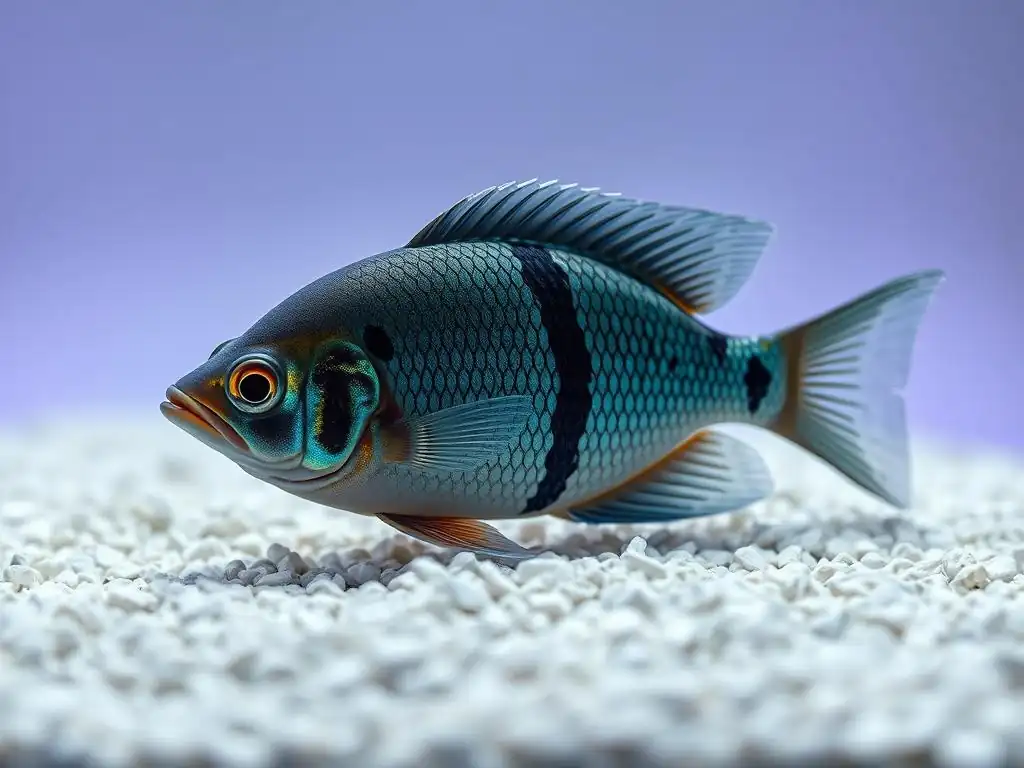
Creating a harmonious community tank for Corydoras weitzmani involves selecting tank mates that are equally peaceful, do not compete excessively for food, and prefer different levels of the water column. Ideal companions are small to medium-sized, non-aggressive fish that primarily inhabit the mid to upper regions of the tank.
Excellent choices include various small tetra species such as Neon Tetras ( Paracheirodon innesi), Cardinal Tetras ( Paracheirodon axelrodi), and Ember Tetras ( Hyphessobrycon amandae), which typically grow to 1-1.5 inches. Rasboras, like Harlequin Rasboras ( Trigonostigma heteromorpha) or Chili Rasboras ( Boraras brigittae), also make excellent choices due to their calm nature and similar water parameter preferences.
Other suitable tank mates include small, peaceful livebearers like Guppies ( Poecilia reticulata) or Platies ( Xiphophorus maculatus), as long as their breeding habits are manageable. Otocinclus catfish ( Otocinclus affinis) are another fantastic addition, as they are also peaceful bottom-dwellers that help with algae control and do not compete with Corydoras weitzmani for their primary food sources. Dwarf Gouramis ( Trichogaster lalius) can also be considered, provided they are not overly aggressive individuals. Ensuring tank mates are calm and non-competitive is a critical aspect of a comprehensive Corydoras weitzmani care guide.
Fish to Avoid Housing with Two-Saddle Corydoras
To maintain the peaceful and stress-free environment essential for Corydoras weitzmani, certain types of fish should be strictly avoided as tank mates. Any large, aggressive, or predatory species pose a significant threat, as they may view the relatively small Corydoras as a food source or constantly harass them. This includes many larger cichlids (e.g., Oscar, Jack Dempsey) and certain aggressive barb species like Tiger Barbs ( Puntius tetrazona) or Rosy Barbs ( Pethia conchonius) which, despite their size, can be notorious fin-nippers, causing stress and injury to the Corydoras' delicate fins and barbels.
Additionally, fish that require vastly different water parameters (e.g., very high pH or hard water species if your tank is soft and acidic) should be avoided, as compromising on water quality for one species will inevitably harm the other. Overly boisterous or fast-moving fish can also create a stressful environment, leading to the Two-Saddle Corydoras becoming reclusive and shy. Adhering to these guidelines is a vital part of any effective Corydoras weitzmani care guide, ensuring the safety and well-being of your beloved catfish.
Identifying and Addressing Common Corydoras weitzmani Health Issues
Recognizing Symptoms of Illness in Corydoras weitzmani
Early detection of illness is crucial for successful treatment and forms a key part of any good Corydoras weitzmani care guide. Healthy Corydoras weitzmani are active, constantly sifting through the substrate, and exhibit clear eyes and intact barbels. Any deviation from this normal behavior should raise a red flag. Common symptoms of illness include lethargy or unusual inactivity, where the fish may be seen resting on the bottom for extended periods without foraging. Loss of appetite, refusal to eat, or spitting out food are also strong indicators.
Physical signs to watch for include clamped fins (fins held close to the body), discoloration (fading or darkening of natural patterns), presence of white spots (Ich), cotton-like growths (fungal infections), or frayed/rotting fins (fin rot). Rapid or labored breathing, gasping at the surface, or rubbing against tank decor can indicate gill issues or external parasites. Barbel erosion, often a result of sharp substrate or poor water quality, is another specific symptom to monitor. Prompt identification of these signs allows for timely intervention.
Common Diseases Affecting Two-Saddle Corys and Their Treatment
Corydoras weitzmani, like all aquarium fish, are susceptible to common freshwater diseases, often exacerbated by poor water quality or stress.
- Ich (White Spot Disease): Characterized by small, white spots resembling salt grains on the body and fins. This parasitic infection is highly contagious. Treatment typically involves slowly raising the water temperature to 82-84°F (28-29°C) over 24 hours (if compatible with tank mates and oxygenation is increased) and using an Ich-specific medication such as Seachem ParaGuard or API Super Ick Cure, following product instructions carefully.
- Fin Rot: Appears as frayed, ragged, or disintegrating fins, often with a reddish or whitish edge. This bacterial infection is usually a symptom of poor water quality or injury. Treatment involves immediate and significant water changes (up to 50%) and the use of broad-spectrum antibiotics like API MelaFix or Seachem KanaPlex. Addressing the underlying water quality issue is paramount.
- Fungal Infections: Manifest as white, cotton-like growths on the body or fins. These are often secondary infections following injury or other stressors. Antifungal medications (e.g., API Fungus Cure or Seachem Paraguard) are effective.
- Barbel Erosion: While not a disease itself, it's a common issue for Corydoras caused by abrasive substrates or chronically poor water quality. It can lead to secondary bacterial infections. The primary "treatment" is prevention: switch to a soft sand substrate and maintain pristine water conditions. If infection is present, mild antibacterial treatment may be needed.
Always quarantine new fish for 2-4 weeks before introducing them to your main tank to prevent the spread of potential diseases. This proactive measure is a crucial recommendation in any robust Corydoras weitzmani care guide.
Breeding Corydoras weitzmani: A Challenging Endeavor
Setting Up a Breeding Tank for Corydoras weitzmani
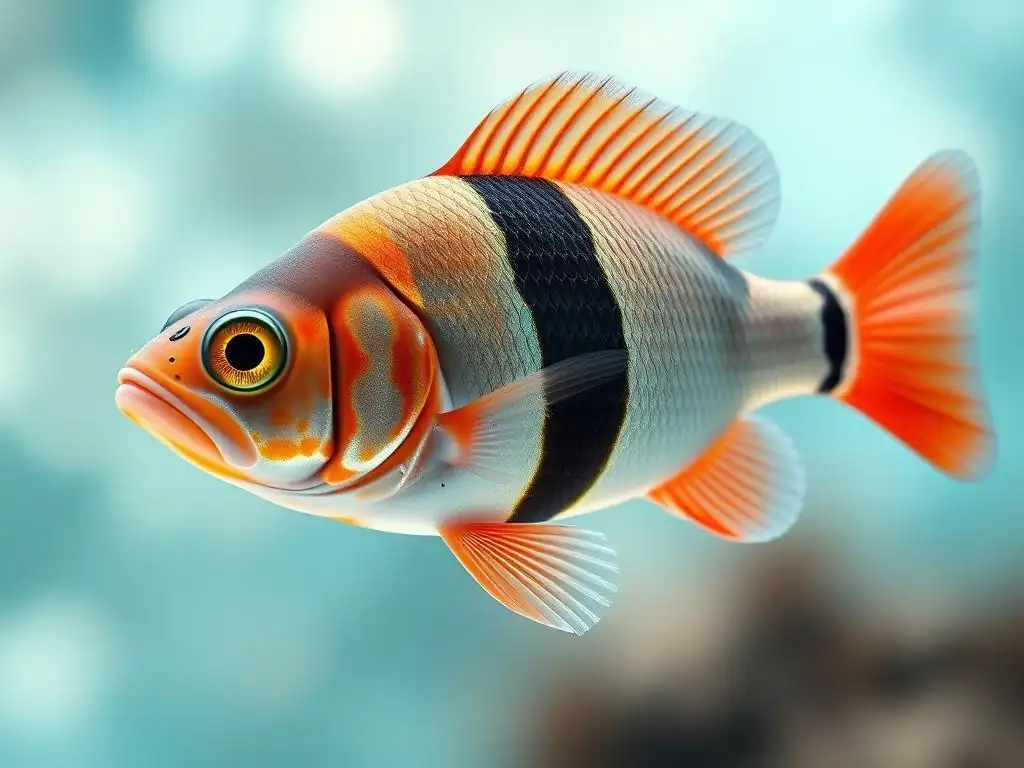
Breeding Corydoras weitzmani can be a rewarding, albeit challenging, experience for dedicated aquarists. To maximize success, a dedicated breeding tank is highly recommended. A 10-15 gallon (38-57 liter) tank is sufficient for a breeding group of 3-5 individuals (e.g., 2 males to 1 female, or 3 males to 2 females). The tank should have a bare bottom or a very thin layer of fine sand to make egg collection easier and prevent detritus buildup.
Essential decor for egg deposition includes spawning mops (made from nylon yarn), Java moss, or broad-leafed plants like Anubias or Cryptocoryne. These provide surfaces for the females to lay their adhesive eggs. Filtration should be gentle; a well-cycled sponge filter is ideal as it provides biological filtration without creating strong currents that could harm delicate fry. An air stone for increased oxygenation is also beneficial, contributing to the overall success of the breeding process, as detailed in an advanced Corydoras weitzmani care guide.
Stimulating Spawning in Two-Saddle Corydoras
Stimulating Corydoras weitzmani to spawn often requires mimicking the environmental cues of their natural rainy season in the Amazon basin. A key technique involves performing large, cool water changes. Replace 50% or more of the tank water with water that is 5-10°F (3-6°C) cooler than the tank temperature, using dechlorinated reverse osmosis (RO) water or very soft tap water if available. Repeat these large, cool water changes daily or every other day. This drop in temperature, coupled with the introduction of fresh, soft water, often triggers spawning behavior.
Conditioning the prospective parents with a high-protein diet for several weeks prior to attempting spawning is also crucial. Offer a variety of live foods such as bloodworms, brine shrimp, and micro-worms, alongside high-quality sinking pellets. Increased aeration via an air stone can also help simulate the increased oxygen levels found during natural rain events. Observing the fish for increased activity and "T-position" courtship displays (where the male's head is against the female's side, often near her gill plate) indicates readiness to spawn. This detailed approach is vital for a comprehensive Corydoras weitzmani care guide on breeding.
Caring for Corydoras weitzmani Eggs and Fry
Once Corydoras weitzmani have spawned, the eggs, which are typically small, adhesive, and laid on tank glass, plants, or spawning mops, require careful attention. To prevent the parents from eating the eggs, it's best to either remove the adult fish from the breeding tank or gently scrape the eggs off surfaces and transfer them to a separate container with aged aquarium water. Treating the egg container with a small amount of methylene blue can help prevent fungal growth, a common problem for unfertilized or damaged eggs.
Eggs typically hatch within 3-5 days at a temperature of 75-78°F (24-26°C). Once hatched, the tiny fry will initially feed on their yolk sacs for the first 2-3 days. After their yolk sacs are absorbed, they require extremely small food sources.
Infusoria or liquid fry food (e.g., Sera Micron, Hikari First Bites) are suitable for the first few days, followed by newly hatched brine shrimp or micro-worms as they grow larger. Frequent small water changes (e.g., 10% daily) are essential for fry tanks to maintain pristine water quality, which is critical for their survival and growth, making it a pivotal part of any advanced Corydoras weitzmani care guide focused on reproduction.
Corydoras weitzmani vs. Other Corydoras Species
Comparing Corydoras weitzmani to Similar Corydoras
Corydoras weitzmani is often confused with other Corydoras species that share similar body shapes and colorations, particularly Corydoras panda and Corydoras duplicareus. While all three are peaceful bottom-dwellers, their distinct markings set them apart.
Corydoras panda is characterized by its three prominent black markings: one over the eye (resembling a panda's mask), another on the dorsal fin, and a third at the base of the tail. In contrast, Corydoras weitzmani features its namesake "two-saddle" pattern, consisting of two distinct dark patches on the dorsal side of its body, one behind the dorsal fin and another near the caudal peduncle, with no prominent eye mask.
Corydoras duplicareus presents a more challenging differentiation as it is remarkably similar to C. weitzmani. However, C. duplicareus typically exhibits a more pronounced and often thicker black dorsal saddle, sometimes extending further down the body, and its body stripe might be thinner and more defined. While both are beautiful, understanding these subtle differences is key for accurate identification and for providing species-specific care, as outlined in a detailed Corydoras weitzmani care guide.
Distinguishing Features: Identifying Corydoras weitzmani
The primary distinguishing feature that unequivocally identifies Corydoras weitzmani is its unique dorsal pattern. As its common name suggests, the Two-Saddle Cory possesses two distinct, dark saddle-like markings that stand out against its lighter, often silvery-tan or light brown body. One saddle is located immediately posterior to the dorsal fin, wrapping slightly around the body, while the second is positioned further back, closer to the caudal peduncle (the base of the tail). This pattern is typically well-defined and serves as the most reliable visual cue.
In terms of size, adult Corydoras weitzmani generally reach about 1.8 to 2.0 inches (4.5 to 5 cm) in total length. Their body shape is typical of many Corydoras species: a compact, armored body with a flattened ventral surface and sensory barbels around the mouth. While other Corydoras might have spots or stripes, the specific arrangement and appearance of these two prominent dorsal saddles are what make Corydoras weitzmani unique. When seeking this specific species, carefully examining these markings is crucial for proper identification, which is a foundational aspect of any precise Corydoras weitzmani care guide.
Purchasing Corydoras weitzmani: Tips for Selecting Healthy Specimens
Where to Find Two-Saddle Corys for Sale
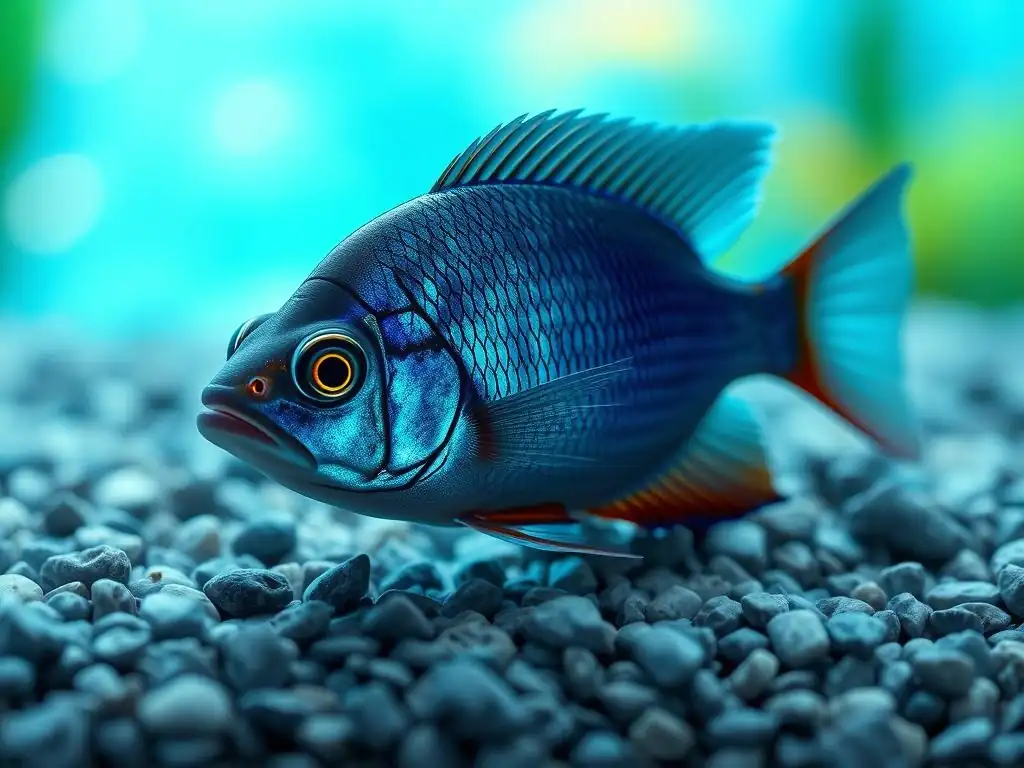
Finding Corydoras weitzmani for sale might require a bit more effort than locating more common Corydoras species, as they are not always readily available at every local fish store. Reputable specialty aquarium stores are often the best place to start, as they typically carry a wider variety of less common fish and maintain higher standards of care.
Online aquatics retailers (e.g., LiveAquaria, Aqua Huna) are another excellent resource, offering a broad selection and often providing detailed information about their fish. When purchasing online, always choose vendors with strong positive reviews and clear shipping policies to ensure the fish arrive healthy.
Additionally, local aquarium clubs or fish keeping forums can be valuable resources. Members sometimes breed and sell their own fish, offering a chance to acquire specimens that are already accustomed to aquarium life. Attending local fish swaps or conventions, if available, can also present opportunities to find Corydoras weitzmani. Regardless of the source, verifying the supplier's reputation for healthy fish and ethical practices is a key part of informed Corydoras weitzmani care guide practices even before purchase.
Ensuring Healthy Corydoras weitzmani at Purchase
Selecting healthy Corydoras weitzmani at the point of purchase is critical for their successful integration into your aquarium. Begin by observing the fish in the store tank for at least 5-10 minutes. Healthy specimens should be active, constantly foraging on the substrate, and exhibiting their characteristic schooling behavior.
Look for individuals with clear, bright eyes, intact barbels (a sign of appropriate substrate and good care at the store), and no visible lesions, clamped fins, or signs of external parasites like white spots. Their bodies should appear plump and well-fed, not sunken or emaciated, which can indicate malnourishment or internal parasites.
Avoid fish that are lethargic, isolated from the group, or gasping at the surface. Also, inspect the tank water for clarity and cleanliness; a dirty tank can indicate poor husbandry practices that may have already stressed the fish. Inquire about the fish's origin and how long they have been at the store. A good retailer will be transparent about their quarantine procedures. These careful selection steps are an essential, proactive measure in any comprehensive Corydoras weitzmani care guide, setting the stage for a thriving aquarium.
Conclusion: Enjoying the Unique Charm of Corydoras weitzmani in Your Aquarium
The Rewards of Caring for Two-Saddle Corydoras
Caring for Corydoras weitzmani, the Two-Saddle Cory, offers a truly rewarding experience for aquarists. Their distinctive "two-saddle" pattern provides a unique aesthetic that stands out among other bottom-dwellers, adding a touch of subtle elegance to any freshwater aquarium. Beyond their visual appeal, their engaging behavior—constant sifting through the substrate, active schooling, and peaceful interactions with tank mates—brings dynamic life to the lower levels of your tank. These diligent little catfish also contribute to the overall cleanliness of the aquarium by consuming leftover food particles that might otherwise decompose and foul the water.
The satisfaction of providing an optimal environment, guided by a thorough Corydoras weitzmani care guide, and watching these resilient and charming fish thrive is immense. They become a captivating focal point, demonstrating natural behaviors that are both educational and entertaining. Their generally hardy nature, when proper care is consistently applied, makes them a joy to keep for both novice and experienced aquarists looking for a unique and beneficial addition to their community tank.
Further Resources for Corydoras weitzmani Keepers
For those committed to mastering the art of keeping Corydoras weitzmani, continuous learning and access to reliable information are invaluable. Aquarium Mastery provides a wealth of detailed articles and guides, including this comprehensive Corydoras weitzmani care guide, designed to support aquarists at every stage. Delve deeper into specific topics such as water chemistry, advanced plant selection, or troubleshooting common aquarium issues by exploring the various sections of Aquarium Mastery.
Beyond this website, consider joining local aquarium clubs or online forums dedicated to freshwater fish or Corydoras species. These communities offer opportunities to connect with fellow enthusiasts, share experiences, ask questions, and even find local breeders. Engaging with the broader aquarist community can provide practical tips, personal insights, and support that complement the foundational knowledge provided here, ensuring you have all the resources necessary to successfully enjoy the unique charm of Corydoras weitzmani in your aquarium.
Frequently Asked Questions
What are the ideal water parameters for Corydoras weitzmani?
Corydoras weitzmani thrive in slightly acidic and soft water. Aim for a pH of 6.0-7.0 and a hardness of under 10 dGH. Maintaining stable water parameters is crucial for their health.
What is the appropriate tank size for a school of Corydoras weitzmani?
These corydoras are relatively small, but they are active and social. A tank of at least 20 gallons is recommended for a group of 5-6 individuals. This provides enough space for them to forage and interact.
What is the best diet for Corydoras weitzmani to ensure optimal health?
Corydoras weitzmani are omnivores and require a varied diet. Offer them sinking pellets, flakes, and live or frozen foods like bloodworms and daphnia. Supplement with vegetable matter to prevent constipation.
How can I differentiate Corydoras weitzmani from other Corydoras species?
Corydoras weitzmani are distinguished by their unique two-saddle pattern on their backs. This distinctive marking, along with their body shape, helps differentiate them from other similarly sized Corydoras species.
What are some common health issues that affect Corydoras weitzmani and how can I prevent them?
Common issues include Ich (white spot disease) and bacterial infections, often caused by poor water quality. Regular water changes, proper filtration, and quarantine of new fish are essential preventative measures.
Final Reflection: Appreciating the Delicate Balance
The journey into understanding Corydoras weitzmani reveals more than just the specifics of aquarium husbandry; it highlights the fragility and beauty of specialized ecosystems. By delving into the intricacies of their care, we acknowledge the responsibility we bear when introducing these captivating creatures into our homes, and the broader implications of our actions on their natural habitats.
The allure of the Corydoras weitzmani lies not only in its distinctive "two-saddle" pattern but also in its delicate existence, a reminder of the interconnectedness of life. This exploration has deepened my appreciation for the subtle nuances of aquarium keeping and the profound impact we can have on the well-being of these sensitive fish. In the end, we will conserve only what we love; we will love only what we understand; and we will understand only what we are taught.
- Baba Dioum. This quote underscores the importance of education and awareness in fostering a genuine commitment to conservation.
As you close this guide, remember that caring for Corydoras weitzmani is more than just following instructions; it's an act of stewardship. Let the knowledge gained here inspire you to create a thriving environment for these remarkable fish and to champion the preservation of their natural world. Consider how you can extend this understanding to other species and ecosystems, contributing to a future where biodiversity flourishes.
Dive Deeper into the TwoSaddle Cory's World!
Thank you for exploring the fascinating details of Corydoras weitzmani! Now that you understand its unique pattern and care requirements, it's time to take the next step.
Here are some actionable suggestions to enhance your knowledge and potentially bring this beauty into your aquarium:
- Plan a Corydoras-Specific Aquascape: Research and draft a detailed plan for an aquarium setup that perfectly mimics the natural habitat of Corydoras weitzmani, paying close attention to substrate, water flow, and plant selection.
- Explore and share! Dig into other unique Corydoras species and their fascinating patterns and share your findings in aquarium forums or social media groups to spread the knowledge.
- Attend a local aquarium club meeting. Join and participate in a local aquarium group discussion about Corydoras, where you can learn directly from experienced hobbyists and potentially find breeders of Corydoras weitzmani.
What specific element of Corydoras weitzmani care or breeding do you find most intriguing, and how might you incorporate that into your existing aquarium setup?