
Top 7 Mistakes to Avoid When Keeping Danios and Rasboras

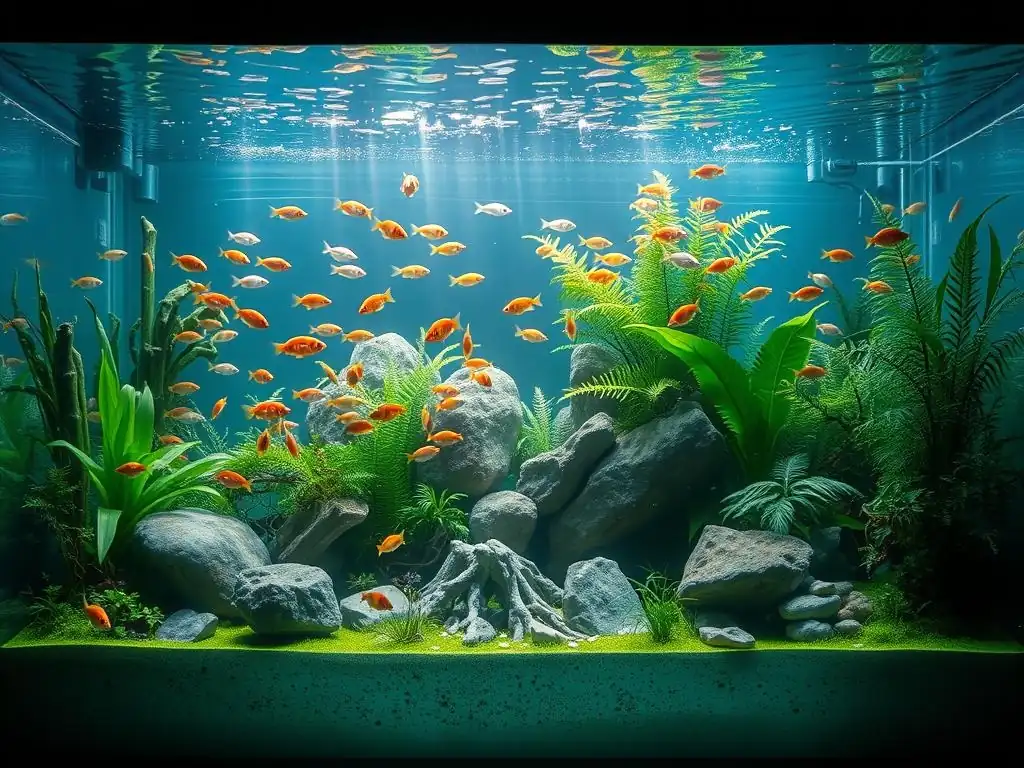
Welcome to Aquarium Mastery!
Ever wondered why your Danios and Rasboras aren't thriving, despite your best efforts? Dive in and discover the Top 7 Mistakes many aquarists make when caring for these energetic beauties. Learn how to create the perfect environment and unlock their full potential. Ready to give your Danios and Rasboras the vibrant, healthy life they deserve? Let's explore!
- Introduction: Achieving Danios and Rasboras Tank Care Mastery
- Mistake #1: Ignoring Minimum Schooling Requirements for Danios and Rasboras
- Mistake #2: Overlooking Tank Size and Space Requirements
- Mistake #3: Neglecting Water Parameters and Water Quality
- Mistake #4: Incompatible Tank Mates: Stressing Your Danios and Rasboras
- Mistake #5: Improper Diet and Feeding Habits for Cyprinids
- Mistake #6: Lack of Adequate Filtration and Aeration
- Mistake #7: Failing to Quarantine New Fish Before Introduction
- Conclusion: Mastering Danio and Rasbora Tank Care for a Thriving Aquarium
-
Frequently Asked Questions
- What is the ideal tank size for a Danios and Rasboras tank?
- What are the most important water parameters to monitor for Danios and Rasboras?
- Can Danios and Rasboras be kept with other fish species?
- What is the best diet for Danios and Rasboras?
- What are some common health issues that affect Danios and Rasboras?
- Final Reflection: Cultivating Harmony in the Aquarium
- Ignite Your Aquarium Journey!
Introduction: Achieving Danios and Rasboras Tank Care Mastery
Danios and Rasboras are celebrated in the aquarium hobby for their vibrant colors, active schooling behaviors, and relatively hardy nature. These small, peaceful cyprinids can bring immense joy and dynamic movement to a freshwater aquarium. However, even with their reputation for hardiness, many aquarists encounter common pitfalls that can undermine their health and longevity.
Mastering Danios rasbora tank care involves understanding their specific needs and proactively avoiding mistakes that can lead to stress, disease, or premature loss. This article will delve into seven critical errors frequently made when keeping these delightful fish, providing actionable insights to ensure your Danios and Rasboras thrive in a healthy, vibrant environment.
Mistake #1: Ignoring Minimum Schooling Requirements for Danios and Rasboras
The Importance of Schooling Behavior for Danio and Rasbora Health
Danios and Rasboras are inherently social fish, exhibiting strong schooling instincts in their natural habitats. This behavior is not merely aesthetic; it is a fundamental survival mechanism that provides safety in numbers against predators and reduces individual stress. When kept in insufficient numbers, these fish become timid, stressed, and often aggressive towards each other or other tank inhabitants.
A proper school allows them to establish a natural pecking order and engage in their characteristic playful chasing and synchronized swimming. This social structure is crucial for their psychological well-being, enabling them to display their full range of natural behaviors and vibrant coloration, which are often suppressed when they feel insecure or isolated.
Minimum Schooling Numbers: Preventing Stress and Promoting Natural Behavior
For most common species like Zebra Danios ( Danio rerio) or Harlequin Rasboras ( Trigonostigma heteromorpha), a minimum school size of 6-8 individuals is widely recommended. This number allows for a stable social dynamic, where individual fish feel secure enough to explore their environment and interact without excessive stress. A smaller group, say 2-3 fish, often results in constant chasing and bullying, as the dominant fish exert pressure on the few subordinates.
Increasing the school size to 10-12 or more can further enhance their confidence and activity levels. In larger groups, the fish disperse aggression more effectively, allowing all members to feel safer and exhibit more complex schooling patterns. Observing a large, cohesive school of Danios or Rasboras is one of the most rewarding aspects of their care, demonstrating successful Danios rasbora tank care.
Impact of Insufficient Schooling on Danio and Rasbora Lifespan
Chronic stress, a direct consequence of insufficient schooling, significantly compromises the immune system of Danios and Rasboras. A weakened immune response makes them highly susceptible to common aquarium diseases such as Ich (white spot disease), fin rot, and various bacterial infections. These ailments can quickly spread through a vulnerable population, leading to substantial losses.
Beyond disease susceptibility, prolonged stress can result in stunted growth, loss of appetite, and a general decline in vitality. While Danios and Rasboras typically live for 2 to 5 years with proper care, fish subjected to constant stress from inadequate schooling often experience a drastically shortened lifespan, failing to reach their full potential or natural longevity.
Mistake #2: Overlooking Tank Size and Space Requirements
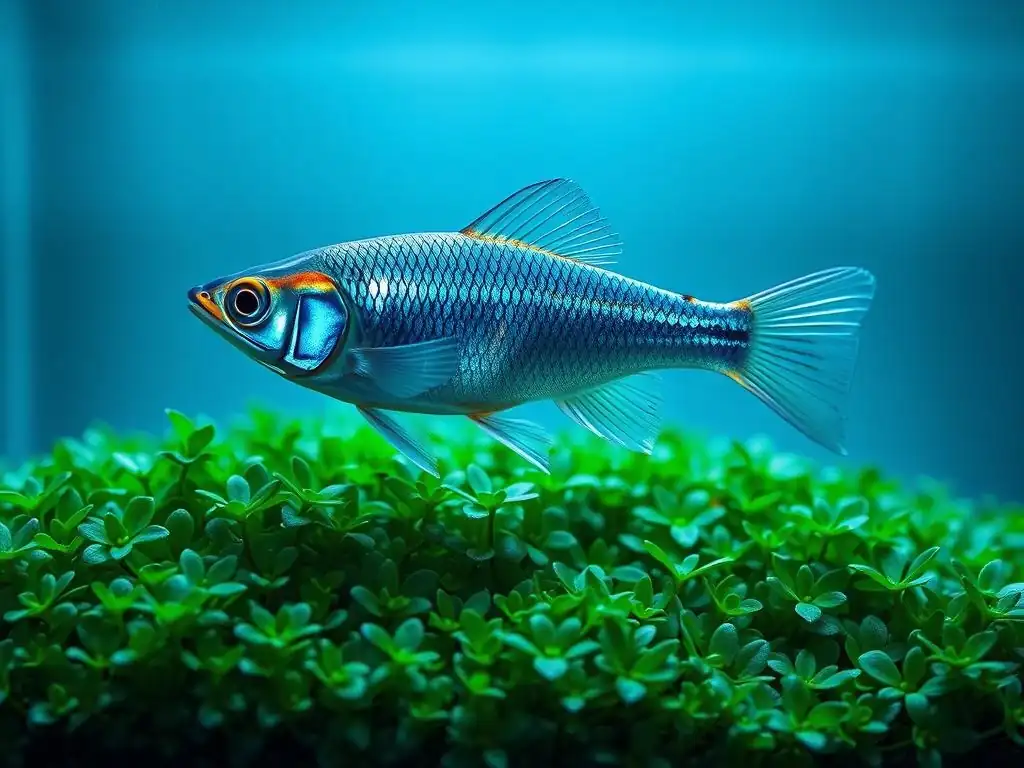
Danios and Rasboras Need Swimming Space: Choosing the Right Tank Dimensions
Despite their small stature, Danios and Rasboras are incredibly active swimmers. Danios, in particular, are known for their fast, darting movements and tendency to swim across the entire length of the tank. Therefore, the physical dimensions of the aquarium are often more critical than just its volume. A longer tank provides ample horizontal swimming space, which is far more beneficial for these active schooling fish than a tall, narrow one.
For instance, a 20-gallon long aquarium (typically 30 inches in length) offers significantly more conducive swimming area for a school of Danios or Rasboras compared to a 20-gallon high tank (often 24 inches in length but taller). Adequate space prevents boredom, reduces territorial disputes, and allows these fish to exhibit their natural, energetic swimming patterns without feeling confined.
Overcrowding: A Recipe for Disaster in Danio and Rasbora Tanks
Overcrowding is a leading cause of poor water quality and fish stress. When too many fish are housed in a confined space, the bioload—the amount of waste produced—rapidly overwhelms the aquarium's filtration system. This leads to a quick accumulation of toxic compounds like ammonia and nitrite, which are highly detrimental to fish health and can cause ammonia poisoning or nitrite burns.
Beyond water quality issues, overcrowding exacerbates stress and aggression among fish. Even generally peaceful species like Danios and Rasboras can become nippy or territorial when they feel cramped. Stunted growth, weakened immune systems, and increased susceptibility to diseases are common consequences, turning what should be a thriving display into a struggling one.
Recommended Tank Sizes for Different Danio and Rasbora Species
Selecting the appropriate tank size is fundamental to successful Danios rasbora tank care. For a small school (6-8 individuals) of common species like Zebra Danios or Harlequin Rasboras, a 10-gallon tank is often cited as a bare minimum, but a 20-gallon long aquarium is strongly recommended as an ideal starting point. This provides sufficient swimming room and greater water volume for stability.
Larger species of Rasboras, such as Clown Rasboras ( Rasbora kalochroma), or larger schools of any species, will require even more space. For a group of 8-10 Clown Rasboras, a 30-gallon or even 40-gallon tank would be more appropriate to accommodate their size and activity levels. Always prioritize a tank that offers ample horizontal swimming space to ensure your fish can thrive.
Mistake #3: Neglecting Water Parameters and Water Quality
The Significance of Stable Water Chemistry for Danio and Rasbora Care
Stable water parameters are the cornerstone of a healthy aquarium environment for any fish, including Danios and Rasboras. Fluctuations in pH, temperature, or hardness can induce severe physiological stress, weakening their immune systems and making them highly vulnerable to illness. While Danios are relatively adaptable, generally preferring slightly alkaline to neutral water (pH 6.5-7.5), many Rasboras thrive in slightly acidic to neutral conditions (pH 6.0-7.0).
Consistent temperature, typically within the range of 72-78°F (22-26°C) for most common species, is also crucial. Sudden drops or spikes can shock the fish, leading to stress-related diseases. Regular monitoring of these parameters with reliable test kits is not just recommended; it is an essential, ongoing practice for effective Danios rasbora tank care.
Common Water Parameter Issues: Ammonia, Nitrite, and Nitrate
The nitrogen cycle is central to aquarium health. Fish waste, uneaten food, and decaying plant matter break down to produce ammonia (NH₃), which is highly toxic to fish. Beneficial bacteria in the filter and substrate convert this ammonia into nitrite (NO₂⁻), also extremely toxic. A second group of bacteria then converts nitrite into nitrate (NO₃⁻), which is less toxic but harmful in high concentrations.
For optimal health, ammonia and nitrite levels should always be undetectable (0 ppm). Nitrate levels should be kept below 20 ppm, and ideally below 10 ppm for sensitive species or fry. Elevated levels of any of these compounds indicate insufficient biological filtration, overfeeding, or inadequate water changes, all of which directly compromise the health and vitality of your small schooling cyprinids.
Regular Water Changes: A Crucial Aspect of Danio and Rasbora Tank Maintenance
Regular partial water changes are the most effective and simplest method to manage nitrate accumulation and replenish essential trace minerals in the aquarium water. A common recommendation for a well-maintained community tank is to perform a 25-30% water change weekly. For heavily stocked tanks or those with larger fish, more frequent or larger changes may be necessary.
This routine practice prevents the buildup of harmful dissolved pollutants, helps stabilize pH, and introduces fresh, oxygenated water. Neglecting regular water changes is a direct pathway to poor water quality, leading to chronic stress, disease outbreaks, and significantly shortened lifespans for your Danios and Rasboras. It is a non-negotiable aspect of responsible Danios rasbora tank care.
Mistake #4: Incompatible Tank Mates: Stressing Your Danios and Rasboras
Aggressive Fish: The Enemy of Peaceful Danios and Rasboras
Danios and Rasboras are generally peaceful and shy fish that thrive in a calm community environment. Introducing them to aggressive or overly boisterous tank mates can lead to constant stress, physical injury, and even death. Species such as certain African Cichlids, larger predatory fish, or even some territorial Gouramis can relentlessly harass Danios and Rasboras, preventing them from feeding or resting properly.
Stressed fish typically hide, lose their vibrant coloration, refuse to eat, and become highly susceptible to stress-related diseases. The continuous fear and harassment will significantly shorten their lifespan and prevent them from exhibiting their natural schooling behaviors, transforming a once vibrant community into a stressful environment for your small cyprinids.
Fin-Nipping Species: A Danger to Danio and Rasbora Fins
Some fish species are notorious fin-nippers, and housing them with Danios or Rasboras can result in significant damage to their delicate fins. Examples of common fin-nippers include certain species of Barbs (like the Tiger Barb, unless kept in a very large school of their own), some larger Tetras, and even certain types of Gouramis if not enough space or territories are provided.
Fin damage not only impairs a fish's ability to swim effectively but also creates open wounds that are highly vulnerable to secondary bacterial or fungal infections. This is particularly problematic for long-finned varieties of Danios, whose flowing fins make them easy targets. Careful consideration of potential tank mates is therefore a vital aspect of comprehensive Danios rasbora tank care.
Ideal Tank Mates for Danios and Rasboras: Creating a Harmonious Community
To create a harmonious community, select tank mates that share similar water parameter requirements, are of a comparable size, and possess a peaceful temperament. Excellent choices for Danios and Rasboras include other small, peaceful schooling fish such as Neon Tetras ( Paracheirodon innesi), Ember Tetras ( Hyphessobrycon amandae), or Cardinal Tetras ( Paracheirodon axelrodi).
Bottom-dwelling peaceful species like Corydoras catfish ( Corydoras spp.) or Otocinclus catfish ( Otocinclus affinis) are also ideal as they occupy a different water column and do not compete for space. Other suitable companions include peaceful snails and dwarf shrimp (though very small fry might be at risk). Always research a potential tank mate's adult size, temperament, and specific needs thoroughly before introducing them to your established Danios rasbora tank.
Mistake #5: Improper Diet and Feeding Habits for Cyprinids
Overfeeding: A Common Mistake Leading to Water Quality Issues
Overfeeding is arguably the most common mistake made by aquarists and has immediate, detrimental effects on water quality. Uneaten food quickly decomposes, releasing ammonia and nitrites into the water, which are highly toxic to fish. Furthermore, excess nutrients from uneaten food can fuel unsightly and potentially harmful algae blooms, leading to a rapid deterioration of the aquarium environment.
To avoid this, it's advisable to feed small amounts of food two to three times a day, rather than one large meal. The general rule of thumb is to feed only what your Danios and Rasboras can consume entirely within 2-3 minutes. Any leftover food should be promptly removed from the tank to prevent decay and maintain pristine water conditions.
Nutritional Needs of Danios and Rasboras: A Balanced Diet is Key
Danios and Rasboras are omnivores, meaning their natural diet consists of both plant matter and small invertebrates. A high-quality staple food, such as a finely crushed flake or micro-pellet specifically formulated for small community fish, should form the basis of their diet. Look for foods that offer a balanced nutritional profile, typically with a protein content ranging from 35-45% and essential vitamins.
Relying solely on one type of food, even a good quality flake, can lead to nutritional deficiencies over time, impacting their growth, color vibrancy, and immune system strength. A varied diet is crucial for their long-term health and vitality, ensuring they receive all the necessary nutrients to thrive and display their best colors, which is a hallmark of excellent Danios rasbora tank care.
Variety is the Spice of Life: Supplementing with Live and Frozen Foods
To provide a truly balanced and stimulating diet, it's highly beneficial to supplement their staple dry food with live or frozen options a few times a week. These supplements offer essential nutrients often less abundant in dry foods and encourage natural foraging behaviors, keeping the fish active and engaged.
Excellent choices include:
- Brine shrimp: A readily available and highly palatable source of protein.
- Daphnia: Good for digestive health and acts as a natural laxative.
- Bloodworms (chopped for smaller mouths): Rich in protein, ideal for conditioning.
- Microworms or Vinegar Eels: Perfect for very young fry or extremely tiny Rasbora species.
Always ensure frozen foods are thoroughly thawed before feeding to prevent digestive issues and reduce the risk of introducing harmful bacteria.
Mistake #6: Lack of Adequate Filtration and Aeration
The Role of Filtration in Maintaining Water Quality for Small Cyprinids
A robust filtration system is absolutely essential for maintaining pristine water quality in any aquarium, particularly for active fish like Danios and Rasboras. Filtration performs three crucial functions:
- Mechanical Filtration: Physically removes suspended particles like uneaten food, fish waste, and debris, keeping the water clear.
- Biological Filtration: The most critical type, where beneficial bacteria colonize filter media and convert highly toxic ammonia and nitrite into less harmful nitrate, thus managing the nitrogen cycle.
- Chemical Filtration: Uses media like activated carbon to remove dissolved pollutants, odors, and discoloration, further enhancing water clarity and purity.
Without effective filtration, harmful toxins will rapidly accumulate, stressing your fish and making them highly susceptible to disease. A well-functioning filter actively contributes to a stable environment, reducing the need for constant manual intervention and supporting overall Danios rasbora tank care.
Choosing the Right Filter for Your Danio and Rasbora Tank
When selecting a filter for a Danio and Rasbora tank, consider options that provide excellent biological and mechanical filtration without creating an excessively strong current that might stress these small fish. Popular choices include:
- Hang-on-Back (HOB) Filters: These are widely used, easy to maintain, and offer good mechanical and biological filtration. Look for models rated to turn over the tank volume 3-5 times per hour.
- Sponge Filters: Powered by an air pump, these are excellent for biological filtration, create a gentle flow, and are ideal for breeding tanks or very small species of Rasboras.
- Internal Filters: Compact units that sit inside the tank, often combining mechanical and biological media. They are suitable for smaller tanks.
It's generally better to over-filter than under-filter. A filter rated for a tank size slightly larger than your actual tank (e.g., a filter for a 20-gallon tank on a 10-gallon) can provide superior performance and water clarity without being overly powerful, especially for active swimmers like Danios.
Aeration: Ensuring Sufficient Oxygen Levels for Healthy Fish
Fish breathe dissolved oxygen from the water, and adequate aeration is vital for their survival and well-being. Insufficient surface agitation, high water temperatures, or overcrowding can lead to critically low oxygen levels, causing fish to gasp at the surface, become lethargic, and ultimately suffer from oxygen deprivation.
Methods to ensure sufficient oxygen include:
- Filter Output: Most power filters create surface ripple as water returns to the tank, which facilitates gas exchange between the water and the air.
- Air Stone and Air Pump: An air stone connected to an air pump releases a stream of fine bubbles, dramatically increasing surface agitation and thus oxygen transfer. This is particularly beneficial in warmer tanks, heavily stocked tanks, or during disease treatment when oxygen demands are higher.
Proper oxygenation supports fish metabolism, immune function, and overall vitality, making it an indispensable element of effective Danios rasbora tank care.
Mistake #7: Failing to Quarantine New Fish Before Introduction
The Risks of Introducing Unquarantined Fish to Your Danio and Rasbora Tank
One of the most common and devastating mistakes in fishkeeping is introducing new fish directly into an established display tank without a quarantine period. Even seemingly healthy new arrivals can carry a variety of pathogens, including parasites (such as Ich or velvet), bacterial infections (like fin rot or columnaris), or viral diseases. These latent infections can quickly manifest under the stress of a new environment and rapidly spread to your existing, healthy population.
The impact can be catastrophic: a single sick fish can introduce a highly contagious disease that wipes out an entire community of long-lived, cherished Danios and Rasboras, leading to significant emotional distress and financial loss. This easily preventable oversight is a major pitfall in Danios rasbora tank care.
Quarantine Procedures: Protecting Your Existing Fish from Disease
A quarantine tank is a separate, smaller aquarium (e.g., 5-10 gallons for small fish like Danios and Rasboras) specifically used to isolate new fish. It should be equipped with a heater to maintain stable temperatures, a simple sponge filter for biological filtration, and a few basic decorations or PVC pipes for hiding spots. Substrate or elaborate lighting is generally not necessary.
New fish should spend a minimum of 2-4 weeks in this quarantine tank. During this period, observe them closely for any signs of illness, ensure they are eating well, and perform regular water changes to maintain pristine conditions. If any disease symptoms appear, they can be treated within the quarantine tank, preventing the spread of infection to your main aquarium.
Symptoms to Watch For During Quarantine: Identifying Potential Health Issues
Vigilant observation during the quarantine period is crucial for identifying potential health issues before they can threaten your main display tank. Key symptoms to watch for include:
- White spots: Indicative of Ich (Ichthyophthirius multifiliis).
- Frayed fins, red streaks, or cloudy eyes: Often signs of bacterial infections like fin rot or columnaris.
- Clamped fins, labored breathing, or flashing: Rubbing against tank objects, suggesting irritation or external parasites.
- Loss of appetite, lethargy, or abnormal swimming: Such as darting, spiraling, or listlessness.
- Bloating, sunken bellies, or unusual growths: Can indicate internal parasites or other diseases.
Early detection and treatment of these symptoms in the quarantine tank are paramount. This proactive approach significantly reduces the risk of widespread outbreaks and ensures the long-term health and stability of your carefully maintained Danios rasbora tank.
Conclusion: Mastering Danio and Rasbora Tank Care for a Thriving Aquarium
Keeping Danios and Rasboras can be an incredibly rewarding experience, offering a dynamic and colorful addition to any freshwater aquarium. By understanding and actively avoiding these seven common mistakes, aquarists can provide an optimal environment that fosters health, vibrancy, and longevity for these delightful schooling fish.
Remember, successful Danios rasbora tank care hinges on providing adequate schooling numbers, ensuring sufficient tank space, maintaining impeccable and stable water quality, selecting compatible tank mates, offering a varied and appropriate diet, utilizing robust filtration and aeration, and diligently quarantining all new arrivals. Adhering to these principles will not only prevent common problems but will also allow your Danios and Rasboras to truly thrive, making your aquarium a true masterpiece of aquatic life.
Frequently Asked Questions
What is the ideal tank size for a Danios and Rasboras tank?
A tank of at least 20 gallons is recommended. This provides enough space for these active fish to swim and school comfortably, minimizing stress.
What are the most important water parameters to monitor for Danios and Rasboras?
Maintaining stable water parameters is crucial. Pay close attention to temperature (72-78°F), pH (6.0-7.5), and ammonia/nitrite levels which should always be zero.
Can Danios and Rasboras be kept with other fish species?
Yes, they are generally peaceful and can coexist with other community fish that share similar temperament and water parameter requirements. Avoid aggressive or fin-nipping species.
What is the best diet for Danios and Rasboras?
A varied diet is best. Offer them high-quality flake food, supplemented with small live or frozen foods like bloodworms or daphnia to ensure their nutritional needs are met.
What are some common health issues that affect Danios and Rasboras?
They are generally hardy, but can be susceptible to diseases like Ich (white spot disease) or fin rot. Early detection and treatment are crucial for a successful recovery.
Final Reflection: Cultivating Harmony in the Aquarium
The insights shared in this article, focusing on the critical aspects of danio and rasbora tank care, are more relevant than ever. As the aquarium hobby continues to grow, so too does the responsibility to provide these vibrant creatures with the optimal environments they deserve. Avoiding these common mistakes is not just about keeping fish alive; it's about fostering thriving ecosystems within our homes, reflecting a deeper commitment to animal welfare and responsible pet ownership.
The delicate balance of a danio and rasbora tank, often underestimated, profoundly impacts the well-being of these fish and, by extension, our own appreciation of the natural world. My own journey into aquascaping taught me that patience and meticulous attention to detail are paramount. The best aquarium is not just a tank; it's a miniature ecosystem, a living work of art.
This quote perfectly encapsulates the ongoing influence of responsible fishkeeping – it's about creating beauty and balance, fostering a deeper connection with nature, and understanding the interconnectedness of life.
Now, I invite you to reflect on your own approach to aquarium care. Consider how you can implement these lessons to create a more harmonious and enriching environment for your danios and rasboras. Let us all strive to be more informed, more compassionate, and more dedicated to the well-being of these captivating creatures, ensuring that their vibrant colors continue to brighten our lives for years to come.
Ignite Your Aquarium Journey!
Thank you for diving into the world of Danios and Rasboras with us! We hope this article has provided you with valuable insights to create a thriving aquatic haven for these lively fish. Now, let's turn that knowledge into action!
Here's how you can take your aquarium keeping to the next level:
- Immediately review your current tank setup and identify any of the common mistakes we've discussed. Addressing these now will significantly improve your fish's well-being.
- Share this article with fellow aquarium enthusiasts who might benefit from avoiding these pitfalls. Help them create healthier and happier tanks!
- Try an experiment! Introduce a new plant species to your danio/rasbora tank and document the changes in their behavior over the next two weeks.
Ready to ensure a vibrant and healthy life for your Danios and Rasboras? What's the first mistake you're committed to fixing in your aquarium today?