
Specific Care for Pregnant Swordtails & Variatus: Ensuring Healthy Fry

Welcome to Aquarium Mastery!
Ever wondered how to ensure a thriving future for your pregnant swordtail or variatus fry? Unlocking the secrets to successful breeding and care isn't just about luck, it's about knowledge. Dive into our comprehensive guide and discover the specific steps you can take to guarantee healthy fry and a vibrant aquarium ecosystem. Let's explore the world of variatus and swordtail fry care together!
- Understanding Swordtail & Variatus Pregnancy: A Comprehensive Guide
- Creating the Ideal Environment for Pregnant Livebearers
- Feeding the Pregnant Swordtail and Variatus for Healthy Fry
- The Birthing Process: Swordtail and Variatus Fry Delivery
- Swordtail and Variatus Fry Care: From Birth to Juvenile
- Common Problems and Solutions in Pregnant Swordtails and Variatus
- Raising Healthy Swordtail and Variatus Fry: Long-Term Care
- Swordtail and Variatus Breeding Tips for Success
-
Frequently Asked Questions
- How can I tell if my swordtail or variatus is pregnant?
- What are the ideal water parameters for a pregnant swordtail and variatus?
- When should I move the pregnant swordtail or variatus to a separate breeding tank?
- What should I feed the swordtail and variatus fry?
- How often should I change the water in the fry tank?
- Final Reflection: Cultivating Life and Legacy
- Unlock the Secrets to Thriving Swordtail Fry!
Understanding Swordtail & Variatus Pregnancy: A Comprehensive Guide
Identifying a Pregnant Swordtail or Variatus: Key Signs
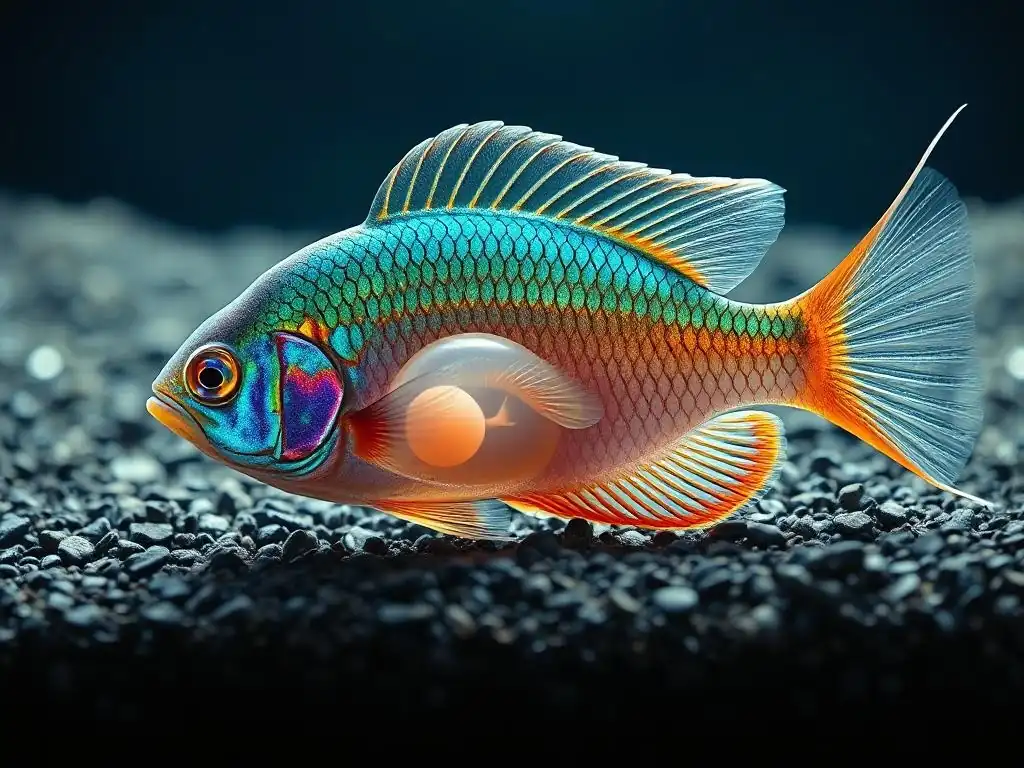
Identifying a pregnant swordtail or variatus is crucial for providing appropriate care and ensuring the survival of their offspring. One of the most prominent signs is the development of a dark "gravid spot" near the anal fin. This spot, located on the underside of the fish, darkens significantly as the eggs inside mature, often becoming a very deep black or brown, especially noticeable in lighter-colored females. This darkening is due to the developing fry's eyes becoming visible through the translucent tissue of the mother.
Beyond the gravid spot, a pregnant swordtail or variatus will exhibit a noticeably swollen and often "boxy" abdomen. Instead of a smooth, rounded belly, the lower half of her body will appear squared off, particularly in the days leading up to birth. This physical change is a direct result of the growing number of fry within her. Additionally, behavioral changes might be observed, such as increased hiding, reduced activity, or a slight change in appetite, all indicating the impending arrival of variatus fry.
Gestation Period: What to Expect During Swordtail & Variatus Pregnancy
The gestation period for swordtails and variatus typically ranges from 24 to 45 days, with an average often falling around 28-30 days under optimal conditions. This period can be influenced by factors such as water temperature; warmer temperatures (e.g., 78-80°F or 25-27°C) can slightly shorten the gestation, while cooler temperatures may extend it. It's important for aquarists to monitor the female closely as she approaches the end of this period, preparing for the birth.
A fascinating aspect of swordtail and variatus reproduction is their ability to store sperm. This means that a single mating can result in multiple broods of fry over several months, often every 4 to 6 weeks, without the presence of a male. This reproductive strategy ensures a continuous supply of new fish, making consistent pregnant swordtail, variatus fry care a recurring task for breeders. Therefore, even if a male is removed from the tank, a female can continue to give birth for up to six months.
Swordtail vs. Variatus: Differences in Pregnancy and Fry Care
While swordtails (Xiphophorus hellerii) and variatus (Xiphophorus variatus) are closely related livebearers, sharing many similarities in their reproductive processes, there are subtle distinctions. Swordtails generally grow larger, with females reaching up to 4.5 inches (11.5 cm), compared to variatus females which typically max out at around 2.5 inches (6.5 cm). This size difference can sometimes correlate with the number of fry produced; larger swordtail females may yield larger broods, potentially 50-100+ fry, whereas variatus females might produce 20-50 fry per birth.
Despite these minor differences in adult size and potential brood count, the fundamental principles of pregnant swordtail, variatus fry care remain largely identical. Both species require similar water parameters, nutritional support, and environmental provisions during pregnancy and for their fry. The care strategies outlined in this guide apply broadly to both species, emphasizing the consistent needs of these prolific livebearers for successful breeding outcomes and healthy variatus fry.
Creating the Ideal Environment for Pregnant Livebearers
Setting Up a Separate Breeding Tank for Swordtails and Variatus
Setting up a dedicated breeding tank is highly recommended for optimizing the survival rate of variatus fry and reducing stress on the pregnant female. A 5 to 10-gallon (19-38 liter) tank is typically sufficient for a single pregnant swordtail or variatus. This smaller environment allows for easier monitoring of the female and the fry, and it prevents other tank inhabitants from preying on the newborns. The tank should be equipped with a gentle sponge filter to avoid sucking in delicate fry and a reliable heater to maintain stable temperatures.
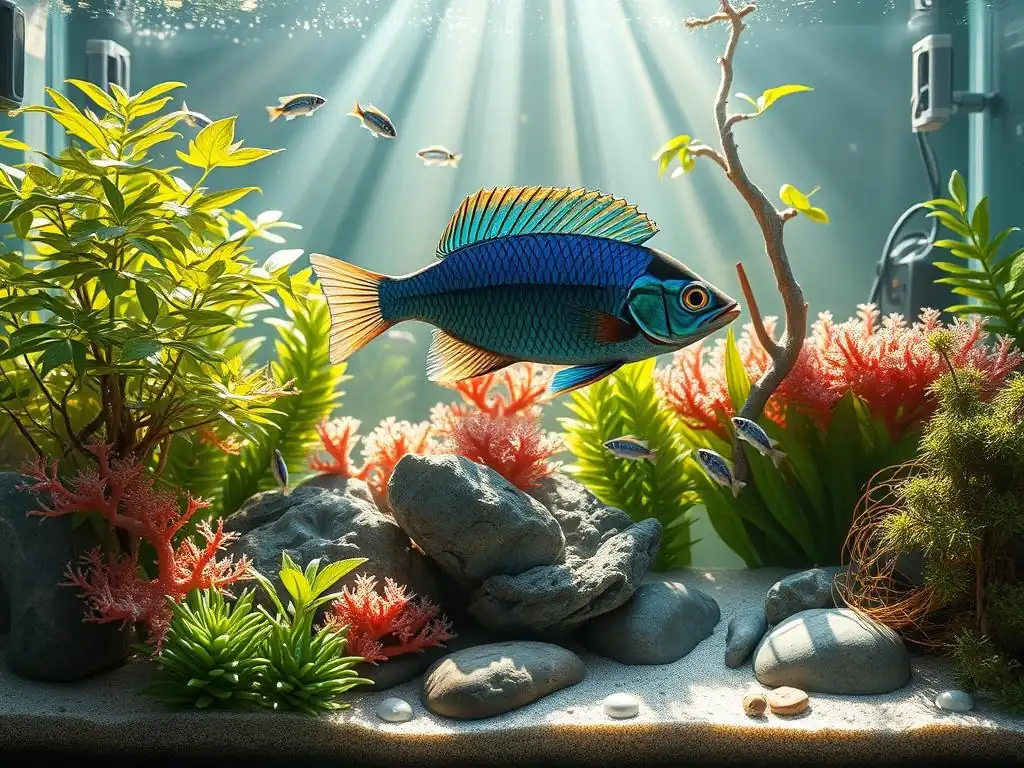
The breeding tank should also include ample hiding spots. Dense live plants like Java moss, hornwort, or guppy grass are excellent choices, providing both shelter for the pregnant female and crucial refuge for the fry immediately after birth. These plants also help to oxygenate the water and absorb nitrates. Having a separate tank minimizes stress on the pregnant swordtail or variatus by isolating her from potential harassment by males or other tank mates, allowing her to focus her energy on gestation and delivery.
Water Parameters for Optimal Pregnancy and Fry Development
Maintaining stable and optimal water parameters is paramount for the health of a pregnant swordtail or variatus and the successful development of her fry. The ideal temperature range for these livebearers is between 75-80°F (24-27°C), as consistent warmth supports metabolism and shortens gestation. The pH should be kept slightly alkaline, ranging from 7.0 to 8.0, and water hardness (GH) between 10-25 dGH. Fluctuations in these parameters can cause significant stress, potentially leading to premature birth or stillbirth.
Regular water changes are critical to prevent the buildup of harmful nitrates and ammonia, which are particularly detrimental to developing fry. Performing 25% water changes weekly, or even more frequently in a smaller breeding tank, ensures pristine conditions. Using a reliable water test kit to monitor ammonia, nitrite, and nitrate levels is essential. Optimal water quality is the cornerstone of effective pregnant swordtail, variatus fry care, promoting strong immune systems and healthy growth.
Plants and Decorations: Providing Shelter and Security for Pregnant Fish and Fry
The strategic placement of plants and decorations within the breeding tank is vital for the well-being of the pregnant female and the survival of the fry. Dense live plants, such as anacharis, water wisteria, or floating plants like duckweed or frogbit, offer abundant hiding spots. These provide security for the pregnant swordtail or variatus as she nears delivery, allowing her to retreat from view and feel safe. This reduced stress can contribute to a smoother birthing process.
Once the fry are born, these same plants become life-saving refuges. Newborn swordtail and variatus fry are tiny, often only a few millimeters long, and are highly vulnerable to predation, even from their own mother. The intricate network of leaves and stems provides immediate cover, allowing the fry to escape and hide until they are large enough to be transferred or until the mother is removed. This natural camouflage significantly increases the survival rate of the delicate variatus fry.
Feeding the Pregnant Swordtail and Variatus for Healthy Fry
Nutritional Needs of Gravid Swordtails and Variatus
A pregnant swordtail or variatus requires an enhanced diet to support both her own health and the rapid development of the fry within her. During gestation, her metabolic rate increases significantly, demanding more energy and specific nutrients. Protein is particularly crucial for the growth of the fry's tissues and organs. A diet rich in high-quality protein, often exceeding the typical 35-40% found in standard flake foods, is highly beneficial.
Beyond protein, essential vitamins and minerals play a vital role. Calcium, for instance, is important for the skeletal development of the fry, while various vitamins support overall immune function and vigor in both the mother and her offspring. A deficiency in any key nutrient can lead to smaller broods, weaker fry, or even complications for the pregnant swordtail herself, highlighting the importance of a comprehensive nutritional approach for effective pregnant swordtail, variatus fry care.
Best Food Choices for Pregnant Swordtails and Variatus
To meet the elevated nutritional demands of a gravid swordtail or variatus, a varied diet is essential. High-quality flake food should serve as the staple, but it should be supplemented with a range of other foods. Live or frozen protein-rich options like brine shrimp, bloodworms, daphnia, or tubifex worms are excellent additions, providing concentrated protein and essential fatty acids. These foods are highly palatable and easily digestible for the fish.
Vegetable matter is also important for digestive health and overall well-being. Blanched spirulina flakes, algae wafers, or even finely chopped blanched zucchini or peas can be offered. Providing a diverse diet ensures that the pregnant swordtail receives all necessary macronutrients and micronutrients, which directly translates to healthier, more robust variatus fry. Aim for a balance of protein, fats, and plant matter to mimic their natural omnivorous diet.
Feeding Frequency and Portion Control During Pregnancy
Given their increased metabolic rate and the energy demands of carrying developing fry, pregnant swordtails and variatus benefit from more frequent feedings. Instead of one large meal, it is advisable to feed them 2 to 3 times a day in smaller portions. This approach ensures a steady supply of nutrients throughout the day, preventing long periods of hunger and supporting continuous fry development. Each feeding should consist of an amount that the fish can consume entirely within 2-3 minutes to prevent overfeeding.
While increased frequency is beneficial, strict portion control is equally important. Overfeeding can quickly lead to excess uneaten food decaying in the tank, which degrades water quality and can cause dangerous spikes in ammonia and nitrite. Poor water quality is a significant stressor for a pregnant swordtail and can lead to health complications or even premature birth. Therefore, careful feeding practices are a crucial component of comprehensive pregnant swordtail, variatus fry care.
The Birthing Process: Swordtail and Variatus Fry Delivery
Recognizing the Signs of Imminent Birth in Swordtails and Variatus
As the gestation period nears its end, a pregnant swordtail or variatus will exhibit several key signs indicating that birth is imminent, usually within 24-48 hours. The most noticeable physical change is the "squaring off" of her abdomen; her belly will appear exceptionally large and boxy, rather than simply rounded. The gravid spot will also become very dark and pronounced, and in some cases, you might even be able to discern tiny dark specks (the fry's eyes) through the skin.
Behaviorally, the female may become more reclusive, seeking out dense plant cover or hiding spots. She might also exhibit labored breathing, remain still at the bottom of the tank, or occasionally twitch or shiver. Some females may stop eating entirely in the hours before birth. Recognizing these signs allows the aquarist to prepare the birthing environment and ensure the safety of the impending variatus fry.
Providing a Safe Birthing Environment
A safe and stress-free birthing environment is paramount for successful delivery and fry survival. If a separate breeding tank has been set up, ensure it is calm, quiet, and well-planted with dense cover. If a breeding box is used within the main tank, ensure it is clean and has a grill or small openings that allow fry to drop through to a separate compartment, protecting them from the mother. While convenient, breeder boxes can be stressful for the female due to confinement.
Regardless of the chosen setup, minimize disturbances around the tank during this critical period. Bright lights, sudden movements, or aggressive tank mates can all add stress to the pregnant swordtail, potentially prolonging labor or leading to complications. A peaceful environment promotes a smooth birthing process, contributing significantly to the overall success of pregnant swordtail, variatus fry care.
What to Do After the Swordtail or Variatus Gives Birth
Immediately after the swordtail or variatus has given birth to all her fry, it is crucial to remove the mother from the fry's environment. Livebearers, including swordtails and variatus, have a natural instinct to prey on their own offspring, especially when hungry. If the birth occurred in a breeder box, gently transfer the mother back to the main tank. If she gave birth in a heavily planted breeding tank, carefully net her out.
Once the mother is removed, the focus shifts entirely to the newborn variatus fry. Ensure they have ample hiding spots within their dedicated fry tank or a well-planted section of the main tank (if no separate tank is available). Maintain pristine water quality and prepare their first foods. Swift action post-birth is critical for maximizing the survival rates of the delicate fry, making it a cornerstone of effective pregnant swordtail, variatus fry care.
Swordtail and Variatus Fry Care: From Birth to Juvenile
Initial Care for Newborn Swordtail and Variatus Fry
The first few days are critical for newborn swordtail and variatus fry. Their primary needs are pristine water quality, stable parameters, and appropriate food. Due to their small size and undeveloped immune systems, they are highly susceptible to ammonia and nitrite poisoning. Therefore, small, frequent water changes (e.g., 10% daily or every other day) using a fine gravel vacuum or a airline tubing to siphon carefully around the fry are essential to prevent the buildup of toxins.
Maintaining a stable water temperature within their optimal range (75-80°F or 24-27°C) is also vital, as sudden temperature fluctuations can be fatal. A gentle sponge filter is highly recommended as it provides biological filtration without creating strong currents that can exhaust or injure the tiny variatus fry. Consistent monitoring of water parameters with a test kit ensures a safe and healthy environment for their initial development.
Feeding Swordtail and Variatus Fry: First Foods and Nutritional Needs
Newborn swordtail and variatus fry have tiny mouths and high metabolic rates, requiring specialized foods and frequent feedings. Their first foods should be very fine and nutrient-dense. Excellent options include finely crushed high-quality flake food (powdered between your fingers), specialized commercial fry food, or live foods such as newly hatched brine shrimp or microworms. Brine shrimp, in particular, are highly nutritious and stimulate the fry's natural hunting instincts.
Fry should be fed small amounts 3 to 5 times a day. Their stomachs are tiny, so they can only consume a small quantity at a time, but their rapid growth demands a continuous supply of energy. Overfeeding should be avoided, as uneaten food will quickly foul the water. Consistent, appropriate feeding is a cornerstone of successful pregnant swordtail, variatus fry care, directly impacting their growth rate and overall health.
Maintaining Water Quality for Growing Fry
As swordtail and variatus fry grow, maintaining impeccable water quality remains paramount. While they become slightly more robust, they are still more sensitive to pollutants than adult fish. Regular water changes, perhaps 15-20% every 2-3 days, continue to be essential to dilute nitrates and replenish minerals. Always use dechlorinated water that matches the temperature of the fry tank to avoid shock.
A well-maintained sponge filter is crucial for biological filtration, breaking down harmful ammonia and nitrite. Periodically rinsing the sponge in old tank water (not tap water) helps preserve the beneficial bacteria. Consistent water quality prevents common fry issues like stunted growth, fin rot, and other bacterial infections, ensuring the variatus fry develop into healthy juveniles.
Protecting Fry from Adult Fish: Prevention Strategies
The most effective strategy for protecting swordtail and variatus fry from adult fish, including their own parents, is physical separation. This is why a dedicated fry tank or a breeder box is highly recommended. Once the mother has given birth, she should be promptly removed from the fry's environment. This immediate removal significantly increases the survival rate of the delicate newborns.
If a separate tank is not feasible and fry are born in a community aquarium, providing exceptionally dense planting, especially floating plants like guppy grass or water sprite, offers some level of protection. These plants create intricate hiding spots where tiny variatus fry can seek refuge from larger fish. However, even with dense planting, some predation is inevitable, making dedicated fry housing the superior choice for maximizing survival and successful pregnant swordtail, variatus fry care.
Common Problems and Solutions in Pregnant Swordtails and Variatus
Dealing with Stress and Pregnancy Complications
Stress is a significant factor that can lead to complications during swordtail and variatus pregnancy, including premature birth, stillbirth, or even the death of the mother. Common stressors include poor water quality, overcrowding, aggressive tank mates, constant harassment by males, and sudden environmental changes. A pregnant swordtail under severe stress may exhibit clamped fins, lethargy, or rapid breathing.
To mitigate stress, ensure the female is in a calm, stable environment, ideally a separate breeding tank with ample hiding spots. Maintain optimal and consistent water parameters, and ensure she is not being harassed by males (a good male-to-female ratio of 1:2-3 helps). Providing a high-quality, varied diet also strengthens her resilience. Addressing these stressors proactively is a key part of effective pregnant swordtail, variatus fry care and overall maternal health.
Preventing and Treating Diseases in Pregnant Fish
Pregnant swordtails and variatus are often more susceptible to diseases due to the physiological demands of gestation which can weaken their immune system. Common ailments include Ich (white spot disease), fin rot, and various bacterial infections. Prevention is always the best approach: maintaining excellent water quality, providing a nutritious diet, and quarantining any new fish for at least two weeks before introduction to the main tank.
If a pregnant swordtail contracts a disease, treatment can be challenging as many aquarium medications are harsh and potentially harmful to developing fry or the pregnant female herself. Opt for the mildest effective treatment, and consider half-doses or natural remedies like salt baths (for Ich) if appropriate, always monitoring the fish closely. Consulting an experienced aquarist or veterinarian is advisable for severe cases to ensure the safest pregnant swordtail, variatus fry care.
Addressing Premature Birth or Stillbirth in Swordtails and Variatus
Premature birth or stillbirth in swordtails and variatus can be distressing and often indicates underlying issues. These complications can stem from severe stress, poor nutrition, disease, or extreme fluctuations in water parameters. A pregnant swordtail experiencing premature birth may deliver unformed or underdeveloped fry, while stillbirth involves fully formed but deceased fry.
To address these issues, a thorough review of the tank conditions and the female's care routine is necessary. Ensure water parameters are stable and optimal, the diet is rich and varied, and all sources of stress (e.g., aggressive tank mates, overcrowding) are eliminated. While not all cases of premature birth or stillbirth are preventable, consistent, high-quality pregnant swordtail, variatus fry care significantly reduces their likelihood and promotes healthier reproductive outcomes.
Raising Healthy Swordtail and Variatus Fry: Long-Term Care
Gradual Introduction to the Main Tank
Once swordtail and variatus fry have grown to a sufficient size, typically around 1 to 1.5 inches (3-4 cm) in length, they can be gradually introduced to the main community tank. This size makes them less likely to be seen as food by adult fish and more capable of competing for food. The introduction should be gradual to acclimate them to the main tank's water parameters and social dynamics.
A common method is to float a small container with the fry in the main tank for 30 minutes to an hour, slowly adding small amounts of the main tank water to the container every 10-15 minutes. This minimizes shock. Ensure the main tank has sufficient hiding spots and that its inhabitants are not overly aggressive. Monitoring the fry closely for the first few days after introduction is crucial to ensure their continued safety and successful integration, completing the cycle of pregnant swordtail, variatus fry care.
Monitoring Fry Growth and Development
Consistent monitoring of swordtail and variatus fry growth and development is essential to ensure their long-term health. Under optimal conditions (good feeding, pristine water), fry can grow quite rapidly, often reaching sexual maturity and breeding size within 3 to 4 months. Observe them regularly for signs of stunted growth, which can indicate insufficient food, poor water quality, or overcrowding.
Also, watch for any physical deformities, such as curved spines or unusual fin development, which could point to genetic issues or nutritional deficiencies. Early detection of problems allows for timely intervention, whether it involves adjusting feeding, improving water conditions, or even culling individuals to maintain the health of the overall brood. This attentive observation is a vital part of comprehensive variatus fry care.
Preventing Inbreeding and Genetic Issues
While livebearers are prolific, continuous inbreeding over multiple generations can lead to a decline in the health and vigor of swordtail and variatus populations. Inbreeding can result in reduced growth rates, increased susceptibility to diseases, lower fertility, and a higher incidence of genetic deformities. This can significantly impact the long-term success of a breeding program.
To prevent inbreeding and maintain genetic diversity, it is advisable to introduce new, unrelated breeding stock periodically. For instance, after 2-3 generations, consider acquiring new males or females from a different source. This infusion of new genetics helps to strengthen the line, improves overall health, and ensures the continued production of robust pregnant swordtail, variatus fry in future broods, contributing to the health of the species.
Swordtail and Variatus Breeding Tips for Success
Selecting Healthy Breeding Stock
The foundation of successful swordtail and variatus breeding lies in selecting healthy, vibrant breeding stock. Choose fish that are active, show good coloration, have well-formed fins, and are free from any visible signs of disease or deformities. Avoid fish that appear lethargic, have clamped fins, or show signs of stress. Opt for females that are robust and well-fed, as their condition directly impacts the health and number of fry produced.
For optimal breeding success and to minimize stress on the females, maintain a male-to-female ratio of at least 1 male to 2-3 females. This ensures that the male's attention is distributed, preventing any single female from being constantly harassed, which can lead to stress and reduced fertility. Healthy, unstressed parents are crucial for producing strong, viable pregnant swordtail, variatus fry care and future generations.
Optimizing Breeding Conditions
Optimizing breeding conditions for swordtails and variatus involves creating an environment that encourages reproduction and supports the development of healthy fry. Maintain stable water parameters within their ideal range: temperature between 78-80°F (25-27°C), pH 7.0-8.0, and moderate to hard water (10-25 dGH). Slightly higher temperatures within this range can often stimulate breeding activity.
A high-quality, varied diet, as previously discussed, is also critical. Well-fed fish are more likely to breed successfully and produce healthier offspring. Providing ample hiding spots, especially for the females, helps reduce stress and encourages natural behavior. Consistent, clean water and a balanced diet are key factors in promoting regular spawning and ensuring the health of the pregnant swordtail and her numerous variatus fry.
Maximizing Fry Survival Rates: Utilizing Floating Plants and Regular Water Changes
Maximizing the survival rates of swordtail and variatus fry requires proactive measures, with floating plants and diligent water changes being paramount. Dense floating plants such as hornwort, guppy grass, or water sprite provide immediate, crucial cover for newborn fry upon birth. The intricate network of roots and leaves offers countless hiding spots where the tiny fry can escape predation from adult fish, including their own mother, significantly increasing their chances of survival.
Furthermore, regular, small water changes in the fry tank are absolutely essential. Newborn fry are incredibly sensitive to ammonia, nitrite, and nitrate, which can accumulate rapidly in a small tank, especially with frequent feedings. Performing 10-15% water changes daily or every other day ensures pristine water quality, reduces stress, and prevents disease. This consistent attention to environmental conditions is the most impactful aspect of successful pregnant swordtail, variatus fry care and their long-term health.
Frequently Asked Questions
How can I tell if my swordtail or variatus is pregnant?
Look for a noticeably swollen abdomen and a dark gravid spot near the anal fin. The fish may also exhibit behavioral changes such as hiding more often.
What are the ideal water parameters for a pregnant swordtail and variatus?
Maintain a stable temperature between 72-78°F, a pH of 7.0-8.0, and excellent water quality. Regular water changes are crucial to minimize stress on the mother.
When should I move the pregnant swordtail or variatus to a separate breeding tank?
Move her a week or two before the expected birth to a separate, well-planted tank to prevent the mother or other fish from eating the fry. This also helps reduce stress for the mother.
What should I feed the swordtail and variatus fry?
Feed them newly hatched brine shrimp, microworms, or commercially available fry food. Offer small amounts several times a day for optimal growth.
How often should I change the water in the fry tank?
Perform small, frequent water changes (10-20%) every other day to maintain water quality and prevent ammonia buildup, which is deadly to young fry.
Final Reflection: Cultivating Life and Legacy
The journey of nurturing life, as we've explored through the specific care required for pregnant swordtails and variatus, resonates deeply with the broader human experience. Understanding the delicate balance needed to ensure the health of these fish and their fry mirrors the responsibility we have to foster growth and well-being in all aspects of our lives. This isn't just about fishkeeping; it's about appreciating the interconnectedness of life and the impact of our actions on future generations.
This meticulous attention to detail, from water parameters to nutritional needs, highlights the profound influence we have on the success of new life. Witnessing the birth and growth of these tiny creatures serves as a powerful reminder of the beauty and fragility of life, and the importance of providing a nurturing environment for all. The best way to predict the future is to create it.
This quote, often attributed to Peter Drucker, perfectly encapsulates the proactive role we play in shaping the lives of those entrusted to our care, whether they be fish or future generations.
So, as you observe your own pregnant swordtails and variatus, remember that the principles of careful observation, proactive intervention, and unwavering dedication extend far beyond the aquarium. Let the lessons learned in providing optimal care for these expectant mothers and their fry inspire you to cultivate a more nurturing and supportive environment in your own life, fostering growth, resilience, and a brighter future for all.
Unlock the Secrets to Thriving Swordtail Fry!
Thank you for exploring the world of pregnant swordtails and variatus with us. We hope you've found valuable insights to help you on your fishkeeping journey! Now, let's put that knowledge into action and create the best possible environment for those precious fry.
- Immediately prepare a dedicated breeding tank using the tips shared to minimize stress and ensure maximum fry survival.
- Dive deeper! Explore other livebearer species to broaden your understanding of fish reproduction and care.
- Share your experience! What's one surprising thing you've learned about pregnant swordtails that you wish you knew sooner?