
Internal Parasites in Angelfish & Discus: Signs and Effective Treatments

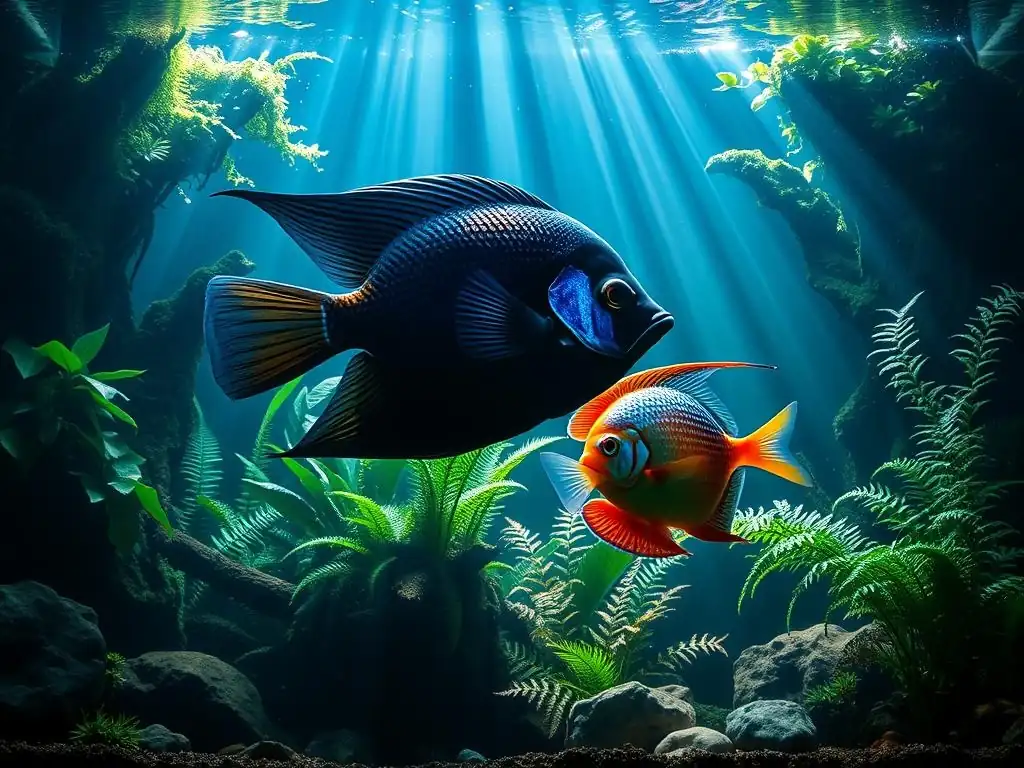
Welcome to Aquarium Mastery! Ever noticed your majestic Angelfish or elegant Discus acting slightly off? Is their vibrant color fading, or are they suddenly uninterested in food? Dive in and uncover the secrets to identifying and combating internal parasites in your beloved Angelfish and Discus. Learn how to spot the subtle signs and explore proven treatment strategies to restore their health and vitality. Your journey to mastering aquarium health starts here – let's get started!
- Understanding Internal Parasites in Angelfish and Discus
- Recognizing the Signs of Internal Parasites in Angelfish and Discus
- Effective Treatments for Internal Parasites in Angelfish and Discus
- Quarantine and Prevention Protocols for Internal Parasites
- Long-Term Care and Recovery After Internal Parasite Treatment
-
Frequently Asked Questions
- How can I tell if my Angelfish or Discus have an internal parasite?
- What are the most common internal parasites that affect Angelfish and Discus?
- What are some effective treatments for internal parasites in Angelfish and Discus?
- How can I prevent internal parasites from infecting my Angelfish and Discus?
- Is it possible for internal parasites to spread from Angelfish or Discus to other fish in the aquarium?
- Final Reflection: Protecting Aquatic Harmony
- Unleash Your Angelfish & Discus's True Potential!
Understanding Internal Parasites in Angelfish and Discus
What are the Most Common Internal Parasites Affecting Angelfish and Discus?
Angelfish and Discus, renowned for their beauty, are unfortunately susceptible to a range of internal parasites that can significantly impact their health and longevity. Among the most prevalent are flagellates like Hexamita (often associated with "Hole-in-the-Head disease") and Spironucleus, and various species of nematodes (roundworms) such as Capillaria and Camallanus. Hexamita infection is particularly common in cichlids, including Angelfish and Discus, and is often exacerbated by poor water conditions or stress. These microscopic flagellates inhabit the intestinal tract, leading to nutrient malabsorption and, in severe cases, systemic issues.
Capillaria and Camallanus are internal worms that can cause severe emaciation and organ damage. Capillaria worms reside in the gut, leading to a gradual decline in the fish's condition despite seemingly normal feeding behavior. Camallanus worms are distinctively red and can sometimes be seen protruding from the anus of an infected fish, indicating a severe parasitic burden. While precise prevalence rates vary, it's estimated that a significant percentage of wild-caught Discus carry some form of internal parasite, making prophylactic treatment a common practice in their care.
Why are Angelfish and Discus Susceptible to Internal Parasites?
The inherent susceptibility of Angelfish and Discus to internal parasites stems from a combination of their delicate nature, specific environmental requirements, and often, their captive breeding or wild-caught origins. Both species are highly sensitive to water quality fluctuations and stress. For instance, Discus thrive in stable water parameters, typically preferring a pH between 6.0 and 7.0 and temperatures ranging from 82-86°F (28-30°C). Any deviation from these optimal conditions can weaken their immune system, making them more vulnerable to opportunistic parasitic infections. Angelfish also prefer stable environments, usually with a pH of 6.5-7.5 and temperatures of 78-84°F (25.5-29°C).
Overcrowding, inconsistent feeding schedules, and inadequate filtration further contribute to stress and a compromised immune response. Wild-caught specimens often carry a higher parasite load from their natural habitats, which can then spread to tank-bred fish in a shared aquarium. The Angelfish discus internal parasite issue is often exacerbated when new, unquarantined fish are introduced, bringing new pathogens into an established system. Their specialized diets, if not met with high-quality, varied foods, can also lead to nutritional deficiencies that undermine their natural defenses against parasitic invaders.
Prevention Strategies for Internal Parasites
Effective prevention of Angelfish discus internal parasite infestations hinges on maintaining a pristine environment and implementing strict biosecurity measures. The cornerstone of prevention is consistent, high-quality water management. This includes performing regular water changes, typically 25-30% weekly for Angelfish and potentially 30-50% twice a week for Discus, especially in heavily stocked tanks, to keep nitrate levels below 20 ppm. Excellent filtration, combining mechanical, biological, and sometimes chemical filtration, is also crucial to remove organic waste that can contribute to stress and harbor parasites.
A balanced and varied diet is equally important for boosting the fish's natural immunity. Feeding high-quality flakes or pellets supplemented with frozen foods like bloodworms, brine shrimp, and Mysis shrimp provides essential nutrients. Overfeeding should be avoided, as uneaten food decomposes and degrades water quality. Furthermore, reducing general stress factors, such as maintaining stable temperatures, avoiding rapid pH swings, and providing adequate space and hiding spots, helps keep Angelfish and Discus robust and less susceptible to opportunistic infections.
Recognizing the Signs of Internal Parasites in Angelfish and Discus
Early Warning Signs of Internal Parasites in Angelfish
Detecting internal parasites in Angelfish at an early stage is critical for successful treatment. One of the primary indicators is a noticeable change in appetite; an Angelfish that typically eagerly approaches for food might become lethargic, refuse to eat, or spit out food. Their coloration may darken significantly, and their fins might appear clamped close to their body, indicating general discomfort. Subtle weight loss can occur even if the fish appears to be eating, as the parasites are consuming nutrients.
Perhaps the most telling early sign of an Angelfish discus internal parasite infection, particularly flagellates like Hexamita, is the appearance of white, stringy feces. Unlike normal, solid brown or black waste, this stringy, often translucent fecal matter suggests internal inflammation and malabsorption. While these symptoms can sometimes overlap with other ailments, the combination of reduced appetite, lethargy, and stringy white feces strongly points towards an internal parasitic issue. Prompt observation and intervention at this stage can prevent the disease from progressing to more severe, harder-to-treat conditions.
Identifying Advanced Stages of Internal Parasite Infestation in Discus
In Discus, advanced stages of internal parasite infestation present with more pronounced and often devastating symptoms. Severe emaciation is common, leading to a "knife-edge" appearance where the fish's body becomes noticeably thin and compressed, resembling a razor blade. Despite appearing to eat, the fish continues to lose weight due to the parasites consuming their nutrients. Another hallmark of advanced flagellate infections, particularly Hexamita, is the development of "Hole-in-the-Head disease," characterized by distinct pitting, lesions, and erosion along the lateral line and on the head, especially around the eyes and forehead. These lesions can sometimes resemble small craters.
Other severe signs include persistent dark coloration, severe lethargy, and hiding behavior. In cases of advanced nematode infections, such as Camallanus, the red, thread-like worms may be visibly protruding from the fish's anus. Bloating can also occur, particularly if the digestive system is severely compromised or if secondary bacterial infections set in. At this stage, the fish's immune system is severely weakened, making recovery more challenging and requiring aggressive treatment for the Angelfish discus internal parasite.
Distinguishing Internal Parasites from Other Angelfish and Discus Diseases
Distinguishing internal parasites from other common Angelfish and Discus diseases requires careful observation of specific symptoms. While general signs like lethargy, dark coloration, and reduced appetite are common across many fish ailments, certain indicators are more specific to internal parasitic infections. The presence of white, stringy, or translucent feces is a strong indicator of an internal parasite, especially flagellates, whereas bacterial infections might lead to more solid, discolored waste.
External parasites like Ich (white spots) or Velvet (gold dust-like coating) manifest visibly on the fish's body or fins, accompanied by flashing or rubbing behavior. Bacterial infections often cause fin rot, body sores, or dropsy (swelling with scales protruding). For instance, a Discus with a bacterial infection might show rapid breathing and cloudy eyes, while one with an internal parasite might exhibit severe emaciation despite a clear external appearance.
If a fish is losing weight but not showing external lesions or obvious signs of bacterial infection, an Angelfish discus internal parasite is highly probable. Microscopic examination of fresh fecal samples, if feasible, can provide a definitive diagnosis by identifying the specific parasites.
Effective Treatments for Internal Parasites in Angelfish and Discus
Medicated Food for Internal Parasite Control in Angelfish & Discus
Using medicated food is often the preferred method for controlling internal parasites in Angelfish and Discus due to its targeted delivery and reduced stress on the fish. This approach ensures the medication reaches the parasitic organisms directly in the digestive tract, where they reside, without significantly impacting beneficial bacteria in the filter. Common medications incorporated into food include Metronidazole for flagellates, Praziquantel for tapeworms and flukes, and Fenbendazole for nematodes like Capillaria and Camallanus.
To prepare medicated food, a common method involves mixing the powdered medication with a small amount of frozen food, such as bloodworms or brine shrimp, and using a binder like gelatin or unflavored fish food flakes to create a paste. For example, a typical Metronidazole dosage for medicated food might be 250-500 mg per 100 grams of food, fed once daily for 5-7 days. Alternatively, commercial pre-medicated foods are available, offering convenience and consistent dosing. It's crucial that the fish are still eating for this method to be effective, as non-feeding fish will not ingest the medication.
Deworming Angelfish and Discus: Medication Options and Dosage
Deworming Angelfish and Discus effectively requires selecting the appropriate medication based on the suspected parasite type. For flagellates like Hexamita and Spironucleus, Metronidazole is the drug of choice. For nematodes (roundworms) such as Capillaria and Camallanus, Fenbendazole is highly effective. Praziquantel is used for cestodes (tapeworms) and trematodes (flukes). These medications can be administered either as a bath treatment directly into the water or via medicated food.
When using bath treatments, precise dosing and careful monitoring are essential. Praziquantel is often dosed at 2.5 mg per liter (approximately 10 mg per gallon) as a 24-48 hour bath, often repeated after 10-14 days to target newly hatched parasites. Fenbendazole can be administered at a concentration of 0.1-0.2 grams per 10 gallons of water, typically for 3-5 days. Always ensure proper aeration and remove activated carbon from the filter during treatment. A follow-up treatment after a specified period is often necessary to break the parasite's life cycle and prevent re-infestation of Angelfish discus internal parasite.
Metronidazole: A Detailed Guide for Treating Internal Parasites
Metronidazole is a potent antiprotozoal and antibacterial medication widely used in aquaculture, particularly effective against anaerobic bacteria and flagellates like Hexamita and Spironucleus, which are common Angelfish discus internal parasite culprits. It can be administered through medicated food or as a direct water treatment. For bath treatment, a common dosage is 250-500 mg per 10 gallons of water, administered daily for 3-5 days. Before each daily dose, a 25-30% water change is recommended to remove previous medication and waste. For instance, a 50-gallon tank would require 1250-2500 mg of Metronidazole daily.
When using Metronidazole, it's crucial to remove activated carbon from the filter as it will absorb the medication, rendering it ineffective. While generally safe, high concentrations or prolonged use can sometimes impact beneficial bacteria in the filter, so close monitoring of ammonia and nitrite levels is advisable. Medicated food is often preferred for Angelfish and Discus that are still eating, as it delivers the medication directly to the gut, minimizing its impact on the beneficial bacteria in the aquarium's biofilter. A typical medicated food dosage might be 250 mg per tablespoon of food, fed twice daily for 5-7 days.
Treating Internal Parasites in Angelfish and Discus Fry
Treating internal parasites in Angelfish and Discus fry presents unique challenges due to their delicate nature and small size. Fry are particularly susceptible to stress and medication sensitivity, requiring careful dosing and observation. Medicated food is often the preferred method for fry, as it minimizes the overall medication concentration in the water column and delivers the treatment directly to the digestive system. However, if fry are not yet eating solid foods or are severely emaciated, bath treatments may be necessary, but at significantly reduced dosages.
For instance, when using Metronidazole for fry, dosages are often halved or even quartered compared to adult fish, and the treatment duration might be shorter, typically 3 days. It is paramount to maintain impeccable water quality in fry tanks, as poor conditions can exacerbate parasitic issues and stress the young fish further. Regular, small water changes are essential. Preventing internal parasites in fry begins with treating the parent fish before breeding and ensuring a scrupulously clean breeding and grow-out environment. Fry are highly vulnerable to re-infection from the parents or an unclean substrate, making vigilant husbandry crucial.
Quarantine and Prevention Protocols for Internal Parasites
Setting up a Quarantine Tank for Suspected Angelfish and Discus
Establishing a dedicated quarantine tank is an indispensable step in preventing the introduction and spread of Angelfish discus internal parasite. This separate tank should be a simple setup, typically 10-20 gallons for a few Angelfish or one to two Discus, equipped with essential life support: a reliable heater to maintain stable temperatures (e.g., 82°F for Discus), and a simple sponge filter or hang-on-back filter for mechanical and biological filtration. Avoid using substrate or elaborate decorations, as these can harbor parasites and make cleaning difficult.
The water parameters in the quarantine tank should closely match those of the main display tank to minimize stress during transfer. This setup allows for close observation of new or sick fish without risking the health of the entire aquarium. It also facilitates easier treatment, as medications can be precisely dosed for a smaller volume of water, and water changes are more manageable. A quarantine tank serves as a crucial buffer, protecting your established fish population from potential parasitic outbreaks.
The Importance of Quarantine for Preventing Internal Parasite Spread
Quarantine is the single most effective measure to prevent the spread of internal parasites and other diseases within an aquarium system. A minimum quarantine period of 2-4 weeks for all new Angelfish and Discus is highly recommended. This duration allows sufficient time for common parasitic life cycles to manifest symptoms, such as the appearance of white stringy feces or emaciation. During this period, new fish can be observed for any signs of illness, allowing for early intervention before they are introduced to the main tank.
Beyond observation, a prophylactic treatment regimen can be implemented during quarantine. For example, a broad-spectrum dewormer like PraziPro (effective against flukes and tapeworms) or Fenbendazole (for nematodes) can be administered, followed by a course of Metronidazole for flagellates. This proactive approach significantly reduces the risk of new fish carrying dormant or subclinical Angelfish discus internal parasite infestations into the established community, safeguarding the health of your entire collection and preventing costly and stressful widespread treatments.
Maintaining Optimal Water Quality to Minimize Internal Parasite Risk
Maintaining optimal water quality is fundamental to minimizing the risk of internal parasite infections in Angelfish and Discus. Poor water conditions are a significant stressor that compromises the fish's immune system, making them highly susceptible to opportunistic parasitic invaders. Regular water changes are paramount; for Discus, this often means 30-50% water changes two to three times a week, especially in heavily stocked tanks, to keep nitrate levels consistently below 10-20 ppm. For Angelfish, weekly 25% water changes are typically sufficient.
Beyond water changes, robust filtration is essential. A combination of mechanical filtration (to remove particulate matter), biological filtration (to process ammonia and nitrite), and occasional chemical filtration (like activated carbon to remove impurities) creates a stable and clean environment. Regular testing of water parameters—ammonia, nitrite, nitrate, pH, and temperature—ensures conditions remain within the ideal range for these sensitive fish. Avoiding overstocking also helps maintain water quality and reduces competition and stress, further strengthening the fish's natural defenses against Angelfish discus internal parasite.
Long-Term Care and Recovery After Internal Parasite Treatment
Restoring Gut Health in Angelfish and Discus After Deworming
After a course of deworming medication, the gut health of Angelfish and Discus can be compromised, as medications can sometimes disrupt beneficial gut flora. Restoring this balance is crucial for full recovery and long-term well-being. Incorporating fish-specific probiotics into their diet is highly beneficial; these can be found in commercial fish foods or as liquid supplements that can be added to regular food. Probiotics help re-establish healthy gut bacteria, improving digestion and nutrient absorption.
Alongside probiotics, feeding a nutrient-rich, easily digestible diet is important. High-quality flakes or pellets supplemented with blanched peas (a good source of fiber) and spirulina-enriched foods can aid digestion and provide essential vitamins and minerals. Adding liquid vitamins, particularly Vitamin C, to their food can also boost their immune system and aid in tissue repair. Overfeeding should be avoided during this recovery phase to prevent further stress on the digestive system and maintain excellent water quality.
Monitoring Angelfish and Discus for Relapse of Internal Parasites
Even after successful treatment, diligent monitoring of Angelfish and Discus for signs of relapse is essential. Some internal parasites have complex life cycles, and dormant stages or eggs might survive initial treatments, leading to re-infestation. For at least 2-3 weeks following the completion of medication, closely observe your fish daily for any recurrence of symptoms such as white, stringy feces, decreased appetite, lethargy, darkening coloration, or continued emaciation.
Pay particular attention to fish that were most severely affected, as they might be more prone to relapse. Maintaining pristine water quality and a low-stress environment is paramount during this period, as these factors directly influence the fish's immune response. If any signs of Angelfish discus internal parasite recurrence are noted, a second, often shorter, course of treatment may be necessary. Consistent observation allows for prompt action, preventing a full-blown re-infestation and protecting the health of your entire aquarium.
Best Practices for Feeding Angelfish and Discus to Prevent Future Infections
Optimal feeding practices are a cornerstone of preventing future Angelfish discus internal parasite infections. A varied and high-quality diet boosts the fish's immune system, making them more resilient to pathogens. This includes a staple of premium flakes or pellets, supplemented with a variety of frozen foods like bloodworms, Mysis shrimp, and brine shrimp. Some aquarists also include blanched peas as a source of fiber to aid digestion.
Avoid feeding live foods from unreliable sources, as these can be carriers of parasites. If using live foods, ensure they are from reputable, cultured sources. Always thaw frozen foods completely before feeding and avoid overfeeding, as uneaten food quickly decays, leading to poor water quality and increased stress. Feeding small portions several times a day is preferable to one large meal, as it aids digestion and prevents water fouling. Soaking dry foods in tank water or a vitamin supplement before feeding can also improve digestibility and nutrient absorption, contributing to robust health and defense against Angelfish discus internal parasite.
Frequently Asked Questions
How can I tell if my Angelfish or Discus have an internal parasite?
Look for signs like weight loss, even with good appetite, white stringy feces, and lethargy. These symptoms can indicate an internal parasite infection requiring prompt treatment.
What are the most common internal parasites that affect Angelfish and Discus?
Common culprits include Hexamita (Spironucleus), which often causes hole-in-the-head disease, and various types of intestinal worms. Proper identification is crucial for effective treatment.
What are some effective treatments for internal parasites in Angelfish and Discus?
Medications containing metronidazole are often effective against Hexamita. For intestinal worms, praziquantel or levamisole are frequently used. Always follow dosage instructions carefully.
How can I prevent internal parasites from infecting my Angelfish and Discus?
Maintain excellent water quality, quarantine new fish before introducing them to the main tank, and feed a varied and high-quality diet. This strengthens their immune systems and reduces susceptibility.
Is it possible for internal parasites to spread from Angelfish or Discus to other fish in the aquarium?
Yes, many internal parasites are contagious and can spread through contaminated water or by fish consuming infected feces. Prompt treatment and quarantine are essential to prevent outbreaks.
Final Reflection: Protecting Aquatic Harmony
The prevalence of internal parasites in angelfish and discus, as highlighted in this article, underscores the delicate balance within our aquariums and the responsibility we bear as caretakers. Understanding the signs and implementing effective treatments is not merely about maintaining aesthetically pleasing fish; it's about safeguarding the health and well-being of these captivating creatures and the entire aquatic ecosystem they inhabit.
The fight against internal parasites in angelfish and discus is a constant one, reflecting a broader struggle for responsible pet ownership and a deeper understanding of the interconnectedness of life. It's a reminder that even in the controlled environment of our tanks, nature's challenges persist. The greatness of a nation and its moral progress can be judged by the way its animals are treated.
- Mahatma Gandhi. This quote, though not directly about fish, resonates deeply with the ethical considerations involved in keeping these animals.
As we conclude this exploration of angelfish and discus internal parasites, let us not simply file away this information. Instead, let us commit to vigilant observation, proactive prevention, and informed treatment. Take the knowledge gained here and apply it to your own aquariums, sharing your experiences and insights with fellow enthusiasts. By working together, we can create healthier, more vibrant aquatic environments for these magnificent fish to thrive.
Unleash Your Angelfish & Discus's True Potential!
Thank you for diving into the world of angelfish and discus health! We hope this article has given you the knowledge to spot and combat internal parasites, ensuring a vibrant and thriving aquarium. Now, it's time to take action and create the healthiest environment possible for your finned friends.
Here's what you can do next:
- Immediately implement a quarantine protocol if you suspect parasites. This is your primary defense against a tank-wide infestation.
- Explore alternative treatment methods, researching natural remedies alongside traditional medications to find the best holistic approach for your fish.
- Share this article with fellow aquarists and start a discussion about your experiences with parasite treatment and prevention.
What surprising symptom of internal parasites have you observed in your angelfish or discus?