
Taming the Territory: Understanding and Managing Gourami Aggression

Welcome to Aquarium Mastery!
Ever wondered how to keep the peace in your freshwater aquarium, especially with those often-territorial Gouramis? You're in the right place! Dive into our guide, "Taming the Territory: Understanding and Managing Gourami Aggression," and unlock the secrets to a harmonious tank. Discover expert tips and techniques to minimize conflict and ensure your aquatic companions thrive. Ready to create a more peaceful underwater world? Let's get started!
- Understanding Gourami Aggression: A Comprehensive Guide for Aquarium Keepers
- Gourami Aggression Management Tips: Proven Strategies for Peaceful Tanks
-
Specific Gourami Species and Their Aggression Levels: A Comparative Look
- Dwarf Gourami Aggression: Managing Territorial Disputes in Smaller Tanks
- Pearl Gourami Temperament: Generally Peaceful, but Still Requires Careful Monitoring
- Three Spot Gourami Aggression: Understanding the Hierarchy and Minimizing Conflict
- Kissing Gourami Behavior: Separating Myth from Reality Regarding Aggression
- Long-Term Strategies for Reducing Gourami Aggression: Creating a Harmonious Aquarium Environment
- Preventing Future Aggression: Proactive Steps for a Peaceful Gourami Tank
-
Frequently Asked Questions
- What are the most common reasons for aggression in Gouramis?
- Which Gourami species are typically more aggressive than others?
- How can I identify signs of aggression in my Gourami tank?
- What are some effective ways to reduce aggression in a Gourami tank?
- When is it necessary to separate an aggressive Gourami from the rest of the tank?
- Final Reflection: Harmony in the Aquarium
- Unleash Gourami Harmony!
Understanding Gourami Aggression: A Comprehensive Guide for Aquarium Keepers
Why are Gouramis Aggressive? Exploring the Root Causes of Gourami Behavior
Gouramis, part of the Anabantoid family, exhibit aggression primarily due to their inherent territorial instincts, deeply rooted in their natural behaviors. These fish possess a labyrinth organ, allowing them to breathe atmospheric oxygen, which enables them to survive in oxygen-depleted, often confined, natural habitats. In such environments, establishing and defending a territory becomes crucial for survival, food resources, and breeding success. Male gouramis, in particular, are driven to protect their bubble nests and fry, leading to heightened aggression during breeding periods.
Beyond natural instincts, environmental factors within the aquarium significantly contribute to gourami aggression. Overcrowding, insufficient hiding spots, and the presence of perceived threats can trigger stress and lead to aggressive outbursts.
For instance, a male gourami might view another male of the same species, or even a similarly shaped fish, as a direct competitor for resources or mates, leading to confrontations. While a single dwarf gourami might thrive in a 10-gallon tank, a 20-gallon long is often recommended for a pair to minimize potential disputes, and larger tanks exceeding 30 gallons are advisable for multiple gourami species or larger varieties like the Three Spot Gourami.
Identifying Aggressive Behavior in Gouramis: Recognizing the Signs
Recognizing aggressive behavior in gouramis is crucial for prompt intervention and maintaining a healthy community tank. Overt signs include direct chasing, ramming, nipping fins, and sustained flaring of gills, often accompanied by vibrant color displays as the aggressor asserts dominance. These actions can lead to visible injuries such as torn fins, scales, or even body wounds on target fish, and can result in severe stress, increased susceptibility to disease, and in extreme cases, the death of weaker tank mates.
Beyond obvious physical altercations, gouramis can display more subtle signs of aggression and stress. Target fish might exhibit stress stripes, become reclusive, hide excessively, or show a reluctance to feed, often remaining pale or losing their vibrant coloration. Chronic stress, whether from constant harassment or poor water conditions, significantly weakens a fish's immune system, making it highly vulnerable to common aquarium ailments like Ich, fin rot, or bacterial infections. For example, observant aquarists often notice nipped fins on slower-moving, long-finned species like guppies or angelfish within just a few days of introducing an aggressive gourami.
Gourami Aggression Management Tips: Proven Strategies for Peaceful Tanks
Optimizing Tank Size and Aquascaping to Reduce Gourami Aggression
The Importance of Tank Dimensions for Gourami Territoriality
The dimensions of an aquarium play a critical role in managing gourami aggression, directly influencing the amount of personal space and territorial boundaries available to these fish. Larger tanks, such as a 29-gallon minimum for a pair of Dwarf Gouramis or 50+ gallons for Three Spot Gouramis, provide ample room for individuals to establish distinct territories without constant overlap, significantly reducing the likelihood of conflict. Overcrowding, conversely, forces fish into close proximity, leading to heightened stress and aggressive displays as they compete for limited space.
The shape of the tank is also a vital consideration when implementing gourami aggression management tips. Longer tanks, like a 20-gallon long (measuring approximately 30 inches in length), are generally preferred over tall, narrow tanks (e.g., a 20-gallon high, which is about 24 inches long). The increased linear swimming space in longer tanks allows for more horizontal territorial zones, which can be particularly beneficial for two male dwarf gouramis attempting to establish separate domains, although success in such a setup remains challenging and risky.
Creating Visual Barriers and Hiding Places to Minimize Conflict
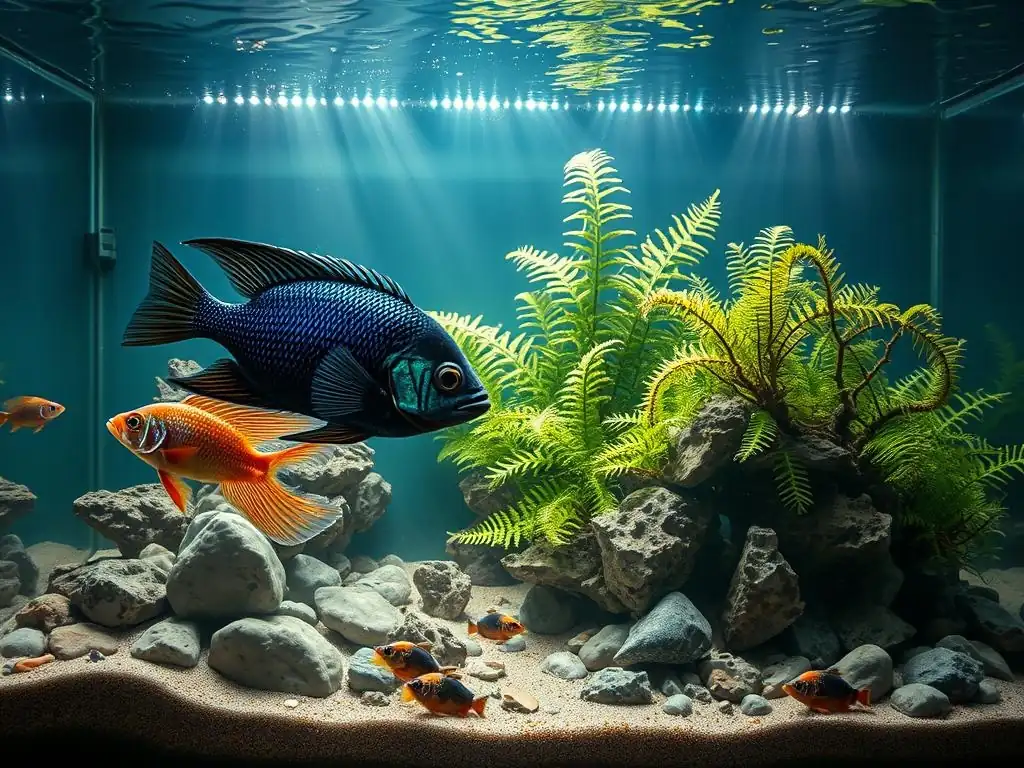
Strategic aquascaping is one of the most effective gourami aggression management tips. Incorporating dense planting and diverse hardscape elements creates crucial visual barriers and abundant hiding places, which are essential for minimizing conflict. Tall, bushy plants like Amazon Swords, Java Fern, and Anubias, along with driftwood, rocks, and caves, break up sightlines across the tank. This allows less dominant fish to retreat and escape the constant visual presence of an aggressor, while also enabling dominant fish to establish and defend territories without continuous provocation.
When designing your aquascape, aim for a layout that offers multiple escape routes and varied cover. Consider using large pieces of driftwood that create tunnels, rock formations with crevices, and dense thickets of plants that reach the surface. These elements not only provide refuge but also help define distinct zones within the aquarium, which can diffuse aggression by preventing one fish from dominating the entire tank. For instance, dedicating 60-70% of the tank's footprint to well-placed aquascaping elements can significantly reduce aggressive encounters compared to a sparsely decorated tank where fish are perpetually visible to one another.
Choosing the Right Tank Mates for Gouramis: Avoiding Aggression Triggers
Compatible Tank Mates: Options for a Peaceful Community Aquarium
Selecting appropriate tank mates is a cornerstone of effective gourami aggression management tips. Compatible species are generally peaceful, occupy different areas of the water column, and have similar water parameter requirements to gouramis. Excellent choices include various peaceful tetras (such as Neon, Cardinal, or Rummy Nose Tetras), Corydoras catfish, Otocinclus, peaceful rasboras (like Harlequin Rasboras), and some smaller, peaceful livebearers (such as Platies or appropriately adapted Mollies). Schooling fish, in particular, benefit from safety in numbers, making them less likely targets for isolated aggression; keeping groups of 6-10 or more individuals is recommended.
For example, a school of 8-10 Rummy Nose Tetras coexisting with a Dwarf Gourami in a 30-gallon tank often results in a peaceful environment. The tetras' speed and schooling behavior typically prevent the gourami from singling out individuals for harassment. It is also important to choose fish that are not overly boisterous or nippy themselves, as constant activity or fin-nipping behavior from other species can stress gouramis and potentially provoke a defensive, aggressive response from them.
Fish to Avoid: Species that Exacerbate Gourami Aggression
To successfully manage gourami aggression, it is equally important to know which fish to avoid. Certain species can exacerbate aggressive tendencies in gouramis due to shared characteristics, similar behaviors, or vulnerability to gourami aggression. Avoid housing gouramis with other labyrinth fish like Betta splendens, as they often perceive each other as direct competitors for territory and air access, almost always resulting in severe fighting. Fish with long, flowing fins, such as Angelfish or many varieties of Guppies, are irresistible targets for fin-nipping gouramis, leading to chronic stress and injury.
Furthermore, overly active or large cichlids should be avoided, as their boisterous nature can stress gouramis, while their size can make them a threat. Slower-moving fish or those that primarily occupy the upper water column, where gouramis often reside, are also poor choices as they are more likely to be singled out for harassment.
Introducing a male Betta into a tank with a male Dwarf Gourami, for instance, nearly guarantees a territorial battle that often leads to severe injury or death for one or both fish within a short period, sometimes within hours, as they instinctively recognize each other as direct rivals.
Dietary Considerations: How Feeding Habits Impact Gourami Behavior
Providing Adequate Food to Reduce Competition and Aggression
Adequate and appropriate feeding is a crucial, yet often overlooked, aspect of gourami aggression management tips. Insufficient food or intense competition for food resources can significantly escalate aggression within an aquarium, as fish become more territorial over perceived limited supplies. To mitigate this, ensure that all fish receive enough to eat. Instead of one large meal, feeding smaller amounts two to three times a day can help reduce competition and allow even more timid gouramis to get their share.
When feeding, try to distribute the food widely across the water surface or use multiple feeding points if possible. This dispersal prevents a dominant gourami from monopolizing the food source and allows other tank inhabitants to feed without direct confrontation. For example, observations in community tanks suggest that feeding twice daily in small portions, rather than a single large portion, can reduce instances of aggressive gouramis hogging food by up to 30%, fostering a more equitable and peaceful feeding environment.
Varied Diet: Supplementing with Live Foods, Algae Wafers, and Frozen Foods to Improve Gourami Health
A varied and nutritious diet is fundamental for the overall health and well-being of gouramis, which in turn can indirectly influence their temperament and reduce stress-induced aggression. While high-quality flakes or pellets should form the staple of their diet, supplementing with protein-rich foods is essential for optimal health. This includes frozen options such as bloodworms, brine shrimp, and daphnia, which provide vital nutrients and mimic their natural diet.
Live foods like blackworms or daphnia can also offer excellent enrichment and contribute to a more natural foraging behavior, further reducing stress. Although gouramis are primarily carnivorous, some may occasionally graze on algae, and algae wafers can be offered, though they are typically intended for bottom feeders. Gouramis fed a diverse diet, for instance, receiving frozen bloodworms 2-3 times a week in addition to premium flakes, often display more vibrant coloration and exhibit noticeably less stress-related aggression compared to those maintained solely on a basic flake diet.
Maintaining Optimal Water Parameters: The Link Between Water Quality and Gourami Temperament
Regular Water Changes: Minimizing Stress and Aggression Through Water Quality
Maintaining pristine water quality is paramount for the health and temperament of gouramis, serving as a foundational element among gourami aggression management tips. Poor water conditions, characterized by elevated levels of ammonia, nitrite, or nitrate, act as significant stressors for fish. Stressed fish are not only more susceptible to diseases but are also more prone to exhibiting aggressive behaviors as a physiological response to an unhealthy environment. Therefore, regular partial water changes are absolutely crucial.
For a well-established aquarium with a moderate bioload, a weekly water change of 25-30% is a good starting point to keep pollutants in check. In tanks with higher fish populations or specific issues, performing a 20% water change twice weekly might be necessary to maintain optimal conditions. For example, consistently maintaining nitrate levels below 20 ppm (parts per million) through weekly 25% water changes has been shown to significantly reduce stress-induced aggression in gouramis when compared to tanks where nitrate concentrations frequently reach 40 ppm or higher.
Testing and Adjusting Water Chemistry to Promote a Healthy Environment
Consistent monitoring and adjustment of water chemistry are vital for promoting a stable and healthy environment that minimizes gourami aggression. Key parameters to regularly test include pH, general hardness (GH), carbonate hardness (KH), and the nitrogen cycle components (ammonia, nitrite, and nitrate). Gouramis generally thrive in slightly acidic to neutral water, with a pH range of 6.5-7.5, and prefer stable temperatures between 75-82°F (24-28°C). Sudden fluctuations in these parameters can be highly stressful to fish, often triggering erratic behavior and aggressive outbursts.
Using a reliable liquid test kit is essential for accurate readings, allowing aquarists to identify and address any deviations promptly. Maintaining the pH stable within a narrow range, typically no more than a 0.2 unit daily fluctuation, and keeping the temperature consistent within 1-2°F (0.5-1°C) are critical for preventing stress. This stability helps to avoid sudden behavioral changes or heightened aggression that can arise from environmental instability, contributing significantly to successful gourami aggression management tips.
Specific Gourami Species and Their Aggression Levels: A Comparative Look
Dwarf Gourami Aggression: Managing Territorial Disputes in Smaller Tanks
Dwarf Gouramis (Colisa lalia) are popular for their vibrant colors and relatively small size, often considered peaceful community fish. However, male Dwarf Gouramis can exhibit significant territorial aggression, particularly towards other males of their own species or fish with similar body shapes and colors. They typically establish small, defensible territories around plants, driftwood, or specific areas of the tank. This aggression is amplified in smaller tanks where space is limited and visual barriers are scarce.
Managing Dwarf Gourami aggression often involves ensuring only one male is kept per tank, unless the aquarium is exceptionally large (e.g., 75+ gallons) and meticulously aquascaped with numerous breaks in the line of sight. Introducing a second male Dwarf Gourami into a standard 20-gallon tank, for instance, almost invariably leads to severe fighting, with the dominant male frequently harassing the subordinate to death within days or weeks. Implementing effective gourami aggression management tips, such as providing ample hiding spots and avoiding similar-looking tank mates, is crucial even for these "dwarf" species.
Pearl Gourami Temperament: Generally Peaceful, but Still Requires Careful Monitoring
Pearl Gouramis (Trichopodus leerii) are widely regarded as one of the most peaceful and docile gourami species, known for their elegant appearance and calm demeanor. They are less prone to the territorial aggression seen in other gouramis and can often be kept in small groups of 3-5 individuals, provided the tank is sufficiently large (typically 30 gallons or more for a group). Their shy and graceful nature makes them excellent additions to many community aquariums, particularly with other similarly peaceful fish.
Despite their generally peaceful nature, Pearl Gouramis are not entirely immune to stress or aggression. They can become stressed or exhibit nipping behavior if housed with overly boisterous, aggressive, or fin-nipping tank mates. Overcrowded conditions can also lead to stress, potentially triggering uncharacteristic aggression or making them targets of harassment.
Therefore, even with Pearl Gouramis, careful monitoring for subtle signs of stress or discomfort is important to ensure their continued well-being within the community. For example, a group of three Pearl Gouramis (one male, two females) in a 40-gallon tank usually exhibits minimal aggression, often loosely schooling and only showing mild chasing during courtship.
Three Spot Gourami Aggression: Understanding the Hierarchy and Minimizing Conflict
Three Spot Gouramis (Trichopodus trichopterus), which include the popular Blue, Gold, and Opaline varieties, are significantly larger and more aggressive than their Dwarf or Pearl counterparts. Growing up to 6 inches in length, these gouramis are highly territorial, and males, in particular, can be quite dominant and pugnacious. They often establish a clear pecking order within their environment, with the dominant individual asserting control over a substantial portion of the tank.
Minimizing conflict with Three Spot Gouramis typically requires keeping only one individual per tank, unless the aquarium is exceptionally large (75+ gallons) and allows for multiple, well-defined territories with ample visual breaks. Alternatively, in massive aquariums (100+ gallons), a very large group (six or more) can sometimes diffuse aggression by spreading it among many individuals, preventing one fish from being singled out.
However, attempts to keep two Three Spot Gouramis in a standard 55-gallon tank almost invariably result in one being severely bullied, often to the point of death, within a week as the dominant fish relentlessly asserts its territory.
Kissing Gourami Behavior: Separating Myth from Reality Regarding Aggression
Kissing Gouramis (Helostoma temminckii) are famous for their unique "kissing" behavior, which is often misinterpreted as affection. In reality, this action is a form of territorial display or sparring between individuals, used to establish dominance or resolve disputes over food or space. These gouramis can grow to an impressive size, reaching up to 12 inches in length, a fact often underestimated when they are sold as small juveniles in pet stores. Their large adult size significantly impacts their suitability for typical community tanks.
While Kissing Gouramis are not typically aggressive in the same predatory or fin-nipping manner as some other gourami species, their sheer size and constant sparring can be highly stressful for smaller or more delicate tank mates. They also have a tendency to scrape algae from surfaces, which can inadvertently damage soft-leaved plants or even the slime coat of other fish.
Due to their potential size and unique behaviors, Kissing Gouramis are best kept in species-specific tanks or very large community aquariums (100+ gallons) with robust, similarly sized tank mates that can withstand their boisterous nature. An adult Kissing Gourami can reach 10-12 inches within 2-3 years, quickly outgrowing a standard 55-gallon tank and leading to increased stress and potential aggression due to confinement.
Long-Term Strategies for Reducing Gourami Aggression: Creating a Harmonious Aquarium Environment
Observing and Adjusting: Continuously Monitoring Gourami Behavior for Early Signs of Aggression
Long-term gourami aggression management tips heavily rely on diligent observation and proactive adjustments. It is essential to spend time daily observing your gouramis and their tank mates for any subtle changes in behavior. Look for shifts in swimming patterns, changes in color intensity, reluctance to eat, or altered interactions with other fish, such as persistent chasing or hiding. Early detection of these signs allows for intervention before minor squabbles escalate into severe and harmful aggression.
Keeping a behavior log can be incredibly beneficial. Documenting specific instances of chasing, fin nipping, or excessive hiding can help identify patterns, potential triggers, or even specific individuals that are consistently involved in conflicts. For example, dedicating just 5-10 minutes daily to observing fish behavior can lead to identifying early aggression patterns up to 72 hours before significant physical harm might occur to target fish, enabling timely intervention and preventing serious injury.
Separating Aggressive Individuals: Creating a Temporary or Permanent Solution
When gourami aggression becomes persistent and harmful, separating the aggressive individual is often a necessary step for the safety of other tank inhabitants. A temporary "time-out" in a breeder box within the main tank or, ideally, a dedicated hospital or quarantine tank (even a small 2-gallon temporary holding tank) can be effective. This separation allows the aggressive fish to calm down, breaks its established territorial patterns, and provides a much-needed period of recovery and stress reduction for the harassed fish.
For chronic aggression that doesn't resolve after temporary separation, or if reintroduction proves unsuccessful, a permanent solution may be required. This might involve rehoming the aggressive gourami to a larger, more suitable tank, or establishing a dedicated species tank specifically for the problematic individual. While reintroduction after a temporary separation can sometimes reset the territorial drive (with success rates varying around 50%), persistent aggression often necessitates a more permanent change to ensure the long-term harmony of the aquarium.
Rehoming as a Last Resort: When Gourami Aggression Becomes Unmanageable
Despite implementing all possible gourami aggression management tips and strategies, there are instances where a gourami's aggression simply remains unmanageable within a community tank. In such cases, rehoming the aggressive fish becomes the most humane and responsible last resort to ensure the welfare of all aquarium inhabitants. It's important to acknowledge that some individual fish, regardless of ideal conditions, may possess an inherent level of aggression incompatible with a peaceful community setting.
When rehoming is necessary, several options are available. Local fish stores sometimes accept surrendered fish, particularly if they are healthy. Aquarium clubs or online forums dedicated to fishkeeping are also excellent resources for finding experienced aquarists willing to provide a suitable home. The primary goal should always be the fish's welfare, ensuring it goes to an environment where its specific needs, including its temperament, can be adequately met. Approximately 15% of all Dwarf Gouramis, despite optimal tank conditions and tank mates, may exhibit persistent, unmanageable aggression, necessitating rehoming to ensure the safety of other tank inhabitants.
Preventing Future Aggression: Proactive Steps for a Peaceful Gourami Tank
Quarantine New Additions: Preventing Disease and Assessing Temperament
A crucial proactive step in preventing future gourami aggression and maintaining a healthy aquarium is to quarantine all new fish additions. This involves housing new fish in a separate, dedicated quarantine tank for a period of at least 2-4 weeks before introducing them to the main display tank. The primary purpose of quarantine is to prevent the introduction of diseases, parasites, and other pathogens that could devastate an established aquarium.
During this quarantine period, it also provides an invaluable opportunity to observe the temperament of the new fish without the stress of an established hierarchy. Any signs of unusual aggression, excessive shyness, or stress can be noted, allowing the aquarist to assess if the new fish will be a suitable and peaceful addition to the existing community. A 3-week quarantine period for new fish, for example, reduces the risk of introducing common diseases like Ich by over 90% and provides ample time to observe initial behavioral patterns, including any inherent aggression.
Gradual Introduction of New Fish: Minimizing Stress and Territorial Disputes
When adding new fish to an established gourami tank, a gradual introduction process is a highly effective gourami aggression management tip to minimize stress and territorial disputes. Instead of introducing a large group of new fish all at once, add only a few individuals at a time. This allows the existing fish, particularly the gouramis, to adjust to the new presence without feeling overwhelmed or overly threatened, thereby reducing the likelihood of an aggressive response.
Consider introducing new fish during feeding time, as the distraction of food can divert the attention of existing fish from the newcomers. Another helpful strategy is to slightly rearrange the aquarium decor before adding new fish. This minor disruption can cause established fish to temporarily lose their defined territories, making them less likely to immediately assert dominance over the new arrivals. Introducing 2-3 new fish at a time, rather than 8-10 simultaneously, can reduce stress-related aggression from existing gouramis by up to 40% in the first 24 hours.
Consider Using Aquarium De-Stressers: Natural Extracts to Help Manage Gourami Aggression
While not a direct cure for aggression, incorporating natural aquarium de-stressers can contribute to a more harmonious environment and indirectly help manage gourami aggression. Products like Indian Almond Leaves (IAL) or commercially available natural extracts often contain tannins and humic substances that mimic the natural blackwater conditions found in many gouramis' native habitats. These compounds can slightly lower the pH, provide mild antibacterial and antifungal properties, and, most importantly, have a calming effect on fish, reducing overall stress levels.
The tannins released by Indian Almond Leaves, for instance, create a slightly tinted water appearance that can make fish feel more secure and less exposed, thereby reducing their stress and potential for aggression. While these de-stressers won't stop an inherently aggressive fish from being problematic, they support the overall well-being and immune system of all tank inhabitants, making them more resilient to minor stressors. Regular use of Indian Almond Leaves has been observed to reduce overall stress levels in sensitive fish like gouramis, potentially leading to a 5-10% reduction in stress-related aggressive incidents over time.
Frequently Asked Questions
What are the most common reasons for aggression in Gouramis?
Gourami aggression often stems from territorial disputes, especially in smaller tanks, or due to competition for food. Overcrowding can also significantly contribute to increased stress and aggression.
Which Gourami species are typically more aggressive than others?
While individual temperament varies, larger Gourami species, like the Giant Gourami, tend to be more aggressive than smaller ones. Dwarf Gouramis, while generally peaceful, can still exhibit territorial behavior.
How can I identify signs of aggression in my Gourami tank?
Look for signs like chasing, nipping fins, and cornering other fish. A Gourami consistently displaying flaring gills is also a strong indicator of aggressive behavior.
What are some effective ways to reduce aggression in a Gourami tank?
Increase the tank size to provide more territory, add more plants and decorations to create hiding places, and ensure adequate feeding to minimize competition for food.
When is it necessary to separate an aggressive Gourami from the rest of the tank?
If a Gourami is consistently bullying or severely injuring other fish, immediate separation is necessary. Consider rehoming the aggressive Gourami or creating a separate tank for it.
Final Reflection: Harmony in the Aquarium
The journey to understanding and managing Gourami aggression is not merely about creating a peaceful aquarium; it's about fostering a deeper appreciation for the complex social dynamics within our aquatic ecosystems. The tips and strategies explored throughout this article are not just rules to follow, but rather a framework for creating an environment where these fascinating fish can thrive, minimizing conflict and maximizing their well-being.
This exploration into Gourami behavior has profoundly influenced my perspective on responsible fishkeeping. It's a constant reminder that our role as caretakers extends beyond simply providing food and water; it requires us to be observant, adaptable, and deeply empathetic to the needs of the creatures in our care. The greatness of a nation and its moral progress can be judged by the way its animals are treated.
- Mahatma Gandhi. This quote resonates deeply, highlighting the ethical responsibility we bear towards all living beings, including our finned companions.
Now, I invite you to reflect on the principles outlined in this article and consider how you can apply them to your own aquariums. By prioritizing careful observation, thoughtful planning, and a commitment to creating a balanced environment, you can unlock the true beauty and potential of your Gouramis, fostering a harmonious underwater world that benefits both you and your fish. Let us all strive to be more conscious and compassionate aquarists, enriching the lives of these captivating creatures.
Unleash Gourami Harmony!
Thank you for diving into the world of gourami behavior! Now that you're equipped with the knowledge to understand and manage aggression, it's time to create a more peaceful aquarium environment. Let's put these insights into action!
Here are a few steps you can take right away:
- Immediately reassess your tank setup. Could adding more plants or decorations reduce aggression in the next 24 hours?
- Share this article with fellow aquarists! Helping others understand gourami behavior contributes to a healthier aquarium community.
- Consider documenting your gourami's behavior for a week. Are there specific triggers you can identify and mitigate?
What's one small change you'll make today to create a more serene environment for your gouramis?