
The Endearing World of Corydoras: More Than Just Tank Cleaners

Welcome to Aquarium Mastery!
Ever wondered if those adorable, bottom-dwelling fish in your aquarium are more than just algae eaters? Prepare to be captivated! Dive into our Corydoras Catfish Care Guide and discover the secrets to keeping these endearing creatures thriving. From optimal tank conditions to fascinating behaviors, we'll unlock the world of Corydoras and reveal why they're a must-have for any freshwater enthusiast. Ready to learn more?
- Understanding Corydoras Catfish: An Introduction to These Popular Bottom Dwellers
- Corydoras Catfish Care Guide: Creating the Ideal Environment
- Feeding Your Corydoras: Ensuring a Balanced Diet
-
Choosing the Right Corydoras: Popular Species and Varieties
- Corydoras aeneus (Bronze Cory): A Beginner-Friendly Option
- Corydoras paleatus (Peppered Cory): Hardy and Active
- Corydoras sterbai (Sterba's Cory): Striking Orange Markings
- Corydoras habrosus (Dwarf Cory): Small and Peaceful
- Corydoras pygmaeus (Pygmy Cory): A Shoaling Micro-Cory
- Corydoras adolfoi (Adolfo's Cory): Vibrant and Sought-After
- Corydoras Tank Mates: Compatibility and Social Needs
- Corydoras Breeding: A Step-by-Step Guide
- Common Corydoras Diseases and Health Problems
- Maintaining a Healthy Corydoras School: Tips and Best Practices
- Conclusion: Appreciating the Unique Charm of Corydoras Catfish
-
Frequently Asked Questions
- What are the basic requirements for a healthy Corydoras catfish environment?
- What is the ideal tank size for keeping Corydoras catfish?
- What should I feed my Corydoras catfish?
- How often should I perform water changes in a Corydoras tank?
- What are some common health problems that affect Corydoras catfish, and how can I prevent them?
- Final Reflection: Appreciating the Tiny Titans
- Rediscover the Joy of Corydoras!
Understanding Corydoras Catfish: An Introduction to These Popular Bottom Dwellers
What are Corydoras Catfish? Exploring the Corydoras Genus
Corydoras catfish, often affectionately known as "Corys," belong to the family Callichthyidae, commonly referred to as armored catfish due to the overlapping bony plates that protect their bodies. Originating primarily from the rivers and streams of South America, these fascinating fish inhabit a vast geographical range, from the Amazon basin to the coastal drainages of Brazil and Argentina. Their natural habitats vary widely, encompassing slow-moving tributaries, floodplains, and even fast-flowing sections of rivers, adapting to diverse water conditions.
The genus Corydoras is remarkably diverse, with over 170 scientifically described species and many more yet to be formally classified, making it one of the largest genera of fish. Each species exhibits unique patterns, colors, and sizes, ranging from the tiny Corydoras pygmaeus, which rarely exceeds 1 inch (2.5 cm), to larger varieties like Corydoras aeneus (Bronze Cory), which can reach up to 3 inches (7.5 cm).
Their distinctive appearance, characterized by a flattened ventral surface, small mouths with sensitive barbels for sifting through substrate, and often striking eye masks, contributes to their widespread appeal among aquarists seeking a reliable Corydoras catfish care guide.
Why Corydoras are More Than Just Tank Cleaners: Debunking the Myth
A common misconception among beginner aquarists is that Corydoras catfish are primarily "tank cleaners" that subsist on leftover food and detritus. This notion is fundamentally inaccurate and can lead to severe health issues for these fish if not addressed. While Corydoras do forage along the bottom, sifting through substrate with their barbels, they are actively searching for edible food particles, not consuming fish waste or algae in significant amounts. They require a dedicated diet to thrive, making proper feeding a crucial component of any comprehensive Corydoras catfish care guide.
Beyond their dietary needs, Corydoras are vibrant and active members of the aquarium community, exhibiting complex social behaviors that enrich the tank environment. They are highly social, preferring to live in groups of six or more individuals of their own species, and display fascinating schooling dynamics. Their playful antics, such as darting to the surface for a gulp of air (intestinal respiration) or resting communally on leaves, showcase their unique personalities. Treating them merely as utilitarian scavengers overlooks their intrinsic value as engaging pets and their specific requirements for a healthy, fulfilling life in captivity.
Corydoras Catfish Care Guide: Creating the Ideal Environment
Setting Up the Perfect Corydoras Aquarium: Tank Size and Substrate Considerations
When establishing an aquarium for Corydoras, tank size is a critical factor, directly influencing their well-being and activity levels. While smaller species like Corydoras habrosus or Corydoras pygmaeus can be kept in tanks as modest as 10-15 gallons (38-57 liters) for a small group, larger species such as the popular Bronze or Peppered Corydoras require a minimum of 20 gallons (75 liters) for a school of six or more.
A longer tank footprint, rather than a taller one, is often more beneficial, as it provides ample bottom surface area for these active bottom-dwellers to forage and explore, which is a key consideration in any effective Corydoras catfish care guide.
The choice of substrate is equally important for Corydoras due to their delicate barbels, which can be easily damaged by sharp or abrasive materials. Fine sand or very smooth, small-grained gravel is ideal, allowing them to sift through it without injury as they search for food. Substrates with particle sizes larger than 2-3mm, or those with sharp edges, should be avoided. A layer of at least 1-2 inches (2.5-5 cm) of soft substrate is recommended to facilitate their natural foraging behaviors and provide a comfortable environment for resting, preventing barbel erosion and potential infections.
Water Parameters for Corydoras: Maintaining Optimal Water Quality
Maintaining stable and appropriate water parameters is paramount for the health and longevity of Corydoras catfish. While generally hardy, they thrive in clean, well-oxygenated water. The ideal pH range for most Corydoras species is between 6.0 and 7.5, though some specific species might prefer slightly more acidic or alkaline conditions. Water hardness (GH) should generally be kept in the soft to medium range, approximately 2-15 dGH (35-268 ppm), mirroring their natural South American habitats. Consistency in these parameters is often more important than hitting exact numbers, as sudden fluctuations can stress the fish.
Nitrogenous compounds—ammonia, nitrite, and nitrate—must be diligently managed. Ammonia and nitrite levels should always be undetectable (0 ppm), as even trace amounts are highly toxic to fish. Nitrate levels should be kept below 20 ppm, ideally below 10 ppm, through regular water changes and efficient filtration. A well-cycled aquarium with mature biological filtration is non-negotiable for Corydoras. Regular testing with a reliable aquarium test kit is essential to monitor these parameters, forming a fundamental part of any comprehensive Corydoras catfish care guide.
Corydoras Temperature and Lighting: Replicating Their Natural Habitat
The optimal temperature range for most common Corydoras species falls between 72-79°F (22-26°C). While some species, particularly those from higher elevations or specific regions, might prefer slightly cooler or warmer temperatures, this range provides a comfortable and stable environment for the vast majority. Maintaining a consistent temperature is vital, as rapid temperature swings can weaken their immune systems and make them susceptible to disease. An accurate and reliable aquarium heater is indispensable to ensure the water temperature remains stable, especially in environments with fluctuating ambient room temperatures.
Lighting for a Corydoras aquarium should be moderate to subdued. In their natural habitats, they often reside in areas with dense vegetation or shaded banks, where direct sunlight is limited. Bright, intense lighting can stress Corydoras, causing them to become reclusive and less active.
A photoperiod of 8-10 hours per day is generally sufficient for plant growth (if live plants are included) and to establish a natural day-night cycle for the fish. Providing plenty of shaded areas through driftwood, caves, or dense plant cover will allow them to feel secure and exhibit more natural behaviors, enhancing their overall well-being as outlined in this Corydoras catfish care guide.
Feeding Your Corydoras: Ensuring a Balanced Diet
What Do Corydoras Eat? A Guide to Corydoras Catfish Food
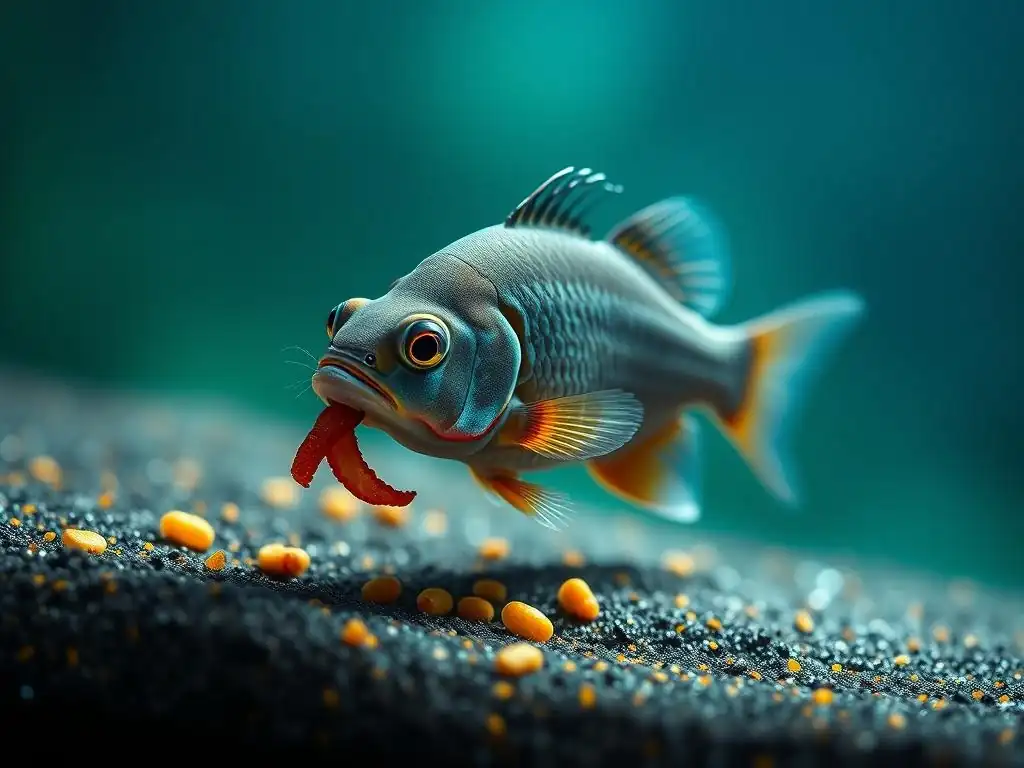
Despite their reputation as scavengers, Corydoras catfish require a specialized and balanced diet to thrive. They are omnivores with a preference for protein-rich foods. Their natural diet in the wild consists of small invertebrates such as worms, insect larvae, and crustaceans, along with some decaying plant matter and algae. In the aquarium, their diet should mimic this diversity. High-quality sinking pellets or wafers specifically formulated for bottom-dwelling fish are an excellent staple, as these foods sink quickly, ensuring the Corydoras receive their share before faster-swimming tank mates consume everything.
Supplementing their staple diet with a variety of frozen and live foods is crucial for optimal health and color. Options like bloodworms, brine shrimp, daphnia, and tubifex worms are highly relished and provide essential nutrients.
Vegetable matter can also be offered occasionally, such as blanched zucchini or spinach, though it typically makes up a smaller portion of their diet. It's important to ensure that food reaches the bottom of the tank where Corydoras forage, possibly by feeding after the main lights are off or by target feeding with a pipette, a key aspect of a comprehensive Corydoras catfish care guide.
How Often to Feed Corydoras: Establishing a Feeding Schedule
Establishing a consistent feeding schedule is important for the health and routine of your Corydoras. Generally, feeding them once or twice a day is sufficient. If feeding once, provide a slightly larger quantity; if twice, offer smaller portions. The goal is to provide enough food that it is consumed within a few minutes, preventing excess food from decaying and fouling the water. Overfeeding is a common mistake that contributes to poor water quality and can lead to health issues in fish, including digestive problems and fatty liver disease.
A practical approach is to observe your Corydoras during feeding times. If food remains on the substrate for extended periods, you are likely overfeeding. Conversely, if they appear restless and constantly searching for food, they may be underfed.
For a typical school of six adult Bronze Corydoras in a 20-gallon tank, a pinch of sinking pellets equivalent to about 1/8th of a teaspoon, supplemented with a small cube of frozen food every other day, often suffices. Adjustments may be necessary based on the specific species, their size, and the presence of other tank inhabitants, making careful observation a vital part of any Corydoras catfish care guide.
Preventing Overfeeding: Maintaining a Healthy Corydoras Population
Preventing overfeeding is crucial not only for the health of your Corydoras but also for the overall stability of your aquarium ecosystem. Excess food quickly breaks down, releasing ammonia and nitrites, which are toxic to fish, and contributing to a buildup of nitrates. This can lead to increased algae growth, cloudy water, and a higher risk of disease outbreaks. One effective strategy is to feed small amounts more frequently rather than large amounts infrequently. For example, two small feedings per day instead of one large one.
Another method to prevent overfeeding is to incorporate a "fasting day" once a week. This allows the fish's digestive systems to clear out and helps to reduce the accumulation of organic waste in the tank. Additionally, ensuring that sinking foods truly reach the bottom and are not snatched up by faster-swimming fish is important.
If you have aggressive eaters in the upper water column, consider using a feeding ring or target feeding the Corydoras directly after lights out. Regularly siphoning the substrate during water changes will also remove any uneaten food, contributing to a cleaner tank and healthier Corydoras, a practice highlighted in any thorough Corydoras catfish care guide.
Choosing the Right Corydoras: Popular Species and Varieties
Corydoras aeneus (Bronze Cory): A Beginner-Friendly Option
Corydoras aeneus, commonly known as the Bronze Cory, is perhaps the most widely recognized and accessible Corydoras species, making it an excellent choice for beginner aquarists. Originating from Trinidad and Tobago and various parts of South America, including Brazil, Venezuela, and Colombia, these hardy fish are adaptable to a range of water conditions. They typically grow to about 2.5-3 inches (6-7.5 cm) in length and display a subtle bronze or greenish sheen over a light body, sometimes with darker patches.
Their robust nature and tolerance for slight variations in water parameters make them very forgiving for those new to the hobby. Bronze Corys are active bottom-dwellers, constantly sifting through the substrate in search of food. They are highly social and should always be kept in groups of at least six individuals to ensure their well-being and encourage natural schooling behaviors. Their peaceful temperament makes them suitable tank mates for a wide variety of community fish, aligning with the core principles of a comprehensive Corydoras catfish care guide.
Corydoras paleatus (Peppered Cory): Hardy and Active
The Peppered Corydoras, Corydoras paleatus, is another highly popular and incredibly hardy species, often recommended for novice aquarists due to its resilience. Native to the Paraná River basin in South America, including parts of Argentina, Brazil, Paraguay, and Uruguay, they are accustomed to cooler water temperatures compared to some other Corydoras, ideally thriving between 68-75°F (20-24°C). They are easily identified by their mottled, "peppered" pattern of dark spots and blotches over a light, often grayish-green body, and can reach a size of approximately 2.5-3 inches (6-7.5 cm).
Like the Bronze Cory, Peppered Corys are energetic and constantly active, exploring the tank bottom. Their adaptability to slightly cooler temperatures makes them suitable for unheated tanks in temperate climates, provided the room temperature remains stable within their preferred range. They are peaceful and social, requiring a school of at least six to feel secure and exhibit their natural behaviors. Their engaging personalities and hardiness make them a rewarding addition to many freshwater community aquariums, solidifying their place in any essential Corydoras catfish care guide.
Corydoras sterbai (Sterba's Cory): Striking Orange Markings
Corydoras sterbai, or Sterba's Cory, is celebrated for its striking appearance, featuring a dark body adorned with numerous white spots, and most notably, vibrant orange pectoral fins. Hailing from the Guaporé River basin in Brazil and Bolivia, this species prefers slightly warmer water temperatures, typically between 75-82°F (24-28°C), making them an excellent choice for heated community tanks with other fish that appreciate warmer conditions, such as Discus. They generally grow to about 2.5 inches (6.5 cm).
Sterba's Corys are known for their calm demeanor and consistent activity. Their distinctive markings make them a visually appealing centerpiece for the bottom of the aquarium. As with all Corydoras, they are highly social and should be kept in groups of at least six to foster their natural schooling behavior and reduce stress. Their specific temperature preference should be taken into account when planning tank mates, ensuring all inhabitants thrive within similar environmental parameters. This attention to detail is key for a specialized Corydoras catfish care guide.
Corydoras habrosus (Dwarf Cory): Small and Peaceful
Corydoras habrosus, often referred to as the Dwarf Cory, is one of the smallest species in the genus, rarely exceeding 1 inch (2.5 cm) in length. Originating from Venezuela, particularly in the Apure River basin, these tiny catfish possess a delicate charm with a series of dark blotches along their flanks and a subtle shimmer. Their diminutive size makes them ideal for smaller aquariums, including nano tanks, where larger Corydoras species would be unsuitable.
Despite their small stature, Dwarf Corys are incredibly active and social. They thrive in well-planted tanks with plenty of hiding spots and soft substrate. Due to their size, they should be kept in larger groups, ideally 8-12 individuals or more, to fully observe their schooling behavior and ensure their sense of security. They are exceptionally peaceful and make excellent tank mates for other small, non-aggressive fish. Their unique requirements for very small tank mates and ample hiding spots are important considerations in a detailed Corydoras catfish care guide.
Corydoras pygmaeus (Pygmy Cory): A Shoaling Micro-Cory
The Pygmy Cory, Corydoras pygmaeus, is another micro-Corydoras species, typically reaching just under 1 inch (2.5 cm). Native to the Madeira River basin in Brazil, these slender catfish are unique among Corydoras for their tendency to swim mid-water as well as forage on the bottom, often schooling tightly in open water. They have a distinctive dark stripe running horizontally along their body, which helps them blend into their surroundings.
Pygmy Corys are perfect for nano aquariums or heavily planted tanks where their delicate nature and schooling behavior can be appreciated. Like C. habrosus, they require large groups, ideally 10-15 or more, to feel secure and exhibit their fascinating collective movements. Their mid-water swimming habit distinguishes them from most other bottom-dwelling Corydoras, making them a captivating choice for aquarists looking for something different. Providing ample plant cover and stable water parameters is crucial for their well-being, as emphasized in any comprehensive Corydoras catfish care guide.
Corydoras adolfoi (Adolfo's Cory): Vibrant and Sought-After
Corydoras adolfoi, or Adolfo's Cory, is a highly sought-after species known for its vibrant coloration and striking markings. Originating from the Rio Negro basin in Brazil, these fish feature a dark body with a distinct orange or reddish-orange band just behind the head, and a prominent black stripe running through the eye. They typically grow to about 2 inches (5 cm). Their unique beauty makes them a prized addition for many experienced aquarists.
Adolfo's Corys are peaceful and active, constantly exploring the bottom of the tank. Like all Corydoras, they thrive in groups of at least six individuals, where their schooling behavior is most evident. Due to their specific origin, they generally prefer slightly softer and more acidic water conditions compared to the more common Corydoras species, with a pH ideally between 6.0-7.0. Their specific water parameter preferences and vibrant appearance make them a highlight in any detailed Corydoras catfish care guide aimed at enthusiasts.
Best Tank Mates for Corydoras Catfish: Creating a Peaceful Community
Selecting appropriate tank mates is crucial for the well-being of Corydoras catfish, ensuring a peaceful and stress-free environment. Due to their calm and timid nature, Corydoras thrive alongside other small to medium-sized, non-aggressive fish that occupy the middle and upper levels of the water column. Ideal companions include small tetras such as Neon Tetras ( Paracheirodon innesi), Cardinal Tetras ( Paracheirodon axelrodi), Rummy-Nose Tetras ( Hemigrammus bleheri), or Ember Tetras ( Hyphessobrycon amandae). These species are similarly peaceful and do not compete for bottom space or food.
Other excellent choices for Corydoras tank mates include rasboras (e.g., Harlequin Rasboras, Trigonostigma heteromorpha), small peaceful barbs (e.g., Cherry Barbs, Puntius titteya), and livebearers such as Guppies ( Poecilia reticulata) or Mollies ( Poecilia sphenops), provided the water parameters are compatible. Dwarf Gouramis ( Trichogaster lalius) and small, peaceful schooling loaches like Kuhli Loaches ( Pangio kuhlii) can also coexist harmoniously, as they are not aggressive and do not pose a threat to the Corydoras.
The key is to avoid fin-nippers or overly boisterous species that might intimidate or harm the gentle Corydoras, a fundamental aspect of any Corydoras catfish care guide.
Fish to Avoid: Incompatible Tank Mates for Corydoras
When planning a community tank, it is equally important to identify and avoid fish species that are incompatible with Corydoras catfish. Any large, aggressive, or predatory fish should be excluded, as they can view Corydoras as prey or harass them, leading to stress, injury, or even death. Examples include larger cichlids (e.g., Oscar, Astronotus ocellatus; Jack Dempsey, Rocio octofasciata), large gouramis (e.g., Osphronemus gouramy), and most types of larger, more aggressive catfish species (e.g., Redtail Catfish, Phractocephalus hemioliopterus).
Fin-nipping species, such as Tiger Barbs ( Puntigrus tetrazona) or some larger varieties of Angelfish ( Pterophyllum scalare), should also be avoided. While not predatory, their aggressive behavior can stress Corydoras and potentially damage their delicate fins and barbels. Additionally, very boisterous or fast-swimming fish that constantly dart around the tank can create a chaotic environment that is unsettling for the timid Corydoras. While some semi-aggressive species might seem manageable, the safest approach, as outlined in a responsible Corydoras catfish care guide, is to stick to genuinely peaceful tank mates to ensure the long-term well-being of your Corydoras.
One of the most critical aspects of Corydoras catfish care, often overlooked by beginners, is their profound social need to live in groups. Corydoras are schooling fish, and keeping them individually or in very small numbers (fewer than six) can lead to significant stress, shyness, and a decline in their overall health and activity. In their natural habitats, they live in large aggregations, which provides them with a sense of security and allows them to exhibit natural behaviors like synchronized foraging and communal resting.
A minimum group size of six individuals of the same species is generally recommended for most Corydoras, though larger schools (8-12 or more) are even better, especially for the smaller species like C. habrosus or C. pygmaeus. When kept in a proper school, Corydoras become more confident, active, and engaging to observe.
They will explore the tank more freely, display their full range of natural behaviors, and their colors will often appear more vibrant. Providing a suitable school size is not merely a recommendation; it is a fundamental requirement for the psychological and physical well-being of these endearing fish, a cornerstone of any effective Corydoras catfish care guide.
Corydoras Breeding: A Step-by-Step Guide
Preparing for Corydoras Breeding: Setting Up a Breeding Tank
Successful Corydoras breeding often requires a dedicated breeding tank to provide optimal conditions and protect the eggs and fry. A 10-gallon (38-liter) tank is usually sufficient for a breeding group of 3-5 adults (e.g., two males to one female, or two males to two females). The breeding tank should have a bare bottom or a very thin layer of fine sand to make egg collection easier. Cleanliness is paramount, so ensure the tank is thoroughly cycled and free of pollutants.
Key elements for the breeding tank include a sponge filter for gentle filtration without strong currents, and plenty of broad-leafed plants (live or artificial, like plastic Amazon Swords) or spawning mops (made of yarn) where the Corydoras can deposit their adhesive eggs. Providing ample hiding spots, such as small caves or driftwood, can also make the fish feel more secure. Maintaining stable water parameters, similar to their regular habitat but potentially with a slight drop in temperature and pH as a trigger, is crucial for conditioning the fish for spawning, as detailed in a comprehensive Corydoras catfish care guide.
Triggering Spawning: Inducing Corydoras to Breed
Inducing Corydoras to spawn often involves mimicking the environmental cues they experience in their natural habitat during the rainy season. The most common and effective method is performing a large, cool water change. Start by performing a 50-70% water change using water that is 5-10°F (3-6°C) cooler than the tank water. This simulates the influx of cool rainwater. Repeat this process daily or every other day for several days. The sudden drop in temperature, combined with fresh, soft water, often signals to the Corydoras that it's time to breed.
Another important factor is increasing the protein in their diet leading up to the water changes. Feeding live or frozen foods like bloodworms, brine shrimp, and daphnia several times a day for a week or two prior to attempting spawning helps condition the adults, encouraging egg development in females and sperm production in males. Increased aeration, simulating the turbulent conditions of a rainy season, can also be beneficial. Observing the fish for increased activity, chasing, and the female developing a noticeably rounder belly (gravid) are signs that spawning is imminent, an essential part of any Corydoras catfish care guide.
Caring for Corydoras Eggs and Fry: Ensuring Successful Hatching
Once spawning occurs, Corydoras will typically deposit their adhesive eggs on tank glass, broad plant leaves, or spawning mops. To maximize fry survival, it's best to remove the adult fish after spawning, as they may consume the eggs. Carefully roll the eggs off surfaces with your fingers or remove the spawning mop/plant. Transfer the eggs to a separate hatching container with water from the breeding tank. Adding a few drops of methylene blue can help prevent fungal growth on the eggs, which is a common issue.
The eggs usually hatch within 3-5 days, depending on the temperature. Once the fry hatch, they will absorb their yolk sacs for the first 2-3 days. After the yolk sac is absorbed, they need extremely fine foods. Infusoria, liquid fry food, or microworms are ideal initial foods.
As they grow, within a week or two, they can transition to newly hatched brine shrimp or finely crushed high-quality fry pellets. Frequent small water changes (10-20% daily) are crucial for fry development, as they are highly sensitive to water quality. Maintaining stable, clean water and providing appropriate food are key to raising healthy Corydoras fry, a rewarding aspect of a detailed Corydoras catfish care guide.
Common Corydoras Diseases and Health Problems
Identifying Corydoras Diseases: Recognizing the Symptoms
Like all aquarium fish, Corydoras catfish can be susceptible to various diseases, often triggered by poor water quality, stress, or inadequate nutrition. Recognizing the early symptoms is crucial for effective treatment. One common issue is fin rot, characterized by frayed, discolored, or disintegrating fins, often a result of poor water conditions or bacterial infection. Another frequent ailment is Ich (white spot disease), identifiable by small, white, salt-like spots on the body and fins, accompanied by flashing (rubbing against tank decor) and lethargy.
Other symptoms to watch for include clamped fins, labored breathing (rapid gill movement), loss of appetite, unusual swimming patterns (e.g., erratic movements, staying at the surface), bloating, or visible growths/ulcers on the body. Barbel erosion, where their delicate sensory barbels shorten or disappear, is a specific problem for Corydoras, almost always caused by abrasive substrate or poor water quality, especially high nitrates. Early detection of these signs is vital for successful intervention, forming a critical part of any comprehensive Corydoras catfish care guide.
Treating Common Corydoras Ailments: Effective Medications and Treatments
Once a disease is identified, prompt and appropriate treatment is necessary. For mild cases of fin rot or general bacterial infections, improving water quality through daily small water changes (25-30%) and adding aquarium salt (if compatible with other tank inhabitants, typically 1 tablespoon per 5 gallons, dissolved) can often help. For more advanced bacterial infections, broad-spectrum antibacterial medications available at pet stores may be required. Always follow manufacturer instructions carefully, as some medications can be harsh on scaleless fish like Corydoras.
Ich is typically treated with commercially available Ich medications, which contain malachite green or formalin. Raising the tank temperature gradually by 2-3°F (1-2°C) (within the safe range for your fish) can accelerate the Ich life cycle, making the treatment more effective.
For barbel erosion, the primary treatment is prevention: switch to a soft sand substrate and ensure impeccable water quality with zero ammonia/nitrite and low nitrates. If the erosion is severe, a mild antibiotic dip or food soaked in medication might be necessary, but addressing the underlying environmental cause is paramount for recovery, a key directive in any Corydoras catfish care guide.
Preventing Illness: Maintaining a Healthy Aquarium for Corydoras
Prevention is by far the most effective strategy for maintaining the health of your Corydoras catfish. The cornerstone of disease prevention lies in consistent, high-quality aquarium husbandry. This includes maintaining excellent water quality through regular partial water changes (e.g., 25-30% weekly), ensuring zero ammonia and nitrite, and keeping nitrates below 20 ppm. A well-cycled filter and adequate filtration are essential for this.
Providing a proper diet with a variety of high-quality sinking foods and occasional live/frozen supplements boosts their immune system. Choosing appropriate tank mates that are peaceful and do not stress the Corydoras is also vital. Furthermore, maintaining a stable temperature within their preferred range and providing a soft, non-abrasive substrate prevents physical damage and stress. When introducing new fish, always quarantine them for 2-4 weeks to avoid introducing pathogens into your main tank. Proactive care and attention to detail, as emphasized throughout this Corydoras catfish care guide, will significantly reduce the likelihood of illness in your beloved fish.
Maintaining a Healthy Corydoras School: Tips and Best Practices
Regular Water Changes: Crucial for Corydoras Health
Regular water changes are the single most important practice for maintaining the health and longevity of Corydoras catfish. These fish are particularly sensitive to accumulating nitrates and other dissolved organic compounds that build up over time, even in a well-filtered aquarium. A weekly water change of 25-30% is generally recommended for most community tanks, but for tanks with higher bioloads or sensitive species like Corydoras, slightly more frequent or larger changes may be beneficial (e.g., 20% twice a week).
When performing water changes, always use a good quality water conditioner to neutralize chlorine and chloramines present in tap water, as these chemicals are highly toxic to fish. Ensure the temperature of the new water is as close as possible to the tank water to avoid shocking the fish. Using a gravel vacuum during water changes allows for the removal of detritus and uneaten food from the substrate, further contributing to cleaner water. Consistent water changes are non-negotiable for a thriving Corydoras school, a fundamental component of any effective Corydoras catfish care guide.
Substrate Cleaning: Preventing Ammonia and Nitrate Buildup
While regular water changes address dissolved pollutants, thorough substrate cleaning is equally important for Corydoras, especially given their bottom-dwelling nature. Uneaten food, fish waste, and decaying plant matter can accumulate in the substrate, decomposing and releasing harmful ammonia and nitrites, and contributing to high nitrate levels. This organic buildup is particularly problematic in tanks with fine sand substrate, where anaerobic pockets can form if not disturbed regularly.
When performing water changes, use a gravel vacuum to gently siphon detritus from the substrate surface. For sand, hover the vacuum just above the sand to lift debris without sucking up too much sand. For tanks with very fine sand, gently stirring the top layer of sand during water changes can release trapped gases and detritus for removal.
While Corydoras do a good job of sifting through the substrate, they do not "clean" it of all waste. Manual substrate cleaning is essential to prevent the accumulation of toxins and maintain a healthy environment, a practical tip in any comprehensive Corydoras catfish care guide.
Observing Your Corydoras: Early Detection of Problems
Diligent observation of your Corydoras catfish is a powerful tool for early detection of potential health problems. Spending a few minutes each day watching their behavior can provide crucial insights into their well-being. Healthy Corydoras are typically active, constantly foraging on the bottom, and exhibiting their characteristic schooling behavior. Their fins should be erect and undamaged, and their bodies should be free of spots, lesions, or unusual swelling.
Look for changes in swimming patterns, such as lethargy, erratic movements, or isolation from the group. Observe their appetite: a sudden refusal to eat is a strong indicator of illness. Any changes in color, such as fading or darkening, or the appearance of white spots, fuzzy patches, or reddening around the gills, warrant immediate investigation. Prompt action based on these observations can often prevent minor issues from escalating into serious health crises, making regular observation an indispensable practice within any thorough Corydoras catfish care guide.
Conclusion: Appreciating the Unique Charm of Corydoras Catfish
Why Corydoras are a Great Addition to Any Aquarium
Corydoras catfish are far more than simple tank cleaners; they are charismatic, engaging, and peaceful fish that make an excellent addition to almost any freshwater community aquarium. Their constant activity at the bottom of the tank adds dynamic movement and visual interest, while their social interactions provide fascinating insights into fish behavior. From the common Bronze Cory to the striking Sterba's Cory, their diverse appearances offer a wide array of choices to suit different aesthetic preferences.
Beyond their aesthetic appeal, Corydoras contribute to the overall health of the aquarium by diligently sifting through the substrate, helping to aerate it and find any missed food particles. Their generally hardy nature and peaceful temperament make them suitable for both beginners and experienced aquarists, provided their specific needs for soft substrate, clean water, and schooling are met. Embracing a comprehensive Corydoras catfish care guide ensures these delightful fish can thrive, bringing joy and a unique charm to your aquatic world.
Further Resources for Corydoras Catfish Care: Expanding Your Knowledge
To truly master the art of Corydoras catfish care, continuous learning and exploration of resources are highly recommended. While this guide provides a solid foundation, the vast diversity within the Corydoras genus means that specific species may have unique nuances in their care requirements. Reputable aquatic forums and specialized Corydoras enthusiast groups can offer valuable insights from experienced breeders and hobbyists, often sharing first-hand tips on specific species, breeding techniques, and troubleshooting.
Consulting scientific databases and established aquarium literature can provide deeper understanding of their natural habitats, dietary needs, and behavioral patterns. Books dedicated to catfish or specific to the Corydoras genus offer in-depth information that complements general guides. By continually expanding your knowledge and staying informed about the latest best practices in Corydoras catfish care, you can ensure your endearing bottom dwellers not only survive but truly flourish for years to come.
Frequently Asked Questions
What are the basic requirements for a healthy Corydoras catfish environment?
Corydoras require a well-maintained aquarium with soft substrate to protect their barbels. They also thrive in slightly acidic to neutral water conditions and appreciate plenty of hiding places.
What is the ideal tank size for keeping Corydoras catfish?
While small, Corydoras are social creatures and need to be kept in groups. A minimum of 20 gallons is recommended for a group of 6-8 Corydoras, allowing them ample space to forage and interact.
What should I feed my Corydoras catfish?
Corydoras are omnivores and enjoy a varied diet. Offer them sinking pellets or wafers designed for bottom feeders, supplemented with occasional live or frozen foods like bloodworms or brine shrimp.
How often should I perform water changes in a Corydoras tank?
Regular water changes are crucial for maintaining water quality. Aim for 25-50% water changes weekly or bi-weekly, depending on your tank's bio-load and the number of fish.
What are some common health problems that affect Corydoras catfish, and how can I prevent them?
Corydoras can be susceptible to bacterial infections and barbel erosion. Maintaining pristine water quality, avoiding sharp substrate, and providing a balanced diet are key to prevention.
Okay, here's a final reflection designed to close your "The Endearing World of Corydoras: More Than Just Tank Cleaners" article, optimized for emotional connection and a lasting impression, while subtly reinforcing the keyword "Corydoras catfish care guide":
Final Reflection: Appreciating the Tiny Titans
The journey through the endearing world of Corydoras has revealed them to be far more than just efficient tank cleaners; they are captivating personalities deserving of dedicated care. Understanding their specific needs is paramount to ensuring their health and happiness in our aquariums, and the information shared in this guide serves as a foundation for responsible Corydoras keeping in a world where their value is often underestimated.
The influence of Corydoras extends beyond the glass walls of our tanks. Their playful antics and peaceful nature bring a unique joy to the aquarist experience, fostering a deeper appreciation for the delicate balance of aquatic ecosystems. They remind us that even the smallest creatures can enrich our lives in profound ways. In their world, even a little fish can be a hero.
This simple truth underscores the importance of providing them with the best possible environment, guided by a comprehensive Corydoras catfish care guide.
Now, armed with a deeper understanding of Corydoras catfish care, consider how you can translate this knowledge into action. Reflect on your own aquarium practices and ask yourself: am I truly providing these tiny titans with the environment they deserve? Let this guide be more than just information; let it be a catalyst for creating thriving ecosystems where Corydoras can flourish, bringing joy and wonder to your home for years to come.
Rediscover the Joy of Corydoras!
Thank you for delving into the fascinating world of Corydoras! We hope you've gained a newfound appreciation for these charming and beneficial fish. Now, it's time to put that knowledge into action!
- Introduce a new Corydoras species to your aquarium! Observe their unique behaviors and share your experiences online.
- Dive deeper: Research Corydoras breeding! Consider attempting to breed them – a rewarding challenge for any aquarist.
- Start a thread in our forum or your local aquarium club, sharing your favorite Corydoras photos and tips for keeping them happy.
What unique Corydoras behavior are you most excited to observe in your own tank?