
LongFinned & GloFish® Black Skirt Tetras: Exploring Variations and Special Care

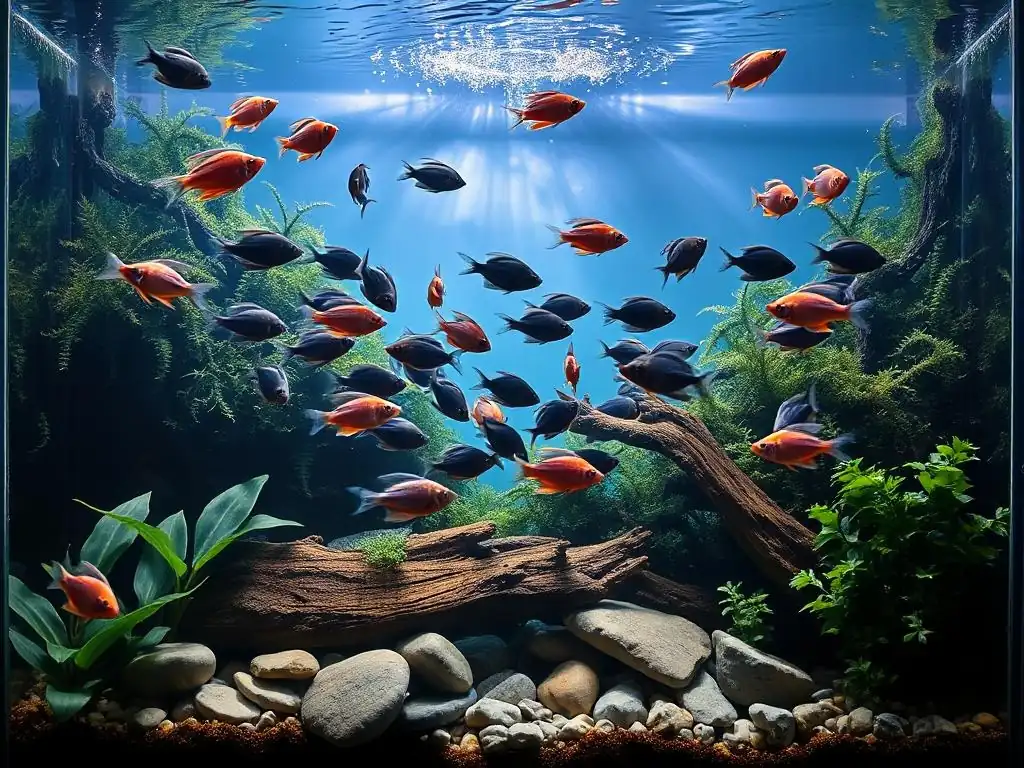
Welcome to Aquarium Mastery! Ever wondered how to unlock the full potential of your aquarium, especially when it comes to those captivating Black Skirt Tetras? Dive in as we explore everything you need to know about Black Skirt Tetra care, including long-finned and GloFish® variations, ensuring your finned friends thrive in a vibrant, healthy environment. Curious about the secrets to their well-being? Let's get started!
- Understanding Black Skirt Tetras: An Aquarium Mastery Guide
- LongFinned Black Skirt Tetra: A Graceful Variation
- GloFish® Black Skirt Tetra: Adding Color to Your Aquarium
- Black Skirt Tetra Care: Essential Guidelines
- Black Skirt Tetra Health and Disease Prevention
- Breeding Black Skirt Tetras: A Step-by-Step Guide
- Black Skirt Tetra vs. Other Tetra Species: A Comparison
- Troubleshooting Common Black Skirt Tetra Issues
- Conclusion: Mastering Black Skirt Tetra Care for a Thriving Aquarium
-
Frequently Asked Questions
- What are the key differences between long-finned and GloFish® Black Skirt Tetras?
- What are the essential water parameters for Black Skirt Tetras?
- What is the ideal tank size for a school of Black Skirt Tetras?
- What should I feed my Black Skirt Tetras?
- What are some common health issues that affect Black Skirt Tetras, and how can I prevent them?
- Final Reflection: Appreciating the Beauty in Variation
- Unleash the Wonders of Black Skirt Tetra Keeping!
Understanding Black Skirt Tetras: An Aquarium Mastery Guide
Introducing the Black Skirt Tetra (Gymnocorymbus ternetzi)
The Black Skirt Tetra, scientifically known as Gymnocorymbus ternetzi, is a popular and enduring choice for freshwater aquarists worldwide. Originating from the river basins of South America, specifically the Paraguay and Paraná River basins in countries like Brazil, Argentina, and Bolivia, this species thrives in slow-moving waters and tributaries. Its adaptability and relatively hardy nature have made it a staple in community aquariums, often being one of the first fish species many beginners successfully keep, provided they understand basic Black Skirt Tetra care.
These fish are known by several common names, including Black Widow Tetra, Blackamoor, and Petticoat Tetra, alluding to their distinctive dark fins. Growing to an average size of about 2 to 2.5 inches (approximately 5 to 6.5 cm) in a well-maintained aquarium, they possess a compact, disc-shaped body. With proper Black Skirt Tetra care, including stable water conditions and a balanced diet, they can live for an impressive 3 to 5 years, sometimes even longer, becoming a long-term inhabitant of a thriving home aquarium.
Black Skirt Tetra Characteristics and Temperament for Aquarium Keepers
The Black Skirt Tetra exhibits a striking appearance characterized by a flattened, somewhat tall body shape. When young, their silvery body is prominently adorned with two distinct vertical black stripes, one behind the gill plate and another further back, which often fade slightly with age, giving way to a more uniform dusky or black coloration towards the caudal fin.
Their large dorsal and anal fins, typically dark or black, contribute significantly to their common name and unique silhouette within the tank. Observing their natural coloration and fin integrity is a vital part of effective Black Skirt Tetra care, indicating their overall health.
In terms of temperament, Black Skirt Tetras are generally considered peaceful community fish, but their behavior is highly dependent on their environment and schooling size. They are schooling fish by nature, and keeping them in groups of at least six, ideally eight to ten or more, is crucial for their well-being and to mitigate potential fin-nipping tendencies.
When stressed or kept in insufficient numbers, they might nip at the fins of slower-moving, long-finned tank mates. Providing adequate space and a proper school size is a fundamental aspect of Black Skirt Tetra care, ensuring they exhibit their natural schooling behaviors and remain harmonious within the community tank.
LongFinned Black Skirt Tetra: A Graceful Variation
Identifying LongFinned Black Skirt Tetras: Fin Length and Aesthetics
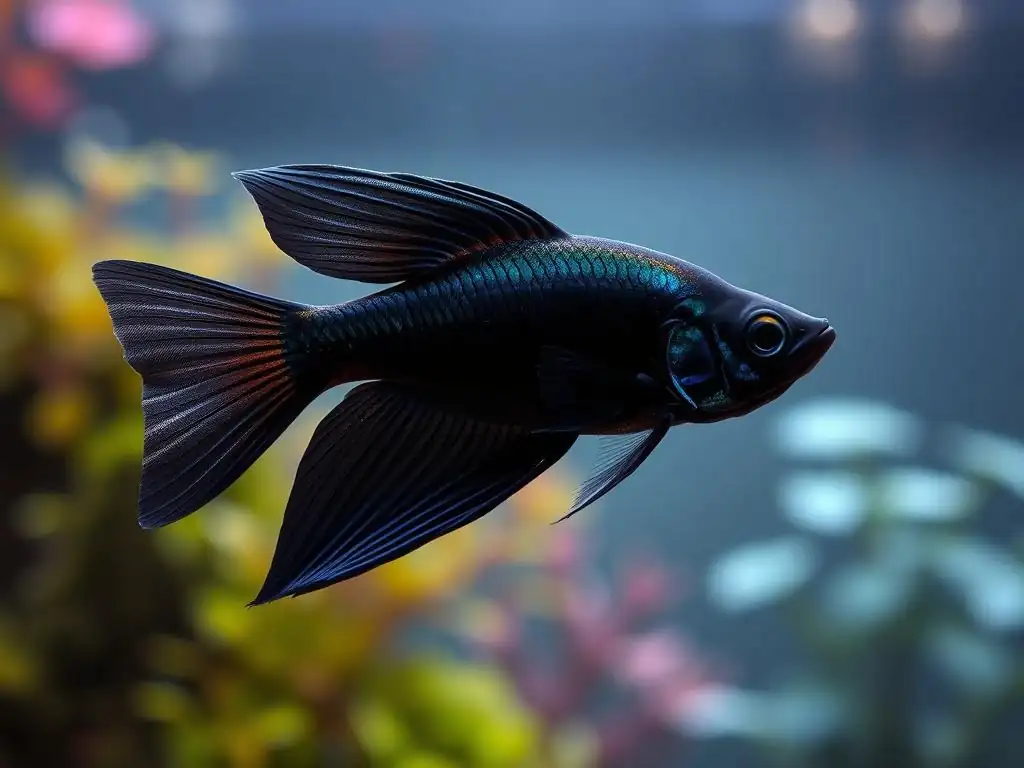
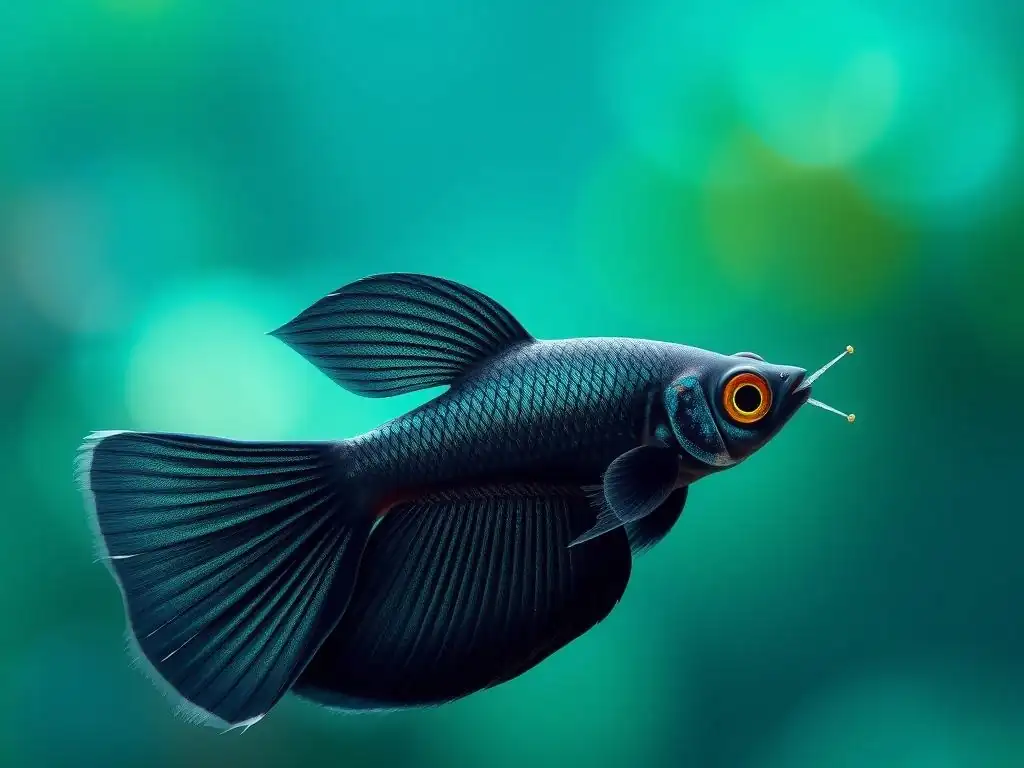
The LongFinned Black Skirt Tetra is a selectively bred variation of the standard Black Skirt Tetra, distinguished by its significantly elongated and flowing fins. While the body coloration and stripes remain similar to the wild type, the dorsal, anal, and caudal fins are dramatically extended, creating a more elegant and graceful appearance. These exaggerated fins give the fish a more delicate, almost veil-like aesthetic as they swim, making them a captivating focal point in an aquarium.
This enhanced fin length is the primary identifying characteristic, setting them apart from their short-finned counterparts. The fins can sometimes be two or even three times the length of a standard Black Skirt Tetra's fins, creating a truly majestic silhouette. However, this beauty comes with specific considerations for their Black Skirt Tetra care, particularly concerning tank environment and tank mate selection, as their extended fins can be more vulnerable to damage or fin nipping.
Caring for LongFinned Black Skirt Tetras: Specific Considerations
Caring for LongFinned Black Skirt Tetras requires particular attention to their delicate fins. When selecting tank mates, it is imperative to choose only very peaceful species that are not known for fin-nipping behavior. Aggressive fish like Tiger Barbs or even certain other tetra species can quickly damage the long, flowing fins, leading to stress, injury, and potential secondary infections like fin rot. Ideal companions include peaceful bottom dwellers such as Corydoras catfish, or other docile schooling fish like Rasboras or peaceful Danios.
Furthermore, the aquarium environment for LongFinned Black Skirt Tetras should be designed with their extended fins in mind. All decorations, including driftwood and rocks, should have smooth edges to prevent accidental tears or snags. Densely planted areas with soft-leaved plants can provide secure hiding spots without posing a risk to their fins. Maintaining pristine water quality is also paramount for their Black Skirt Tetra care, as poor conditions can quickly lead to fin rot, which is particularly detrimental to their elongated fins and overall health. Regular water changes and diligent monitoring of water parameters are essential.
GloFish® Black Skirt Tetra: Adding Color to Your Aquarium
What are GloFish® Black Skirt Tetras? Understanding Genetic Modification
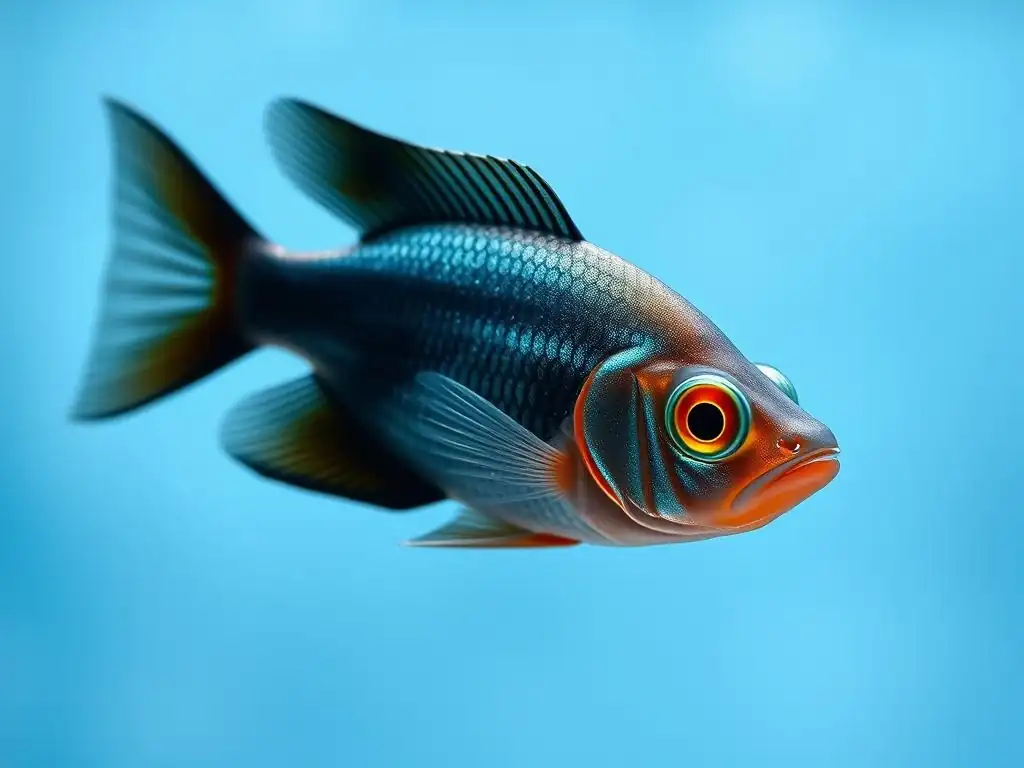
GloFish® Black Skirt Tetras are a fascinating and vibrant variation of the traditional Black Skirt Tetra, created through genetic modification. These fish are not dyed or injected with color; rather, they contain a naturally occurring fluorescent protein gene that has been safely inserted into their DNA. This gene is derived from various marine organisms, such as jellyfish or sea anemones, which naturally produce these proteins to glow under certain light conditions. The process results in a fish that inherits the fluorescent trait and passes it on to its offspring.
Originally, the genetic modification research was aimed at developing fish that could detect environmental pollutants by glowing in the presence of toxins. However, the striking visual appeal led to their commercial development for the pet trade. Under normal aquarium lighting, GloFish® appear brightly colored, but their true brilliance is revealed under blue or actinic (UV) light, where their embedded fluorescent proteins absorb the light and re-emit it at a different wavelength, causing them to "glow" vividly. Understanding this genetic origin is key to appreciating this unique aspect of Black Skirt Tetra care.
GloFish® Black Skirt Tetra Colors and Varieties Available
The GloFish® Black Skirt Tetra line offers a dazzling array of colors, making them highly popular for creating visually striking "neon" or "blacklight" themed aquariums. The most common and widely available colors include:
- Starfire Red: A deep, fiery red hue.
- Electric Green: A vibrant, almost neon green.
- Sunburst Orange: A bright, energetic orange.
- Cosmic Blue: A rich, deep blue.
- Galactic Purple: A brilliant, almost violet purple.
- Moonrise Pink: A soft, glowing pink.
These colors provide aquarists with numerous options to mix and match within a single school, creating a dynamic and colorful display. Despite their engineered coloration, the fundamental Black Skirt Tetra care requirements for GloFish® varieties are identical to those of their natural and long-finned counterparts. They require the same tank size, water parameters, diet, and social structure, ensuring that their unique appearance does not complicate their general husbandry.
Ethical Considerations: Keeping GloFish® Black Skirt Tetras
The introduction of genetically modified organisms (GMOs) into the pet trade, including GloFish® Black Skirt Tetras, has sparked ongoing ethical discussions among aquarists and environmentalists. Concerns often revolve around the potential impacts if these modified organisms were to be released into natural ecosystems, though strict regulations in many regions aim to prevent this by prohibiting their sale or requiring sterile populations. From an animal welfare perspective, there is debate over the ethics of genetic manipulation for aesthetic purposes, with some arguing against it and others seeing no inherent harm if the animals are healthy and well-cared for.
For the responsible aquarist, the primary ethical consideration should always be to provide the best possible Black Skirt Tetra care, regardless of the fish's genetic origin. This means ensuring they live in a suitable environment with stable water conditions, a proper diet, and appropriate tank mates. Focusing on the well-being and health of the individual fish, ensuring they thrive in captivity, is paramount. Adhering to local regulations regarding GloFish® ownership is also an important part of responsible pet keeping.
Black Skirt Tetra Care: Essential Guidelines
Aquarium Setup for Black Skirt Tetras: Tank Size and Environment
Proper aquarium setup is fundamental to successful Black Skirt Tetra care. For a thriving school of 6-8 Black Skirt Tetras, a minimum tank size of 15 to 20 gallons (approximately 57 to 76 liters) is recommended. While they are not exceptionally large fish, they are active swimmers and require ample space to school and explore. Larger tanks, such as 30 gallons (around 114 liters) or more, are even better, especially if you plan to keep a larger school or integrate them into a diverse community tank.
The environment within the tank should offer a balance of open swimming areas and densely planted sections. Live plants like Java Fern, Anubias, and Amazon Swords provide crucial hiding spots and a sense of security, which reduces stress and encourages natural behavior. Darker substrates can help to enhance their colors and make them feel more comfortable. Gentle filtration is preferred, as strong currents can stress these fish. A well-designed aquascape significantly contributes to optimal Black Skirt Tetra care, promoting their health and vitality.
Black Skirt Tetra Water Parameters: Maintaining Ideal Conditions
Maintaining stable and appropriate water parameters is a cornerstone of effective Black Skirt Tetra care. These fish are relatively hardy, but consistency is key. The ideal water temperature range for Black Skirt Tetras is between 72-79°F (22-26°C). A reliable aquarium heater with a thermostat is essential to keep the temperature stable.
Regarding water chemistry, they prefer slightly acidic to neutral water with a pH range of 6.0-7.5. Water hardness (GH) should ideally be in the soft to medium range, between 5-15 dGH. Regular water changes, typically 25-30% weekly, are crucial to keep nitrate levels low (below 20 ppm) and prevent the buildup of harmful ammonia and nitrite, which should always be at 0 ppm. Using a high-quality liquid test kit to monitor these parameters weekly is an indispensable part of diligent Black Skirt Tetra care.
Black Skirt Tetra Diet and Feeding: Ensuring Optimal Health
A varied and balanced diet is vital for the health and vibrant coloration of Black Skirt Tetras. As omnivores, they readily accept a wide range of foods. A high-quality flake food or small sinking pellets designed for tropical fish should form the staple of their diet, providing essential vitamins and minerals.
To ensure optimal health and promote natural behaviors, supplement their primary diet with live or frozen foods several times a week. Excellent choices include brine shrimp, bloodworms, daphnia, and small insect larvae. These high-protein supplements not only provide additional nutrients but also offer enrichment. Feed them small amounts two to three times a day, only what they can consume within two to three minutes. Overfeeding can lead to digestive issues for the fish and, more critically, to poor water quality, which significantly compromises overall Black Skirt Tetra care.
Choosing compatible tank mates is a critical aspect of Black Skirt Tetra care, especially given their schooling nature and potential for fin-nipping if not kept appropriately. The best tank mates are other peaceful, similarly sized community fish that thrive in similar water conditions. Good examples include other peaceful tetra species like Neon Tetras, Rummy Nose Tetras, or Glowlight Tetras. Bottom dwellers such as Corydoras catfish, Otocinclus catfish, and peaceful dwarf cichlids (like German Blue Rams, if the tank is large enough) also make excellent companions.
It is crucial to avoid highly aggressive or predatory fish that could harm Black Skirt Tetras. Similarly, very slow-moving fish with long, flowing fins, such as Angelfish or Guppies, should generally be avoided unless the Black Skirts are kept in a very large, well-established school (10+ individuals) in an expansive tank, as their fins can become targets.
Maintaining a school of at least 6-8 Black Skirt Tetras themselves is paramount; a larger school reduces individual stress and minimizes their tendency to nip at other fish, promoting a harmonious community environment. This careful selection is a key component of successful Black Skirt Tetra care.
Black Skirt Tetra Health and Disease Prevention
Common Black Skirt Tetra Diseases: Identification and Treatment
Like all aquarium fish, Black Skirt Tetras can be susceptible to common freshwater diseases, particularly if water quality is poor or they are stressed. One of the most prevalent diseases is Ich (Ichthyophthirius multifiliis), characterized by small white spots resembling grains of salt on the body and fins. Fin rot, often caused by bacterial infections in poor water conditions, manifests as frayed or disintegrating fins. Fungal infections may appear as cotton-like growths on the body.
Early identification and prompt treatment are crucial for successful Black Skirt Tetra care. For Ich, raising the water temperature gradually to 82-84°F (28-29°C) for several days, along with Ich-specific medications, is often effective. Fin rot and fungal infections typically respond to broad-spectrum antibacterial or antifungal medications, coupled with immediate improvements in water quality through large water changes. Always follow medication instructions carefully and remove activated carbon during treatment, as it can absorb the medication.
Maintaining a Healthy Black Skirt Tetra School: Preventing Stress and Illness
Prevention is always better than cure when it comes to Black Skirt Tetra care. The primary strategy for preventing stress and illness in a Black Skirt Tetra school revolves around providing optimal living conditions and minimizing stressors. This begins with maintaining pristine water quality through consistent weekly water changes (25-30%) and regular testing of parameters like ammonia, nitrite, and nitrate. Stable water temperature and pH are equally important, as sudden fluctuations can severely weaken their immune systems.
Ensuring they are kept in a sufficiently large school (minimum 6, ideally 8-10+ individuals) significantly reduces stress-related issues, as it allows them to exhibit their natural schooling behavior and feel more secure. A well-decorated tank with ample hiding spots from live plants or driftwood provides security and enrichment. A varied and nutritious diet bolsters their immune system, making them more resilient to disease. Quarantining new fish for at least two weeks before introducing them to the main tank is also a critical preventative measure, preventing the introduction of pathogens into your established Black Skirt Tetra school.
Breeding Black Skirt Tetras: A Step-by-Step Guide
Setting Up a Breeding Tank for Black Skirt Tetras
Breeding Black Skirt Tetras can be a rewarding experience, and it requires a dedicated breeding tank to increase the chances of success. A separate 5 to 10-gallon (approximately 19 to 38-liter) tank is usually sufficient. The water in the breeding tank should be soft (4-8 dGH) and slightly acidic (pH 6.0-6.5), with a temperature slightly elevated to 78-80°F (25-27°C) to encourage spawning. Use aged water from the main tank or reverse osmosis (RO) water to achieve these parameters.
The tank should be dimly lit and contain spawning mops or a dense layer of fine-leaved plants like Java moss, which provide a substrate for the eggs to adhere to and offer some protection from the parents. A bare bottom or a thin layer of marbles can also be used to allow eggs to fall out of reach of the adults, preventing predation.
Conditioning the breeding pair with high-protein live or frozen foods like bloodworms and brine shrimp for several days prior to introduction will significantly improve their readiness to spawn, a key step in successful Black Skirt Tetra care for breeding.
Black Skirt Tetra Fry Care: Raising Healthy Offspring
Once spawning has occurred, which typically happens in the morning, the adult Black Skirt Tetras should be removed from the breeding tank immediately, as they will readily consume their own eggs. The eggs are adhesive and will hatch within 24 to 48 hours, depending on the temperature. The newly hatched fry will be very small and will absorb their yolk sacs over the next 3 to 5 days, after which they will become free-swimming.
During the initial free-swimming stage, the fry require extremely small food sources. Infusoria, liquid fry food, or powdered dry food designed for egg-laying fish are ideal for the first few days. As they grow, typically after about a week, they can be transitioned to newly hatched brine shrimp nauplii, which are highly nutritious and promote rapid growth. Frequent, small water changes (10-15% daily or every other day) are critical for fry Black Skirt Tetra care, as they are highly sensitive to water quality fluctuations and waste buildup. Overfeeding should be avoided to prevent fouling the water.
Black Skirt Tetra vs. Other Tetra Species: A Comparison
Black Skirt Tetra vs. Neon Tetra: Differences in Care and Appearance
When comparing Black Skirt Tetras to Neon Tetras ( Paracheirodon innesi), both popular choices for community aquariums, several key differences emerge in both appearance and Black Skirt Tetra care requirements. Visually, Black Skirts are larger, typically reaching 2-2.5 inches, with a more disc-shaped body and two prominent vertical black stripes against a silvery base. Neon Tetras, by contrast, are smaller, usually growing to about 1.5 inches, and are famed for their vibrant iridescent blue stripe running along their side, complemented by a bright red stripe below it.
In terms of care, Black Skirt Tetras are generally considered hardier and more adaptable to a wider range of water parameters, making their Black Skirt Tetra care somewhat more forgiving for beginners. They tolerate slightly harder and more neutral water. Neon Tetras, while also hardy, prefer softer, more acidic water conditions that mimic their Amazonian origins. Both are schooling fish and thrive in groups, but Black Skirts can exhibit fin-nipping behavior if not kept in sufficiently large schools, a trait less common in Neons, making this a distinct consideration for Black Skirt Tetra care.
Black Skirt Tetra vs. Serpae Tetra: Choosing the Right Tetra for Your Tank
Choosing between Black Skirt Tetras and Serpae Tetras ( Hyphessobrycon eques) for a community aquarium involves considering their temperaments, as both are known for their potential for aggression if not housed correctly. Serpae Tetras are smaller than Black Skirts, typically reaching about 1.5 inches, and are characterized by their striking reddish-orange body color, often with a distinct black spot behind the gill plate. Black Skirt Tetras, as noted, are larger and silvery with black vertical bands.
The most significant difference lies in their temperament. While both are schooling fish that require groups of six or more, Serpae Tetras are notoriously more nippy and prone to aggression, even within their own school. Their fin-nipping tendencies are generally more pronounced and consistent than those of Black Skirts, making them less suitable for tanks with slow-moving or long-finned fish.
Black Skirt Tetras, when kept in large schools and with appropriate tank mates, are generally more peaceful. This distinction in aggression levels is a crucial factor when planning a community tank and determining the specific Black Skirt Tetra care strategy.
Troubleshooting Common Black Skirt Tetra Issues
Addressing Black Skirt Tetra Fin Nipping: Causes and Solutions
Fin nipping is one of the most common behavioral issues observed in Black Skirt Tetras, and addressing it is a key part of their care. This behavior typically arises from several factors: an insufficient school size (fewer than six individuals), boredom, inappropriate tank mates, or a tank that is too small. When kept in small numbers, their natural schooling instincts are frustrated, leading to stress and redirected aggression towards other fish, often manifesting as fin nipping.
To mitigate fin nipping, the primary solution is to increase the school size to at least 8-10 Black Skirt Tetras. A larger school makes them feel more secure and allows them to establish a pecking order among themselves, reducing aggression towards other species. Ensuring the tank is adequately sized (20 gallons minimum for a school) and provides ample space for swimming and hiding also helps. Re-evaluating tank mates is also crucial; avoid slow-moving, long-finned species. Providing environmental enrichment, such as plants and varied decor, can also reduce boredom and stress, contributing to better Black Skirt Tetra care and behavior.
Dealing with Black Skirt Tetra Stress: Identifying and Mitigating Factors
Stress in Black Skirt Tetras can manifest in various ways and, if left unaddressed, can lead to weakened immune systems and susceptibility to disease. Common signs of stress include a noticeable loss of vibrant coloration, clamped fins (held close to the body), excessive hiding, erratic or jerky swimming, and a refusal to eat. These symptoms often indicate underlying problems with their environment or social dynamics, requiring immediate attention to their Black Skirt Tetra care.
Mitigating stress involves systematically checking and improving their living conditions. First, ensure water parameters (temperature, pH, ammonia, nitrite, nitrate) are stable and within the ideal range, performing necessary water changes. Confirm that the tank size is adequate for the school, providing both open swimming areas and secure hiding spots. Review tank mates to ensure compatibility, removing any overly aggressive or bullying species. Finally, maintaining a consistent routine for feeding and tank maintenance helps to establish a predictable and comfortable environment, which is paramount for effective Black Skirt Tetra care and the overall well-being of the fish.
Conclusion: Mastering Black Skirt Tetra Care for a Thriving Aquarium
Mastering Black Skirt Tetra care is a rewarding endeavor that leads to a thriving and dynamic freshwater aquarium. These resilient and engaging fish, whether the classic Black Skirt Tetra, the elegant LongFinned variant, or the vibrant GloFish® type, offer a captivating addition to any community tank. Key to their success is understanding their fundamental needs: a stable environment with appropriate water parameters, a balanced and varied diet, and, crucially, the companionship of a sufficiently large school (at least 6-8 individuals) to mitigate their natural schooling instincts and reduce fin-nipping tendencies.
While the LongFinned and GloFish® variations present unique aesthetic qualities, their core Black Skirt Tetra care requirements remain largely consistent with the wild type. Long-finned varieties demand careful tank mate selection and smooth decor to protect their delicate fins, while GloFish® simply require the same excellent husbandry as their non-modified counterparts. By diligently adhering to these essential guidelines, aquarists can ensure their Black Skirt Tetras live long, healthy, and vibrant lives, making them a cornerstone of a harmonious and visually appealing aquatic display.
Frequently Asked Questions
What are the key differences between long-finned and GloFish® Black Skirt Tetras?
Long-finned Black Skirt Tetras are selectively bred for their elongated fins. GloFish® Black Skirt Tetras are genetically modified to express vibrant fluorescent colors under blue or black lighting.
What are the essential water parameters for Black Skirt Tetras?
Black Skirt Tetras thrive in slightly acidic to neutral water, with a pH of 6.0 to 7.5, and a temperature range of 72°F to 78°F. Regular water changes are crucial for maintaining these parameters.
What is the ideal tank size for a school of Black Skirt Tetras?
A minimum tank size of 20 gallons is recommended for a school of six or more Black Skirt Tetras. This allows them enough space to swim and reduces stress from overcrowding.
What should I feed my Black Skirt Tetras?
Black Skirt Tetras are omnivores and readily accept a varied diet. Offer them high-quality flake food, supplemented with live or frozen foods like bloodworms and daphnia.
What are some common health issues that affect Black Skirt Tetras, and how can I prevent them?
Common issues include Ich and fin rot. Prevention involves maintaining excellent water quality, avoiding overcrowding, and quarantining new fish before introducing them to the main tank.
Final Reflection: Appreciating the Beauty in Variation
The journey through the world of Black Skirt Tetras, from their classic form to the vibrant GloFish® variations and elegant LongFinned counterparts, underscores a crucial point: diversity enriches our aquariums and our understanding of the natural world. What began as a practical guide to Black Skirt Tetra care has revealed a deeper appreciation for the adaptability and beauty found within a single species, highlighting the responsibility we have to provide optimal conditions for all aquatic life.
This exploration has not only deepened our understanding of Black Skirt Tetras but also illuminated the broader impact of selective breeding and genetic modification on the aquarium hobby. Witnessing the popularity of GloFish® and LongFinned varieties prompts us to consider the ethical implications of these practices and the importance of prioritizing the well-being of the fish above all else. As aquarists, we are stewards of these creatures, and our choices directly influence their lives. The greatness of a nation and its moral progress can be judged by the way its animals are treated.
- Mahatma Gandhi. This quote resonates deeply, reminding us that our compassion extends to every living being under our care.
Now, as you embark on your own journey with Black Skirt Tetras, whether they be the classic variety, the radiant GloFish®, or the graceful LongFinned, remember that informed care is the cornerstone of a thriving aquarium. Let this article serve as a foundation, but never cease to learn and adapt your approach to meet the unique needs of your fish. Embrace the responsibility, celebrate the beauty, and contribute to a future where all aquatic life flourishes under our mindful care.
Unleash the Wonders of Black Skirt Tetra Keeping!
Thanks for diving into the fascinating world of LongFinned and GloFish® Black Skirt Tetras! We hope you've gained a deeper understanding of these captivating variations and their unique care requirements. Now, let's put that knowledge into action!
Here are a few ways to further explore your passion:
- Start planning your dream tetra tank! Research compatible tank mates and design a thriving aquatic environment.
- Share your Black Skirt Tetra keeping tips and experiences with fellow enthusiasts in the comments below.
- Consider researching other tetra species to expand your aquarium horizons and create a diverse community tank.
What's one thing you'll implement in your Black Skirt Tetra care routine after reading this article?