
Choosing Tank Mates for Pygmy Corydoras: Special Considerations

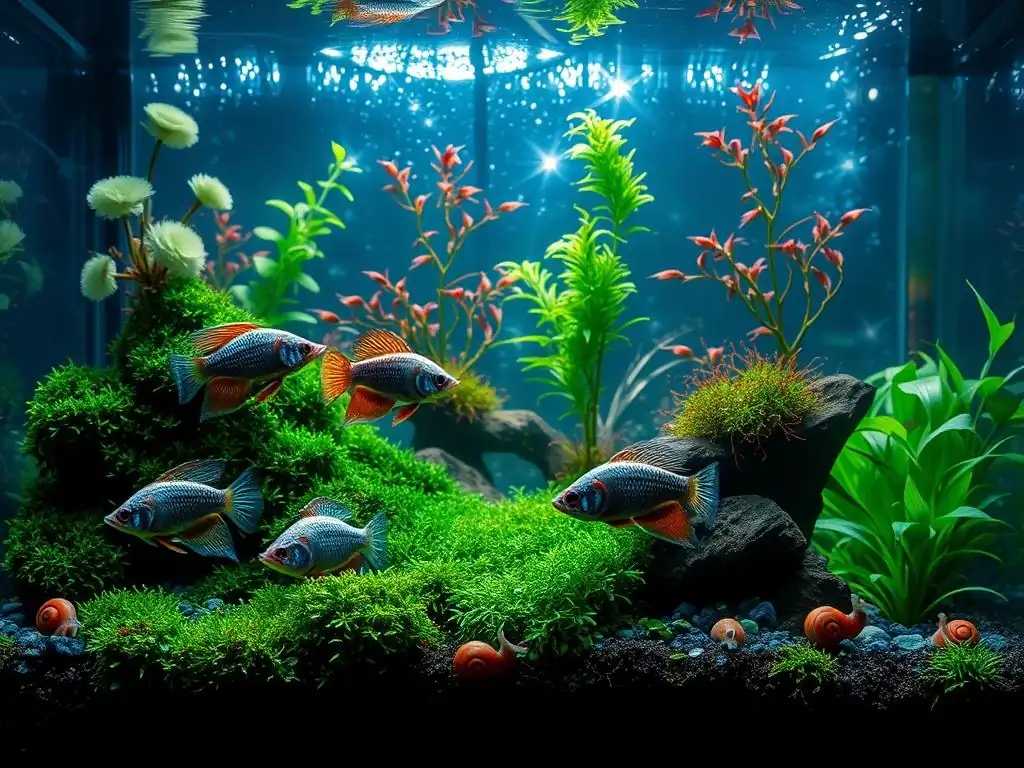
Welcome to Aquarium Mastery!
Ever wondered if your dream aquarium inhabitants will get along with delicate Pygmy Corydoras? Unlocking the secrets to successful community tanks starts here! Dive in to discover the essential considerations for Pygmy Corydoras tank mate compatibility and create a harmonious underwater world. What makes these tiny scavengers unique, and which fish are the perfect partners? Let's explore!
- Understanding Pygmy Corydoras Needs for Optimal Tank Mate Selection
- Best Tank Mates for Pygmy Corydoras: A Compatibility Guide
- Tank Mates to Avoid with Pygmy Corydoras: Preventing Stress and Predation
- Setting Up a Pygmy Corydoras-Friendly Aquarium: Environment and Decor
- Introducing New Tank Mates to Your Pygmy Corydoras Aquarium: A Gradual Approach
- Troubleshooting Common Issues in Pygmy Corydoras Community Tanks
-
Frequently Asked Questions
- What makes Pygmy Corydoras unique when considering tank mates?
- What are some ideal tank mates for Pygmy Corydoras?
- What types of fish should be avoided as tank mates for Pygmy Corydoras?
- How does tank size affect Pygmy Corydoras tank mate compatibility?
- What should I consider regarding water parameters when choosing tank mates for Pygmy Corydoras?
- Final Reflection: Cultivating Harmony in the Aquarium
- Unleash the Harmony: Create the Perfect Pygmy Cory Community!
Understanding Pygmy Corydoras Needs for Optimal Tank Mate Selection
Pygmy Corydoras: A Profile of Their Temperament and Behavior
Pygmy Corydoras ( Corydoras pygmaeus) are among the smallest and most charming freshwater fish, typically reaching a maximum size of about 1 inch (2.5 cm). Unlike their larger Corydoras cousins, they are not strictly bottom-dwellers; instead, they often occupy the mid-water column, hovering and darting among plants, though they will also forage on the substrate.
Their temperament is exceptionally peaceful and shy, making them highly susceptible to stress from larger or more aggressive tank mates. They are schooling fish and thrive in groups of at least six, preferably ten or more individuals, which enhances their confidence and natural shoaling behaviors.
Their small size and timid nature mean that Pygmy Corydoras tank mate compatibility is critically dependent on selecting equally peaceful and non-aggressive species. They possess delicate barbels, which they use to sift through substrate for food, and these can be easily damaged by rough gravel or aggressive nipping. Their small mouths also mean they can be easily outcompeted for food by faster or larger fish. Ensuring they feel secure and have plenty of hiding spots is paramount to their well-being in a community aquarium.
Ideal Water Parameters for Pygmy Corydoras and Compatible Species
Pygmy Corydoras prefer stable, clean water conditions that mimic their native South American habitats. Ideal water temperature ranges from 72-79°F (22-26°C), with a slightly acidic to neutral pH between 6.0 and 7.5. Water hardness (GH) should be kept relatively soft to moderately hard, typically between 2-15 dGH. Consistency in these parameters is far more crucial than hitting exact numbers, as sudden fluctuations can cause significant stress.
When considering Pygmy Corydoras tank mate compatibility, it's vital to choose species that thrive within these same, narrow water parameter ranges. Many popular nano fish and peaceful community species share these preferences, simplifying the selection process. For example, species like Ember Tetras or Chili Rasboras flourish in similar soft, acidic to neutral water, making them excellent candidates. Avoiding fish that require very hard or highly alkaline water ensures a harmonious environment where all inhabitants can thrive without undue stress.
Pygmy Corydoras Diet and Feeding Habits: Avoiding Competition
Pygmy Corydoras are omnivorous scavengers, primarily feeding on small invertebrates, algae, and detritus in their natural environment. In the aquarium, they require a diet of high-quality, small sinking pellets, micro-pellets, or crushed flakes. They also appreciate frozen or live foods such as daphnia, cyclops, and finely chopped bloodworms or brine shrimp. Their feeding approach is delicate; they sift through the substrate or pick food particles from plants and decor.
A major consideration for Pygmy Corydoras tank mate compatibility is their slow and gentle feeding habits. They are easily outcompeted by faster, more boisterous fish that will quickly consume all available food before the corys have a chance to feed. To ensure they receive adequate nutrition, it's often necessary to target-feed them or drop sinking foods in multiple locations, especially after the main tank lights have been dimmed, when other fish are less active. This strategy helps prevent them from becoming malnourished in a busy community setup.
Best Tank Mates for Pygmy Corydoras: A Compatibility Guide
Top Peaceful Fish Species for a Pygmy Corydoras Community Tank
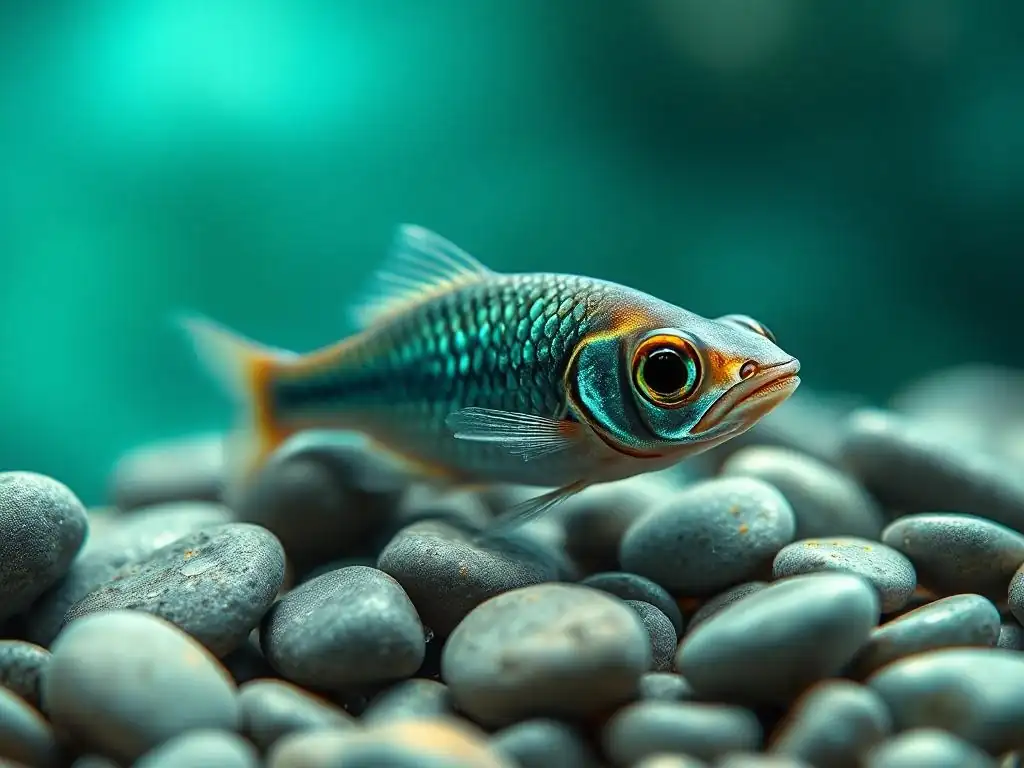
When selecting tank mates for Pygmy Corydoras, the primary criteria are small size, peaceful temperament, and a preference for the mid-to-upper water column, minimizing competition for space. Species that are known fin-nippers or possess aggressive tendencies should be strictly avoided. The goal is to create a serene environment where the Pygmy Corydoras feel secure and can exhibit their natural schooling behaviors without fear.
Excellent candidates for Pygmy Corydoras tank mate compatibility include other small, non-aggressive nano fish that occupy different water levels. These species will not intimidate the pygmy corys and often share similar water parameter requirements, making tank maintenance straightforward. Examples include various species of Boraras (e.g., Chili Rasboras), Ember Tetras, and Celestial Pearl Danios, all of which are known for their calm demeanor and diminutive size.
Nano Fish That Thrive with Pygmy Corydoras
- Chili Rasboras (Boraras brigittae): These tiny, vibrant fish are incredibly peaceful and primarily inhabit the upper and middle sections of the tank, leaving the bottom free for the corys. Their small size (around 0.8 inches / 2 cm) ensures they pose no threat.
- Ember Tetras (Hyphessobrycon amandae): Reaching about 0.8-1 inch (2-2.5 cm), Ember Tetras are schooling fish that add a splash of color to the mid-water column. They are calm, non-nippy, and ideal for a peaceful Pygmy Corydoras community.
- Celestial Pearl Danios (Danio margaritatus): Also known as Galaxy Rasboras, these beautiful fish grow to about 1 inch (2.5 cm) and are active, yet gentle. They are mid-level swimmers and do well in planted tanks, providing a dynamic yet harmonious presence.
- Dwarf Rasboras (Boraras maculatus): Similar in size and temperament to Chili Rasboras, these fish are another excellent choice for adding a small, peaceful schooling element to the upper water column.
Invertebrates that Complement Pygmy Corydoras
- Cherry Shrimp (Neocaridina davidi): These popular dwarf shrimp are excellent cleaners and completely peaceful. They will not bother Pygmy Corydoras and can help with algae and detritus, thriving in similar water conditions.
- Amano Shrimp (Caridina multidentata): Larger than Cherry Shrimp (up to 2 inches / 5 cm), Amano shrimp are robust algae eaters. They are non-aggressive and will coexist peacefully with Pygmy Corydoras, provided they are not seen as food by other tank inhabitants.
- Nerite Snails (Neritina natalensis): These snails are superb algae eaters and do not reproduce excessively in freshwater. They are completely harmless to fish and will not compete for food with the corys, making them a safe and beneficial addition.
- Mystery Snails (Pomacea bridgesii): While larger, Mystery Snails are peaceful scavengers that can add an interesting dynamic to the tank. They will not bother the Pygmy Corydoras and can help clean up uneaten food, as long as they don't overpopulate.
Suitable Tank Size for Pygmy Corydoras and Their Companions
For a small group of 6-8 Pygmy Corydoras, a 10-gallon (approximately 38 liters) aquarium might serve as a minimum, single-species setup. However, to establish a thriving community tank with compatible Pygmy Corydoras tank mates, a 15-gallon (approximately 57 liters) tank is generally considered the starting point. A 20-gallon long (approximately 76 liters) aquarium is often ideal, as its larger footprint provides more bottom area for the corys to forage and increased swimming space for mid-water dwellers.
The overall tank size directly influences the success of Pygmy Corydoras tank mate compatibility. Adequate space prevents overcrowding, which can lead to stress, aggression, and poor water quality. A larger tank also provides more stable water parameters and allows for sufficient hiding spots and territories for all inhabitants, promoting natural behaviors and reducing overall stress levels for the delicate Pygmy Corydoras.
Tank Mates to Avoid with Pygmy Corydoras: Preventing Stress and Predation
Fish Species That Can Outcompete Pygmy Corydoras for Food
One of the most common issues in a Pygmy Corydoras community tank is ensuring they receive adequate nutrition. Fast-eating, larger fish, even if generally peaceful, can easily outcompete the slow and deliberate Pygmy Corydoras for sinking foods. Examples include larger schooling tetras like Black Skirt Tetras or Serpae Tetras, which are not only fast but can also be prone to fin-nipping. Active barbs, such as Rosy Barbs, can also be problematic due to their energetic feeding habits.
Even certain bottom-dwelling species can pose a challenge. While Kuhli Loaches are generally peaceful, their speed and efficiency at finding sinking food can mean the Pygmy Corydoras miss out. Similarly, larger Corydoras species, like Bronze Corydoras, despite being peaceful, are more robust and faster eaters, making them unsuitable tank mates if you cannot ensure the pygmy corys get their share. Careful observation during feeding times is crucial to identify any competition issues and adjust feeding strategies accordingly.
Aggressive Fish That May Bully or Harm Pygmy Corydoras
Any fish species known for aggression, territoriality, or fin-nipping should be strictly avoided as Pygmy Corydoras tank mates. Their small size and timid nature make them highly vulnerable to bullying, which can lead to chronic stress, injury, or even death. Common culprits include many cichlid species, even dwarf varieties like some Apistogramma during breeding, as they can become highly territorial.
Larger gouramis, such as Blue Gouramis or Kissing Gouramis, can also be problematic, as they might intimidate or harass the tiny corys. While some Betta fish can be peaceful, many males are highly territorial and may view Pygmy Corydoras as rivals or simply become aggressive due to their inherent nature. Even if an aggressive fish doesn't directly prey on them, constant harassment will prevent the Pygmy Corydoras from feeding and exhibiting natural behaviors, severely impacting their health and lifespan.
Fish Too Large for a Pygmy Corydoras Community Aquarium
Any fish large enough to potentially swallow a Pygmy Corydoras should be considered an unsuitable tank mate, regardless of its typical temperament. While not all large fish are predatory, the risk is simply too high for such a small species. Common community fish that fall into this category include Angelfish, larger Gouramis (e.g., Pearl Gouramis, although often peaceful, can still intimidate), and even some larger, robust schooling tetras if they significantly dwarf the pygmy corys.
Beyond direct predation, very large fish can also cause immense stress to Pygmy Corydoras simply by their presence. The sheer size difference can make the corys feel constantly threatened, causing them to hide excessively, refuse to feed, and become withdrawn. This constant state of anxiety compromises their immune system and overall well-being. Ensuring appropriate Pygmy Corydoras tank mate selection means prioritizing their comfort and safety above all else.
Setting Up a Pygmy Corydoras-Friendly Aquarium: Environment and Decor
Creating a Safe and Comfortable Habitat for Pygmy Corydoras and Tank Mates
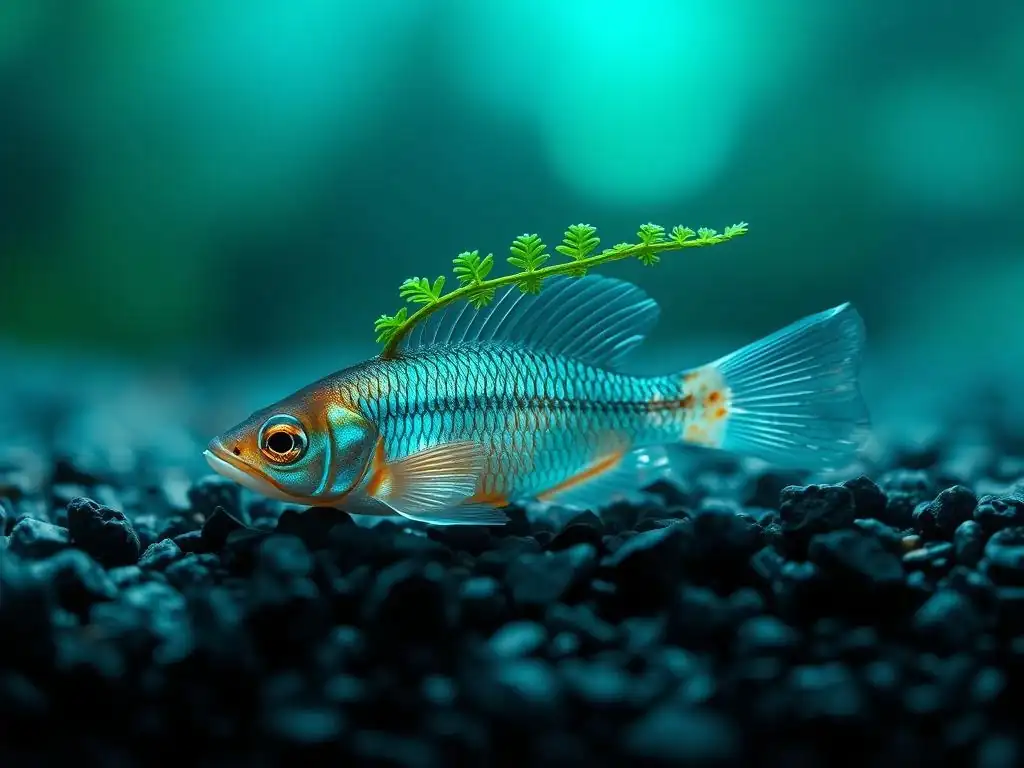
A thoughtfully designed aquarium environment is crucial for the well-being of Pygmy Corydoras and the success of their tank mate compatibility. These shy fish require ample hiding spots and areas where they can retreat if they feel threatened. A well-planted tank with plenty of natural decor not only looks aesthetically pleasing but also provides the security and enrichment necessary for these delicate fish to thrive.
The decor should be chosen carefully to protect their sensitive barbels. Smooth surfaces are paramount. Driftwood, smooth river rocks, and ceramic caves are excellent choices, offering both hiding spots and areas for beneficial bacteria to colonize. It's important to balance open swimming spaces with densely planted areas, providing a varied landscape that caters to the needs of all Pygmy Corydoras tank mates.
Substrate Recommendations for Pygmy Corydoras
- Fine Sand: This is the ideal substrate for Pygmy Corydoras. Their delicate barbels are designed for sifting through fine particles, and sand allows them to forage naturally without risk of injury. Examples include CaribSea Super Naturals or Estes Marine Sand.
- Smooth, Small Gravel: If sand is not preferred, a very smooth, small-grained gravel (less than 2mm in diameter) can be used, but it must be entirely rounded with no sharp edges. However, sand remains the superior choice for promoting natural behavior and protecting their barbels.
Plants That Provide Cover and Security
- Java Moss (Taxiphyllum barbieri): An excellent, low-maintenance plant that provides dense cover, especially beneficial for fry or very shy corys. It can be attached to driftwood or rocks.
- Anubias Species (Anubias barteri): These hardy plants have broad leaves that offer resting spots and shade. They are slow-growing and can be attached to hardscape.
- Java Fern (Microsorum pteropus): Similar to Anubias, Java Fern is robust and provides good cover. It can be tied to driftwood or rocks and thrives in low-to-moderate light.
- Cryptocoryne Species: These root-feeding plants establish well in sand and create dense, low-lying foliage, offering excellent ground-level cover for Pygmy Corydoras.
- Floating Plants (e.g., Dwarf Water Lettuce, Frogbit): These plants diffuse overhead light, making the Pygmy Corydoras feel more secure and reducing stress. They also help absorb excess nutrients.
Maintaining Water Quality for a Healthy Community Tank
Maintaining pristine water quality is the cornerstone of a successful Pygmy Corydoras community tank and essential for their tank mate compatibility. Regular partial water changes are crucial, typically 25-30% weekly, to remove accumulated nitrates and replenish trace elements. A reliable filtration system, such as a sponge filter or a hang-on-back filter with a gentle flow, is necessary to maintain biological filtration and mechanical clarity without creating strong currents that stress the small fish.
Consistent monitoring of water parameters using a high-quality liquid test kit is vital. Ammonia and nitrite should always be at zero, and nitrates kept below 20 ppm. pH and temperature should be stable and within the preferred range for Pygmy Corydoras and their chosen tank mates. Overfeeding and overstocking are common causes of poor water quality, leading to stress and disease, so careful management of these factors is paramount for the long-term health of the entire aquarium community.
Introducing New Tank Mates to Your Pygmy Corydoras Aquarium: A Gradual Approach
Quarantine Procedures for New Fish Before Adding to the Main Tank
The most critical step in introducing new Pygmy Corydoras tank mates is a thorough quarantine process. All new fish, regardless of their source, should be held in a separate, dedicated quarantine tank for a minimum of 2-4 weeks. This tank does not need to be elaborate; a 5-10 gallon (19-38 liter) tank with a heater, sponge filter, and a few hiding spots is sufficient. This isolation period allows for observation and, if necessary, treatment of any diseases or parasites the new fish might carry, preventing their introduction into your established Pygmy Corydoras community.
During quarantine, observe the new fish daily for signs of illness, such as white spots (Ich), clamped fins, lethargy, odd swimming patterns, or visible lesions. Perform regular water changes in the quarantine tank to maintain good water quality. If any signs of disease appear, treat the fish in the quarantine tank before they ever enter the main display. This proactive measure significantly reduces the risk of devastating disease outbreaks that could affect your healthy Pygmy Corydoras and existing tank mates.
Monitoring Pygmy Corydoras Behavior After Introducing New Tank Mates
Once new fish have successfully completed quarantine and are introduced to the main aquarium, close observation of your Pygmy Corydoras is essential for the first few days to weeks. Look for any changes in their behavior that might indicate stress or harassment from the new arrivals. Signs of stress include excessive hiding, clamped fins, rapid breathing, loss of appetite, or unusual darting movements. Also, observe the new tank mates themselves to ensure they are not showing aggression towards the delicate corys.
If any negative interactions or signs of stress are noted, be prepared to take action. This might involve removing the problematic tank mate, adding more hiding spots, or even rearranging the tank decor to break up established territories. The goal is to ensure a smooth transition and maintain a peaceful environment where Pygmy Corydoras tank mate compatibility remains high, allowing all fish to thrive without undue stress or competition.
Troubleshooting Common Issues in Pygmy Corydoras Community Tanks
Addressing Aggression or Bullying Between Tank Mates
Despite careful planning for Pygmy Corydoras tank mate compatibility, aggression can sometimes emerge. If you observe bullying, first identify the aggressor. Aggression often stems from overcrowding, insufficient hiding spots, or an unsuitable species mix. Increasing the number of hiding places, adding more plants, or even rearranging the decor can sometimes diffuse territorial disputes by breaking up sightlines and creating new territories.
If a specific fish consistently harasses the Pygmy Corydoras or other tank mates, it may need to be rehomed. For example, while many Betta fish can coexist peacefully, an individual Betta might prove too aggressive for the timid corys. Pygmy Corydoras are too small and vulnerable to defend themselves, so removing the source of aggression is paramount to their well-being. Prompt intervention ensures the continued harmony of your community aquarium.
Preventing Disease Outbreaks in a Community Aquarium
Preventing disease is far more effective than treating it, especially in a community tank with delicate species like Pygmy Corydoras. The cornerstone of disease prevention is maintaining consistently excellent water quality through regular partial water changes, proper filtration, and avoiding overfeeding or overstocking. A balanced, nutritious diet also boosts the immune systems of all fish, making them more resilient to pathogens.
Always adhering to strict quarantine procedures for all new Pygmy Corydoras tank mates is perhaps the single most important preventative measure against introducing diseases. Stress weakens fish's immune systems, making them susceptible to common ailments like Ich or bacterial infections. By minimizing stress through a stable environment and compatible tank mates, you significantly reduce the likelihood of disease outbreaks and ensure the long-term health of your entire aquatic community.
Ensuring Adequate Food for All Tank Inhabitants
In a community tank, ensuring that slow and shy eaters like Pygmy Corydoras receive sufficient food can be a challenge, as faster fish often consume everything quickly. Observe your corys during feeding times to confirm they are actively eating and not looking thin. If they appear to be missing out, adjust your feeding strategy.
One effective method is to offer small, sinking pellets or wafers after the main tank lights have been dimmed or turned off for the night. This allows the Pygmy Corydoras to forage more confidently when their more active tank mates are less competitive. Scattering food in multiple locations or even target-feeding specific sinking foods near their hiding spots with a pipette can also ensure that every Pygmy Corydoras tank mate, especially the corys themselves, receives adequate nutrition for their health and vitality.
Frequently Asked Questions
What makes Pygmy Corydoras unique when considering tank mates?
Pygmy Corydoras are quite small and peaceful, making them vulnerable to bullying. They require tank mates that are equally gentle and non-aggressive. Size is also important; avoid fish that could potentially eat them.
What are some ideal tank mates for Pygmy Corydoras?
Small, peaceful fish like rasboras, tetras (specifically Ember or Cardinal Tetras), and shrimp are generally good choices. Ensure the water parameters are suitable for all species in the tank.
What types of fish should be avoided as tank mates for Pygmy Corydoras?
Avoid any fish that are known to be aggressive, territorial, or large enough to eat the Pygmy Corydoras. This includes many types of cichlids, larger barbs, and predatory fish.
How does tank size affect Pygmy Corydoras tank mate compatibility?
A larger tank allows for more options and reduces the chances of aggression. Overcrowding can lead to stress and increased competition for resources, making compatibility more difficult.
What should I consider regarding water parameters when choosing tank mates for Pygmy Corydoras?
All fish in the aquarium must thrive in the same water conditions. Pygmy Corydoras prefer slightly acidic to neutral water, so choose tank mates that share this preference for optimal health and well-being.
Final Reflection: Cultivating Harmony in the Aquarium
The delicate balance of an aquarium ecosystem, as we've explored through the lens of Pygmy Corydoras tank mate compatibility, mirrors the intricate relationships found in nature itself. Understanding these nuances isn't just about keeping fish alive; it's about fostering a thriving, harmonious environment where each species can flourish. The principles of careful selection and observation discussed here are crucial not only for the well-being of these tiny catfish but also for the overall health and beauty of the entire aquatic world within our glass walls.
This journey into the world of Pygmy Corydoras has underscored the importance of empathy and informed decision-making in our interactions with the natural world. The responsibility we bear as aquarists extends beyond simply providing food and shelter; it demands a deep understanding of the needs and behaviors of the creatures in our care. The greatness of a nation and its moral progress can be judged by the way its animals are treated.
- Mahatma Gandhi. This quote, though not specifically about fish, resonates deeply with the ethical considerations inherent in responsible aquarium keeping.
Now, as you embark on your own journey to create a peaceful and vibrant aquarium community, remember the lessons we've learned. Consider not just the aesthetic appeal of potential tank mates, but their temperament, size, and environmental needs. Let the principles of compatibility guide your choices, and may your aquarium be a testament to the beauty and balance that can be achieved through thoughtful stewardship. Reflect on the potential impact of your decisions and strive to create a haven where every creature can thrive, contributing to a miniature ecosystem that reflects the wonders of the natural world.
Unleash the Harmony: Create the Perfect Pygmy Cory Community!
Thanks for diving into the world of Pygmy Corydoras and learning how to choose the best tank mates! Now it's time to put that knowledge into action and build a thriving community. Here are a few steps you can take right now:
- Carefully select and introduce your Pygmy Corydoras tank mates using the knowledge you've gained – remember to prioritize peaceful, small species that share similar water parameters. This is the single most important step for success!
- Explore local aquarium groups or forums to share your planned community and get personalized feedback from experienced keepers. Don't be afraid to ask questions!
- Start a journal or blog documenting the growth and interactions within your Pygmy Corydoras tank, and share your observations and tips with others online!
What small, peaceful fish are you most excited to introduce to your Pygmy Corydoras tank, and what are your strategies for ensuring a smooth transition?