
Feeding *Cyprichromis*: The Best Diet for These MidWater Planktivores

Welcome to Aquarium Mastery!
Ever wondered how to unlock the secret to vibrant colors and optimal health in your Cyprichromis? This guide dives deep into the essential Cyprichromis feeding diet, revealing the best practices for nourishing these fascinating midwater planktivores. Discover the key to a thriving Cyprichromis aquarium and learn how to provide the perfect nutritional balance. Ready to become a Cyprichromis feeding expert? Let's begin!
- Understanding Cyprichromis Nutritional Needs: A Diet Guide
- The Ideal Cyprichromis Feeding Diet: A Comprehensive Guide
- Cyprichromis Feeding Schedule: Frequency and Portion Control
- Selecting the Right Food Size for Cyprichromis
- Special Dietary Considerations for Cyprichromis
- Common Cyprichromis Feeding Problems and Solutions
- Maintaining Water Quality Through Proper Feeding
- Frequently Asked Questions
- Final Reflection: Nurturing the Jewels of Tanganyika
- Unlock the Vibrant Colors of Your *Cyprichromis*!
Understanding Cyprichromis Nutritional Needs: A Diet Guide
Cyprichromis in the Wild: Natural Feeding Habits
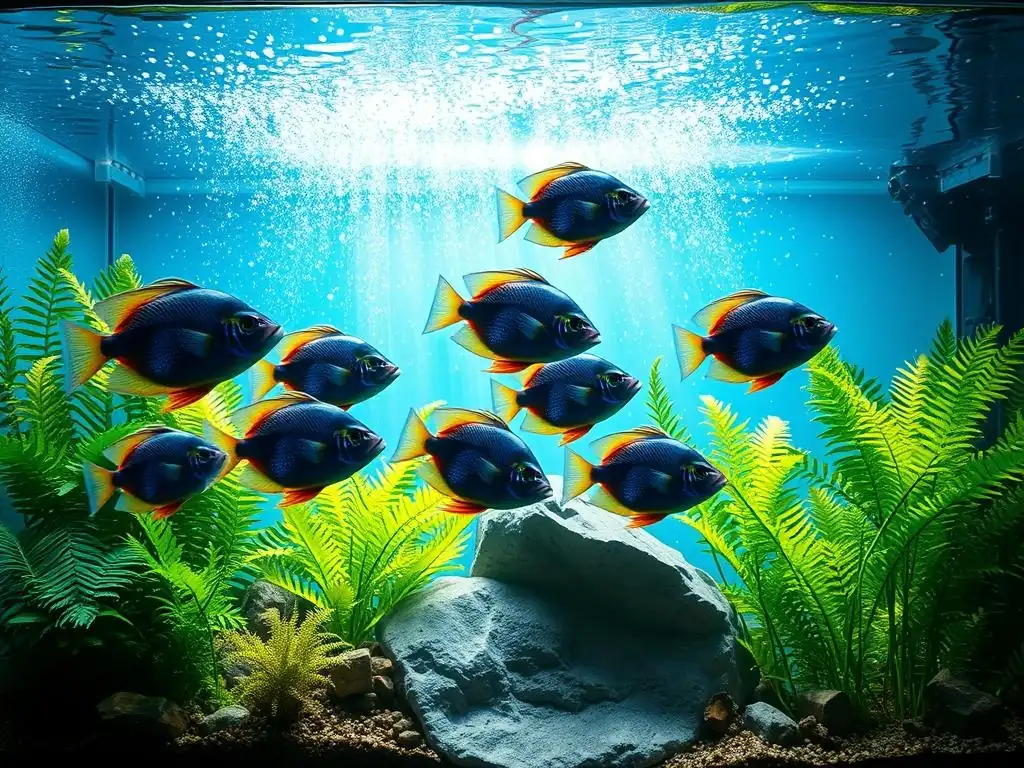
Cyprichromis species, often referred to as "featherfins," originate from the vast, deep waters of Lake Tanganyika in East Africa. In their natural habitat, these stunning cichlids are obligate planktivores, meaning their diet consists almost exclusively of microscopic organisms suspended in the water column. They are mid-water dwellers, forming large shoals that meticulously filter-feed on zooplankton, such as copepods and cladocerans, and to a lesser extent, phytoplankton. This specialized feeding behavior is crucial to understanding their dietary requirements in an aquarium setting.
The specific composition of their wild Cyprichromis feeding diet varies seasonally and geographically within the lake, but it primarily revolves around small, protein-rich invertebrates. Studies on Lake Tanganyika's ecosystem indicate that zooplankton densities can range from hundreds to thousands of individuals per liter, providing an abundant and continuous food source for these active fish. Replicating this consistent supply of tiny, nutritious particles is paramount for the long-term health and vibrancy of Cyprichromis in captivity.
Cyprichromis in Aquariums: Replicating the Natural Diet
When keeping Cyprichromis in a home aquarium, the primary goal of any Cyprichromis feeding diet guide should be to closely mimic their natural planktivorous habits. This necessitates offering a variety of small, high-quality foods that are easily digestible and provide a balanced nutritional profile. Unlike many other cichlids, Cyprichromis are not benthic feeders and will rarely scavenge food from the substrate, emphasizing the importance of food that remains suspended or drifts through the water column.
A successful Cyprichromis diet in captivity must therefore focus on small particle sizes, ensuring the food is readily consumed by their relatively small mouths. Neglecting this aspect can lead to malnutrition, as the fish may expend too much energy attempting to ingest oversized particles or simply ignore them. The best approach involves a combination of prepared foods and live or frozen options to provide the necessary diversity and stimulate their natural feeding instincts.
The Ideal Cyprichromis Feeding Diet: A Comprehensive Guide
High-Quality Flake Food for Cyprichromis: A Staple Diet
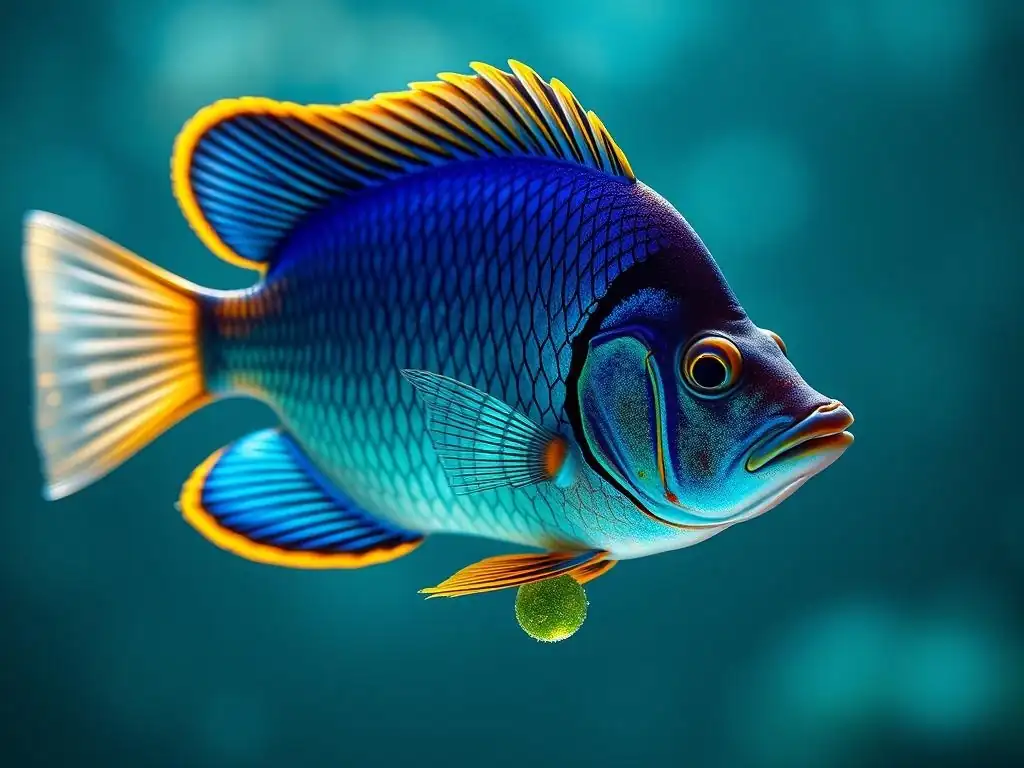
High-quality flake food should form the foundation of any Cyprichromis feeding diet. It provides a convenient and consistent source of essential nutrients, and many premium brands are formulated to meet the specific dietary needs of omnivorous or planktivorous fish. Look for flakes with a high protein content, typically around 40-50%, derived from marine sources like fish meal or shrimp meal, and consider those enriched with spirulina or other plant matter to ensure a balanced intake of both animal and vegetable proteins.
For Cyprichromis, the key is not just the quality of the flake but also its presentation. Due to their small mouths and mid-water feeding habits, flakes should be crushed into very fine particles before being offered. This ensures easy ingestion and minimizes waste. A good practice is to gently crumble flakes between your fingers or use a specialized food grinder to achieve a powder-like consistency, allowing the tiny particles to drift slowly through the water, mimicking their natural planktonic prey.
Live and Frozen Foods for Cyprichromis: Enhancing Nutrition & Color
While flakes provide a good base, live and frozen foods are indispensable for enhancing the Cyprichromis diet, boosting their immune system, and intensifying their vibrant colors. These foods offer a natural nutrient profile and encourage natural hunting behaviors, which is crucial for the overall well-being of these active fish. Offering a varied selection ensures they receive a full spectrum of vitamins, minerals, and fatty acids that might be less prevalent in prepared foods.
The introduction of live and frozen foods also provides mental stimulation for Cyprichromis. Witnessing them actively hunt and dart after live prey is not only fascinating for the aquarist but also contributes to the fish's vitality and natural conditioning. This varied feeding approach is a cornerstone of a comprehensive Cyprichromis feeding diet guide, moving beyond mere sustenance to promote optimal health and behavioral enrichment.
Daphnia for Cyprichromis: Tiny Treats for Optimal Health
Daphnia, commonly known as water fleas, are an excellent choice for Cyprichromis due to their small size and nutritional benefits. These tiny crustaceans closely resemble the zooplankton that Cyprichromis consume in the wild, making them an ideal and highly accepted food source. Daphnia are rich in protein and digestive enzymes, and they also act as a natural laxative, aiding in the digestive process and helping to prevent constipation, a common issue in captive fish.
Both live and frozen daphnia are suitable options. Live daphnia offer the added benefit of stimulating the fish's natural predatory instincts, providing exercise and mental engagement as the fish chase and consume them. Frozen daphnia, while not providing the same interactive experience, are a convenient and safe alternative, offering consistent nutrition without the risk of introducing parasites often associated with wild-caught live foods.
Brine Shrimp for Cyprichromis: A Nutritious Addition
Brine shrimp (Artemia salina) are another valuable component of a Cyprichromis feeding diet. While adult brine shrimp might be slightly larger than ideal for consistent feeding, newly hatched brine shrimp nauplii are perfectly sized for Cyprichromis of all ages, including fry. Brine shrimp are highly palatable and rich in proteins and essential fatty acids, contributing significantly to growth and overall vitality.
Although adult brine shrimp are often gut-loaded to enhance their nutritional value before feeding, even without gut-loading, they provide a good source of protein and roughage. They are particularly useful for encouraging finicky eaters or new additions to a tank to begin feeding. Offering a mix of live and frozen brine shrimp ensures a continuous supply of this beneficial food, supporting a robust Cyprichromis feeding regimen.
Cyclops for Cyprichromis: Simulating Planktonic Food Sources
Cyclops, a type of copepod, are perhaps one of the most ideal food sources for Cyprichromis due to their minute size and high nutritional density. These microscopic crustaceans are incredibly similar to the natural planktonic prey Cyprichromis would encounter in Lake Tanganyika, making them highly recognizable and eagerly consumed. Cyclops are packed with essential fatty acids, including beneficial omega-3s, which are crucial for immune function, growth, and vibrant coloration.
Available primarily in frozen form, cyclops provide a concentrated burst of nutrition that can significantly improve the health and vigor of your Cyprichromis. Their small size ensures easy ingestion by even the smallest mouth, and their tendency to remain suspended in the water column for a short period perfectly aligns with the mid-water feeding habits of these fish. Incorporating cyclops regularly is a key recommendation in any comprehensive Cyprichromis feeding diet guide for optimal health.
Supplementing Your Cyprichromis Diet: Essential Vitamins and Minerals
Beyond a varied diet of flakes and frozen foods, supplementing your Cyprichromis diet with essential vitamins and minerals can further enhance their long-term health and disease resistance. While high-quality commercial foods often contain added vitamins, their potency can degrade over time once the package is opened. Therefore, periodic supplementation ensures your fish receive adequate levels of vital nutrients.
Liquid vitamin supplements specifically designed for aquarium fish can be used to soak frozen or flake foods just before feeding. For instance, enriching food with Vitamin C is known to boost the immune system and aid in tissue repair. Similarly, other trace minerals and B vitamins play critical roles in metabolism and overall well-being. A consistent, high-quality Cyprichromis feeding diet guide will always advocate for this extra step to provide a complete nutritional profile.
Cyprichromis Feeding Schedule: Frequency and Portion Control
How Often to Feed Cyprichromis: Finding the Right Balance
Given their active metabolism and continuous feeding habits in the wild, Cyprichromis benefit from multiple small feedings throughout the day rather than one large meal. A recommended feeding schedule involves offering food 2-3 times daily, or even more frequently for younger fish or breeding pairs. This approach mimics their natural grazing behavior, where they continuously pick at plankton in the water column.
Each feeding should be a small portion that can be entirely consumed within two to three minutes. This strategy ensures that all fish in the shoal have an opportunity to eat without overfeeding the tank or allowing food to decay. Consistency in the feeding schedule also helps establish a routine, which can reduce stress and encourage more confident feeding behavior among your Cyprichromis.
Avoiding Overfeeding: Signs and Prevention in Cyprichromis
Overfeeding is one of the most common pitfalls in aquarium keeping and can lead to significant health issues for Cyprichromis and the overall tank environment. Signs of overfeeding include uneaten food accumulating on the substrate, cloudy or murky water, and a noticeable increase in ammonia and nitrite levels. Prolonged overfeeding can cause digestive problems like bloating in the fish and severe water quality degradation, potentially leading to illness or death.
To prevent overfeeding, always adhere to the "feed only what they can consume in 2-3 minutes" rule. It's often better to underfeed slightly than to overfeed. If you notice uneaten food after a few minutes, use a small net or siphon to remove it promptly. Regularly observing your fish's appetite and adjusting portion sizes accordingly is a crucial aspect of responsible Cyprichromis feeding and maintaining pristine water conditions.
Selecting the Right Food Size for Cyprichromis
Small Mouths, Small Food: Grain Size Considerations
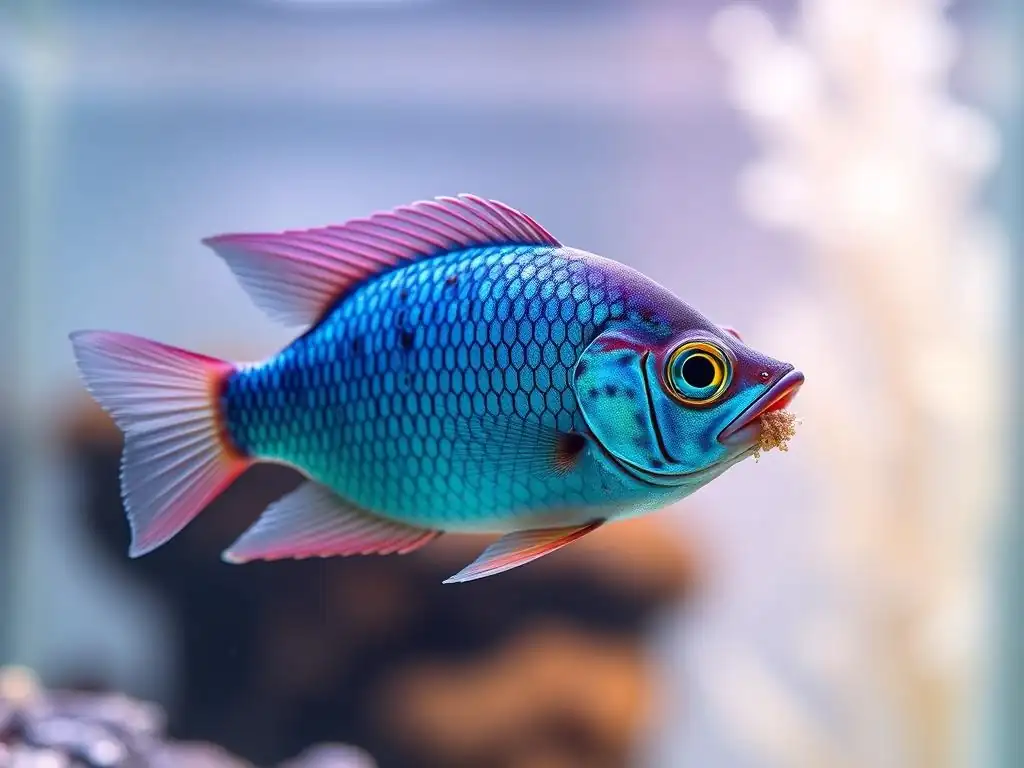
One of the most critical aspects of a successful Cyprichromis feeding diet guide is understanding the importance of food particle size. Cyprichromis possess relatively small, upturned mouths adapted for sifting microscopic organisms from the water column. Consequently, they cannot effectively consume large food items. Offering food that is too big will result in wasted food, frustration for the fish, and potential malnutrition.
For flake foods, this means crushing them into a fine powder or very small crumbs, ideally less than 1 millimeter in diameter. For frozen foods, ensure they are thawed and broken into similarly tiny pieces. Live foods like daphnia, brine shrimp nauplii, and cyclops are naturally the perfect size. Always prioritize small, easily ingestible particles to ensure your Cyprichromis can feed efficiently and derive maximum nutrition.
Ensuring Proper Ingestion: Preventing Feeding Problems
Incorrect food size is a leading cause of feeding problems in Cyprichromis, potentially leading to a lack of appetite, refusal to eat, or even choking in rare cases. When food particles are too large, Cyprichromis may attempt to eat them but then spit them out repeatedly, indicating difficulty in swallowing. This not only wastes food but also adds to the bioload in the tank.
Ensuring proper ingestion also involves considering how the food behaves in the water. Since Cyprichromis are mid-water feeders, food that sinks too quickly will be missed. Finely crushed flakes and small frozen foods tend to disperse and remain suspended longer, allowing the entire shoal ample opportunity to feed. Observing your fish during feeding time will quickly reveal if the food size is appropriate for their efficient consumption.
Special Dietary Considerations for Cyprichromis
Feeding Fry: A Specialized Cyprichromis Feeding Regimen
Cyprichromis are maternal mouthbrooders, meaning the female carries the eggs and fry in her mouth until they are free-swimming. Once the fry are released, typically after 3-4 weeks, they are relatively well-developed but still require a highly specialized Cyprichromis feeding diet. Their mouths are incredibly tiny, necessitating microscopic food sources for their first few weeks of independent life.
Newly hatched brine shrimp nauplii are universally regarded as the best first food for Cyprichromis fry due to their small size, high nutritional value, and natural swimming motion that stimulates feeding. Powdered fry foods specifically formulated for egg-layers or cichlid fry can also be used, often mixed with a small amount of tank water to create a suspension. Fry should be fed very small amounts 4-6 times a day to support their rapid growth and development.
Diet During Breeding: Enhancing Fertility and Egg Production
The diet of adult Cyprichromis plays a significant role in their breeding success, influencing both fertility and the quality of egg production. Providing a rich, high-protein diet to conditioning adult Cyprichromis can significantly enhance their readiness to spawn and the viability of their offspring. This is especially true for the females, who require ample energy reserves for egg development and the subsequent brooding period.
During the breeding cycle, consider increasing the frequency of high-quality frozen foods like cyclops, daphnia, and even finely chopped bloodworms (though sparingly, as bloodworms can be rich). A varied and nutrient-dense Cyprichromis feeding diet ensures that both males and females are in peak condition, leading to more frequent spawns, healthier eggs, and ultimately, a higher success rate in raising fry.
Common Cyprichromis Feeding Problems and Solutions
Finicky Eaters: Encouraging Cyprichromis to Accept New Foods
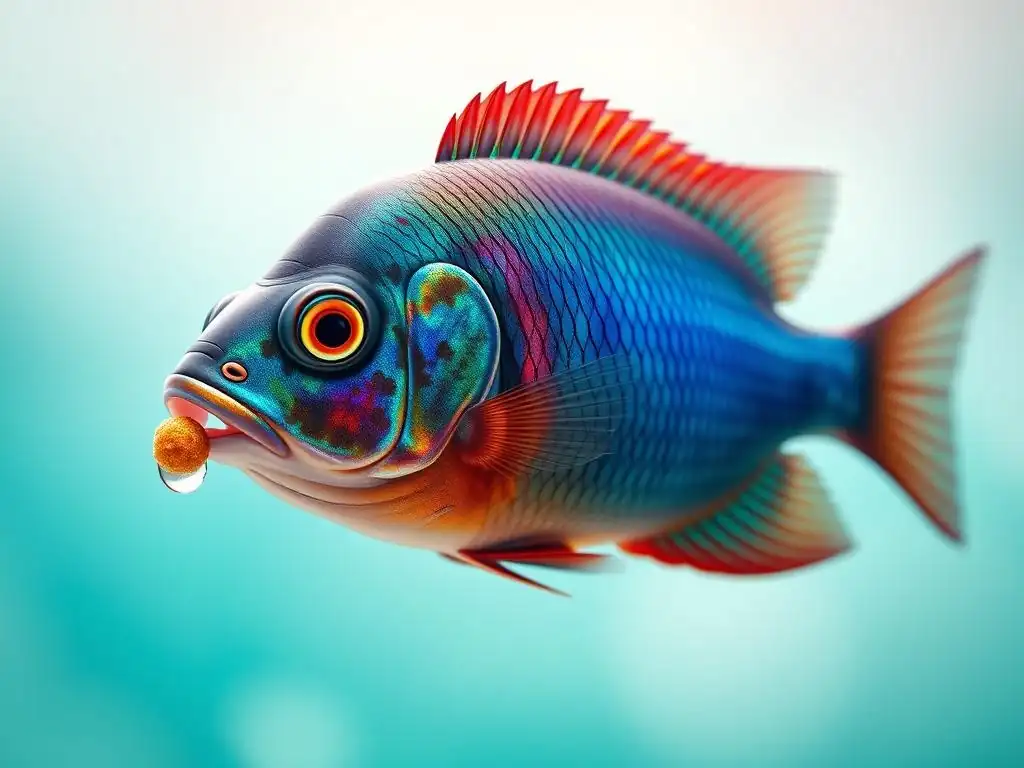
While generally eager eaters, some Cyprichromis can be finicky, especially when first introduced to a new aquarium or when transitioning to different food types. They may initially refuse unfamiliar foods, preferring only what they are accustomed to. Patience and a gradual approach are key to encouraging them to accept a broader Cyprichromis feeding diet.
One effective strategy is to mix new foods with a small amount of their current favorite food, slowly increasing the proportion of the new item over several days or weeks. Brief periods of fasting (e.g., skipping one day of feeding) can also stimulate appetite, making them more likely to try novel foods. Consistency in offering varied options will eventually help even the most hesitant Cyprichromis broaden their palate.
Competition for Food: Ensuring All Cyprichromis Get Enough
Cyprichromis are schooling fish, and while this behavior is generally peaceful, competition for food can arise, especially in larger shoals or if dominant individuals monopolize feeding areas. This can lead to smaller or more timid fish being underfed, impacting their growth and overall health. Ensuring all fish receive adequate nutrition is a vital part of proper Cyprichromis feeding.
To mitigate competition, disperse the food widely across the water surface or in multiple areas of the tank. This allows more fish to access the food simultaneously without intense competition. Feeding slightly larger portions, while still adhering to the "consume within minutes" rule, can also ensure that even the less aggressive individuals get their share. Observing the entire shoal during feeding will help you identify if any fish are consistently missing out and adjust your feeding strategy accordingly.
Maintaining Water Quality Through Proper Feeding
The Link Between Diet and Water Parameters in Cyprichromis Tanks
The Cyprichromis feeding diet directly impacts the water quality in their aquarium. Uneaten food, even in small amounts, will rapidly decompose, releasing ammonia into the water. Ammonia is highly toxic to fish and, if not converted by the beneficial bacteria in the biological filter, can lead to ammonia poisoning, gill damage, and ultimately, death. This decomposition process also consumes oxygen and contributes to the buildup of nitrates, which, while less toxic, can lead to algae blooms and stress fish if allowed to accumulate to high levels.
Furthermore, the type of food and how easily it is digested by Cyprichromis can influence the amount of waste produced. Low-quality foods or those with indigestible fillers can lead to more fecal waste, further burdening the filtration system. Therefore, a well-planned Cyprichromis feeding diet guide emphasizes not only what the fish eat but also how it affects the delicate balance of the Tanganyikan biotope.
Minimizing Waste: Smart Cyprichromis Feeding Strategies
Minimizing waste is paramount for maintaining stable water parameters in a Cyprichromis tank. The core strategy revolves around the principle of small, frequent feedings, ensuring that virtually all food offered is consumed. As mentioned, never overfeed; if you see food hitting the substrate, you've likely fed too much. Using a feeding ring can help contain floating foods, preventing them from scattering and sinking prematurely.
Beyond portion control, selecting highly digestible foods reduces the amount of metabolic waste produced by the fish themselves. Regular water changes (e.g., 20-30% weekly) and effective mechanical and biological filtration are essential complements to proper feeding practices. By meticulously managing the Cyprichromis feeding diet and observing your fish, you can significantly reduce the organic load in the aquarium, leading to a healthier and more stable environment for these exquisite cichlids.
Frequently Asked Questions
How often should I feed my Cyprichromis?
Cyprichromis need to be fed small amounts frequently, ideally two to three times per day. This mimics their natural feeding behavior in the wild.
What type of food is best for Cyprichromis?
The best diet for these midwater planktivores consists of small, high-quality foods like flake food, frozen or live daphnia, and cyclops. Ensure the food is small enough for them to consume easily.
Can I feed my Cyprichromis vegetable-based foods?
While Cyprichromis primarily eat plankton, supplementing their diet with small amounts of spirulina flakes can be beneficial. This provides essential vitamins and minerals.
How do I prevent overfeeding my Cyprichromis?
Overfeeding can lead to poor water quality and health problems. Only offer the amount of food they can consume in a few minutes, removing any uneaten food.
What are some signs that my Cyprichromis are not getting enough food?
If your Cyprichromis are constantly searching for food, appear thin, or are less active, it could indicate they are not getting enough to eat. Adjust their feeding schedule and quantity accordingly.
Final Reflection: Nurturing the Jewels of Tanganyika
The intricate dance of life within Lake Tanganyika, particularly the feeding habits of Cyprichromis, is not merely an academic exercise; it's a crucial understanding for responsible aquarists. Ensuring the well-being of these vibrant midwater planktivores hinges on replicating their natural diet as closely as possible, and this guide has aimed to provide the knowledge necessary to achieve that. The health and vibrancy of these fish in our aquariums directly reflects our commitment to understanding and respecting their ecological needs.
The impact of providing an appropriate Cyprichromis feeding diet extends beyond the individual fish. It contributes to the preservation of these species in captivity, reducing the pressure on wild populations and fostering a deeper appreciation for the delicate balance of their natural habitat. In the end, we will conserve only what we love; we will love only what we understand; and we will understand only what we are taught.
- Baba Dioum. This quote resonates deeply when considering the responsibility we bear as keepers of these magnificent creatures.
Now, as you close this guide, consider the power you hold to shape the lives of these Cyprichromis. Reflect on the information presented, and let it inspire you to create a thriving environment where these jewels of Tanganyika can flourish. By diligently applying the principles outlined here, you not only ensure their health and longevity but also contribute to a greater understanding and appreciation for the wonders of the natural world.
Unlock the Vibrant Colors of Your *Cyprichromis*!
Thank you for diving into the world of Cyprichromis nutrition! We hope you’ve found valuable insights to keep your fish thriving. Now, it's time to put that knowledge into action and watch your Cyprichromis truly flourish.
Here are a few steps you can take to ensure their continued health and happiness:
- Implement a regular feeding schedule focusing on high-quality flake foods and small, live or frozen treats as discussed to promote optimal health and vibrant coloration.
- Share your Cyprichromis feeding experiences and favorite food combinations on our community forum. Your insights could help other hobbyists!
- Consider documenting your Cyprichromis' growth and color changes over time and share your progress with photos or videos!
What unique feeding method have you found most effective in bringing out the best colors in your Cyprichromis?