
Gold Tetra Enigma: True Golden Sparkle or Bacterial Sheen? Identification & Care

Welcome to Aquarium Mastery!
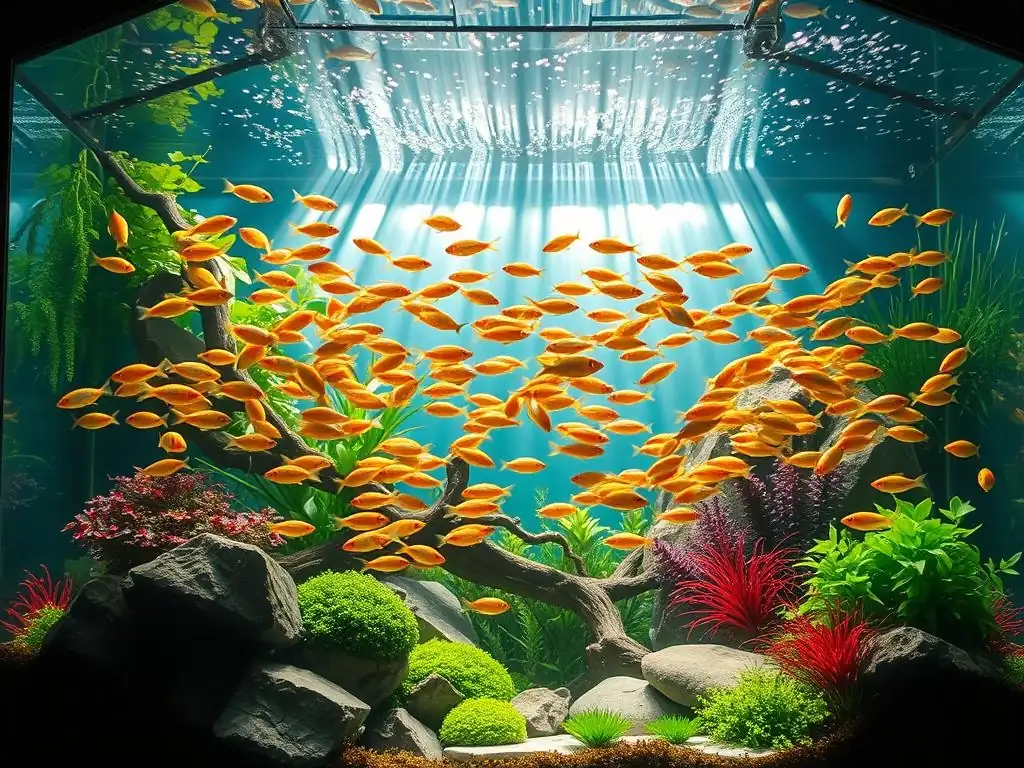
Ever wondered if that glint on your Golden Tetra is true gold or something…less desirable? Unravel the enigma of these shimmering beauties in our comprehensive Golden Tetra Care Guide. Dive in to learn everything you need to know about identification, optimal care, and creating the perfect environment for these captivating freshwater fish. Ready to bring some sparkle to your aquarium? Let's begin!
- Understanding the Allure of the Golden Tetra: Hemigrammus rodwayi
- Identifying Genuine Golden Tetras: Key Characteristics
- The Bacterial Sheen Mimic: Differentiating Columnaris and Other Infections
- Golden Tetra Care Guide: Creating the Ideal Aquarium Environment
- Golden Tetra Diet and Feeding: Ensuring Nutritional Needs
- Maintaining Golden Tetra Health: Disease Prevention and Treatment
- Breeding Golden Tetras: A Challenging but Rewarding Endeavor
- Troubleshooting Common Golden Tetra Issues: A Quick Reference Guide
- Golden Tetra vs. Other Gold-Colored Fish: A Comparison
- Conclusion: Mastering Golden Tetra Care for a Thriving Aquarium
-
Frequently Asked Questions
- What is the difference between a truly golden Golden Tetra and one with a bacterial infection?
- What are the ideal water parameters for Golden Tetras?
- What should I feed my Golden Tetras?
- How often should I perform water changes in my Golden Tetra tank?
- What are some common health problems that affect Golden Tetras, and how can I prevent them?
- Final Reflection: Unveiling the Golden Tetra's Secrets
- Ignite Your Aquarium: Transform from Observer to Gold Tetra Guardian!
Understanding the Allure of the Golden Tetra: Hemigrammus rodwayi
Unveiling the Natural Beauty of Golden Tetras
The Golden Tetra, scientifically known as Hemigrammus rodwayi, is a captivating freshwater fish renowned for its distinctive iridescent golden-yellow sheen. This natural beauty is not merely a pigment but a sophisticated optical effect, often leading to its common name. A healthy specimen typically reaches a modest size of about 1.5 to 2 inches (3.8 to 5 cm) and exhibits a streamlined, torpedo-shaped body, perfectly adapted for schooling swiftly through the water column.
The mesmerizing golden luster of Hemigrammus rodwayi is primarily attributed to specialized reflective cells called iridophores, which contain guanine crystals. These crystals are structured to reflect ambient light, creating a shimmering, metallic appearance that seems to glow from within. This reflective quality distinguishes its coloration from simple pigment-based hues, making the Golden Tetra a true jewel in a well-maintained aquarium and a focus for any golden tetra care guide.
Distinguishing True Golden Coloration from Potential Health Issues
While the vibrant golden sheen is the hallmark of a healthy Golden Tetra, aquarists must develop a keen eye to differentiate this natural beauty from misleading appearances caused by health issues. Early signs of disease can sometimes manifest as a dulling or alteration of the fish's natural color, which might be overlooked or misidentified as a variation of its golden hue.
A true healthy golden coloration is uniform, vibrant, and appears integrated into the fish's scales, not as a superficial coating. In contrast, a "bacterial sheen" or other disease-related changes often present as a cloudy, patchy, or uneven dullness over the body, sometimes accompanied by a slimy texture. Recognizing this subtle but critical difference is paramount for proactive golden tetra care and intervention.
The Hemigrammus rodwayi Species Profile: A Brief Introduction
Hemigrammus rodwayi, commonly known as the Golden Tetra or Rodway's Tetra, hails from the lush freshwater systems of South America, primarily inhabiting the Amazon and Guianas basins. These fish are typically found in clear and blackwater tributaries, where they thrive in environments rich with submerged vegetation and leaf litter, which contributes to their slightly acidic water preferences.
As a member of the Characidae family, the Golden Tetra is recognized for its peaceful temperament and strong schooling instinct, making it an excellent candidate for community aquariums. With proper golden tetra care, including stable water parameters and a suitable diet, these resilient fish can enjoy a lifespan of 3 to 5 years, continuously adding a splash of shimmering gold to their aquatic home.
Identifying Genuine Golden Tetras: Key Characteristics
Examining the Scale Sheen: A Healthy Golden Glow
The most defining characteristic of a genuine, healthy Golden Tetra is its brilliant, iridescent golden sheen. This glow should be consistent across the entire body, from head to tail, appearing to originate from deep within the scales rather than resting on the surface. When light catches the fish, the golden hue should appear vibrant and dynamic, almost as if it's shimmering.
Conversely, a dull, patchy, or cloudy appearance on the scales is a significant red flag. This can indicate stress, poor water quality, or the early stages of a bacterial or parasitic infection. Unlike the natural, uniform luminescence, an unhealthy sheen may look like a film or dust, signifying the need for immediate attention in your golden tetra care routine.
Fin and Body Shape: Indicators of a Healthy Specimen
A healthy Golden Tetra exhibits clear, intact fins that are free from fraying, nips, or cloudiness. The fins should be held upright and spread naturally, indicating good muscle tone and overall well-being. The caudal (tail) fin, in particular, should be well-formed and translucent.
The body shape should be full but not bloated, with a smooth, unbroken contour. A healthy adult Golden Tetra typically measures between 1.5 to 2 inches (3.8 to 5 cm) in length. Any signs of clamped fins (held close to the body), ragged edges, visible lesions, or an unnaturally shrunken or distended abdomen are strong indicators of illness or stress, demanding prompt investigation in your golden tetra care efforts.
Healthy Golden Tetras are inherently active and highly social fish, exhibiting a strong schooling behavior. They should be seen swimming together in a cohesive group, exploring the mid-to-upper levels of the aquarium with curiosity and confidence. Their movements should be fluid and unlabored, and they should respond readily to feeding.
Lethargy, isolating themselves from the school, spending excessive time hiding, or exhibiting rapid gill movements are all abnormal behaviors that signal potential distress or illness. Similarly, rubbing against tank decor or substrate, often referred to as "flashing," can indicate parasitic irritation. Observing these behavioral cues is as crucial as physical examination for effective golden tetra care.
The Bacterial Sheen Mimic: Differentiating Columnaris and Other Infections
Recognizing Symptoms of Bacterial Infections in Golden Tetras
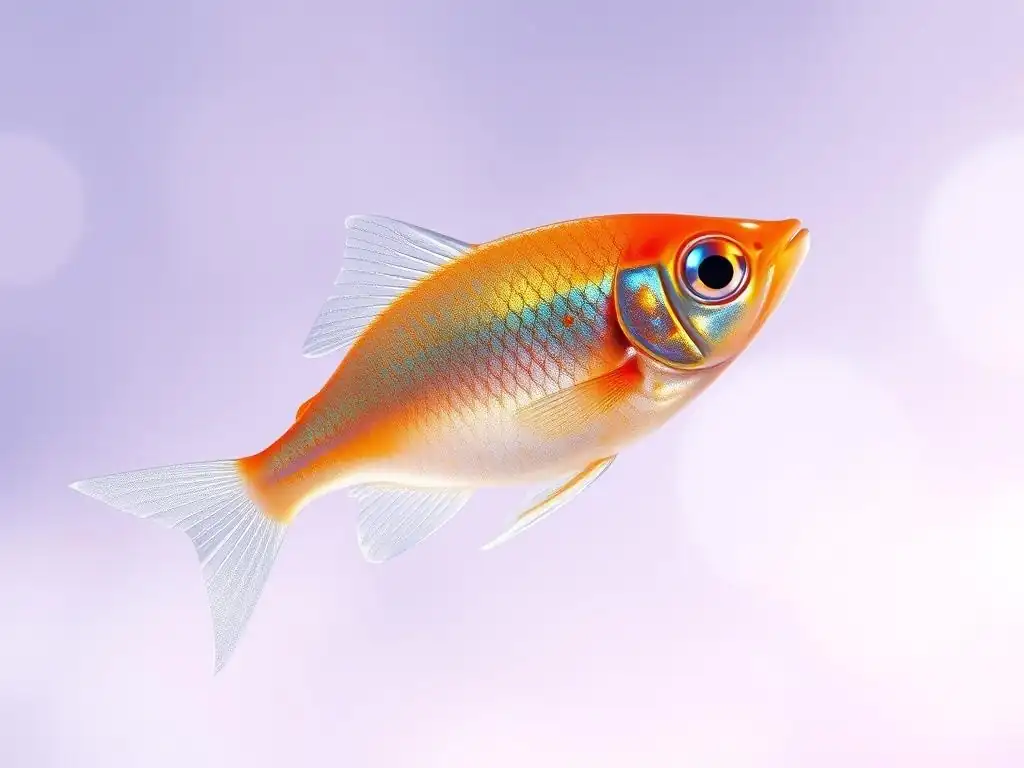
Bacterial infections in Golden Tetras often present with symptoms that can be deceptively similar to a natural sheen, leading to misidentification. These infections commonly manifest as cloudy patches, a grayish or whitish film, or fuzzy growths that spread across the fish's body. Unlike the natural shimmer, this "sheen" tends to be opaque, uneven, and may appear to be on the fish rather than being part of its inherent coloration.
Beyond the superficial changes, bacterial infections typically come with a host of other concerning symptoms. These include fin rot, where fins become frayed, ragged, or disintegrate; red streaks on the body or fins; ulcers or open sores; and labored breathing indicated by rapid gill movements. Prompt identification of these concurrent symptoms is critical for effective golden tetra care and treatment.
Identifying Columnaris (Cottonmouth Disease) in Tetras
Columnaris, caused by the bacterium Flavobacterium columnare, is a highly virulent bacterial infection often referred to as "Cottonmouth Disease" due to its characteristic manifestation around the mouth. In Golden Tetras, Columnaris can appear as white or grayish lesions that resemble cotton wool, not only on the mouth but also on the body, fins, or gills. It can also present as a generalized cloudy film or saddleback lesions along the dorsal fin.
This disease progresses rapidly and is highly contagious, thriving particularly in warm, poor water conditions. Affected fish may exhibit rapid tissue decay, loss of appetite, and lethargy. If left untreated, Columnaris can lead to rapid mortality within days. Early and accurate diagnosis, followed by immediate treatment, is paramount for containing this serious threat to your golden tetra care efforts.
Other Potential Diseases Mimicking Golden Coloration: Velvet Disease, False Neon Disease
Velvet Disease, caused by the parasitic dinoflagellate Oodinium, is another condition that can be confused with the Golden Tetra's natural coloration. This parasite gives affected fish a dusty, yellowish-brown or golden appearance, resembling sprinkled gold dust or velvet. Unlike the fish's natural reflective sheen, Velvet appears as a fine coating and is often accompanied by symptoms such as clamped fins, rapid breathing, and scratching against surfaces.
False Neon Disease, caused by the parasite Pleistophora hyphessobryconis, primarily affects Neon Tetras but can also impact other characins, including Golden Tetras. While it doesn't directly mimic a golden color, it can cause patches of pale, dull coloration, or a whitish sheen, particularly along the lateral line, as muscle tissue is consumed. This alteration in natural vibrancy can be misidentified, underscoring the importance of comprehensive observation in golden tetra care.
Golden Tetra Care Guide: Creating the Ideal Aquarium Environment
Aquarium Setup for Golden Tetras: Tank Size and Essentials
For a thriving school of Golden Tetras, a minimum tank size of 20 gallons (approximately 75 liters) is recommended for 6-8 individuals. Larger tanks, such as 30-40 gallons (113-150 liters), are even better, providing more stable water parameters and ample swimming space, which is crucial for these active schooling fish. The aquarium should feature a balance of open swimming areas and densely planted sections, along with driftwood or caves, to provide essential hiding spots and a sense of security.
Substrate can be fine gravel or sand, with darker colors often helping to enhance the Golden Tetra's natural coloration. A secure lid is essential, as like many tetras, they can be prone to jumping, especially when startled. Dim lighting is often preferred to mimic their natural blackwater habitats, reducing stress and allowing their golden sheen to truly stand out.
Water Parameters: Maintaining Optimal Conditions for Hemigrammus rodwayi
Maintaining precise and stable water parameters is the cornerstone of successful golden tetra care. These fish thrive in soft to moderately hard water, with a general hardness (GH) ideally ranging from 4-10 dGH (70-180 ppm). The carbonate hardness (KH) should be between 3-8 dKH (50-140 ppm) to provide some buffering capacity. The pH level should be slightly acidic to neutral, ideally between 6.0 and 7.5, reflecting their natural Amazonian origins.
Temperature consistency is vital; Golden Tetras prefer a range of 72-78°F (22-26°C). Fluctuations can cause significant stress. Crucially, ammonia and nitrite levels must always be undetectable (0 ppm), and nitrates should be kept below 20 ppm through diligent maintenance. Regular testing with a reliable liquid test kit is indispensable to monitor these parameters and ensure optimal conditions.
Filtration and Aeration: Ensuring Water Quality for Golden Tetras
A robust and efficient filtration system is indispensable for maintaining the pristine water quality that Golden Tetras require. A hang-on-back (HOB) filter or a canister filter equipped with mechanical, biological, and chemical media is highly recommended. Mechanical filtration removes particulate matter, biological media converts harmful ammonia and nitrites, and chemical media (like activated carbon) removes odors and discoloration.
While strong filtration is necessary, the flow should not be overly turbulent, as Golden Tetras prefer calmer waters. If the filter output is too powerful, consider using a spray bar or baffling to diffuse the flow. Adequate aeration, provided by an air stone or proper filter outflow agitation, ensures sufficient dissolved oxygen levels, which is crucial for fish respiration, particularly in warmer temperatures, and contributes significantly to overall golden tetra health.
Suitable Tank Mates for Golden Tetras: Community Tank Compatibility
Golden Tetras are peaceful schooling fish that thrive in a community aquarium setting, provided their tank mates are chosen carefully. Ideal companions include other similarly sized, non-aggressive species that share similar water parameter requirements. Excellent choices include other small tetra species like Neon Tetras, Cardinal Tetras, or Rummy Nose Tetras, as well as peaceful Rasboras, small Corydoras catfish species (e.g., Panda Corys, Pygmy Corys), and peaceful dwarf loaches.
It is crucial to avoid housing Golden Tetras with large, aggressive, or known fin-nipping fish, such as certain Cichlids (unless they are dwarf, peaceful species like German Blue Rams) or larger, more boisterous Barb species. While generally compatible with most freshwater shrimp, very small shrimp fry might occasionally be seen as food, but adult shrimp are typically safe. A harmonious community ensures reduced stress and promotes the natural schooling behavior vital for golden tetra care.
Golden Tetra Diet and Feeding: Ensuring Nutritional Needs
Optimal Diet for Golden Tetras: Flakes, Pellets, and Live Foods
Golden Tetras are omnivores and require a varied and balanced diet to maintain their vibrant coloration and overall health. High-quality flake foods and micro-pellets specifically formulated for small omnivorous fish should form the staple of their daily intake. When selecting commercial foods, look for brands that list fish meal, spirulina, and other plant-based ingredients as primary components, as well as those containing color-enhancing ingredients to boost their golden hue.
To ensure comprehensive nutrition, it is essential to supplement their staple diet with live or frozen foods. Favorites include brine shrimp, daphnia, bloodworms, and mosquito larvae. These protein-rich foods not only provide essential amino acids, vitamins, and lipids but also stimulate their natural foraging instincts, significantly enhancing their vitality and contributing to robust golden tetra care.
Feeding Frequency and Portion Control: Preventing Overfeeding
For optimal health and water quality, Golden Tetras should be fed 2-3 times a day. Each feeding should consist of only the amount of food they can completely consume within 2 to 3 minutes. This precise portion control is critical to prevent overfeeding, which is one of the most common causes of poor water quality and digestive issues in aquarium fish.
Uneaten food quickly decomposes, leading to spikes in ammonia and nitrite, and contributing to high nitrate levels, all of which are detrimental to Golden Tetra health. Observe your fish during feeding; if food is consistently left behind, reduce the portion size for subsequent feedings. A disciplined feeding schedule is a simple yet profoundly impactful aspect of effective golden tetra care.
Supplementing with Vitamins and Minerals: Enhancing Golden Tetra Health
While a diverse diet of high-quality flakes, pellets, and live/frozen foods provides most of the necessary nutrients, occasional supplementation with vitamins and minerals can further enhance the Golden Tetra's immune system and intensify their natural golden coloration. Liquid vitamin supplements specifically designed for aquarium fish can be added directly to their food before feeding or, in some cases, directly to the aquarium water during water changes.
For aquarists with very soft water, where certain essential minerals might be deficient, trace element supplements can be beneficial. These ensure that all necessary micronutrients are available for optimal metabolic functions, promoting stronger bones, healthier fins, and a more vibrant sheen. Always follow the manufacturer's instructions for any supplements to ensure safe and effective golden tetra care.
Maintaining Golden Tetra Health: Disease Prevention and Treatment
Quarantine Procedures for New Golden Tetras
Implementing a strict quarantine procedure for all new Golden Tetras is an indispensable practice for disease prevention. New fish should be housed in a separate, dedicated quarantine tank for a minimum of 2 to 4 weeks before being introduced to the main display aquarium. This isolation period allows for observation, stress recovery, and the treatment of any latent diseases without endangering your existing fish population.
During quarantine, closely monitor the new fish for any signs of illness, such as unusual spots, lesions, abnormal behavior, or changes in coloration. Perform daily water quality checks and carry out small, frequent water changes to maintain pristine conditions. Some aquarists opt for prophylactic treatments for common parasites like Ich (White Spot Disease) during this period, even if no symptoms are visible, as part of their proactive golden tetra care.
Regular Water Changes: A Cornerstone of Golden Tetra Health
Regular partial water changes are arguably the single most critical aspect of maintaining a healthy environment for Golden Tetras and preventing disease. Aim to replace 25-30% of the tank volume weekly, or 10-15% twice a week, depending on stocking levels and filtration efficiency. This practice effectively removes accumulated nitrates, phosphates, and other dissolved organic compounds that can build up over time and stress fish.
During water changes, use a gravel vacuum to thoroughly clean the substrate, removing uneaten food, fish waste, and other detritus. Always ensure that the new water is dechlorinated and temperature-matched to the aquarium water to prevent shock. Consistent, well-executed water changes dramatically improve water quality, reduce the risk of disease, and are fundamental to successful golden tetra care.
Treating Bacterial Infections: Antibiotic Recommendations (Consult a Veterinarian)
If bacterial infections, such as Columnaris or fin rot, are suspected in your Golden Tetras, prompt and appropriate treatment is crucial. Broad-spectrum antibiotics like Furan-2 (nitrofurazone) or Maracyn (erythromycin) are often effective for common bacterial ailments. It is essential to remove activated carbon from your filter during any medication treatment, as it will absorb the medication, rendering it ineffective.
Important Note: The use of antibiotics should always be approached with caution. For accurate diagnosis and specific medication recommendations, it is highly advisable to consult a qualified aquatic veterinarian or a knowledgeable fish store professional. Misdiagnosis or incorrect dosage can be detrimental to your fish and contribute to antibiotic resistance. Always follow product instructions precisely as part of your golden tetra care.
Addressing Other Common Tetra Diseases: Ich, Fin Rot
Ich, or White Spot Disease ( Ichthyophthirius multifiliis), is a highly common parasitic infection that manifests as small, white spots resembling grains of salt on the fish's body and fins. It is typically treated by gradually raising the water temperature to 82-84°F (28-29°C) over 24-48 hours (if compatible with other tank inhabitants) and using an Ich medication containing malachite green or formalin, following the product's instructions.
Fin Rot, often a secondary bacterial infection, causes the fins of Golden Tetras to appear frayed, tattered, or disintegrated, sometimes with a whitish edge. The primary management involves improving water quality through increased water changes and gravel vacuuming. If severe, specific antibacterial treatments may be necessary. Addressing underlying stress factors and maintaining excellent water conditions are key to preventing recurrence in golden tetra care.
Breeding Golden Tetras: A Challenging but Rewarding Endeavor
Setting up a Breeding Tank for Golden Tetras
Breeding Golden Tetras, while challenging, can be a rewarding experience for dedicated aquarists. A dedicated breeding tank, typically 5-10 gallons (19-38 liters), is ideal for this purpose. The water parameters in the breeding tank should be meticulously adjusted to be very soft (GH 2-4 dGH) and acidic (pH 5.5-6.5), mimicking their natural spawning grounds. The temperature should be maintained consistently between 75-79°F (24-26°C).
For filtration, a gentle sponge filter is recommended to avoid sucking up delicate eggs or fry. To protect the eggs from being eaten by the parents after spawning, provide ample spawning mops, fine-leaved plants like Java Moss, or a mesh bottom that allows eggs to fall through to safety. Dim lighting and a meticulously clean environment are also crucial for success.
Identifying Male and Female Golden Tetras
Sexing Golden Tetras can be subtle, especially when they are not in breeding condition. Generally, mature female Golden Tetras tend to be fuller-bodied and noticeably rounder, particularly when gravid (carrying eggs). When viewed from above, the female's abdomen will appear more distended compared to the male's.
Male Golden Tetras are typically slimmer and more streamlined than females. During breeding attempts or when displaying, males may exhibit slightly more intense or vibrant coloration, though this difference is often slight. Observing a group of Golden Tetras side-by-side can sometimes help in discerning these subtle physical differences, which is helpful for golden tetra care.
Spawning and Fry Care: Raising Golden Tetra Offspring
Golden Tetras are egg scatterers, and spawning typically occurs in the early morning hours. Once spawning has concluded, it is crucial to promptly remove the adult fish from the breeding tank to prevent them from consuming the eggs. The transparent eggs are adhesive and will attach to the provided spawning medium.
The eggs usually hatch within 24-36 hours, depending on temperature. The newly hatched fry are incredibly small and will initially feed on their yolk sacs. After a few days, when they become free-swimming, they require microscopic food sources such as infusoria or specialized liquid fry food. As they grow, they can be transitioned to newly hatched brine shrimp. Maintaining impeccable water quality with small, frequent water changes is paramount for raising delicate Golden Tetra offspring.
Troubleshooting Common Golden Tetra Issues: A Quick Reference Guide
Loss of Color: Causes and Solutions
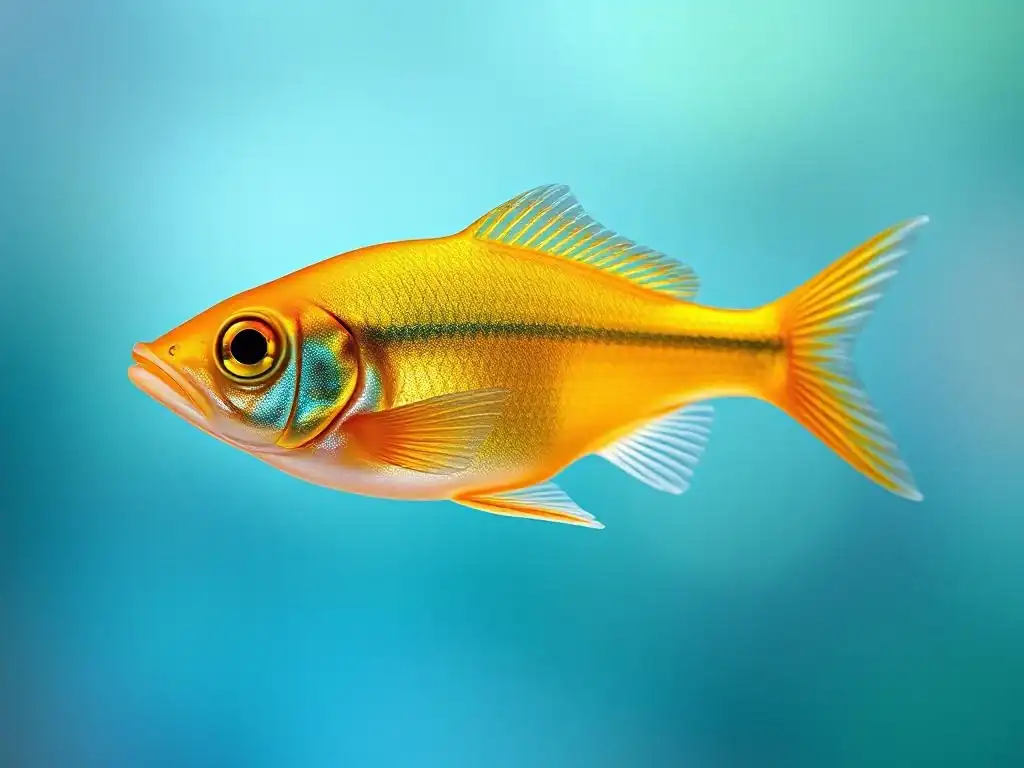
A noticeable loss of the vibrant golden coloration in Hemigrammus rodwayi is a common indicator of underlying issues. This can be caused by chronic stress (e.g., from inadequate tank size, aggressive tank mates, or insufficient schooling numbers), poor water quality (especially high nitrates or fluctuating parameters), an improper or insufficient diet, or the onset of disease. In older fish, some natural fading may also occur.
To address color loss, first test all water parameters and correct any imbalances. Ensure the fish are kept in a sufficiently large school (at least 6-8 individuals) and that tank mates are compatible and non-aggressive. Provide a varied and high-quality diet, supplementing with color-enhancing foods. Finally, observe for any other symptoms of disease and treat accordingly. Proactive golden tetra care prevents this issue.
Lethargic Behavior: Identifying Potential Problems
Lethargy in Golden Tetras, characterized by reduced activity, staying at the bottom of the tank, clamped fins, or isolating themselves from the school, is a significant red flag. This behavior almost always indicates stress, poor water conditions, or the presence of an illness. Unlike their usual active schooling, a lethargic fish is clearly unwell.
Upon observing lethargy, immediately test all water parameters (ammonia, nitrite, nitrate, pH, temperature) to rule out water quality issues. Carefully observe the affected fish for any other physical symptoms of disease, such as spots, lesions, or fin damage. If a specific disease is suspected, consider isolating the fish for observation and potential treatment. Ensuring consistent golden tetra care is key.
Fin Damage: Addressing Injury and Infection
Fin damage in Golden Tetras can manifest as frayed, torn, or disintegrating fins. The causes are typically threefold: fin nipping from aggressive tank mates, physical injury from sharp or abrasive tank decor, or bacterial/fungal infections (commonly known as fin rot).
To address fin damage, first identify the root cause. If fin nipping is suspected, re-evaluate your tank mate compatibility. If decor is the issue, remove or smooth any sharp edges. For bacterial or fungal fin rot, immediate improvement of water quality through increased water changes is paramount. If severe, specific antibacterial or antifungal medications may be required. Maintaining excellent water conditions is a primary preventative measure in golden tetra care.
Sudden Death: Investigating Potential Causes
The sudden death of one or multiple Golden Tetras is a distressing event that usually points to acute and severe issues within the aquarium environment. Common culprits include sudden spikes in highly toxic compounds like ammonia or nitrite, the presence of chlorine or chloramines from untreated tap water, or a rapid drop/increase in temperature. In some cases, a highly virulent and rapidly spreading disease can also cause sudden, unexplained fatalities.
Upon discovering a sudden death, immediately test all water parameters for any abnormalities. Check for unusual smells, discoloration of the water, or any recent changes to the tank (e.g., new additions, filter cleaning, large water changes without proper conditioning). Promptly remove deceased fish to prevent further contamination. Thorough investigation is crucial for preventing further losses and ensuring proper golden tetra care.
Golden Tetra vs. Other Gold-Colored Fish: A Comparison
Distinguishing Golden Tetras from Glowlight Tetras
While both are small, peaceful tetras, distinguishing Golden Tetras ( Hemigrammus rodwayi) from Glowlight Tetras ( Hemigrammus erythrozonus) is straightforward once you know the key difference. The Glowlight Tetra is characterized by a prominent, iridescent orange-red stripe that runs horizontally along its body, from the snout to the base of the tail. Its body is generally more silver or transparent, with the stripe being the dominant feature.
In contrast, the Golden Tetra ( Hemigrammus rodwayi) does not possess such a distinct stripe. Instead, its entire body is enveloped in a uniform, reflective golden-yellow sheen that gives it its name. The Golden Tetra's coloration is a full body glow, lacking the specific linear highlight of the Glowlight Tetra. Understanding this distinction is important for accurate identification and proper golden tetra care.
Distinguishing Golden Tetras from Gold Barbs
Distinguishing Golden Tetras from Gold Barbs ( Puntius semifasciolatus) is relatively easy, as they belong to different families and have distinct physical attributes. Gold Barbs are cyprinids, not tetras, and are generally larger and more robust, reaching up to 3 inches (7.5 cm) in length. They possess a more rounded, stocky body shape characteristic of barbs, and often have prominent barbels around their mouth, which tetras lack.
The gold coloration of Gold Barbs is typically a solid, metallic gold, sometimes with faint vertical stripes or dark spots, but it lacks the subtle, iridescent, light-reflecting sheen of the Golden Tetra. Gold Barbs are also known for being more active and, in some cases, prone to fin-nipping, making them less universally compatible in peaceful community tanks compared to the more docile Golden Tetra.
Understanding the Unique Appeal of Hemigrammus rodwayi
The unique appeal of Hemigrammus rodwayi lies primarily in its exquisite and delicate shimmering golden hue. Unlike other "gold" colored fish that may have a solid, opaque gold, the Golden Tetra possesses an iridescent quality that allows it to truly glow and sparkle under appropriate lighting, providing a dynamic visual effect in the aquarium. This subtle yet captivating luminescence is a hallmark of the species.
Beyond its stunning coloration, the Golden Tetra's peaceful temperament and strong schooling behavior make it an ideal candidate for planted community aquariums. It adds a vibrant, active element without being overly boisterous or aggressive. Its manageable size and relatively straightforward golden tetra care requirements further solidify its position as a cherished and unique choice for aquarists seeking to enhance the beauty of their freshwater setups.
Conclusion: Mastering Golden Tetra Care for a Thriving Aquarium
The captivating allure of the Golden Tetra, Hemigrammus rodwayi, lies in its unique, iridescent golden sheen that can transform an aquarium into a vibrant underwater spectacle. However, distinguishing this natural sparkle from the deceptive "bacterial sheen" of illness is a critical skill for any dedicated aquarist. Mastering golden tetra care begins with meticulous observation of their healthy characteristics—a uniform, vibrant glow, intact fins, and active schooling behavior—and recognizing the subtle cues of distress or disease.
A comprehensive golden tetra care guide emphasizes the creation of an ideal aquatic environment. This includes providing a suitably sized tank (minimum 20 gallons for a school), maintaining stable and pristine water parameters (pH 6.0-7.5, temperature 72-78°F, undetectable ammonia/nitrite, low nitrates), and ensuring robust filtration and aeration. A varied diet of high-quality flakes, pellets, and live/frozen foods is essential for their nutritional needs and to enhance their brilliant coloration.
Proactive disease prevention, particularly through strict quarantine procedures for new additions and regular water changes, forms the backbone of their long-term health. While breeding can be a challenging endeavor, it offers a rewarding experience for those committed to the effort. By diligently applying these principles, aquarists can ensure their Golden Tetras not only survive but truly thrive, showcasing their genuine golden sparkle for years to come.
Frequently Asked Questions
What is the difference between a truly golden Golden Tetra and one with a bacterial infection?
True golden coloration in Golden Tetras is genetically determined and distributed evenly. A bacterial sheen, on the other hand, often appears patchy or iridescent and might be accompanied by other symptoms.
What are the ideal water parameters for Golden Tetras?
Golden Tetras thrive in slightly acidic to neutral water (pH 6.0-7.0) with a temperature range of 72-78°F (22-26°C). Maintaining stable water parameters is crucial for their health.
What should I feed my Golden Tetras?
Golden Tetras are omnivores and accept a variety of foods. A high-quality flake food, supplemented with small live or frozen foods like daphnia or brine shrimp, provides a balanced diet.
How often should I perform water changes in my Golden Tetra tank?
Regular water changes are essential for maintaining water quality. Aim for 25-50% water changes weekly to remove accumulated nitrates and other pollutants.
What are some common health problems that affect Golden Tetras, and how can I prevent them?
Common issues include ich (white spot disease) and fin rot, often caused by poor water quality. Prevention involves maintaining pristine water conditions, quarantining new fish, and observing your tetras for any signs of illness.
Final Reflection: Unveiling the Golden Tetra's Secrets
The journey to understand the true nature of the Gold Tetra's shimmer has revealed more than just the difference between a healthy glow and a bacterial infection. It highlights the dedication and responsibility that comes with keeping any living creature, especially one as delicate and captivating as this miniature aquatic gem. This exploration underscores the importance of informed observation and proactive care in ensuring the well-being of our aquatic companions.
This exploration has profoundly influenced my perspective on responsible fishkeeping. It's a constant reminder that beauty in nature often demands a deeper understanding and commitment from us. The greatness of a nation and its moral progress can be judged by the way its animals are treated.
- Mahatma Gandhi. This quote resonates deeply, extending beyond national boundaries to encompass our individual responsibility towards every creature under our care.
Now, armed with the knowledge to differentiate between a healthy golden sparkle and a concerning bacterial sheen, I invite you to reflect on your own role in the aquatic ecosystem. Let this guide inspire you to not only provide the best possible care for your Gold Tetras, but also to cultivate a deeper appreciation for the intricate beauty and delicate balance of life within your aquarium. Embrace the challenge, and become a true guardian of these shimmering treasures.
Ignite Your Aquarium: Transform from Observer to Gold Tetra Guardian!
Thank you for diving into the fascinating world of Gold Tetras with us! We hope this exploration has equipped you with the knowledge to differentiate between their natural beauty and potential bacterial issues. Now, let's put that knowledge into action!
- Act Now: Carefully observe your Gold Tetras daily for the next week, noting any subtle changes in their coloration, behavior, or fin condition. This close observation is the best defense against potential health issues.
- Document and Share: Take high-quality photos or videos of your Gold Tetras and share them on aquarium forums or social media groups, asking for community input and comparisons. Let's build a visual library!
- Beyond the Gold: Research a compatible tank mate for your Gold Tetras that will enhance their coloration and create a more dynamic and visually stunning aquarium environment.
Ready to implement these strategies and elevate your Gold Tetra care to the next level? What small, impactful change will you make in your tank today based on what you've learned?