
Small Tank Corydoras: Best Species for Nano and Desktop Aquariums

Welcome to Aquarium Mastery!
Ever wondered if you could enjoy the playful charm of Corydoras catfish, even in a smaller aquarium? Dive in as we unravel the secrets in our Corydoras tank setup guide, specifically tailored for nano and desktop setups. Discover the best Cory species for your small tank and get ready to create a thriving underwater world, no matter the size! Ready to meet some miniature cleaning machines? Let's get started!
- Corydoras Tank Setup Guide: Creating the Perfect Environment
-
Frequently Asked Questions
- What are the best Corydoras species for small aquariums?
- What size tank is appropriate for a small group of Corydoras?
- What type of substrate is recommended for Corydoras in a small tank?
- What are some key water parameters to maintain for Corydoras in a nano tank?
- What should I feed my Corydoras in a small aquarium?
- Final Reflection: The Tiny Titans of Tranquility
- Unveil Your Perfect Nano Cory Companion!
Corydoras Tank Setup Guide: Creating the Perfect Environment
Essential Elements for a Thriving Corydoras Tank Setup
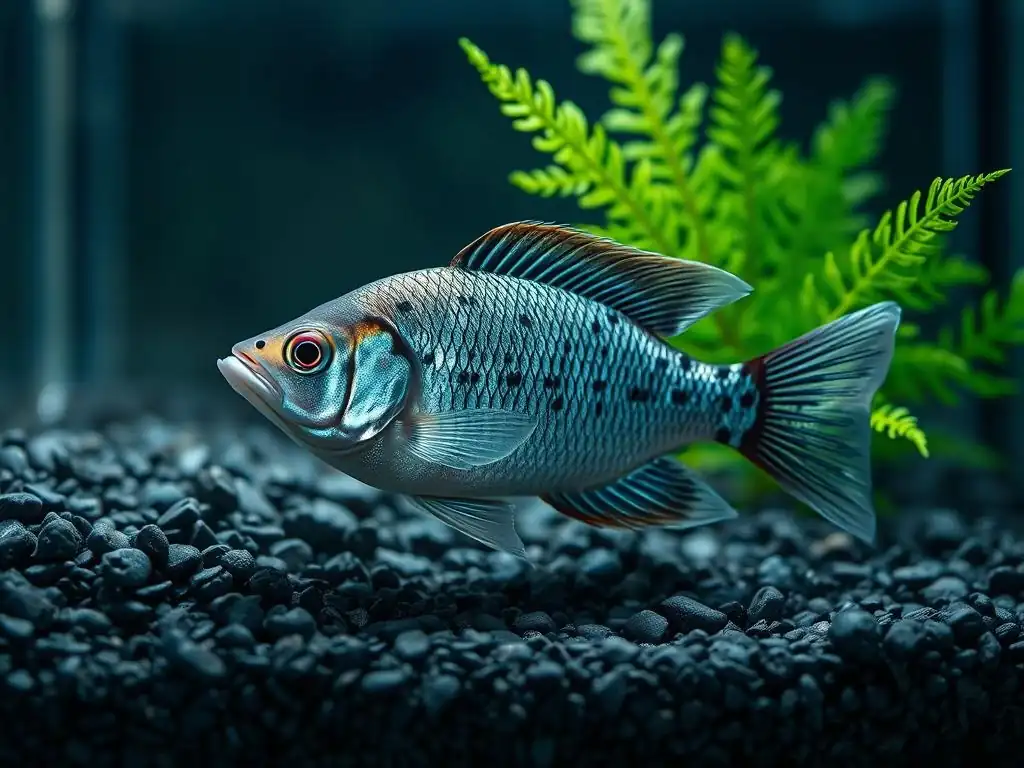
A successful Corydoras tank setup hinges on providing a stable and suitable environment that caters to their specific needs. Beyond the aquarium itself, key components include a reliable filtration system, appropriate heating, and gentle lighting.
For smaller species like Corydoras pygmaeus or C. habrosus, a tank size of at least 10 gallons (approximately 38 liters) is generally recommended for a group of 6-8 individuals, ensuring ample space for their active bottom-dwelling behavior and minimizing waste buildup. Effective filtration, such as a sponge filter or a small hang-on-back (HOB) filter with adjustable flow, is crucial to maintain pristine water quality without creating excessive currents that can stress these peaceful fish.
Furthermore, a heater is indispensable for maintaining the stable water temperatures that Corydoras thrive in, typically ranging from 72-78°F (22-26°C). Fluctuations outside this range can lead to stress and susceptibility to disease. While Corydoras are not particularly sensitive to lighting, moderate illumination is beneficial for any live plants in the Corydoras tank setup and helps create a natural day-night cycle. A well-designed Corydoras tank setup guide always emphasizes these foundational elements as they directly impact the long-term health and well-being of your catfish.
Substrate Selection for Corydoras: Sand vs. Gravel
The choice of substrate is perhaps one of the most critical decisions when planning a Corydoras tank setup, directly impacting their comfort and health. Corydoras catfish are natural bottom-feeders, constantly sifting through the substrate with their delicate barbels in search of food. Coarse, sharp gravel can damage these sensitive sensory organs, leading to infections and stress. For this reason, fine sand is overwhelmingly recommended as the ideal substrate for any Corydoras aquarium.
Fine sand, such as play sand or specialized aquarium sand, allows Corydoras to exhibit their natural sifting behaviors without risk of injury. It also prevents food from becoming trapped and decomposing in crevices, which can contribute to poor water quality. While gravel can be used if it is very smooth and small (less than 2-3mm), the benefits of sand for a Corydoras tank setup are undeniable, promoting natural foraging behavior and significantly reducing the risk of barbel erosion.
Plants and Decorations for Corydoras: Creating a Natural Habitat
Incorporating live plants and appropriate decorations is vital for creating a natural and enriching habitat within a Corydoras tank setup. Plants offer hiding spots, reduce stress, and contribute to water quality by absorbing nitrates. Broad-leafed plants like Anubias, Java Fern, and Amazon Swords provide resting places and shade, while dense planting in certain areas offers secure retreats for shy individuals or during spawning. Floating plants can also help diffuse light and provide a sense of security.
When selecting decorations for your Corydoras tank setup, prioritize smooth, non-abrasive items. Driftwood and smooth rocks are excellent choices, offering natural aesthetics and additional hiding places. Ensure all decorations are free of sharp edges that could injure the Corydoras' barbels or bodies. Caves and crevices created by decor provide essential shelter and can be particularly beneficial for breeding pairs or when fish need to escape perceived threats. A well-decorated tank not only looks appealing but also significantly enhances the quality of life for your Corydoras.
Water Parameters: Maintaining Optimal Conditions for Corydoras Health
Maintaining stable and appropriate water parameters is paramount for the health and longevity of Corydoras in any Corydoras tank setup. These fish, originating from diverse South American waterways, generally thrive in soft to moderately hard water with a slightly acidic to neutral pH. Regular testing of your aquarium water is essential to ensure these parameters remain within the ideal ranges and to detect any potential issues before they become critical.
Ideal Water Chemistry for Corydoras: pH, Temperature, and Hardness
For most commonly kept small Corydoras species, an ideal pH range typically falls between 6.0 and 7.5, with some species tolerating slightly higher or lower. The water temperature should be consistently maintained between 72-78°F (22-26°C). While they are quite adaptable, sudden fluctuations can cause significant stress.
Water hardness, measured in dGH (degrees of General Hardness), is best kept in the soft to medium range, approximately 2-15 dGH. For instance, Corydoras pygmaeus prefers softer, slightly acidic conditions, whereas Corydoras sterbai is more tolerant of a slightly wider range, including slightly harder water up to 18 dGH. Consistency is key; maintaining stable conditions is often more beneficial than chasing specific "perfect" numbers if your current parameters are within a reasonable, stable range.
The Importance of Regular Water Changes in a Corydoras Tank
Regular water changes are arguably the most crucial aspect of maintaining optimal water quality in a Corydoras tank setup, especially in smaller nano aquariums where waste products can accumulate rapidly. These bottom-dwellers produce a fair amount of waste, and uneaten food can also contribute to rising nitrate levels and declining water quality. Performing weekly water changes of 25-30% is a good general guideline, though smaller, more frequent changes (e.g., 10-15% twice a week) can be even more beneficial for maintaining stability in very small tanks.
Water changes dilute harmful nitrates, replenish essential minerals, and help stabilize pH and hardness. For instance, in a 10-gallon tank, a 25% weekly water change means removing about 2.5 gallons (9.5 liters) of old water and replacing it with fresh, dechlorinated water of a similar temperature. This consistent maintenance routine is fundamental to preventing ammonia and nitrite spikes, controlling nitrate buildup, and ultimately ensuring a healthy, stress-free environment for your Corydoras.
Frequently Asked Questions
What are the best Corydoras species for small aquariums?
The best Corydoras for small aquariums are generally smaller species like Corydoras habrosus, Corydoras pygmaeus, and Corydoras hastatus. These stay under an inch and are well-suited for nano tanks.
What size tank is appropriate for a small group of Corydoras?
A 10-gallon tank can comfortably house a small school of around 6 Corydoras habrosus or Corydoras pygmaeus. Remember, Corydoras are schooling fish and need the company of their own kind to thrive.
What type of substrate is recommended for Corydoras in a small tank?
Fine sand or smooth gravel is ideal for Corydoras. They are bottom-dwellers that sift through the substrate for food, so avoid sharp or coarse materials that could damage their barbels.
What are some key water parameters to maintain for Corydoras in a nano tank?
Maintain stable water parameters, including a pH between 6.5-7.5, a temperature between 72-78°F (22-26°C), and ensure excellent water quality through regular water changes.
What should I feed my Corydoras in a small aquarium?
Feed your Corydoras sinking pellets or wafers specifically designed for bottom-feeding fish. Supplement their diet with small amounts of live or frozen foods like bloodworms or daphnia.
Final Reflection: The Tiny Titans of Tranquility
The journey through the world of small Corydoras species reveals more than just suitable inhabitants for nano tanks; it illuminates the profound impact responsible aquascaping and thoughtful species selection can have on the well-being of these miniature marvels. Understanding their specific needs, from substrate to social dynamics, is crucial for creating a thriving ecosystem within the confines of a smaller aquarium.
This exploration of Corydoras has underscored the importance of mindful aquarium keeping, influencing how we perceive the responsibility we undertake when bringing these creatures into our homes. The joy of observing a school of Pygmy Corydoras foraging peacefully in a meticulously crafted nano tank is a testament to the power of informed and compassionate care. The greatness of a nation and its moral progress can be judged by the way its animals are treated.
- Mahatma Gandhi. This sentiment resonates deeply when considering the ethical implications of providing a suitable environment, regardless of the size of the aquarium.
As you contemplate your own Corydoras tank setup, remember that creating a thriving ecosystem is not just about aesthetics; it's about providing a haven where these tiny titans can flourish. Let this guide inspire you to reflect on your role as a caretaker and to embrace the opportunity to create a miniature world of tranquility and well-being for your Corydoras.
Unveil Your Perfect Nano Cory Companion!
Thanks for exploring the fascinating world of nano Corydoras! Now that you're armed with the knowledge to choose the ideal small catfish for your aquarium, it's time to put that expertise into action. Let's create a thriving underwater haven together!
- Start Planning! Begin by identifying which Corydoras species best suits your tank size and water parameters based on what you’ve learned.
- Dive Deeper: Research reputable breeders or local aquarium stores to ensure you're acquiring healthy fish from ethical sources.
- Share your journey: Post a photo of your Corydoras setup on your favorite aquarium forum and inspire other nano tank enthusiasts!
What's the first step you'll take to bring these adorable nano Corydoras into your aquarium?