
Black Corydoras (C. schultzei "Black"): The Mysterious Dark Knight

Welcome to Aquarium Mastery!
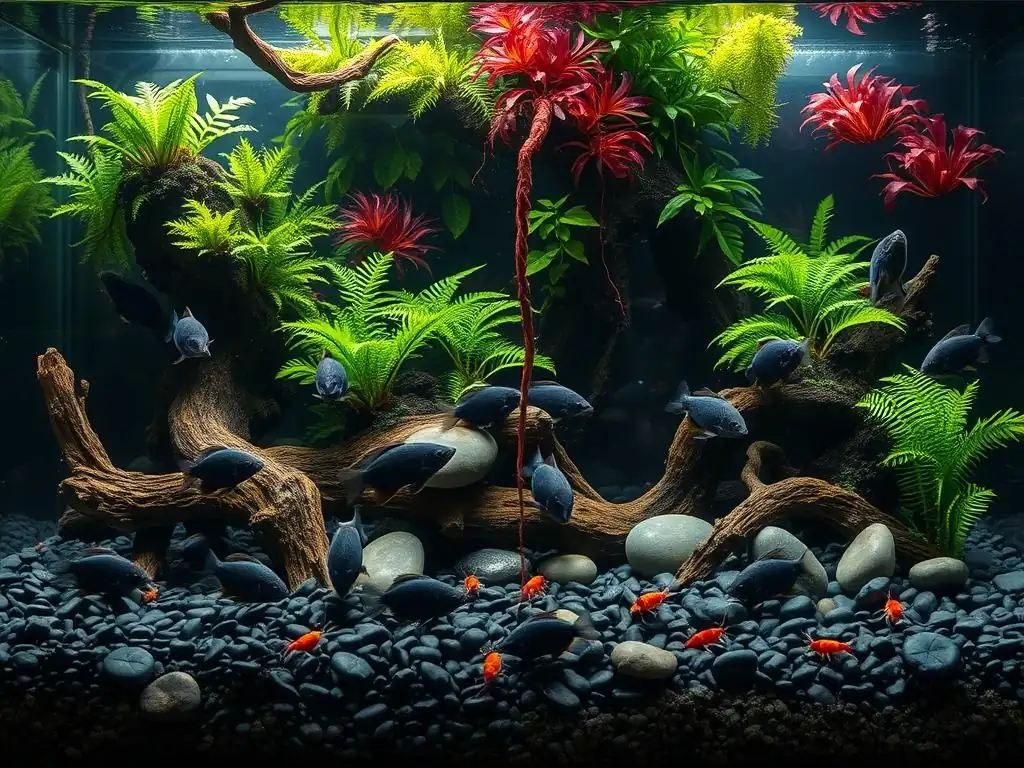
Dive into the fascinating world of aquariums, where we help you unlock the secrets to creating thriving underwater ecosystems. Curious about keeping those sleek, black bottom-dwellers healthy and happy? Then you're in the right place. Our Black Corydoras care guide will illuminate everything you need to know about these captivating fish. Prepare to discover the secrets to keeping your C. schultzei "Black" thriving – let's explore!
- Black Corydoras (C. schultzei "Black"): The Mysterious Dark Knight - Aquarium Mastery
- Unveiling the Black Corydoras: A Comprehensive Care Guide
- Black Corydoras Identification and Appearance
-
Setting Up the Ideal Black Corydoras Tank Environment
- Black Corydoras Tank Size Requirements: How Much Space Do They Need?
- Water Parameters for Black Corydoras: Temperature, pH, and Hardness
- Substrate Selection for Black Corydoras: Protecting Their Barbels
- Essential Tank Decorations and Hiding Places for Black Corydoras
- Filtration and Water Changes for a Healthy Black Corydoras Tank
- Black Corydoras Diet and Feeding
- Black Corydoras Tank Mates: Choosing Compatible Companions
- Black Corydoras Behavior and Temperament
- Black Corydoras Breeding: A Guide to Reproduction
- Black Corydoras Health and Disease Prevention
- Troubleshooting Common Black Corydoras Problems
- Where to Buy Black Corydoras and Selecting Healthy Specimens
- Black Corydoras: Final Thoughts and Long-Term Care Tips
-
Frequently Asked Questions
- What are the ideal water parameters for Black Corydoras?
- What is the best diet for Black Corydoras to ensure their well-being?
- How many Black Corydoras should I keep together in an aquarium?
- What are some common health issues that Black Corydoras are susceptible to?
- What tankmates are compatible with Black Corydoras in a community aquarium?
- Final Reflection: Embracing the Enigmatic Black Corydoras
- Unveil the Secrets of Your Black Cory!
Black Corydoras (C. schultzei "Black"): The Mysterious Dark Knight - Aquarium Mastery
Unveiling the Black Corydoras: A Comprehensive Care Guide
Introduction to the Enigmatic Black Corydoras (Corydoras schultzei "Black")
The Black Corydoras, scientifically known as Corydoras schultzei "Black," is a captivating and increasingly popular choice among freshwater aquarium enthusiasts. This selectively bred variant of the Bronze Corydoras ( Corydoras aeneus) or a close relative like Corydoras schultzei (often debated, but commonly sold as C. schultzei "Black") stands out due to its striking, uniform dark coloration, which gives it the moniker "Dark Knight" of the aquarium. Unlike many other corydoras species that boast intricate patterns, the Black Corydoras' appeal lies in its sleek, almost velvety black hue, making it a unique aesthetic addition to any community tank.
Originating from the broad distribution of its wild counterpart across various South American river systems, these peaceful bottom-dwellers are renowned for their robust nature and fascinating social behaviors. Their natural habitat often includes slow-moving waters with soft substrates, abundant leaf litter, and submerged vegetation, conditions that aquarists strive to replicate for optimal health. A comprehensive Black Corydoras care guide emphasizes the importance of understanding their specific needs to ensure they thrive and display their full potential in captivity.
Why Choose Black Corydoras for Your Freshwater Aquarium?
Choosing Black Corydoras for your freshwater aquarium offers numerous benefits, making them an excellent addition for both novice and experienced aquarists. Firstly, their serene temperament makes them ideal inhabitants for community tanks, coexisting peacefully with a wide array of non-aggressive fish species. They are active scavengers, constantly sifting through the substrate in search of leftover food, which helps maintain tank cleanliness and prevents the build-up of detritus that can lead to poor water quality.
Beyond their practical contributions, the Black Corydoras' unique dark appearance provides a stunning visual contrast, especially when paired with brightly colored fish or lush green aquatic plants. Their schooling behavior, typically observed when kept in groups of six or more, is a captivating spectacle, as they move in synchronized patterns across the tank bottom. With proper Black Corydoras care, these resilient fish can live for many years, offering long-term enjoyment and a dynamic element to your aquatic display.
Black Corydoras Identification and Appearance
Distinguishing Features: Identifying a True Black Corydoras
Identifying a true Black Corydoras ( Corydoras schultzei "Black") primarily revolves around its distinct coloration and subtle morphological traits. Unlike other dark-hued corydoras such as the Black Venezuela Corydoras ( Corydoras aeneus "Black") or some wild-caught Corydoras eques, the C. schultzei "Black" exhibits an almost entirely uniform, deep charcoal to jet-black body, often lacking the metallic sheen or subtle green/bronze undertones seen in C. aeneus variants. Their fins typically match the body color, creating a seamless dark silhouette.
Furthermore, observing their body shape can provide additional clues. The Black Corydoras generally possesses the characteristic Corydoras body, which is compact and armored with bony plates. They have two pairs of sensitive barbels around their mouth, crucial for foraging in the substrate. While the exact genetic lineage can be complex due to selective breeding, the key identifier for the "Black" variant is the consistent and intense dark pigmentation that covers their entire body, making them stand out as truly enigmatic members of the Corydoras genus.
Size and Lifespan of Black Corydoras in Captivity
In a well-maintained aquarium environment, Black Corydoras typically reach an adult size of about 2 to 2.5 inches (approximately 5 to 6.3 cm) in total length. Females are generally slightly larger and noticeably rounder in the belly area, especially when gravid, compared to the more slender males. Their relatively compact size makes them suitable for a range of tank dimensions, provided their schooling needs are met.
Regarding lifespan, the Black Corydoras is a remarkably hardy fish when provided with optimal Black Corydoras care. Under ideal conditions, which include stable water parameters, a balanced diet, and a stress-free environment, these charming bottom-dwellers can live for 5 to 8 years. There are documented instances of well-cared-for individuals in mature aquariums even surpassing the 10-year mark, highlighting the importance of consistent attention to their environmental and dietary needs for their longevity.
Black Corydoras Color Variations and Genetics
The "Black" coloration of Corydoras schultzei "Black" is predominantly a result of selective breeding rather than a naturally occurring wild variant. This means that breeders have specifically chosen and bred individuals exhibiting the darkest pigmentation over generations to intensify and stabilize the deep black hue we see today. While the primary goal is a uniform black, slight variations in intensity can occur, with some individuals appearing a very dark charcoal gray rather than a pure jet black.
Genetically, the "Black" trait is likely polygenic or influenced by specific genes that control melanism, leading to an overexpression of dark pigment (melanin) in their dermal layers. It's important to note that while they are sold as "Black Corydoras," they are still Corydoras schultzei, or sometimes a very dark Corydoras aeneus selectively bred to achieve this specific phenotype. True genetic variations beyond pigmentation intensity are less common, as the focus of their breeding has been almost exclusively on achieving and maintaining their distinctive dark coloration.
Setting Up the Ideal Black Corydoras Tank Environment
Black Corydoras Tank Size Requirements: How Much Space Do They Need?
When planning your aquarium for Black Corydoras, providing adequate space is crucial for their well-being and natural schooling behavior. While a minimum 10-gallon (approximately 38-liter) tank might house a very small group of 3-4 individuals, a 20-gallon (around 76-liter) long tank is significantly more suitable and highly recommended for a healthy school of 6 or more Black Corydoras. The "long" dimension is particularly beneficial as it provides more bottom surface area, which these active bottom-dwellers utilize extensively for foraging and swimming.
For larger schools, or if you plan to keep them with other community fish, a 30-gallon (114-liter) or even 40-gallon (151-liter) breeder tank will offer ample space, reducing stress and allowing their natural behaviors to flourish. Overcrowding can lead to increased stress, poor water quality, and susceptibility to disease, negating the benefits of a proper Black Corydoras care guide. Therefore, prioritizing tank size that accommodates their schooling needs is a fundamental aspect of their successful keeping.
Water Parameters for Black Corydoras: Temperature, pH, and Hardness
Maintaining stable and appropriate water parameters is paramount for the health of Black Corydoras. These fish thrive in conditions that mimic their native South American rivers, which are generally soft and slightly acidic to neutral. The ideal temperature range for Black Corydoras is between 72-78°F (22-26°C). Fluctuations outside this range can stress the fish and compromise their immune system.
Regarding pH, a range of 6.0-7.5 is generally acceptable, with a slightly acidic to neutral pH (e.g., 6.5-7.0) often preferred. For water hardness, a General Hardness (GH) between 2-15 dGH (35.7-267.9 ppm) is suitable. While they are relatively adaptable, sudden changes in these parameters can be detrimental. Regular testing with a reliable aquarium test kit is essential to monitor ammonia, nitrite, nitrate, pH, and temperature, ensuring consistent water quality as part of a comprehensive Black Corydoras care guide.
Substrate Selection for Black Corydoras: Protecting Their Barbels
The choice of substrate is one of the most critical aspects of setting up a suitable environment for Black Corydoras. These fish are obligate bottom-dwellers that spend their entire day sifting through the substrate with their delicate barbels in search of food. Therefore, a fine, soft substrate is absolutely essential to prevent damage to these sensitive sensory organs.
The best option for Black Corydoras is fine-grain sand, such as play sand or specialized aquarium sand. Sand allows them to safely burrow and sift without abrading their barbels, which can lead to infections and loss of their foraging ability. If sand is not feasible, very smooth, small-grain gravel (no larger than 2-3mm) with no sharp edges can be used as an alternative, though sand remains superior. Coarse or sharp gravel should be strictly avoided, as it is a common cause of barbel erosion, a preventable condition that can severely impact the health of your Black Corydoras.
Essential Tank Decorations and Hiding Places for Black Corydoras
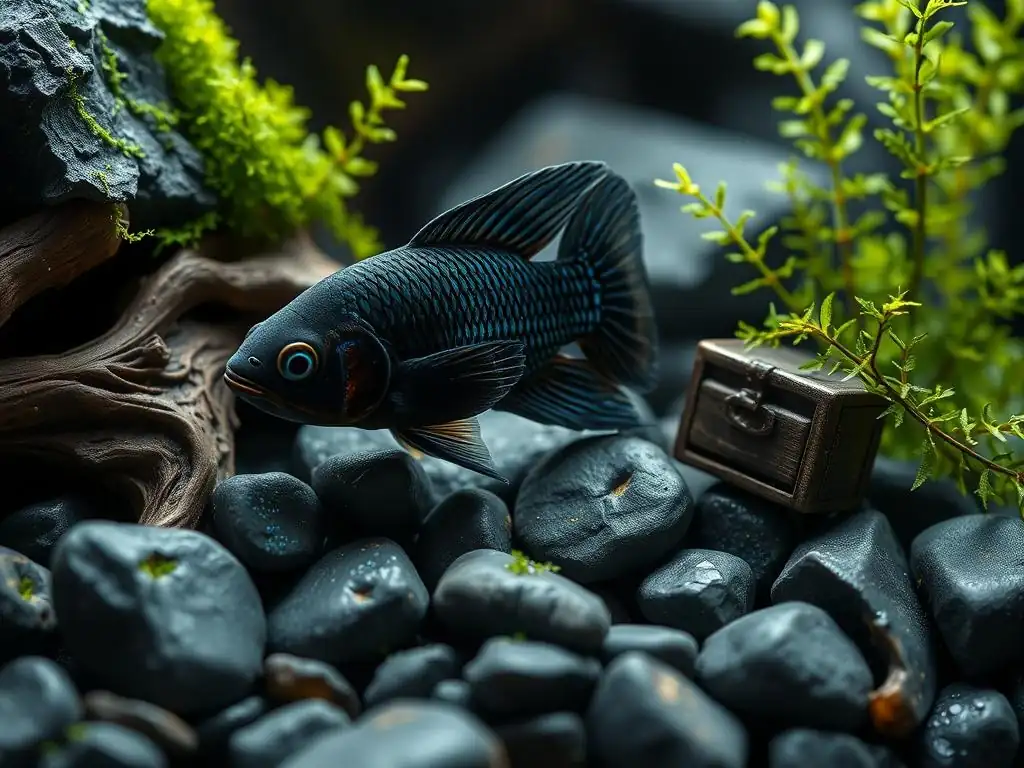
Providing ample tank decorations and hiding places is crucial for creating a secure and enriching environment for Black Corydoras. While they are active and social, they also appreciate areas where they can retreat and feel safe, especially during resting periods or if they feel threatened. Natural elements are highly recommended to mimic their native habitats.
Driftwood pieces, smooth rocks, and ceramic caves offer excellent hiding spots and visual barriers. Live plants are particularly beneficial, not only for providing cover but also for helping to maintain water quality by absorbing nitrates. Densely planted areas, especially with broad-leaf plants like Anubias or Cryptocoryne, provide perfect resting spots. Floating plants can also help diffuse light, creating a more subdued environment that Black Corydoras often prefer. Ensure all decorations are smooth and free of sharp edges to prevent injury to their delicate bodies and barbels, aligning with best practices in Black Corydoras care.
Filtration and Water Changes for a Healthy Black Corydoras Tank
Effective filtration and consistent water changes are cornerstones of a healthy Black Corydoras aquarium. A good filtration system is essential for maintaining water quality by removing physical debris and biological waste. For Corydoras, a filter that provides gentle flow is preferred, as strong currents can stress them. Sponge filters are an excellent choice, providing both mechanical and biological filtration with minimal current. Hang-on-back (HOB) filters or canister filters can also be used, but ensure the outflow is baffled or directed to reduce strong flow.
Beyond filtration, regular water changes are indispensable. A routine of weekly water changes, typically 25-30% of the tank volume, is recommended to dilute nitrates and replenish essential minerals. For Black Corydoras, it's beneficial to use dechlorinated water that is close to the tank's existing temperature to avoid temperature shock. Consistent water quality management is a primary factor in preventing diseases and ensuring the long-term well-being of your Black Corydoras.
Black Corydoras Diet and Feeding
What Do Black Corydoras Eat? Optimal Nutrition for Health and Color
Black Corydoras are omnivorous scavengers, and providing them with a varied and balanced diet is crucial for their overall health, vibrant coloration, and longevity. In their natural habitat, they primarily feed on small invertebrates, insect larvae, and decaying plant matter found in the substrate. Therefore, their captive diet should reflect this diverse intake, focusing on high-quality, sinking foods that reach the bottom where they forage.
A diet rich in both protein and some vegetable matter will ensure they receive all necessary nutrients. While they will scavenge leftover flake food or pellets from the surface, these should not be their primary food source, as they are not designed to swim to the top for sustenance. Optimal Black Corydoras care emphasizes providing foods that sink quickly and are readily available on the substrate for them to discover with their sensitive barbels.
Recommended Foods for Black Corydoras: Live, Frozen, and Prepared Options
To ensure a comprehensive and nutritious diet for your Black Corydoras, a combination of live, frozen, and high-quality prepared foods is ideal. For prepared foods, sinking pellets, wafers (especially those designed for bottom-feeders or omnivorous catfish), and granules are excellent staples. Look for brands with a good protein content and balanced nutritional profile.
Supplementing their diet with live or frozen foods provides essential variety and stimulates their natural foraging instincts. Excellent choices include:
- Frozen Bloodworms: Rich in protein, a favorite for many bottom-dwellers.
- Frozen Brine Shrimp: A good source of protein and roughage.
- Frozen Daphnia: Smaller, good for all sizes of corydoras.
- Live Blackworms or Grindal Worms: Highly nutritious and stimulating, though require careful sourcing to avoid introducing pathogens.
- Blanched Vegetables: Occasionally, small pieces of blanched zucchini or shelled peas can be offered for vegetable matter.
Feeding Schedule and Portion Control for Black Corydoras
Establishing a consistent feeding schedule and practicing proper portion control are vital aspects of Black Corydoras care to prevent overfeeding and maintain water quality. Black Corydoras should be fed once or twice daily, depending on the overall tank population and filtration capacity. It's best to feed them small portions that can be consumed within 5-10 minutes.
Since they are bottom-dwellers, ensure the food reaches the substrate before other faster-swimming fish consume it. Dropping food directly near their usual foraging spots or after the main lights have dimmed can be effective. Overfeeding not only leads to uneaten food decaying and fouling the water but can also cause health issues like bloat in the fish. Observing their feeding behavior will help you adjust portions; if there's significant food left after 10 minutes, you're likely feeding too much.
Black Corydoras Tank Mates: Choosing Compatible Companions
Ideal Tank Mates for Black Corydoras: Peaceful Community Fish
Choosing compatible tank mates is crucial for the well-being of Black Corydoras, as their peaceful and docile nature makes them vulnerable to aggressive or overly boisterous species. The best companions are generally other calm, non-aggressive freshwater fish that occupy the mid to upper levels of the water column, ensuring there's no direct competition for space or food at the bottom.
Excellent choices for Black Corydoras tank mates include:
- Small Tetras: Such as Neon Tetras, Cardinal Tetras, Ember Tetras, or Rummy-nose Tetras.
- Rasboras: Harlequin Rasboras, Chili Rasboras, or Lambchop Rasboras.
- Livebearers: Guppies, Platies, and Swordtails (ensure peaceful varieties).
- Dwarf Cichlids: Such as German Blue Rams or Bolivian Rams, provided they are kept in sufficiently large tanks with plenty of hiding spots.
- Other Peaceful Bottom-Dwellers: Otocinclus catfish or other small, peaceful Corydoras species (ensure adequate space).
- Snails and Dwarf Shrimp: Such as Nerite Snails, Mystery Snails, Amano Shrimp, or Cherry Shrimp, as they pose no threat.
Fish to Avoid Keeping with Black Corydoras: Aggressive or Bullying Species
To maintain a stress-free environment, it's equally important to identify and avoid fish species that are incompatible with Black Corydoras. Their small size, slow movement, and lack of defensive mechanisms make them susceptible to harm from aggressive or territorial tank mates. Avoid any fish known for fin-nipping, bullying, or predation.
Species to generally avoid include:
- Large, Aggressive Cichlids: Such as Oscars, Jack Dempseys, or Convict Cichlids, which will view Black Corydoras as food or competition.
- Fin-Nippers: Like Tiger Barbs (unless kept in a very large school, even then risky), Serpae Tetras, or certain Gourami species, which might nip at their barbels or fins.
- Large, Boisterous Fish: Any fish that are significantly larger and move very quickly, potentially stressing the corydoras or outcompeting them for food.
- Predatory Fish: Any fish that could potentially swallow a Black Corydoras whole, such as Anglerfish or large Bettas (some Bettas can be peaceful, but caution is advised).
Maintaining a Balanced Community Tank with Black Corydoras
Maintaining a balanced community tank with Black Corydoras involves more than just selecting compatible species; it requires careful planning of tank layout, stocking levels, and feeding routines. A crucial aspect of Black Corydoras care is ensuring they are kept in a school of at least six individuals. This large group size significantly reduces stress, promotes natural behaviors, and allows them to feel secure within the aquarium.
Furthermore, ensure that there is enough bottom surface area for the corydoras to forage without excessive competition from other bottom-dwellers. Providing multiple feeding spots can also help. Monitor the interactions between all tank inhabitants regularly; even generally peaceful fish can sometimes exhibit unexpected aggression. Should any issues arise, be prepared to adjust your stocking or tank setup to maintain a harmonious environment for your Black Corydoras.
Black Corydoras Behavior and Temperament
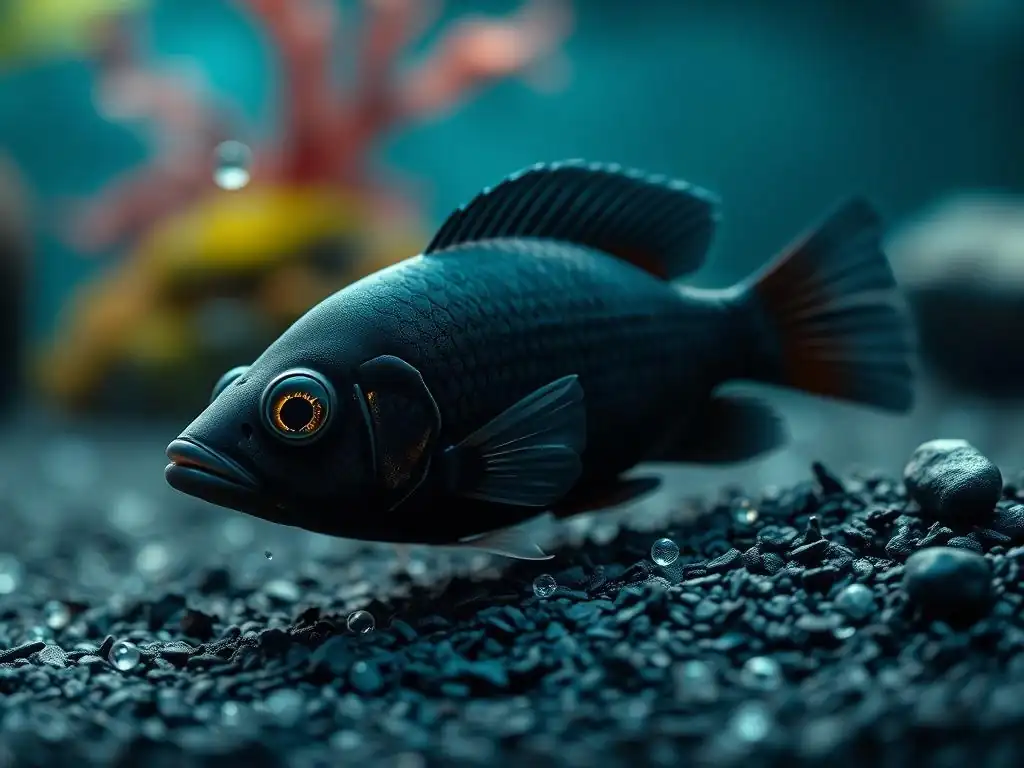
Black Corydoras are highly social fish, and understanding their schooling behavior is fundamental to their proper care. In their natural habitats, they live in large groups, and this innate need for companionship translates directly into their aquarium behavior. A minimum school of six Black Corydoras is essential; however, larger groups of 10 or more will truly showcase their fascinating social dynamics and reduce individual stress levels.
When kept in adequate numbers, Black Corydoras will often move together across the substrate, foraging in unison. They communicate through subtle body movements and perhaps chemical signals. You'll observe them resting together, often piled up in a corner or under a piece of driftwood, and then suddenly become active as a group, sifting through the sand. This collective behavior is not only captivating to watch but also vital for their psychological well-being, reinforcing the importance of group size in any Black Corydoras care guide.
Common Black Corydoras Behaviors and What They Mean
Observing the common behaviors of your Black Corydoras can provide valuable insights into their health and well-being. One frequently observed behavior is the "popcorning" or "darting" movement, where a corydoras quickly swims to the surface, gulps air, and then rapidly descends. This is a normal behavior, as they possess an accessory intestine that allows them to absorb oxygen from atmospheric air, especially in oxygen-poor conditions. While normal, excessive dashing to the surface might indicate low oxygen levels in the tank, prompting a check of aeration and water quality.
Another common behavior is their constant sifting through the substrate, using their sensitive barbels. This demonstrates their natural foraging instinct. Resting quietly on the substrate, sometimes even stacked on top of each other, is also normal, especially after a period of activity. However, prolonged lethargy, clamped fins, or unusual swimming patterns (e.g., swimming erratically or staying hidden excessively) can be signs of stress or illness, requiring immediate attention to their water parameters and overall environment.
Creating a Stress-Free Environment for Black Corydoras
Creating a stress-free environment is paramount for the long-term health and vibrant display of your Black Corydoras. Stress can weaken their immune system, making them susceptible to diseases. The primary factors contributing to a stress-free habitat include stable water parameters, appropriate tank mates, and a suitable physical environment.
Ensure that water temperature, pH, and hardness remain consistent within their ideal ranges, and perform regular water changes to keep nitrate levels low (below 20 ppm is ideal). Provide a soft, sandy substrate to protect their delicate barbels, which are essential for their foraging and overall well-being.
Ample hiding places, such as driftwood, caves, and dense plant cover, allow them to retreat when they feel insecure. Lastly, maintaining a proper school size of at least six individuals is critical, as loneliness can be a significant source of stress for these highly social fish, making it a cornerstone of any effective Black Corydoras care guide.
Black Corydoras Breeding: A Guide to Reproduction
Creating Breeding Conditions for Black Corydoras
Breeding Black Corydoras in a home aquarium can be a rewarding experience, often triggered by simulating seasonal changes that occur in their natural habitat. To encourage spawning, begin by conditioning the fish with a high-protein diet for several weeks, including live or frozen foods like bloodworms, brine shrimp, and blackworms. This ensures they are in peak breeding condition.
The most common trigger for spawning is a series of large, cool water changes, mimicking the onset of the rainy season. Perform daily water changes of 25-50% using water that is 5-10°F (3-6°C) cooler than the tank water. Ensure the water is dechlorinated. Increased aeration, perhaps with an air stone, and a slightly reduced light cycle can also contribute to creating the ideal breeding conditions. A dedicated breeding tank with a bare bottom or a thin layer of sand and plenty of broad-leaf plants or spawning mops provides an ideal surface for egg deposition and easier collection.
Identifying Male and Female Black Corydoras
Distinguishing between male and female Black Corydoras is crucial for successful breeding efforts. While subtle, there are noticeable differences, especially when the fish are mature and well-fed. Females are generally larger and significantly broader and rounder in the body, particularly when viewed from above. Their belly area will appear much fuller, especially when gravid with eggs.
Males, on the other hand, tend to be smaller, more slender, and more streamlined in body shape. Their dorsal fin may also appear slightly more pointed or elongated compared to the female's rounded dorsal fin, though this is a less reliable indicator. Observing a group of Black Corydoras together will make these differences more apparent, allowing you to select a healthy breeding group, typically with a ratio of two males to one female for optimal spawning success.
Spawning Behavior and Egg Care for Black Corydoras
Once breeding conditions are met, Black Corydoras will typically engage in their characteristic "T-position" spawning behavior. The male will position himself perpendicular to the female's head, gripping her barbels with his pectoral fin. The female will then release several eggs into a pouch formed by her pelvic fins.
After fertilization by the male's sperm (released near her mouth and ingested into her gills, then expelled to fertilize the eggs in the pouch), she will swim away and attach these sticky eggs to a clean surface, such as tank glass, broad plant leaves, or spawning mops. This process repeats over several hours, with females laying anywhere from 20 to over 100 eggs.
After spawning, it is generally recommended to remove the adult fish from the breeding tank or transfer the eggs to a separate hatching container. This prevents the adults from eating the eggs. The eggs are typically translucent and adhesive. Adding a few drops of methylene blue or using an air stone to provide gentle circulation can help prevent fungal growth on the eggs. Hatching usually occurs within 3-5 days, depending on the water temperature, a critical phase in the Black Corydoras care guide for fry.
Raising Black Corydoras Fry: From Hatching to Maturity
Raising Black Corydoras fry requires meticulous attention to water quality and diet. Once the eggs hatch, the tiny fry will initially feed on their yolk sacs for the first 2-3 days. After the yolk sac is absorbed, they become free-swimming and require microscopic foods. Infusoria, liquid fry food, or very fine powdered fry food are excellent initial options.
As the fry grow, typically after about a week, they can be transitioned to slightly larger foods such as newly hatched brine shrimp or micro-worms. Feed them small amounts multiple times a day to ensure constant access to food. Daily small water changes (10-20%) using aged, temperature-matched water are crucial to maintain pristine water quality, as fry are extremely sensitive to ammonia and nitrite. Consistent feeding and clean water are the pillars of raising healthy Black Corydoras fry to maturity, a testament to comprehensive Black Corydoras care.
Black Corydoras Health and Disease Prevention
Common Diseases Affecting Black Corydoras and Their Symptoms
Black Corydoras are generally hardy fish, but like all aquarium inhabitants, they can be susceptible to common freshwater diseases, often due to poor water quality, stress, or the introduction of infected new fish. One prevalent issue is Ich (Ichthyophthirius multifiliis), characterized by small white spots resembling salt grains on the body and fins, accompanied by flashing or rubbing against tank surfaces.
Fin Rot, another common bacterial infection, manifests as frayed or disintegrating fins, sometimes with reddish inflammation. Barbel erosion, while not a disease in itself, is a common problem caused by abrasive substrates or poor water quality, leading to shortened or absent barbels, which can then become infected. Bloat, often linked to overfeeding or poor diet, results in a swollen abdomen and can be fatal. Any signs of lethargy, loss of appetite, abnormal swimming, or discoloration warrant immediate investigation and adjustment of Black Corydoras care routines.
Preventing Diseases in Black Corydoras: Quarantine and Water Quality
Preventing diseases is always more effective than treating them, and two critical practices form the foundation of disease prevention for Black Corydoras: strict quarantine protocols and diligent water quality management. Any new fish, plants, or decorations should undergo a quarantine period of at least 2-4 weeks in a separate tank before being introduced to the main aquarium. This allows time to observe for signs of disease and treat any potential pathogens without risking the entire tank.
Maintaining pristine water quality is paramount. Regularly test ammonia, nitrite, nitrate, and pH levels. Ammonia and nitrite should always be zero, and nitrates kept below 20 ppm through consistent weekly water changes of 25-30%. Ensure proper filtration and avoid overfeeding. A varied, high-quality diet also boosts their immune system. By adhering to these preventative measures, you significantly reduce the risk of common ailments and promote the long-term health of your Black Corydoras.
Treating Sick Black Corydoras: Medications and Supportive Care
When Black Corydoras do fall ill, prompt and appropriate treatment is essential. The first step is always to confirm diagnosis based on observed symptoms. For common issues like Ich, commercial Ich treatments containing malachite green or formalin are often effective, combined with a slight increase in water temperature (gradually to 82-84°F, 28-29°C) and increased aeration. Always remove carbon from the filter during medication.
For bacterial infections like Fin Rot, broad-spectrum antibiotics or antibacterial medications formulated for aquarium use can be administered. If barbel erosion is present, the primary treatment involves correcting the substrate (switching to sand) and improving water quality; secondary bacterial infections may require antibiotics. Bloat, if not severe, can sometimes be alleviated by fasting the fish for a few days and then offering blanched, shelled peas. In all cases, supportive care, including maintaining optimal water parameters and reducing stress, significantly aids recovery. Always follow medication instructions carefully and consult an experienced aquarist or veterinarian if unsure.
Troubleshooting Common Black Corydoras Problems
Addressing Black Corydoras Fin Rot and Other Infections
Fin Rot is a common bacterial infection that can affect Black Corydoras, often stemming from poor water quality, stress, or physical injury. The symptoms include frayed, ragged, or disintegrating fins, sometimes with a reddish or white edge. If left untreated, the infection can spread to the body, leading to more severe health issues. The first and most crucial step in addressing fin rot is to perform a large water change (50%) and ensure that all water parameters (ammonia, nitrite, nitrate) are at optimal levels.
If water quality improvement alone doesn't halt the progression within a few days, or if the infection is severe, a broad-spectrum antibacterial medication designed for aquarium use should be administered. Products containing Furan-2 or similar active ingredients are often effective. Always follow the medication instructions precisely and remove activated carbon from your filter during treatment. Consistent monitoring of water parameters and maintaining a clean, stable environment are key to preventing recurrence and ensuring long-term Black Corydoras care.
Dealing with Black Corydoras Stress and Lethargy
Stress and lethargy in Black Corydoras are often indicators that something in their environment is amiss. A stressed corydoras may exhibit clamped fins, rapid breathing, loss of appetite, unusual hiding, or a general lack of activity. Prolonged stress weakens their immune system, making them susceptible to various diseases. The first course of action is to identify and eliminate the source of stress.
Common stressors include:
- Poor Water Quality: Test ammonia, nitrite, nitrate, and pH immediately. Perform a water change if levels are off.
- Incompatible Tank Mates: Observe for bullying or aggression from other fish.
- Insufficient School Size: Black Corydoras need to be in groups of at least six.
- Lack of Hiding Places: Ensure ample driftwood, plants, and caves.
- Inappropriate Substrate: Coarse gravel can damage barbels, causing stress.
- Sudden Changes: Avoid rapid temperature or pH swings during water changes.
Once the stressor is identified and rectified, the fish should gradually return to normal activity. Providing a stable, well-maintained environment is the best Black Corydoras care guide against stress-related issues.
Preventing Barbels Erosion in Black Corydoras
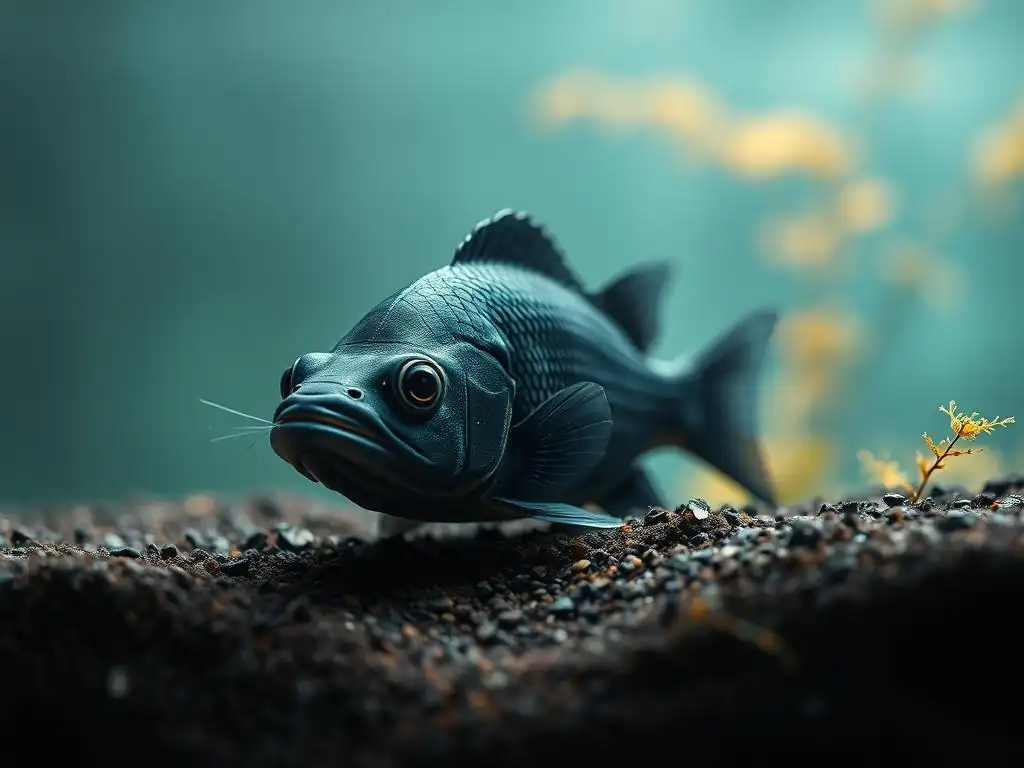
Barbel erosion is a specific and unfortunately common problem among Corydoras species, including the Black Corydoras, and it is almost entirely preventable through proper Black Corydoras care. This condition occurs when their delicate sensory barbels, located around their mouth, become shortened, inflamed, or completely worn away. The primary causes are an unsuitable substrate and/or poor water quality.
To prevent barbel erosion:
- Use a Soft Substrate: The most critical step is to use fine-grain sand (e.g., play sand, specialized aquarium sand) as the substrate. Coarse or sharp gravel will abrade their barbels as they constantly sift for food.
- Maintain Pristine Water Quality: High levels of nitrates, ammonia, or nitrites, along with generally dirty water, can lead to bacterial infections that exacerbate barbel erosion. Regular water changes and effective filtration are essential.
- Ensure Adequate Nutrition: A balanced diet ensures strong immune systems, helping them resist secondary infections if their barbels are slightly damaged.
If barbel erosion is observed, immediately address the substrate and water quality. Mild cases can often recover once conditions improve, but severe erosion can be permanent and lead to difficulty feeding.
Where to Buy Black Corydoras and Selecting Healthy Specimens
Finding Reputable Black Corydoras Breeders and Retailers
When looking to acquire Black Corydoras, sourcing them from reputable breeders or retailers is crucial for ensuring you get healthy, well-acclimated fish. Avoid impulse buys from stores with visibly unhealthy tanks. Local fish stores (LFS) with knowledgeable staff and clean, well-maintained display tanks are a good starting point. Engage with the staff, ask about their sourcing practices, and observe the fish in their tanks for at least 15-20 minutes.
Online retailers and specialized aquaculture farms also offer Black Corydoras, often providing a wider selection or better genetic strains. Before purchasing online, research reviews, check their return policy, and inquire about their shipping methods to minimize stress on the fish. Reputable sources prioritize the health of their livestock, offering a much better chance of success with your Black Corydoras care guide efforts.
Identifying Healthy Black Corydoras: Signs to Look For
Selecting healthy Black Corydoras specimens is a critical step in preventing the introduction of diseases into your established aquarium. When observing fish at a retailer, look for the following signs of good health:
- Active and Alert: Healthy Black Corydoras should be actively foraging, swimming, and interacting with their school. Avoid fish that are listless, hiding excessively, or hovering unnaturally.
- Intact Fins and Barbels: All fins should be fully extended and free of tears, fraying, or white/reddish edges. Their barbels should be intact and not shortened or eroded.
- Clear Eyes: Eyes should be bright, clear, and free of cloudiness or film.
- Clean Body: The body should be free of any visible spots (white, black, or fuzzy), lesions, parasites, or fungal growths. The coloration should be uniform and intense.
- Proper Weight: The fish should have a full, rounded belly, indicating they are well-fed, but not overly bloated. A sunken belly can indicate starvation or internal parasites.
- Normal Respiration: Gills should be moving rhythmically and not excessively fast or labored.
Acclimating New Black Corydoras to Your Aquarium
Proper acclimation is a vital, yet often overlooked, step in successful Black Corydoras care. It minimizes the stress of transitioning from the retailer's water parameters to your aquarium's unique chemistry, preventing shock and potential illness. The drip acclimation method is highly recommended for sensitive species like Corydoras.
- Dim Lights: Turn off your aquarium lights and dim the room lights to reduce stress.
- Float Bag: Float the sealed bag containing the fish in your aquarium for 15-20 minutes to equalize temperature.
- Transfer to Container: Open the bag and gently transfer the fish and their water into a clean bucket or container.
- Drip Acclimation: Use an airline tube and a knot (or air valve) to create a slow drip from your main aquarium into the container, allowing water to slowly mix. Aim for 1-2 drips per second.
- Monitor: Allow the water volume in the container to at least double, which typically takes 45-60 minutes.
- Transfer Fish: Gently net the Black Corydoras and place them into your aquarium. Discard the water from the container; do not add it to your tank.
- Monitor Post-Acclimation: Keep the lights off for a few more hours to allow them to settle in. Do not feed immediately.
Black Corydoras: Final Thoughts and Long-Term Care Tips
Ensuring the Long-Term Health and Happiness of Your Black Corydoras
Ensuring the long-term health and happiness of your Black Corydoras is a continuous commitment that extends beyond initial setup. It involves consistent adherence to the core principles of their care guide: maintaining stable water parameters through regular testing and water changes, providing a soft, sandy substrate, and offering a varied, high-quality diet. These proactive measures significantly reduce the likelihood of disease and stress, allowing these fascinating bottom-dwellers to thrive.
Beyond the basics, observe your Black Corydoras regularly. Pay attention to their behavior, appetite, and physical appearance. Any subtle changes can be early indicators of potential issues. A well-maintained, species-appropriate environment where they can school, forage, and retreat as needed will lead to a longer, healthier, and more active life for your Black Corydoras, enriching your aquarium experience for years to come.
Advanced Black Corydoras Care Techniques for Experienced Aquarists
For experienced aquarists seeking to elevate their Black Corydoras care, several advanced techniques can further enhance their well-being and even lead to successful breeding. Consider setting up a dedicated species-only tank, allowing for precise control over water parameters and substrate, optimized solely for their needs without competition from other fish. This can lead to more consistent spawning and higher fry survival rates.
Exploring live food cultures (e.g., Grindal worms, micro-worms, daphnia) can provide a superior nutritional boost and stimulate natural hunting behaviors that prepared foods cannot. Additionally, for large groups, consider implementing a sump filtration system, which offers greater water volume stability, superior mechanical and biological filtration, and easier maintenance access without disturbing the main display tank. Advanced aquascaping with intricate driftwood structures and dense plant cover can also create a more complex and stimulating environment, mimicking their natural, densely vegetated habitats.
The Enduring Appeal of the Black Corydoras: A Dark Knight in Your Aquarium
The Black Corydoras, with its sleek, uniform dark coloration, truly lives up to its moniker as the "Dark Knight" of the freshwater aquarium. Its enduring appeal lies not just in its striking aesthetic contrast but also in its peaceful demeanor, active foraging habits, and captivating schooling behavior. These hardy and relatively easy-to-care-for fish offer a unique visual element and contribute positively to the aquarium ecosystem by sifting through the substrate.
As detailed in this Black Corydoras care guide, providing them with a suitable environment, proper nutrition, and compatible tank mates ensures they will display their full potential and bring joy to any aquarist. Whether you are a beginner looking for a resilient and attractive bottom-dweller or an experienced hobbyist seeking to add a unique touch to your community tank, the Black Corydoras is an excellent choice, proving to be a rewarding and charming inhabitant that adds depth and character to your aquatic world.
Frequently Asked Questions
What are the ideal water parameters for Black Corydoras?
Black Corydoras thrive in slightly acidic to neutral water with a pH of 6.0-7.5. The water temperature should be maintained between 72-79°F (22-26°C). Consistent water changes are crucial for their health.
What is the best diet for Black Corydoras to ensure their well-being?
These Corydoras are omnivores and require a varied diet. Offer them sinking pellets, frozen foods like bloodworms, and occasional vegetable matter. Ensure they get enough food, as they can be outcompeted by faster-feeding tankmates.
How many Black Corydoras should I keep together in an aquarium?
Black Corydoras are social fish and should be kept in groups of at least 6 individuals. This helps them feel secure and display their natural schooling behavior. A larger group is always better!
What are some common health issues that Black Corydoras are susceptible to?
Like other Corydoras, they are prone to bacterial infections, fungal infections, and parasitic infestations. Maintaining pristine water quality is the best prevention. Quarantine new fish before introducing them to your main tank.
What tankmates are compatible with Black Corydoras in a community aquarium?
They are peaceful fish and do well with other peaceful community fish such as tetras, rasboras, and dwarf gouramis. Avoid aggressive or overly boisterous fish that could stress them out or outcompete them for food.
Okay, here's a final reflection designed to close your "Black Corydoras (C. schultzei 'Black'): The Mysterious Dark Knight" article, optimized for emotional connection and future reflection, while also subtly reinforcing the keyword "Black Corydoras care guide":
Final Reflection: Embracing the Enigmatic Black Corydoras
The journey into understanding the Black Corydoras, as we've explored, reveals more than just the specifics of their care; it highlights the beauty and responsibility inherent in keeping any living creature. These captivating fish, with their unique needs and subtle charm, remind us that even the smallest inhabitants of our aquariums deserve our utmost attention and respect.
The allure of the Black Corydoras extends beyond their striking appearance. Their presence in our tanks serves as a constant reminder of the delicate ecosystems we strive to replicate, and the importance of responsible fishkeeping. In the end, we will conserve only what we love; we will love only what we understand; and we will understand only what we are taught.
- Baba Dioum. This quote resonates deeply when considering the long-term well-being of these fascinating creatures.
Now, as you embark on, or continue, your journey as a Black Corydoras keeper, remember the insights shared in this care guide. Let it serve as a foundation for your ongoing learning and observation. Embrace the challenge of providing the best possible environment for these "Mysterious Dark Knights," and in doing so, contribute to their continued thriving in our aquariums and, ultimately, to the preservation of their wild counterparts.
Unveil the Secrets of Your Black Cory!
Thanks for diving into the fascinating world of Black Corydoras! We hope you've gained a new appreciation for these enigmatic fish and their unique needs. Now, it's time to take your understanding to the next level and create the perfect environment for them.
Here are a few things you can do right now:
- Immediately assess your tank's setup to ensure it meets the Black Corydoras' specific requirements for substrate, water parameters, and hiding places. Are you truly providing the optimal environment?
- Share this article with other aquarium enthusiasts who might be interested in learning more about these captivating creatures and expanding their knowledge.
- Surprise us: Try a new and unconventional food source suitable for bottom-feeders and share your Cory's reaction in the comments!
What specific challenge are you facing in creating the ideal habitat for your Black Corydoras, and what creative solutions are you considering?