
Silver Tip Tetra Radiance: Copper Bodies and Bright Fins – Full Care Guide

Welcome to Aquarium Mastery!
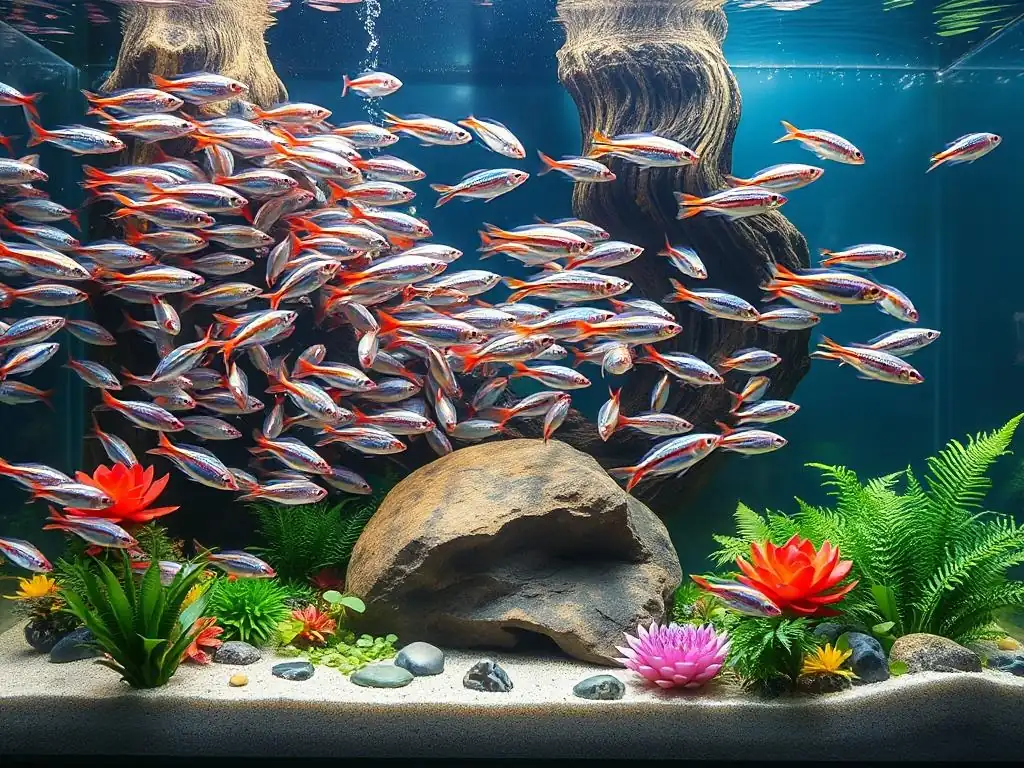
Ever been captivated by the shimmering beauty of a school of Silver Tip Tetras? Their copper bodies and vibrant fins bring a dazzling radiance to any freshwater aquarium. But are you ready to unlock the secrets to their optimal care? This comprehensive guide dives deep into everything you need to know – from ideal tank conditions to dietary needs – ensuring your Silver Tip Tetras thrive and brighten your aquatic world. Ready to learn more and create the perfect environment for these captivating creatures? Let's dive in!
- Understanding the Silver Tip Tetra: An Introduction to Hasemania nana
- Optimizing Your Aquarium for Silver Tip Tetras: Habitat and Tank Setup
- Silver Tip Tetra Care: Diet, Health, and Maintenance
- Silver Tip Tetra Tank Mates: Compatibility and Community Tanks
- Breeding Silver Tip Tetras: A Comprehensive Guide
- Silver Tip Tetra vs. Other Tetra Species: A Quick Comparison
- Troubleshooting Common Silver Tip Tetra Issues
- The Allure of Hasemania nana: Why Choose Silver Tip Tetras for Your Aquarium?
- Frequently Asked Questions
- Final Reflection: Embracing the Shimmer of Silver Tips
- Ignite Your Aquarium: Cultivate Silver Tip Tetra Brilliance!
Understanding the Silver Tip Tetra: An Introduction to Hasemania nana
Origin and Natural Habitat of the Silver Tip Tetra
The Silver Tip Tetra, scientifically known as Hasemania nana, originates from the warm, clear waters of South America, specifically the Rio São Francisco basin in southeastern Brazil. These areas are characterized by slow-moving tributaries, streams, and flooded forests, where the water is typically soft and slightly acidic, often tinted by tannins from decaying leaf litter. Their natural habitat is usually well-vegetated, providing ample hiding spots and a rich source of micro-invertebrates and plant matter for their diet.
Understanding their native environment is crucial for effective Silver Tip Tetra care, as it guides aquarists in replicating ideal conditions within a home aquarium. By mimicking the soft, slightly acidic water, incorporating dense planting, and ensuring gentle water flow, hobbyists can create a thriving habitat that promotes the fish's natural behaviors and vibrant coloration. This attention to their natural roots is a cornerstone of successful Silver Tip Tetra care.
Distinguishing Features: Copper Body and Silver Fin Tips
The Silver Tip Tetra is renowned for its striking appearance, which gives it its common name. Adults typically reach a size of about 2 inches (approximately 5 cm), making them a suitable inhabitant for many community tanks. Their bodies exhibit a captivating coppery-orange hue, which can intensify or mellow depending on their mood, diet, and overall health. This vibrant base color is beautifully contrasted by distinct, iridescent silver or white tips on their dorsal, anal, and caudal fins, giving them a unique "silver-tipped" look.
Sexual dimorphism is noticeable in this species; males generally possess a more intense copper coloration and more pronounced silver tips, especially during breeding periods, and tend to be slightly slimmer. Females are usually a bit larger and rounder in the belly, with a less vibrant body color. These distinct features make them a visually appealing addition to an aquarium, and maintaining their brilliant coloration is a key aspect of dedicated Silver Tip Tetra care.
Silver Tip Tetra Temperament and Schooling Behavior
Silver Tip Tetras are active, mid-level swimmers that thrive when kept in a school. For optimal Silver Tip Tetra care and to observe their natural behaviors, a minimum group of six to eight individuals is recommended. In smaller groups, or when feeling stressed, they can exhibit fin-nipping behavior towards slower-moving, long-finned tank mates. However, keeping them in a sufficiently large school helps distribute any aggression among themselves, reducing the likelihood of bothering other fish.
Their schooling behavior is fascinating to watch; they move together in a cohesive unit, darting through plants and open spaces. A well-established school of Silver Tip Tetras adds dynamic movement and visual interest to any freshwater aquarium. Proper Silver Tip Tetra care emphasizes providing adequate space and appropriate tank mates to ensure their energetic nature is a joy to observe rather than a source of conflict.
Optimizing Your Aquarium for Silver Tip Tetras: Habitat and Tank Setup
Ideal Tank Size for a School of Silver Tip Tetras
Providing an appropriately sized aquarium is fundamental to effective Silver Tip Tetra care. For a thriving school of 6 to 8 Silver Tip Tetras, a minimum tank size of 20 gallons (approximately 75 liters) is highly recommended. While they are small fish, their active nature and schooling instincts necessitate ample swimming space. A "long" style tank is often preferred over a "tall" tank of similar volume, as it provides more horizontal swimming room, which better suits their darting movements.
A larger tank, such as a 30-gallon (around 113 liters) or even 40-gallon (about 150 liters) aquarium, would be even more beneficial, especially if you plan to keep a larger school or incorporate other community fish. This increased space helps to dilute any potential aggression, reduce stress levels, and maintain more stable water parameters, all of which are critical elements of comprehensive Silver Tip Tetra care.
Water Parameters: Maintaining a Healthy Environment
Temperature, pH, and Water Hardness for Silver Tip Tetras
Maintaining stable and appropriate water parameters is paramount for the health and vibrancy of Silver Tip Tetras. They thrive in tropical freshwater conditions. The ideal water temperature range is between 72-79°F (22-26°C), mimicking their warm native habitats. A reliable aquarium heater with a thermostat is essential to keep the temperature consistent, as fluctuations can cause stress and weaken their immune system.
Regarding pH, Silver Tip Tetras prefer slightly acidic to neutral water, with an optimal range of 6.0 to 7.5. While they can tolerate a slightly wider range, consistency is more important than hitting an exact number. Water hardness should be soft to medium, typically between 5-15 dGH. Regular testing with a reliable kit is crucial to monitor these parameters, allowing for timely adjustments and ensuring optimal Silver Tip Tetra care.
Importance of Regular Water Changes
Regular water changes are one of the most critical aspects of Silver Tip Tetra care. They are essential for removing accumulated nitrates, phosphates, and other waste products that can become toxic over time, even with efficient filtration. Furthermore, water changes replenish essential trace minerals that are gradually depleted from the aquarium water. Without consistent water changes, water quality deteriorates, leading to stress, disease, and a shortened lifespan for your fish.
A recommended schedule for most established Silver Tip Tetra aquariums is a 25% water change weekly or a 50% change bi-weekly. Always ensure the new water is dechlorinated and temperature-matched to the aquarium water to prevent shock. Gravel vacuuming during water changes helps remove detritus from the substrate, further contributing to pristine water conditions and robust Silver Tip Tetra health.
Substrate and Decoration: Replicating Their Natural Habitat
Choosing the Right Substrate
When setting up an aquarium for Silver Tip Tetras, the choice of substrate plays a role in both aesthetics and their well-being. A dark, fine-grained substrate, such as sand or small gravel (2-3 mm), is often recommended. A darker substrate helps to bring out the vibrant copper coloration of the Silver Tip Tetras, making them appear more striking. It also mimics the darker riverbeds found in their natural environment, which can make them feel more secure and less stressed.
Fine sand is particularly beneficial if you plan to include bottom-dwelling tank mates like Corydoras catfish, as it protects their delicate barbels. Whatever substrate you choose, ensure it is thoroughly rinsed before adding it to the tank to prevent cloudiness and maintain water clarity, which is a key component of effective Silver Tip Tetra care.
Incorporating Plants, Driftwood, and Rocks
To truly replicate the Silver Tip Tetra's natural habitat and provide optimal Silver Tip Tetra care, incorporating a variety of decorations is essential. Dense planting, particularly around the perimeter and background of the tank, offers crucial hiding spots and a sense of security. Good plant choices include Java Fern, Anubias, Amazon Sword, and various stem plants like Rotala or Ludwigia. These plants not only provide shelter but also help improve water quality by absorbing nitrates.
Driftwood and smooth rocks can be arranged to create additional hiding places and break up line of sight, which is particularly beneficial if you observe any nipping behavior within the school. The tannins released by driftwood can also subtly lower the pH and soften the water, further mimicking their natural blackwater environments. These structural elements contribute significantly to a stress-free and engaging environment for your Silver Tip Tetras.
Filtration and Aeration for a Thriving Tetra Tank
Effective filtration and adequate aeration are non-negotiable aspects of comprehensive Silver Tip Tetra care. A high-quality filtration system is vital for maintaining pristine water conditions by removing physical debris, chemical pollutants, and biological waste products. For a 20-gallon tank, a hang-on-back (HOB) filter or a small canister filter with a flow rate of at least 100-150 GPH (gallons per hour) is generally suitable. It's important to ensure the filter provides biological, mechanical, and chemical filtration.
While Silver Tip Tetras prefer gentle water flow, adequate surface agitation is necessary for oxygen exchange. If your filter does not provide sufficient surface ripple, an air stone or a powerhead with an adjustable flow can be added to increase aeration. Good oxygenation is crucial for the fish's respiration and the health of beneficial bacteria in the filter. Regular filter maintenance, including rinsing filter media in old tank water, is key to preventing ammonia and nitrite spikes, thus ensuring consistent Silver Tip Tetra care.
Silver Tip Tetra Care: Diet, Health, and Maintenance
Feeding Your Silver Tip Tetras: A Balanced Diet
Recommended Foods: Flakes, Live, and Frozen Options
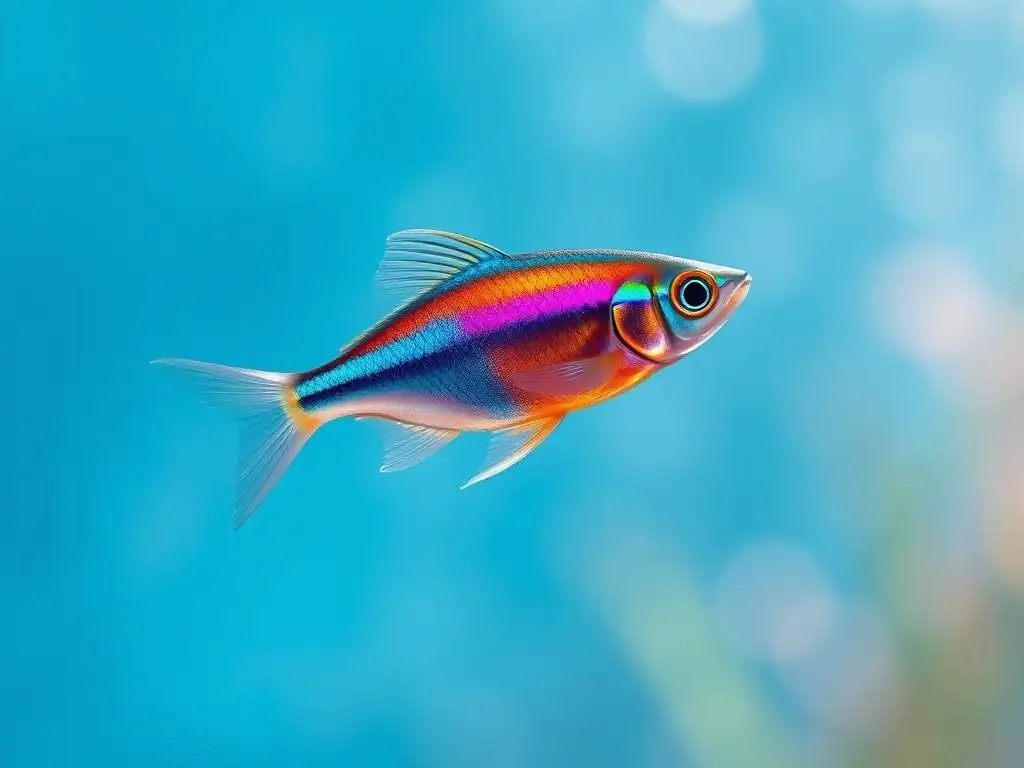
A balanced and varied diet is fundamental to vibrant Silver Tip Tetra care, ensuring their health, color, and vitality. Their omnivorous nature means they require a mix of plant-based and protein-rich foods. A high-quality flake food, specifically formulated for tropical community fish, should form the staple of their diet. Look for flakes that list fish meal or spirulina as primary ingredients.
To supplement their diet and provide essential nutrients, offer a variety of live and frozen foods a few times a week. Excellent choices include brine shrimp, daphnia, and small bloodworms. These protein-rich options not only enhance their coloration but also provide a stimulating feeding experience. For instance, a small portion of frozen bloodworms once or twice a week can significantly boost their overall health and energy levels, contributing directly to superior Silver Tip Tetra care.
Feeding Schedule and Avoiding Overfeeding
Establishing a consistent feeding schedule is a key aspect of responsible Silver Tip Tetra care. It is generally recommended to feed your Silver Tip Tetras 1-2 times per day. The most important rule is to offer only what they can consume completely within 2-3 minutes. Any uneaten food that settles on the substrate will decompose, leading to a rapid decline in water quality, which can cause stress and health issues for your fish.
Overfeeding is a common mistake among aquarists and can lead to a host of problems, including obesity in the fish, cloudy water, and dangerous spikes in ammonia and nitrite levels. By adhering to a strict "less is more" philosophy and observing your fish's eating habits, you can prevent these issues. A healthy feeding regimen ensures your Silver Tip Tetras receive adequate nutrition without compromising their environment, making it a critical component of their ongoing care.
Maintaining Optimal Water Quality for Silver Tip Tetra Health
Regular Testing and Adjustments
Consistent monitoring of water parameters is a cornerstone of effective Silver Tip Tetra care, directly impacting their long-term health and well-being. Regular testing for ammonia, nitrite, nitrate, and pH is essential. For newly established tanks, daily or every-other-day testing is advisable until the nitrogen cycle is fully established. For mature, stable aquariums, weekly or bi-weekly testing is typically sufficient.
If testing reveals undesirable levels, immediate action is required. For instance, if ammonia or nitrite are detected, a significant water change (e.g., 50%) should be performed, and feeding should be reduced or stopped temporarily. High nitrates can be managed with more frequent or larger water changes. pH adjustments should be made gradually and carefully to avoid shocking the fish. Maintaining stable parameters is far more important than hitting exact numbers, making regular vigilance a hallmark of diligent Silver Tip Tetra care.
Dealing with Common Water Quality Issues
Even with diligent Silver Tip Tetra care, water quality issues can sometimes arise. Common problems include sudden spikes in ammonia or nitrite, often due to overfeeding, inadequate filtration, or adding too many fish at once. High nitrate levels, though less acutely toxic, can build up over time from fish waste and decaying organic matter. Cloudy water can indicate a bacterial bloom, often linked to excess nutrients or an immature filter.
Addressing these issues promptly is crucial. For ammonia or nitrite spikes, immediate large water changes (e.g., 50-75%) are necessary, combined with increased aeration and a temporary reduction in feeding. For persistent high nitrates, increasing the frequency or volume of water changes, or adding live plants, can help. Cloudy water often resolves with improved filtration, reduced feeding, and regular maintenance. Proactive management of water quality issues is vital for preventing stress and disease in your Silver Tip Tetras.
Identifying and Treating Common Silver Tip Tetra Diseases
Recognizing Symptoms of Illness
Early detection of illness is a critical component of successful Silver Tip Tetra care, as prompt intervention significantly increases the chances of recovery. Healthy Silver Tip Tetras exhibit active schooling behavior, vibrant coloration, clear eyes, and erect fins. Any deviation from these norms should be a cause for concern. Common symptoms of illness include lethargy, hiding more than usual, clamped fins (held close to the body), loss of appetite, or difficulty swimming.
Visible signs such as white spots (Ich), fuzzy growths (fungus), red streaks, bloated appearance, or frayed fins are also clear indicators of disease. Observing your fish daily during feeding times is an excellent way to spot subtle changes in behavior or appearance. Isolating any affected fish in a separate quarantine tank immediately upon noticing symptoms is a crucial first step in preventing the spread of disease within your main aquarium.
Common Tetra Diseases and Treatment Options
Silver Tip Tetras, like all aquarium fish, are susceptible to common freshwater diseases, especially if water quality is poor or they are stressed. Ich (Ichthyophthirius multifiliis), characterized by small white spots resembling salt grains on the body and fins, is one of the most prevalent. It's often treated by gradually raising the water temperature (within their tolerance range) and using over-the-counter Ich medications, combined with increased aeration.
Fin Rot, caused by bacterial infections, manifests as ragged or decaying fins. This usually indicates poor water quality and can be treated with broad-spectrum antibacterial medications and significant water changes. Columnaris, or "cotton mouth," appears as white, fungus-like patches around the mouth or body. Treatment often involves antibiotics. For any disease, always follow product instructions carefully and prioritize improving water quality, as robust Silver Tip Tetra care through a clean environment is the best defense against illness.
Silver Tip Tetra Tank Mates: Compatibility and Community Tanks
Suitable Tank Mates for Silver Tip Tetras
Peaceful Community Fish Options
Selecting appropriate tank mates is a crucial aspect of successful Silver Tip Tetra care, as their slightly nippy tendencies can cause issues if not managed properly. When kept in a sufficiently large school (8+ individuals), their aggression is typically directed towards each other, reducing the likelihood of bothering other species. Ideal tank mates are similarly sized, active, and robust fish that can hold their own without being overly aggressive.
Excellent choices include other active tetra species such as Black Skirt Tetras, Lemon Tetras, or Rummy Nose Tetras, provided the tank is large enough to accommodate multiple schools. Bottom dwellers like Corydoras catfish and Otocinclus catfish are also good companions, as they occupy a different part of the water column and are generally peaceful. Small, fast-moving rasboras or dwarf gouramis can also coexist well. The key is to choose fish that are not slow-moving or have long, flowing fins that could be tempting targets for nipping.
Avoiding Aggressive or Fin-Nipping Tank Mates
To ensure a harmonious environment and prevent stress or injury, it's essential to avoid certain types of fish when practicing Silver Tip Tetra care. Any overly aggressive or territorial species, such as many larger cichlids (e.g., adult Convict Cichlids or Oscars), are unsuitable as they will bully or even prey on Silver Tip Tetras. Similarly, very large or boisterous fish might intimidate smaller tetras, causing them undue stress.
Perhaps more importantly, avoid very slow-moving fish or those with long, delicate fins, as these are prime targets for the Silver Tip Tetra's occasional fin-nipping behavior. Fish like Angelfish, Bettas, or Guppies with elaborate tails can suffer significant fin damage. While a well-schooled group of Silver Tips is less prone to nipping, it's always safer to choose tank mates that are less vulnerable or equally quick to evade potential nips, making careful selection a cornerstone of responsible Silver Tip Tetra care.
Creating a Harmonious Community Tank Environment
Creating a harmonious community tank environment for Silver Tip Tetras involves more than just selecting compatible species; it requires thoughtful planning of the aquarium setup itself. Providing ample space is paramount; an overcrowded tank, even with compatible fish, will inevitably lead to stress, aggression, and poor water quality. For a community tank with Silver Tip Tetras and other species, a 30-gallon (approx. 113 liters) or larger aquarium is highly recommended.
Beyond space, strategic aquascaping is vital. Incorporate plenty of dense plant cover, driftwood, and rock formations to create numerous hiding spots and visual barriers. These elements allow fish to retreat when they feel stressed or to establish small territories without direct confrontation. Maintaining pristine water quality through consistent filtration and regular water changes is also crucial, as a healthy environment reduces stress and promotes peaceful interactions among tank inhabitants, solidifying comprehensive Silver Tip Tetra care.
Breeding Silver Tip Tetras: A Comprehensive Guide
Setting Up a Breeding Tank for Silver Tip Tetras
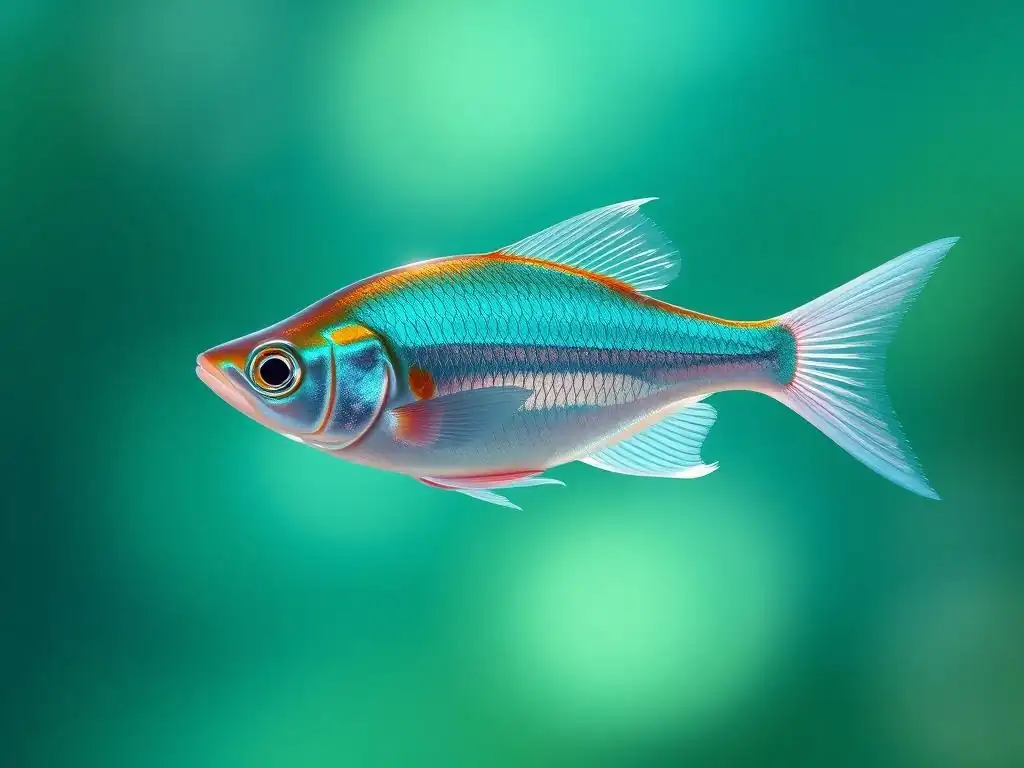
Breeding Silver Tip Tetras can be a rewarding experience, but it requires a dedicated setup to maximize success. A separate breeding tank, typically 5-10 gallons (approximately 19-38 liters), is highly recommended. This tank should be bare-bottomed for easy egg retrieval and cleaning. The water should be soft (2-4 dGH) and slightly acidic (pH 6.0-6.5), replicating their natural spawning conditions. Use aged or RO water for this purpose.
To provide a spawning medium, incorporate fine-leaved plants like Java Moss, or use a spawning mop made from synthetic yarn. These materials allow the eggs to adhere and fall through, protecting them from being eaten by the parents. Dim lighting and a gentle air stone for circulation (without strong currents) are also beneficial. This meticulous setup is a critical step in successful Silver Tip Tetra care for breeding purposes.
Conditioning Silver Tip Tetras for Breeding
Conditioning the parent Silver Tip Tetras is crucial for encouraging spawning and ensuring a good yield of healthy eggs. Select a healthy, well-conditioned pair or a group of one male and two females from your main tank. Over a period of one to two weeks, feed them a rich diet of high-protein live and frozen foods such as bloodworms, brine shrimp, and daphnia. This enhanced nutrition helps the females develop eggs and the males become more vibrant and ready to spawn.
During this conditioning phase, gradually adjust the water parameters in the breeding tank to the optimal soft, acidic conditions. Once the fish appear plump and vibrant, typically indicating that the female is "gravid" (full of eggs), transfer them to the prepared breeding tank, preferably in the evening. This careful preparation is a vital component of advanced Silver Tip Tetra care for those aiming to breed them.
Spawning and Fry Care: Raising Silver Tip Tetra Offspring
Silver Tip Tetras are egg scatterers, typically spawning in the early morning hours after being introduced to the breeding tank. The male will chase the female through the spawning medium, and she will scatter adhesive eggs that fall among the plants or mop fibers. A single female can lay hundreds of eggs. Once spawning is complete, which usually takes a few hours, the adult fish must be removed immediately as they will readily consume their own eggs.
The eggs typically hatch within 24-48 hours, depending on temperature. The fry are tiny and will remain attached to surfaces, feeding off their yolk sacs for the first 3-5 days. Once they become free-swimming, they require extremely fine foods such as infusoria or liquid fry food for the first week, followed by newly hatched brine shrimp or microworms. Maintaining pristine water quality in the fry tank through small, daily water changes is paramount, as they are highly sensitive to pollutants. This delicate phase of rearing is the most demanding aspect of Silver Tip Tetra care for breeders.
Silver Tip Tetra vs. Other Tetra Species: A Quick Comparison
Silver Tip Tetra vs. Neon Tetra
The Silver Tip Tetra and Neon Tetra are both popular choices for freshwater aquariums, but they possess distinct differences that influence their care and suitability. The Silver Tip Tetra ( Hasemania nana) reaches approximately 2 inches (5 cm) in length, featuring a prominent coppery body with reflective silver tips on its fins. In contrast, the Neon Tetra ( Paracheirodon innesi) is smaller, typically growing to about 1.5 inches (3.8 cm), and is famous for its vibrant iridescent blue and red stripe running along its body.
In terms of temperament, the Silver Tip Tetra is known for being more active and can exhibit fin-nipping behavior, especially if kept in small groups or with long-finned tank mates. The Neon Tetra, conversely, is generally considered very peaceful and is an excellent choice for calm community tanks. While both thrive in similar water parameters (soft, slightly acidic water), the Silver Tip Tetra's more boisterous nature means its Silver Tip Tetra care often involves larger schooling numbers and more careful tank mate selection than for the more docile Neon Tetra.
Silver Tip Tetra vs. Ember Tetra
Another common comparison involves the Silver Tip Tetra and the Ember Tetra ( Hyphessobrycon amandae), both small and colorful additions to the aquarium. The Ember Tetra is significantly smaller than the Silver Tip Tetra, rarely exceeding 0.8 inches (2 cm) in length, making it one of the smallest tetra species. Its defining feature is its intense, fiery orange or reddish coloration across its entire body, lacking the distinct fin tips of the Silver Tip.
Temperamentally, the Ember Tetra is exceedingly peaceful and somewhat shy, preferring heavily planted tanks where it can feel secure. The Silver Tip Tetra, as noted, is more active and can be assertive. Due to its diminutive size, Ember Tetra care allows for smaller tank sizes (e.g., 10 gallons for a small school) compared to the 20-gallon minimum for Silver Tip Tetras. Therefore, while both are schooling tetras, their size, coloration, and precise temperament dictates slightly different approaches to optimal Silver Tip Tetra care versus Ember Tetra care.
Silver Tip Tetra vs. Other Popular Tetra Varieties
Beyond Neons and Embers, Silver Tip Tetras often get compared to other popular tetra varieties, each with unique Silver Tip Tetra care considerations. For instance, the Black Skirt Tetra ( Gymnocorymbus ternetzi) is similar in size to the Silver Tip Tetra (around 2-2.5 inches) and can also exhibit fin-nipping, especially the long-finned varieties.
However, their coloration is typically a silvery-gray with prominent black vertical stripes. Rummy Nose Tetras ( Hemigrammus rhodostomus), while slightly larger (up to 2.2 inches), are renowned for their tight schooling behavior and distinct red nose, and are generally more peaceful than Silver Tips, though they require very stable water parameters.
Another comparison might be with the Lemon Tetra ( Hyphessobrycon pulchripinnis), which grows to about 1.8 inches and boasts a pale yellow body with bright lemon-yellow fins and a distinctive black mark on its dorsal fin. Lemon Tetras are generally peaceful and less prone to nipping than Silver Tips. While all these species fall under the "tetra" umbrella, diligent Silver Tip Tetra care involves recognizing their specific social dynamics, activity levels, and potential for nipping, which can differ significantly from their close relatives, informing decisions on tank size, scape, and community composition.
Troubleshooting Common Silver Tip Tetra Issues
Addressing Fin Nipping in Silver Tip Tetras
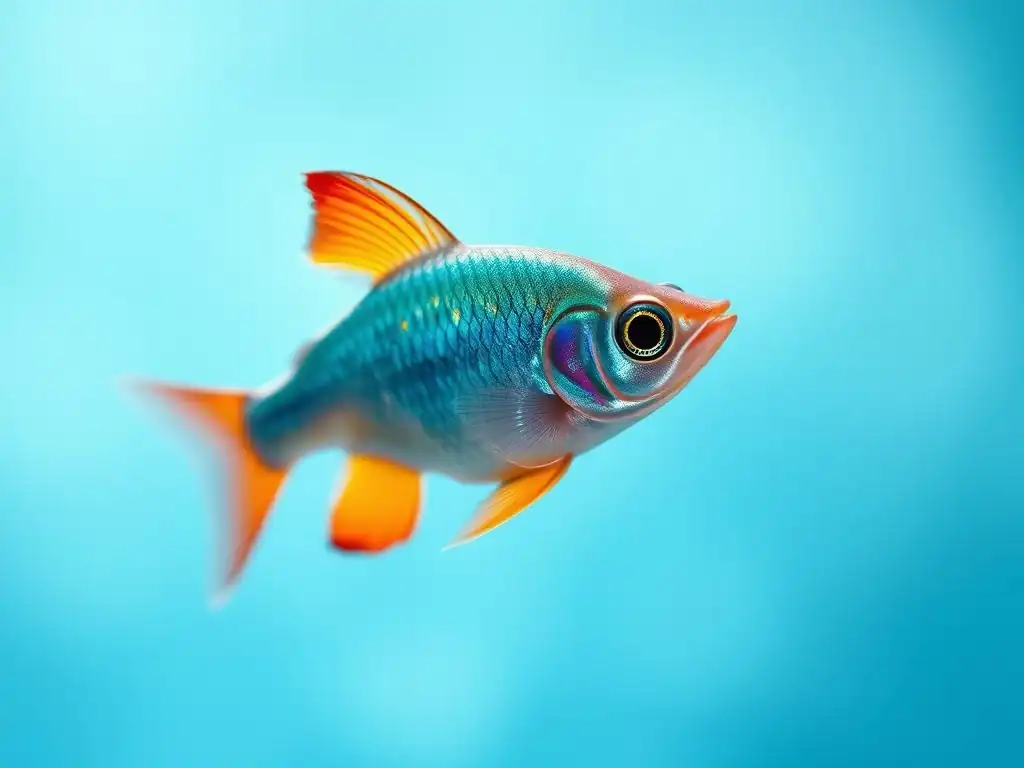
Fin nipping is one of the most frequently reported behavioral issues with Silver Tip Tetras, and addressing it effectively is a key part of their care. This behavior usually stems from stress, insufficient schooling numbers, or inappropriate tank mates. If you observe your Silver Tip Tetras nipping the fins of other fish, the first step is to assess their school size. Increasing the school to at least 10-12 individuals often helps, as their playful aggression becomes directed towards each other rather than other species.
Secondly, evaluate your tank size and aquascape. An overcrowded tank or one lacking sufficient hiding spots can heighten stress and aggression. Provide plenty of dense planting and visual barriers with driftwood or rocks. Lastly, reconsider your tank mates. If you have slow-moving fish with long, flowing fins (e.g., Angelfish, Bettas), they are prime targets. Removing these vulnerable species or relocating the Silver Tip Tetras to a species-only or more robust community tank can resolve the issue, underscoring that proactive Silver Tip Tetra care minimizes such problems.
Preventing and Treating Diseases in Silver Tip Tetra Aquariums
Preventing diseases is always more effective than treating them, and this principle is central to robust Silver Tip Tetra care. The primary preventative measures include maintaining consistently high water quality through regular testing and water changes, providing a balanced and nutritious diet, and avoiding overcrowding. Quarantining all new fish for at least two to three weeks in a separate tank before introducing them to your main aquarium is also crucial, as it prevents the introduction of pathogens.
Should disease still occur, early detection is vital. Observe your Silver Tip Tetras daily for any changes in behavior, appearance, or appetite. Common diseases like Ich or Fin Rot often respond well to over-the-counter medications available at local fish stores, combined with rigorous water changes and increased aeration. Always follow the medication instructions carefully. In severe cases, consulting with an aquatic veterinarian or an experienced local fish store professional can provide tailored advice, ensuring the best possible outcome for your Silver Tip Tetra care.
Resolving Water Quality Problems Affecting Silver Tip Tetras
Water quality problems are the root cause of many health issues in Silver Tip Tetras, making their resolution a critical aspect of their care. Common problems include elevated ammonia, nitrite, or nitrate levels, and unstable pH. If tests reveal any of these issues, immediate action is necessary. For ammonia or nitrite spikes, perform a large water change (50% or more) immediately, and then daily smaller changes until levels are zero. Reduce or temporarily cease feeding to prevent further waste accumulation.
High nitrates can be managed with more frequent or larger water changes, increasing the density of live plants, or ensuring your filter is adequately sized and maintained. pH fluctuations can be mitigated by using appropriate buffering agents or by ensuring your source water is stable. Always ensure new water is dechlorinated and temperature-matched. Identifying the underlying cause – whether it's overfeeding, insufficient filtration, or lack of maintenance – and correcting it is paramount for long-term Silver Tip Tetra health and effective Silver Tip Tetra care.
The Allure of Hasemania nana: Why Choose Silver Tip Tetras for Your Aquarium?
The Visual Appeal of Copper Bodies and Silver Fins
The Silver Tip Tetra's distinctive visual appeal is undoubtedly one of its strongest selling points, making the diligent Silver Tip Tetra care worthwhile for many aquarists. Their vibrant copper-orange bodies, which can shimmer with different intensities under various lighting, provide a warm and inviting splash of color in any freshwater setup. This base color is elegantly complemented by the striking, iridescent silver or white tips on their dorsal, anal, and caudal fins, creating a unique and captivating contrast.
In a well-planted aquarium, especially against a dark substrate, these colors truly pop, creating a dynamic visual spectacle as they dart and school. Their active nature ensures that their beautiful coloration is constantly on display, adding life and energy to the tank. For those seeking a fish that combines elegance with a lively presence, the Silver Tip Tetra's radiant appearance is a compelling reason for their inclusion, making their care a rewarding endeavor.
The Active and Engaging Schooling Behavior
Beyond their striking looks, the active and engaging schooling behavior of Silver Tip Tetras is a significant draw for many aquarists. When kept in a sufficiently large group of eight or more, these fish exhibit fascinating coordinated movements, swimming together in a cohesive unit through the mid-levels of the aquarium. Their energetic darting and weaving create a constant sense of motion and dynamism that can transform a static tank into a vibrant, living ecosystem.
This schooling instinct not only provides a captivating display but also serves to distribute any minor aggression among themselves, leading to a more harmonious environment. Observing a well-established school of Silver Tip Tetras navigate their aquatic home is a truly immersive experience, adding a layer of natural beauty and activity that few other species can provide. This lively social dynamic is a testament to the rewards of proper Silver Tip Tetra care.
Silver Tip Tetras: A Rewarding Addition to Any Aquarium
The Silver Tip Tetra ( Hasemania nana) stands out as a highly rewarding addition to any suitable freshwater aquarium. Their unique combination of vibrant copper coloration, accented by distinctive silver fin tips, makes them an aesthetically pleasing choice. Furthermore, their active and engaging schooling behavior provides a constant source of fascination and adds dynamic energy to the aquatic environment.
While they do require specific considerations, such as appropriate tank size for their active schooling, stable water parameters, and careful tank mate selection to manage their occasional nipping tendencies, these aspects of Silver Tip Tetra care are well within the reach of dedicated aquarists. With consistent maintenance and attention to their needs, Silver Tip Tetras prove to be hardy and long-lived inhabitants, offering years of beauty and lively interaction. They are an excellent choice for those seeking to enhance their aquarium with a species that truly radiates both visually and behaviorally.
Frequently Asked Questions
How difficult is it to care for Silver Tip Tetras?
Silver Tip Tetras are generally considered easy to care for, making them a good choice for beginner aquarists. They are hardy and adapt well to a range of water parameters, but consistent water quality is essential.
What are the ideal water parameters for Silver Tip Tetras?
They thrive in slightly acidic to neutral water, with a pH between 6.0 and 7.5. The ideal temperature range is 72-78°F (22-26°C). Ensure proper filtration and regular water changes.
What should I feed my Silver Tip Tetras?
Offer a varied diet including high-quality flake food, small live, or frozen foods like daphnia, brine shrimp, and bloodworms. This ensures they get all the necessary nutrients for vibrant color and health.
How many Silver Tip Tetras should I keep together?
Silver Tip Tetras are schooling fish and should be kept in groups of at least six. Keeping them in larger schools of 8 or more will help them feel secure and display their best colors.
What tank size is recommended for a school of Silver Tip Tetras?
A minimum tank size of 20 gallons is recommended for a school of six to eight Silver Tip Tetras. This provides them with ample swimming space and helps maintain stable water parameters.
Final Reflection: Embracing the Shimmer of Silver Tips
The journey of understanding Silver Tip Tetra care transcends mere fishkeeping; it's an immersion into a miniature ecosystem, a testament to the delicate balance of nature we can cultivate within our own homes. As we've explored the nuances of their copper bodies and radiant fins, we've also touched upon the broader responsibility we bear as stewards of these vibrant creatures.
The allure of the Silver Tip Tetra lies not just in its aesthetic appeal, but in the ongoing connection it fosters between us and the natural world. Observing their social dynamics, their feeding habits, and their subtle responses to their environment provides a constant reminder of the interconnectedness of all living things. In every walk with nature one receives far more than he seeks.
- John Muir. This quote resonates deeply when considering the simple joy and profound lessons these tiny fish can offer.
Now, as you embark on your own Silver Tip Tetra adventure, remember that the information shared here is just the beginning. Embrace the learning process, observe your fish closely, and adapt your care routine to their individual needs. Let the shimmer of their scales inspire you to cultivate not only a thriving aquarium, but also a deeper appreciation for the beauty and fragility of life itself.
Ignite Your Aquarium: Cultivate Silver Tip Tetra Brilliance!
Thank you for diving deep into the world of Silver Tip Tetras! We hope you've discovered the secrets to unlocking their full vibrant potential. Ready to bring that radiant beauty to your own aquarium?
Here are some actions you can take right now:
- Carefully re-evaluate your tank's environment to ensure it perfectly mimics the Silver Tip Tetra's ideal habitat, paying close attention to water parameters, temperature, and plant density.
- Share your favourite Silver Tip Tetra photo on social media using #AquariumMasterySilverTips – let's spread the tetra love!
- Consider adding a surprisingly unique piece of driftwood to your aquarium to create a fascinating and enriching environment for your Silver Tip Tetras.
What's one small change you can implement today to make your aquarium even more inviting for these shimmering beauties?