
Platy Tank Mates: Choosing Companions for a Peaceful Aquarium

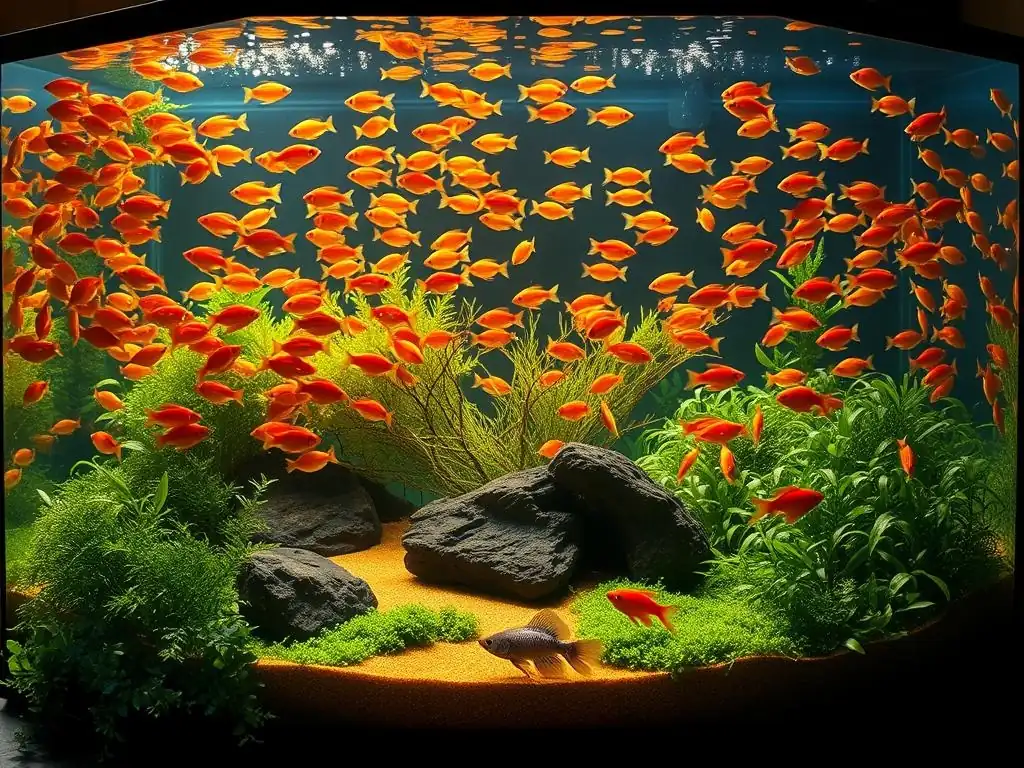
Welcome to Aquarium Mastery!
Ever wondered how to create a truly harmonious underwater world? Diving into the fascinating world of platies opens up a vibrant spectrum of possibilities, but choosing the right tank mates is key to a peaceful aquarium. This article explores everything you need to know about peaceful platy tank companions, providing expert guidance to ensure a thriving community. Discover which fish are perfect partners and learn how to avoid common pitfalls – keep reading to unlock the secrets!
- Platy Tank Mates: Building a Harmonious Aquarium Community
- Introduction: Creating a Thriving Platy Community Tank
- Understanding Platy Temperament and Compatibility
- Best Peaceful Tank Mates for Platies: A Comprehensive Guide
- Incompatible Tank Mates: Fish to Avoid with Platies
- Considerations for a Thriving Platy Community
- Feeding and Nutrition for a Diverse Aquarium
- Monitoring Your Platy Community for Signs of Stress
- Breeding Considerations in a Platy Community Tank
- Conclusion: Building a Balanced and Peaceful Platy Aquarium
-
Frequently Asked Questions
- What are some good peaceful platy tank companions for a community aquarium?
- What fish should I avoid when selecting platy tank mates?
- How important is tank size when considering peaceful platy tank companions?
- How do I ensure my platy tank mates are compatible in terms of water parameters?
- What should I consider regarding feeding when selecting peaceful platy tank companions?
- Final Reflection: Cultivating Harmony in Our Aquatic Worlds
- Dive Deeper: Create Your Platy Paradise!
Platy Tank Mates: Building a Harmonious Aquarium Community
Introduction: Creating a Thriving Platy Community Tank
Platies, scientifically known as Xiphophorus maculatus, are among the most popular and vibrant freshwater fish for home aquariums. Their diverse colors, active nature, and relatively easy care make them a favorite for both novice and experienced aquarists. However, to truly create a thriving and stress-free environment for these colorful livebearers, selecting the right tank mates is crucial.
This article provides detailed guidance on choosing compatible companions, ensuring your platy community flourishes in a peaceful setting. We will explore platy temperament, ideal water parameters, and specific fish species that make excellent peaceful platy tank companions, while also identifying those to avoid.
Understanding Platy Temperament and Compatibility
Platy Behavior and Tank Dynamics
Platies are generally peaceful and active fish, known for their constant foraging and exploration throughout the mid to upper levels of the aquarium. They are social creatures and thrive when kept in groups, ideally with a ratio of one male to two or three females to prevent male-on-male aggression and reduce stress on individual females from constant breeding attempts. A minimum group of three platies is recommended for their well-being.
These resilient fish typically grow to about 2-2.5 inches (5-6 cm) and have a lifespan of 2-3 years with proper care. Their docile nature makes them suitable for a wide range of community tanks, provided their tank mates share similar temperament and environmental needs.
Factors Influencing Platy Tank Mate Choices
When selecting peaceful platy tank companions, several key factors must be considered to ensure a harmonious environment. Firstly, temperament is paramount: choose fish that are equally peaceful and non-aggressive, avoiding species known for fin-nipping or bullying. Secondly, size compatibility is important; tank mates should not be so large that they view platies as prey, nor so small that they are easily outcompeted for food or intimidated.
Thirdly, matching water parameters is critical. Platies prefer slightly alkaline water with a pH range of 7.0-8.0 and temperatures between 72-78°F (22-26°C). Tank mates should ideally thrive within a similar range to minimize stress. Finally, consider the swimming levels and dietary needs of potential companions to ensure all fish have access to food and adequate space within the aquarium.
Best Peaceful Tank Mates for Platies: A Comprehensive Guide
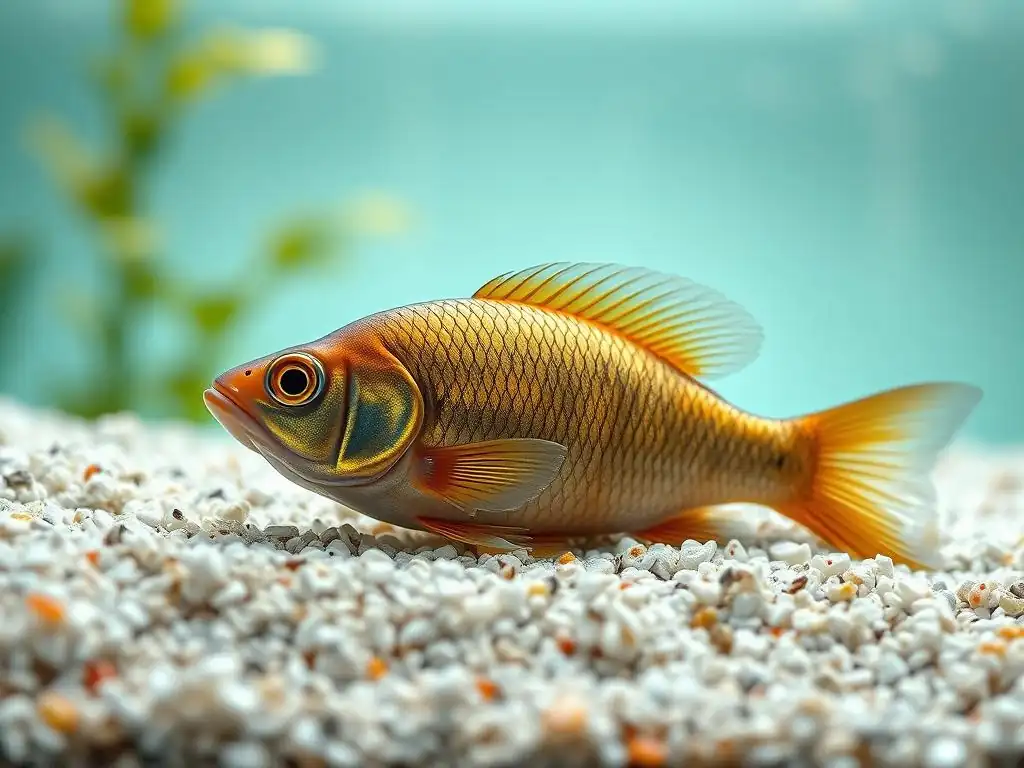
Top Community Fish for Platy Tanks
Guppies: A Vibrant and Compatible Choice
Guppies ( Poecilia reticulata) are quintessential peaceful platy tank companions due to their strikingly similar care requirements and peaceful dispositions. Both species are livebearers, sharing preferences for slightly alkaline water (pH 7.0-8.5) and temperatures ranging from 72-82°F (22-28°C). They also occupy similar swimming levels in the mid-to-upper water column and thrive on a high-quality omnivorous diet.
While their similar needs make them excellent tank mates, it's worth noting that guppies and platies can interbreed, producing hybrid offspring that may not be desirable for some aquarists. Guppies typically grow to 1.5-2.5 inches (3.8-6.3 cm), making them perfectly sized companions that won't outcompete or intimidate platies in a well-maintained community tank of at least 10 gallons.
Mollies: Peaceful Tankmates with Similar Needs
Mollies ( Poecilia sp.), another group of popular livebearers, are highly compatible as peaceful platy tank companions. They share similar water parameter preferences, thriving in slightly alkaline to hard water (pH 7.5-8.5) and temperatures from 72-82°F (22-28°C), and can even tolerate slightly brackish conditions if acclimated properly. Mollies are generally peaceful, active fish that come in a wide array of colors and fin types, adding visual diversity.
Although some molly species, particularly male sailfin mollies, can grow larger than platies (up to 3-4 inches or 7.5-10 cm), they typically coexist without issue. Ensuring adequate space, such as a 20-gallon tank for a mixed group, helps prevent any potential territorial disputes. Their robust nature and similar dietary needs make them excellent additions to a platy community.
Corydoras Catfish: Peaceful Bottom-Dwelling Cleaners
Corydoras catfish ( Corydoras spp.) are ideal peaceful platy tank companions because they occupy a different stratum of the aquarium – the bottom. These small, armored catfish are incredibly peaceful, social, and thrive when kept in schools of at least six individuals. Their preferred water parameters (pH 6.0-7.5, temp 72-78°F or 22-26°C) generally overlap well with platies, though they appreciate a slightly lower pH.
Species like the Bronze Corydoras ( Corydoras aeneus) or Peppered Corydoras ( Corydoras paleatus) typically grow to 2-3 inches (5-7.5 cm) and are diligent scavengers, sifting through the substrate for leftover food. This natural behavior helps keep the tank clean and prevents waste buildup, making them not only peaceful but also beneficial inhabitants in a 20-gallon or larger community tank.
Neon Tetras: Small, Schooling Fish for a Colorful Display
Neon Tetras ( Paracheirodon innesi) are small, schooling fish renowned for their vibrant blue and red stripes, offering a beautiful contrast to the solid colors of platies. While they prefer slightly softer, more acidic water (pH 6.0-7.0, temp 70-78°F or 21-26°C) than platies, they are adaptable and can thrive in the platy's preferred range if acclimated slowly and water parameters are kept stable. They should always be kept in schools of at least 6-10 to reduce stress and encourage natural schooling behavior.
Growing to a maximum of 1.5 inches (3.8 cm), Neon Tetras are too small to pose any threat to adult platies and typically inhabit the mid-water column, avoiding direct competition for space. Their peaceful disposition makes them excellent peaceful platy tank companions, adding dynamic movement and color to a 20-gallon or larger aquarium.
Harlequin Rasboras: Active and Peaceful Schooling Fish
Harlequin Rasboras ( Trigonostigma heteromorpha) are active, schooling fish known for their distinctive black triangular patch and peaceful nature, making them highly suitable peaceful platy tank companions. They typically grow to 1.5-2 inches (3.8-5 cm) and prefer slightly acidic to neutral water conditions (pH 6.0-7.0, temp 72-79°F or 22-26°C), which is manageable for platies.
Like Neon Tetras, Harlequin Rasboras thrive in schools of at least six individuals, which enhances their security and displays their best behavior. They are primarily mid-water swimmers and will not compete directly with platies for territory. Their calm demeanor and attractive appearance make them a fantastic addition to a community tank of 20 gallons or more.
Other Suitable Tank Mates for Platies
Otocinclus Catfish: Algae Eaters for a Clean Tank
Otocinclus catfish ( Otocinclus affinis), often called "Oto cats," are small, peaceful algae-eating fish that grow to only 1.5-2 inches (3.8-5 cm). They are excellent for keeping tank surfaces, plants, and decor free of algae, without disturbing other inhabitants. Otos prefer similar water temperatures (72-79°F or 22-26°C) but slightly more acidic water (pH 6.0-7.5), which can be managed in a platy tank.
These shy bottom-dwellers thrive in groups of at least three to five, feeling more secure in numbers. They are highly sensitive to poor water quality, so a well-cycled and stable aquarium is essential for their health. Their gentle nature and beneficial algae-grazing habits make them ideal peaceful platy tank companions for tanks 10 gallons and up.
Kuhli Loaches: Peaceful Bottom-Dwellers with Unique Appearance
Kuhli Loaches ( Pangio kuhlii) are unique, eel-like bottom-dwellers known for their striped bodies and extremely peaceful, nocturnal nature. They grow to about 3-4 inches (7.5-10 cm) and prefer soft, sandy substrate to burrow in during the day. Their water parameter needs (pH 6.0-7.0, temp 73-86°F or 23-30°C) are generally compatible with platies, especially if pH is kept neutral.
Kuhli Loaches are shy and should be kept in groups of at least three, though five or more is ideal for them to exhibit natural behaviors. They will rarely interact with platies, making them unobtrusive and excellent peaceful platy tank companions. A 20-gallon tank with plenty of hiding spots like driftwood and caves is suitable for these interesting fish.
Ember Tetras: Small, Peaceful Schooling Fish
Ember Tetras ( Hyphessobrycon amandae) are tiny, incredibly vibrant schooling fish, reaching only about 0.8 inches (2 cm) in length. Their diminutive size makes them exceptionally peaceful and entirely non-threatening to platies. They prefer slightly acidic water (pH 5.5-7.0, temp 68-82°F or 20-28°C), which can be adjusted to suit platies within the acceptable range.
Keeping Ember Tetras in large schools of 8-10 or more is crucial for their well-being, as it makes them feel secure and allows them to display their beautiful schooling behavior. They are mid-water swimmers and will not compete with platies for space or food. A 10-gallon tank can comfortably house a small group of Embers alongside a few platies, creating a harmonious and colorful display of peaceful platy tank companions.
Mystery Snails: Peaceful Algae Eaters
Mystery Snails ( Pomacea bridgesii) are large, attractive, and highly beneficial additions to a platy community tank. They are peaceful invertebrates that grow up to 2 inches (5 cm) in diameter and are excellent at consuming algae, detritus, and leftover food, contributing significantly to tank cleanliness. They thrive in similar water parameters as platies (pH 7.0-8.0, temp 68-82°F or 20-28°C) and will not harm live plants.
These slow-moving snails pose no threat to platies or their fry, making them safe and effective peaceful platy tank companions. Ensure the tank lid is secure, as Mystery Snails can sometimes climb out of the water. A 10-gallon tank can comfortably house one or two Mystery Snails, offering a unique element to the tank's ecosystem.
Incompatible Tank Mates: Fish to Avoid with Platies
Aggressive Fish That Can Bully Platies
Betta Fish: Can be Aggressive Towards Platies
While visually stunning, Betta fish ( Betta splendens), particularly males, are generally unsuitable as peaceful platy tank companions due to their highly territorial and often aggressive nature. Bettas are known to nip fins and can relentlessly chase and attack platies, leading to severe stress, fin damage, or even death. The long, flowing fins of male Bettas can also make them targets for any potential fin-nippers, though platies are not typically prone to this behavior.
The risk of aggression significantly outweighs any aesthetic appeal of combining these species, especially in tanks smaller than 20-30 gallons where limited space prevents bullied platies from escaping. Their individual temperaments vary, but the potential for conflict makes them a risky choice for a harmonious community.
Tiger Barbs: Known Fin-Nippers and Bullies
Tiger Barbs ( Puntigrus tetrazona) are infamous for their boisterous, nippy behavior and active nature, making them highly incompatible as peaceful platy tank companions. Their constant harassment and fin-nipping can cause immense stress to platies, leading to frayed fins, compromised immune systems, and increased susceptibility to diseases.
Even when kept in large schools of their own kind (minimum of 6-8), Tiger Barbs often redirect their aggression towards other species, particularly those with long fins or slower movements. Their preferred water parameters (pH 6.0-7.0, temp 75-82°F or 24-28°C) also differ slightly from platies, adding another layer of incompatibility to their coexistence.
Cichlids: Generally Too Aggressive for Platies
Most Cichlid species, especially larger ones such as Oscars ( Astronotus ocellatus) or many African Cichlids, are highly territorial, predatory, and aggressive, rendering them entirely unsuitable as peaceful platy tank companions. They will invariably view platies as either prey or intruders into their territory, resulting in constant harassment, injury, or outright consumption.
Even smaller, seemingly less aggressive cichlids like Jewel Cichlids ( Hemichromis bimaculatus) can become intensely aggressive, particularly during breeding periods. The vast disparities in size, temperament, and often water parameter requirements (e.g., African Cichlids requiring very hard, alkaline water) make any attempt to house them with platies ill-advised.
Fin-Nipping Fish That Stress Platies
Serpae Tetras: Tendency to Nip Fins
Serpae Tetras ( Hyphessobrycon eques) are attractive schooling fish, but they possess a well-documented tendency to nip the fins of slower-moving or long-finned fish, especially if not kept in sufficiently large schools (at least 6-8 individuals). This behavior makes them a risky choice for peaceful platy tank companions, as platies' fins could become frequent targets.
While some aquarists might report success in very large, heavily planted tanks that offer ample escape routes, the inherent risk of stress and physical injury to platies is significant. Their active and occasionally semi-aggressive nature means they can also outcompete platies for food or prime swimming spaces, disrupting the overall balance of the community.
Rosy Barbs: Can be Aggressive and Fin-Nipping
Rosy Barbs ( Pethia conchonius) are often listed as peaceful, but they can exhibit aggressive and fin-nipping behaviors, particularly towards slower-moving fish or those with flowing fins. This makes them less than ideal as peaceful platy tank companions, especially if they are not kept in large schools (6+) or if the tank size is inadequate.
These barbs are active swimmers and can grow quite large, up to 6 inches (15 cm), significantly larger than a platy. Their boisterous energy can overwhelm smaller, more docile fish, leading to chronic stress and potential physical harm. While a very spacious tank might mitigate some aggression, the risk of them harassing platies remains a concern.
Fish That Compete Excessively for Food
Goldfish: Messy Eaters that Outcompete Smaller Fish
Goldfish ( Carassius auratus) are entirely incompatible as peaceful platy tank companions for multiple crucial reasons. Firstly, they are cold-water fish (preferring 65-72°F or 18-22°C), whereas platies require tropical temperatures. Secondly, goldfish are large, incredibly messy eaters that produce a substantial amount of waste, rapidly degrading water quality in a tropical setup and overwhelming filtration systems.
Furthermore, goldfish grow considerably larger than platies (often exceeding 8-10 inches or 20-25 cm) and will aggressively outcompete them for food, often consuming all available food before platies can get enough. They also pose a direct threat by viewing smaller fish, including platy fry and even adult platies, as potential food sources.
Larger Catfish Species: Can Hog Food and Disrupt the Tank
While many smaller catfish like Corydoras are excellent peaceful platy tank companions, larger species such as Common Plecos ( Hypostomus plecostomus) or substantial Synodontis catfish are generally unsuitable. Common Plecos, for example, can grow over 18 inches (45 cm) and produce an immense bio-load, which can quickly overwhelm the filtration system of a typical platy tank.
As they mature, these larger bottom-dwellers can also become highly territorial and aggressive, potentially injuring or stressing platies. Their significant size means they will consume a large portion of sinking foods, making it difficult for smaller bottom-feeders to get adequate nutrition. Moreover, their vigorous movements can disturb the substrate and stress smaller, more delicate fish.
Considerations for a Thriving Platy Community
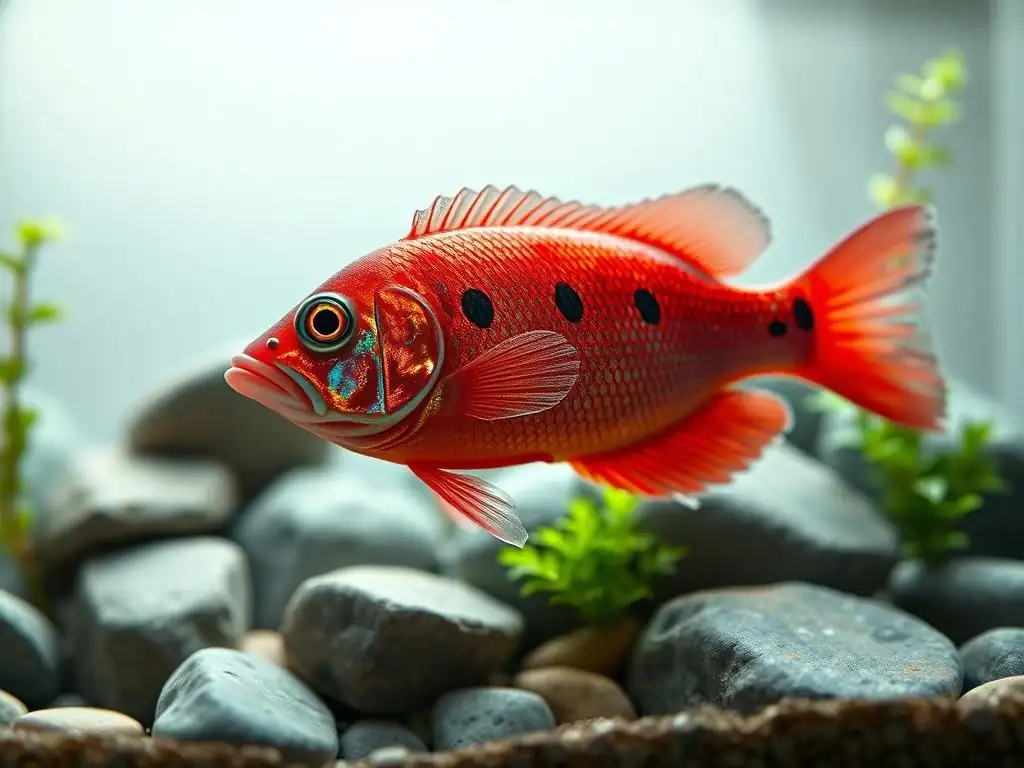
Tank Size and Capacity for Platy Tank Mates
Adequate tank size is paramount for establishing and maintaining a peaceful platy tank community. While a minimum of a 10-gallon tank is often suggested for a small group of platies (e.g., one male and two females), a 20-gallon long tank is vastly superior for a community setup. This larger footprint provides more crucial swimming space, reduces territorial disputes, and accommodates a wider variety of peaceful platy tank companions.
When adding additional fish, the general "one inch of fish per gallon" rule can be a rough starting point, but it's more accurate to consider the adult size, activity level, and bio-load of each species. For instance, a 29-gallon tank can comfortably house 6-8 platies, a school of 6-8 Corydoras, and 6-8 Neon Tetras, allowing each species ample room to thrive without overcrowding.
Water Parameters and Maintaining Stability
Maintaining stable and appropriate water parameters is crucial for the long-term health of platies and their peaceful platy tank companions. Platies thrive in tropical temperatures ranging from 72-78°F (22-26°C), a slightly alkaline pH of 7.0-8.0, and moderately hard water (GH 10-25 dGH or 180-450 ppm). Consistent water quality is more important than hitting exact numbers.
Regular water testing, ideally at least weekly, for ammonia, nitrite, and nitrate levels is essential. Ammonia and nitrite should always be at 0 ppm. Weekly partial water changes of 25-30% are highly recommended to keep nitrate levels below 20 ppm and replenish vital minerals. Using a high-quality water conditioner that neutralizes chlorine and chloramines during every water change is also non-negotiable for fish safety.
Providing Adequate Hiding Places and Decor
A well-decorated aquarium with ample hiding places is vital for creating a peaceful platy tank community. Live plants, such as Anubias, Java Fern, Amazon Swords, and even dense floating plants like hornwort or guppy grass, provide crucial cover, break up lines of sight, and help absorb nitrates. Densely planted areas offer essential refuge for shy fish, bullied individuals, or platy fry.
In addition to live plants, driftwood, ceramic caves, and smooth rocks serve as excellent hiding spots and natural territorial markers, which can reduce aggression among fish. For example, a tank with 30-40% of its footprint covered by plants and decor offers sufficient retreat options, allowing all peaceful platy tank companions to feel secure and reducing overall stress levels in the aquarium.
Feeding and Nutrition for a Diverse Aquarium
Ensuring All Fish Get the Nutrients They Need
A diverse community tank with various peaceful platy tank companions requires a varied and balanced diet to ensure all inhabitants receive adequate nutrition. Platies are omnivores and thrive on high-quality flake food as a staple, supplemented with live or frozen foods such as brine shrimp, bloodworms, daphnia, or spirulina flakes. Bottom-dwelling fish like Corydoras catfish, however, require sinking pellets or wafers to ensure they get enough food.
Feeding small amounts 2-3 times a day is generally more beneficial than one large feeding, as it ensures all fish get a chance to eat and reduces the amount of uneaten food decaying in the tank. For instance, offering flakes for mid-water fish first, followed by sinking pellets for bottom dwellers a few minutes later, ensures every inhabitant receives their necessary nutrients without excessive competition.
Preventing Overfeeding and Maintaining Water Quality
Overfeeding is a common pitfall in aquarium keeping that can rapidly degrade water quality, leading to dangerous ammonia spikes, cloudy water, and unsightly algae blooms. As a general rule, only feed what your peaceful platy tank companions can consume within 2-3 minutes. Any leftover food decomposes quickly, increasing the biological load on the filtration system and potentially stressing the fish.
Regular gravel vacuuming during weekly partial water changes is crucial for removing any uneaten food and accumulated detritus from the substrate. For example, in a 20-gallon tank housing 10-12 fish, feeding a small pinch of high-quality flakes twice daily, along with a few sinking pellets every other day, is often sufficient. Observing your fish's behavior during feeding can also help fine-tune the amount, ensuring they are well-fed without excess.
Monitoring Your Platy Community for Signs of Stress
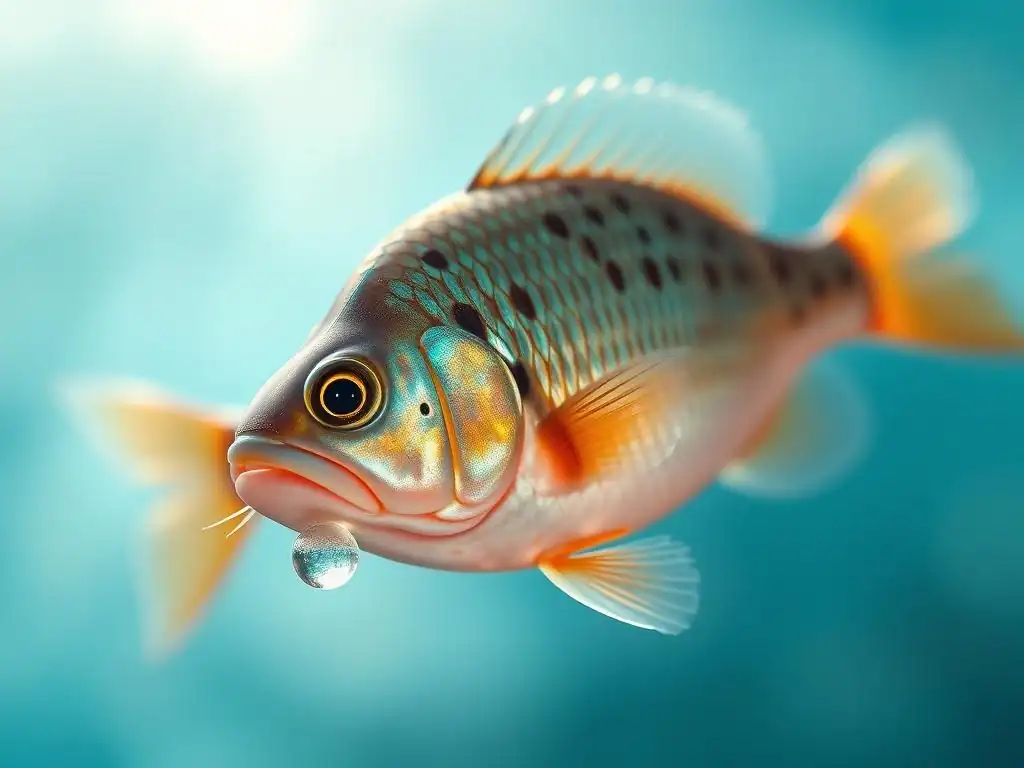
Identifying and Addressing Potential Problems
Vigilant monitoring of your peaceful platy tank companions is crucial for the early detection of stress, illness, or behavioral issues. Signs of stress in fish include clamped fins, lethargy, hiding excessively, rapid breathing, loss of vibrant color, or unusual swimming patterns. Aggression between fish, such as constant fin-nipping, chasing, or territorial disputes, also indicates an underlying problem.
If stress or illness is observed, the first step is always to check all water parameters (ammonia, nitrite, nitrate, pH, and temperature) immediately. An emergency 25-50% partial water change can often alleviate acute water quality issues. Observing specific fish interactions can help pinpoint aggressors or bullied individuals, allowing for rehoming if necessary to restore a peaceful environment.
Quarantine Procedures for New Fish
Implementing a strict quarantine procedure for all new fish is a non-negotiable best practice to prevent the introduction of diseases into your established platy community tank. A separate, smaller tank (e.g., 5-10 gallons) with its own filter and heater should be set up specifically for quarantine purposes. New fish should be kept in this quarantine tank for a minimum of 2-4 weeks.
During the quarantine period, closely observe the new fish for any signs of illness, such as white spots (Ich), fin rot, fungal infections, or behavioral changes like lethargy or loss of appetite. Any detected diseases should be treated in the quarantine tank to prevent contamination of your main display aquarium. For example, if a new group of Neon Tetras shows signs of Ich, treating them in quarantine ensures the disease does not spread to your established platies and other peaceful platy tank companions.
Breeding Considerations in a Platy Community Tank
Managing Platy Fry in a Community Setting
Platies are prolific livebearers, meaning they give birth to live, free-swimming fry rather than laying eggs. In a community tank, many peaceful platy tank companions, including adult platies themselves, will readily predate on the vulnerable fry. While some fry may survive in heavily planted tanks with dense cover, particularly floating plants, the overall survival rate is typically very low, often less than 10-20% without direct intervention.
If you wish to increase fry survival in a community setting, providing abundant dense floating plants like hornwort or guppy grass offers excellent hiding spots immediately after birth. However, even with extensive cover, it remains challenging to raise a significant number of fry, as larger tank mates will actively hunt them, making it an ongoing struggle for the young fish.
Separate Breeding Tanks: An Alternative
For aquarists serious about breeding platies or ensuring a high survival rate of fry, setting up a separate breeding tank (e.g., 5-10 gallons) is highly recommended. This dedicated tank allows the pregnant female to give birth in a stress-free environment, and the fry can then be raised without the threat of predation from other peaceful platy tank companions.
Once the female has given birth, she can be safely returned to the main community tank. The fry can then be fed specialized fry food, such as powdered flakes or liquid fry food, and raised in the dedicated tank until they are large enough (e.g., 0.5-1 inch) to be safely introduced to the main community tank, or rehomed. This method significantly boosts survival rates, often to over 80-90%.
Conclusion: Building a Balanced and Peaceful Platy Aquarium
Key Takeaways for Successful Platy Keeping with Tank Mates
Building a harmonious and peaceful platy tank community hinges on careful planning and consistent dedication. The most critical step is selecting compatible tank mates based on shared temperament, appropriate size, and similar water parameter requirements. Prioritizing species like Guppies, Mollies, Corydoras catfish, and various peaceful tetras ensures a thriving environment where platies can flourish without undue stress.
Beyond initial selection, ongoing commitment to maintaining stable water quality through regular testing and partial water changes, providing ample space and diverse hiding spots, and implementing proper feeding and quarantine protocols are essential. By diligently adhering to these guidelines, aquarists can successfully create and enjoy a vibrant, balanced, and truly peaceful platy aquarium for many years to come.
Frequently Asked Questions
What are some good peaceful platy tank companions for a community aquarium?
Suitable companions include fish with similar temperament and water parameter needs. Some popular choices are neon tetras, guppies, and corydoras catfish because they generally coexist peacefully.
What fish should I avoid when selecting platy tank mates?
Avoid aggressive or fin-nipping fish like tiger barbs or serpae tetras, as they can stress or harm platies. Also, larger, predatory fish are not suitable.
How important is tank size when considering peaceful platy tank companions?
Tank size is crucial! A larger tank allows fish to establish territories, reducing aggression and competition. Aim for at least a 20-gallon tank for a small platy community with companions.
How do I ensure my platy tank mates are compatible in terms of water parameters?
Research the ideal water parameters (temperature, pH, hardness) for both platies and potential companions. Ensure that all fish thrive in the same conditions for a healthy and balanced aquarium.
What should I consider regarding feeding when selecting peaceful platy tank companions?
Choose fish that have similar dietary needs as platies. A high-quality flake food supplemented with occasional treats like bloodworms is usually sufficient for a diverse community.
Final Reflection: Cultivating Harmony in Our Aquatic Worlds
The journey of creating a peaceful aquarium, as we've explored, is a delicate dance of understanding and careful selection. The principles discussed – compatibility, temperament, and environmental needs – aren't just guidelines for fishkeeping; they are reflections of the broader need for thoughtful co-existence in any shared space. The success of a platy tank, teeming with vibrant life and devoid of conflict, serves as a microcosm of the harmonious communities we strive to build in our own lives.
This exploration of peaceful platy tank companions has underscored the importance of empathy and mindful planning. Understanding the needs of others, whether they be scaled or human, is paramount to fostering a thriving environment. The beauty of a well-balanced aquarium lies not just in its aesthetic appeal, but in the intricate web of relationships it supports. The best way to find yourself is to lose yourself in the service of others.
- Mahatma Gandhi. This quote resonates deeply, reminding us that by catering to the needs of our aquatic companions, we learn valuable lessons about responsibility and interconnectedness.
Now, as you consider the possibilities for your own aquarium, I invite you to reflect on the broader implications of creating a peaceful ecosystem. How can you apply the principles of compatibility and understanding to your own relationships and communities? Let the vibrant world you create within your tank serve as a constant reminder of the beauty and potential that arises when we prioritize harmony and respect for all living things.
Dive Deeper: Create Your Platy Paradise!
Thank you for exploring the world of platy tank mates with us! Now that you're equipped with the knowledge to build a harmonious aquarium, let's turn that knowledge into action. Here are some ideas to help you create the perfect environment for your platies:
- Plan your dream platy community: Carefully choose a group of compatible fish this weekend based on the guidelines discussed in the article.
- Explore local aquarium groups or online forums to share your planned setup and gather feedback from experienced aquarists.
- Consider adding live plants that complement your chosen tank mates' needs, creating a lush and natural environment.
What unique combination of platies and tank mates are you most excited to try in your aquarium?